California’s Largest Japanese Market Packs 45,000 Square Feet With Imported Snacks, Fresh Sushi, And Tokyo-Style Finds
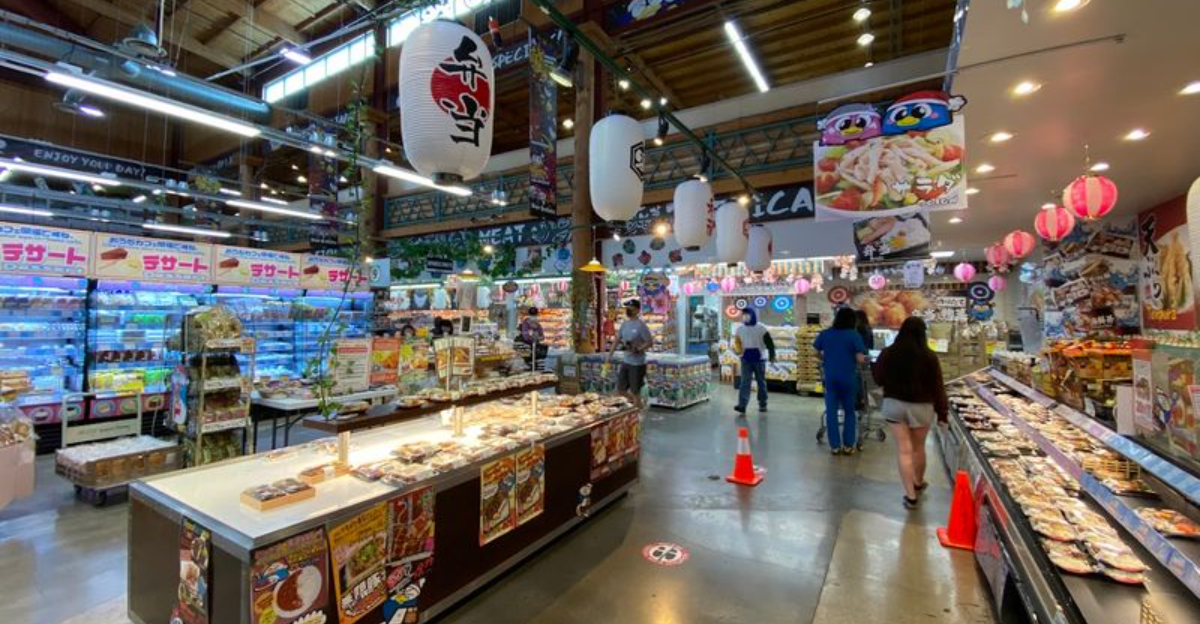
A quick grocery run could become an afternoon-long adventure inside this sprawling market.
One aisle draws you toward brightly packaged snacks you may have never seen before. Another brings the unmistakable aroma of something freshly prepared.
Even shoppers who arrive with a plan may abandon it within minutes.
At 45,000 square feet, the experience feels closer to exploring a food hall, department store, and neighborhood market all at once.
California offers plenty of international shopping destinations, yet few create such a convincing sense of stepping into another country without boarding a plane.
The shelves reward curiosity. Familiar staples sit near unusual discoveries, colorful displays invite detours.
Just when the store seems fully explored, another section appears around the corner.
Come prepared to browse slowly and leave enough room in the basket for whatever catches your attention first.
California’s Largest Japanese Market Spans 45,000 Square Feet
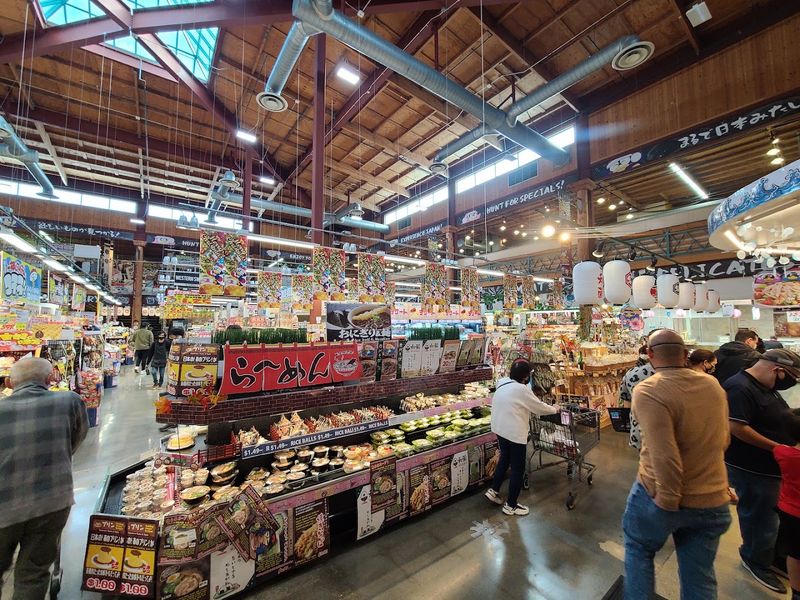
A market this size for the first time can genuinely stop a person in their tracks.
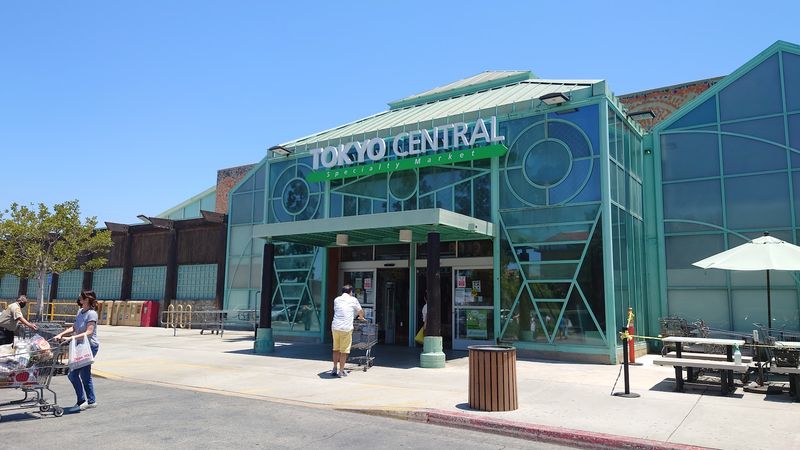
Tokyo Central in Gardena, California covers 45,000 square feet of retail space, making it the largest Japanese grocery store in the entire state.
That kind of footprint is not just a number on paper – it translates into aisle after aisle of products that most shoppers have never encountered in a single location before.
The store operates under the Marukai Corporation and serves as the American presence of Don Quijote, a major retail brand in Japan.
That connection to a real Japanese retail chain gives the store a distinct atmosphere that feels genuinely imported rather than locally approximated.
The layout spans multiple levels, with groceries, prepared foods, and specialty departments on the main floor and additional experiences waiting upstairs.
Open daily from 8 a.m. to 10 p.m., the store is located at 1740 Artesia Blvd., Gardena, CA 90248.
Weekends tend to draw larger crowds, so a weekday visit could allow for a more relaxed pace of exploration.
Free parking is available in the open lot, though it fills up quickly during peak hours on busy days.
The Grocery Aisles Are Packed With Hard-To-Find Japanese Imports
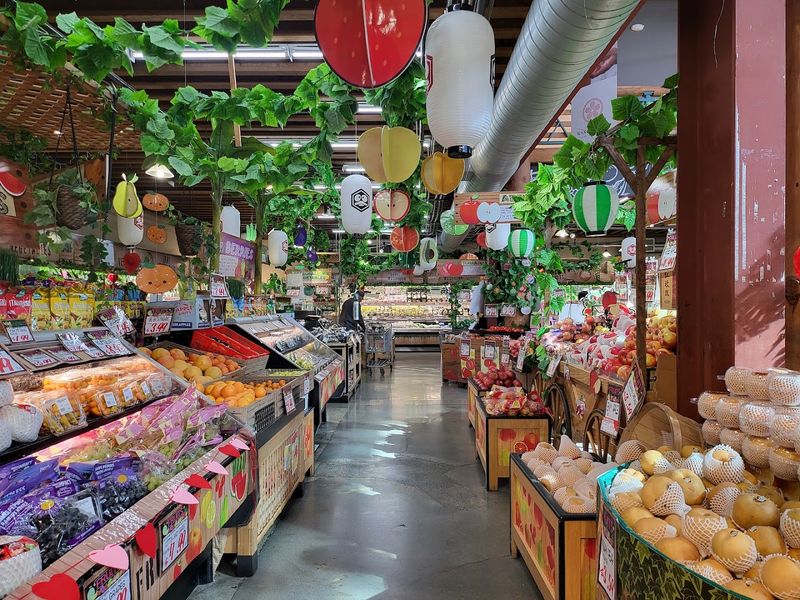
Specialty Japanese ingredients that are nearly impossible to track down at a standard supermarket fill the shelves here in generous supply.
Shoppers can find a wide variety of sauces, noodles, and rice types that cover the full range of Japanese home cooking.
Premium teas, including Sakura tea and Nestle tea varieties imported from Japan, occupy their own dedicated sections within the store.
The noodle selection alone could take several minutes to work through properly.
Udon, ramen, soba, and other noodle types appear in both dried and fresh formats, giving home cooks genuine options depending on the dish.
Specialty condiments like ponzu, mentsuyu, and various miso pastes line the same aisles alongside products that are difficult to source anywhere outside of a well-stocked Japanese market.
Prices on imported goods tend to run slightly higher than domestic equivalents, which is expected given the import costs involved.
Still, the sheer concentration of hard-to-find items in one place makes the experience practical for serious home cooks and casual browsers alike.
The aisles are fairly narrow in sections, so navigating with a cart during busy hours requires a bit of patience and awareness of other shoppers moving through the space.
Fresh Sushi And Sashimi Fill The Refrigerated Cases
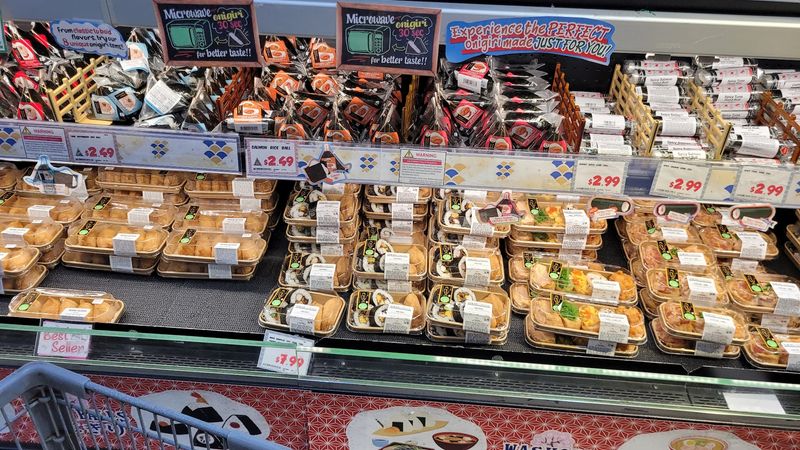
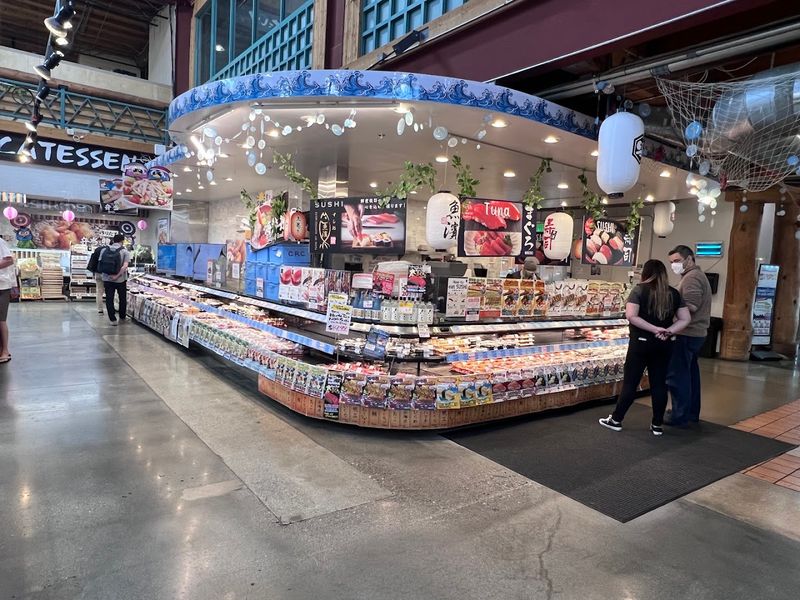
The refrigerated section dedicated to sushi and sashimi at Tokyo Central is genuinely impressive in both variety and quality.
Ready-to-go packages and full trays line the cases, featuring cuts that include salmon, octopus, and uni, which is sea urchin, a delicacy that many markets simply do not carry at all.
The fatty texture on some of the more popular cuts tends to reflect careful sourcing rather than mass-production shortcuts.
Sushi trays come in sizes suitable for a solo meal or a larger spread to share at home.
The presentation is clean and organized, with clear labeling that makes it easy to identify what is inside each package before picking it up.
For shoppers who want to assemble a proper at-home spread without putting in hours of preparation, these cases offer a genuinely convenient solution.
Quality in a prepared seafood section can vary by day and time, so arriving earlier in the day may offer the freshest selection before inventory turns over.
Evening hours sometimes bring discounts on sushi and bento items, which has been noted as a practical reason to time a visit closer to closing.
Checking the packaging dates before purchasing is always a reasonable habit regardless of the store.
The Prepared-Food Section Could Handle An Entire Lunch
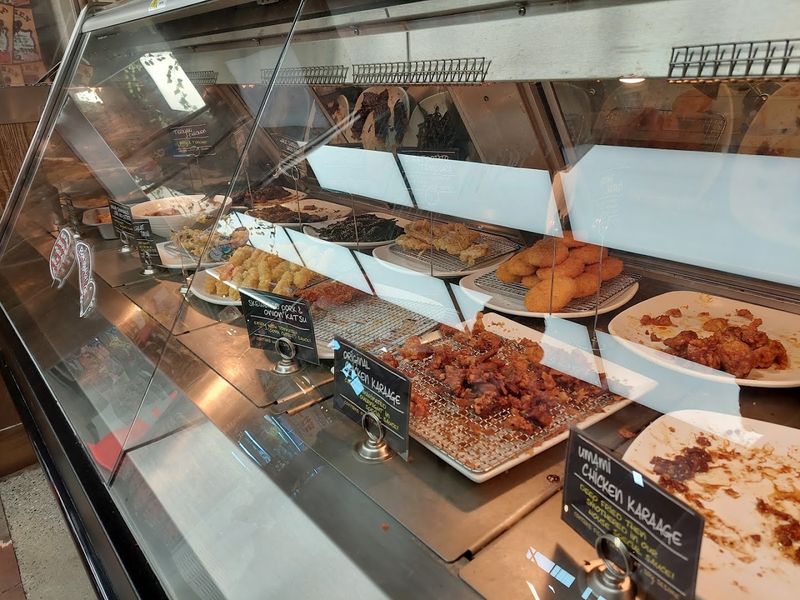
A full hot food station and self-serve buffet anchors the prepared-food section, offering a rotating selection of Japanese-style dishes that covers more ground than most food courts manage on their own.
Chicken katsu, karaage chicken, salmon, teriyaki bowls, shumai, egg rolls, and tempura are among the items that regularly appear in the warming trays.
The buffet operates on a by-weight pricing model, with costs running around $10.99 per pound based on available information.
That structure allows shoppers to build a plate that matches their appetite rather than committing to a fixed portion size.
Grabbing a small sampling of several dishes at once becomes practical under that kind of system.
There is a seating area available for those who want to eat on-site rather than carry food home.
The atmosphere in this section stays fairly active during peak hours, with shoppers moving through the buffet line and selecting items from the prepared cases nearby.
Visiting on a weekday afternoon may allow for a calmer experience compared to the weekend rush, when the prepared-food area tends to draw its largest crowds of the week.
Japanese Snacks Take Up Aisle After Colorful Aisle
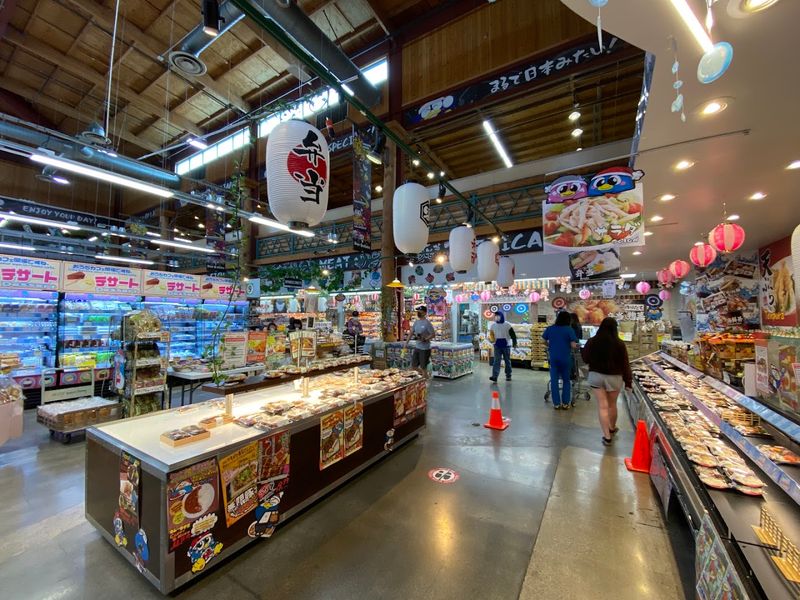
Snack culture in Japan operates on a different level than what most American grocery stores represent, and the aisles at Tokyo Central make that difference immediately clear.
Pocky, Hi-Chew, shrimp chips, potato chips, rice crackers, and mochi appear in flavors and formats that simply do not show up in mainstream retail.
Some aisles are dedicated entirely to rice-based snacks, reflecting just how central that ingredient is to Japanese snacking traditions.
The flavor profiles here tend to skew savory or lightly sweet rather than the intensely sugary direction that dominates many Western snack options.
That distinction makes browsing genuinely interesting for shoppers who are used to a narrower range of snack flavors.
Matcha, black sesame, yuzu, and umeboshi are among the flavor notes that appear across multiple product categories throughout the snack section.
Seasonal and limited-edition snack releases from Japanese brands also appear on these shelves, which gives regular visitors a reason to check back periodically for new arrivals.
Packaging alone can make the browsing experience feel like a visual adventure, with bold colors and character-branded designs covering nearly every product.
Japanese Beauty Products Turn Grocery Shopping Into Browsing
In the non-food departments of Tokyo Central is a beauty section that carries Japanese skincare, cosmetics, and hair care products that are genuinely difficult to source outside of a specialty retailer.
Brands like &honey haircare and Canmake makeup products appear alongside a broader selection of imported items that reflect current Japanese beauty trends.
Over-the-counter Japanese pharmaceutical items also occupy part of this section.
For shoppers interested in Japanese skincare routines, the variety here covers cleansers, moisturizers, sunscreens, and treatments in formats that follow Japanese cosmetic standards.
That distinction matters for people who have specifically sought out Japanese versions of products they have read about online or encountered while traveling.
The packaging is often in Japanese, though many items include English labeling or are recognizable by their branding.
Hair care products cover shampoos, conditioners, hair dye, repair serums, and styling items, giving the section a depth that goes beyond a simple token international aisle.
Prices reflect the import costs involved, so shoppers comparing to domestic equivalents should factor that in before purchasing.
Browsing this section without a specific shopping list tends to surface unexpected products that are worth trying, which is part of what keeps this area interesting on repeat visits.
Housewares And Kitchen Tools Add Another Layer To The Store
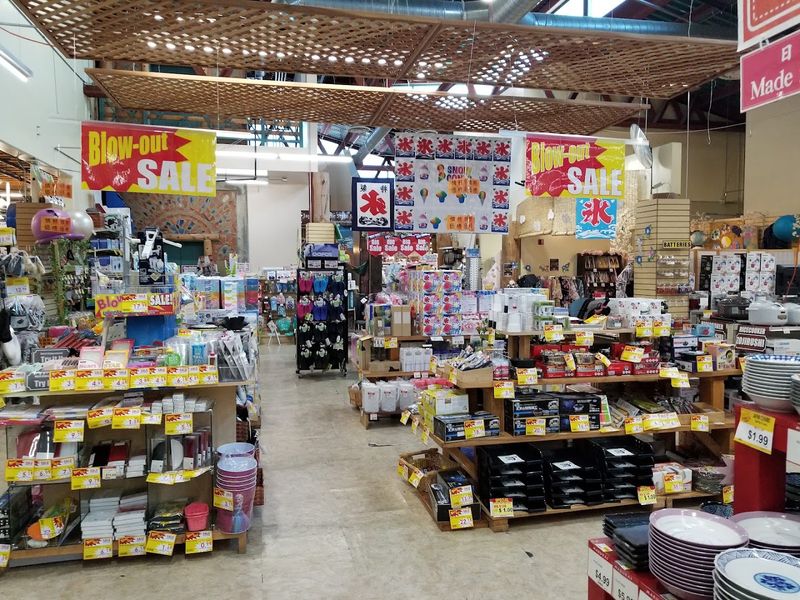
Beyond food and beauty, Tokyo Central stocks a full housewares section that covers Japanese cooking tools, tableware, and general household goods in a way that adds real practical value to the shopping trip.
Rice cookers, Japanese knives, and an array of chopstick styles represent the cooking-focused end of the department, while porcelain plateware, silverware, and serving pieces fill out the table setting options.
Japanese barbecue accessories and noodle flow tools round out some of the more specialized items available.
The kitchen tool selection reflects the kind of equipment that Japanese home cooking actually relies on rather than novelty items designed to look Japanese without functional purpose.
A proper noodle strainer, a dedicated rice paddle, or a high-quality Japanese knife can genuinely change how certain dishes come together at home.
Shoppers who cook Japanese food regularly tend to find this section particularly useful for replacing worn items or filling gaps in their setup.
General household goods like pillows, dishes, and cleaning supplies extend the department into everyday territory, making it possible to handle multiple types of errands in a single visit.
Some branded items featuring popular Japanese characters like Hello Kitty or Sanrio designs appear in this section and elsewhere in the store, adding a playful visual element to what is otherwise a practical shopping area.
Seasonal Displays Change With Japanese Holidays And Traditions
One of the quieter pleasures of shopping at Tokyo Central regularly is noticing how the store’s displays shift to reflect the Japanese calendar rather than the American retail holiday cycle.
Seasonal treats from various regions of Japan appear on dedicated shelves throughout the year, tied to festivals and cultural observances that mark the Japanese seasonal rhythm.
These limited offerings give the store a sense of movement and change that keeps repeat visits from feeling identical.
Regional Japanese festivals often come with their own associated foods, sweets, and specialty items that are produced for a specific window of time before disappearing from shelves until the following year.
Finding a regional wagashi or a festival-specific snack at a California grocery store is the kind of discovery that makes a trip feel worthwhile beyond the standard grocery run.
The store may also highlight certain Japanese holidays through product groupings and themed promotions that make the cultural context easier to understand for shoppers who are less familiar with the Japanese calendar.
Shoppers with a specific seasonal item in mind may want to call ahead or check the store’s website before making a dedicated trip, since availability is inherently tied to timing and regional production schedules.
The seasonal section also tends to attract attention near the entrance, making it one of the first things visible upon walking in and an easy reason to linger near the front of the store.