California’s Little Japan Features 200 Cherry Trees That Hit Peak Bloom In Spring In One Of The Area’s Largest Gardens
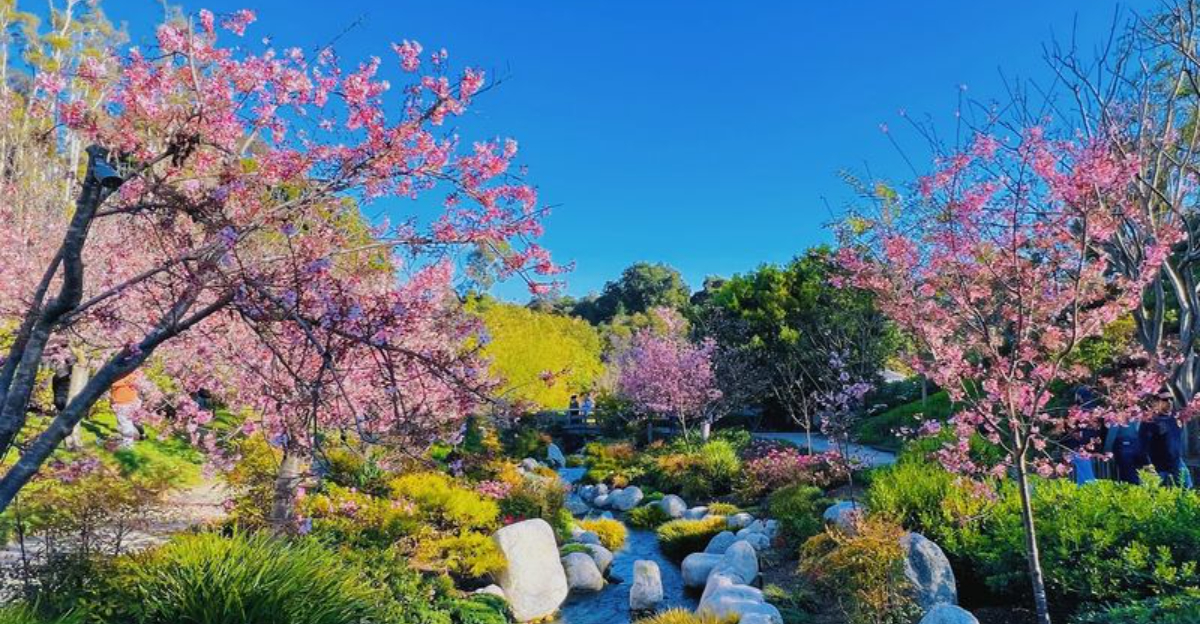
A garden like this changes everything in an instant. The pace slows. The noise fades. What starts as a simple walk quickly turns into something more memorable. Spring brings a quiet transformation that feels almost unreal at times.
Nearly 200 cherry trees come into bloom, filling the space with soft color that draws your attention without demanding it.
The effect is subtle at first, then impossible to ignore. California offers moments like this that feel both unexpected and completely natural at the same time.
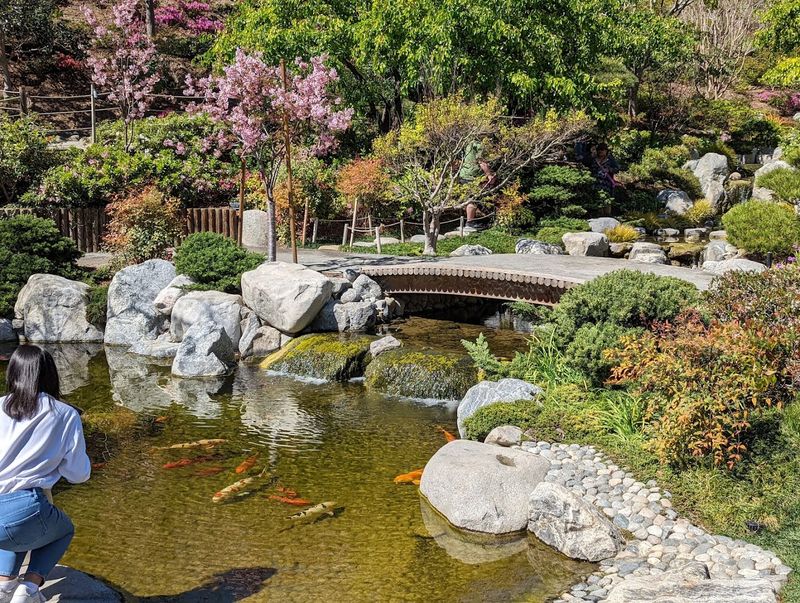
Beyond the blossoms, the experience continues to unfold in small details. Koi ponds reflect the shifting light. Bonsai displays invite a closer look. Winding paths lead from one peaceful corner to the next without feeling rushed or crowded.
Whether the blossoms are just beginning to open or reaching their peak, the atmosphere remains calm, layered, and worth slowing down for.
A Hidden Japanese Oasis
Most people think of Los Angeles when they picture California’s cultural landmarks, but a quieter and equally rich destination sits about two hours south in Balboa Park.
The Japanese Friendship Garden and Museum in San Diego offers a full immersion into Japanese landscape design without requiring an international flight or a busy urban commute.
The garden spans more than 11 acres and features layered terrain that shifts from open plazas to shaded hillside paths.
Arriving here feels like stepping through a threshold into a different pace of life.
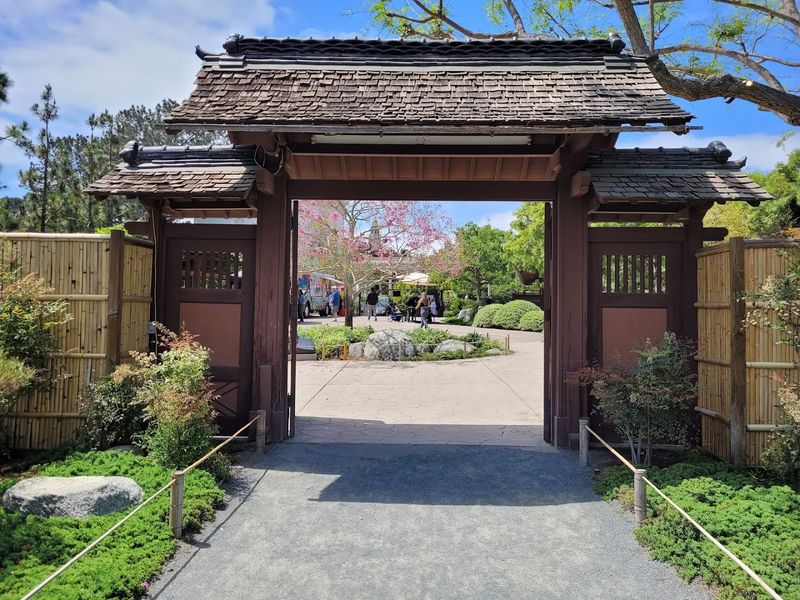
The sounds of the city fade quickly once visitors move past the entrance gate and begin walking along the stone-lined paths.
Traditional elements like bamboo groves, stone lanterns, and carefully shaped trees line nearly every route through the property.
Balboa Park itself is already a destination worth exploring, and the Japanese Friendship Garden adds a specific kind of stillness that many visitors say they did not expect.
The garden is open daily from 10 AM to 6 PM and sits within easy reach of other park attractions. Spending a half day here tends to feel completely natural given how much there is to notice along the way.
Where To Find This Peaceful Garden In Southern California
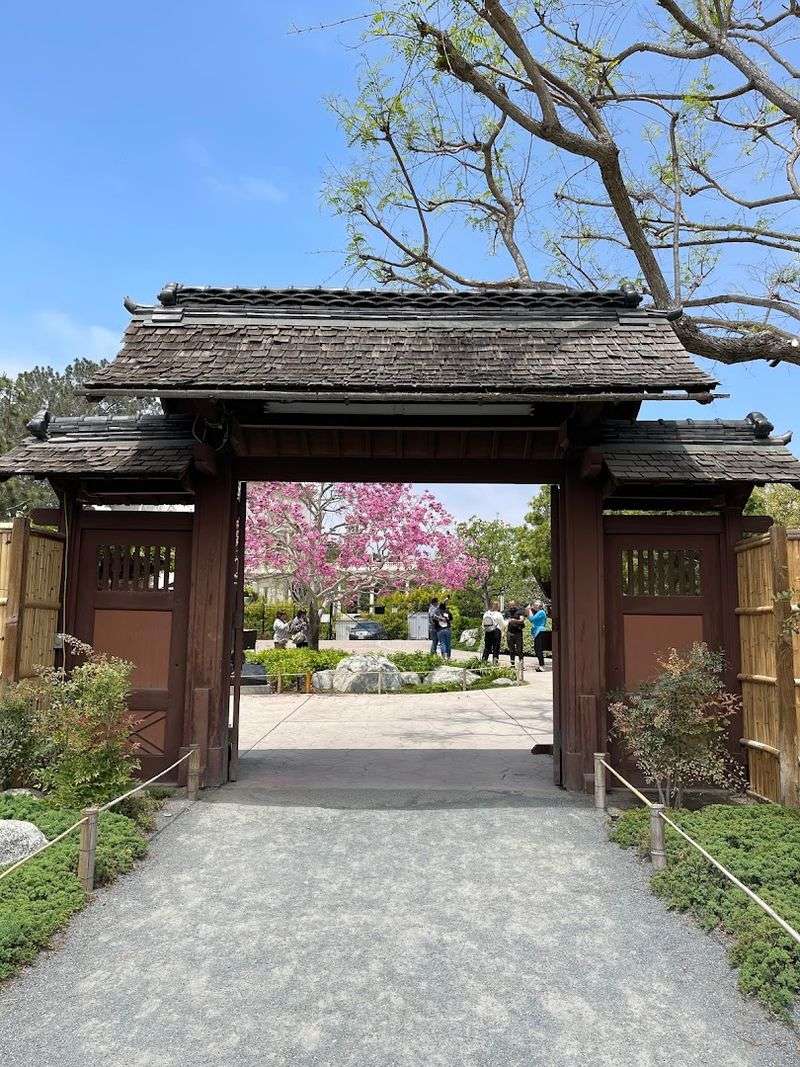
Located at 2215 Pan American E Rd, San Diego, CA 92101, the Japanese Friendship Garden and Museum sits within Balboa Park and is reachable by car, tram, or public bus.
The garden is open every day of the week from 10 AM to 6 PM, making it accessible for both weekend visitors and those who prefer a quieter weekday experience.
Parking is available at nearby Balboa Park lots, though spaces can fill up quickly during spring bloom season and festival weekends.
The garden’s position within Balboa Park means it shares the area with museums, performance spaces, and open lawns, so combining a visit with other nearby attractions is very practical.
Arriving early in the morning tends to offer a calmer experience, especially on Saturdays when attendance picks up noticeably.
A Balboa Park tram connects the main parking areas to the garden entrance, which helps on busier days.
Third Tuesdays of each month are designated as free resident days, though last entry on those days is at 4 PM with the garden closing at 5 PM rather than the standard 6 PM.
Calling ahead at +1 619-232-2721 or visiting the official site at niwa.org can help confirm current hours and any seasonal schedule changes before making the trip.
Why This Garden Feels Like A Trip To Japan
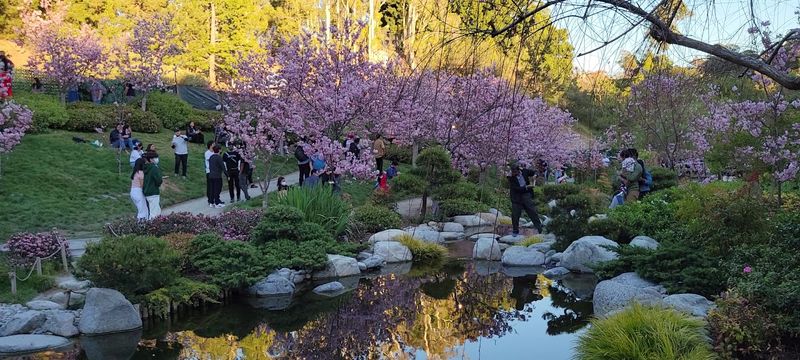
Stepping inside the Japanese Friendship Garden feels like the surrounding city simply stops existing.
The design follows traditional Japanese landscape principles that emphasize balance, natural materials, and the relationship between open space and dense plantings.
Stone paths curve through sections that alternate between sun and shade, and the transitions feel deliberate rather than accidental.
Every corner of the garden holds something worth pausing over, from the sound of water moving through a narrow stream channel to the sight of a decades-old bonsai resting on a wooden stand.
The traditional wooden pavilion near the koi pond offers a shaded resting spot with a view that could easily be mistaken for a scene from rural Japan.
Hummingbirds have been spotted moving through the garden regularly, adding an unexpected layer of life to the already rich environment.
The museum portion of the property adds cultural context that deepens the overall visit.
Exhibits offer insight into Japanese art, history, and the friendship between San Diego and its Japanese sister city.
Visitors who spend time in both the garden and the museum tend to leave with a fuller understanding of why this space was built and what it continues to mean to the community that maintains it.
Nearly 200 Cherry Trees Set To Reach Peak Bloom
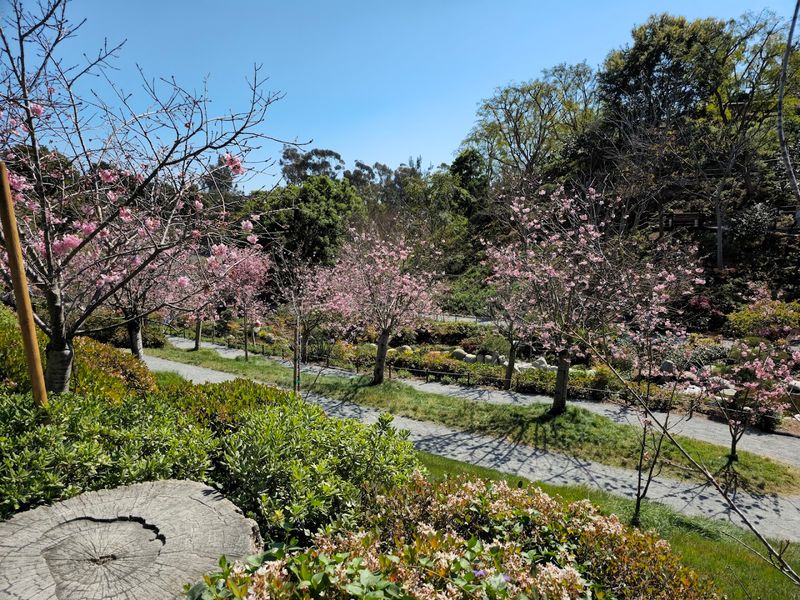
The cherry blossom grove at the Japanese Friendship Garden is the centerpiece of the garden’s spring identity.
Close to 200 cherry trees fill the property, and when they reach peak bloom the visual effect is layered and genuinely striking.
Pale pink petals cluster densely on branches that arch over pathways and frame views of the koi ponds and stone features below.
Peak bloom timing shifts from year to year depending on temperature patterns leading into late winter and early spring.
In 2026, the blossoms were expected to reach their fullest expression in March, with the annual Cherry Blossom Festival scheduled from March 12 through March 15.
Even at partial bloom, around 20 percent open, visitors have described the garden as stunning and well worth the trip.
The grove is designed so that multiple tree varieties bloom at slightly different times, which can extend the overall season by a few extra days depending on conditions.
Paths wind directly through the grove, allowing visitors to walk beneath the canopy rather than simply viewing it from a distance.
Grabbing a map at the ticket booth is a helpful first step to make sure the cherry blossom sections are not missed during the visit.
The Science Behind Cherry Blossoms Thriving In San Diego
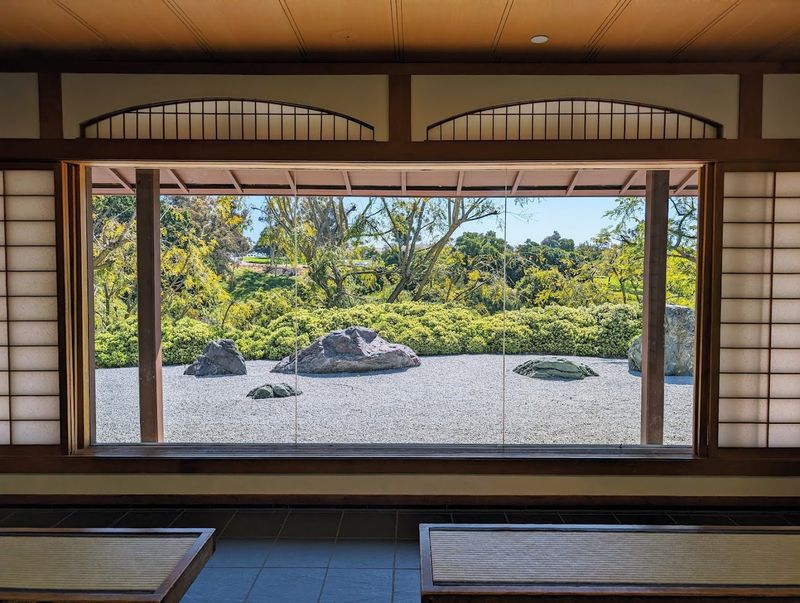
Growing cherry blossoms in Southern California requires specific tree varieties that can complete their dormancy cycle even in mild winters.
San Diego’s climate does not produce the deep freezes that traditional Japanese cherry trees often need, so the garden uses cultivars that have been selected for their ability to bloom reliably in warmer conditions.
This careful selection process is part of what makes the grove so consistent from year to year. Cherry trees need a period of cool temperatures followed by warming days to trigger the bloom cycle.
San Diego’s winters tend to be mild but still provide enough of a chill period for these adapted varieties to set their buds.
The trees have been part of Balboa Park’s landscape since the 1920s, and decades of local growing conditions have helped establish a grove that performs reliably each spring.
Soil composition, irrigation, and careful pruning all contribute to the health of the trees throughout the year.
The garden’s maintenance team monitors each tree closely as winter transitions into spring, and the timing of bloom can shift by days or even weeks depending on rainfall and temperature patterns.
Checking the garden’s official website closer to spring can give visitors a more accurate sense of where the bloom stands before planning a trip.
When To Visit For The Best Cherry Blossom Experience
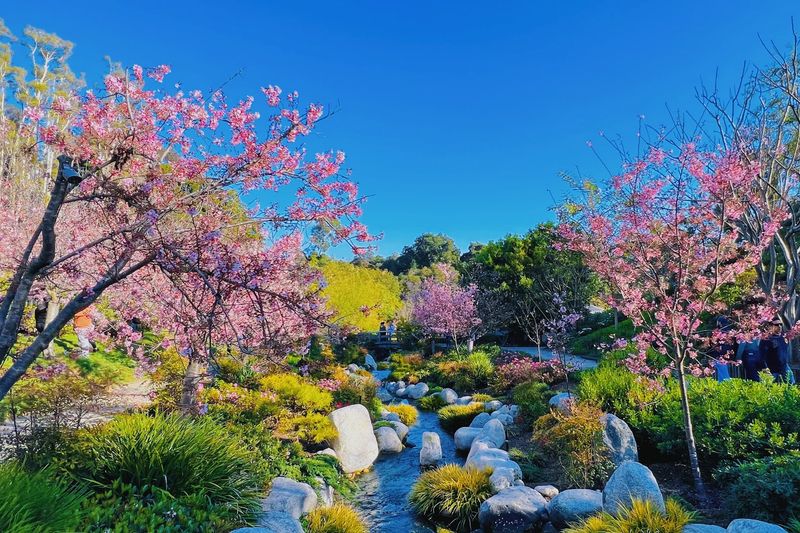
Timing a visit around the cherry blossoms takes a bit of flexibility since the bloom period shifts each year.
March is the most likely window based on recent patterns, and the Cherry Blossom Festival in mid-March tends to align with or closely follow peak bloom.
Arriving during the festival means access to cultural performances, Japanese street food vendors, art installations, and a children’s activity area alongside the natural spectacle of the blooms.
Weekday mornings tend to offer a noticeably quieter experience compared to festival weekends, when wait times to enter can stretch to 45 minutes or more.
Arriving at or just after the 10 AM opening on a weekday gives visitors the best chance of walking the paths without significant crowds.
The narrow sections of the garden can feel congested when attendance is high, so pacing and patience become part of the experience during peak season.
For those who want the blossoms without the festival crowds, visiting in the days just before or just after the official festival dates could offer a calmer atmosphere while the trees are still in bloom.
Monitoring the garden’s website or social media channels in the weeks leading up to March can provide real-time bloom updates that help with planning.
Why The Bloom Only Lasts A Short Time Each Year
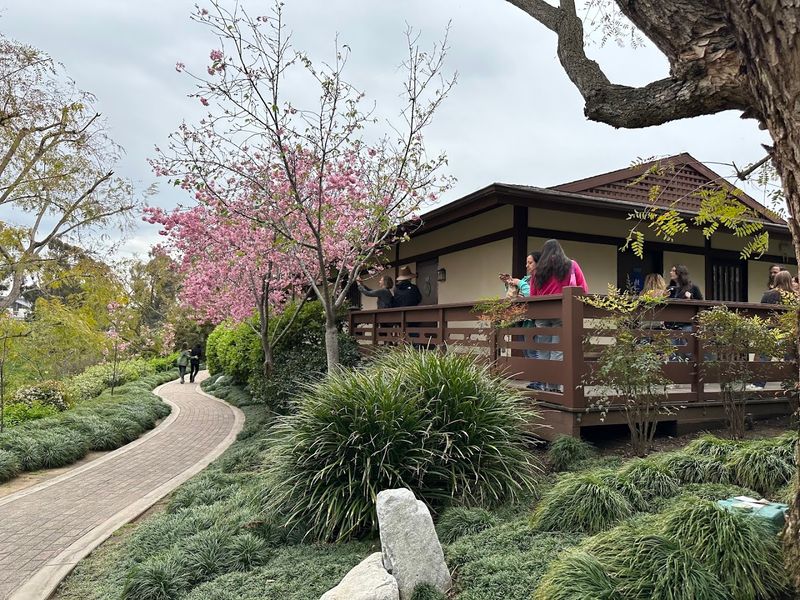
Cherry blossoms are famous worldwide partly because they do not stay long.
The bloom period for most cherry tree varieties lasts only one to two weeks before the petals begin to fall and the trees shift into their leafy summer form.
This brief window is part of what makes the experience feel so worth seeking out, since missing it by even a few days can mean waiting another full year.
Japanese culture has a term for the appreciation of transient beauty called mono no aware, and cherry blossoms are one of its most recognized symbols.
The fleeting nature of the bloom is not seen as a loss but rather as a reminder that beauty is more meaningful because it does not last.
Visiting the garden during this short window connects visitors to a cultural perspective that has been practiced for centuries.
Weather plays a significant role in how long the blossoms hold. Strong winds or heavy rain can shorten the bloom period considerably, while calm and mild conditions can extend it by a few days.
Checking local weather forecasts alongside bloom updates from the garden’s official channels can help visitors time their trip to catch the trees at their fullest before the petals begin to drop.
The Story Behind The Garden’s Origins And Cultural Roots
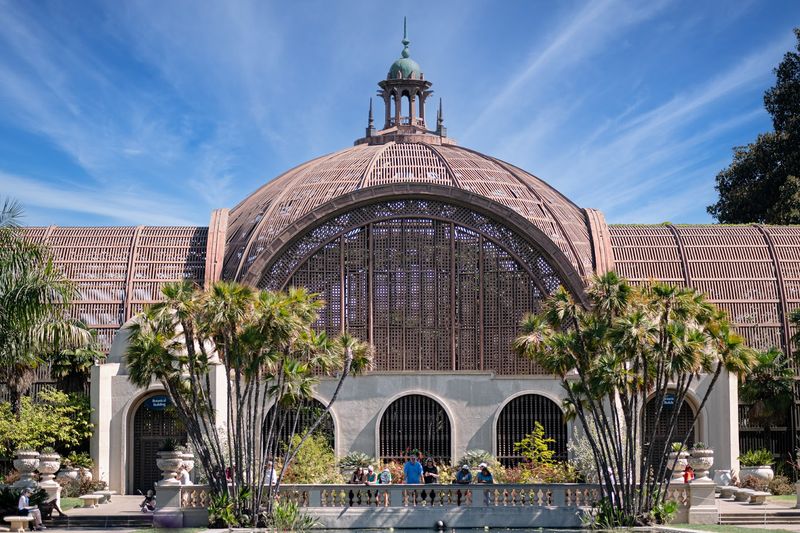
Cherry trees have been part of Balboa Park’s landscape since the 1920s, making this one of the longer-standing Japanese horticultural traditions in Southern California.
The Japanese Friendship Garden itself was formally established as a symbol of the friendship between San Diego and its Japanese sister city, Yokohama.
That relationship gave the garden both its name and its ongoing cultural purpose, connecting two cities through shared stewardship of a living landscape.
The garden draws from centuries of Japanese garden design philosophy, which treats outdoor space as a carefully composed environment rather than simply a collection of plants.
Every element including stone placement, water flow, tree shaping, and path routing reflects intentional decisions rooted in aesthetic and spiritual tradition.
Walking through the space with that context in mind tends to shift how visitors read what they are seeing.
Over the decades the garden has grown from a modest planting area into a multi-acre cultural institution that includes a museum, event spaces, and educational programming.
The history embedded in the property gives it a depth that newer attractions often lack.
Understanding even a small part of that history before visiting can make the experience feel more grounded and meaningful rather than simply scenic.
How A Gift From Japan Helped Shape This Space
The bond between San Diego and Yokohama has shaped the Japanese Friendship Garden in tangible ways over the years.
Cultural and material gifts exchanged between the two cities have contributed to the garden’s design elements, including traditional architectural features and plantings that reflect authentic Japanese horticultural practice.
These contributions give the garden a legitimacy that goes beyond decoration and connects it to a living international relationship.
Stone lanterns, wooden pavilions, and other structural features within the garden reflect design traditions that have been practiced in Japan for hundreds of years.
Many of these elements were incorporated with guidance from Japanese designers and cultural advisors who worked alongside local planners to ensure accuracy and respect for the traditions being represented.
The result is a space that feels cohesive rather than assembled from unrelated parts.
The museum section of the property expands on this story by presenting exhibits that trace the cultural exchange between the two cities and explain the significance of specific garden elements.
Visitors who take time to walk through the museum before or after exploring the garden tend to notice details they might otherwise overlook.
The combination of outdoor experience and indoor context creates a visit that is both sensory and educational in a way that neither element could achieve alone.
Exploring The Garden’s Expansive Lower Section
The 2015 expansion brought the Japanese Friendship Garden’s total size to over 11 acres, and the lower garden section is one of the most rewarding parts of that added space.
Terraced paths descend through plantings that shift in texture and density as the elevation drops, creating a sense of discovery that rewards visitors who take their time.
The lower area tends to feel slightly more secluded than the upper sections near the entrance, which makes it a good place to slow down and sit for a while.
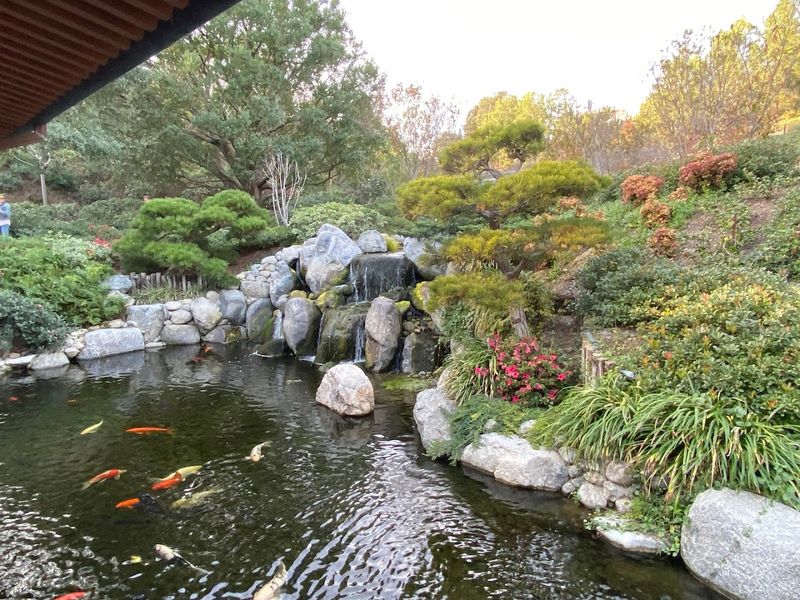
Water features are especially prominent in the lower garden, with streams and small waterfalls audible from multiple points along the path network.
The sound of moving water is consistent throughout the area and contributes significantly to the calm atmosphere that the garden is known for.
Stone benches and resting spots are placed at intervals along the routes, making it easy to pause without feeling like the path has been abandoned.
During the Cherry Blossom Festival, food vendors set up in portions of the lower garden, offering Japanese street food and creating a lively but contained energy that contrasts pleasantly with the quieter upper sections.
Outside of festival periods the lower garden returns to its more contemplative character, with local wildlife including birds and turtles occasionally spotted near the water features.
What You’ll See Beyond Cherry Blossoms, From Koi Ponds To Lanterns
Cherry blossoms get most of the seasonal attention, but the Japanese Friendship Garden offers a rich visual experience throughout the entire year.
Koi ponds anchor several sections of the property, with large and colorful fish visible just below the surface on clear days.
Turtles have also been spotted in the water features, adding an unexpected element to the pond-watching experience that visitors of all ages tend to enjoy.
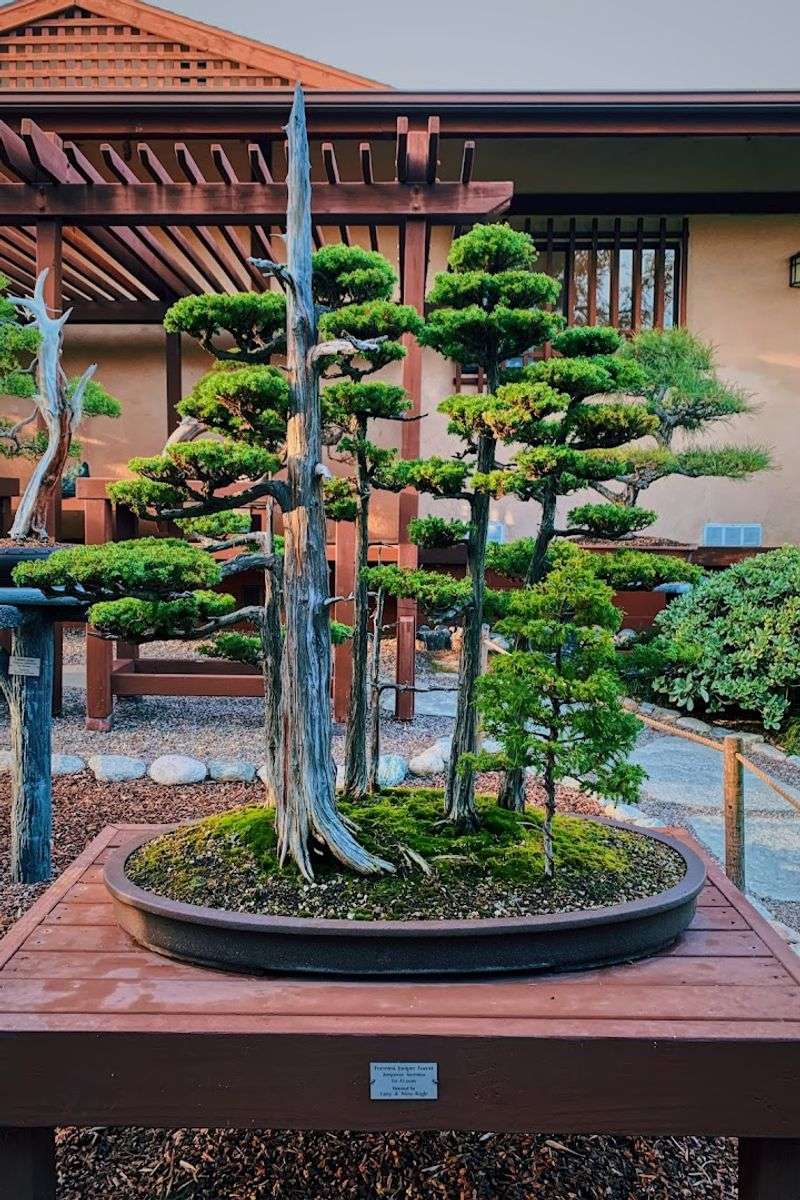
The bonsai collection is one of the garden’s most talked-about features outside of bloom season.
Trees ranging from 30 to 60 years old are displayed in the collection, each one representing decades of patient shaping and care.
Viewing a bonsai up close gives a sense of scale and time that photographs rarely capture accurately, and the collection includes a variety of species with distinct branching styles and bark textures.
Camellia plants bloom in winter, adding color to the garden during months when many other spaces feel bare.
Stone lanterns appear throughout the property, some tucked into plantings and others positioned at path intersections where they serve as quiet focal points.
A gift shop near the museum entrance carries items related to Japanese craft and garden culture, and restrooms are available on site for visitor convenience during longer stays.
Why This Garden Is One Of Southern California’s Most Unique Spring Experiences
Few public gardens in Southern California combine cultural depth, natural beauty, and seasonal spectacle the way the Japanese Friendship Garden does each spring.
The combination of nearly 200 cherry trees, a multi-acre landscape, and an annual festival rooted in authentic Japanese tradition creates an experience that stands apart from the region’s other seasonal attractions.
The garden earns consistently strong feedback from visitors who describe it as peaceful, well-maintained, and genuinely worth the admission price.
Admission ranges from approximately $16 to $25 depending on the ticket type and whether a festival is taking place, with options that include general entry and express passes during high-attendance events.
Mobile scooters are available for use on the majority of the site, and ADA-accessible pathways run throughout the garden, making it navigable for visitors with mobility considerations.
Strollers are also welcome on most routes through the property. Spending an hour here feels easy and unhurried, but the garden is large enough that a two-hour visit still leaves things to discover.
Every season brings something different, from winter camellias to spring cherry blossoms to the quiet green density of summer.
Returning more than once across different seasons tends to reveal how much the garden changes and how much of its character stays exactly the same.