California’s Treasure-Packed Thrift Store In San Francisco That You Can Browse For Hours
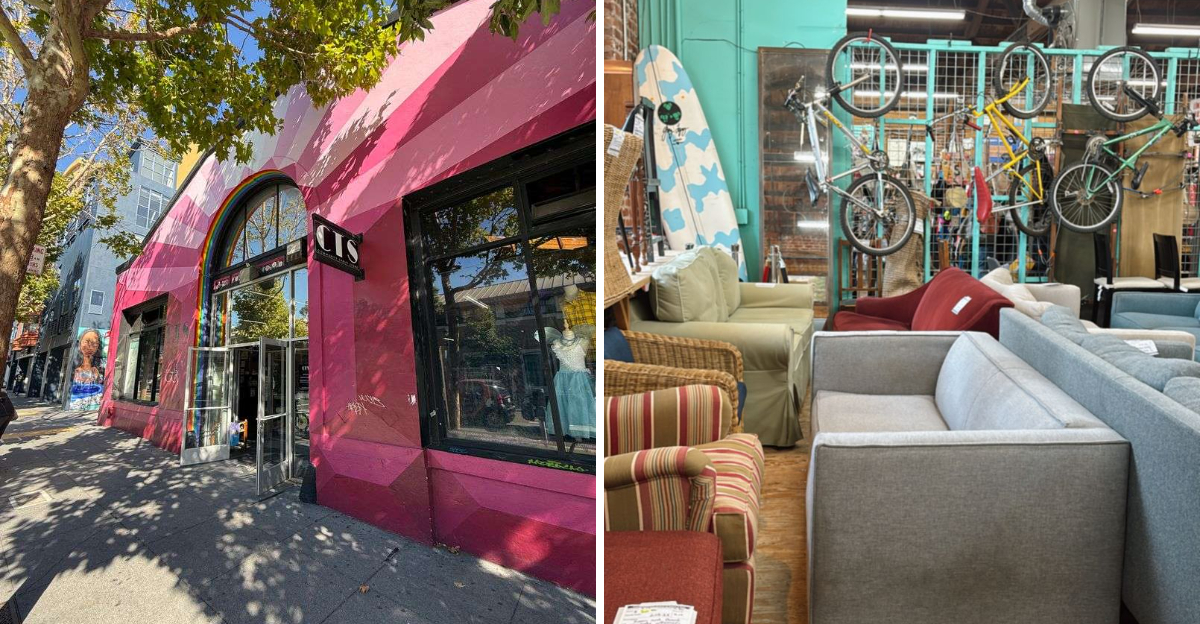
San Francisco’s Mission District hides a California thrift store that feels less like a shop and more like an all-day treasure hunt waiting to happen.
Community Thrift Store has been pulling in bargain hunters since 1982, and stepping inside still feels like entering a space where anything could turn up.
Racks stretch endlessly with vintage denim, retro jackets, and unexpected designer finds mixed in without warning.
Furniture, books, vinyl records, and quirky home décor fill every open corner, turning casual browsing into a full-on search mission.
The thrill comes from never knowing what might be sitting on the next shelf or tucked between the next hangers.
Regulars wander the aisles slowly, scanning for one-of-a-kind pieces that rarely stay on the floor for long.
Donations arrive constantly, which means the inventory flips fast and no two visits ever feel the same. Some shoppers come with specific goals, while others show up purely for the rush of discovery.
Either way, it’s easy to lose track of time inside this Mission District staple where every aisle holds the potential for an unexpected California find.
1. A Four-Decade Legacy Of Community Support
Community Thrift Store opened its doors in 1982, founded by the Tavern Guild of San Francisco during an era when community-driven initiatives were reshaping the city’s charitable landscape.
The store is located at 623 Valencia Street in San Francisco, California 94110.
For more than forty years, this nonprofit has maintained its commitment to supporting Bay Area organizations while providing affordable shopping options to residents and visitors alike.
The Tavern Guild’s involvement gave the store historical significance beyond typical thrift operations.
That legacy continues today through partnerships with diverse charities addressing everything from health services to educational programs.
The store celebrated its fortieth anniversary in 2022, marking four decades of consistent operation in the same Mission District location.
Longevity in San Francisco’s retail landscape speaks to both community need and operational success, particularly for nonprofit ventures facing rising rents and changing neighborhoods.
The store’s sustained presence demonstrates how secondhand retail can thrive when mission-driven rather than profit-focused.
Shoppers browsing the aisles today walk the same floors that generations of treasure hunters have explored before them.
2. Supporting Over Two Hundred Bay Area Charities
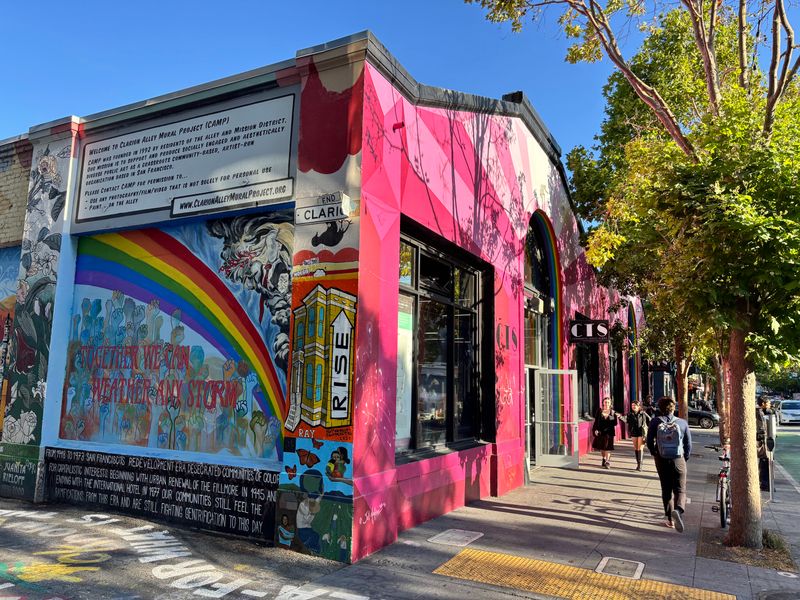
Few thrift stores can claim partnerships with more than two hundred nonprofit organizations, yet Community Thrift Store maintains exactly that network across the Bay Area.
When donors bring items to the store, they select which charity receives proceeds from those specific donations, creating a transparent system that empowers individuals to direct their support.
This model transforms casual decluttering into intentional philanthropy, making every dropped-off sweater or lamp a potential contribution to causes donors care about.
The participating charities span remarkable diversity, from animal welfare groups to youth programs, health advocacy organizations to arts initiatives.
Some partnerships have lasted decades, while others join more recently as community needs evolve.
The store’s website maintains a searchable directory of partner organizations, allowing donors to learn about different groups before choosing their beneficiary.
Over the years, Community Thrift has distributed millions of dollars to these partner charities, money that might never have materialized through traditional fundraising alone.
The system works because it removes barriers between goodwill and action, letting people support causes simply by cleaning out closets.
For charities, the arrangement provides funding streams without requiring staff time for donation collection or retail operations.
3. Daily Inventory Updates Keep Every Visit Fresh
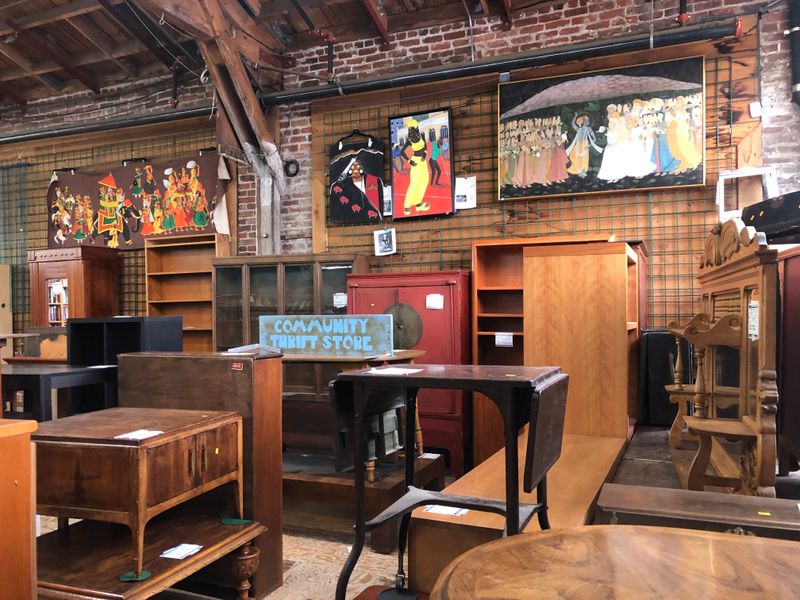
Hundreds of new items arrive at Community Thrift Store every single day, creating inventory turnover that ensures no two visits feel identical.
Donations flow in continuously during operating hours, with staff processing, sorting, and pricing items for floor display throughout the day.
This constant refresh means morning shoppers might find completely different selections than afternoon browsers, even on the same day.
The volume and variety stem from San Francisco’s dense population and culture of donating rather than discarding usable goods.
Clothing dominates the daily intake, but furniture, books, kitchen items, electronics, and decorative pieces arrive in steady streams as well.
Seasonal shifts influence what appears on racks and shelves, with winter coats appearing in autumn and beach gear surfacing as summer approaches.
Regular visitors often develop strategies around this constant turnover, stopping by weekly or even multiple times per week to catch new arrivals before other shoppers claim them.
The unpredictability becomes part of the appeal rather than a frustration, turning each visit into a genuine treasure hunt.
Unlike chain stores with predictable inventory cycles, Community Thrift offers authentic discovery potential that keeps seasoned thrifters coming back.
4. Certified Green Business Prioritizing Sustainability
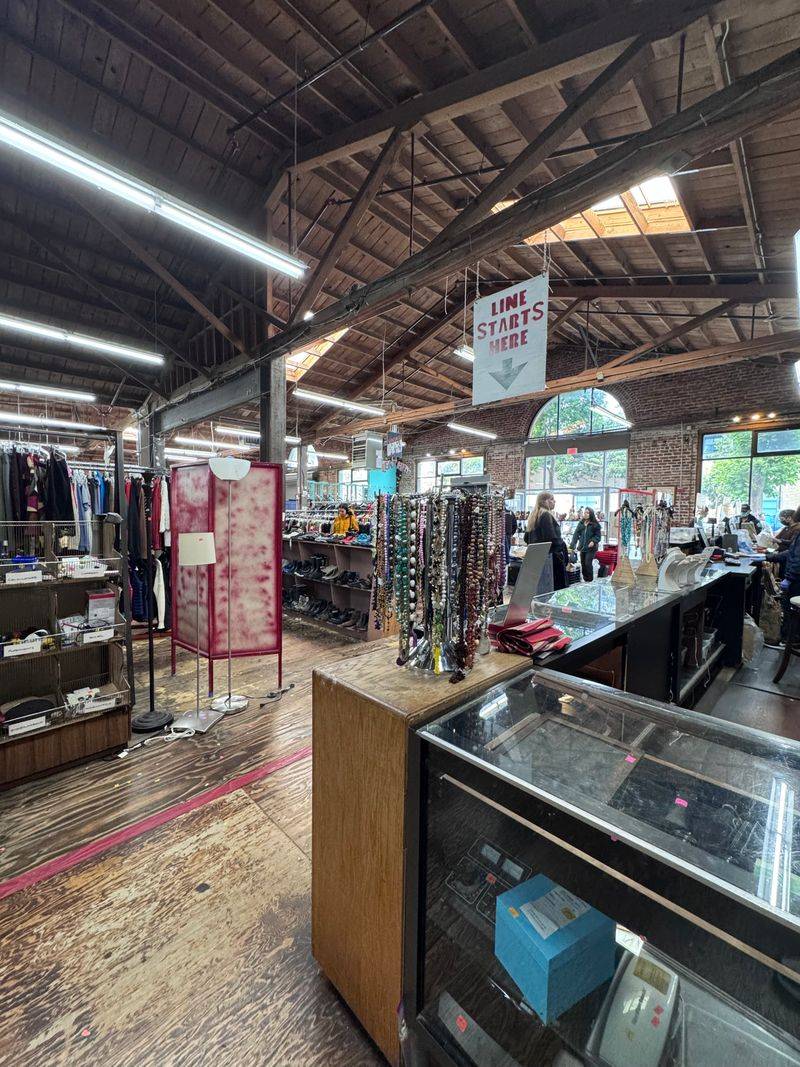
Community Thrift Store holds official certification as a San Francisco Green Business, recognition that requires meeting specific environmental standards beyond simply selling secondhand goods.
The certification process evaluates waste reduction practices, energy efficiency, water conservation, and pollution prevention measures.
Maintaining this status requires ongoing compliance and periodic recertification, demonstrating sustained commitment rather than one-time efforts.
Thrift stores inherently promote sustainability by extending product lifecycles and reducing demand for new manufacturing, but certified operations go further.
Community Thrift implements practices like responsible disposal of unsellable items, energy-efficient lighting throughout the store, and waste sorting systems that maximize recycling and minimize landfill contributions.
These measures address the environmental impact of retail operations themselves, not just the secondhand nature of merchandise.
For environmentally conscious shoppers, the Green Business certification provides verification that their purchases support genuinely sustainable operations.
The store’s environmental initiatives align with San Francisco’s broader sustainability goals, contributing to citywide waste reduction targets.
Every item purchased from Community Thrift represents one less new product manufactured, packaged, shipped, and eventually discarded, multiplying environmental benefits across thousands of daily transactions.
5. Convenient Seven-Day Operating Schedule
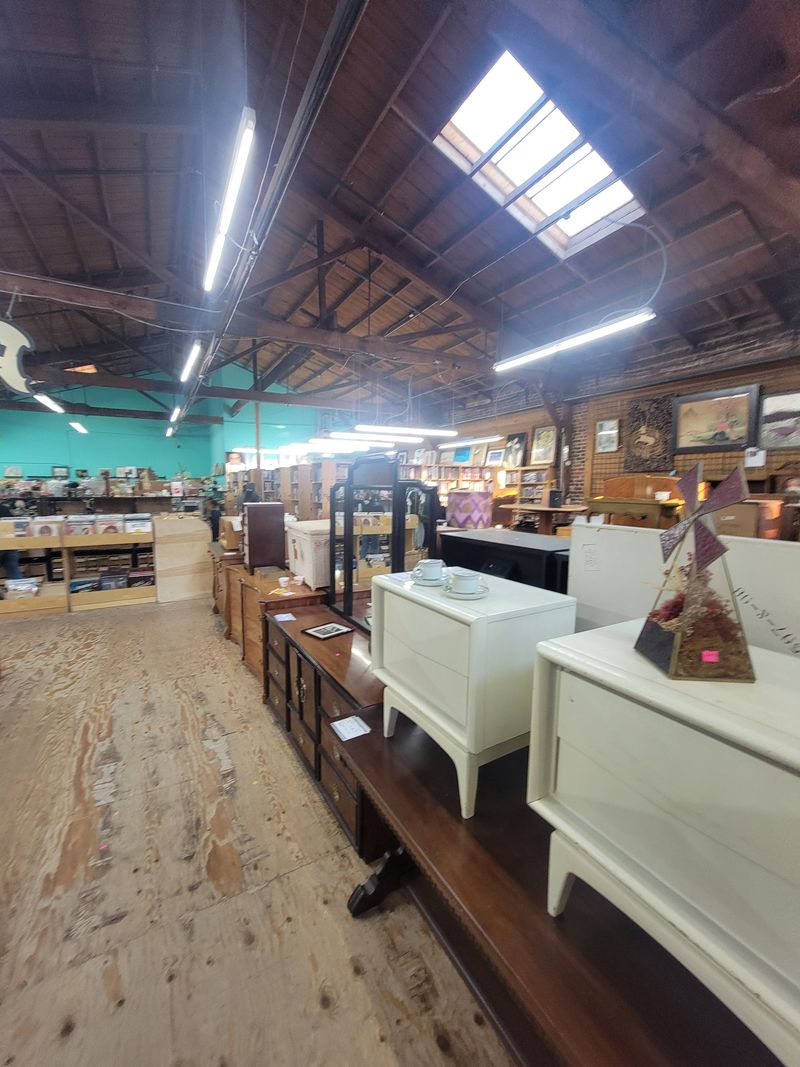
Community Thrift Store maintains consistent hours seven days per week, opening at 10:00 AM and closing at 7:00 PM every day including weekends and most holidays.
This schedule accommodates various shopping patterns, from early weekend browsers to weekday evening visitors stopping by after work.
The extended daily hours distinguish the store from some thrift operations that maintain limited or irregular schedules.
Morning openings attract shoppers who prefer less crowded browsing conditions, while afternoon and early evening hours serve those with daytime commitments.
The 10:00 AM start time allows staff to process overnight donations and restock before opening, ensuring fresh inventory greets morning visitors.
Closing at 7:00 PM provides ample evening shopping time without extending into late hours that might not justify staffing costs.
Seven-day operation requires substantial staffing and operational commitment, particularly for a nonprofit organization.
The decision reflects prioritization of accessibility and community service over operational convenience.
Visitors planning trips to San Francisco can reliably include Community Thrift in their itineraries regardless of arrival day, and local residents can shop according to personal schedules rather than working around limited store hours.
6. Eclectic Inventory Spanning Multiple Categories
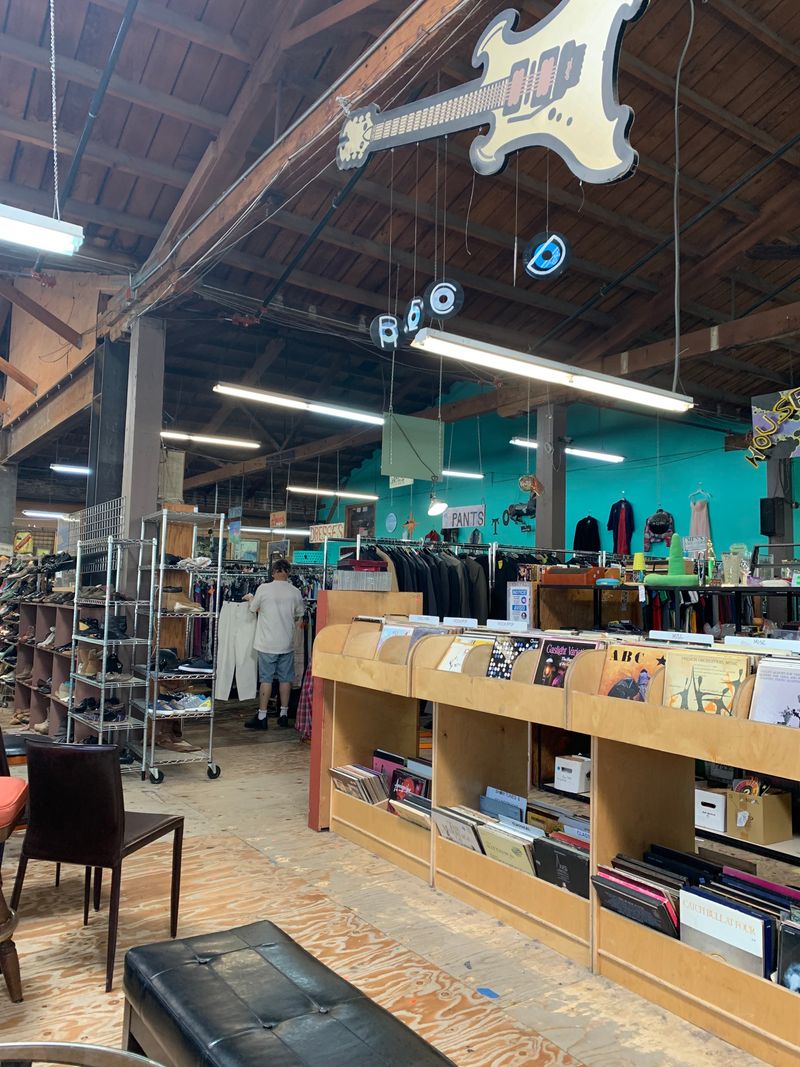
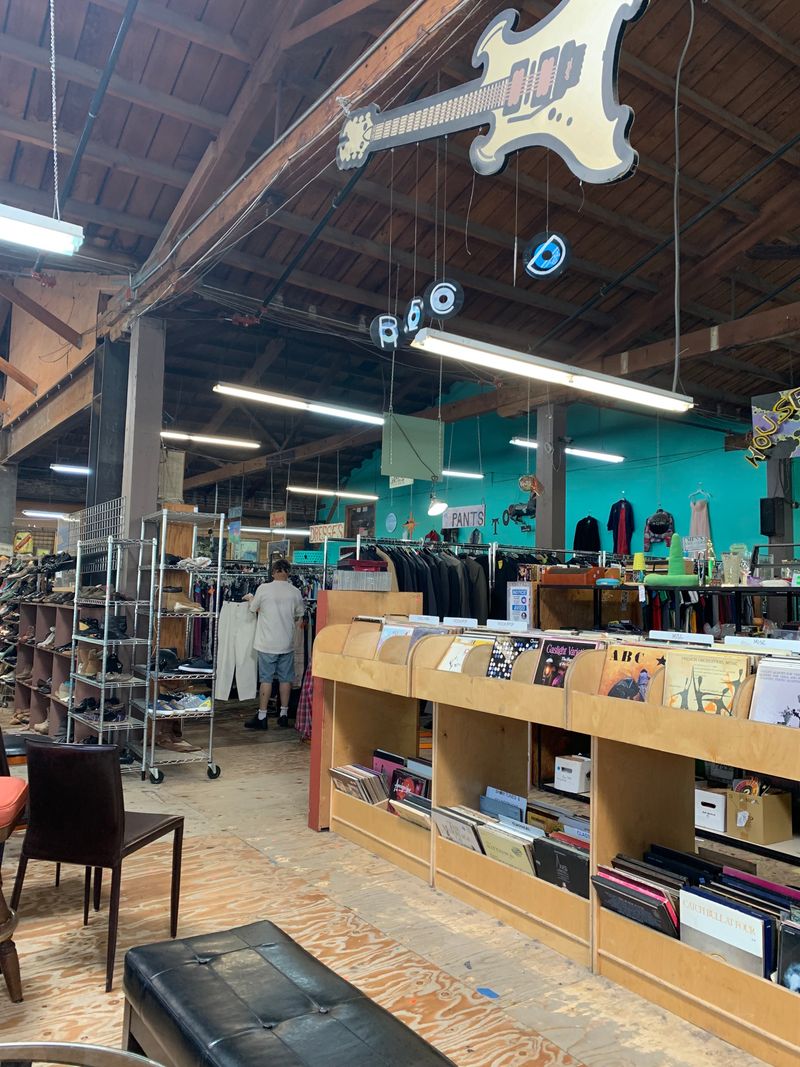
Walking into Community Thrift Store reveals an expansive retail floor divided into distinct sections for clothing, furniture, housewares, books, electronics, and accessories.
The men’s and women’s clothing areas occupy substantial square footage, with organized racks sorted by garment type and sometimes by size.
Furniture pieces ranging from chairs and tables to sofas and dressers fill dedicated floor space, while shelves hold everything from dishes and glassware to lamps and picture frames.
Book sections attract readers hunting for affordable volumes, with fiction, nonfiction, and specialty categories represented in rotating stock.
Electronics may include small appliances, audio equipment, and various gadgets, though inventory varies based on donations.
The accessory areas showcase jewelry, bags, scarves, and other items that complete outfits or serve as standalone finds.
This categorical diversity means shoppers can potentially furnish entire rooms or build complete wardrobes from a single store visit.
The variety also attracts different shopper types, from vintage clothing enthusiasts to budget-conscious furniture hunters to collectors seeking specific items.
Walking through all sections can easily consume hours, especially for thorough browsers who examine merchandise carefully rather than rushing through aisles.
7. Donor-Directed Charitable Giving Model
The mechanism distinguishing Community Thrift from conventional thrift operations centers on donor choice regarding charitable beneficiaries.
When individuals bring donations to the store, intake staff provide forms listing all partner charities, allowing donors to designate which organization receives proceeds from their specific contributions.
This system creates direct links between individual donations and chosen causes, making the impact tangible and personal.
Charities benefit financially without investing resources in donation collection, sorting, pricing, or retail operations, receiving checks based on their designated donations’ sales performance.
For donors, the process transforms decluttering into targeted philanthropy without requiring separate charitable contributions.
Someone passionate about animal welfare can direct proceeds to rescue organizations, while another donor might support youth programs or health services.
The model’s transparency builds trust and encourages continued participation, as donors understand exactly how their contributions generate charitable funding.
It democratizes philanthropy by enabling people without extra cash to support causes through items they would otherwise discard or sell.
The system has proven durable across four decades, suggesting it meets genuine needs for both donors seeking impact and charities requiring sustainable funding.
8. Organized Layout Enhancing Shopping Experience
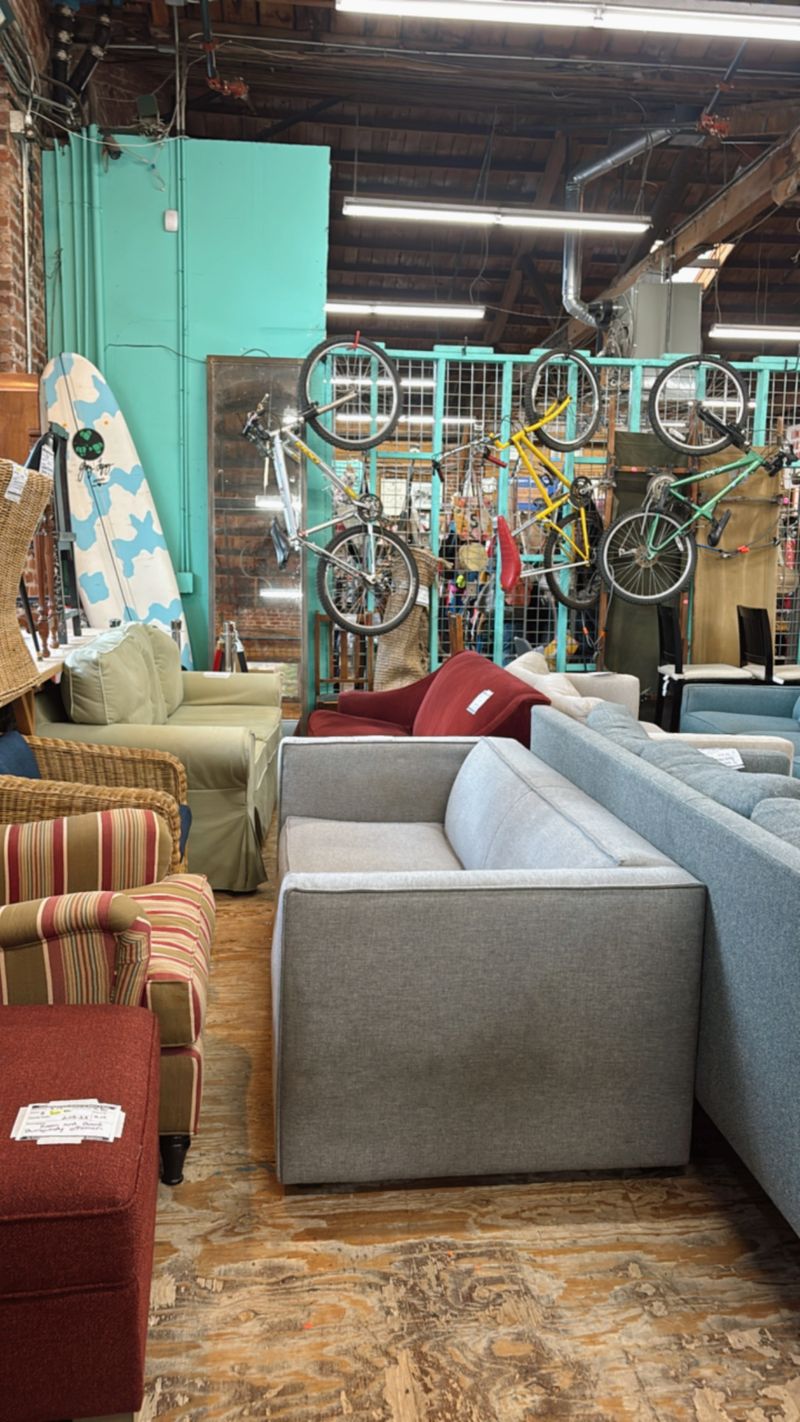
Customer reviews frequently mention Community Thrift’s organization as a standout feature compared to some thrift stores where merchandise overwhelms available space.
Clothing hangs on racks with reasonable spacing, allowing shoppers to flip through items without wrestling bunched hangers.
Furniture arranges in logical groupings rather than haphazard piles, and housewares organize on shelves by category and type.
Clear signage helps visitors navigate different sections, reducing frustration when searching for specific item types.
The layout design considers traffic flow, preventing bottlenecks in popular areas while maintaining accessibility throughout the store.
Dressing rooms provide spaces for trying on clothing, and staff maintain cleanliness standards that make browsing pleasant rather than overwhelming.
Organization in thrift retail requires constant attention since inventory arrives unpredictably and turns over rapidly.
Staff must continuously process new donations, remove sold items, and maintain section integrity despite fluctuating merchandise volumes.
The effort invested in organization pays dividends through enhanced customer experience, as shoppers can actually find items rather than abandoning searches in frustration.
Well-organized stores encourage longer visits and repeat customers, both beneficial for maximizing charitable contributions from sales.
9. Free Furniture Pickup Service Within San Francisco
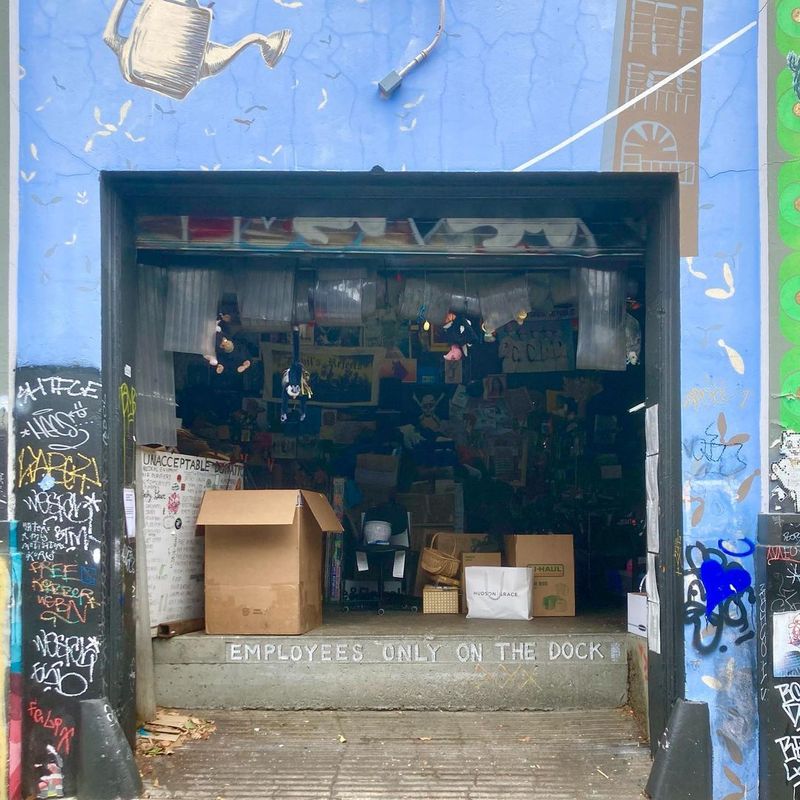
Donating large furniture pieces becomes significantly easier through Community Thrift’s free pickup service available to San Francisco residents.
Rather than requiring donors to transport bulky items themselves, the store schedules appointments for staff to collect furniture directly from homes or apartments.
This service removes a major barrier that often prevents people from donating larger items, particularly those without vehicle access or physical ability to move heavy pieces.
Scheduling occurs by appointment rather than on-demand, allowing the store to plan efficient pickup routes and manage truck availability.
Donors contact the store to arrange pickups, describing items and providing addresses for collection.
The service operates within San Francisco city limits, reflecting operational constraints around distance and time.
Free pickup transforms potential waste into charitable resources, diverting furniture from landfills while generating store inventory that might otherwise never materialize.
For donors, the convenience encourages decluttering and charitable giving that benefits both their living spaces and partner organizations.
The service particularly helps elderly residents, people with mobility limitations, and anyone lacking vehicle access for donation transport.
It represents investment in donation acquisition that pays returns through increased inventory and community goodwill.
10. Mission District Location In Cultural Heart Of San Francisco
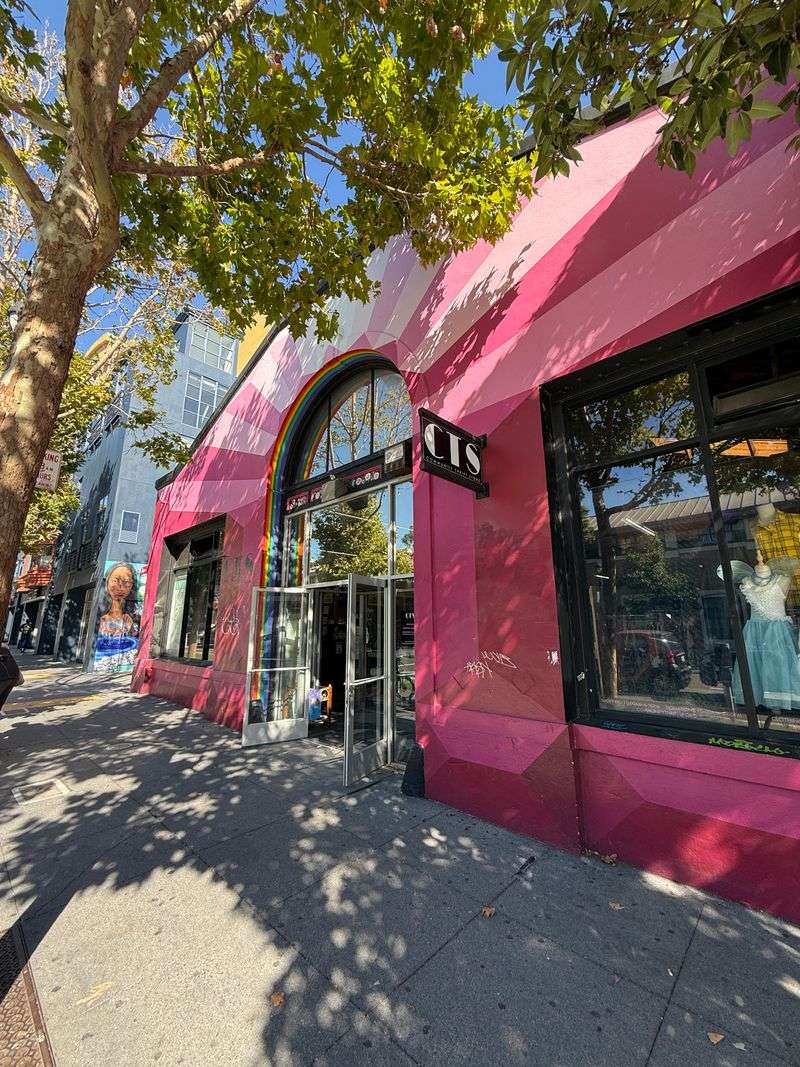
Valencia Street runs through San Francisco’s Mission District, a neighborhood known for cultural diversity, artistic expression, and community activism.
Community Thrift’s location at 623 Valencia Street positions it within walking distance of restaurants, cafes, bookstores, and galleries that define the area’s character.
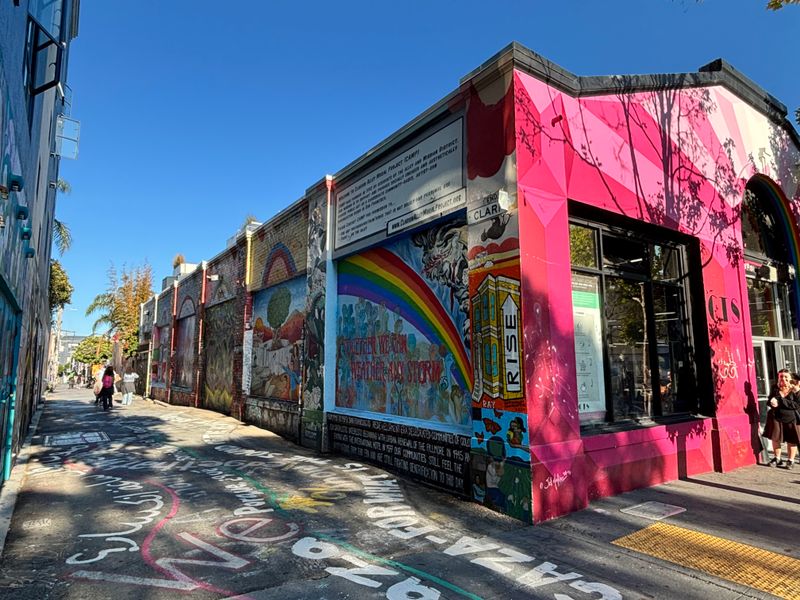
The Mission’s vibrant street life and murals create an environment where thrift shopping fits naturally into broader neighborhood exploration.
Public transportation serves the area well, with BART stations and bus lines providing access for visitors without cars.
The neighborhood’s walkability encourages multi-stop outings where thrift shopping combines with meals, coffee breaks, or gallery visits.
Parking exists but can challenge drivers during busy periods, typical for popular San Francisco neighborhoods.
Being embedded in the Mission rather than isolated in a commercial strip means Community Thrift participates in neighborhood identity and daily rhythms.
Local residents shop there regularly, while visitors exploring the Mission often discover the store while walking Valencia Street.
The location contributes to the store’s longevity, as foot traffic and community connection sustain customer flow beyond what advertising alone might generate.
For anyone spending time in the Mission District, Community Thrift offers a logical stop that aligns with the neighborhood’s values around sustainability, community support, and creative reuse.