Catch A Free Star Show At The Oldest Planetarium In Kentucky
A real astronomer stands under a 40-foot dome and talks you through the universe, live, for free. No tickets.
No reservations. You just show up a little early and grab a seat.
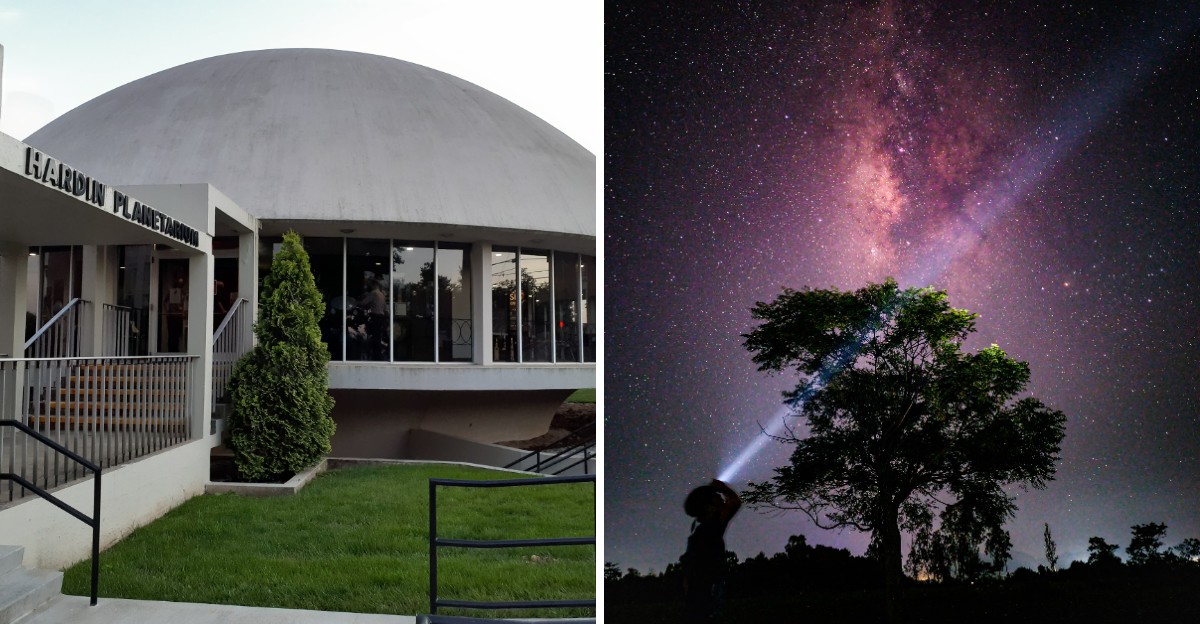
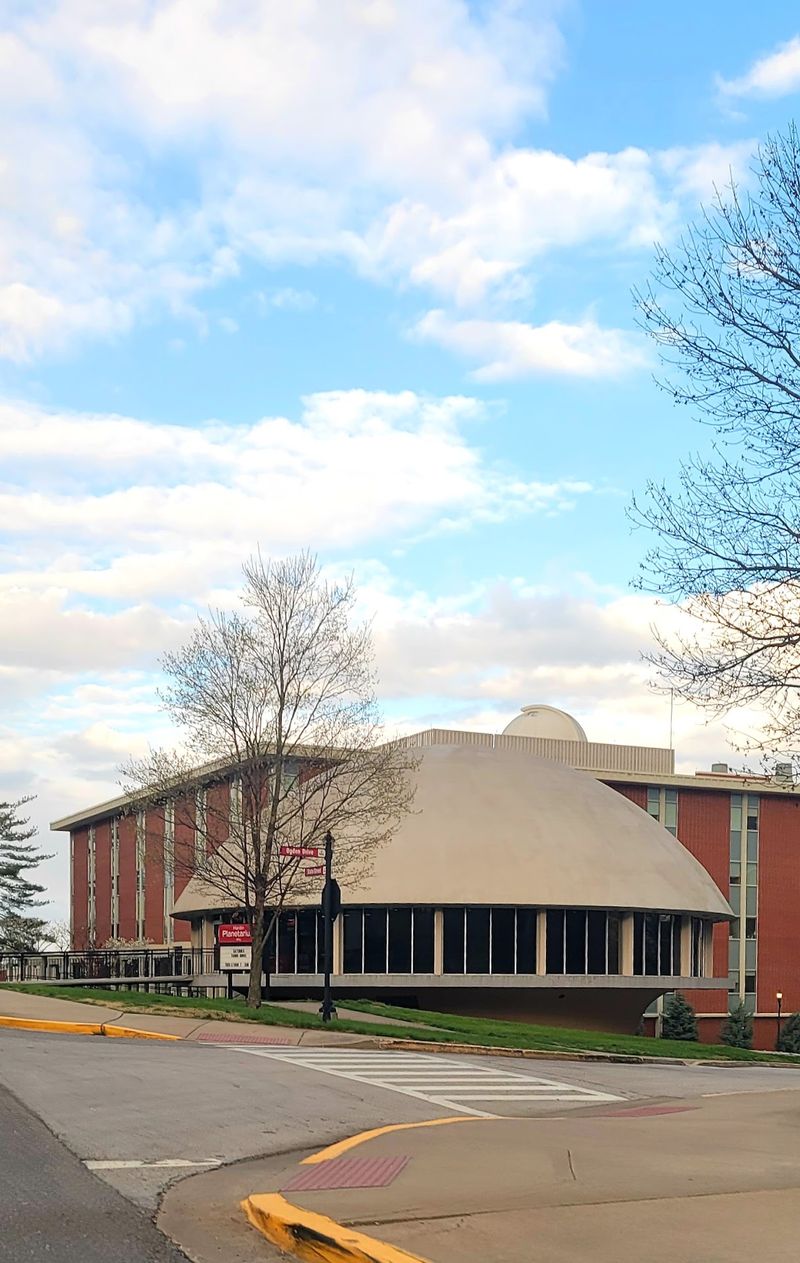
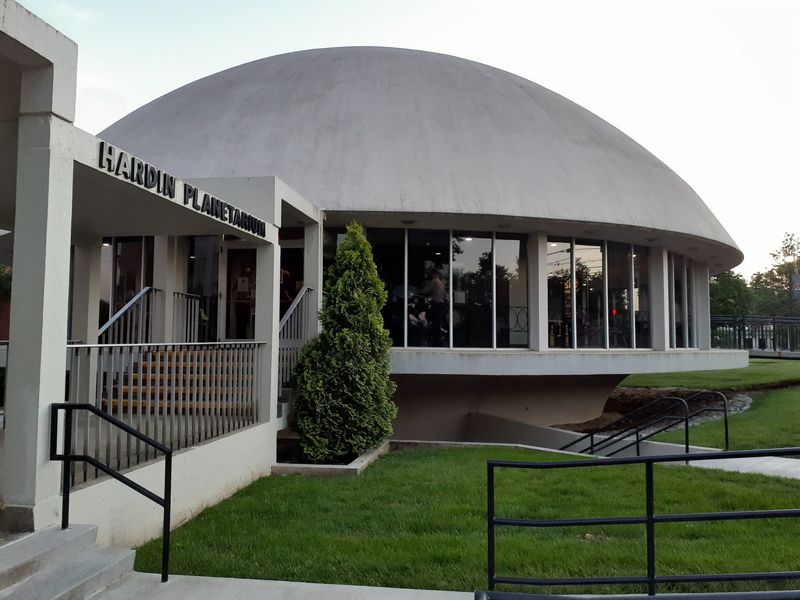
The building looks like a white spaceship parked on a college hill. Students have even nicknamed it the smurf house.
I like how a place this playful has been teaching people about the sky since 1967.
It holds a big title, too. It’s the oldest continuously operating planetarium in Kentucky.
The original star projector from those early days still sits inside, right next to modern digital gear.
I believe the best science lessons feel like a show and a conversation at once. That’s exactly what happens here, a few nights a week.
So what would you ask an astronomer if the whole sky was spinning over your head?
A White Dome That Looks Ready For Liftoff
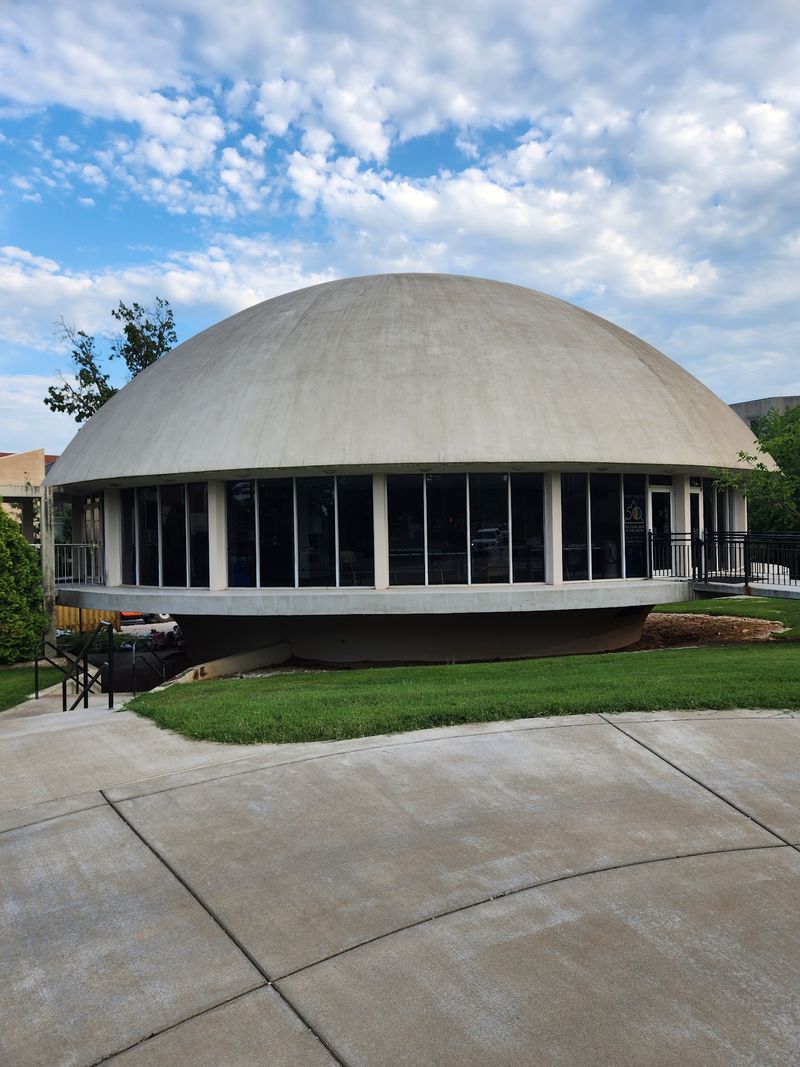
Campus nicknames tell you a lot about a building. Students have called Hardin Planetarium at Western Kentucky University both the spaceship and the smurf house.
Both names fit pretty well. The bright white dome stands out on the WKU campus like something that landed overnight and decided to stay.
The numbers back up that big look. The dome measures 72 feet across and rises 44 feet high.
Inside, the building spreads across two levels and about 6,000 square feet. That’s plenty of room for a theater, exhibits, and a whole lot of curiosity.
The planetarium has earned a reputation as an architectural landmark on campus. It’s the kind of building that makes you slow down and stare, even if you’re late for class.
For first-time visitors, the shape is also handy. You won’t need much help spotting it once you’re close.
I love that the outside hints at what happens inside. A round building for a round sky just makes sense.
Snap a photo before you head in. Good luck finding another building in Kentucky that looks quite like this one.
You’ll find Hardin Planetarium at 1501 State St., Bowling Green, Kentucky. It sits right on the WKU campus.
Free Shows Mean Zero Excuses To Skip The Stars
Free is a beautiful word. At Hardin Planetarium, it applies to the regular public shows, and that’s a rare treat.
Shows usually run Tuesday and Thursday evenings at 7 p.m. There’s also a Sunday afternoon show at 2 p.m.
You don’t need tickets or reservations. You simply walk in and find a spot before the lights go down.
One tip matters a lot here. Plan to arrive at least 15 minutes before showtime.
That extra time pays off in a few ways. You can settle your crew, look around, and get comfortable without rushing.
The Sunday show works nicely for families with younger kids. An early afternoon slot fits around naps and dinner plans much better than a late evening.
Weeknight shows feel like a fun break from ordinary routines. A Tuesday trip to the universe sure beats another night of reruns.
Schedules can shift with the university calendar, so check before you go. A quick look ahead saves you from staring at a locked door.
Honestly, a free trip through space is tough to argue with. Your wallet stays happy, and your brain gets a workout.
Your Guide Is A Live Astronomer, Not A Recording
Most planetarium trips involve sitting back while a recorded voice talks. Here, a live astronomer runs the show and talks with the crowd.
That changes everything. Questions become part of the experience instead of something you save for the car ride home.
Shows at Hardin Planetarium are live and interactive. The presenter can slow down, zoom in, or chase a fun tangent when the audience gets curious.
Kids especially benefit from this setup. A wild question about black holes can turn into a real answer on the spot.
Adults get plenty out of it too. Nobody is too old to wonder why stars twinkle or how planets move.
The planetarium’s mission focuses on lifelong learning through accurate and inspiring experiences. The goal is understanding science, and also enjoying it.
Each show can feel a little different because each crowd is different. Your group’s questions help shape the evening.
So come ready to participate. Raising your hand under a 40-foot dome of stars feels pretty great.
And if you’d rather just listen, that works too. Sometimes the best seat is the one where you just soak in the sky.
Every Bench Points You Toward The Whole Sky
Round rooms solve an old problem. Under a full dome, there’s really no bad seat in the house.
The projection chamber at Hardin Planetarium features a 40-foot dome. It gives you a full 360-degree view overhead.
Seating holds 110 people. Upholstered benches sit in concentric circles, like ripples spreading out from the center.
That layout keeps everyone connected to the show. You’re part of a circle under the sky rather than one row in a long line.
Tilt your head back and look up. The whole ceiling becomes a window to space once the lights dim.
The circle setup also makes the presenter easy to follow. Pointing at a constellation works when everyone shares the same view.
Bring a light jacket if you tend to run cold indoors. Comfort helps when you’re gazing up for a while.
Families can sit together easily on the benches. Little ones can snuggle in close during the darker moments.
I can’t imagine a cozier way to learn about the cosmos. It feels like a campfire circle, except the fire is a whole galaxy.
Old Star Ball Meets New Digital Brain
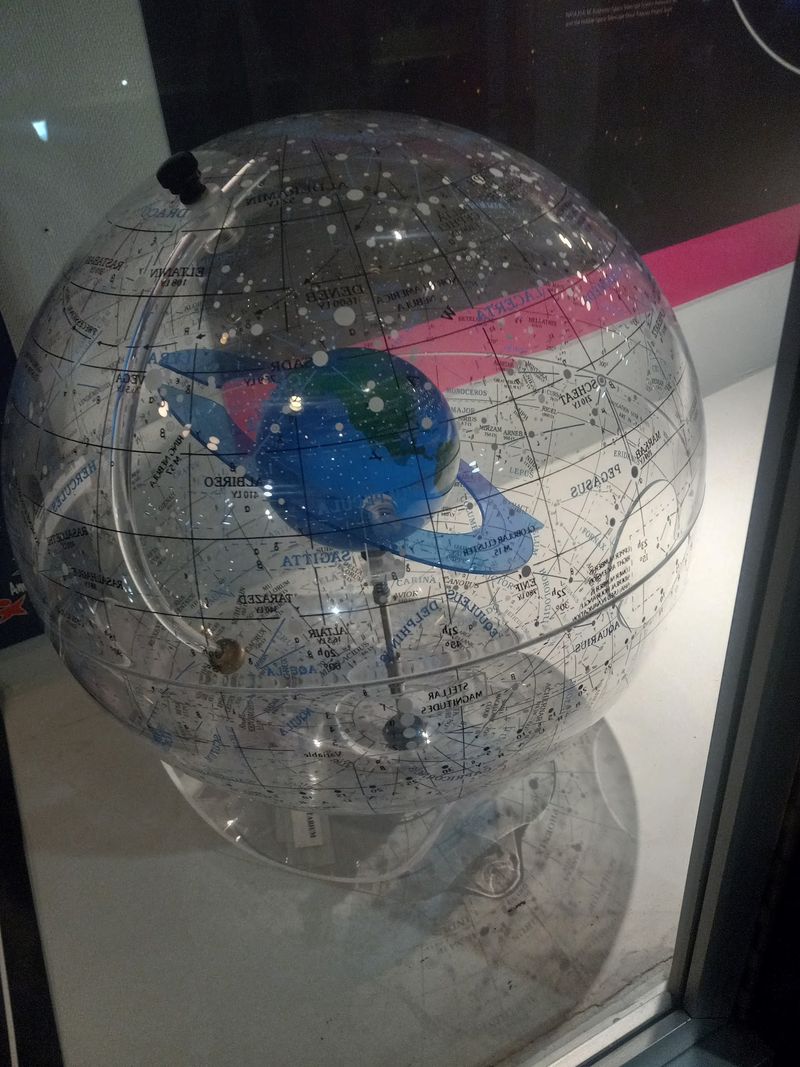
Some machines earn retirement with honors. The original Spitz A3P star ball projector still lives inside the building.
That projector dates back to the planetarium’s early era. Seeing it reminds you how long this place has been sharing the night sky.
Technology moved on, of course. Around 2012 or 2013, the main system switched to a Digitalis Epsilon digital projector.
Digital projection opened up new possibilities. Shows could travel beyond the stars and explore planets, missions, and deep space.
The story keeps going forward. Plans aim for a brighter 4K projector by 2027.
That upgrade should make the dome look sharper and more vivid. Faint galaxies and tiny details stand to benefit the most.
I like how the building holds both chapters of its story. The classic star ball and the modern system show how astronomy teaching has grown.
Ask about the old projector if you’re curious. Gear fans and history lovers will enjoy that peek behind the curtain.
Few places let you see the past and future of stargazing under one roof. That’s a pretty neat bonus for a free night out.
Custom Shows You Won’t Find Anywhere Else
Titles here sound like adventures. Think Metal World: Mission to Asteroid Psyche, When the Universe Was Young, and Spaceship Earth.
Many of the shows are custom-designed by the planetarium’s own team. That means the content often feels fresh and personal.
Seasonal programs add extra charm. Celebrations for a Long Winter’s Night has explored the sky during the darkest stretch of the year.
Special events bring something completely different. A Pink Floyd program built around The Dark Side of the Moon has filled the dome with music and visuals.
That show celebrated the album’s 50 years. Rock fans and space fans got to share the same night.
Special programs like that one may follow different admission rules than the free shows. Check details ahead if a themed event catches your eye.
Themes rotate over time, so return visits stay interesting. Last season’s trip to an asteroid could become next season’s journey to the early universe.
Keep an eye on the schedule. A favorite topic might pop up when you least expect it.
Honestly, where else can you go from metal asteroids to classic rock under one ceiling?
Show Up Early And Play With The Exhibits
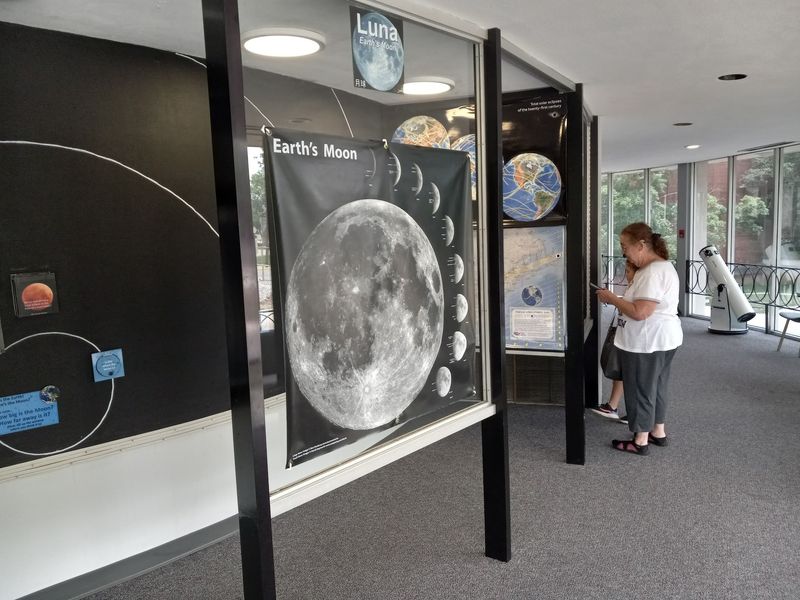
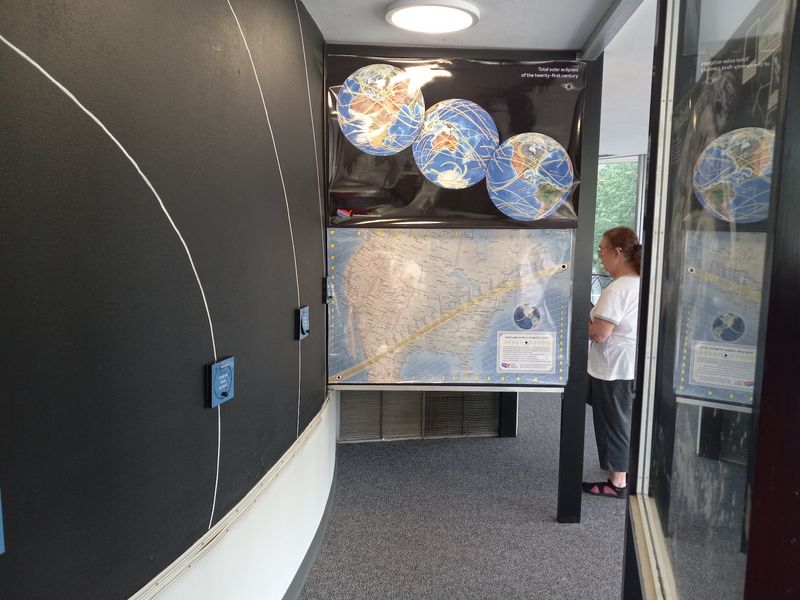
Early birds get a bonus round. Interactive exhibits line the outer ring of the planetarium, circling the main theater.
These displays are open during regular university hours. That’s Monday through Friday from 9 a.m. to 4 p.m.
Show nights offer another chance to explore. The exhibits open during the half-hour before and after public shows.
That timing makes a smart plan easy. Arrive early, browse a bit, then head into the dome already curious.
Kids often love hands-on stations. Touching and testing ideas helps science stick better than just reading signs.
After the show, the exhibits can answer leftover questions. It’s a nice way to wind down before heading back outside.
The curved hallway follows the shape of the building. You literally walk in a circle around the main event.
Teachers and homeschool families may find the weekday hours especially useful. A quick daytime stop can turn into a mini science lesson.
Give yourself time and don’t rush. Those extra minutes in the outer ring might become a favorite part of the visit.
Real Telescopes Bring The Sky Outdoors
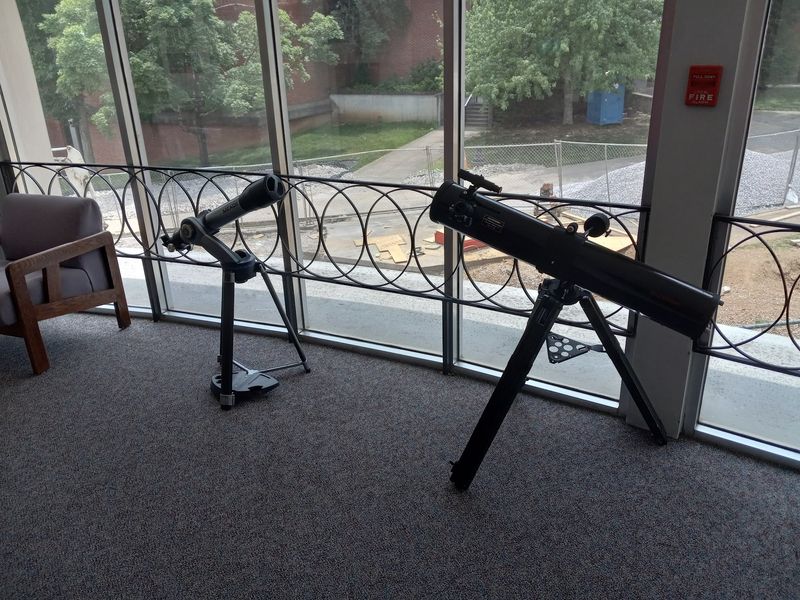
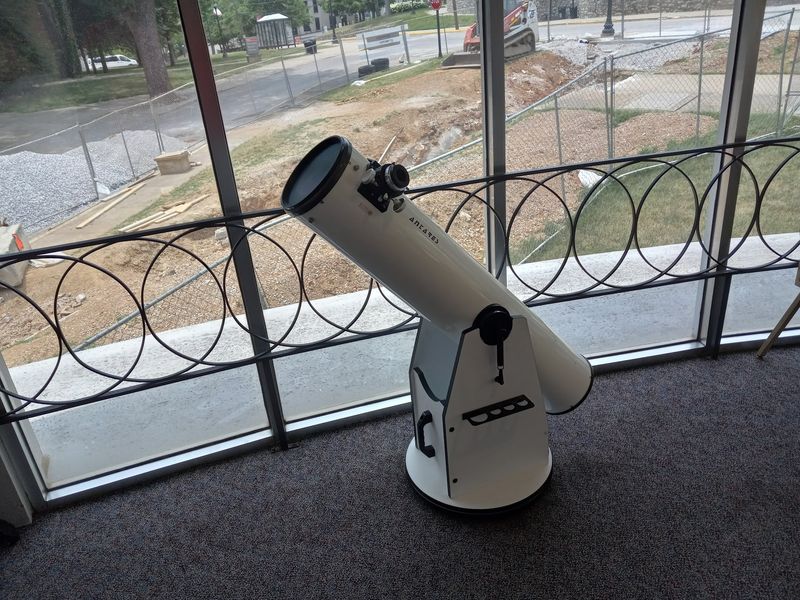
The dome shows you a simulated sky, but the real one waits outside. Hardin Planetarium also hosts events that use actual telescopes.
On Tuesdays, weather permitting, Observe the Sun events give visitors a safe look at our closest star. Proper equipment makes solar viewing possible without risking your eyes.
Never look at the sun directly without approved gear. The planetarium team handles the safety side for you.
Observatory Nights take things after dark. On select evenings following shows, guests can use telescopes to view the night sky right outside the building.
That pairing works beautifully. You learn about objects inside, then try to spot them for real minutes later.
Weather plays a big role, naturally. Clouds have ruined plenty of stargazing plans everywhere in Kentucky and beyond.
Check ahead before planning a trip just for telescopes. A clear forecast helps the whole night shine.
Dress for the season if you plan to stay outside. Spring nights can feel chilly, and summer ones can feel sticky.
Seeing craters or planets through an eyepiece is unforgettable. It turns pictures in books into something you saw with your own eyes.
A Name With Heart And An Easy Spot To Find
Behind the name sits a touching story. The planetarium honors Hardin Cherry Thompson, son of then-WKU President Kelly Thompson.
Hardin passed away during his senior year at the university. The building was dedicated in October 1967 in his memory.
Nearly six decades later, it still welcomes curious minds. That’s a meaningful legacy for one of Kentucky’s best-loved science spots.
Public parking is available along State Street. Lots between Ogden College Hall and Kelly Thompson Hall, plus College Hill Lot and Chestnut Street North Lot, also work.
Some lots open to visitors only on weekends or after 4:30 p.m. Read signs carefully so your night stays ticket-free in every sense.
The building is wheelchair accessible. A ramp provides access from State Street.
Campus hills can surprise first-timers, so wear comfy shoes. Bowling Green loves a good slope.
Put it all together, and the trip feels simple. Park, stroll over, and let the universe take it from there.