Catch The Last Blooms At This Free Idaho Rose Garden Before The Frost Arrives
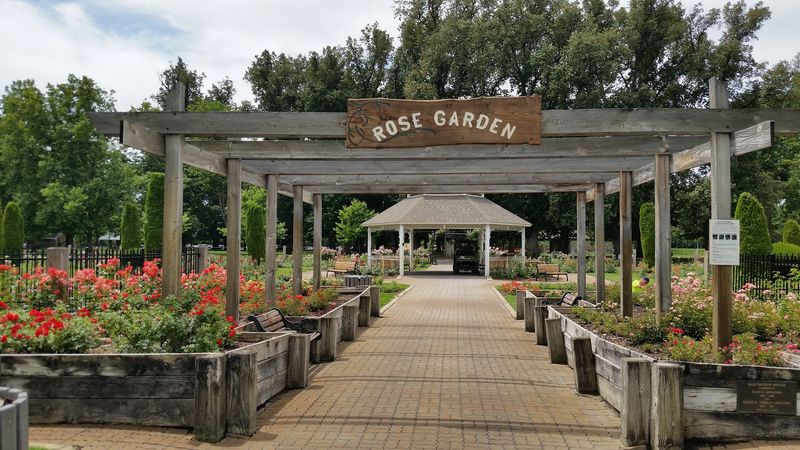
A chain-link fence and a white gazebo do not look like much from the sidewalk, but step inside and the smell of roses hits you first. This patch of downtown Idaho holds more than 240 kinds of roses, and it costs nothing to walk through.
The catch is timing, because once the first hard frost settles over the valley, the show fades fast. Early fall is your last easy chance to catch the late blooms before winter takes over.
A Rose Patch In Downtown Boise
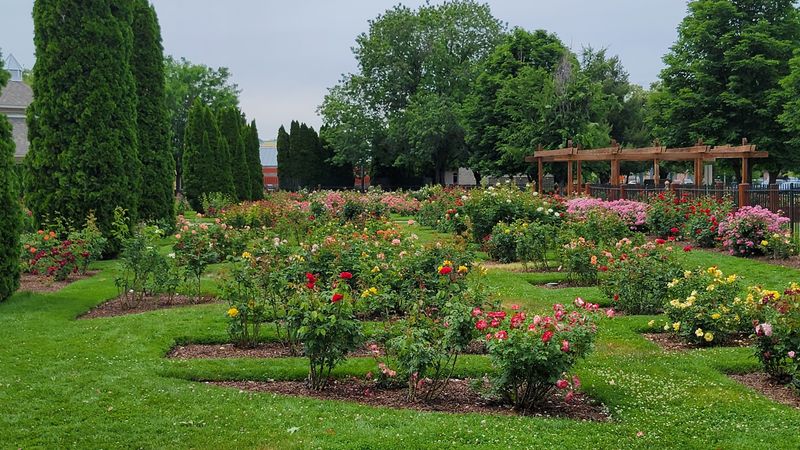
Right in the middle of the Treasure Valley’s busiest city sits a garden where the loudest sound is often a squirrel rustling a rose bed. The Boise Rose Garden lives inside Julia Davis Park, just a short walk from the heart of downtown Boise.
It holds over 240 rose varieties, making it the largest rose garden in the Intermountain region. It also ranks among the oldest rose gardens anywhere in this part of the country, which surprises plenty of people who have driven past it for years.
Entry is free, and the garden sits in good company. Zoo Boise, the Idaho State Museum, and several other museums are all within a few minutes on foot, so it fits easily into a bigger day out.
Visitors often describe it as small but full, the kind of place you can see in half an hour or linger in all afternoon. The layout is simple, the beds are close together, and the scent reaches you before you even pass through the entry.
For anyone in Idaho looking for a cheap, calm outing, the garden checks every box without asking for much planning.
Thomas Davis And A Gift For Julia
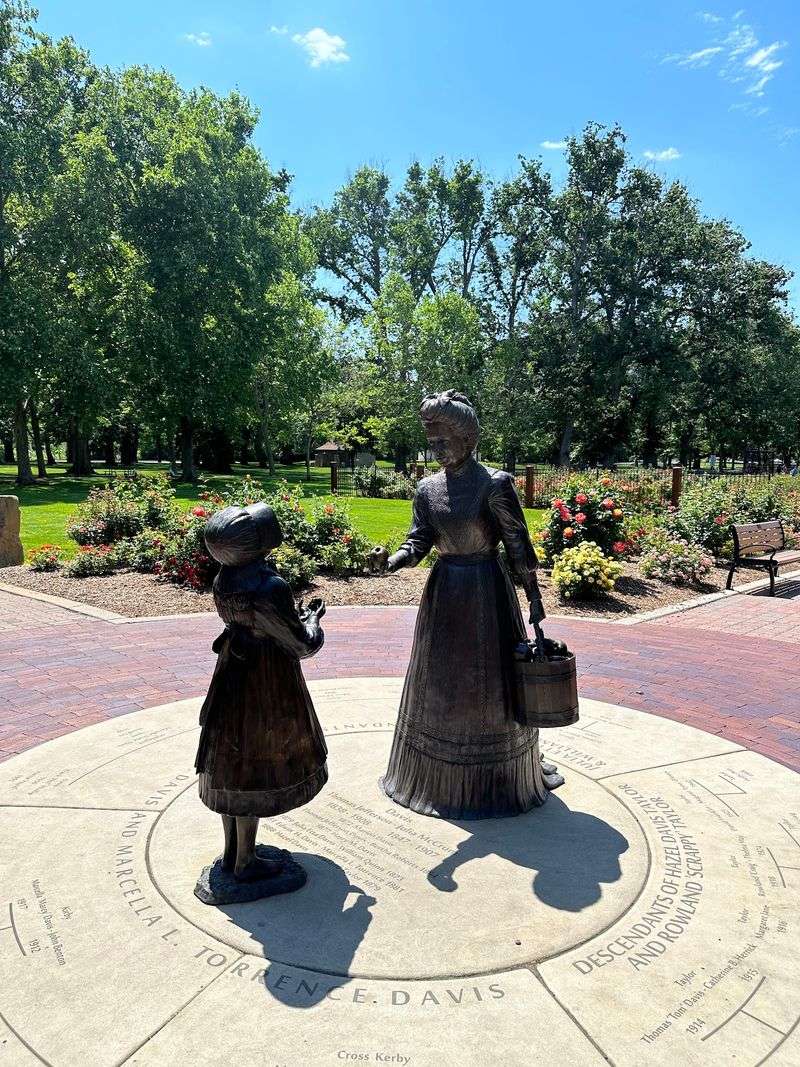
Long before anyone planted a single rose here, a Boise pioneer named Thomas Davis donated this land in 1907. He gave it as a lasting tribute to his wife, Julia, and the park still carries her name more than a century later.
The rose garden came along later. Plans started in 1935, and the garden was officially dedicated in 1939 with nearly 3,000 roses in the ground on opening day.
That is a lot of shovel work for a city that was still fairly small at the time. It shows how much Boise residents cared about making the park a place worth visiting.
In 1992, the garden earned Public Rose Garden accreditation, a nod to the quality of its collection and care. That label means the plants are grown and labeled with real attention, not just tossed into beds.
Some visitors call it a memorial garden, and it is easy to see why. The fountain carries dedications to many people, adding a quiet layer of meaning.
Walking through, you are strolling on a love story that started with one family’s gift to Idaho’s capital city.
Scent That Changes Bed By Bed
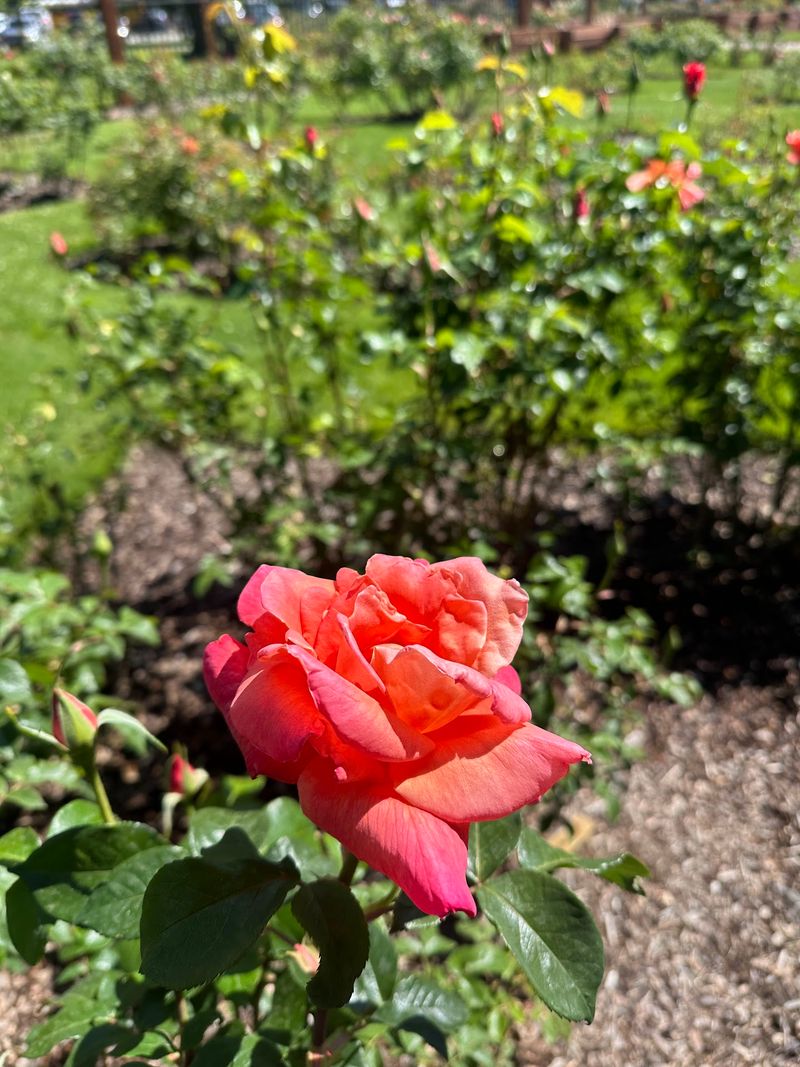
Close your eyes near the entry and you will know exactly where you are. The perfume is the first thing most visitors mention, and it greets you well before the colors do.
What surprises people is how different each rose smells. Some carry a sweet, heavy scent, while others are lighter and almost citrusy, so walking from one bed to the next feels a little like a tasting menu for your nose.
The colors keep pace. Deep reds sit near soft peach, bright yellow, creamy white, and pinks in every shade you can name.
Many plants carry small labels with their variety names, and reading them becomes half the fun. Some names are playful, some are elegant, and a few will make you smile.
A few regulars wish there were a printed map showing which roses grow where. Until then, bring your phone and snap photos of labels for favorites you might want to grow at home.
Kids enjoy the sniff test too. Ask them to pick the best-smelling rose and you might spend an extra twenty minutes happily debating the winner.
The Gazebo And The Fountain
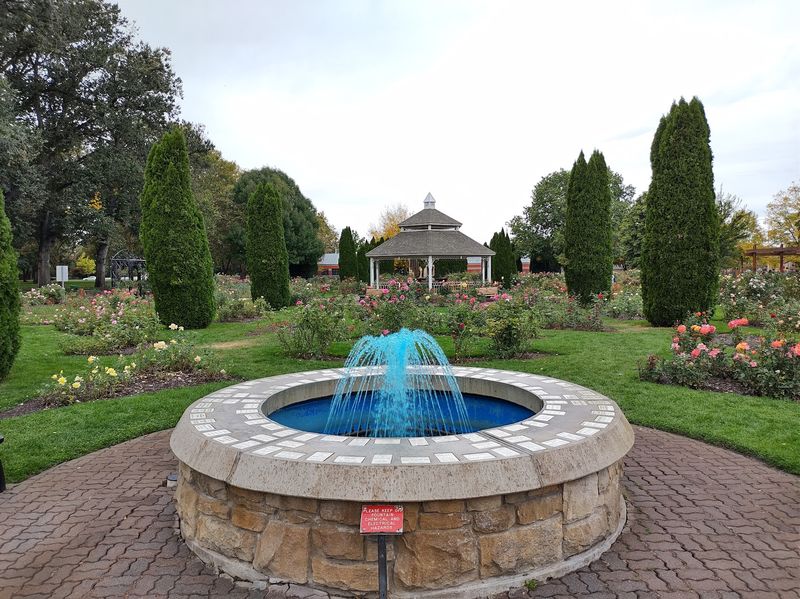
Every garden needs a centerpiece, and here the white gazebo claims the job. A wide path cuts across the beds straight to it, making it the natural meeting point for friends and families.
Weddings happen here often. One couple married under that gazebo in August, and decades later their daughter walked the very same aisle with her dad.
Stories like that give the spot a warm, rooted feeling. It is not just pretty, it has been part of real Boise lives for generations.
The fountain draws its own crowd. Visitors have noticed the water dyed blue at times, and the structure holds dedications honoring many people from the community.
During the recent renovation, the city took care to keep the gazebo intact. That choice matters to locals who have celebrated birthdays, proposals, and quiet afternoons there.
If you want a photo that says Idaho summer lingering into fall, stand at the edge of the beds and frame the gazebo behind a row of roses. Morning or early evening light softens everything and keeps the white paint from glaring.
Fresh Paths After The 2026 Update
Anyone who visited in early summer 2026 saw fencing and work crews. The garden was under renovation, with only a small section open on the east end for a while.
That work wrapped up in August 2026, and the result is a noticeably different visit. Older visitors remember walking on grass between the beds, since there were not paved paths leading to each flower.
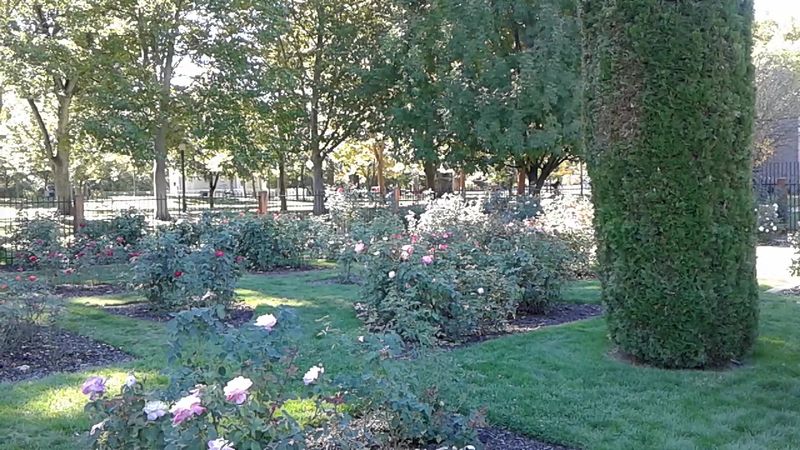
Now the garden has accessible pathways and an updated layout. That change makes a big difference for strollers, wheelchairs, and anyone who prefers steady ground underfoot.
New metal entryways frame the way in, and improved irrigation should help the roses stay healthier through hot Treasure Valley summers. Healthier plants usually mean fuller blooms later into the season.
There is also a new children’s roses area with pollinator plantings. It gives younger visitors a space made with them in mind and brings bees and butterflies closer for curious eyes.
For locals, this counts as a reopening worth checking out. Even if you have walked the garden a hundred times, the refreshed setup gives a good reason to come back and see it with new eyes.
Volunteers Behind Thousands Of Blooms
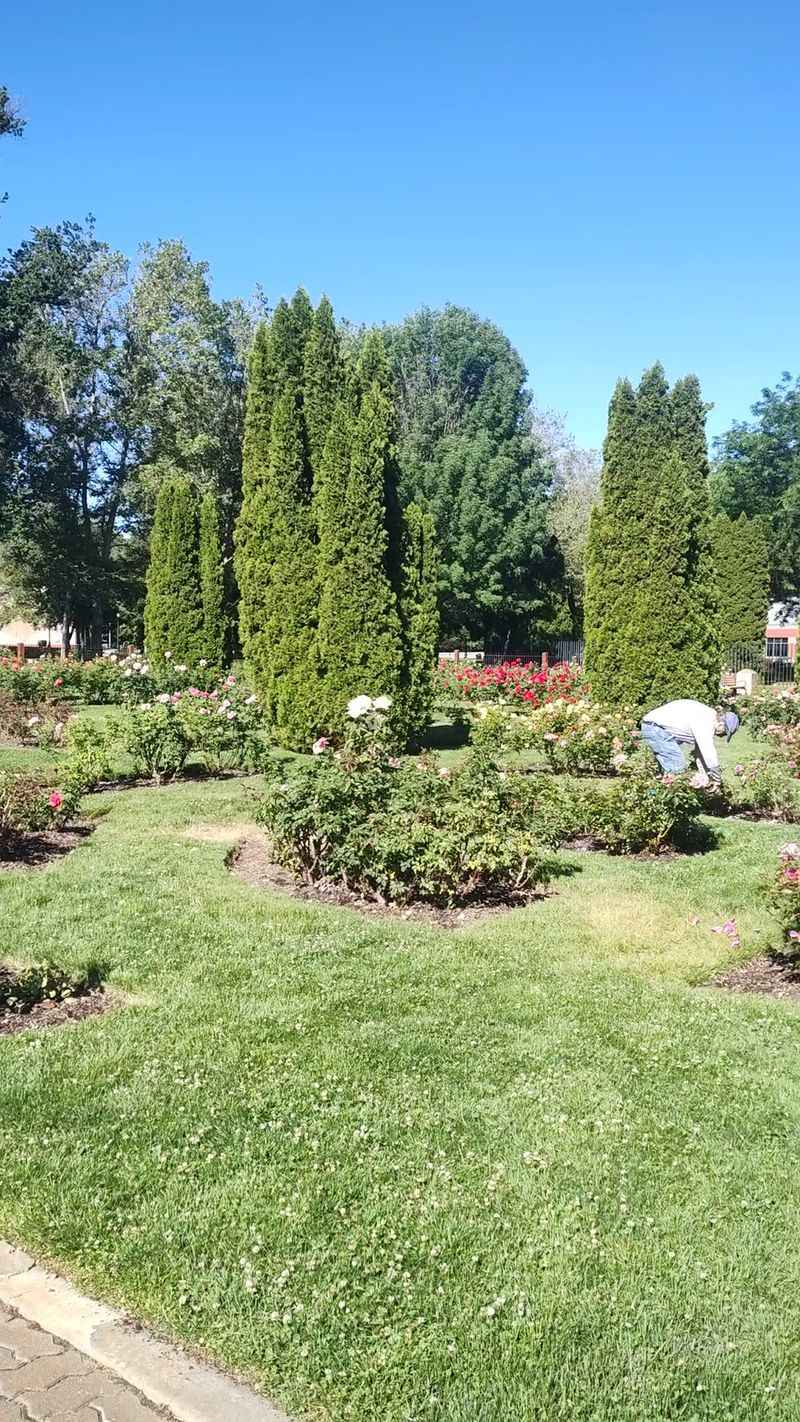
Thousands of roses do not stay this tidy on their own. Members of the Idaho Rose Society volunteer their time alongside Boise Parks and Recreation staff to care for every bed.
They prune, feed, deadhead, and watch for pests through the growing season, which usually runs from April through October. Visitors regularly notice how well kept and manicured the garden looks.
Some people leave inspired to start their own rose patch. One visitor said the garden showed what hard work and patience can create, which is a fine lesson to take home.
The peak arrives in June and July, when the plants burst into flower almost all at once. One returning visitor described coming by with nothing blooming, then finding everything open just two weeks later.
That sudden rush is part of the fun, but late summer and early fall have their own quieter rewards. Fewer crowds, cooler air, and roses still putting out fresh color make for a relaxed stroll.
If you spot a volunteer working, a friendly thank-you goes a long way. They are the reason this Idaho garden looks cared for decade after decade.
Calm Company For Every Kind Of Visitor
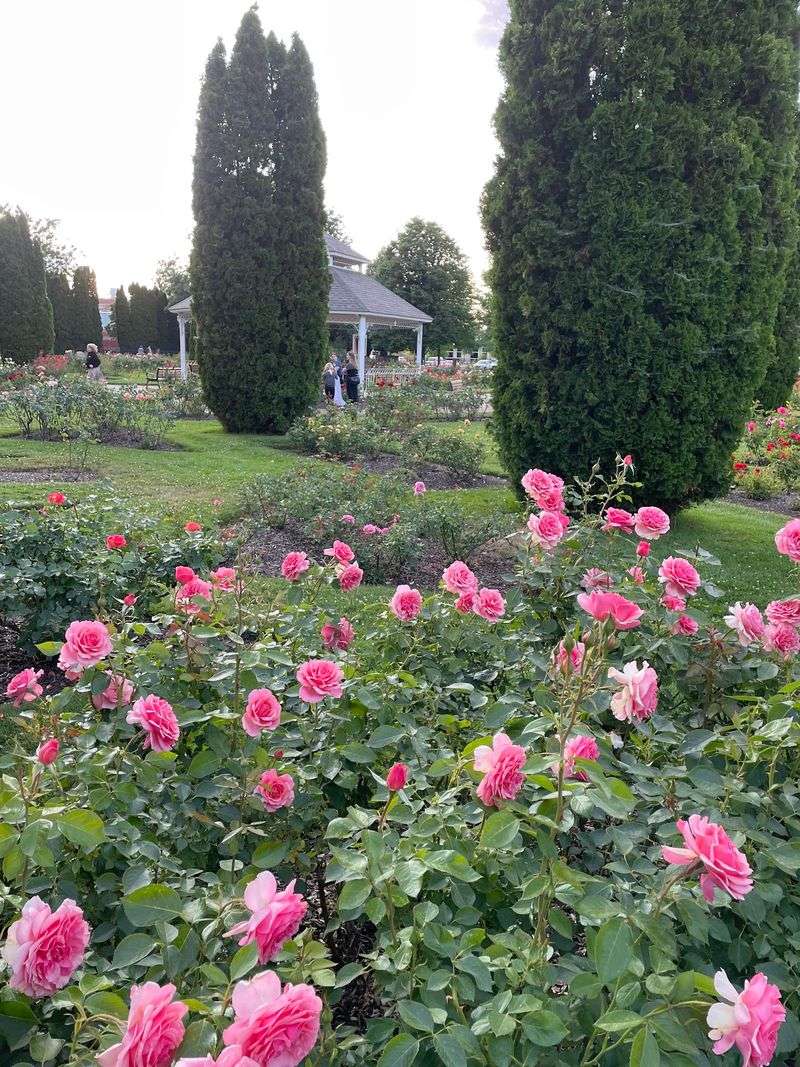
Solo travelers, first dates, grandparents, and dog owners all seem to find their place among the roses. The mood stays peaceful, even with the city just steps away.
One visitor stopped by alone before catching a flight home and called it a lovely little escape. Another brought her visiting mom, and both left wanting to return.
Leashed dogs are welcome company, according to people who have strolled with theirs. Squirrels dart around the park, so keep a firm grip if your pup has opinions about them.
Seating is limited, and a few visitors have wished for more benches. Bring a light blanket if you plan to sit on the lawns nearby in the wider park.
Families like pairing the garden with other nearby stops. The park connects to the Boise River Greenbelt, a long trail great for bikes and scooters, and a big Abraham Lincoln statue stands close by.
Big community events sometimes fill the park too, like Art in the Park with artists, crafts, and food trucks. On a normal weekday, though, expect quiet paths and the steady hum of bees working the blooms.
Timing, Parking, And Getting There
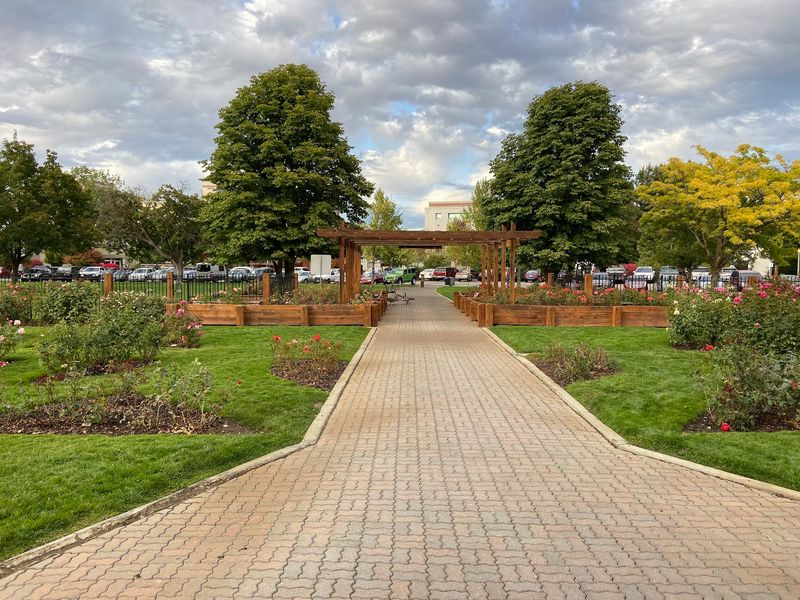
Finding the garden is easy. The address is 670 Julia Davis Dr in Boise, inside Julia Davis Park near Zoo Boise and the Idaho State Museum.
From downtown, it takes only a few minutes to get there, whether you drive, walk, or pedal in on the Greenbelt. Cyclists coming along the river can roll right into the park.
The garden opens early and stays open into the evening, but hours can shift, so check the city parks page before driving in. Admission is free, which makes repeat visits easy on any budget.
Early morning is a smart pick. Light is soft, the dew still clings to petals, and the scent tends to hang heavier in cool air.
Evenings work well too, especially on warm fall days when the afternoon sun feels strong. Bring water, comfortable shoes, and a camera or phone with plenty of storage.
If you are pairing the visit with the zoo or a museum, those spots have their own schedules and fees. Plan the rose garden as a relaxed bookend to the day, either first thing or as a final unhurried stop.
Last Roses Before The Chill
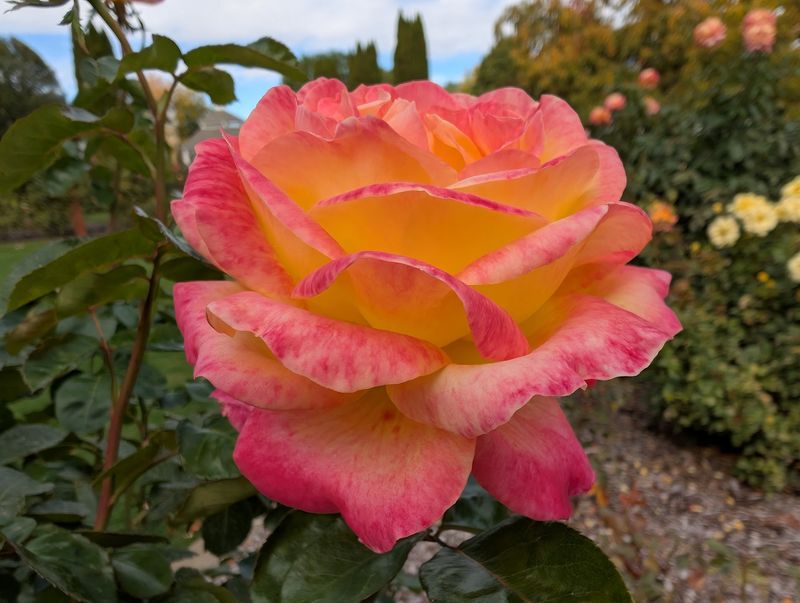
Boise’s median first fall frost lands around early October. Lighter frosts can creep in during late September, and a harder ground frost often shows up around the second week of October.
Once nights dip into the mid-30s, the roses start slowing down. Petals brown at the edges, buds stop opening, and the vivid display begins to fade.
That makes September and the first days of October a sweet window. The garden still carries color, the crowds have thinned, and falling leaves from the park’s big trees add a warm backdrop.
A late-season walk feels different from a June visit. It is quieter and a little bittersweet, like catching the final song at a summer concert.
For Treasure Valley locals, it is an easy after-work stroll. For folks coming from farther across Idaho, it pairs nicely with a downtown lunch or a Greenbelt ride.
So watch the forecast, grab a jacket, and head over before the frost shows up. The roses have waited all season, and a free stroll through them is one of Boise’s simplest pleasures before winter arrives.