11 Central California Garden Spots That Feel Peaceful The Second You Arrive
Peace can be picky. A garden usually knows how to deliver it fast.
One path curves away from the noise. One bench looks too inviting to ignore. Flowers start doing their quiet little work.
Central California has garden spots where the whole day seems to unclench in seconds.
There’s no grand itinerary needed. Just a shaded walkway, a soft breeze, and a few unexpected blooms can change the pace before anyone checks the time again.
Gardens have that advantage. They do not ask visitors to hurry. They reward slow steps and the kind of silence that feels surprisingly full.
A place like this can turn a quick stop into the calmest hour of the week.
1. San Luis Obispo Botanical Garden
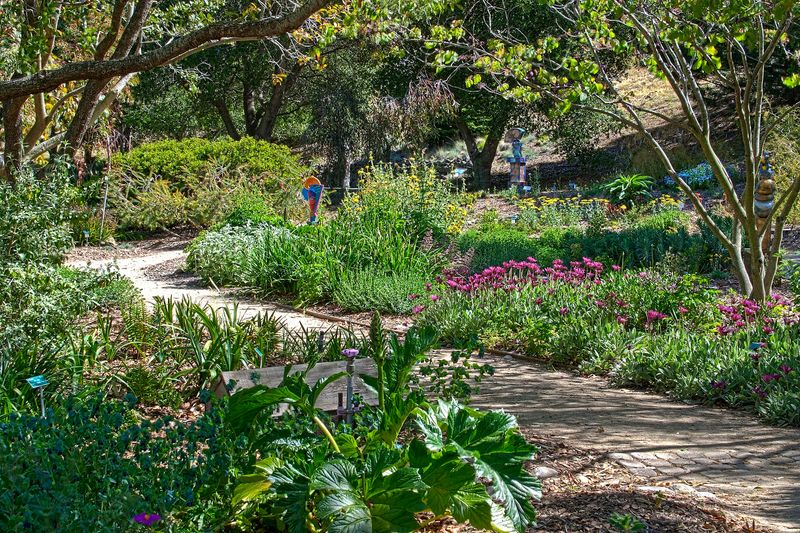
Walking into this garden feels like stepping into a quieter version of the California landscape most people drive past without stopping.
Located at 3450 Dairy Creek Road in San Luis Obispo, the garden sits within El Chorro Regional Park and spreads across several acres of native plant collections.
The terrain is gently rolling, which gives visitors a sense of movement through the space rather than just standing and looking.
Plants here are organized by region, so it is easy to understand where each species comes from and why it thrives in certain conditions.
The paths are wide enough for comfortable walking and the ground is relatively even, making the experience accessible for most visitors.
Shaded benches appear at natural resting points along the trail, which makes it easy to sit and take in the surroundings without feeling like you need to keep moving.
Weekday mornings tend to be quieter, with fewer people on the trails and more wildlife activity near the creek edges.
Admission is free, though donations are appreciated and help support ongoing planting and maintenance.
The garden is a genuinely unhurried place that rewards slow, attentive walking more than quick passes through.
2. Santa Barbara Botanic Garden
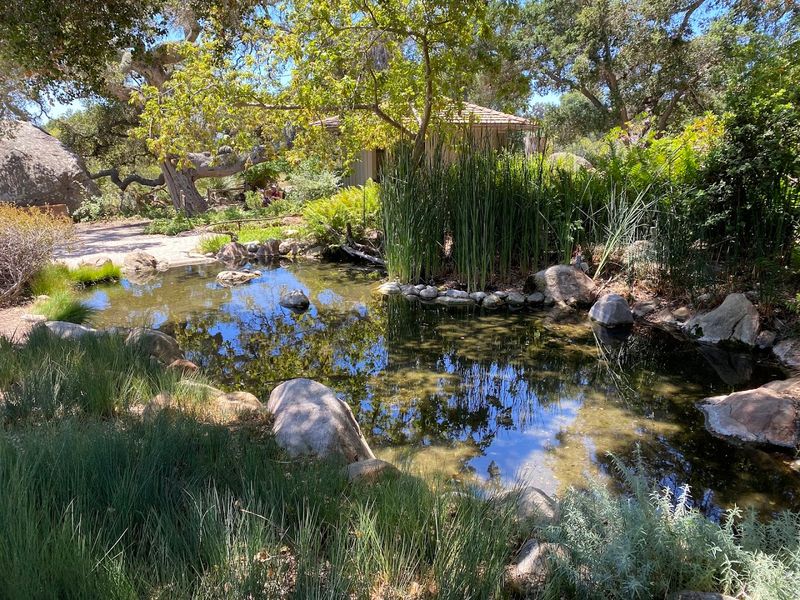
Tucked into Mission Canyon above the city, this garden has a scale and stillness that catches visitors off guard in the best way.
The garden is located at 1212 Mission Canyon Road in Santa Barbara and covers roughly 78 acres of trails, creek crossings, and native plant collections.
The sound of running water from Mission Creek follows visitors along many of the lower paths, adding a natural soundtrack to the walk.
Redwood groves, meadows, and chaparral sections each feel distinct from one another, so the experience shifts as visitors move through different zones.
The historic dam crossing near the creek is one of the most photographed spots in the garden, offering a strong sense of place without feeling staged.
Trail difficulty ranges from flat and easy to moderately steep, so it helps to check the map at the entrance before choosing a route.
Spring brings wildflower blooms that spread across the meadow sections in soft, layered colors. The garden is open most days of the week and charges a modest admission fee that varies by age.
Going on a weekday gives a noticeably calmer experience compared to busy weekend afternoons when families and groups tend to fill the trails.
3. Ganna Walska Lotusland
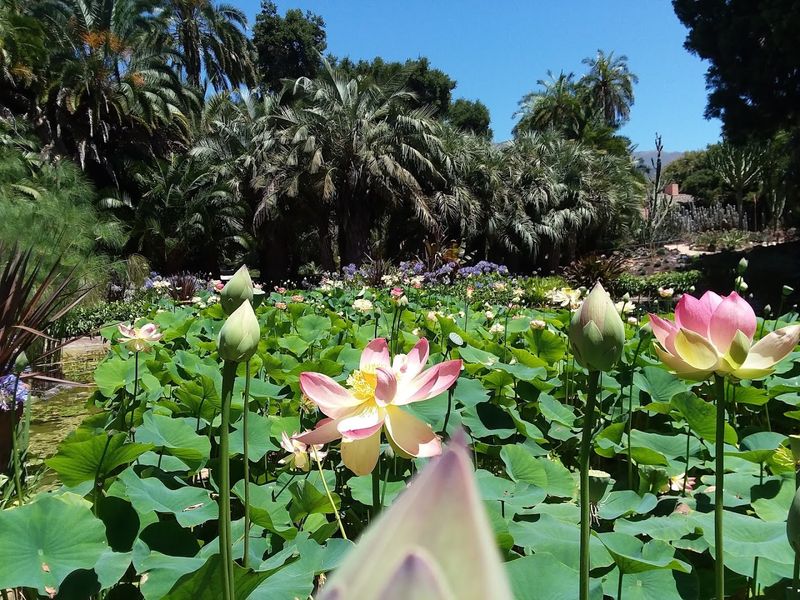
Few gardens in California feel as visually striking and quietly surreal as this one.
Located at Cold Spring Rd, Montecito, CA 93108, is a 37-acre private estate garden that requires advance reservations for entry, which helps keep the experience calm and unhurried.
The reservation system means groups are small and the grounds never feel overcrowded, which is a rare thing for a garden of this reputation.
The collections here are genuinely unusual, featuring a blue garden, an aloe garden, a Japanese garden, and one of the most dramatic cactus displays in the state.
Each section was designed with a strong aesthetic vision, and the transitions between them feel intentional rather than random.
Plants are labeled clearly, and the guided tour format helps visitors understand the history and thinking behind each space.
The lotus pond that gives the garden its name sits at a reflective, slow-moving pace that feels completely separate from the energy of the city nearby.
Visiting in the late morning during spring or early summer gives the best light for appreciating the textures and colors throughout the collections.
Lotusland is genuinely unlike any other garden on this list, and the experience of walking through it tends to stay with visitors long after they leave.
4. Dallidet Adobe and Gardens
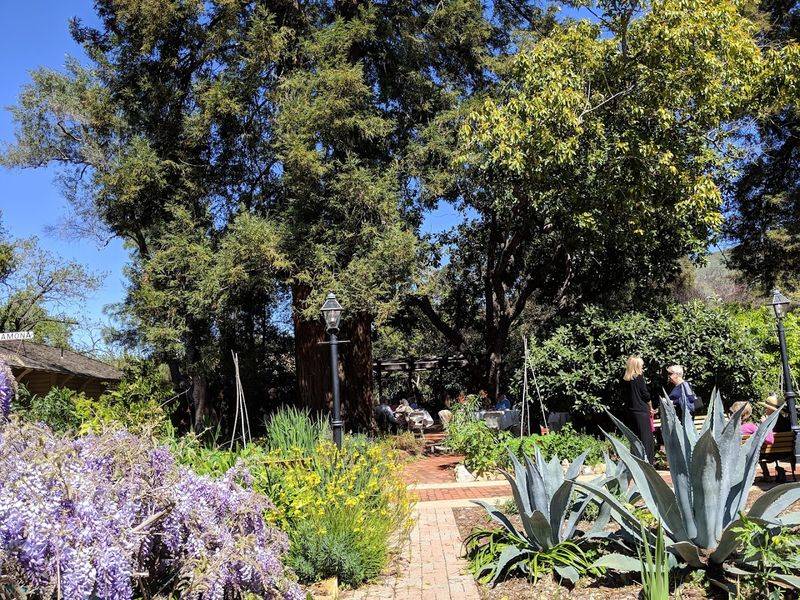
History and horticulture meet quietly at this small but meaningful property in the heart of San Luis Obispo.
The Dallidet Adobe and Gardens is located at 1185 Pacific Street and is one of the oldest surviving adobe structures in the city, surrounded by heritage plantings that have been tended for generations.
The garden itself is modest in size but rich in texture, with mature trees, roses, and carefully maintained beds that reflect the property’s long history.
Visiting here feels more like stepping into a living piece of local history than touring a formal botanical collection.
The pace is naturally slow because the space itself encourages quiet observation rather than active exploration.
The grounds are maintained by the San Luis Obispo County Historical Society and are open to the public on a limited schedule, so checking ahead before visiting is a practical necessity.
Spring and early summer tend to show the garden at its most lush, when the roses are in bloom and the fruit trees carry fresh foliage.
The surrounding neighborhood is calm and walkable, making it easy to combine a visit here with a short stroll through the nearby historic district.
5. Clovis Botanical Garden
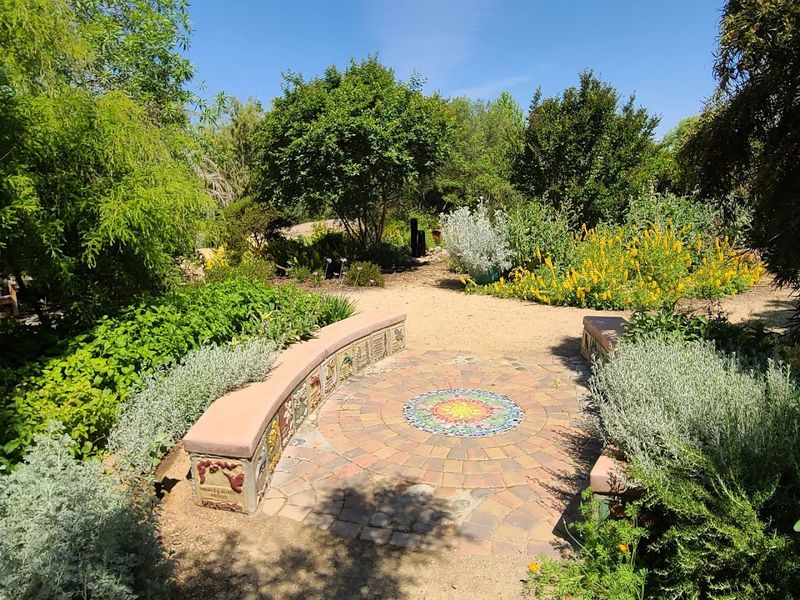
Right in the middle of a busy commercial part of Clovis sits a garden that feels genuinely removed from its surroundings the moment you step inside.
The Clovis Botanical Garden is located at 945 N. Clovis Avenue and focuses primarily on water-wise and drought-tolerant plants, which makes it both a beautiful space and a practical demonstration garden for Central Valley gardeners.
The design is organized and approachable, with clear signage that explains plant choices and water usage throughout.
The garden covers a manageable area that most visitors can explore comfortably in under an hour, which makes it an easy stop rather than a full-day commitment.
Seasonal plantings shift the color palette throughout the year, so the experience can look quite different depending on when a visit happens.
Benches and shaded areas are placed throughout the grounds, offering natural stopping points without requiring visitors to plan ahead.
Admission is free and the garden is open regularly, though hours may vary by season so a quick check before visiting is worthwhile.
The atmosphere here is calm and neighborhood-friendly, attracting locals on lunch breaks, families with young children, and gardening enthusiasts looking for planting ideas.
6. Shinzen Friendship Garden
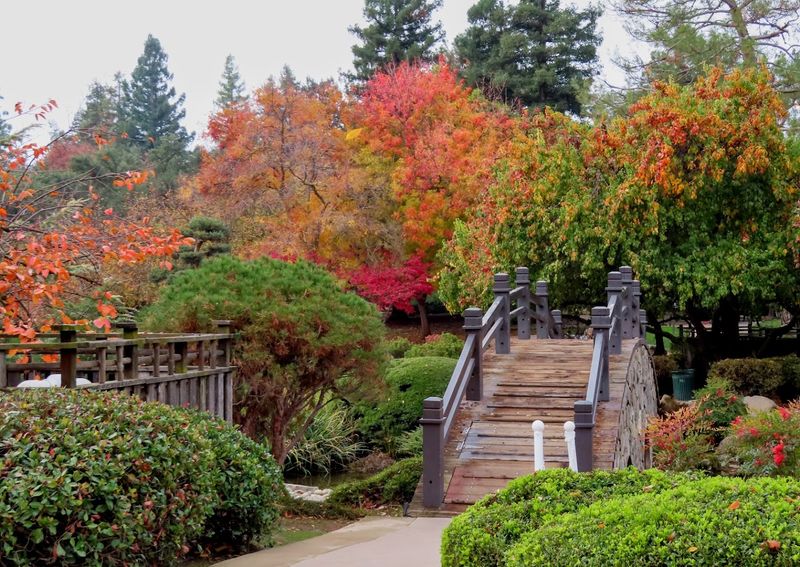
A traditional Japanese garden in the middle of Fresno might sound unexpected, but the Shinzen Friendship Garden earns its place as one of the most calming spots in the Central Valley.
Located at 114 W. Audubon Drive within Woodward Park in Fresno, the garden was designed to reflect the friendship between Fresno and its sister city of Kochi, Japan.
The design follows traditional Japanese garden principles, using water, stone, and plant placement to create a sense of natural balance.
Koi ponds, stone lanterns, a tea house, a pagoda, and a curved wooden bridge are all part of the experience, and each element feels considered rather than decorative.
Sound plays a big role here too, with water moving gently through the garden in ways that soften outside noise and make the space feel insulated from the surrounding park.
Visiting on a weekday morning gives the best chance of having the garden nearly to yourself.
There is a small admission fee to enter the Japanese garden section, separate from the general Woodward Park parking fee.
The garden is open most of the year, though hours shift seasonally and some areas may be closed for maintenance at times.
7. Forestiere Underground Gardens
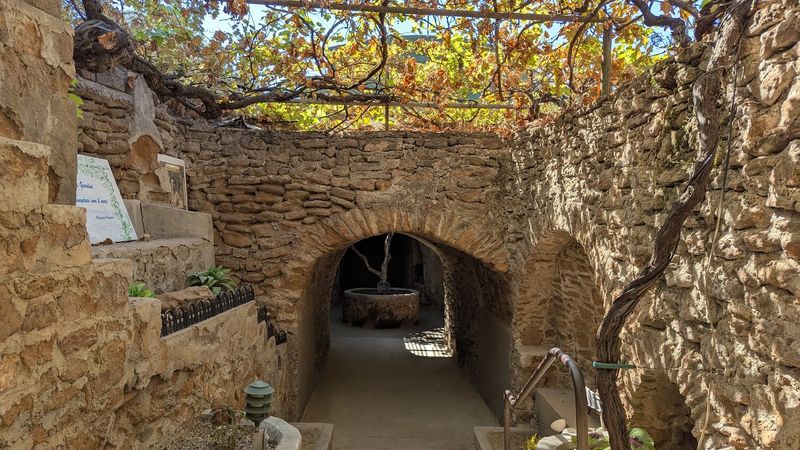
Nothing on this list is quite like the Forestiere Underground Gardens, and that distinction is worth noting before a visit so expectations are properly set.
The property is located at 5021 W. Shaw Avenue in Fresno and consists of a network of hand-carved underground rooms, passageways, and garden spaces that were created over several decades starting in the early 1900s.
The person who built it spent years carving through hardpan soil to create a cool, livable underground world complete with growing citrus trees.
Skylights cut through the ceilings allow natural light to reach the plants below, and the temperatures underground stay naturally cool even in the middle of a hot Central Valley summer.
The experience of standing in an underground room surrounded by living fruit trees is genuinely unusual and hard to describe without sounding like an exaggeration.
Guided tours are required to visit the property, and tour times are limited, so reservations in advance are strongly recommended.
The gardens are open seasonally rather than year-round, and the schedule can vary, so checking the official website before planning a trip is essential.
The pace of a guided tour is unhurried and informative, covering the history of the site as well as the plants still growing throughout the underground spaces.
8. Woodlake Botanical Garden
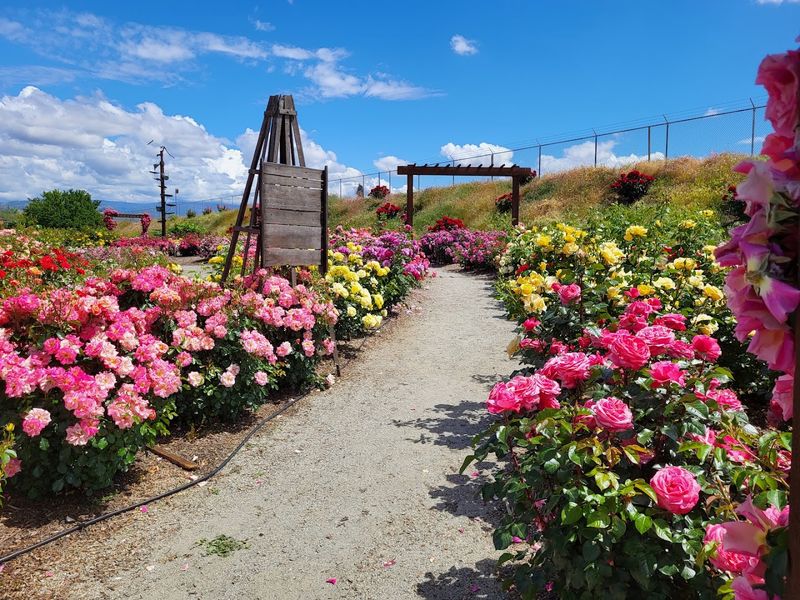
Small towns sometimes hold the quietest garden experiences, and Woodlake is a good example of that.
The Woodlake Botanical Garden is located at 577 E Naranjo Blvd, Woodlake, CA 93286, a small city in Tulare County that sits at the edge of the foothills leading toward Sequoia National Park.
The garden is modest in scale but maintained with clear care, offering a peaceful stop for travelers passing through the area or locals looking for a quiet outdoor space.
The collections focus on plants suited to the inland foothills climate, including drought-tolerant species, native shrubs, and seasonal flowers that shift with the time of year.
Signage throughout the garden helps visitors identify plants and understand their growing conditions, which makes the experience useful for home gardeners in the region.
The overall atmosphere is low-key and unhurried, without crowds or admission fees adding pressure to the visit.
The surrounding area of Woodlake is calm and easy to navigate, and the garden pairs well with a short drive into the nearby foothills for anyone wanting to extend their outing.
Mornings tend to offer cooler temperatures and softer light, which makes walking the paths more comfortable especially during warmer months.
9. UC Santa Cruz Arboretum and Botanic Garden
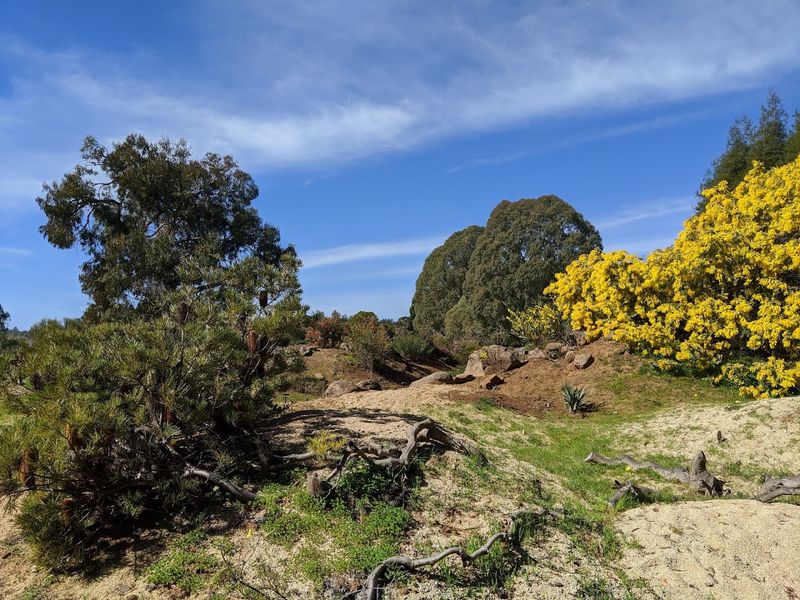
Perched on the hillside campus of UC Santa Cruz, this arboretum offers one of the most geographically diverse plant collections in the state without requiring a passport.
The garden is located at 120 Arboretum Rd, Santa Cruz, CA 95064, and covers roughly 135 acres of living collections organized by continent of origin.
Australian, South African, New Zealand, and California native sections each feel distinct in texture, color, and mood.
The South African collection is particularly striking, with proteas and restios creating a landscape that looks unlike anything else in Central California.
Paths through the garden are mostly unpaved and gently sloping, which gives the experience a natural, exploratory feel rather than a formal one.
Morning visits tend to catch the coastal fog still sitting over parts of the campus, which adds a soft, atmospheric quality to the light throughout the collections.
Admission is free for general visitors, though some events and specialty programs may have separate fees.
The garden is open daily and tends to draw a mix of students, plant enthusiasts, and casual visitors looking for a calm outdoor walk.
10. UC Davis Arboretum and Public Garden
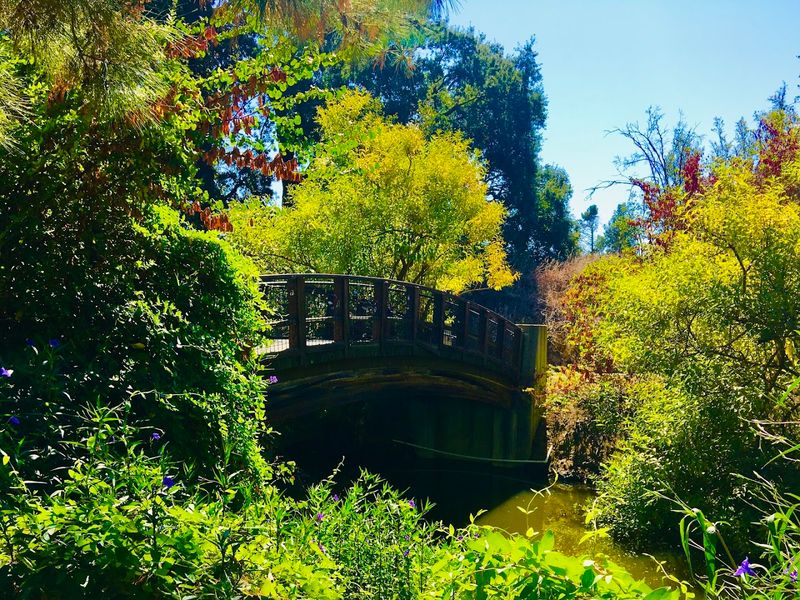
Stretching nearly four miles along a historic waterway through the UC Davis campus, this arboretum is one of the most walkable and accessible garden spaces in Northern Central California.
Located at 448 La Rue Road in Davis, the arboretum functions as a living laboratory for the university while also serving as a genuinely pleasant public green space.
The long, linear layout means visitors can choose how far they walk and turn back whenever the pace feels right.
Collections along the route include drought-tolerant California natives, Mediterranean climate plants, a redwood grove, and a fragrance garden designed with sensory accessibility in mind.
Cyclists and walkers share the paths, giving the space an active but unhurried energy that feels more like a neighborhood park than a formal botanical institution.
Shade from the mature tree canopy makes the walk comfortable even during warmer months, which is a meaningful advantage in the Sacramento Valley climate.
Admission is free and the arboretum is open every day of the year, making it one of the most flexible garden destinations on this list.
Weekend mornings draw a lively mix of joggers, families, and plant enthusiasts, while weekday afternoons tend to be quieter and more reflective in pace.
The garden is also dog-friendly on leash, which adds to its appeal as a community space rather than a strictly curated attraction.
11. Montalvo Arts Center Gardens
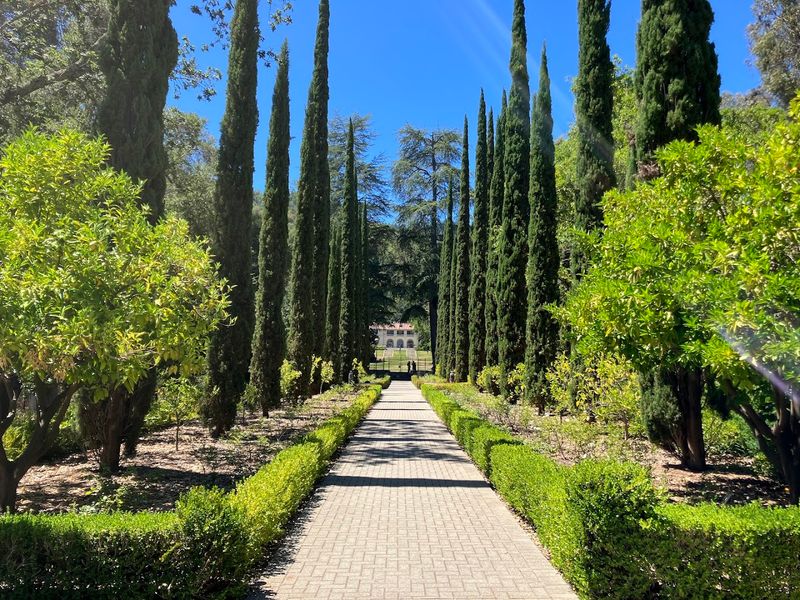
Set against the wooded foothills of Saratoga, the grounds surrounding the Montalvo Arts Center carry a sense of formality and calm that feels earned rather than designed for show.
Located at 15400 Montalvo Road in Saratoga, the property includes formal gardens, a sculpture trail through the surrounding woodland, and historic Mediterranean-style architecture that gives the landscape a cohesive and grounded character.
The combination of art, nature, and architecture makes this garden feel layered in a way that rewards a slow visit.
The formal gardens near the villa feature trimmed hedges, stone pathways, and seasonal plantings that shift in color throughout the year.
Further into the property, the sculpture trail winds through oak woodland and offers a quieter, more contemplative experience that contrasts nicely with the manicured sections closer to the main building.
Trails vary in length and difficulty, so visitors can choose a route based on how much time and energy they want to spend.
General access to the gardens and trails is free on most days, though events and performances held on the grounds may affect access at certain times.
Checking the Montalvo Arts Center schedule before visiting helps avoid arriving during a private event.
The property tends to be most peaceful on weekday mornings when foot traffic is light and the woodland sections feel genuinely secluded.