15 Chains Washington Diners Aren’t Visiting Like They Used To
Dining habits across Washington have shifted dramatically over the past few years.
Many restaurant chains that once drew huge crowds now sit half-empty, struggling to keep their doors open.
I’ve noticed how more people are choosing local spots with fresh ingredients and unique menus instead of the same old chain experience.
Here are the chains that Washington diners just aren’t visiting like they used to.
1. Olive Garden
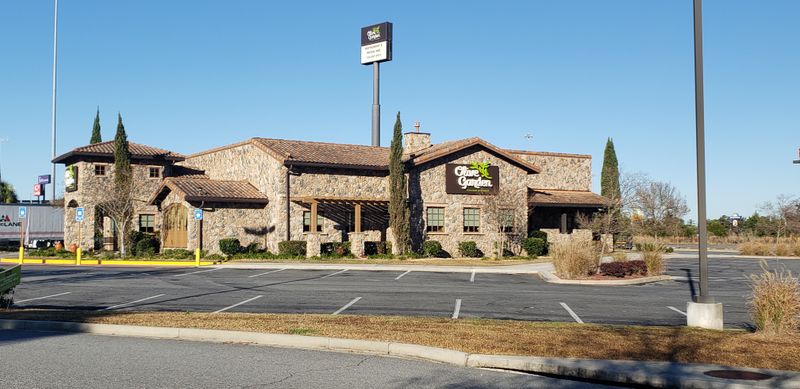
Families used to pack this Italian-American favorite every weekend for endless breadsticks and pasta bowls.
Now, I see more empty tables as people discover what real Italian food tastes like.
Handmade pasta from local Italian restaurants has spoiled diners who once thought Olive Garden was the peak of Italian cuisine.
The chain’s reliance on pre-made sauces and frozen ingredients just doesn’t cut it anymore when authentic trattorias are popping up everywhere.
Regional specialties and family recipes from actual Italian chefs have made the corporate menu feel bland and uninspired.
Washington diners want freshness and authenticity, not microwaved meals dressed up with parmesan.
The unlimited soup and salad deal can’t compete with genuine culinary craftsmanship anymore.
2. Applebee’s

Remember when Applebee’s called itself your neighborhood bar and grill?
That identity has gotten muddy over the years as the chain tries to be everything to everyone.
I’ve watched them struggle between being a family restaurant at dinner and a late-night bar scene afterward.
The confusion shows in their menu, which jumps from kids’ meals to half-priced appetizers during happy hour without a clear focus.
Local restaurants have figured out how to do one thing really well, whether that’s craft beer or family dining.
Applebee’s attempt to split the difference leaves diners unsure what they’re walking into.
Washington residents now prefer places with a consistent vibe and purpose over this identity crisis on a plate.
3. Chili’s
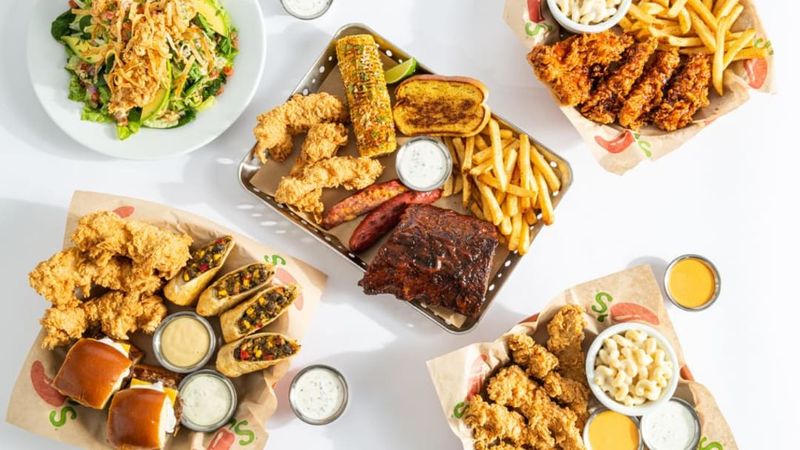
Tex-Mex lovers used to flock here for baby back ribs and loaded nachos.
But I’ve noticed the crowds thinning as word spread about their reliance on frozen ingredients.
Fresh salsa and made-from-scratch dishes from local Mexican restaurants have raised the bar considerably.
When you can get authentic street tacos or real enchiladas down the road, why settle for reheated chain food?
The menu hasn’t evolved with Washington’s increasingly sophisticated palate either.
People want bold flavors and regional authenticity, not the same predictable dishes from decades ago.
Chili’s feels stuck in the past while local Tex-Mex spots innovate with seasonal ingredients and creative fusion dishes that actually excite diners.
4. Red Lobster
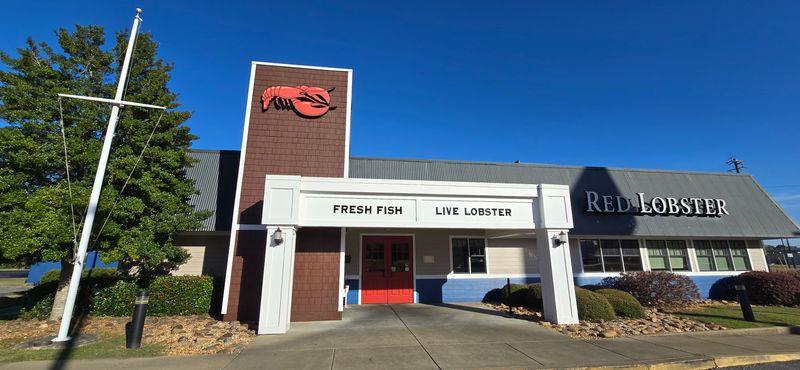
Once upon a time, those Cheddar Bay Biscuits could lure anyone through the door.
Washington’s seafood scene has exploded with local spots offering catches so fresh they were swimming that morning.
I’ve seen Red Lobster locations close across the state as prices climbed while quality seemed to drop.
Why pay premium prices for frozen seafood when you can get day-boat catches at a local fish house?
The corporate chain experience feels stale compared to waterfront restaurants where fishermen deliver directly to the kitchen.
Washington diners know their seafood, and they’re not fooled by fancy presentations of mediocre ingredients anymore.
The whole concept of a landlocked seafood chain just doesn’t make sense in a state surrounded by ocean.
5. TGI Fridays
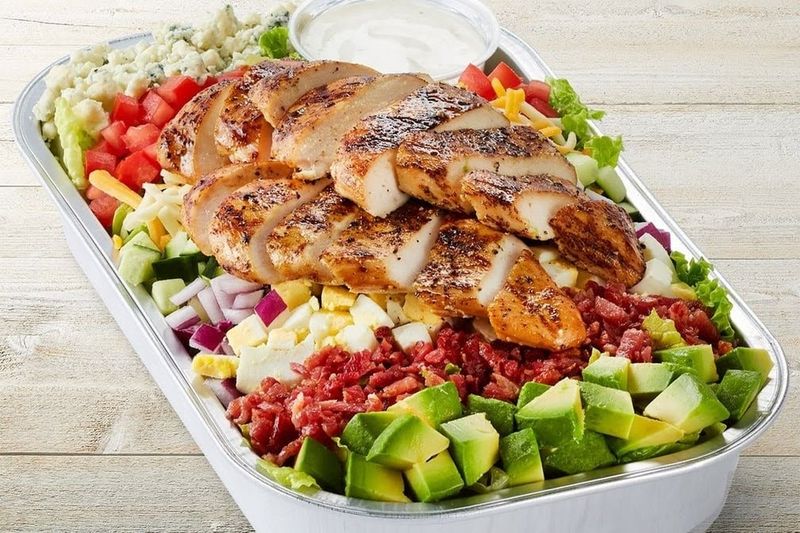
Walking into a TGI Fridays feels like stepping back into the 1990s.
The dated decor with random antiques on the walls doesn’t charm younger diners who want Instagram-worthy spaces.
I’ve watched this chain lose its appeal as craft cocktail bars and trendy gastropubs offer more exciting experiences.
Their menu hasn’t kept pace with food trends either, sticking to the same loaded potato skins and Jack Daniel’s sauce.
Millennials and Gen Z want locally sourced ingredients, creative small plates, and bartenders who know their mixology.
TGI Fridays offers none of that, just predictable corporate recipes and artificial atmosphere.
Washington’s dining scene has moved on to places with real personality and innovative menus that actually surprise you.
6. Denny’s
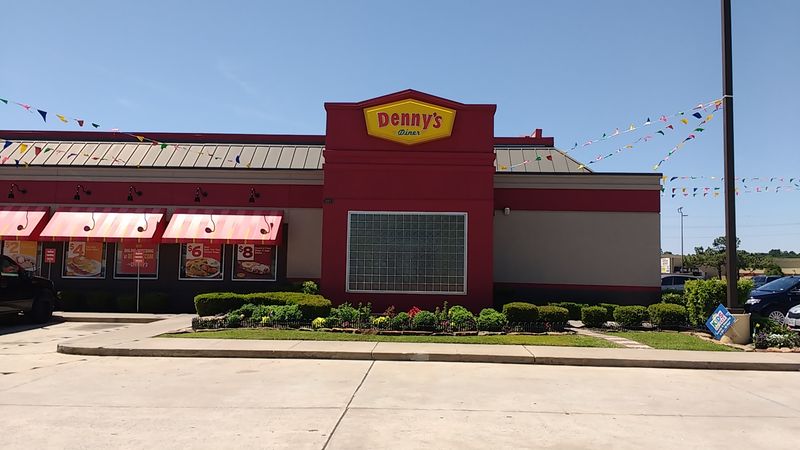
The classic 24-hour diner used to be the go-to spot for late-night munchies and early breakfast.
Now I see Denny’s planning to close underperforming locations across Washington as traffic dwindles.
Local breakfast spots have upped their game with farm-fresh eggs, artisan breads, and regional specialties.
Why eat rubbery pancakes from a chain when you can get fluffy buttermilk stacks made from scratch?
The convenience of being open all night doesn’t matter much when the food quality disappoints.
Washington diners have discovered neighborhood cafes that serve breakfast done right, with locally roasted coffee and seasonal ingredients.
Denny’s Grand Slam just can’t compete with the creativity and freshness of independent breakfast joints anymore.
7. Hooters
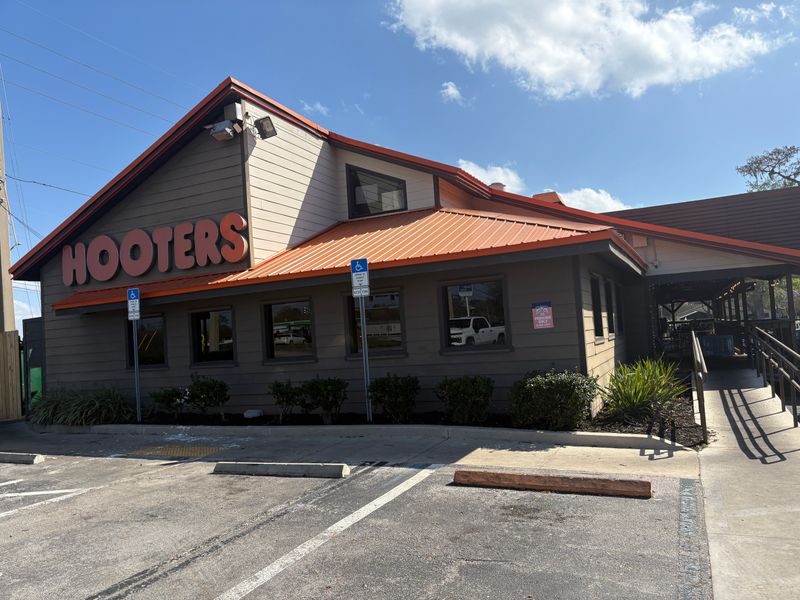
This wing chain built its reputation on a concept that feels outdated in today’s world.
I’ve noticed fewer cars in Hooters parking lots as Washington diners seek better food and more contemporary atmospheres.
Local sports bars have figured out how to serve quality pub food without relying on gimmicks.
The wings aren’t even that good compared to what craft beer bars and gastropubs are serving now.
People want to watch the game with great food and drinks, not an uncomfortable throwback to a different era.
Washington’s dining culture has matured beyond this type of concept.
Independent sports bars offer better wings, more beer options, and an atmosphere where everyone feels welcome regardless of who’s serving them.
8. Red Robin
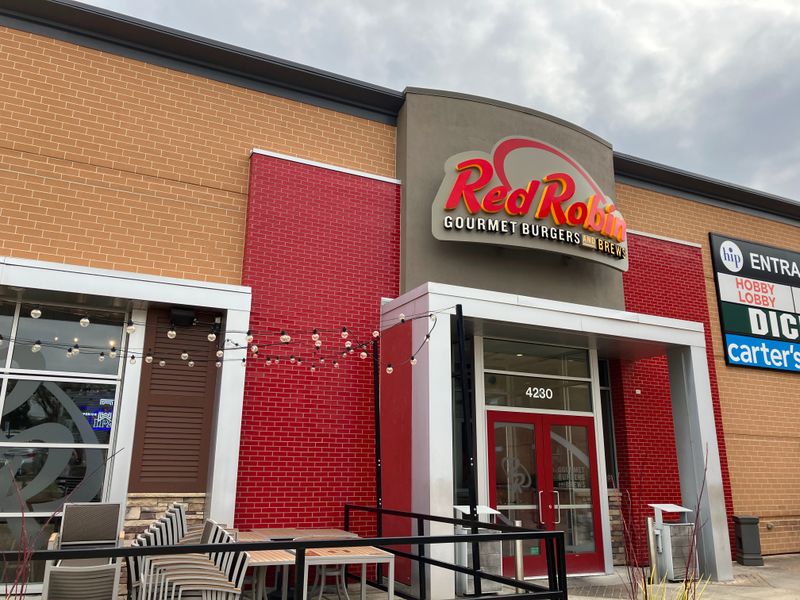
Born right here in Washington, you’d think Red Robin would have hometown loyalty on its side.
Instead, the burger chain faces apathy in its home state, announcing closures across Washington.
I’ve watched gourmet burger joints steal their thunder with locally sourced beef and creative toppings.
Red Robin’s endless fries can’t make up for burgers that taste mass-produced and uninspired.
Washington diners want grass-fed beef, artisan buns, and inventive flavor combinations.
The chain’s family-friendly atmosphere feels generic compared to trendy burger spots with personality.
When local restaurants offer better quality at similar prices, hometown nostalgia only goes so far in keeping customers coming back to Red Robin’s booths.
9. Boston Food Mart
Rotisserie chicken and homestyle sides once made this chain a weeknight dinner savior.
Washington locations have disappeared rapidly as the whole concept became obsolete.
I can grab better prepared meals from grocery stores now, with more variety and comparable prices.
Meal delivery services bring restaurant-quality food right to your door, making Boston Market’s drive-through seem pointless.
The chain couldn’t adapt fast enough to changing consumer habits.
Their cornbread and mac and cheese just aren’t special enough to justify a separate trip.
Washington diners realized they could roast their own chicken or order from local restaurants with fresher ingredients and better flavors than this struggling chain ever delivered.
10. Outback Steakhouse
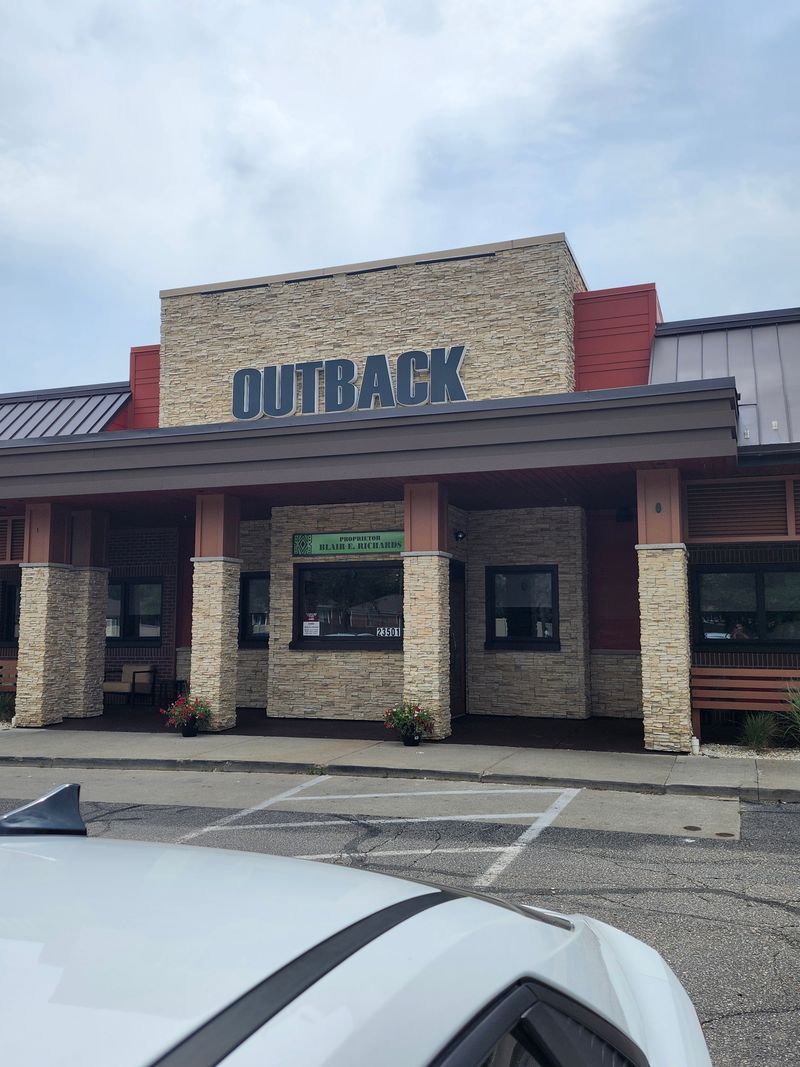
Australian-themed decor and Bloomin’ Onions used to pack this steakhouse every weekend.
Now I see Outback locations closing across Washington as diners demand better beef.
Local steakhouses have raised expectations with dry-aged cuts and sophisticated wine lists.
The kitschy boomerang decorations feel cheesy when you’re paying good money for a steak dinner.
Washington diners want quality over theme, and Outback’s steaks just don’t measure up anymore.
Independent steakhouses source premium beef and train their chefs properly instead of following corporate cooking procedures.
When you’re splurging on steak, you want an experience that feels special, not a chain restaurant with Australian stereotypes plastered on the walls and mediocre meat on your plate.
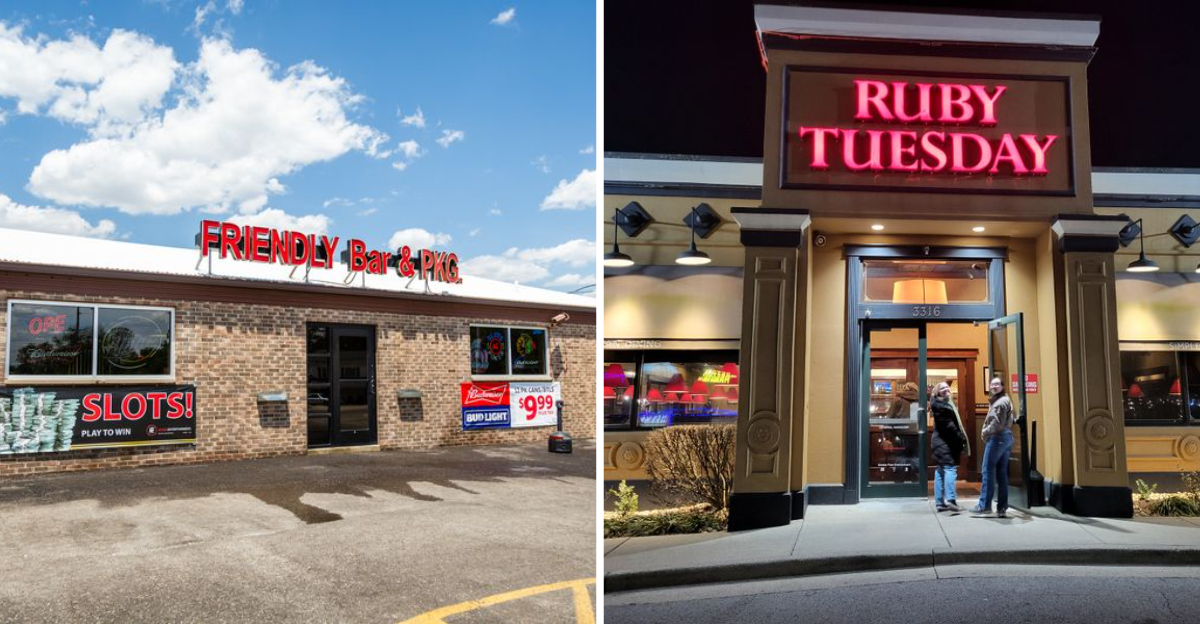
11. Ruby Tuesday
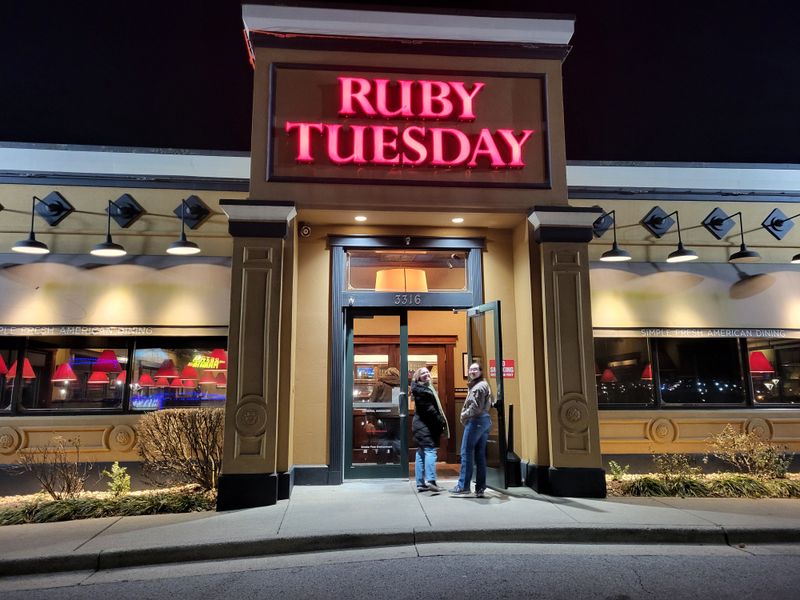
That salad bar used to be the highlight of any Ruby Tuesday visit.
I’ve watched this casual dining chain fade from Washington’s restaurant scene almost entirely.
The menu tried to be everything but ended up being nothing special.
Fast-casual restaurants now offer better quality at lower prices with faster service.
Ruby Tuesday got squeezed between quick service and upscale casual, losing its niche completely.
Their attempts to modernize the menu came too late as Washington diners had already moved on.
The few remaining locations feel like relics from another era of dining when limited options made mediocre chains acceptable, but those days are long gone in Washington’s competitive restaurant landscape.
12. Sizzler
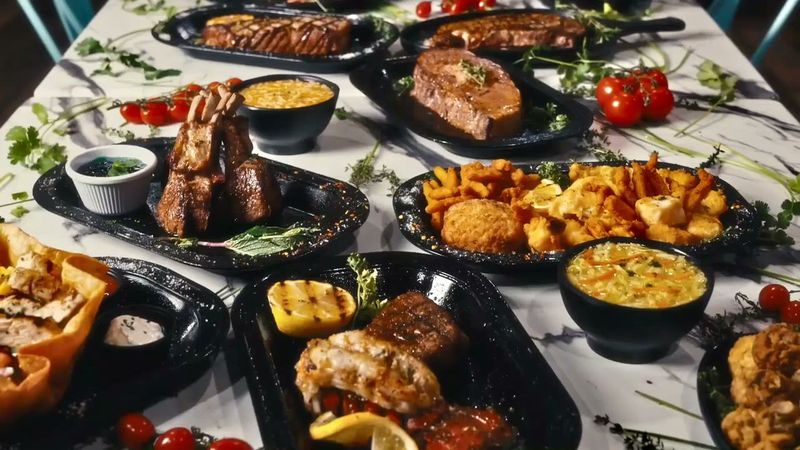
Steak and seafood combos once made this chain a weekend treat for families.
Washington’s Sizzler locations have nearly vanished as the brand struggled to stay relevant.
I remember when their all-you-can-eat salad bar felt like luxury.
Now it seems dated compared to modern buffet concepts and farm-to-table restaurants.
The quality couldn’t justify the prices anymore as better options multiplied.
Washington diners want either quick casual or upscale experiences, not the awkward middle ground Sizzler occupies.
Their attempt to combine steakhouse and buffet never quite worked.
Local restaurants do both concepts better separately, leaving Sizzler without a clear reason to exist in today’s dining landscape across Washington state.
13. Perkins American Food Co.
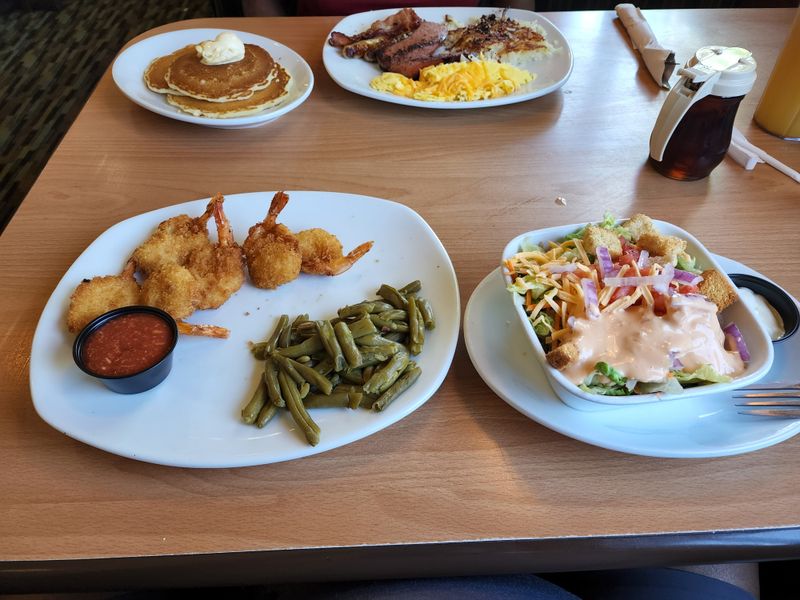
Pie cases and all-day breakfast made Perkins a reliable choice for years.
I’ve seen their Washington presence shrink as local bakeries and breakfast spots outshine them.
The pies, once their signature item, can’t compete with artisan bakeries using real butter and seasonal fruit.
Breakfast menus at independent cafes offer more creativity and fresher ingredients.
Perkins feels stuck between diner and family restaurant without excelling at either.
Washington diners would rather support local bakeries for dessert and neighborhood cafes for breakfast.
The chain’s bland interior and predictable menu don’t give anyone a reason to choose them over the interesting independent restaurants that have opened throughout Washington in recent years.
14. Steak ‘n Shake
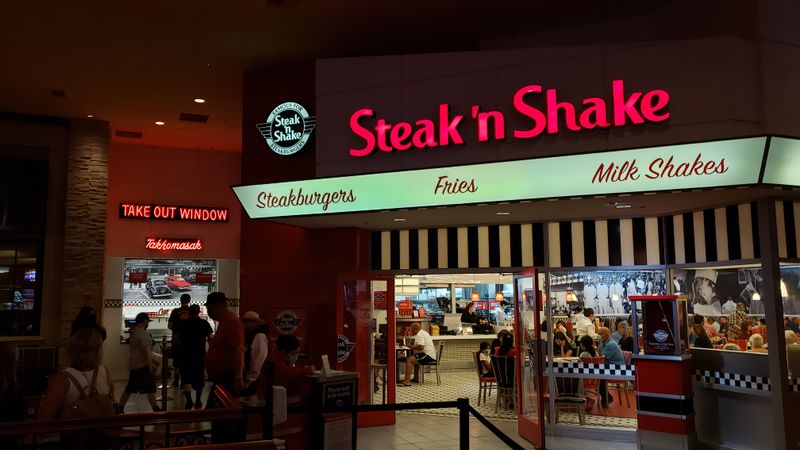
Steakburgers and hand-dipped milkshakes built this Midwestern chain’s reputation.
Washington never fully embraced Steak ‘n Shake the way other regions did.
I think the concept just didn’t translate well to Pacific Northwest tastes.
Local burger joints and shake shops offer similar products with better quality and regional flair.
The table service model felt slow compared to modern fast-casual burger chains.
Washington diners prefer either quick counter service or full restaurant experiences.
Steak ‘n Shake’s awkward position between fast food and sit-down restaurant confused customers.
With so many excellent local burger options across Washington, there’s simply no compelling reason to visit this chain that never quite found its footing here anyway.
15. Friendly Bar & Grill
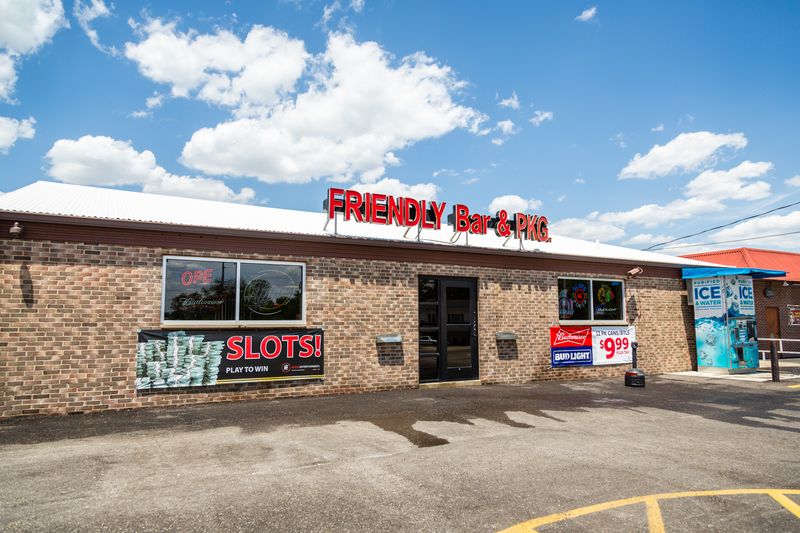
Ice cream sundaes and comfort food defined this East Coast favorite for generations.
Washington’s limited Friendly’s locations have struggled to maintain any presence at all.
I think the brand never really established itself here before local ice cream shops took over.
The nostalgic appeal that works on the East Coast doesn’t resonate with Washington diners.
Local creameries serve better ice cream with unique Pacific Northwest flavors.
Friendly’s menu of burgers and sandwiches doesn’t differentiate it from countless other options.
Without the nostalgia factor, there’s nothing special about this chain.
Washington residents would rather visit local ice cream parlors that source regional ingredients and create innovative flavors than eat at a struggling chain with no local connection.