9 Changes In North Carolina Fried Chicken And The Traditions That Stayed The Same
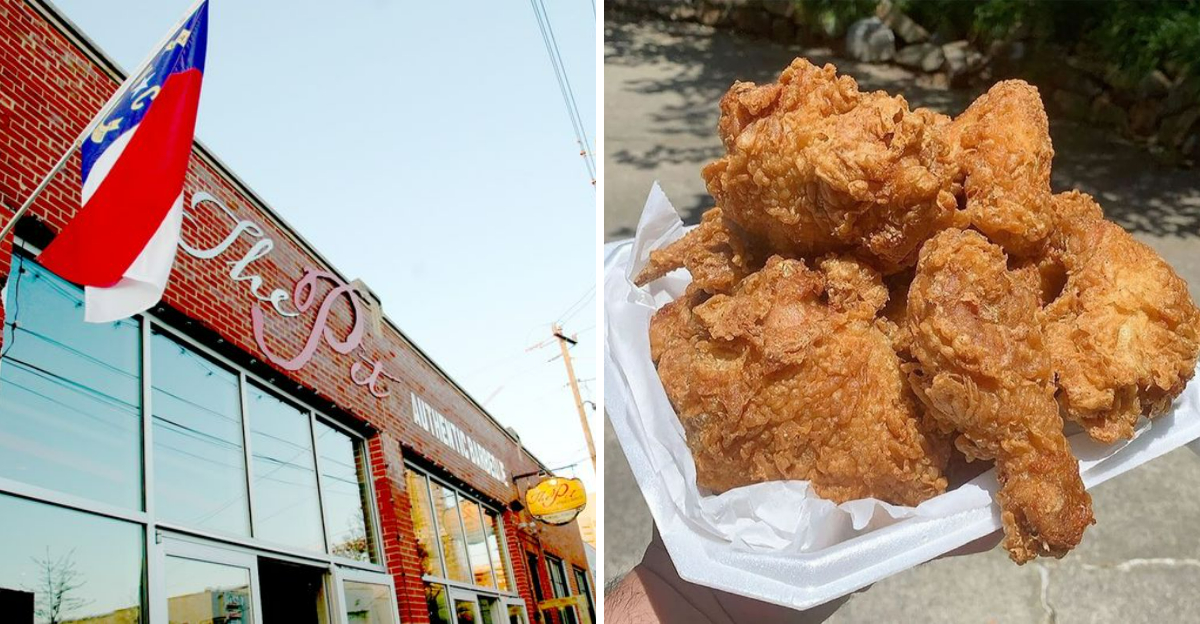
North Carolina does not mess around when it comes to fried chicken. Never has.
The state has a long memory for what good food tastes like, and a serious habit of making it better anyway. Crispy, bold, and unapologetically satisfying, this is chicken that people plan their drives around and argue about with genuine passion.
But something interesting has been happening lately. New ideas have been sliding into kitchens across the state, shaking hands with old techniques, and walking out together like they were always meant to be a team.
Some of these changes will surprise you, some will make you hungry, and all of them will make you want to find the nearest counter and order something fast.
1. From Bone-In Plates To Sandwich Stars
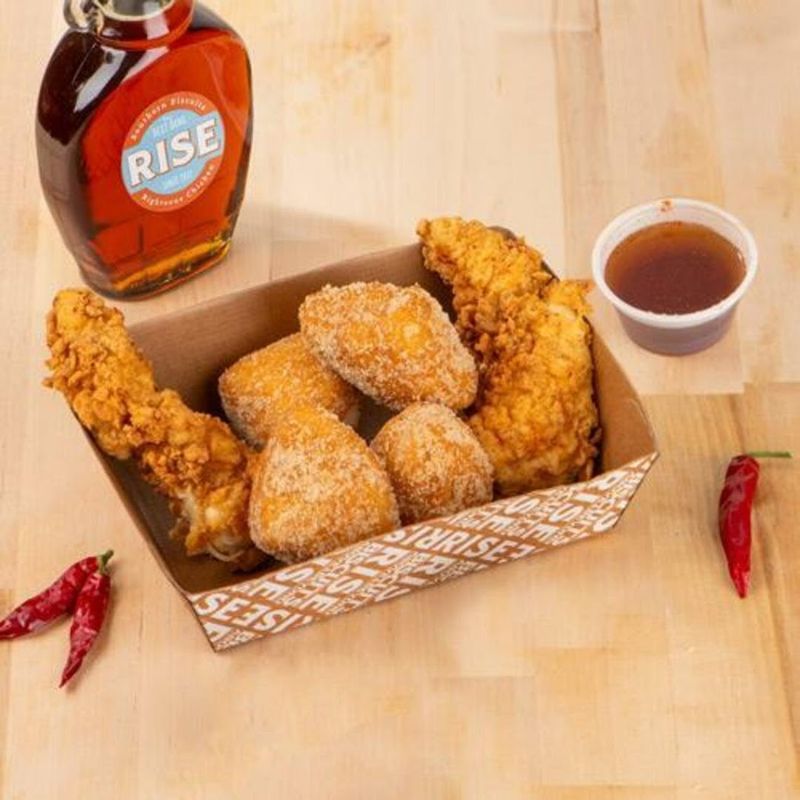
Some meals don’t need a plate to make a point. Rise Southern Biscuits & Righteous Chicken at 401 Foster St in Durham shows how a chicken sandwich can carry just as much identity as a full bone-in plate.
The chicken sandwich went from quick fix to full-on cultural statement. Lines started forming for handheld versions that packed just as much crunch and flavor as anything served on a dinner plate, and they never really stopped.
Bone-in chicken never disappeared, though. It still sits at the center of Sunday meals and family gatherings across the state.
The sandwich simply earned its own seat at the table, which is honestly a win for everyone.
What makes this shift interesting is how it changed the lunch crowd. Office workers, students, and road-trippers could now enjoy serious fried chicken without needing a fork.
The flavor stayed bold, the crust stayed crispy, and the tradition of frying low and slow remained completely intact. North Carolina proved you can modernize the format without losing what made the original so beloved in the first place.
The sandwich is not a replacement. It is an extension of something already great.
2. Louder Seasoning, Same Foundation
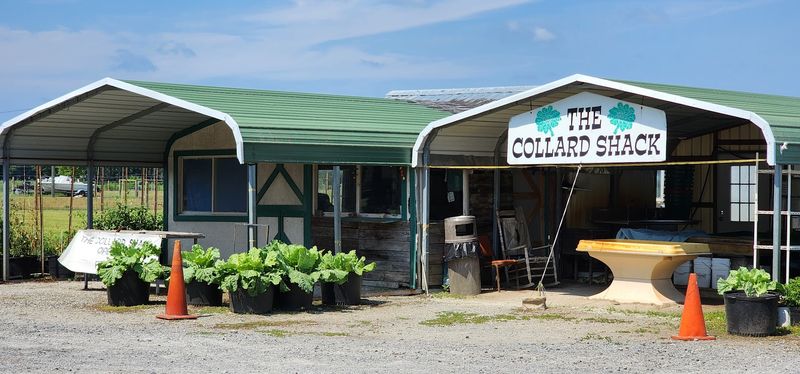
Somewhere along the way, cooks in North Carolina got bolder with the spice rack. Cayenne, smoked paprika, and garlic powder started showing up in dredges and marinades that once only called for salt and black pepper.
The result was a louder, more complex crust that made people stop mid-bite and reconsider everything they thought they knew about fried chicken.The funny thing is, the base never changed. Salt and black pepper still anchor every recipe worth making.
The new spices just built a more interesting house on top of that same foundation. Some cooks leaned into heat, layering cayenne with white pepper for a slow burn that built gradually.
Others went aromatic, adding onion powder and dried thyme to create something that smelled as good as it tasted. Neither approach felt like showing off.
Both felt like curiosity doing its job.Skylight Inn BBQ at 4618 Lee St in Ayden has long represented a no-shortcuts approach to seasoning and technique. The flavors there feel earned, not thrown together.
That philosophy runs through the entire state. Whether you are eating at a counter stool or a sit-down table, the seasoning tells a story about who made the food and why they care.
North Carolina cooks do not season to show off. They season because getting it right is a matter of personal pride, and that pride has only grown stronger over the years.
3. Signature Items That Became Permanent Fixtures
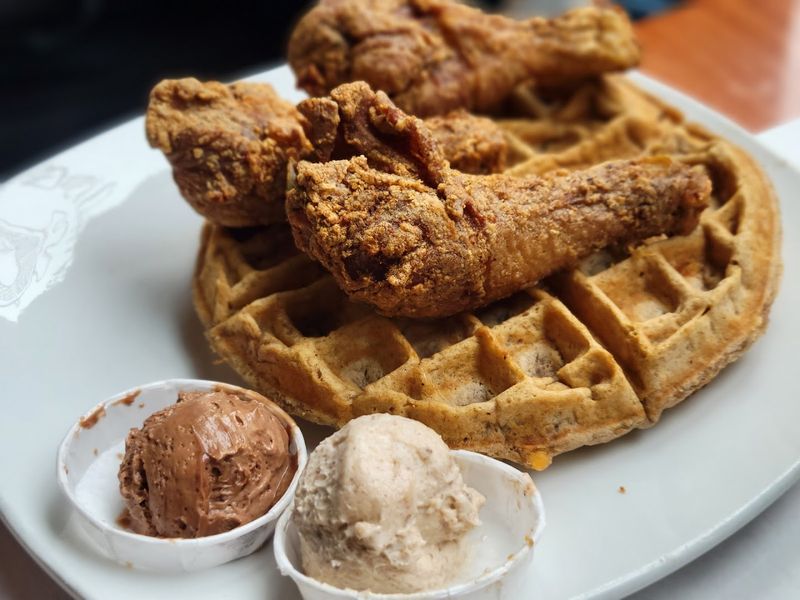
Some dishes start as weekend specials and never leave because the people will not let them. At Dame’s Chicken and Waffles on 455 S Driver St in Durham, honey-dusted fried chicken over waffles became something the menu could not survive without.
What began as a creative combination turned into a defining feature of the entire restaurant.
That is how traditions get made in North Carolina. A cook tries something, the community responds with genuine enthusiasm, and before long that dish is what the place is known for.
No marketing strategy beats that kind of organic loyalty.
The honey-and-chicken pairing also says something important about how Southern food thinks. Sweet and savory have always belonged together here, and formalizing that relationship on a plate just made it easier to explain to people from out of town.
Signature items like this one raise the bar for every other kitchen in the region. When one spot commits to doing something specific and doing it exceptionally well, everyone else has to bring more to the table.
That kind of friendly competition is exactly what keeps North Carolina fried chicken culture sharp, creative, and deeply satisfying.
4. Boneless Cuts Moved Into The Spotlight
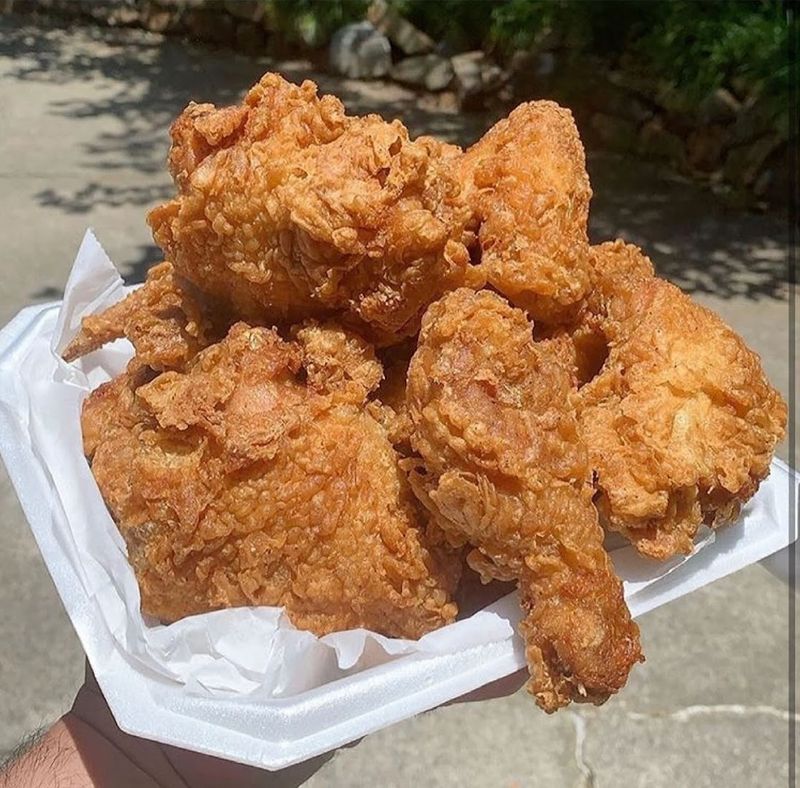
Tenders and fillets used to be the thing you ordered when you were not sure what you wanted. Now they are the reason people show up.
Boneless cuts became a serious menu category across North Carolina, not just a convenience option for kids or people in a hurry.
The Chicken Hut on 3019 Fayetteville St in Durham understands this shift well. The focus on quality boneless chicken there reflects a broader change in how people approach the meal.
You can get serious flavor without navigating around bones, and for a lot of people, that accessibility opened the door to exploring fried chicken in a deeper way.
Chefs also discovered that boneless cuts gave them more control over seasoning and texture. Every surface gets coated evenly, every bite delivers the same crust-to-meat ratio, and the eating experience becomes more consistent piece to piece.
That consistency matters when you are trying to build a loyal customer base. The bone-in loyalists are not going anywhere, and that is perfectly fine.
But the boneless crowd brought new energy to the conversation, and North Carolina’s fried chicken culture is better for having both at the table.
5. Sauces Turned Into A Personality Choice
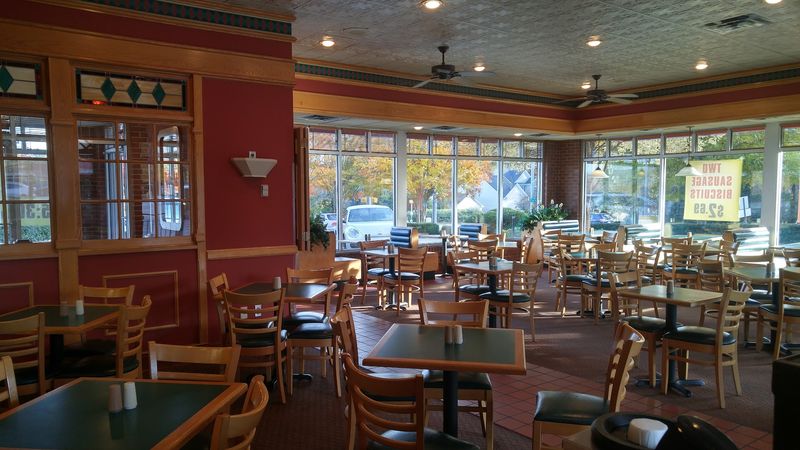
Choosing your sauce used to be simple. Hot sauce or nothing, maybe a little ketchup if you were feeling casual.
Now walking up to a fried chicken counter in North Carolina feels more like a personality quiz. House honey mustard, pepper-vinegar blends, smoky barbecue, and herb-infused dips have turned the sauce station into a whole experience.
Part of what drove this change was the growing confidence of local kitchens. Cooks stopped treating sauce as an afterthought and started developing house recipes that reflected their own taste and regional identity.
A pepper-vinegar blend in the eastern part of the state tastes noticeably different from one made closer to Charlotte, and that variation is exactly the point. The sauce became another way to tell people where you are and who made your food.
The sauce expansion gave diners a way to personalize their meal without the kitchen having to change a thing. Two people can order the same plate and have completely different experiences based on what they reach for first.
That kind of flexibility is smart hospitality. It keeps people coming back to try combinations they have not explored yet.
North Carolina figured out early that giving people choices builds loyalty. A spot like Bojangles on 10610 Durant Rd in Raleigh proves that theory right every single day, where sauce choices and flavor pairings feel intentional rather than overwhelming.
6. Frying Techniques Adapted For Consistency
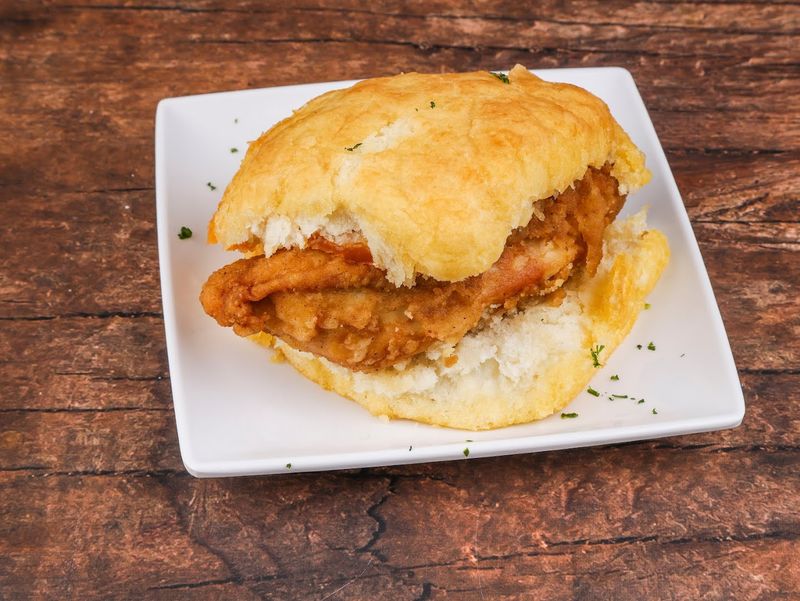
Getting a perfect crust once is a skill. Getting it right on every single order during a Friday dinner rush is a system.
North Carolina kitchens started adopting techniques like double-dredging and pressure frying specifically to solve the consistency problem. The goal was never to make fried chicken feel industrial.
The goal was to make sure the last plate of the night tasted as good as the first.
Time-Out Restaurant at 201 E Franklin St, Chapel Hill, NC 27514 has built a reputation on exactly this kind of reliable execution. People go there at midnight after a long day knowing the chicken will deliver.
That trust does not happen by accident. It is the result of a kitchen that treats technique as non-negotiable.
Double-dredging creates a thicker, more textured crust that holds up better under heat lamps and during travel. Pressure frying locks in moisture while cutting down cook time, which matters enormously when orders are stacking up.
Neither technique sacrifices flavor. Both of them protect it.
The adaptation was practical, not philosophical, but the result was a fried chicken experience that more people could count on more of the time. That dependability built the kind of loyalty that keeps restaurants full for decades.
7. Takeout And Drive-Thru Reshaped The Menu
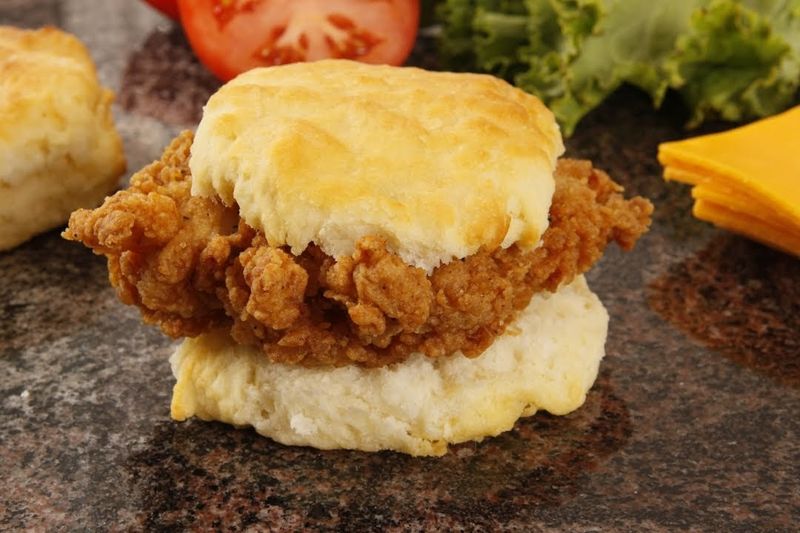
Packaging sounds like a boring topic until you bite into soggy fried chicken that was once perfect. North Carolina restaurants took this seriously and started investing in vented boxes, compartmentalized trays, and moisture-wicking liners to protect the crust during the ride home.
The takeout experience became part of the overall quality standard, not an afterthought.
Sunrise Biscuit Kitchen at 1305 E Franklin St, Chapel Hill, NC 27514 has always understood the drive-thru as a format worth respecting. The food there travels well because the kitchen designs it to.
That kind of intentionality is rare and deeply appreciated by anyone who has ever arrived home to a box of disappointment.
Menus also adjusted to favor items that hold up better in transit. Bone-in thighs and drumsticks retained heat longer than breasts.
Tenders stayed crispier in vented containers. Sides got packaging upgrades so the mac and cheese stopped turning into soup by the time you hit the driveway.
These changes were driven entirely by customer experience, and the restaurants that paid attention to them built stronger reputations for off-premise dining. In North Carolina, respecting the takeout customer became just as important as perfecting the dine-in plate.
8. Side Dishes Multiplied, Comfort Stayed Constant
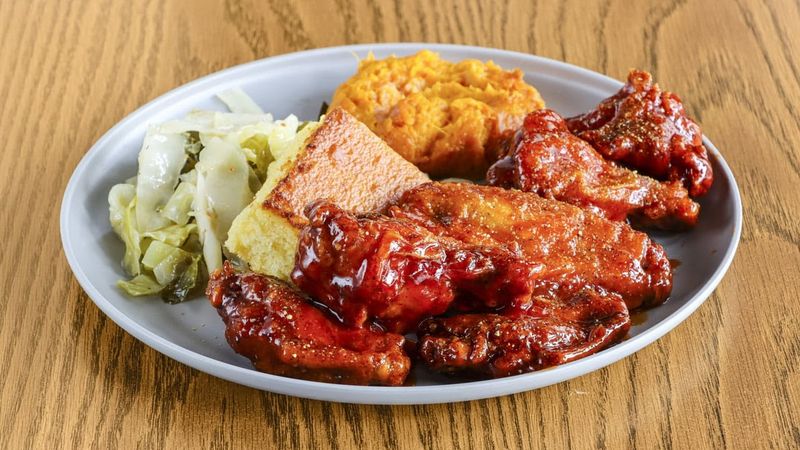
The side dish lineup at North Carolina fried chicken spots used to be pretty straightforward. Mashed potatoes, coleslaw, maybe some green beans.
Now the options have multiplied into something that could almost qualify as its own meal. Mac and cheese, collard greens, hushpuppies, candied yams, and black-eyed peas have all found permanent homes on menus across the state.
Let’s Eat Soul Food at 2514 Fayetteville St, Durham, NC 27707, treats sides with the same seriousness as the main event. Nothing on that table feels like filler.
Every dish is cooked with intention, and the variety means different people can build a plate that feels personal to them without the kitchen having to change its core approach.
What has not changed is the feeling those sides create. Comfort food earns its name not from any single ingredient but from the combination of warmth, familiarity, and generosity.
A big plate of fried chicken surrounded by well-made sides communicates care in a way that a minimalist menu never quite achieves. North Carolina understands this instinctively.
The sides multiplied because the cooks wanted to offer more of that feeling, not because anyone was trying to reinvent what comfort means.
9. What Never Changed Is The Rhythm
Every technique can be updated, every menu can be expanded, and every sauce can be reinvented, but the rhythm of a North Carolina fried chicken kitchen stays the same. The prep starts early.
The oil gets hot at a specific time. The orders come in waves, and the kitchen moves through them with a practiced calm that looks effortless from the outside and takes years to develop.
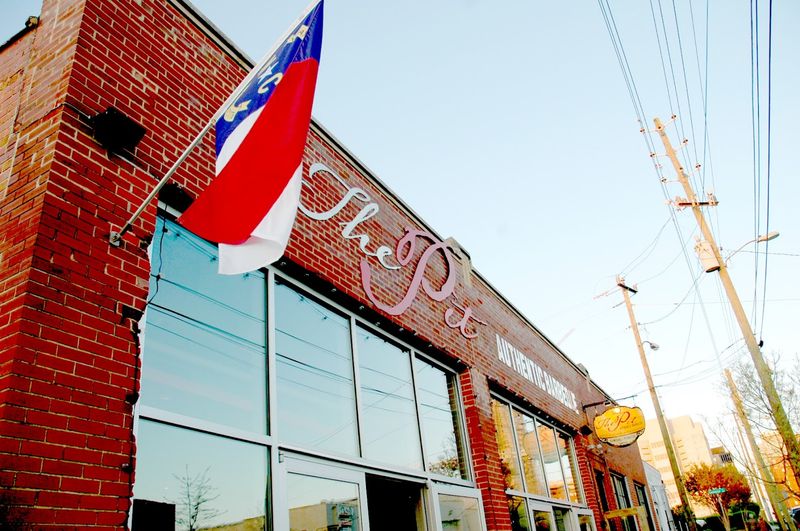
The Pit Authentic BBQ at 328 W Davie St, Raleigh, NC 27601 carries that same unhurried confidence in how it operates.
There is a pace to serious Southern cooking that does not respond well to shortcuts, and the best kitchens in the state protect that pace fiercely regardless of how busy things get.
Community is woven into that rhythm too. Fried chicken in North Carolina has always been about feeding people in a way that feels personal.
Church fundraisers, family reunions, neighborhood cookouts, and late-night counters all operate on the same unspoken agreement that the food should make you feel taken care of. That agreement has survived every trend, every packaging upgrade, and every new sauce that came along.
The rhythm is the tradition, and in North Carolina, nobody is messing with it.