10 Charming Small Towns In Colorado That Feel Like A Perfect Getaway
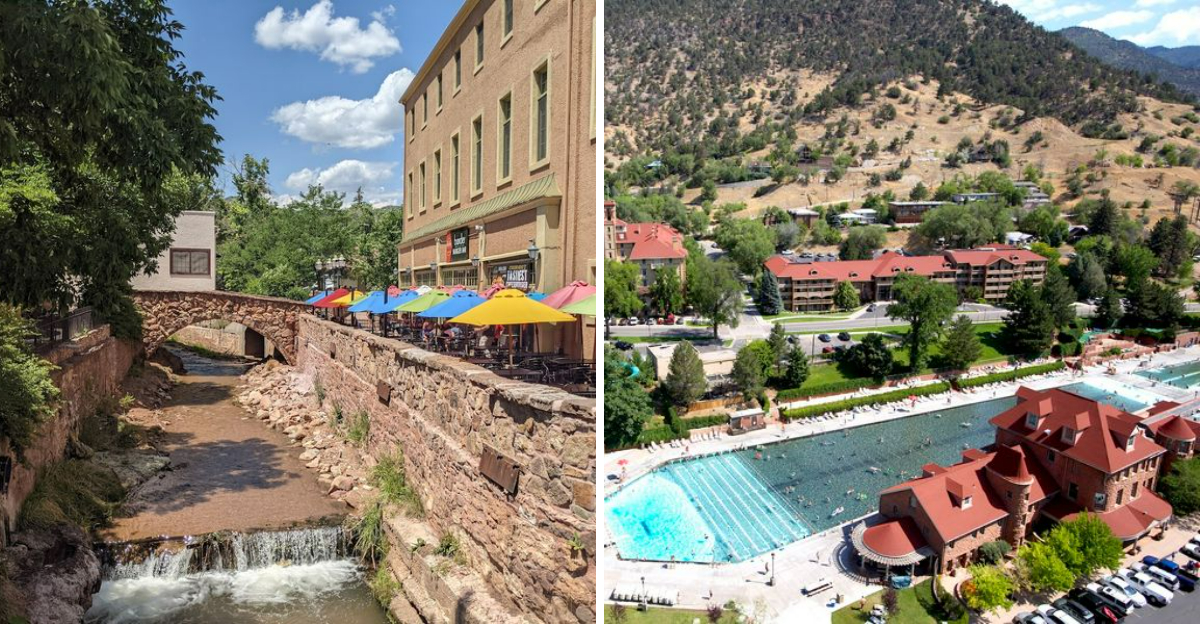
Colorado doesn’t do ordinary. Even its smallest towns carry something that quietly gets under your skin.
A main street lined with century-old storefronts, a mountain view that stops you mid-sentence, a local diner where everyone already knows each other. The state has this rare ability to make you feel like you’ve stumbled onto a secret, even when you weren’t looking for one.
Small towns in Colorado prove exactly that. Each one sits inside a state that never runs out of ways to surprise you.
You could have lived here your whole life or just made the drive out for the first time. Either way, some places shift something in you.
You’ll leave already planning the next visit.
1. Aspen
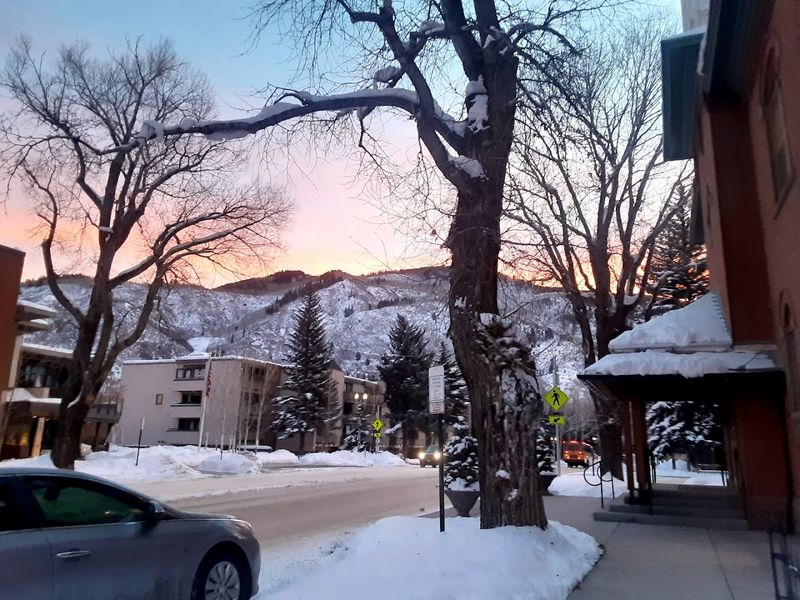
Aspen earns its reputation every single day. Few mountain towns manage to feel genuinely glamorous without losing their soul, and somehow this one pulls it off at 7,908 feet.
Aspen sits at the end of Highway 82, about 40 miles southeast of Glenwood Springs. The skiing spans four mountains: Aspen Mountain, Buttermilk, Aspen Highlands, and Snowmass.
It is world-class, and locals will tell you that without blinking.
Summer holds its own. The Maroon Bells, two peaks reflected in a glacial lake just outside town, rank among the most photographed mountains in North America.
Hiking trails fan out from nearly every direction. July wildflower season earns every word written about it.
The town sits along the Roaring Fork River at the base of Aspen Mountain. Downtown is compact and walkable, with galleries, boutiques, and restaurants packed into a few historic blocks.
Aspen started as a silver mining camp in the 1880s. After World War II it reinvented itself as a cultural and skiing destination.
That history still shows in the Victorian-era buildings lining the streets. The Aspen Music Festival each summer draws serious talent and serious crowds.
It is worth planning a trip around.
2. Telluride
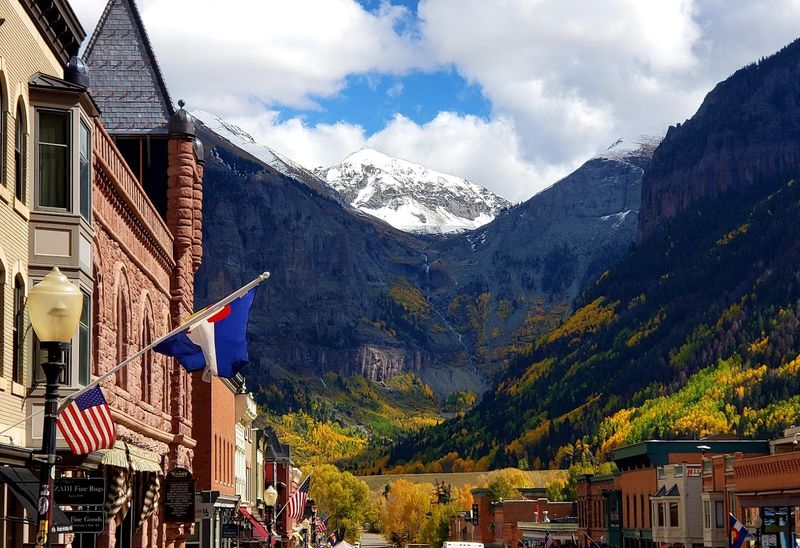
Bridal Veil Falls drops 365 feet right at the edge of town. That is Telluride announcing itself before you even park the car.
The box canyon setting is genuinely dramatic. Mountains rise on three sides, and the only way in by road is through a narrow valley that makes you feel like you earned it.
That sense of arrival never gets old. Telluride is consistently recognized as one of the state’s top vacation destinations, and standing here, you understand why immediately.
Telluride started as a silver and gold mining town in the 1870s. The Victorian architecture from that era is still standing, and the historic district is a National Historic Landmark.
Walking down the Avenue past those original storefronts feels like time travel with better coffee options.
Winter brings world-class skiing with over 2,000 acres of terrain and a vertical drop of 4,425 feet. The free gondola connecting the town to Mountain Village is one of the best deals in the state.
Summer brings the famous Telluride Bluegrass Festival, film festival, and mushroom festival, keeping the town lively from June through October. The Telluride Visitor Center sits at 236 West Colorado Avenue, a good first stop when you arrive.
3. Breckenridge
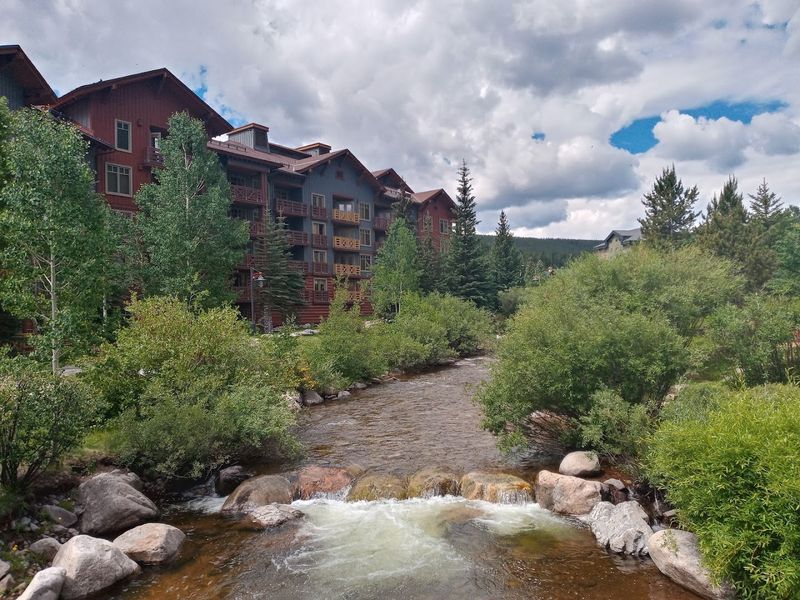
Gold was discovered here in 1859, and Breckenridge has been making people rush over ever since. The town sits at 9,600 feet, making it one of the highest incorporated towns in the United States.
That altitude means serious snow, and serious snow means serious skiing.
Breckenridge Ski Resort covers five peaks and over 2,900 acres of terrain. It consistently ranks among the most visited ski resorts in North America.
The variety of runs makes it genuinely fun for beginners and experts in the same group, which is harder to find than you might think.
Main Street is one of the most well-preserved Victorian commercial districts in the state. The buildings date back to the gold rush era, and the town takes historic preservation seriously.
Browsing the shops and restaurants along Main Street feels festive with or without snow on the ground.
Every January, Breckenridge hosts the International Snow Sculpture Championships. Teams from around the world carve massive blocks of snow into detailed works of art.
Watching a 20-ton block become a sculpture over a few days is surprisingly riveting.
Summer brings mountain biking, hiking, and the Breckenridge Music Festival. This town works hard twelve months a year.
4. Ouray
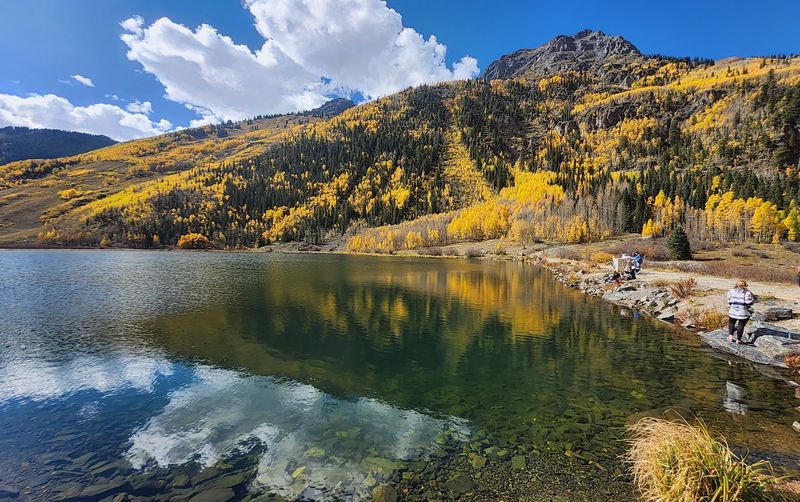
Some towns make you stop the car before you even reach the welcome sign. Ouray does exactly that, sitting in a narrow valley completely enclosed by the San Juan Mountains, with canyon walls rising over 14,000 feet around it.
The effect is breathtaking in a way photographs cannot fully capture. It is called the Switzerland of America, and standing here, that nickname feels earned.
Natural hot springs feed the Ouray Hot Springs Pool, a massive outdoor facility right in the center of town at 1200 Main Street. Soaking in warm mineral water while surrounded by snow-capped peaks makes you rethink your priorities fast.
Ice climbing is one of Ouray’s signature winter activities. The Ouray Ice Park, located in the Uncompahgre Gorge just south of town, is the world’s first public ice climbing park.
It draws climbers from every continent during the annual Ouray Ice Festival each January.
Summer opens up the Million Dollar Highway. It connects Ouray to Silverton through hairpin turns and sheer cliff edges, and it ranks among the most dramatic drives in America.
White-knuckle is an accurate description for some sections.
Ouray was founded in 1876 as a silver mining town. The downtown remains genuinely historic and has not been over-polished or commercialized.
That authenticity is part of what makes it worth the drive.
5. Steamboat Springs
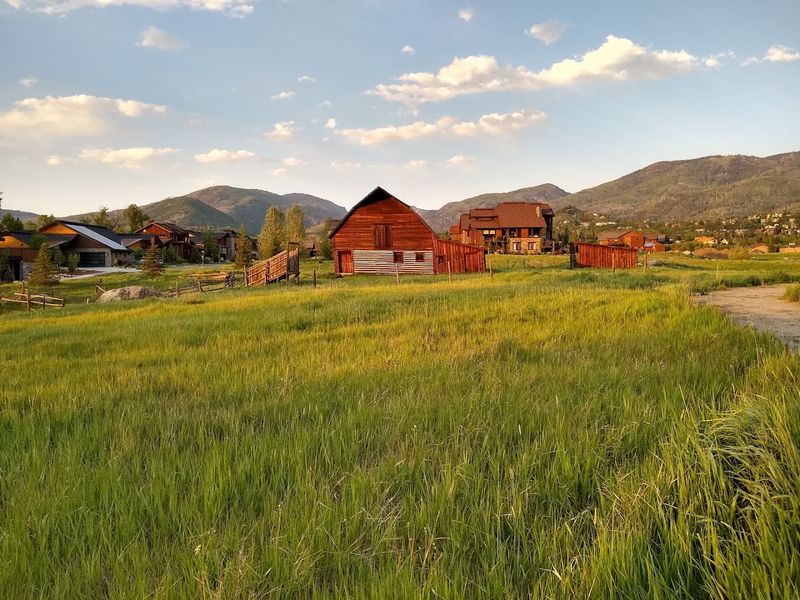
Cowboy culture and world-class skiing sharing the same zip code sounds like an odd pairing. Steamboat Springs makes it work, and it does so without trying hard.
The town has a genuine ranching heritage that predates the ski resort. That Western identity still shapes everything from the architecture to the annual events.
The skiing here is famous for one specific reason: champagne powder. This light, dry snow is tied to the unique geography of the Yampa Valley.
The resort receives an average of 349 inches annually. Skiers travel specifically to experience it.
Downtown along Lincoln Avenue has a refreshingly non-touristy feel for a ski town. Local businesses, working ranches nearby, and a community that was here long before the ski lifts give the place real character.
The visitor center sits at 125 Anglers Drive.
The Winter Carnival runs every February since 1914. Events include ski jumping, skijoring where horses pull skiers down the street, and a torchlight skiing night show.
It is one of the oldest winter traditions in the state.
Strawberry Park Natural Hot Springs sits about seven miles north of town. It offers a rustic soak surrounded by boulders and pines.
The dirt road to get there is worth every minute.
6. Crested Butte
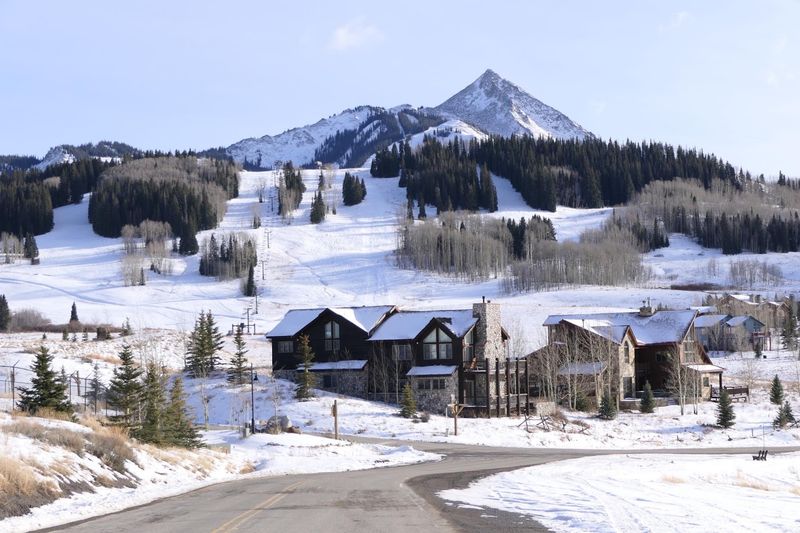
Crested Butte has two completely different personalities, and both of them are excellent. In summer, it earns its title as the Wildflower Capital with meadows that turn into a full-color explosion from late June through August.
In winter, it becomes one of the most challenging ski mountains in the state.
The ski terrain here is famously steep. Crested Butte Mountain Resort is known for extreme skiing with some of the most demanding double-black-diamond runs in the state.
That reputation is well earned and well deserved.
The town itself is a National Historic District. Colorful Victorian buildings along Elk Avenue give it a personality that feels authentic rather than manufactured.
Locally owned shops and restaurants line the main drag, and the general vibe resists corporate chains. Elk Avenue, Crested Butte, CO 81224 is the address to orient yourself around.
Mountain biking culture runs deep here. The area is widely credited as one of the birthplaces of modern mountain biking, with fat-tire enthusiasts riding these trails since the 1970s.
The 401 Trail ranks among the best single-track rides in the state, combining sweeping mountain views with rolling terrain through open alpine meadows.
Coming here in July during wildflower season and skipping a hike would be a genuine mistake.
7. Durango
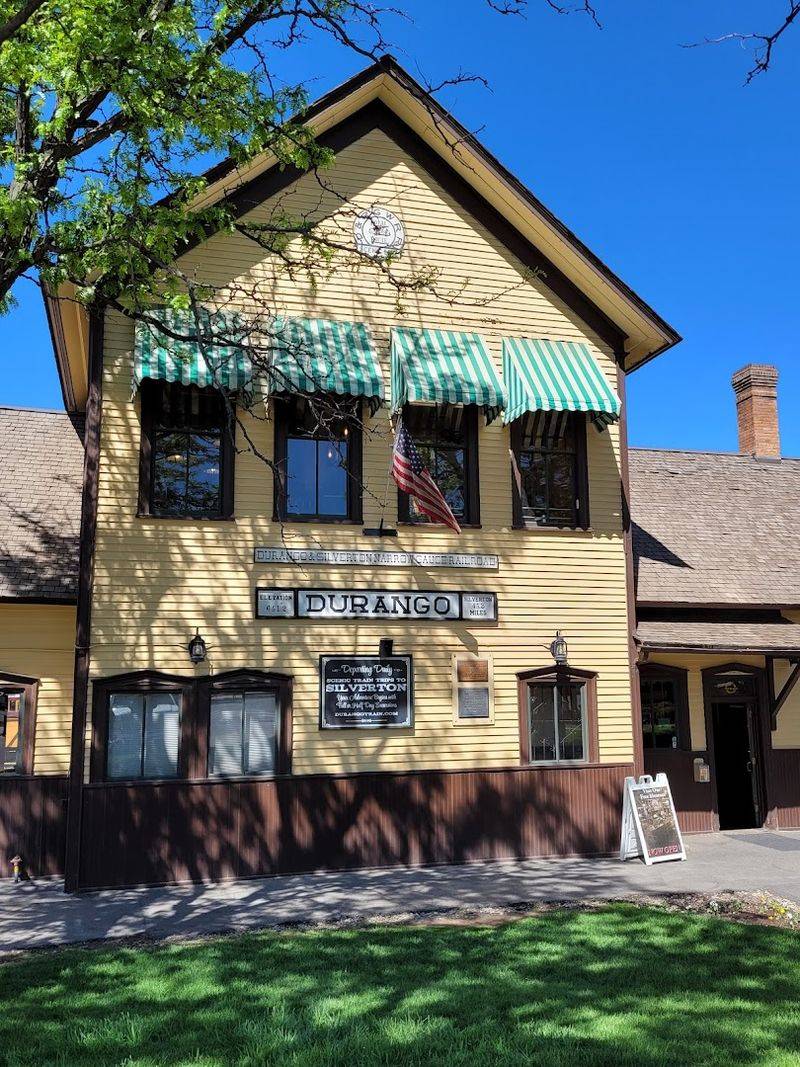
Riding a narrow-gauge steam train through the San Juan Mountains is not something most people expect to be doing on a weekend trip. Durango makes it completely normal.
The Durango and Silverton Narrow Gauge Railroad has been operating since 1882. It remains one of the most scenic rail experiences in the entire country.
The train departs from the Durango Depot at 479 Main Avenue, chugging along the Animas River through canyon scenery that makes the three-and-a-half-hour ride feel short. Winter trips carry a snowy, cinematic quality that summer cannot match.
Durango is a college town with a lively energy that sets it apart from quieter mountain communities nearby. Fort Lewis College sits on a mesa above town.
That student population keeps the restaurant and arts scene moving. Downtown along Main Avenue is genuinely walkable and full of character.
Mountain biking and river rafting are major draws in the warmer months. The Animas River runs right through downtown, and outfitters offer everything from calm float trips to serious whitewater.
The Horse Gulch trail system sits on the edge of town, with trails starting just blocks from Main Avenue restaurants.
Durango has a way of filling your days without even trying.
8. Manitou Springs
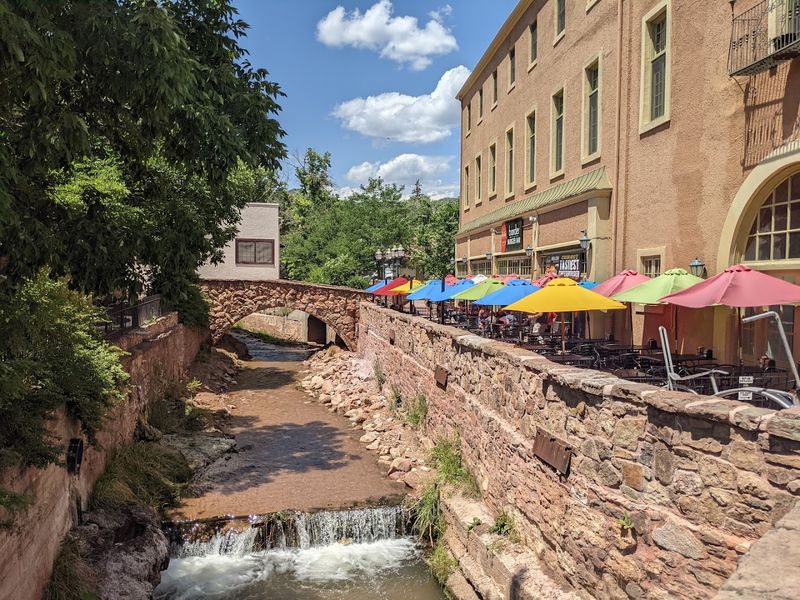
Seven natural mineral springs flow right through the middle of Manitou Springs, and you can drink from most of them for free. Each one tastes slightly different depending on the mineral content.
It makes for a strange and genuinely interesting walking tour along Manitou Avenue.
The town sits at the base of Pikes Peak, one of the most famous mountains in America. The Pikes Peak Cog Railway climbs to 14,115 feet and departs from 515 Ruxton Avenue.
On a clear day, the views from the summit stretch across four states.
Manitou Springs runs on a slightly different frequency from most mountain towns. The arts identity comes through in galleries, murals, and independent shops lining Manitou Avenue.
It feels more like a bohemian neighborhood than a resort destination.
The Manitou Incline is one of the most demanding short hikes in the state. It climbs nearly 2,000 feet in under a mile along a former railway track.
Serious fitness enthusiasts travel from across the region just for this climb. The views from the top over the Pikes Peak region are worth every burning step.
Just east of town, Garden of the Gods offers dramatic red rock formations and an easy stop worth making.
9. Glenwood Springs
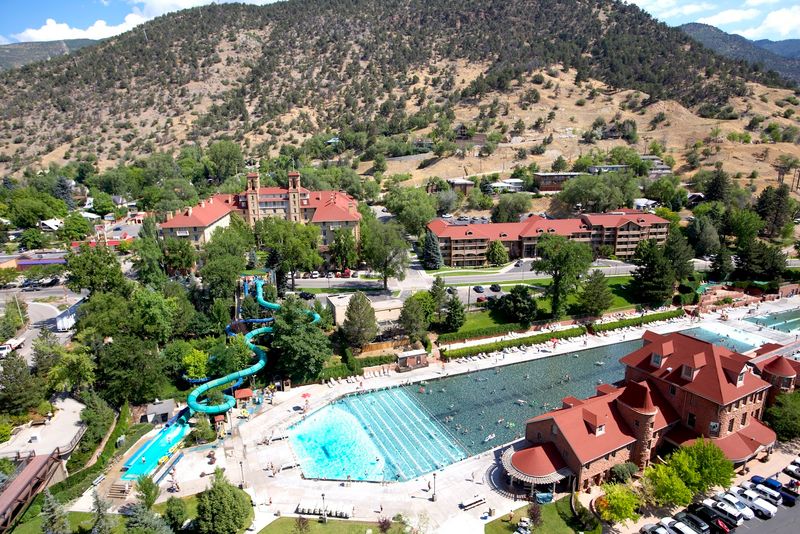
The world’s largest hot springs pool sits in Glenwood Springs, and that fact alone makes it worth a detour. The Glenwood Hot Springs Resort pool stretches 405 feet long and holds over a million gallons of naturally heated mineral water.
It runs year-round at 415 East 6th Street.
The setting adds to the experience considerably. Glenwood Canyon, carved by the Colorado River, surrounds the town with walls of red and gray rock rising nearly 2,000 feet.
The bike path through the canyon follows the river for 16 miles. It is one of the most scenic paved rides in the state.
Glenwood Caverns Adventure Park sits high above town on Iron Mountain, accessible by gondola. Cave tours run through actual limestone caverns.
Thrill rides include a roller coaster hanging over the canyon edge. It is an unusual combination that works better than it sounds.
Doc Holliday is buried in Linwood Cemetery above town. That detail alone adds a layer of Old West history worth appreciating.
Downtown along Grand Avenue has a comfortable, lived-in feel with good restaurants and local shops.
Glenwood Springs works well as a base for exploring the surrounding area. Aspen sits just 40 miles up the road.
10. Silverton
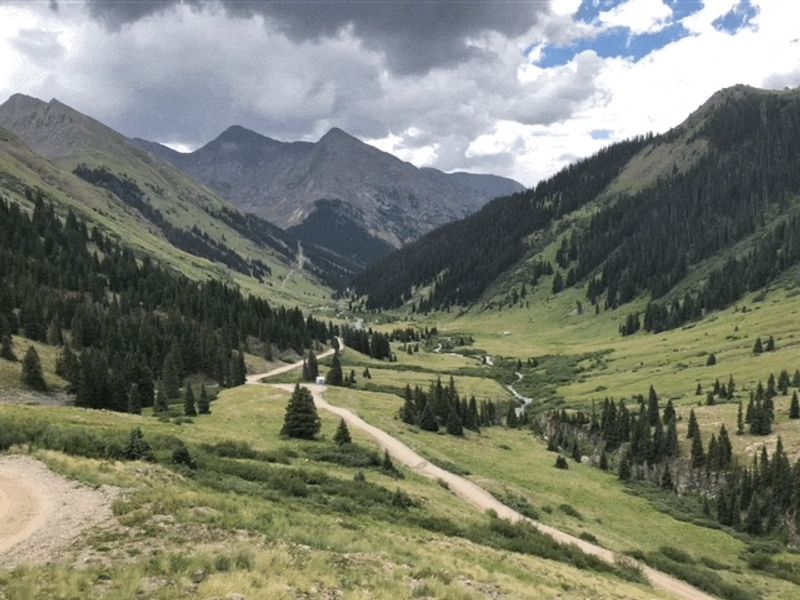
At 9,318 feet and 700 people, Silverton operates by its own rules. The streets look almost identical to how they did when silver mining was booming in the 1870s, and nobody here seems interested in changing that.
That authenticity is not manufactured for tourists.
Greene Street is the main historic corridor. Original brick and wood-frame buildings have been standing here for over a century.
The San Juan County Historical Society Museum at 1557 Greene Street offers a genuinely informative look at the mining era that built this town.
Silverton Mountain is one of the most unusual ski areas in America. It runs as a guided-only mountain with a single chairlift and no groomed runs.
Terrain is exclusively designed for expert skiers. Helicopter and snowcat access expands things significantly.
Serious skiers treat it as a bucket-list destination.
The Durango and Silverton Narrow Gauge Railroad arrives here after a stunning three-and-a-half-hour journey from Durango. It makes the town accessible in a way that feels theatrical and completely appropriate.
Summer brings jeep tours into the surrounding mountains on roads that reach above treeline. Ghost towns and old mine sites dot the route.
The scenery in every direction is the kind that stops you mid-sentence.