12 Charming Small Towns In Georgia Residents Swear By
My grandfather always said the smallest towns held the biggest stories, and he spent forty years proving it as a traveling salesman with a car full of samples and time to talk to strangers.
He would come home with tales about a diner where everyone knew his order by the second visit, or a porch swing where an old man told him the whole town’s history in twenty minutes flat.
I never forgot that habit of his, chasing small places instead of big ones. It led me straight into Georgia, past the interstate exits and into towns most people never think to stop for.
Some have gold buried in the hills. Others grow apples by the thousands or shoot movies on quiet main streets.
A few keep rose gardens blooming for miles. Georgia hides its warmest welcomes in the smallest zip codes, and these towns prove it every single time.
1. Blue Ridge
A train whistle in the mountains still beats any alarm clock. The Blue Ridge Scenic Railway rolls out of the depot and follows the Toccoa River through the Chattahoochee National Forest.
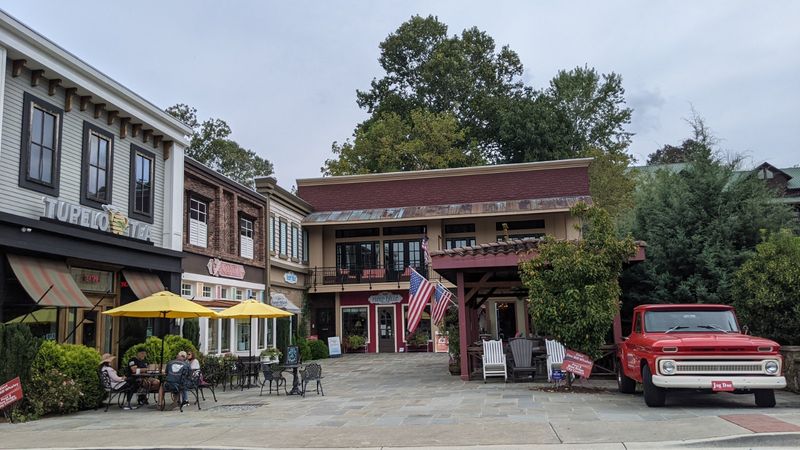
Downtown packs a lot into a few blocks.
Fruit lovers should plan around Mercier Orchards. The orchard opened in 1943, and it is huge, with seasonal picking, homemade treats, and a farm store worth wandering.
Water and trails split the rest of your time. Lake Blue Ridge handles the paddling and boating side, while the Aska Adventure Area delivers hiking and mountain biking on real climbs.
For the view that ends the day, aim at Brasstown Bald. It is the highest peak in the state, and the panorama stretches far past the ridgeline you just hiked.
My advice is simple. Book the railway ride early in fall, because those seats disappear fast once the leaves start turning.
2. Dahlonega
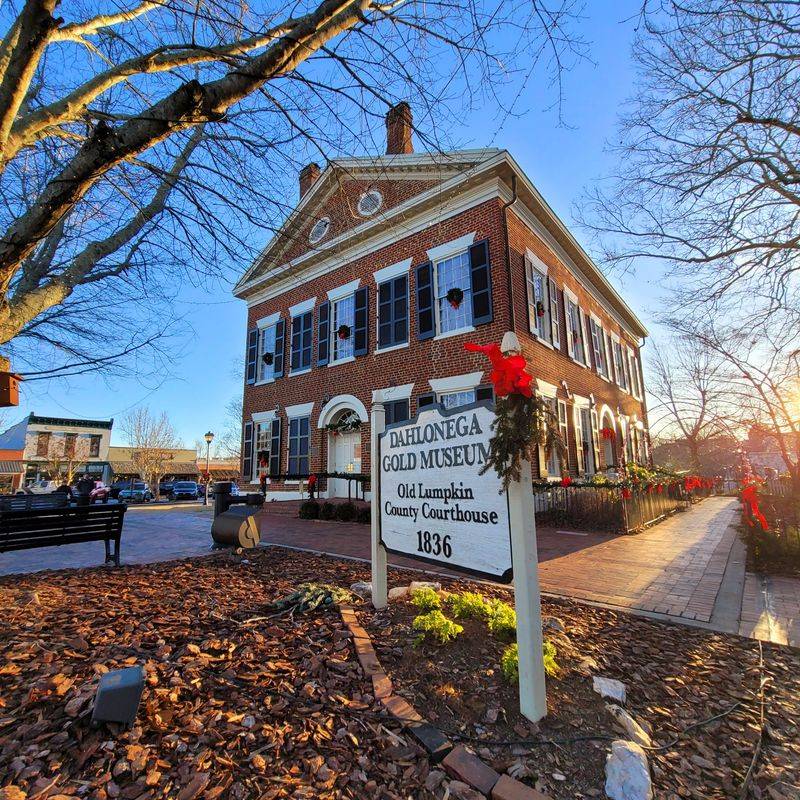
Long before California made headlines, prospectors were already digging here. The nation’s first major gold rush hit this area in 1828 and 1829, and the town has never stopped celebrating it.
The historic square is the main event. Brick-lined and busy, it holds shops, restaurants, and art galleries, with mountain festivals filling the calendar all year.
Visitors know the nickname well. Called the Napa Valley of the South, the region supports a scenic trail with eight vineyards and twelve tasting rooms.
Outdoor plans are easy to make. The Chattahoochee National Forest brings waterfall hikes, river tubing, and yes, actual gold panning if you want a souvenir with sparkle.
Two quieter stops surprise most visitors. The Dahlonega Butterfly Farm keeps a warm tropical greenhouse, and Red Oak Lavender Farm smells exactly as good as it sounds.
Locals call this the Heart of the Georgia Mountains, and the title fits. Park once, then walk everywhere, because the square is smaller than you expect and far more fun.
3. Helen
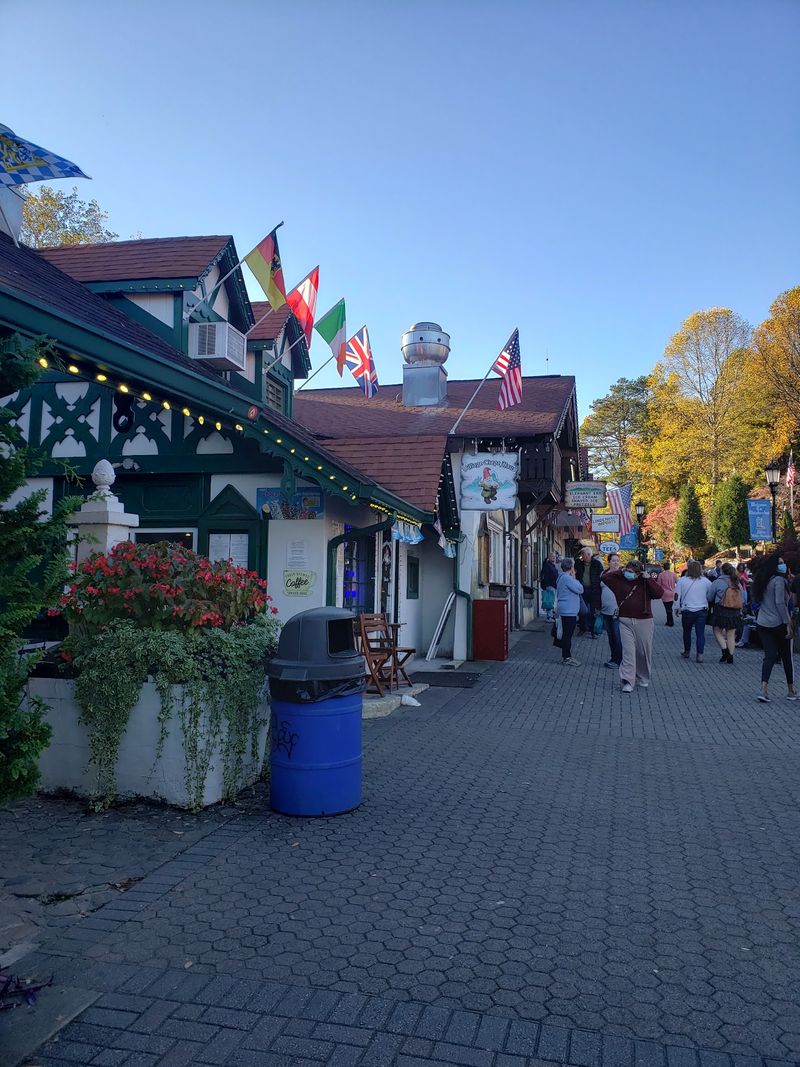
Imagine a Bavarian village dropped into the Blue Ridge Mountains. That is exactly what happened here, and the German-inspired architecture goes right down to the cobblestone streets.
Shopping gets weirdly specific in the best way. Specialty stores sell cuckoo clocks, blown glass, candy, and enough souvenirs to fill a trunk.
Food follows the theme without apology. Schnitzel, bratwurst, and soft pretzels show up on menus across the village, and portions lean generous.
The Chattahoochee River runs straight through town. Tubing is the classic summer move, and the current does most of the work while you float.
Fall is peak season for a reason. Oktoberfest brings parades, live music, and polka dancing, and the whole village leans into the celebration.
One practical tip from experience. Arrive early on weekends, because parking spots near the main strip vanish before lunch.
4. Ellijay
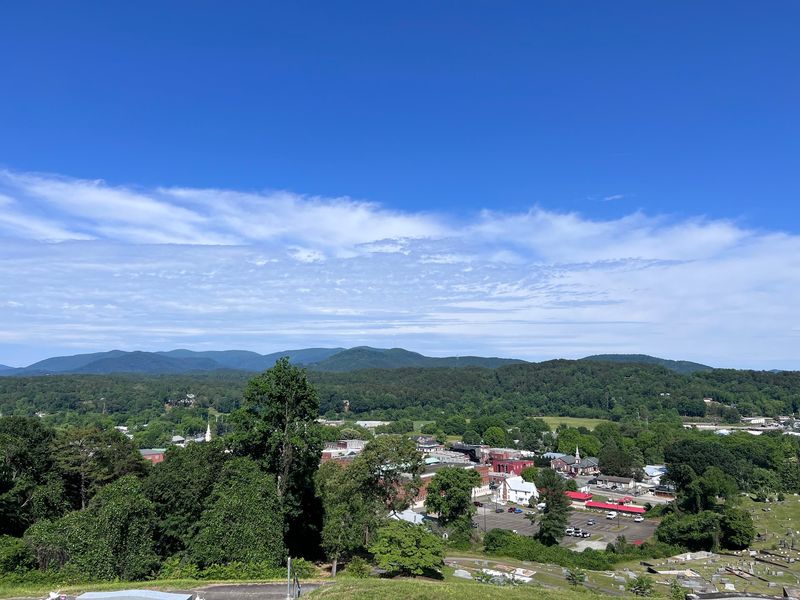
Few titles are as delicious as Apple Capital of Georgia. Orchards ring this town, and autumn turns the roads into a slow parade of fruit lovers.
The big draw is the Georgia Apple Festival. It runs four days across two weekends in October, with hundreds of artisan vendors, live music, and a car show.
Apple treats do the heavy lifting. Fritters, pies, and cider appear at nearly every booth, and the smell of frying dough carries for blocks.
Family orchards make the rest of the trip. R&A Orchards and Red Apple Barn offer U-Pick apples, seasonal produce, farm stores, and activities for kids.
Downtown adds its own layer. Apple Arts on the Square fills the streets with local art and handcrafted goods during festival season.
My honest suggestion involves packing space. Bring a cooler and a sturdy box, because one bag never covers what you end up buying.
Visit midweek if crowds bother you. The orchards stay open, and the parking situation becomes far more civilized.
5. Clayton
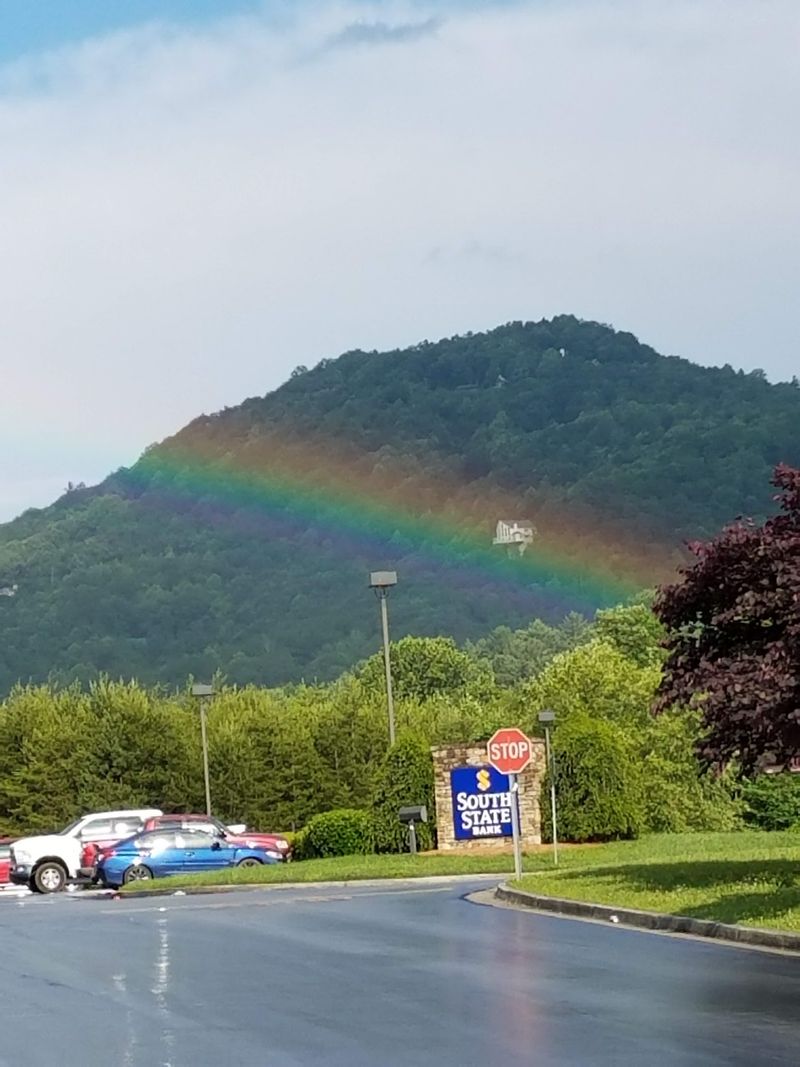
Waterfalls outnumber traffic lights in this corner of the mountains. Rabun County claims more than thirty of them, earning the nickname Waterfall Capital of Georgia.
Tallulah Gorge State Park is the headliner. The gorge is dramatic and deep, while Minnehaha Falls rewards a shorter, quieter walk through the woods.
Main Street keeps things walkable. Art galleries, antique stores, specialty shops, and cafes sit close together, so you can browse without moving your car.
Food here carries a real reputation. The town holds the title of Farm to Table Capital of Georgia, and the kitchens take that seriously.
For the widest views, head uphill. Black Rock Mountain State Park is the highest state park in the state, with vistas reaching about eighty miles.
Hospitality is the quiet ingredient. Shopkeepers chat, directions come with recommendations, and nobody rushes you out the door.
Pack layers even in summer. Mountain mornings run cool up here, and that gorge rim gets breezy faster than you would guess.
6. Madison
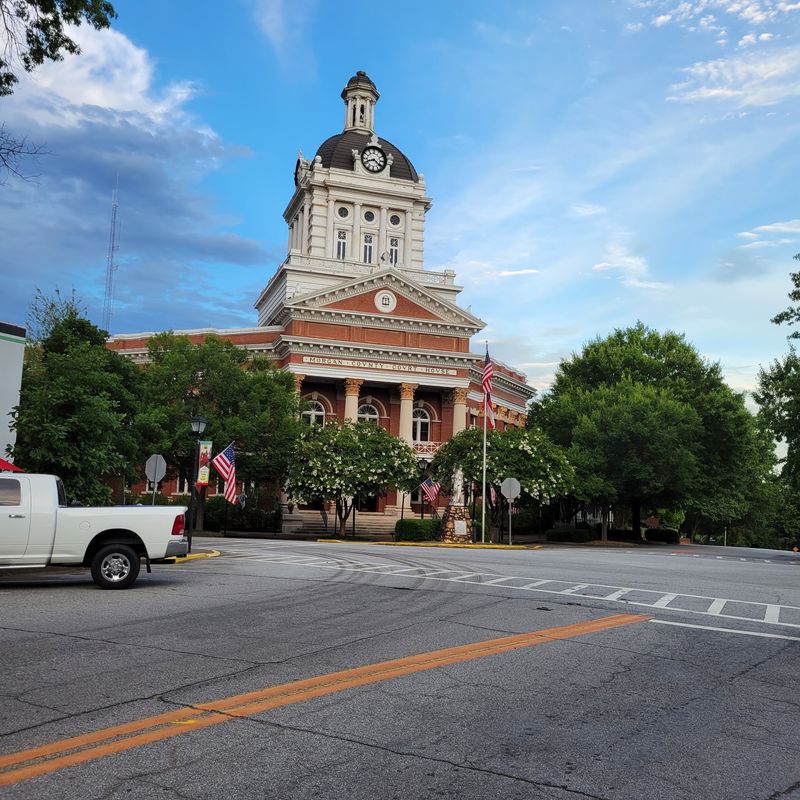
Some towns wear their history on every street corner. Here the antebellum architecture survived Sherman’s March to the Sea, and the result is remarkable.
The historic district ranks among the largest and oldest in the country. Restored homes and buildings line shaded streets, and the scale of it surprises first-time visitors.
Two museums anchor the cultural side. The Madison-Morgan Cultural Center covers art and local history, while the Morgan County African-American Museum shares stories often left untold.
Green space sits just outside town. Hard Labor Creek State Park offers hiking, horseback riding, and two lakes for a slower afternoon.
Food fans have a solid reason to stop. Farmview Market and the local farmers’ markets fuel a genuine local food movement.
Walking is the right way to see it. Grab a map downtown, then loop the residential streets at an unhurried pace.
Spring visits pay off nicely. Gardens fill in, porches get used, and photographs of those columned homes look their absolute best.
7. Senoia
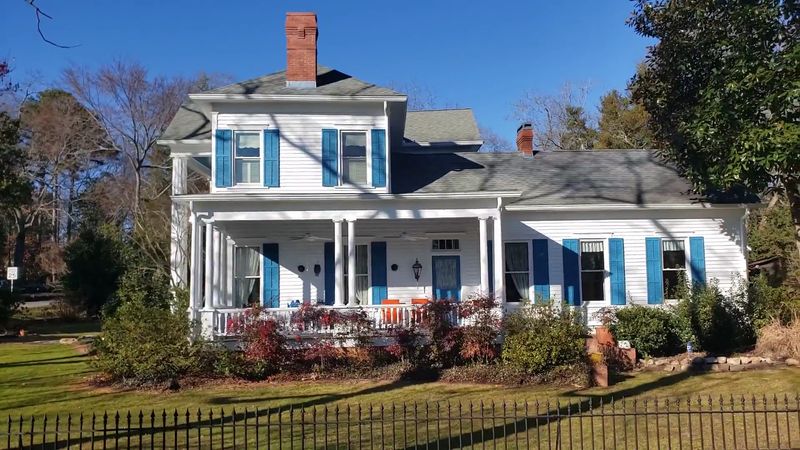
Television turned this quiet spot into a pilgrimage site. As a primary filming location for The Walking Dead, it draws fans from far beyond the region.
Downtown holds up without the cameras. Historic homes, unique shops, and locally owned eateries fill the streets in tidy, photogenic rows.
Walking tours dig into the architecture. Buildings and residences here date back as far as the 1830s, and guides point out details you would miss alone.
Fresh air is easy to find. Marimac Lakes Park has recreational trails and fishing, which makes a nice break from shop hopping.
About an hour away in Pine Mountain, the Cecil B. Day Butterfly Center can be added as a separate day trip.
Its glass-enclosed conservatory holds up to a thousand free-flying butterflies at a time.
Community events keep the calendar full. Something happens most months, and the welcome feels genuine rather than staged for tourists.
Bring a camera with a charged battery. Between the storefronts and the film locations, you will take more photos than planned.
8. Washington
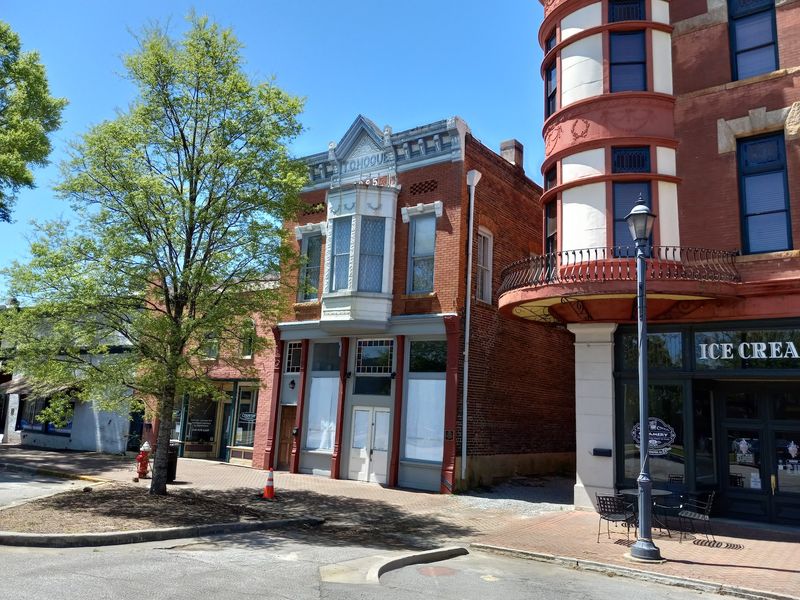
Here is a trivia win for your next road trip. This was the first place in the United States named after George Washington, beating the capital city to it.
The town square rewards slow browsing. Antique shops, local artisan collectives, and restaurants ring the historic center.
Antebellum homes are everywhere. Per capita, the town claims more of them than any other city of its size in the state.
History runs deep and specific. The last cabinet meeting of the Confederate government took place here in 1865, and the story is well documented locally.
Two sites stand out for history fans. The Robert Toombs House State Historic Site and Kettle Creek Battlefield Park from the Revolutionary War both merit a stop.
Book lovers should not skip the library. The Mary Willis Library opened in 1888 as the state’s first free public library, and it holds a striking Tiffany stained-glass window.
Plan a full afternoon. The sites sit close together, but each one takes longer than you expect.
9. Juliette
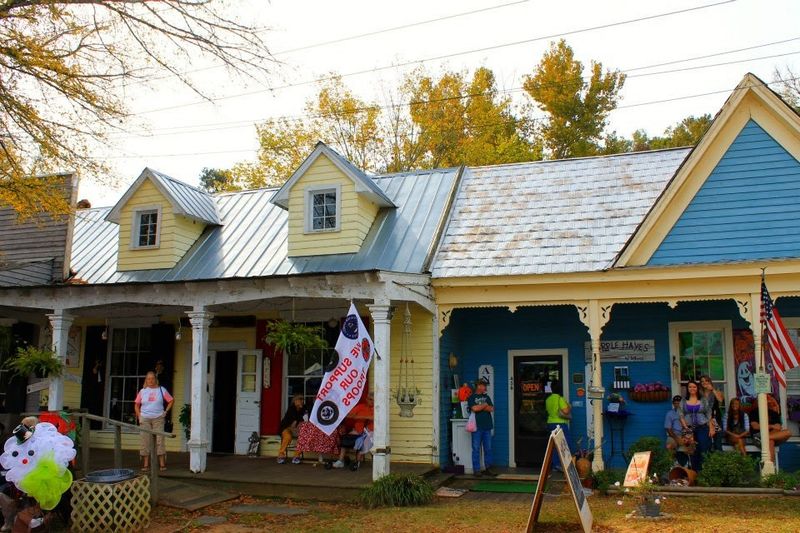
One street. That is the entire downtown, and somehow it became famous worldwide after the 1991 film Fried Green Tomatoes was shot here.
The Whistle Stop Cafe is the reason most people come. You can order a plate of fried green tomatoes in the same building the movie used, which is a strange and wonderful thing.
You will find the cafe at 443 McCracken Street, and the address is easy to remember because the street is short. Shops along it sell local honey, movie memorabilia, and small treasures.
The festival calendar has one clear highlight. An annual Green Tomato Festival celebrates the film and the food that made it famous.
River access sits right nearby. Juliette Park rests on the banks of the Ocmulgee River, and the Piedmont National Wildlife Refuge is a short drive away.
February brings a sweet tradition. The local post office offers a special dual postmark for Valentine’s Day mail.
Arrive hungry and a little early. Seating is limited, and the line moves at small-town speed.
10. Thomasville
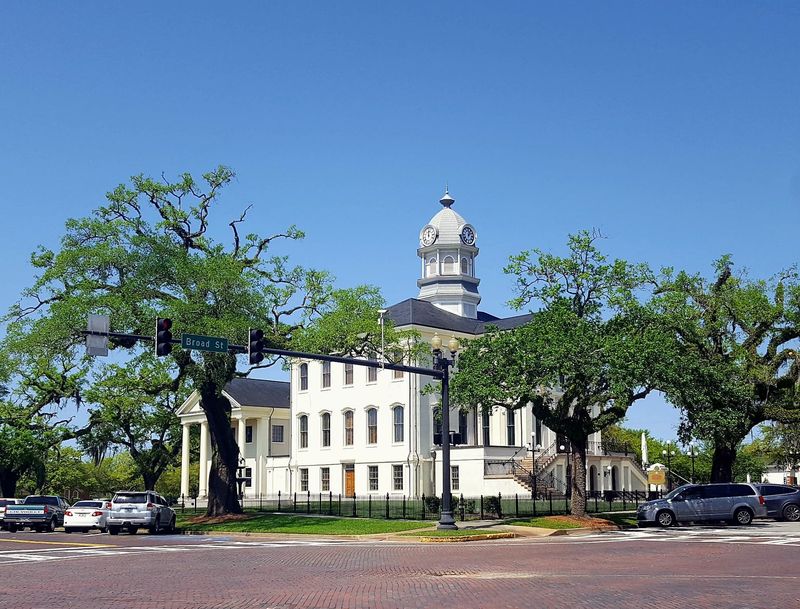
Roses built this town’s reputation. Known as the Rose City, it keeps a garden with more than 1,500 rose bushes in bloom.
The Rose Show & Festival has run since 1922. That is a long streak for any celebration, and the town treats it like a birthday.
Downtown earns its awards. Brick-paved streets hold over one hundred specialty shops and boutiques, plus a food scene leaning hard into farm-to-table cooking.
Then there is The Big Oak. This live oak dates to around 1680, and standing under its branches puts your errands in perspective.
History is well organized here. The Thomasville History Center includes seven historical structures, along with the elaborate Victorian-era Lapham-Patterson House.
The Jack Hadley Black History Museum deserves real time. Its collection of African American artifacts is extensive and thoughtfully presented.
Spring is the obvious season to visit. Roses peak, the festival hums, and the downtown streets feel especially lively.
11. Americus
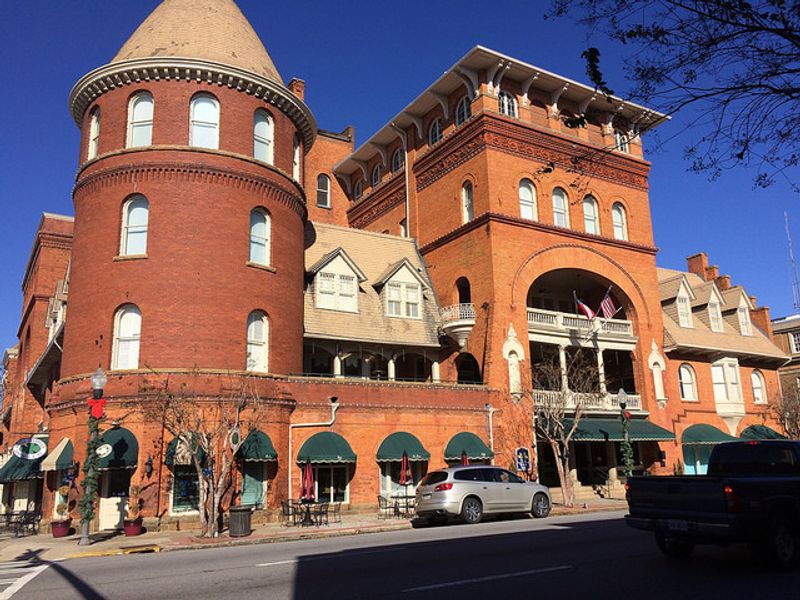
Grand hotels in small towns always make me curious. The Windsor Hotel opened in 1892, and its towers still dominate the downtown skyline.
Victorian architecture sets the mood. The historic center mixes preserved buildings with boutique shops and independent restaurants.
Train rides add a nostalgic twist. The SAM Shortline Excursion Train runs through the southwest part of the region, which beats driving on a lazy Saturday.
Performing arts have a home here too. The Rylander Theatre hosts shows in a restored setting that feels far bigger than the town’s size suggests.
History carries weight nearby. Andersonville National Historic Site tells a serious chapter of the Civil War and the story of American prisoners of war.
Habitat for Humanity International has deep roots in Americus, where the organization was founded in 1976.
Students keep the energy young. Georgia Southwestern State University and South Georgia Technical College both call this community home.
12. St. Marys
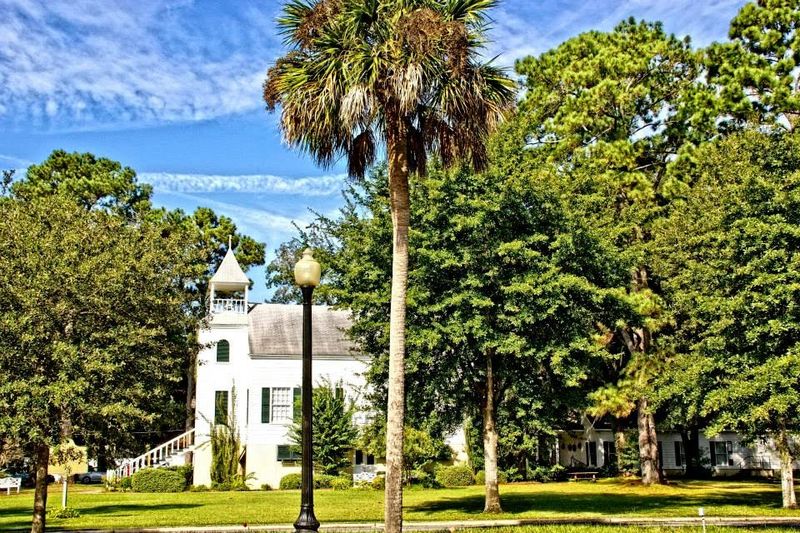
Ferries change the rhythm of a town. This one is the departure point for Cumberland Island National Seashore, so mornings here start with boarding calls.
The history runs long. The town was laid out in 1787, officially recognized in 1792, and incorporated in 1802.
The layout itself is part of the appeal. An intact town plan, notable architecture, and a well-preserved historic district earned a spot on the National Register of Historic Places.
Waterfront walking is the main pleasure. The Riverwalk opens up wide views of the St. Marys River and the marshes beyond.
A quirky museum breaks up the day. The St. Marys Submarine Museum covers submarine history and underwater exploration, and it is more interesting than expected.
Nature sits just outside town. Crooked River State Park offers maritime forest and views of the intracoastal waterway.
Reserve your ferry tickets ahead. Spots fill quickly, and the island is far too good to miss over a booking mistake.