11 Charming Small Towns In Texas That Feel Like A True Break
Nobody warns you about Texas small towns. You think you know the state: big cities, open highways, bigger personalities.
Then you pull off the main road somewhere unexpected and realize the most memorable parts of Texas have nothing to do with size. The state has a quiet side that most people drive right past, and that’s exactly what makes it worth slowing down for.
Each of these spots carries its own character, its own local obsessions, and its own brand of charm that’s impossible to fake. The state doesn’t advertise these places loudly, and honestly, that’s part of the appeal.
Come hungry, come curious, and don’t make any plans you’re not willing to abandon.
1. Fredericksburg
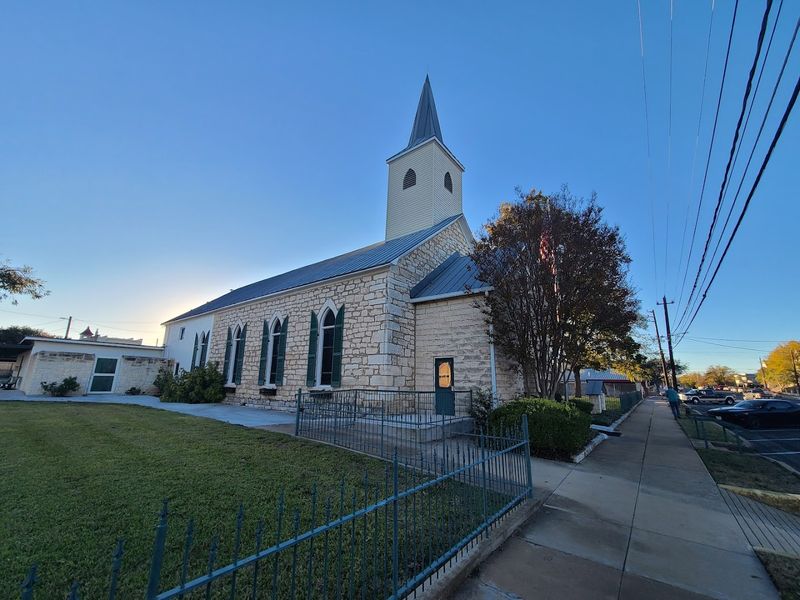
Founded in 1846 by German immigrants, Fredericksburg has kept its heritage alive in the best possible ways: through food, architecture, and a small-town atmosphere that feels earned rather than manufactured.
The Old German Bakery and Restaurant on Main Street is worth the trip alone. Homemade dishes made from traditional recipes fill the menu, and the smell walking past is enough to make any plan fall apart.
Main Street itself is lined with boutiques, antique shops, and wine tasting rooms that practically beg you to slow down.
The Hill Country surrounding Fredericksburg is also serious wine country. Over 50 wineries operate within a short drive, making it a genuine destination for anyone who appreciates a good pour with equally good scenery.
Weekends fill up fast, so booking ahead is genuinely smart. Come for the wine, stay for the schnitzel, and leave with a bag full of things you did not plan to buy.
2. Wimberley
There are towns built around shopping, and then there are towns built around nature. Wimberley falls firmly into the second category, and that is exactly what makes it so refreshing.
The rivers, trails, and swimming holes are the real attractions here, and everything else just supports the experience.
Blue Hole Regional Park and Jacob’s Well are two of the most visited natural spots in the entire Hill Country. Jacob’s Well is a naturally occurring artesian spring that feeds a crystal-clear creek, and it is the kind of place that makes you feel genuinely lucky to be standing next to it.
Blue Hole offers a shaded, serene swimming experience that feels miles away from city stress.
Beyond the water, Wimberley has a solid arts scene with galleries worth browsing and a Saturday market that draws vendors and visitors from across the region. Breakfast spots and local cafes fill the morning hours nicely before the outdoor adventures take over.
The town sits in Hays County, about an hour from both Austin and San Antonio. It stays relatively low-key compared to other Hill Country stops, which is honestly its greatest selling point.
Come ready to accidentally lose an entire afternoon.
3. Gruene
Some places earn their reputation through marketing. Gruene earned its through decades of honest-to-goodness good times.
At the center of it all is Gruene Hall, the oldest continually operating dance hall in Texas, where George Strait, Willie Nelson, and Lyle Lovett have all taken the stage.
Walking into Gruene Hall feels like stepping into a different era, but not in a forced, theme-park kind of way. The wooden floors, the open-air sides, and the no-frills setup are completely genuine.
Shows happen regularly, and the crowd tends to be a mix of locals and visitors who all seem equally happy to be there.
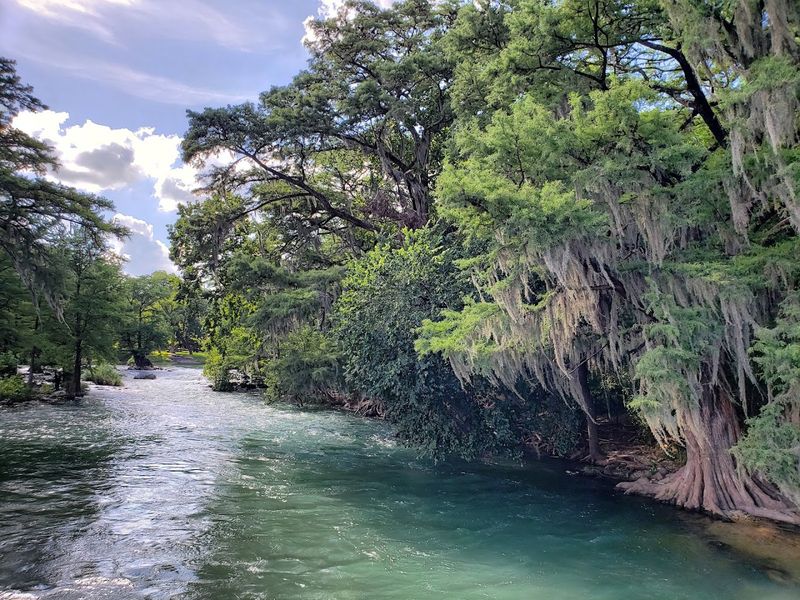
The town itself sits along the Guadalupe River, which adds tubing and swimming to the list of reasons to visit. A handful of shops, restaurants, and a historic hotel round out the experience without overwhelming the character of the place.
Gruene is technically part of New Braunfels, located along Hunter Road, but it operates with its own distinct identity. It is small enough to see in an afternoon but layered enough to reward a full day.
Good music, cold drinks, and a river nearby is a combination that is genuinely hard to beat on a warm Texas afternoon.
4. Marfa
Marfa should not work as well as it does. A tiny town deep in the Chihuahuan Desert, over two hours from the nearest major city, with a population under 2,000 and an art scene that rivals much larger cultural hubs.
And yet here we are, and people keep coming.
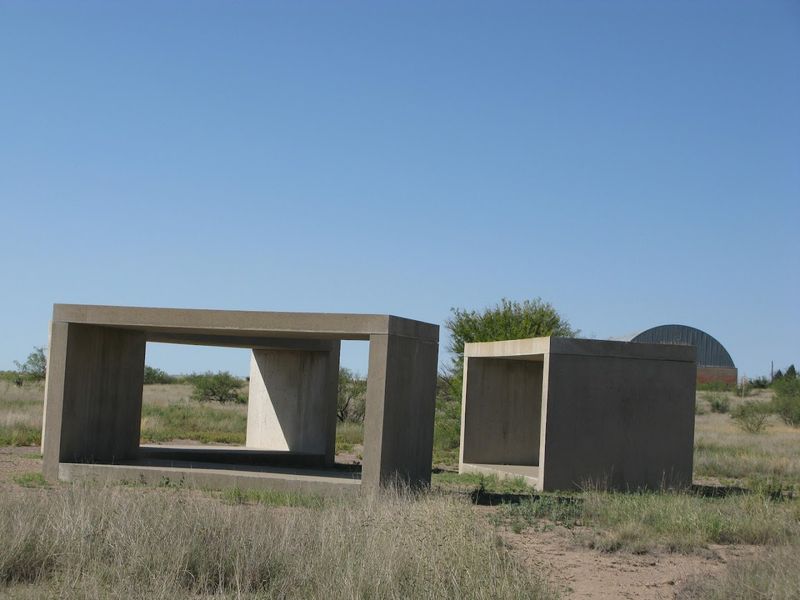
The Chinati Foundation is the anchor of Marfa’s art identity. Founded by artist Donald Judd in 1986, the foundation houses permanent large-scale installations across a sprawling former military base.
It is serious, thoughtful art presented in a setting that matches its scale. Touring it takes most of a day and leaves a genuine impression.
Then there are the Marfa Mystery Lights. Unexplained lights that appear on the horizon near the Chinati Mountains, visible from a designated viewing area east of town on US Highway 90, have been reported since the 1880s and remain officially unexplained.
Scientists have studied them. Nobody has cracked it.
Beyond the art and the lights, Marfa has excellent food, strong coffee, and a design-forward sensibility that shows up in its hotels and storefronts. It is strange, specific, and completely unlike anywhere else in Texas.
That is the whole point.
5. Boerne
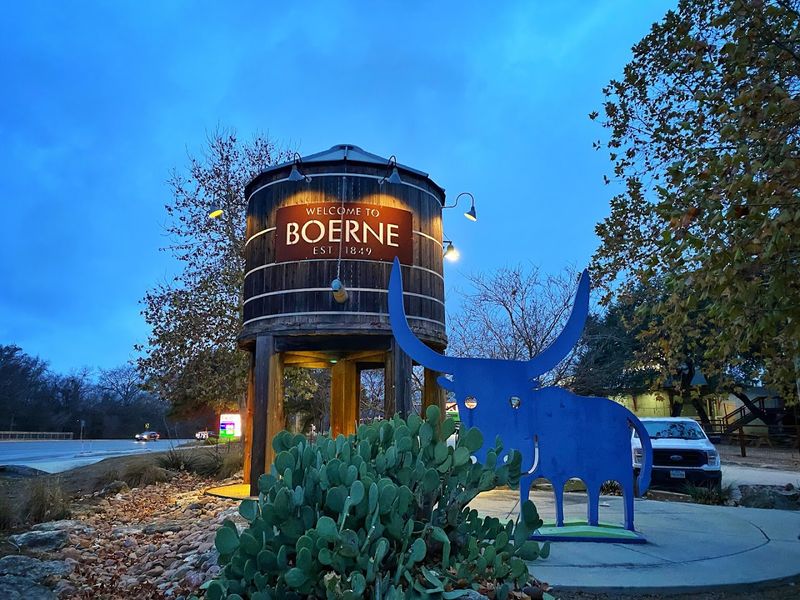
About 30 miles north of San Antonio on Interstate 10, Boerne sits in the Hill Country with enough personality to justify a dedicated trip rather than just a passing stop.
Like Fredericksburg, it carries a strong German heritage, but Boerne has developed its own distinct character that feels less tourist-heavy and more genuinely lived-in.
Cascade Caverns is one of the town’s most interesting attractions and has been drawing visitors since 1932, making it Boerne’s oldest tourist destination. The cave system features a dramatic underground waterfall, which is not something you see every day.
Boerne City Lake Park adds outdoor options with fishing, swimming, and non-motorized boating available in a relaxed, uncrowded setting.
Main Plaza in Boerne has a walkable stretch of local shops, restaurants, and a craft brewery scene that has grown noticeably in recent years. The farmers market runs on Saturdays and pulls in a friendly mix of locals and weekend visitors.
For families, the proximity to San Antonio means combining a Boerne day trip with a larger city itinerary is completely practical. But Boerne rewards staying longer.
The slower pace, the Hill Country air, and the genuine sense that this town is not performing for anyone make it one of the more quietly satisfying stops in the region.
6. Luckenbach
Luckenbach has fewer than 100 permanent residents and somehow manages to feel like one of the most culturally significant small towns in the entire state.
Credit goes largely to the music, the laid-back energy, and the fact that the whole place operates at a frequency completely opposed to modern urgency.
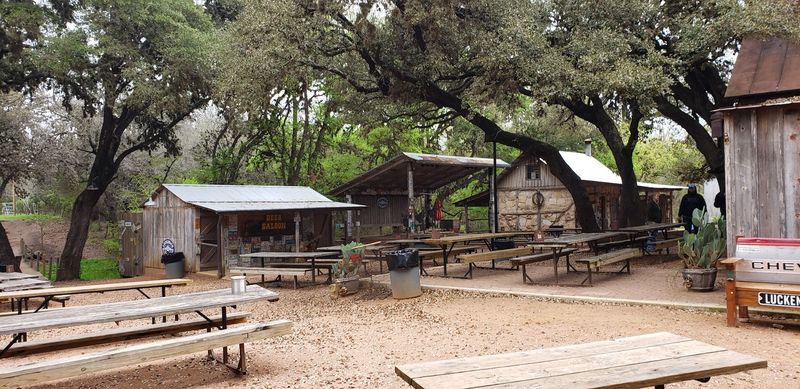
The Luckenbach Texas music venue is the centerpiece, designed to look and feel like an Old West saloon. Live music plays regularly, food is available, and a small general store sells souvenirs that people actually want to buy.
It is the kind of setup that sounds simple on paper and somehow delivers completely in person.
History runs through the town as well. The 1849 Luckenbach Post Office still stands and gives the town a tangible connection to its origins.
Located off Ranch Road 1376 between Fredericksburg and Stonewall, Luckenbach is easy to combine with a broader Hill Country itinerary. It pairs naturally with a Fredericksburg winery visit or a drive through the wildflower-lined roads in spring.
There is nothing complicated about Luckenbach, and that is exactly the appeal. Sometimes the best version of a break is the one where nothing is demanding your attention and good music is just playing in the background.
7. Granbury
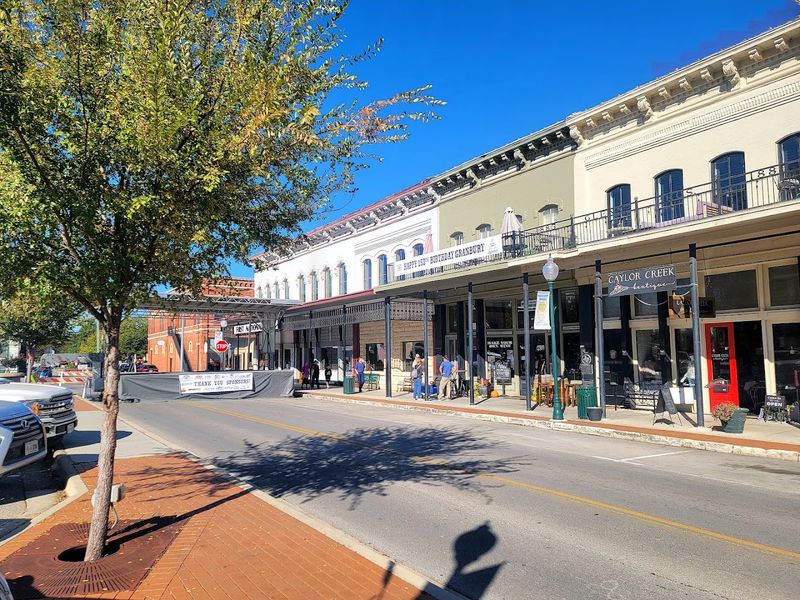
Winning Best Historic Small Town in America from USA Today is impressive once. Winning it in 2019, 2020, 2021, and again in 2025 is a statement.
Granbury is not coasting on nostalgia. It has genuinely built a town worth visiting and keeps improving it.
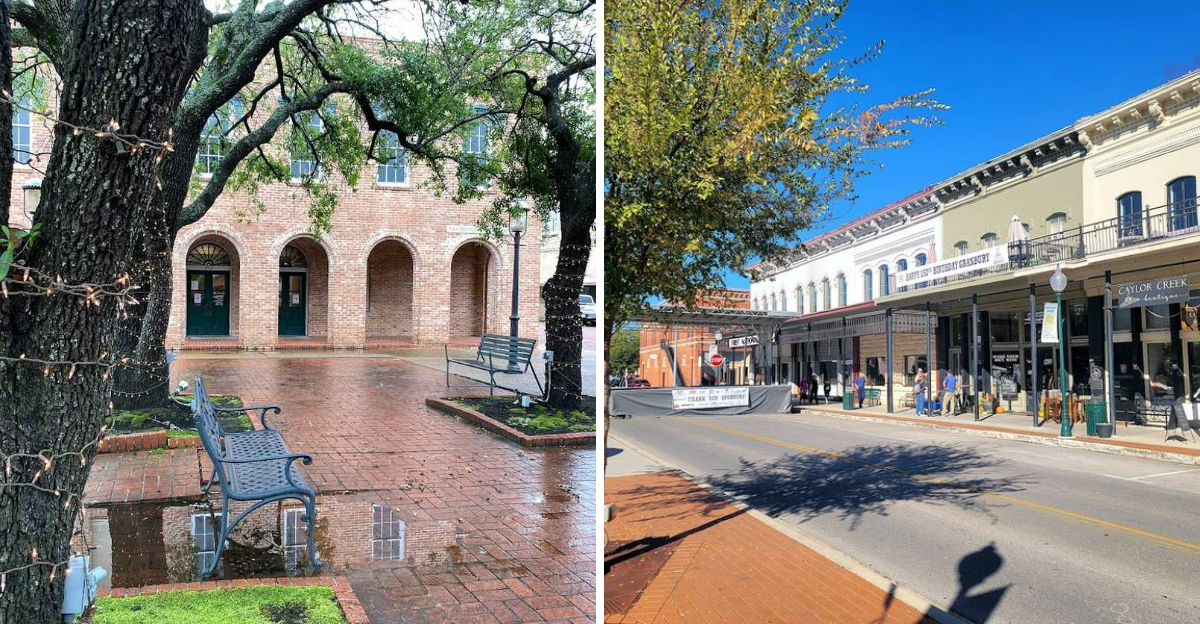
The 1891 Hood County Courthouse anchors the square. The surrounding blocks are filled with antique shops, restaurants, and the beloved Granbury Opera House, which hosts live performances throughout the year.
It is one of the most beautiful courthouse squares in the state, and that is a competitive category.
Lake Granbury adds a dimension most inland towns simply cannot offer. Visitors can rent boats, fish from the shore, or spend an afternoon at City Beach Park, a sandy lakeside spot that feels genuinely surprising for a landlocked destination.
The combination of walkable history, live entertainment, and waterfront access makes Granbury hard to categorize and even harder to leave. Located about 40 miles southwest of Fort Worth, it is an easy day trip that regularly turns into a weekend.
Bring comfortable shoes, an appetite, and no particular agenda. The town will fill the schedule for you.
8. Rockport
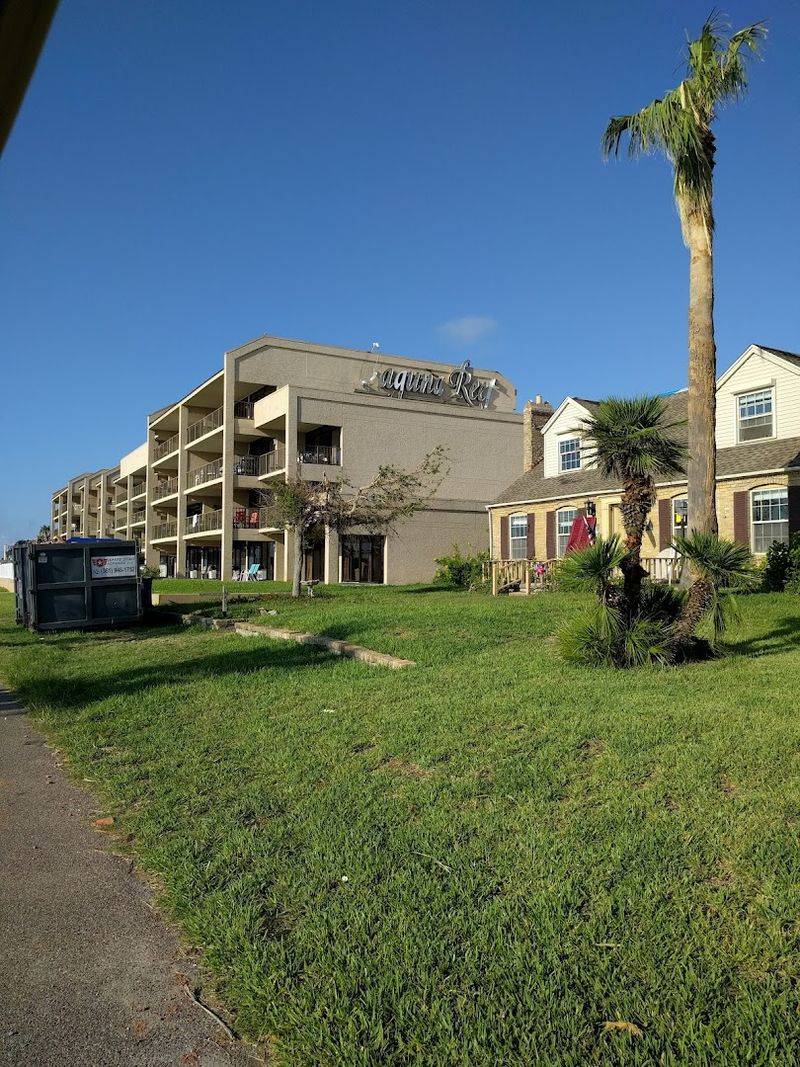
Coastal towns have a specific kind of energy, and Rockport captures it better than most. Calm bays, art galleries, and an outdoor lifestyle that revolves around water give it a character that feels genuinely balanced.
Downtown is known for its concentration of local art galleries, and the quality is legitimately impressive. The arts community here shows up in the galleries, public installations, and the general creative energy of the place.
Birdwatching is also serious business. The Rockport-Fulton area sits along a major migratory bird corridor, drawing enthusiasts from across the country during peak seasons.
Two annual events anchor the social calendar in a big way. Oysterfest in March and the SeaFair festival in October both draw large crowds and celebrate the coastal culture that defines the area.
Kayaking, fishing, and beach time fill the days in between.
Rockport sits along Highway 35 in Aransas County, about 35 miles north of Corpus Christi. It is accessible, genuinely beautiful, and the kind of place where a two-night stay feels too short and a four-night stay feels just right.
The bay breezes alone are worth the drive.
9. Jefferson
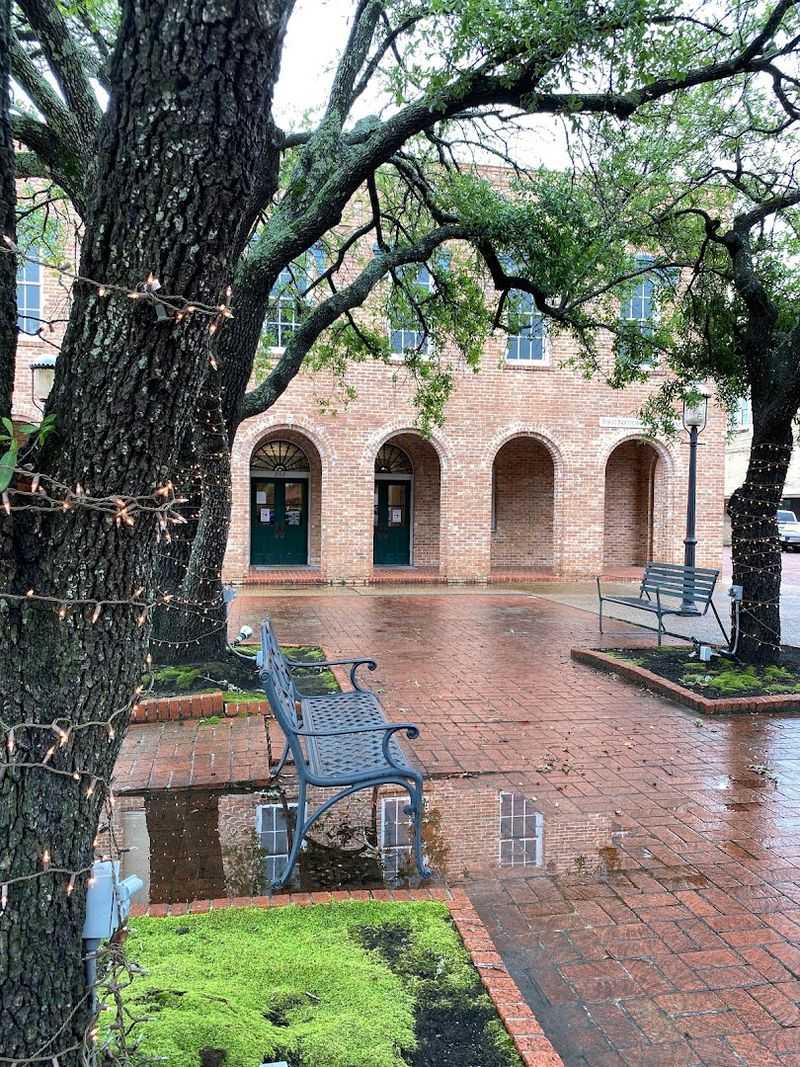
History does not always age gracefully, but Jefferson managed the transition from bustling river port to beloved small town with remarkable style. In the mid-1800s, this was one of the busiest ports in the state, moving cotton and goods along Big Cypress Bayou.
The Victorian architecture left behind from that era still defines the town today.
Strolling through Jefferson feels like browsing a living museum, except the museum has good restaurants and interesting bookshops.
Antique stores line the main streets, riverboat tours run along Big Cypress Bayou, and the town’s history is told through well-preserved buildings rather than just plaques.
Ghost tours in the evenings add a genuinely fun layer of storytelling to the experience.
The pace here is unhurried by design. Bed-and-breakfast stays in restored historic homes are common and add to the overall immersion.
Jefferson sits in Marion County, roughly two hours east of Dallas, making it a manageable weekend escape from the city.
For anyone who finds beauty in old architecture, quiet streets, and a town that has clearly held onto its identity with both hands, Jefferson delivers in a way that is hard to replicate.
10. Brenham
Every April, Brenham transforms into one of the most visually striking spots in the state as bluebonnet season takes over the surrounding countryside. The fields go from green to deep violet almost overnight, and people drive from hours away just to see it.
The Blue Bell Creamery is one of the town’s biggest draws. A scoop here still feels like a small throwback, and the lines that form say everything about how worth the stop really is.
Blue Bell has been made in Brenham since 1907, and the town wears that legacy proudly.
Just outside of town, the Washington-on-the-Brazos State Historic Site marks where 59 delegates gathered in 1836 to sign the Declaration of Independence from Mexico. The grounds are peaceful, well-maintained, and genuinely worth the detour.
Brenham sits between Houston and Austin on US Highway 290, making it a natural midpoint. Small, specific, and worth far more than a quick pass-through.
11. Bandera
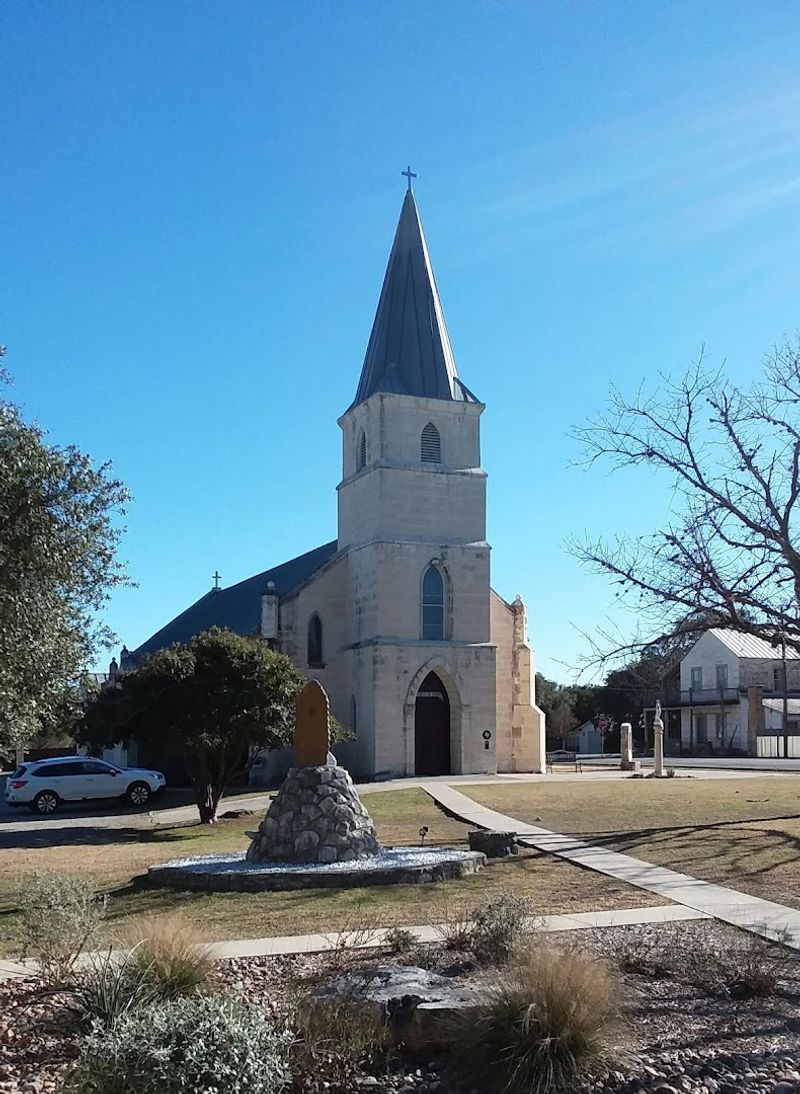
The self-proclaimed Cowboy Capital of the World is not just leaning on a catchy nickname. Bandera functions as a working ranch town where horses are part of daily life.
The western culture on display here is not staged for anyone’s benefit, and that authenticity is increasingly rare.
Dude ranches surrounding the town offer trail rides, cattle work experiences, and overnight stays. Several have operated for generations and welcome guests into a lifestyle most people only see in films.
It is grounded, physical, and memorable in a way a hotel stay simply cannot replicate.
Main Street holds its own appeal. Local restaurants, live music venues, and shops serve both residents and visitors without losing the working-town feel that makes Bandera distinct.
The Medina River runs through town and adds swimming and tubing to the mix.
Bandera sits along State Highway 16, about 50 miles northwest of San Antonio in the Hill Country. Show up on a Tuesday and you will understand exactly what makes this place different.