10 Charming Towns In California That Feels Like Spain, But Cost Almost Nothing To Explore
There’s a moment when a place feels like it belongs somewhere else entirely. Sunlight hits white walls, red tiles glow overhead, and the pace slows without asking permission.
A handful of California towns carry that same easy, sun-soaked feeling found in southern Spain.
Walkable plazas, quiet courtyards, and historic streets create an atmosphere that feels both relaxed and deeply rooted in history. It does not take much to settle into it.
What makes these places stand out is how accessible they are. Many of the most memorable experiences come from simply wandering. No tickets, no reservations, just time and curiosity guiding the day.
The architecture tells part of the story, but the feeling comes from the rhythm. Open spaces, soft colors, and warm light make everything feel slower and more intentional. It is the kind of setting that invites you to linger a little longer than planned.
With comfortable shoes, a bottle of water, and an open afternoon, exploring this side of California feels easy, rewarding, and unexpectedly transportive.
1. San Juan Capistrano
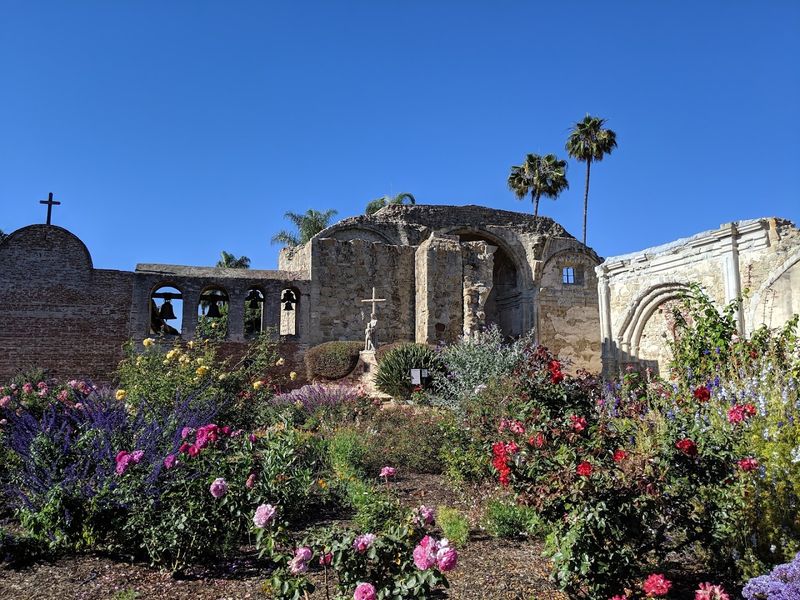
Few places in California carry as much quiet historical weight as San Juan Capistrano, a small town where the streets still echo with centuries of Spanish colonial life.
The crown jewel here is Mission San Juan Capistrano, founded in 1776, which features crumbling stone arches, flowering gardens, and the hauntingly beautiful ruins of the Great Stone Church.
Walking through the mission grounds feels more like wandering a Spanish monastery than visiting a California attraction.
The Los Rios Historic District sits just a short walk from the mission and holds the title of the oldest continuously occupied residential neighborhood in California.
Adobe homes line narrow paths, and small shops tucked into historic buildings give the area an authentic, unhurried pace.
There are no admission fees required to stroll the district itself, making it one of the most budget-friendly cultural experiences in Southern California.
On weekends the town fills with visitors, so arriving on a weekday morning tends to offer a calmer and more immersive experience.
The surrounding streets have benches, shade trees, and small cafes where stopping for a few minutes feels completely natural.
San Juan Capistrano rewards slow exploration far more than a rushed visit ever could.
2. San Luis Obispo
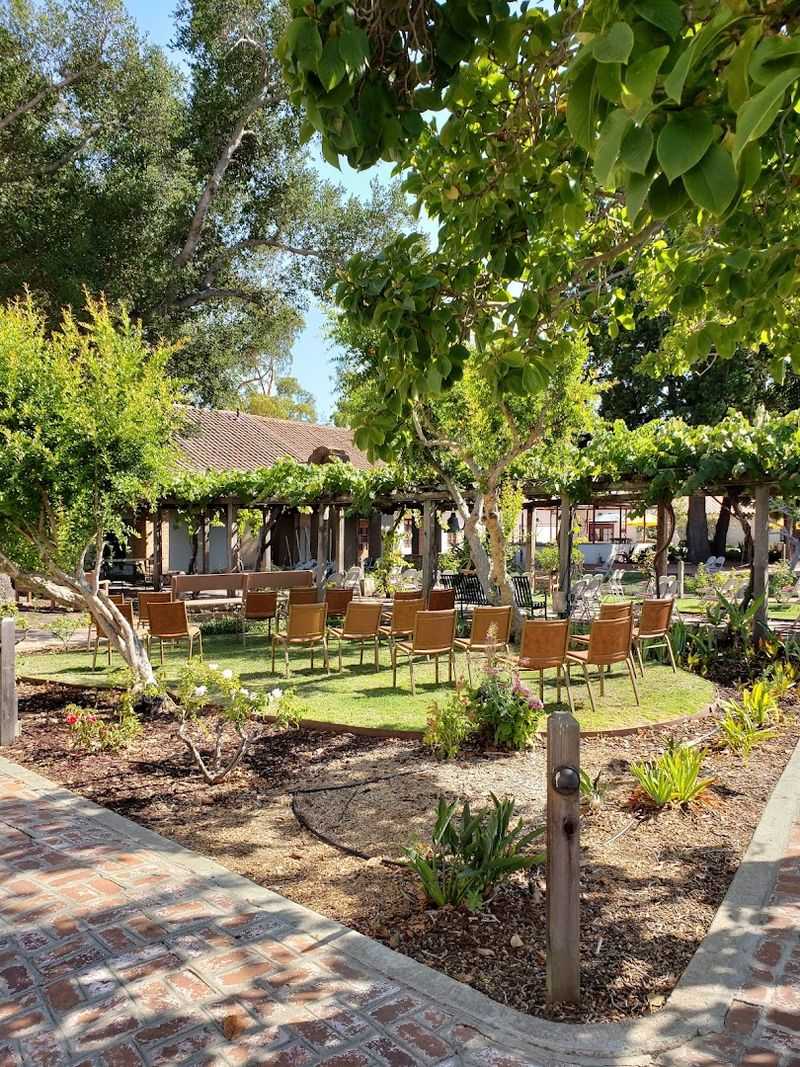
Tucked between rolling green hills roughly halfway between Los Angeles and San Francisco, San Luis Obispo has a relaxed, sun-warmed energy that feels distinctly Mediterranean.
The historic Mission San Luis Obispo de Tolosa at 751 Palm St, San Luis Obispo, CA 93401 anchors the downtown area and has been an active parish since 1772, making it one of the oldest continuously operating missions in California.
Its simple facade and quiet inner courtyard offer a genuine sense of calm in the middle of a busy town.
Mission Plaza, the open public space directly in front of the mission, stretches along a small creek and fills with locals most afternoons.
There are free outdoor concerts, farmers market events, and casual gatherings that make the plaza feel genuinely lived-in rather than purely touristy.
Thursday nights bring the famous Downtown Farmers Market, which transforms Higuera Street into a lively outdoor gathering with local produce, street food, and music.
The walkable downtown area is compact enough to cover on foot in an afternoon, with adobe-style buildings housing bookstores, coffee shops, and local restaurants at every turn.
San Luis Obispo tends to attract a younger crowd thanks to nearby Cal Poly, which gives the town a creative, energetic edge that balances its historic Spanish roots beautifully.
Entry to most outdoor spaces here is completely free.
3. Monterey
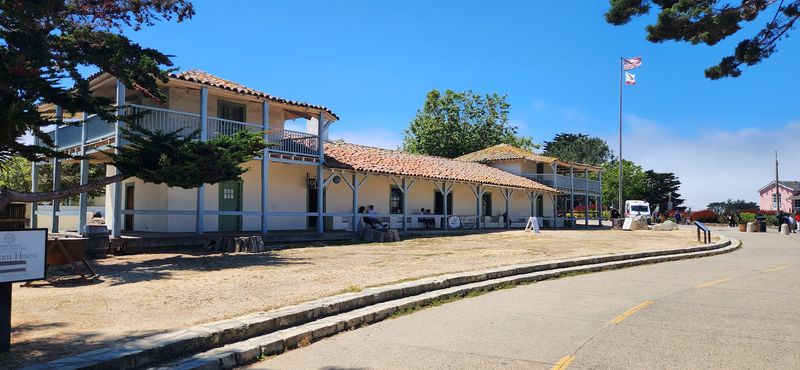
Before San Francisco became California’s most famous city, Monterey served as the capital of Alta California under Spanish and later Mexican rule, and that deep colonial history is still very much visible today.
The Path of History is a self-guided walking trail that connects more than 50 historic buildings, adobe structures, and landmarks throughout the old town, and following it costs absolutely nothing.
Many of the buildings along the path date back to the early 1800s and carry the thick walls and shaded verandas that define Spanish colonial construction.
The Custom House, located at 1 Custom House Plaza, Monterey, CA 93940, is considered the oldest government building in California and was the first point of entry for goods arriving by sea during the Spanish and Mexican periods.
Standing in front of it while looking out toward the harbor creates a moment where the layers of history feel genuinely tangible.
The surrounding plaza is open to the public and connects naturally to Fisherman’s Wharf nearby.
Monterey’s old town neighborhood moves at a slower pace than the aquarium district, with fewer crowds and more breathing room between historic sites.
The combination of coastal light, adobe walls, and the smell of the ocean makes wandering the old quarter a sensory experience that is hard to replicate anywhere else in California.
4. Carmel-By-The-Sea
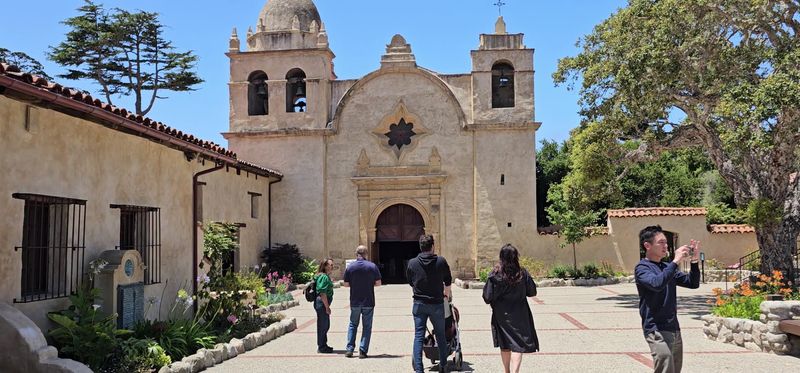
Walking through Carmel-by-the-Sea feels like stumbling into a storybook village where the streets have no sidewalks and the buildings look like they belong in the Spanish countryside.
Cottage-style homes with stone walls, arched doorways, and climbing roses sit alongside art galleries and small plazas, creating an atmosphere that is simultaneously whimsical and deeply rooted in old-world European aesthetics.
The town was deliberately designed to feel pedestrian-friendly and artistic from its very founding in the early 1900s.
Carmel Mission Basilica, officially known as the Mission San Carlos Borromeo del Rio Carmelo, is located at 3080 Rio Road, Carmel-by-the-Sea, CA 93921, and is widely regarded as one of the most beautiful missions in the entire California chain.
The mission’s Moorish tower, arched doorways, and surrounding gardens feel remarkably similar to historic churches found in Andalusia, southern Spain.
Admission is relatively affordable and helps support the ongoing preservation of the mission grounds.
Ocean Avenue leads straight from the village center down to Carmel Beach, one of the most naturally beautiful stretches of coastline in California, and entry to the beach is free.
The combination of village architecture, mission history, and open coastline makes Carmel-by-the-Sea genuinely rewarding even on a very modest budget.
Weekday visits tend to be quieter and more relaxed than busy weekend afternoons.
5. Ventura
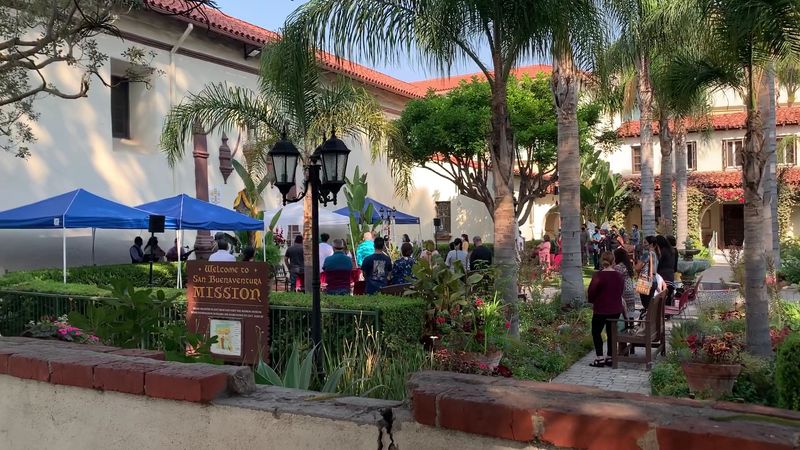
Ventura has the kind of laid-back coastal character that makes it easy to spend a full day wandering without spending much at all.
The historic downtown stretches along Main Street and is filled with colorful murals, vintage storefronts, and a relaxed pedestrian energy that feels closer to a Spanish beach town than a typical Southern California city.
The whole area is compact and very walkable, which makes it ideal for unhurried exploration at any time of year.
Mission San Buenaventura sits at the top of Main Street and was the last mission founded personally by Father Junipero Serra in 1782, giving it a notable place in California history.
Located at 211 E Main Street, Ventura, CA 93001, the mission features a simple, elegant facade and a small but well-maintained garden courtyard that provides a quiet retreat from the busy street outside.
Admission is modest and the adjoining museum offers context about the region’s Spanish and Chumash history.
The nearby Ventura Pier stretches out over the Pacific and is free to walk, offering ocean views and a breezy alternative to the indoor historic sites.
Ventura tends to attract fewer tourists than Santa Barbara to the north, which means shorter lines, more breathing room, and a generally more authentic neighborhood atmosphere.
It is a genuinely underrated stop on any California road trip.
6. Santa Cruz
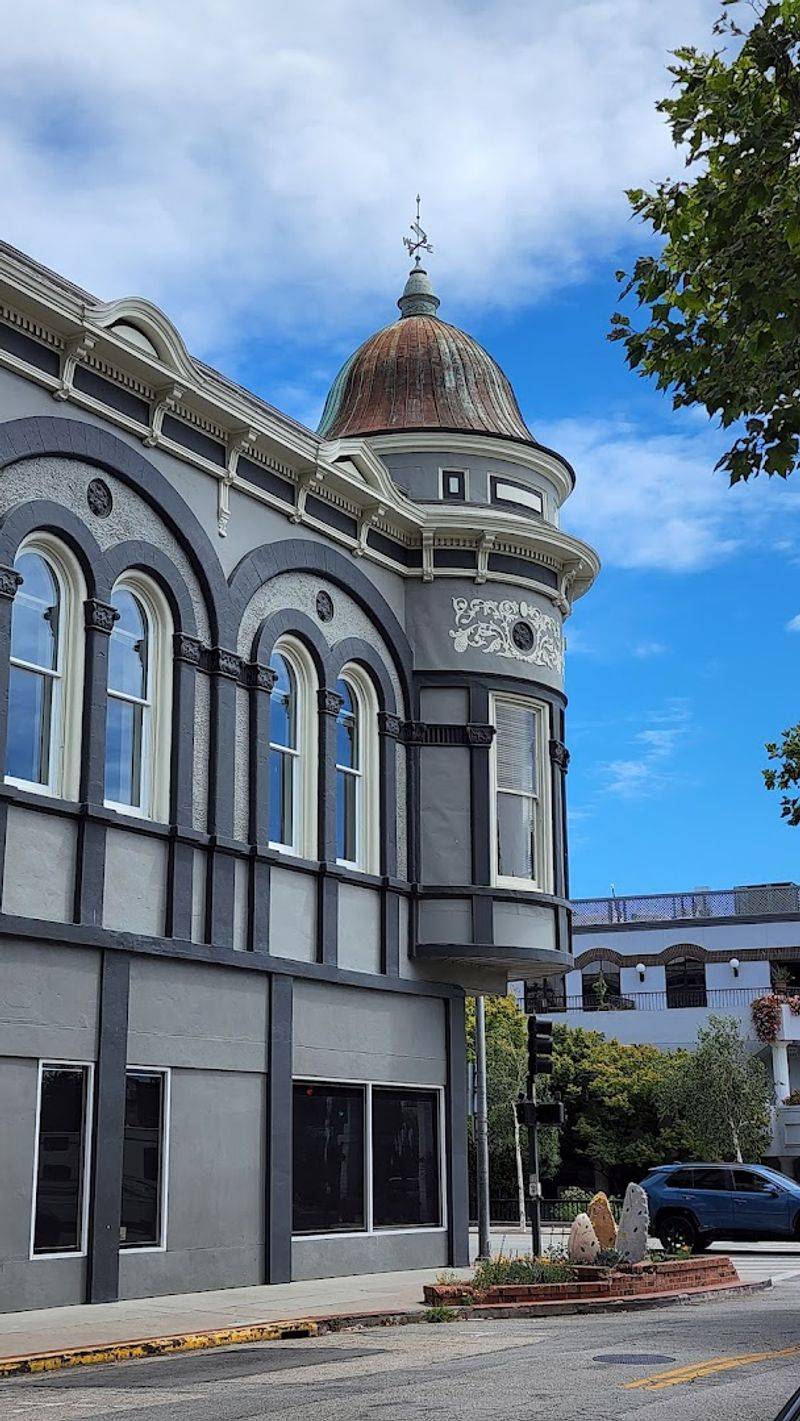
Santa Cruz carries a reputation as a surf town, but tucked above the beach boardwalk is a quieter, older part of the city that reflects deep Spanish colonial roots.
The Mission Hill neighborhood sits on elevated ground overlooking Monterey Bay and holds the site of the original Mission Santa Cruz, founded in 1791.
A half-size replica of the original mission church now stands near the historic location and gives visitors a sense of the scale and simplicity of early California religious architecture.
Holy Cross Church occupies 210 High Street, Santa Cruz, CA 95060, and the surrounding plaza includes a small adobe building that is one of the last surviving original structures from the mission era.
The neighborhood around Mission Hill is calm and residential, with tree-lined streets, old wooden homes, and ocean views that reward a slow, unhurried walk.
The contrast between the lively boardwalk below and the peaceful historic hill above is one of Santa Cruz’s most interesting qualities.
Downtown Santa Cruz is very walkable and filled with independent shops, murals, and open plazas that carry a creative, community-driven atmosphere.
Many of the outdoor spaces and historic sites in the area are free to visit, making Santa Cruz an accessible destination for travelers watching their budget carefully.
The Pacific Garden Mall pedestrian zone is a particularly pleasant place to spend a slow afternoon.
7. San Juan Bautista
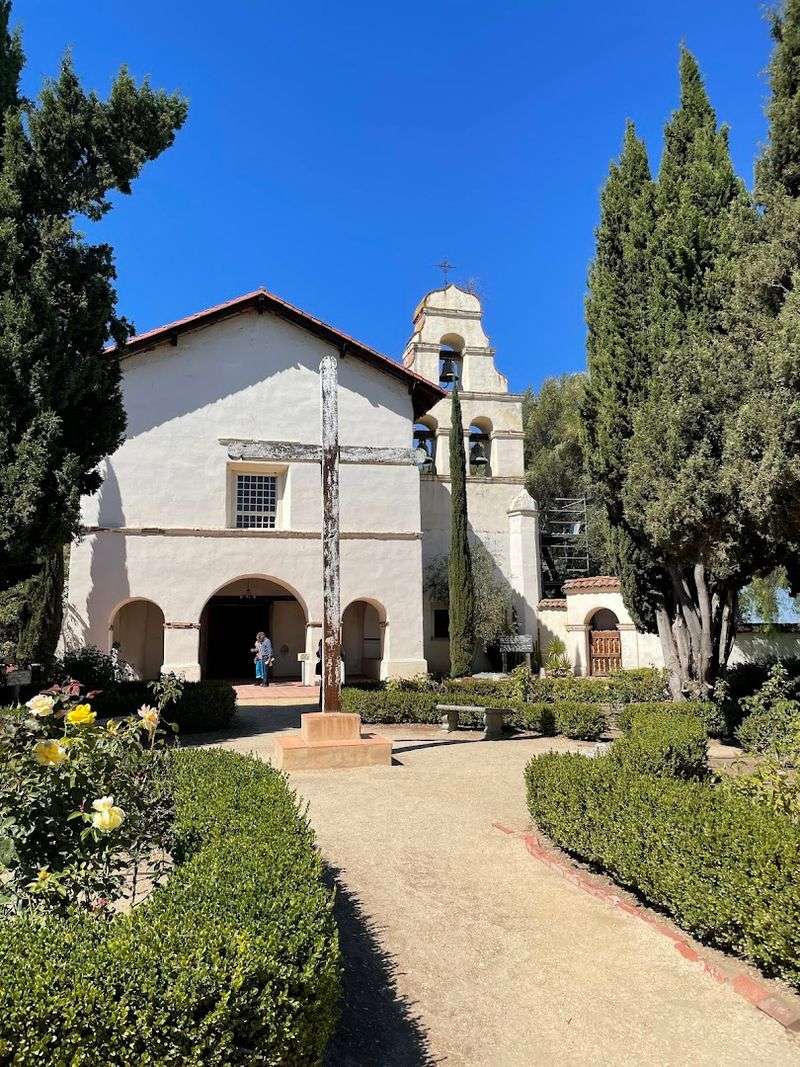
San Juan Bautista is one of California’s best-kept secrets, a tiny town of just a few thousand people that has somehow preserved an almost entirely intact Spanish colonial plaza dating back to the early 1800s.
The central plaza is surrounded by the mission, an old hotel, a stable, and a series of adobe buildings that together form one of the most complete historic town centers in the entire state.
Standing in the middle of the plaza feels genuinely different from most California towns, with very little modern development visible from the main viewpoints.
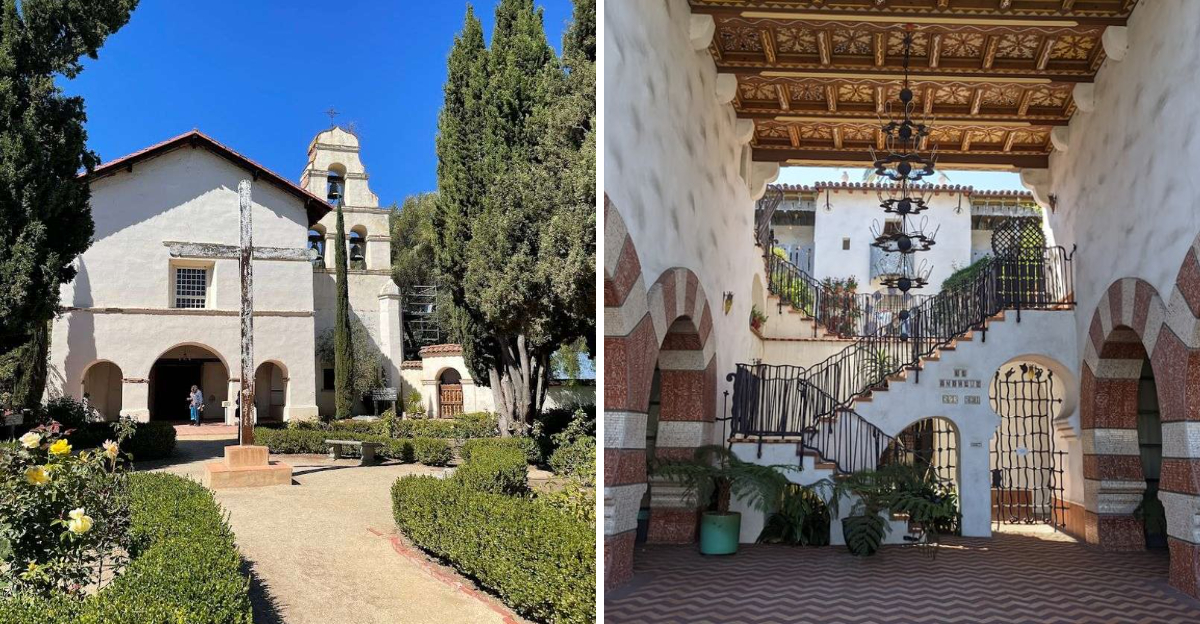
Mission San Juan Bautista, located at 406 Second Street, San Juan Bautista, CA 95045, is the largest of all the California missions in terms of the nave, and its long, simple interior has a quiet grandeur that is immediately calming.
The mission faces the original El Camino Real, the road that once connected all 21 California missions along the coast, and the grounds are open to visitors most days of the week.
Admission to the mission is modest, while the surrounding state historic park is free to explore.
The town itself has just a handful of streets lined with antique shops, small restaurants, and historic buildings that make a short afternoon visit feel surprisingly full.
San Juan Bautista rewards slow walking and genuine curiosity more than any kind of rushed itinerary.
8. Los Gatos
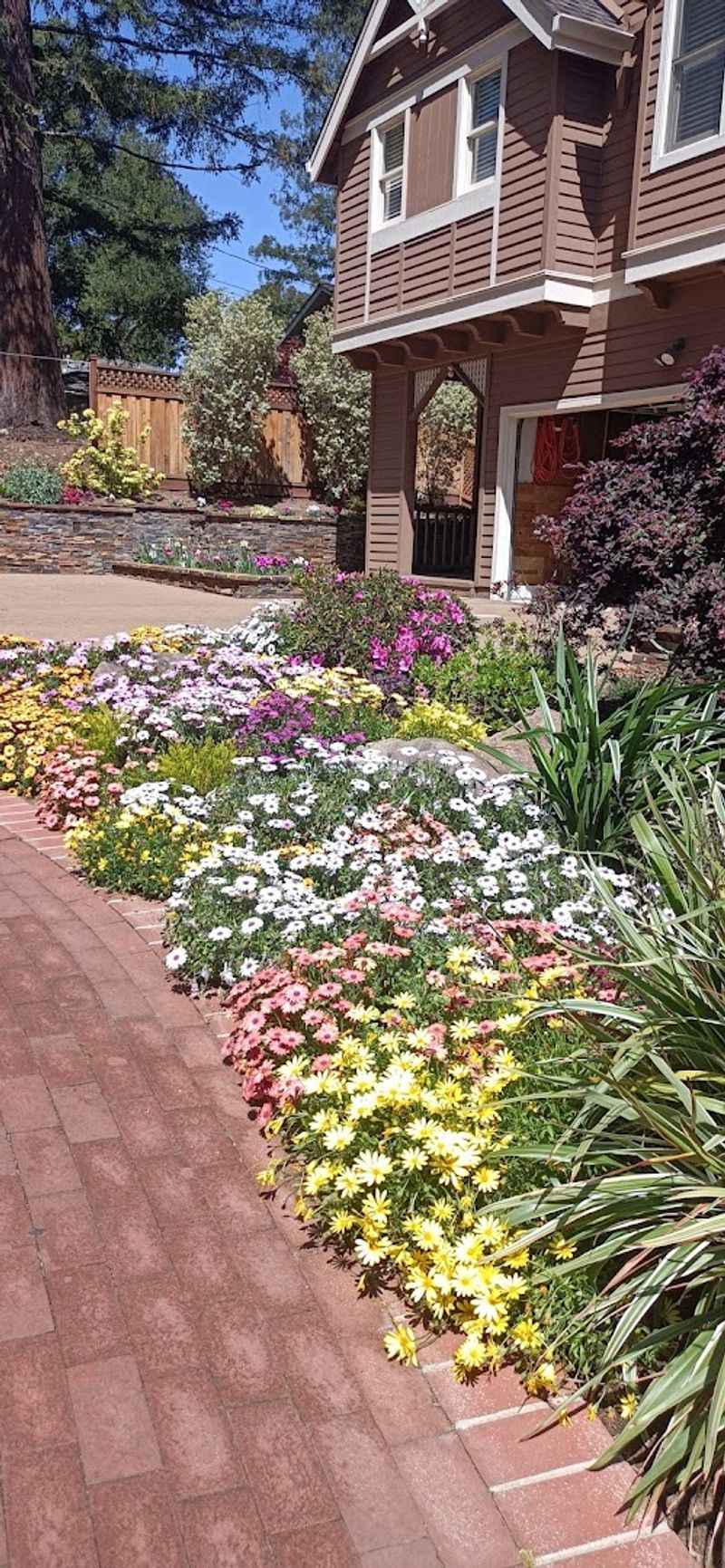
Nestled at the foot of the Santa Cruz Mountains just south of San Jose, Los Gatos has a downtown character that blends California craftsman style with warm Spanish colonial touches in a way that feels genuinely cohesive.
The main commercial street is lined with low-rise buildings featuring arched windows, terracotta details, and shaded outdoor seating areas that encourage a slower, more European pace of movement.
The whole downtown is compact and very easy to navigate on foot without needing a map.
The town has a long history tied to the early California rancho period, and several of the older buildings along University Avenue and Main Street reflect that heritage through their thick walls, tile work, and courtyard layouts.
Los Gatos Creek Trail runs directly through the heart of town and offers a free, scenic walking path through mature trees and open parkland that connects the downtown to a larger regional park network.
The trail is well-maintained and accessible year-round.
Unlike some of the more heavily touristed California towns, Los Gatos tends to have a genuinely local atmosphere where coffee shops and bookstores are filled with residents rather than tour groups.
That quieter, neighborhood quality is part of what makes it feel so charming and unhurried.
A long afternoon of wandering here costs very little beyond a coffee and something to eat.
9. Sonoma
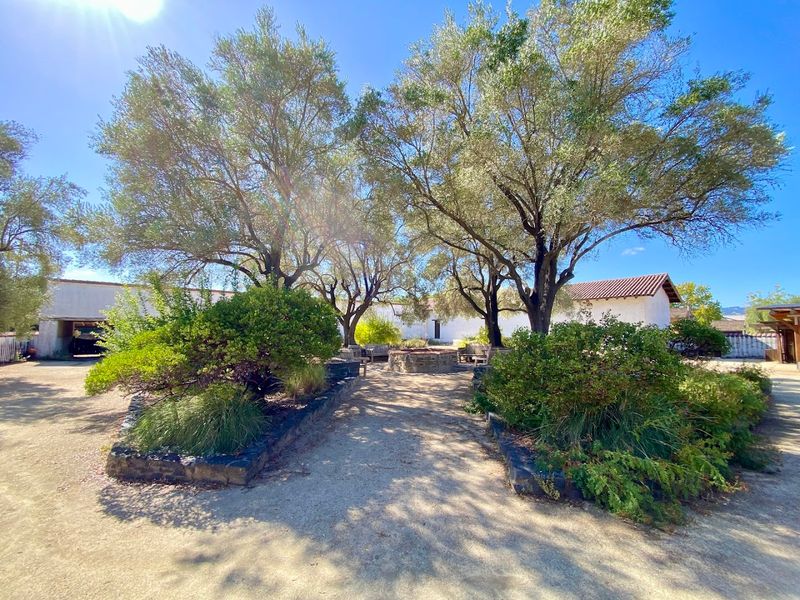
Sonoma holds a very specific kind of historical weight in California because it was the site of the Bear Flag Revolt of 1846, but long before that moment it was shaped entirely by Spanish and Mexican colonial culture.
The Sonoma Plaza is the largest historic plaza in California and was originally laid out in the Spanish colonial tradition with a central public square surrounded by civic and religious buildings.
Walking around the plaza today still feels remarkably close to what a Mexican-era California town might have looked like.
The Mission San Francisco Solano, located at 114 E Spain Street, Sonoma, CA 95476, is the northernmost and last of the California missions and sits directly on the plaza alongside a collection of historic adobe buildings that form Sonoma State Historic Park.
The mission and the adjacent Sonoma Barracks are open to visitors for a modest state park fee, and together they tell the story of California’s transition from Spanish colonial territory to American statehood.
The adobe walls, clay tile roofs, and open courtyards here feel genuinely historic rather than reconstructed.
The plaza itself is free to enjoy and features large shade trees, open lawns, and a duck pond that give it a relaxed, neighborhood park quality even in the middle of a historic site.
Sonoma tends to be quieter on weekday mornings, which is when the Spanish colonial atmosphere of the plaza feels most authentic and unhurried.
10. Santa Barbara
Often called the American Riviera, Santa Barbara has a look and feel that genuinely recalls the whitewashed towns along Spain’s southern coast.
Red-tiled rooftops stretch across the downtown skyline, and nearly every building seems to follow the same warm Spanish Colonial Revival style that was adopted after a major earthquake rebuilt much of the city in 1925.
The result is one of the most visually consistent historic downtowns in the entire country.
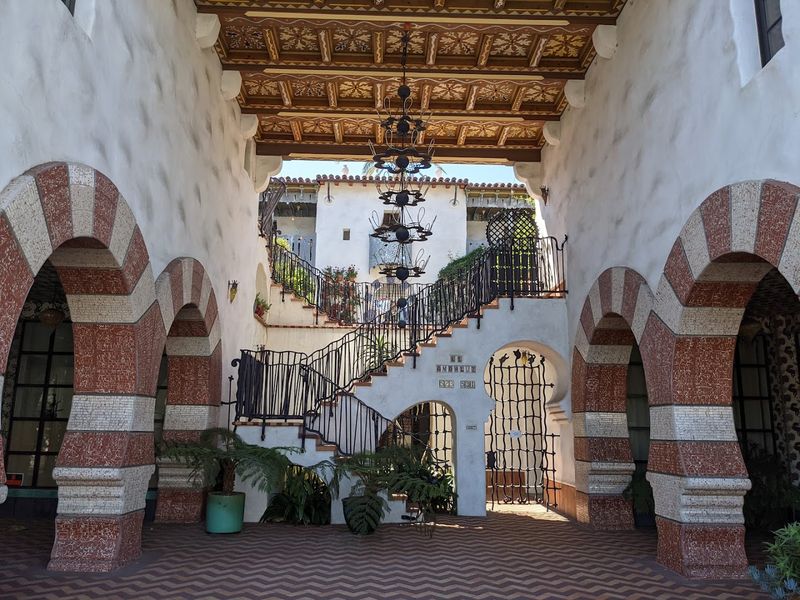
El Andaluz is one of the most stunning residential buildings in California and admission to walk the grounds is free.
Located at 523 Chapala St, Santa Barbara, CA 93101, it hand-painted ceilings, Moorish tile work, sunken gardens, and a clock tower with sweeping views over the red rooftops toward the ocean.
Spending an hour here alone justifies the trip.
State Street runs through the heart of downtown and is lined with shops, murals, and outdoor seating areas where the Mediterranean atmosphere feels easy and unhurried.
The Santa Barbara waterfront is walkable from downtown and adds a breezy coastal dimension to the visit.
Most of what makes Santa Barbara special costs nothing more than the effort of showing up and looking around carefully.