12 Classic Southern Staples Quietly Disappearing From Alabama Grocery Shelves
Something familiar is missing from the aisles.
The foods that once defined everyday meals have slowly been replaced by quieter, blander stand-ins.
In Alabama, grocery shelves tell a story of change shaped by convenience, consolidation, and shifting tastes.
Recipes built around these ingredients once anchored family kitchens and Sunday tables.
Now many of those staples are harder to find, pushed aside by products that trade tradition for efficiency.
Across Alabama, the loss goes beyond flavor. It touches memory, routine, and the small rituals that made meals feel rooted and personal.
1. Authentic Pimento Cheese Spread
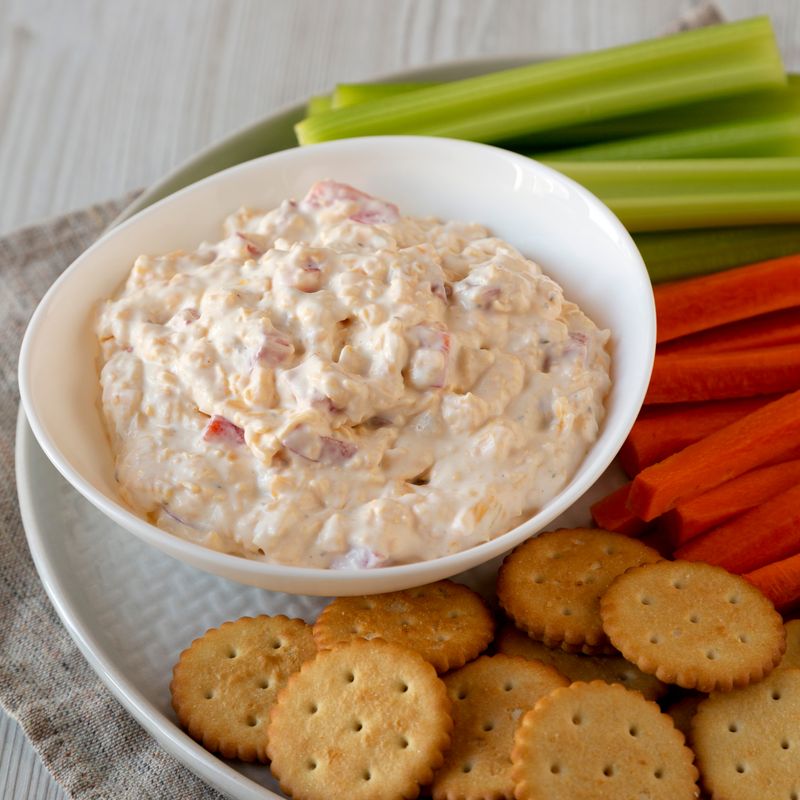
Southerners call this the pâté of their region, but the real version – sharp cheddar, tangy mayo, and sweet red pimentos mixed by hand – has become increasingly difficult to locate.
What fills most dairy cases now are factory-made spreads with stabilizers, fillers, and a texture that bears little resemblance to the chunky, flavorful original.
True pimento cheese should have visible shreds of aged cheddar and bits of soft pimento pepper throughout.
The flavor balances sharpness, creaminess, and just a hint of sweetness.
Mass-produced versions taste flat and processed, with a paste-like consistency that spreads too easily.
Local dairies that once made small batches fresh weekly have closed or switched to more profitable products.
The economics of hand-grating cheese and mixing in real pimentos don’t work at scale.
Shoppers who grew up with the genuine article often make their own now rather than settling for what’s available in stores.
2. Sorghum Syrup
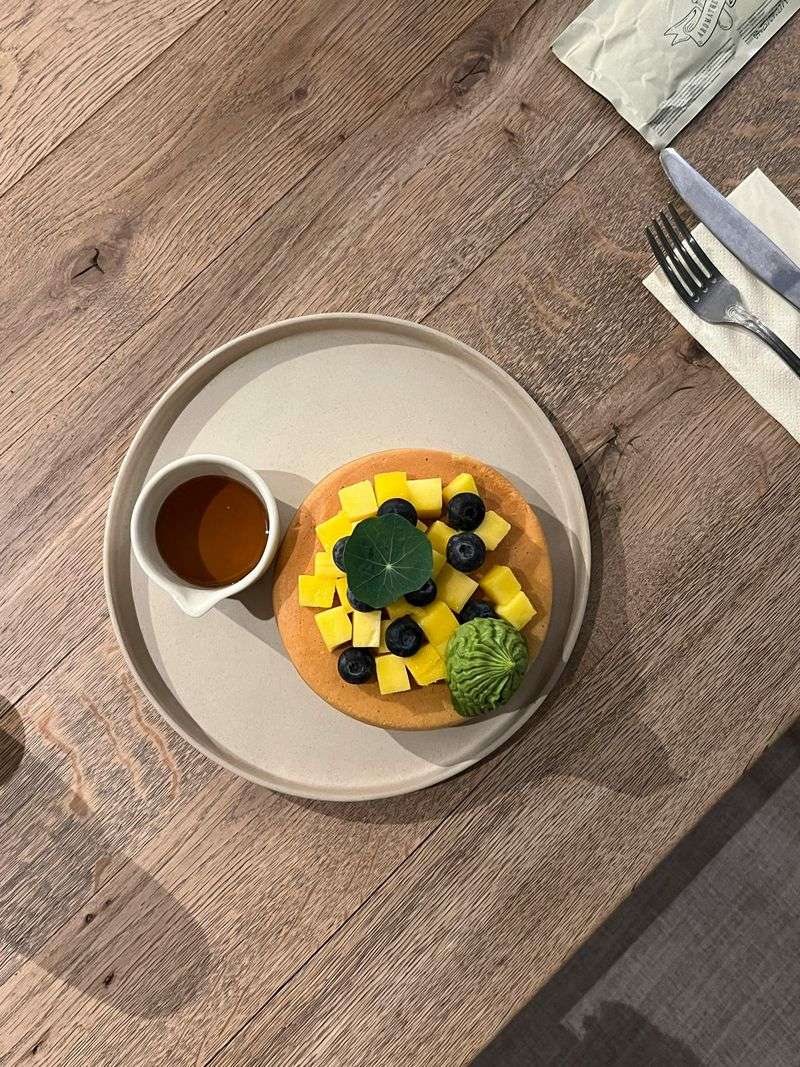
This thick, earthy-sweet syrup once appeared on breakfast tables throughout Alabama as regularly as butter.
Made from pressed sorghum cane and cooked down slowly, it has a complex flavor profile – part molasses, part honey, with mineral notes that reflect the soil where the cane grew.
Sorghum production requires specific equipment and knowledge that fewer farmers possess each year.
The cane must be harvested at exactly the right moment, pressed immediately, and cooked carefully to avoid burning.
Small producers who maintained this tradition have aged out or found the economics unsustainable.
Grocery stores that once dedicated shelf space to local sorghum now stock only maple syrup, honey, and corn-based pancake syrups.
These alternatives lack sorghum’s distinctive character and cultural significance.
Older Alabamians remember drizzling it over biscuits or mixing it into cornbread batter, flavors their grandchildren may never experience unless the trend reverses soon.
3. Pure Cane Syrup
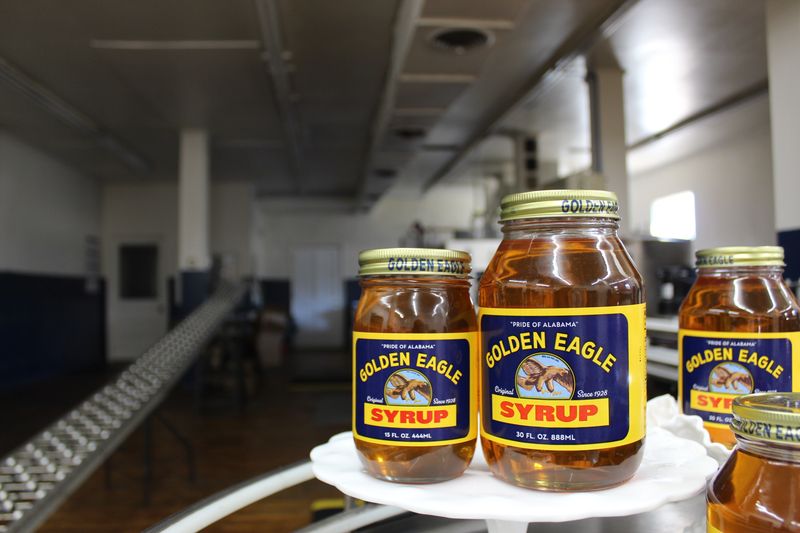
Smoother than molasses but richer than honey, pure cane syrup carries the concentrated sweetness of sugarcane without the heavy bitterness of blackstrap.
Families used it for everything from sweetening tea to making pralines, and its golden color signaled quality and careful processing.
The rise of high-fructose corn syrup and cheaper pancake syrups has pushed cane syrup to the margins.
Manufacturing real cane syrup requires access to fresh sugarcane and traditional cooking methods that take time and attention.
Industrial food production favors ingredients that ship easily, store indefinitely, and cost less per ounce.
Alabama stores that once carried multiple brands now offer none, or perhaps a single overpriced option marketed to nostalgia-seeking customers.
The smooth, clean sweetness of real cane syrup has become a memory rather than an everyday staple.
Recipes calling for it often go unmade or get substituted with products that change the final result completely.
4. Salt-Cured Country Ham
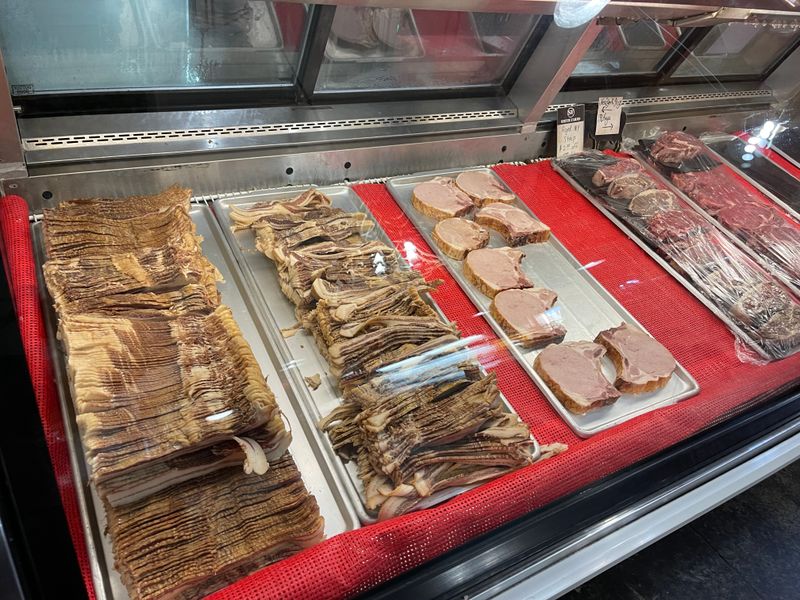
Real country ham takes months to produce properly.
Salt-cured and aged, it develops an intense, concentrated pork flavor that’s completely different from the pink, water-injected ham slices common today.
The meat darkens to deep rose or mahogany, and thin slices pack enough flavor that a little goes a long way.
Most grocery stores now stock only mass-produced hams that are injected with brine, cooked quickly, and packaged within days.
These products bear the country ham name but lack the texture, color, and taste that comes from traditional curing.
The salt content and aging process that create authentic country ham don’t fit modern food safety regulations easily.
Small smokehouses that once supplied local stores have faced increasing regulatory hurdles and declining demand from younger shoppers unfamiliar with how to prepare and serve the product.
Slicing it paper-thin and frying it until the edges crisp is a skill fewer people learn.
Finding genuine country ham now often means ordering directly from the few remaining producers.
5. White Lily Flour
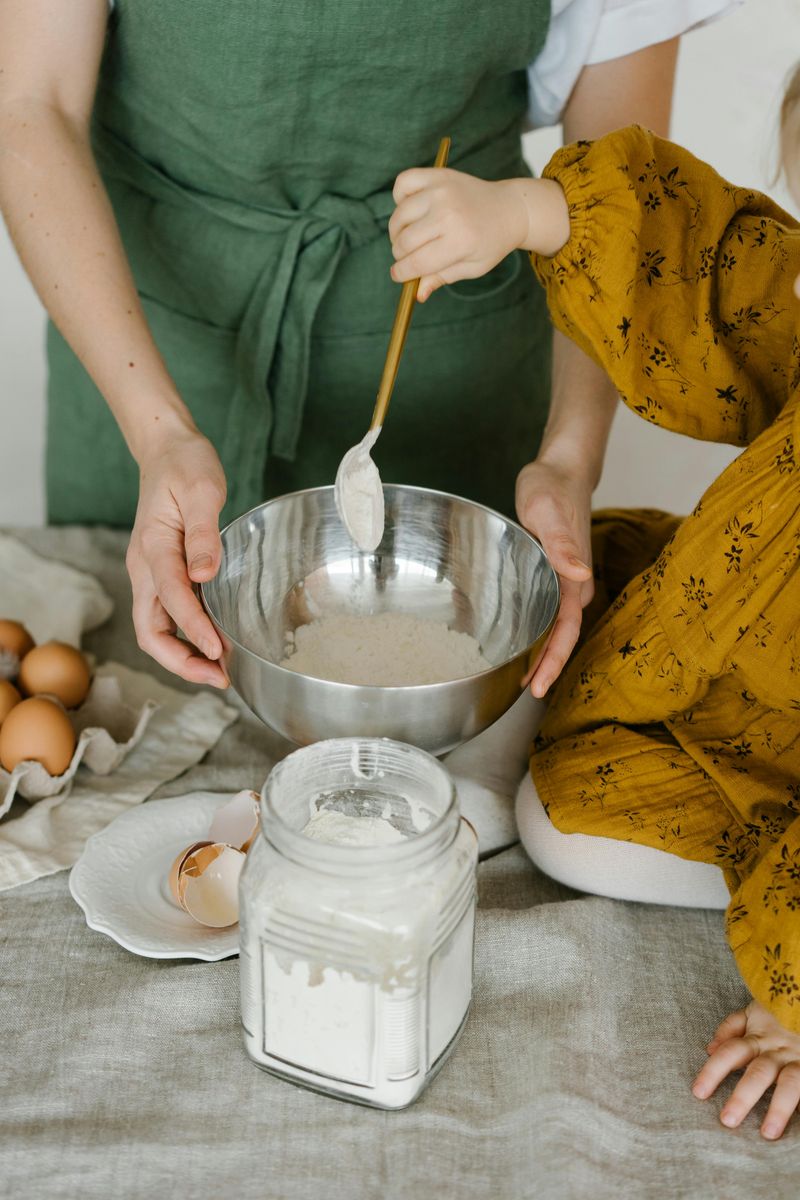
Bakers across the South swear that biscuits, cakes, and pastries made with White Lily flour turn out lighter and more tender than those made with any other brand.
Milled from soft winter wheat grown in specific regions, this flour has lower protein content than most all-purpose varieties, creating a delicate texture perfect for Southern baking.
Distribution changes and corporate acquisitions have reduced White Lily’s presence in Alabama stores dramatically.
What was once available in every grocery aisle now appears sporadically, if at all.
Some stores carry it only in small bags at premium prices, making it less accessible for everyday baking.
Home bakers who learned their craft using White Lily notice the difference immediately when forced to substitute other brands.
Biscuits come out denser, cakes less fluffy, and pie crusts tougher.
The flour’s unique qualities came from specific wheat varieties and milling techniques that modern industrial production doesn’t always replicate.
Dedicated bakers now order it online or drive to specialty stores rather than find it conveniently during regular shopping trips.
6. Buttermilk In Glass Bottles
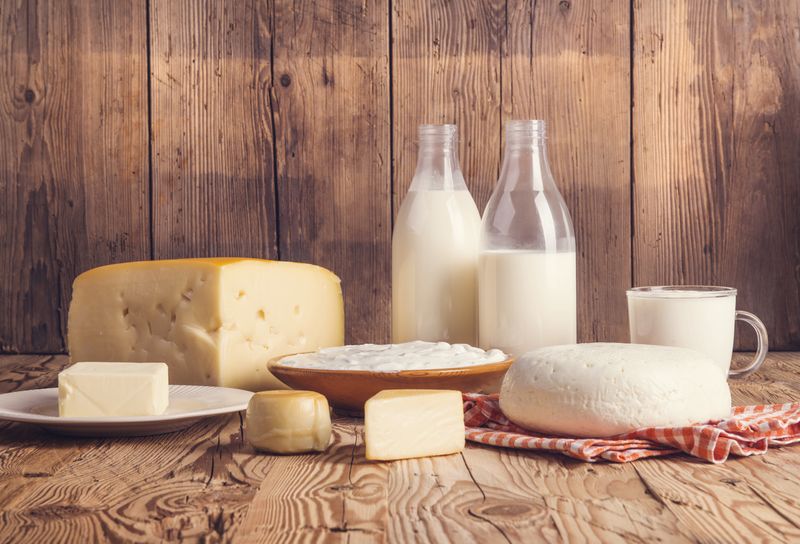
Old-fashioned buttermilk had thickness and tang that made biscuits rise beautifully and gave pancakes a distinctive flavor.
Originally the liquid left after churning butter, commercial buttermilk became a cultured product with live bacteria that created its characteristic taste and texture.
Glass bottles from local dairies once lined refrigerator cases throughout Alabama.
Plastic jugs and ultra-pasteurized versions have replaced the real thing almost entirely.
Modern buttermilk often tastes thinner and less complex, with stabilizers added to extend shelf life.
The live cultures that gave traditional buttermilk its probiotic benefits and robust flavor are frequently killed during processing.
Local dairies that bottled fresh buttermilk weekly have consolidated or closed, unable to compete with large-scale operations.
The glass bottle deposit system that encouraged returns and reuse has disappeared along with the dairies themselves.
Older cooks remember the satisfaction of shaking the thick buttermilk before pouring, and how its richness improved everything from cornbread to fried chicken marinades in ways the current products simply don’t match.
7. Lard In Paper-Wrapped Blocks
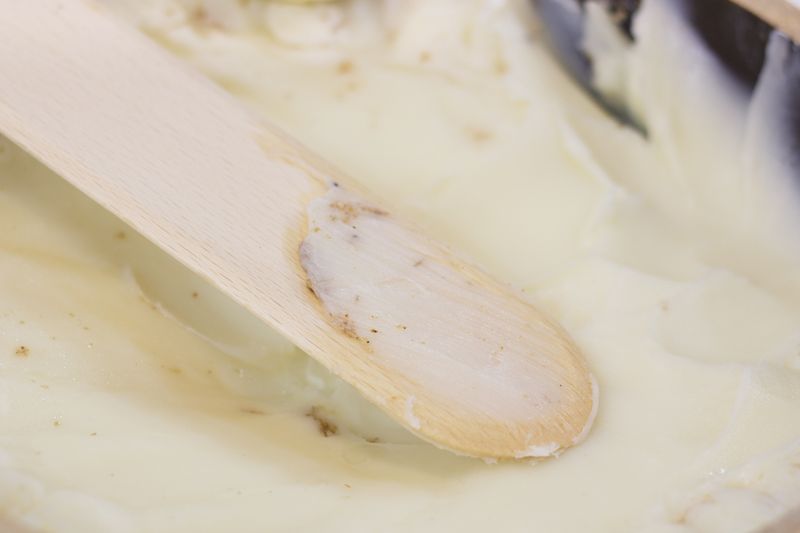
Before vegetable shortening dominated baking aisles, lard was the fat of choice for pie crusts, biscuits, and fried foods throughout Alabama.
Rendered pork fat produces flaky pastries and adds subtle flavor that plant-based alternatives can’t replicate.
Paper-wrapped blocks sat in refrigerator cases next to butter, an essential ingredient in every serious cook’s kitchen.
Health concerns about animal fats during the late twentieth century pushed lard aside in favor of hydrogenated vegetable oils marketed as healthier options.
Ironically, many of those alternatives contained trans fats later found to be more harmful than natural animal fats.
Lard’s reputation suffered despite its usefulness and relatively simple composition.
Finding pure, fresh lard in Alabama grocery stores now requires searching specialty sections or ethnic food aisles.
Most stores don’t stock it at all, assuming customers won’t buy it.
The few options available often come in plastic tubs rather than traditional paper wrapping.
Home cooks who render their own lard from pork fat understand what’s been lost – pastry crusts that shatter at the touch of a fork and fried foods with clean flavor rather than greasy residue.
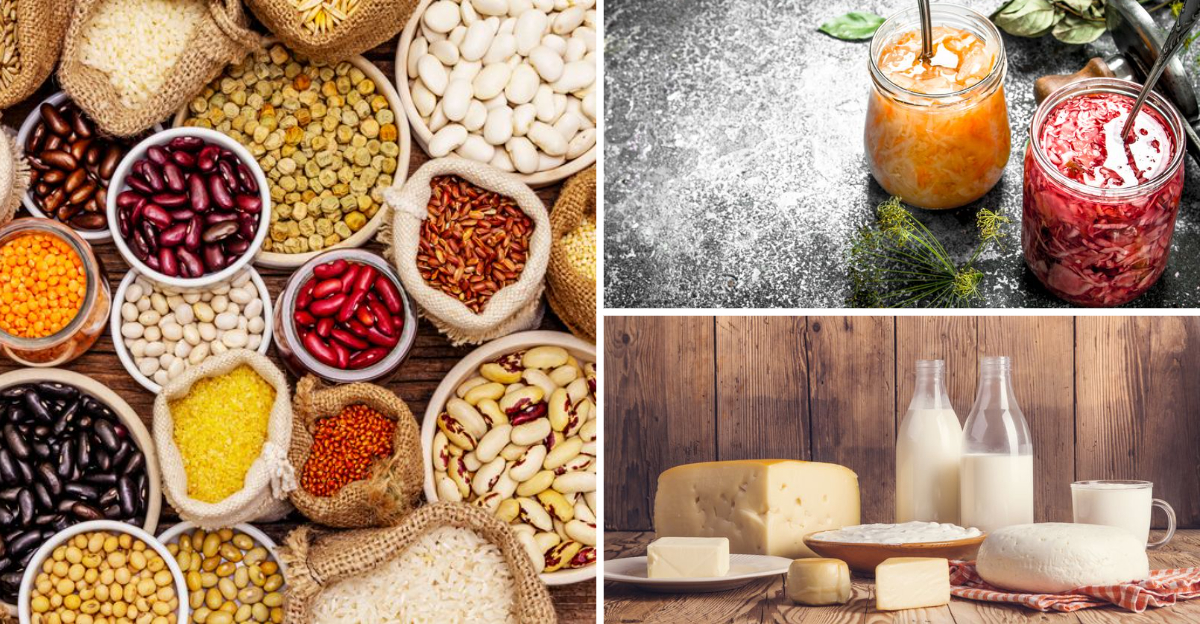
8. Dried Field Peas And Beans Sold In Bulk
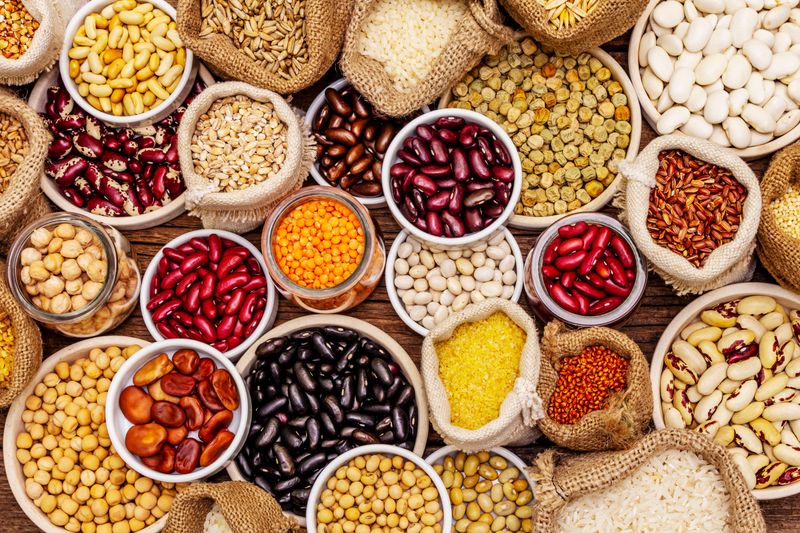
Bulk bins once overflowed with dozens of varieties – lady peas, crowder peas, purple hulls, October beans, and countless others.
Each type had its own cooking characteristics and flavor profile, and experienced cooks knew exactly which variety worked best for specific dishes.
Scooping the desired amount into paper bags was part of the weekly shopping ritual.
Pre-packaged products have replaced bulk bins in most stores, offering only the most common varieties in standardized quantities.
The diversity that once existed has narrowed dramatically.
Specialty peas and beans that thrived in Alabama’s climate and featured in regional recipes have become nearly impossible to find commercially.
The logistics of maintaining bulk bins – potential pest issues, slower turnover, and the labor of refilling and managing them – don’t align with modern retail efficiency.
Younger shoppers often don’t know the difference between field pea varieties or why it matters.
The knowledge of how to cook each type properly, adjusting seasoning and cooking times, fades along with their availability.
What remains are generic options that lack the character and regional identity the old selections provided.
9. Locally Milled Cornmeal And Grits
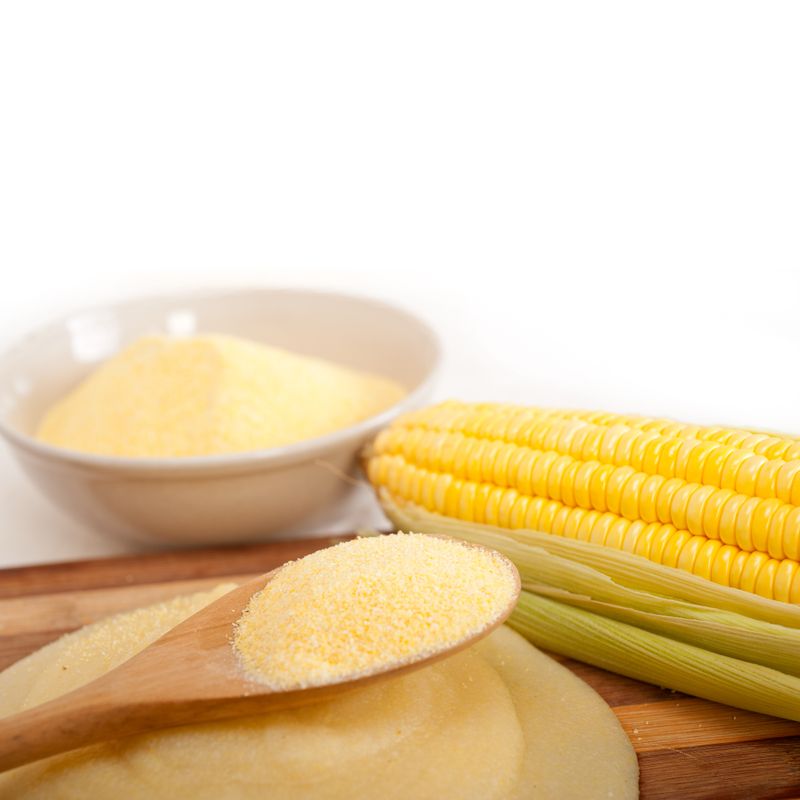
Stone-ground cornmeal and grits from local mills had texture and corn flavor that made every bite of cornbread, hush puppies, or breakfast grits memorable.
The coarser grind retained more of the corn’s natural oils and germ, creating products that tasted distinctly of corn rather than bland starch.
Small mills throughout Alabama once served their communities with products ground fresh weekly.
Industrial milling strips away the germ to extend shelf life, producing fine, uniform products that cook quickly but lack depth of flavor.
These mass-produced options dominate grocery shelves now, often the only choices available.
The difference in taste between stone-ground and industrial cornmeal is dramatic to anyone who’s experienced both.
Local mills have closed as equipment aged and customer bases shrank.
Operating a small grain mill requires maintenance expertise and consistent supply of quality corn, both increasingly difficult to maintain.
The slightly shorter shelf life of stone-ground products also creates challenges for stores focused on reducing waste.
Finding genuine stone-ground cornmeal or grits now means seeking out the few remaining mills or specialty retailers, a far cry from when every town had its own source.
10. Fresh Cracklin’s
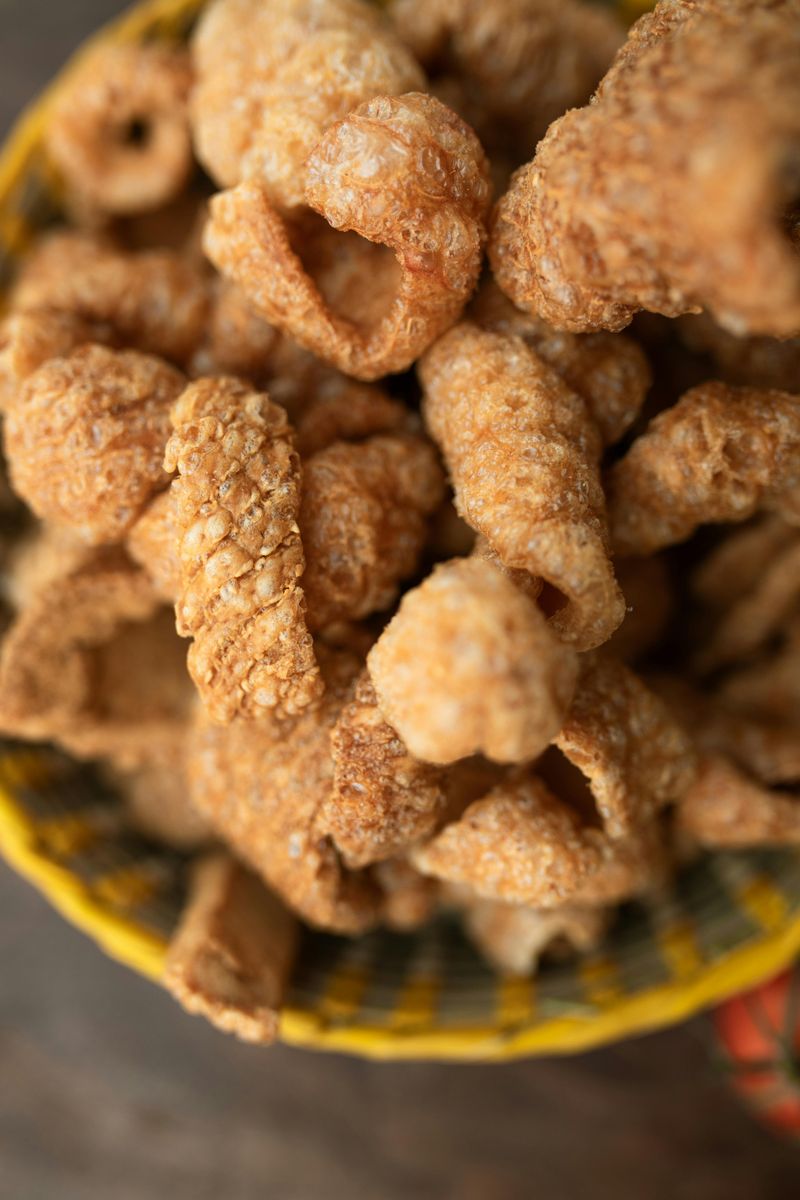
These crispy, fried pieces of pork skin with fat still attached were once a common snack and cooking ingredient throughout Alabama.
Made fresh at butcher shops and meat markets, cracklin’s had to be eaten within days while still crunchy.
They added incredible flavor and texture to cornbread when mixed into the batter before baking.
Health consciousness and changing tastes have reduced demand dramatically.
The high fat content and old-fashioned preparation methods don’t appeal to modern consumers focused on leaner proteins.
Butcher shops that made cracklin’s regularly have closed or stopped offering them due to lack of interest.
Most grocery stores never carried fresh cracklin’s, and the few that did have discontinued them.
Pre-packaged pork rinds in chip aisles are a distant relative but lack the fresh-made quality and the small bits of meat and fat that made real cracklin’s special.
The skill of rendering pork fat and frying the skins to perfect crispness without burning them is fading.
Older Alabamians remember the savory, rich flavor and how cracklin’ cornbread was a treat reserved for hog-killing time, a tradition that has largely disappeared from everyday life.
11. Blackstrap Molasses
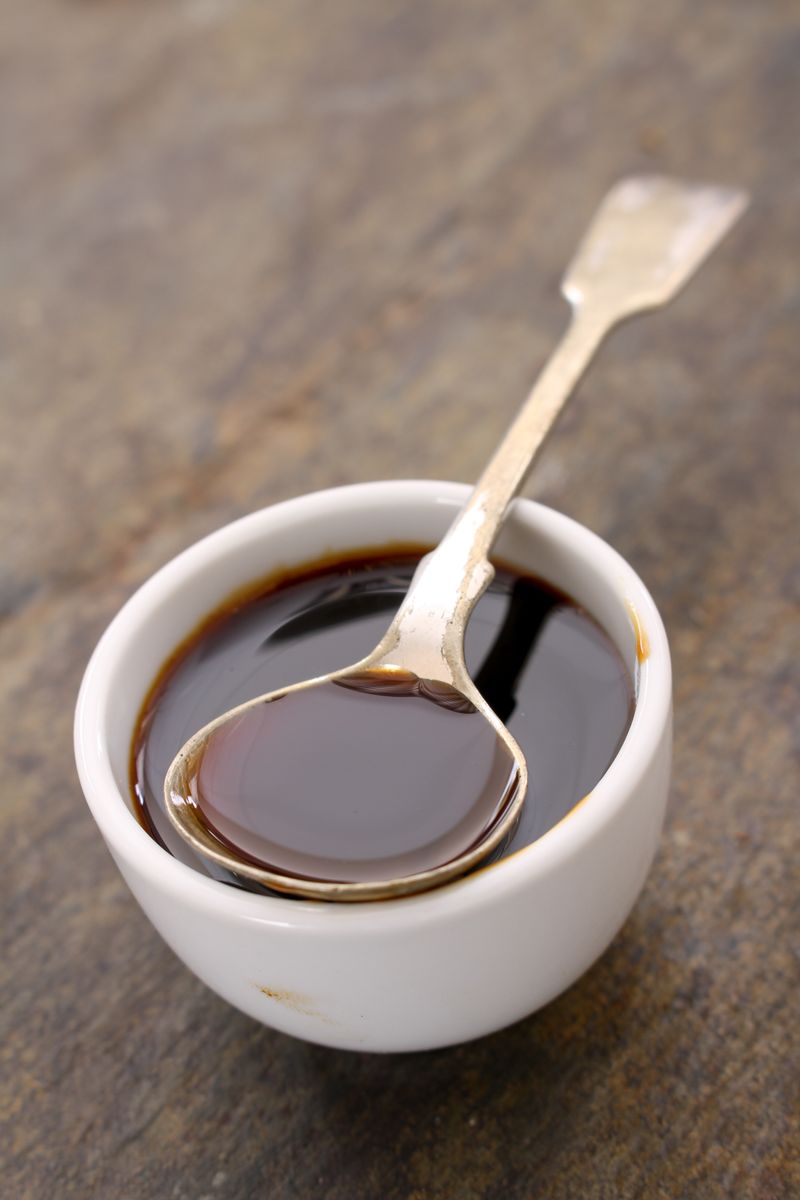
The darkest, most robust molasses variety, blackstrap is what remains after the third boiling of sugarcane juice.
Its strong, slightly bitter flavor and high mineral content made it valuable both as a baking ingredient and a folk remedy.
Older generations remember taking spoonfuls mixed with warm water as a tonic, and its distinctive taste defined certain gingerbread and cookie recipes.
Lighter molasses varieties and alternative sweeteners have pushed blackstrap to obscurity in most Alabama stores.
Its assertive flavor doesn’t suit modern preferences for milder, sweeter tastes.
The nutritional benefits – high iron and calcium content – go unrecognized by shoppers unfamiliar with the product.
Recipes handed down through families often call for blackstrap specifically, but finding it requires visiting health food stores or ordering online.
Regular grocery stores stock only lighter molasses if they carry any at all.
The thick, nearly black syrup with its complex, mineral-rich taste represents a flavor profile that’s fallen completely out of favor.
Baked goods made with blackstrap have depth and character that lighter sweeteners can’t provide, but that distinction matters only to those who remember the difference.
12. Chow-Chow Relish
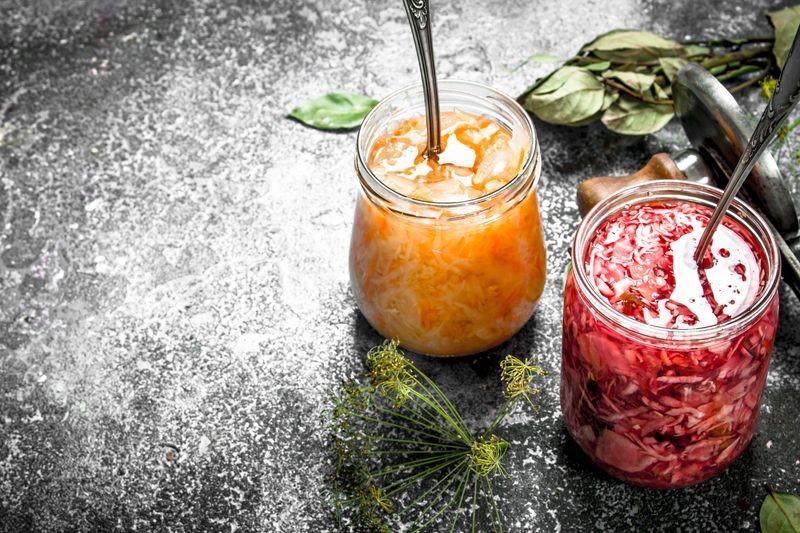
Grandmothers across Alabama used to keep jars of this tangy, colorful relish ready for nearly every meal.
The mix of cabbage, green tomatoes, bell peppers, and onions, all pickled together in a sweet-sour brine, brought brightness to everything from pinto beans to hot dogs.
Small-batch producers who once supplied local stores have struggled to compete with cheaper, blander condiments.
The labor-intensive process of chopping vegetables by hand and following old family recipes doesn’t fit modern mass production timelines.
Many elderly makers have retired without anyone to continue their craft.
Younger shoppers often bypass chow-chow entirely, unfamiliar with how to use it or what makes it special.
The few jars still available tend to sit in obscure corners of specialty sections, their bright colors fading as they wait for someone who remembers.
Finding authentic chow-chow now often requires visiting farmers markets or roadside stands rather than regular grocery aisles.