20 Classic Tennessee Dinner Traditions From The 1960s That Would Baffle Today’s Kids
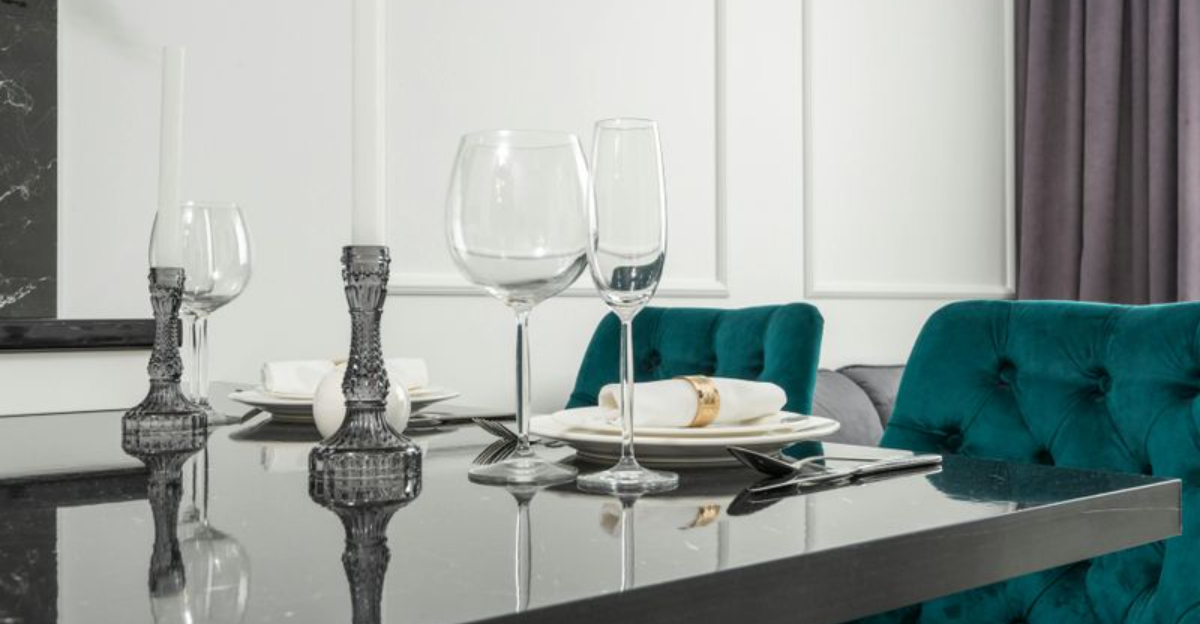
Dinner time was an entirely different experience in the past.
The table was set with formal precision, and the air was thick with the anticipation of a slow, deliberate meal.
Families gathered around hearty home-cooked dishes that had been carefully prepared over several hours, creating an atmosphere of tradition and respect.
In Tennessee, dinner wasn’t just about the food – it was about the ritual.
From gravies made with coffee to the strict rule that children remain silent until spoken to, mealtime reflected values of patience, discipline, and reverence that feel almost foreign today.
These practices, which once defined the dinner table, stand in stark contrast to the casual, fast-paced nature of modern family meals.
1. Red-Eye Gravy Made From Coffee
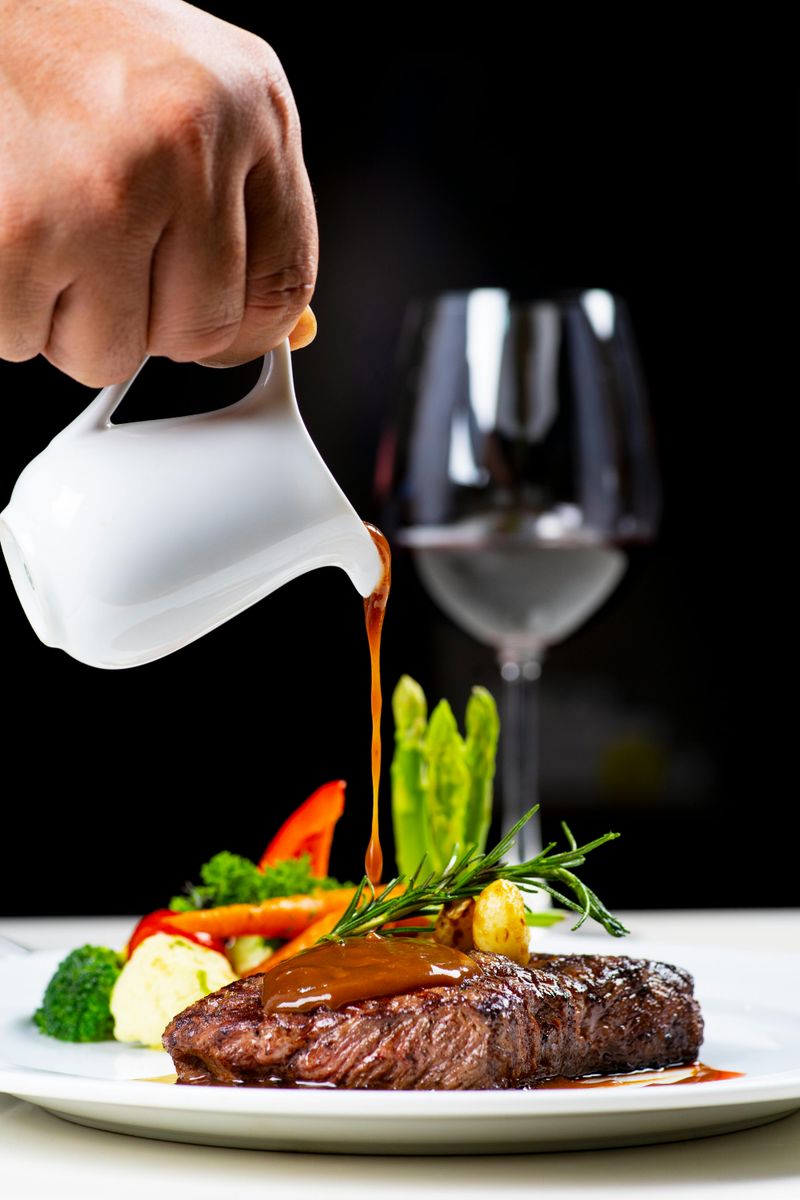
Country ham swimming in a thin, reddish-brown sauce made from ham drippings and black coffee was a breakfast-turned-dinner staple that most kids today would find completely baffling.
The gravy got its name from the circle of fat that floated on top, resembling a bloodshot eye staring back at diners.
Cooks would fry salt-cured ham slices until crispy, then deglaze the pan with strong black coffee, creating a slightly bitter, salty, and utterly unique sauce.
The combination of savory pork fat and bitter coffee created a flavor profile that was distinctly Southern and unapologetically bold.
Modern children accustomed to sweeter breakfast foods and milder dinner flavors would likely wrinkle their noses at this intensely flavored dish.
The very idea of coffee as a dinner ingredient rather than a morning beverage challenges contemporary assumptions about what belongs on the dinner table.
2. Sitting Silent Until Adults Finished Talking

Children were expected to remain absolutely silent at the dinner table unless directly addressed by an adult, a rule that would feel impossibly restrictive to today’s young people.
Speaking out of turn or interrupting adult conversation could result in being sent away from the table without finishing the meal.
This tradition emphasized respect for elders and taught patience, but it also meant that children’s voices, opinions, and daily experiences were often completely ignored during family meals.
Kids learned to eat quickly and quietly, waiting for permission to share anything about their day.
Modern family dinner experts now encourage conversation with children as essential for development and family bonding.
The 1960s approach of enforced silence feels almost oppressive by today’s standards, where parents actively ask questions and engage kids in mealtime discussions.
3. Jello Salads With Suspended Vegetables
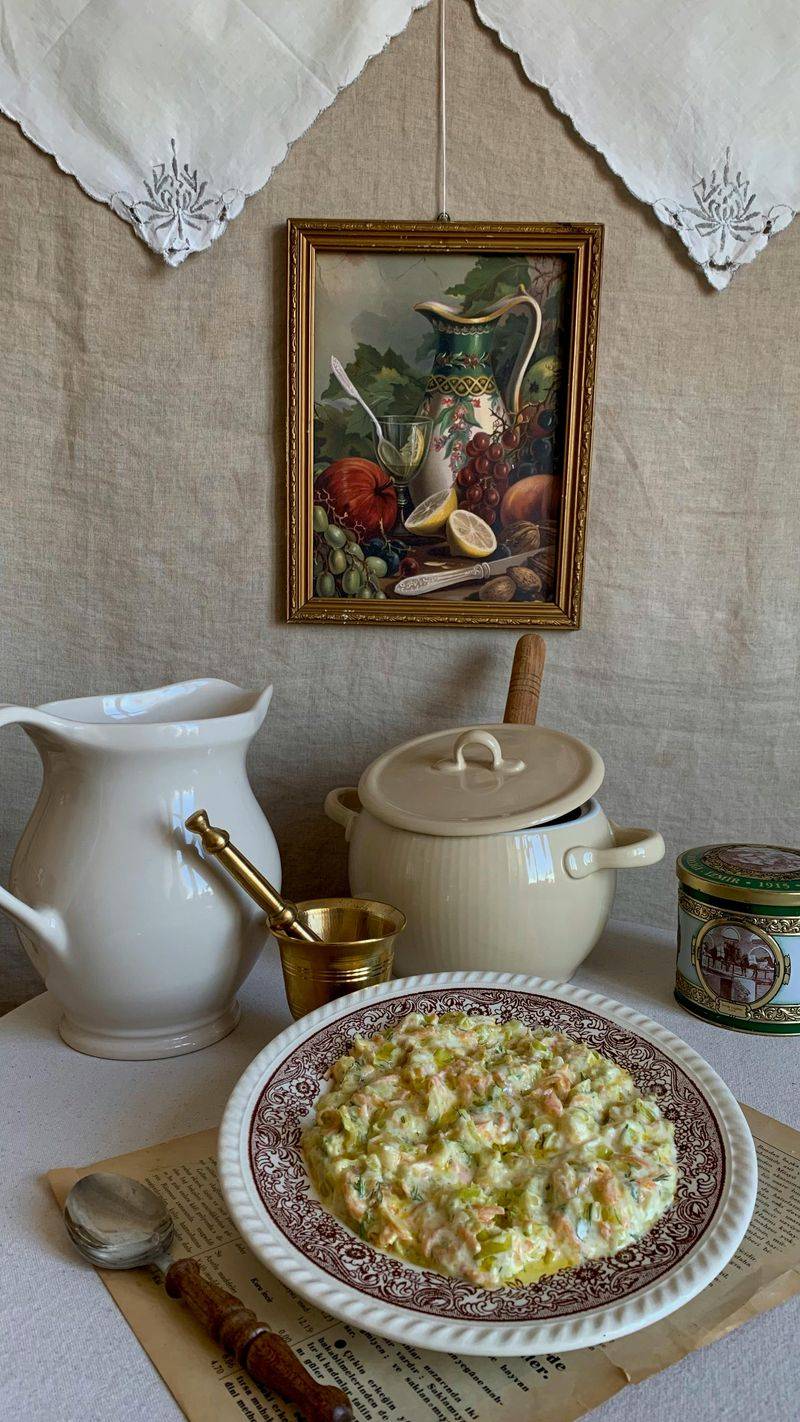
Shimmering gelatin molds filled with shredded carrots, celery, and sometimes even olives or cottage cheese appeared on Tennessee dinner tables as actual salad courses.
These wobbly, translucent creations were considered sophisticated and modern in the 1960s, showcasing the housewife’s creativity and skill with trendy ingredients.
Lime or lemon Jello provided the sweet base, while the vegetables added crunch and a savory element that created a confusing flavor combination.
Some versions included mayonnaise or cream cheese, making them even more perplexing to contemporary palates.
Today’s kids, accustomed to fresh green salads with ranch dressing, would be completely mystified by the concept of vegetables trapped in sweetened gelatin.
The texture alone – simultaneously jiggly and crunchy – would likely provoke bewilderment or outright refusal from modern children who expect their vegetables and desserts to remain in separate categories.
4. Waiting For Father To Take The First Bite

No one could touch their food until the father of the household had been served and taken his first bite, a tradition that reinforced patriarchal family structures.
Children would sit with hands folded, watching steam rise from their plates while waiting for permission to begin eating.
This ritual demonstrated respect for the family provider and established clear hierarchy at the dinner table.
Breaking this rule was considered deeply disrespectful and could result in punishment or being excused from the meal entirely.
Modern families typically encourage everyone to start eating together or even let hungry kids begin first, making the 1960s practice seem unnecessarily formal and outdated.
Today’s emphasis on equality and shared family experiences makes the idea of one person having such privileged status at meals feel uncomfortable and old-fashioned to contemporary children.
5. Fried Chicken Cooked In Lard
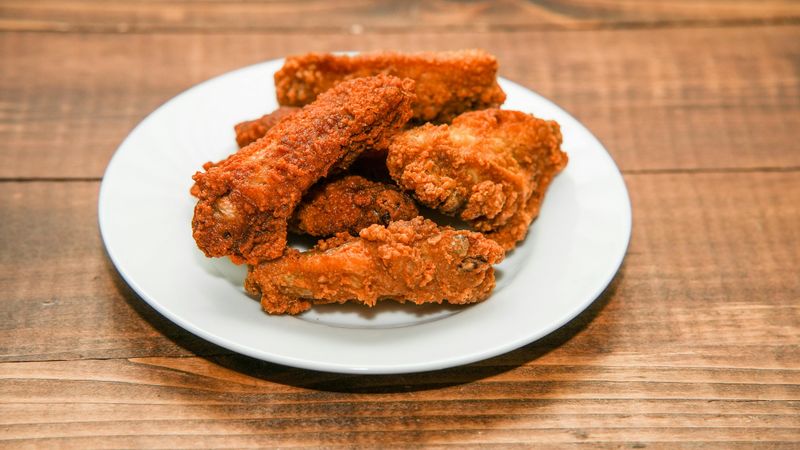
Golden, crispy fried chicken emerged from skillets filled with melted lard rather than the vegetable oils used today, creating an incredibly rich flavor that modern health-conscious families avoid.
Large tubs of white, solid lard sat in Tennessee pantries as essential cooking staples, used for everything from frying to baking.
The chicken would sizzle and pop in the hot animal fat, developing an incomparably crunchy crust and moist interior.
Families thought nothing of the saturated fat content, viewing lard as simply the best medium for achieving perfect fried foods.
Today’s kids, raised on concerns about cholesterol and heart health, would be shocked to learn that their grandparents regularly cooked in pure pork fat.
The very mention of lard often provokes disgust in modern children who have been taught to view it as unhealthy, despite its superior cooking properties for certain dishes.
6. Liver And Onions As Regular Fare
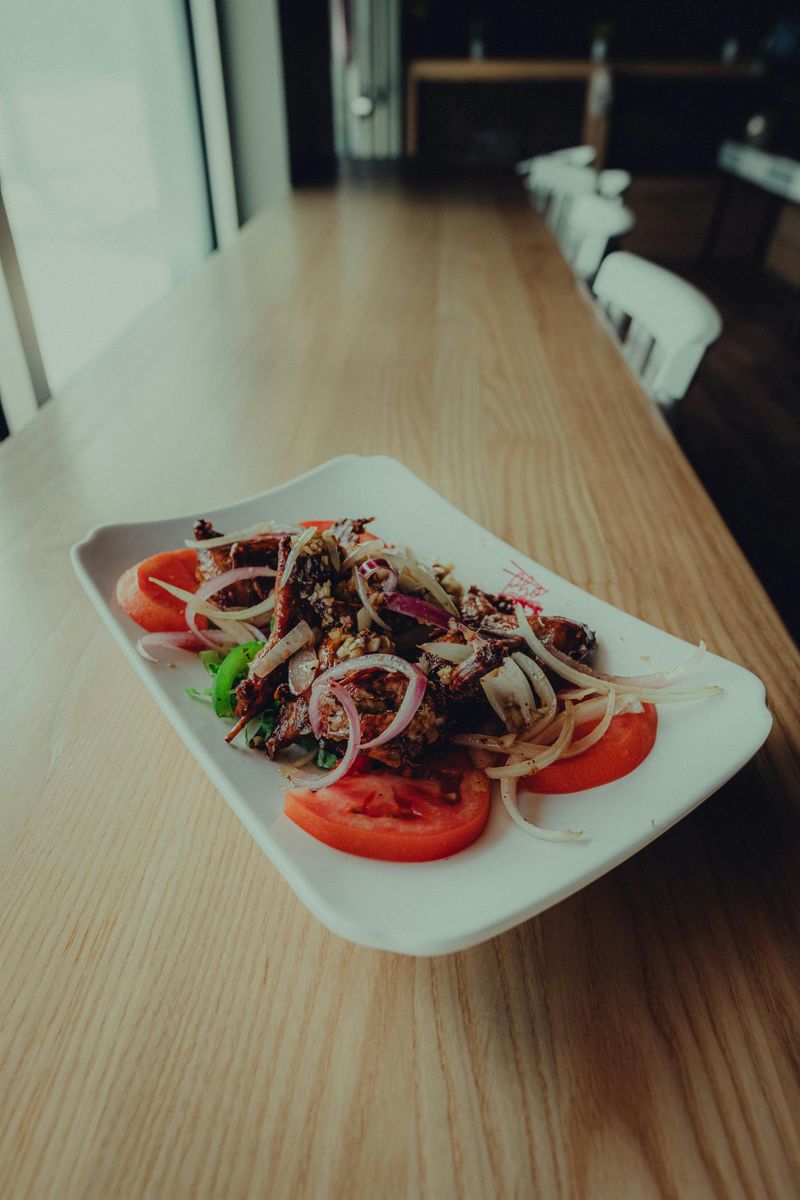
Beef or chicken liver appeared on Tennessee dinner plates at least once a week, pan-fried with onions until the edges crisped and the centers remained slightly pink.
Parents considered liver essential for growing children because of its high iron content, making it a non-negotiable part of the weekly menu rotation.
The strong, mineral taste and dense, grainy texture made liver one of the most despised foods among 1960s children, but refusing to eat it was rarely an option.
Mothers would insist that kids finish every bite, often keeping them at the table long after everyone else had been excused.
Modern children, who might go their entire childhoods without encountering organ meat, would be absolutely horrified by the requirement to regularly eat liver.
Contemporary parents rarely force kids to consume foods they genuinely dislike, and liver has largely disappeared from family dinner rotations except in the most traditional households.
7. Asking Permission To Leave The Table
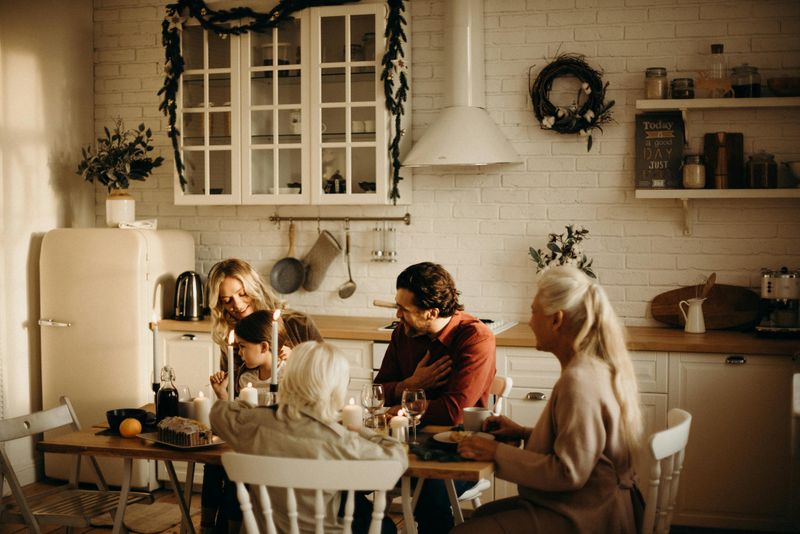
Children had to formally request permission before leaving the dinner table, even after finishing their meals, using the phrase ‘May I please be excused?’ in a polite tone.
Simply standing up and walking away would be considered shockingly rude and disrespectful, worthy of immediate correction or punishment.
This tradition taught manners and self-control, but it also meant that kids who finished eating quickly still had to sit and wait while adults lingered over coffee and conversation.
The requirement reinforced that children existed within a structured hierarchy with specific behavioral expectations.
Today’s kids, accustomed to more casual family dynamics and often eating while watching television or using devices, would find this level of formality completely foreign.
Modern parents typically allow children to leave when finished, especially if adults plan to continue talking, making the 1960s practice seem unnecessarily controlling by contemporary standards.
8. Creamed Chipped Beef On Toast
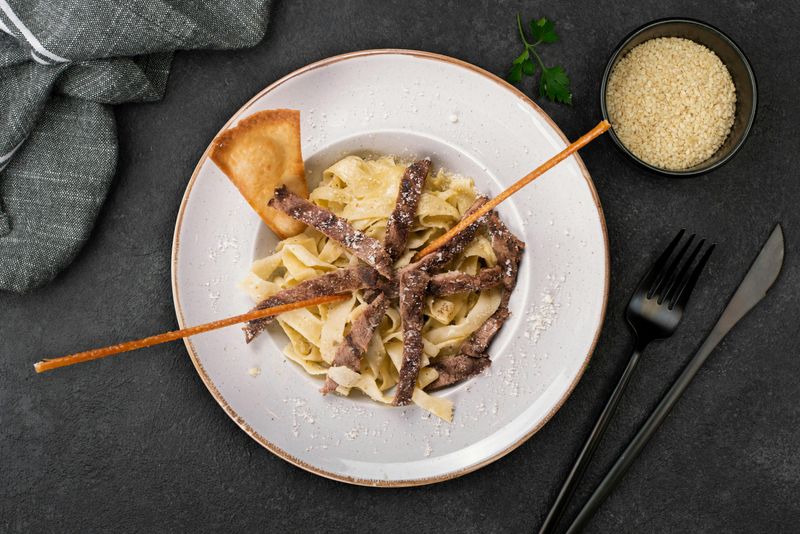
Dried, salted beef rehydrated and served in a thick white cream sauce over toast was affectionately known by its military nickname that can’t be printed in polite company.
This economical dish stretched expensive protein with inexpensive flour-thickened milk, making it popular among budget-conscious Tennessee families.
The beef came in glass jars, looking like thin, leathery brown strips that needed soaking to remove excess salt before cooking.
Mixed with a roux-based white sauce and ladled over plain toast, it created a filling, if somewhat unappetizing-looking, dinner.
Modern children, accustomed to fresh meats and colorful presentations, would likely be put off by the grayish-brown appearance and the concept of reconstituted dried meat.
The salty, creamy flavor and the soggy texture of sauce-soaked toast would seem more like cafeteria food gone wrong than an intentional family dinner to today’s young people.
9. No Snacking Before Dinner Rule
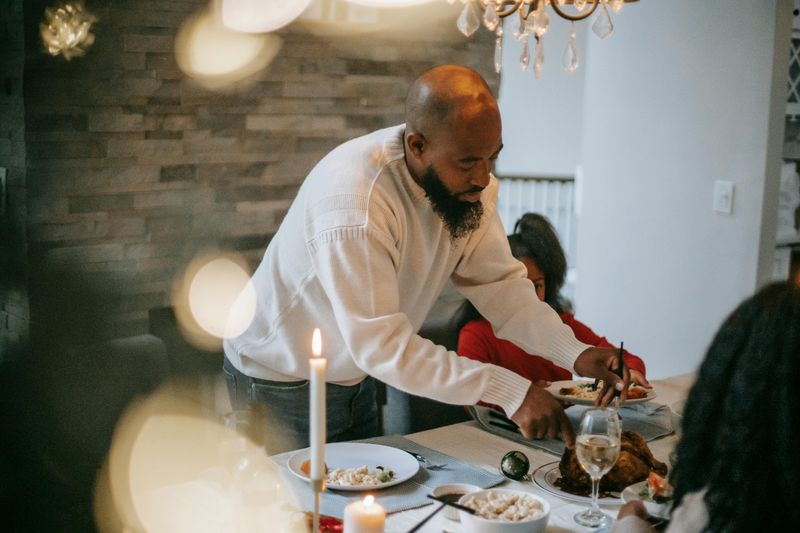
Eating anything within several hours of dinnertime was strictly forbidden, with mothers guarding pantries and cookie jars to ensure children arrived at the table with proper appetites.
Kids who complained of hunger between meals were told to wait, with no exceptions made for after-school activities or growth spurts.
This rule meant that children often came to dinner genuinely hungry, making them more willing to eat whatever was served without complaint.
Parents believed that snacking would ruin appetites and lead to wasted food and picky eating habits.
Today’s children, who often have access to snacks throughout the day and whose parents worry about blood sugar levels and energy for activities, would find this restriction incomprehensible.
Modern nutritionists actually recommend healthy snacks between meals for growing kids, making the 1960s approach seem outdated and potentially unhealthy by current standards of understanding childhood nutrition.
10. Tomato Aspic With Mayonnaise
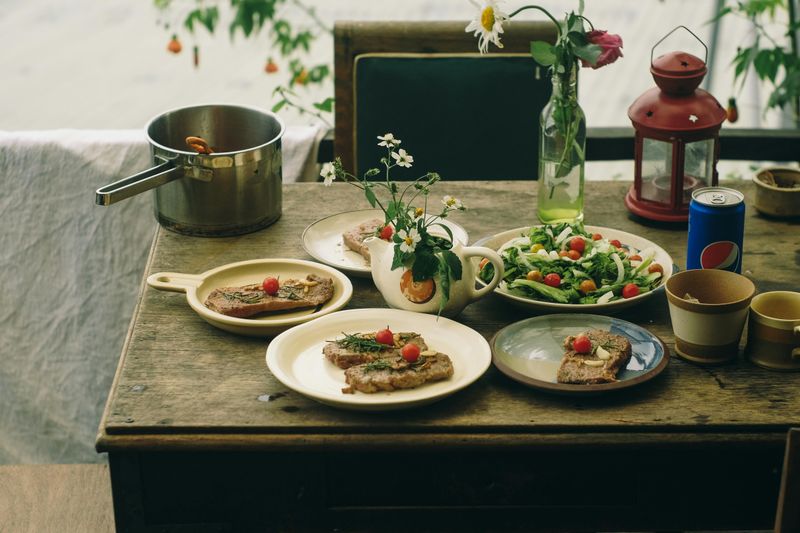
Savory tomato-flavored gelatin molded into ring shapes and served with a dollop of mayonnaise appeared as a side dish at Tennessee dinners, looking more like a science experiment than food.
The aspic contained tomato juice, gelatin, sometimes vegetables or seafood, and various seasonings, all suspended in a wobbly, translucent red mass.
Housewives considered aspics elegant and sophisticated, perfect for showing off special molds with decorative patterns.
The cold, slippery texture combined with the intense tomato flavor and creamy mayonnaise created a combination that was popular in the 1960s but seems utterly bizarre today.
Modern kids, who expect tomatoes to appear in salads, sauces, or sandwiches, would be completely baffled by tomato-flavored jello.
The concept of a cold, gelatinous tomato side dish topped with mayonnaise would likely provoke bewilderment or disgust from children accustomed to more straightforward vegetable preparations and clearer distinctions between sweet and savory foods.
11. Eating Everything On Your Plate
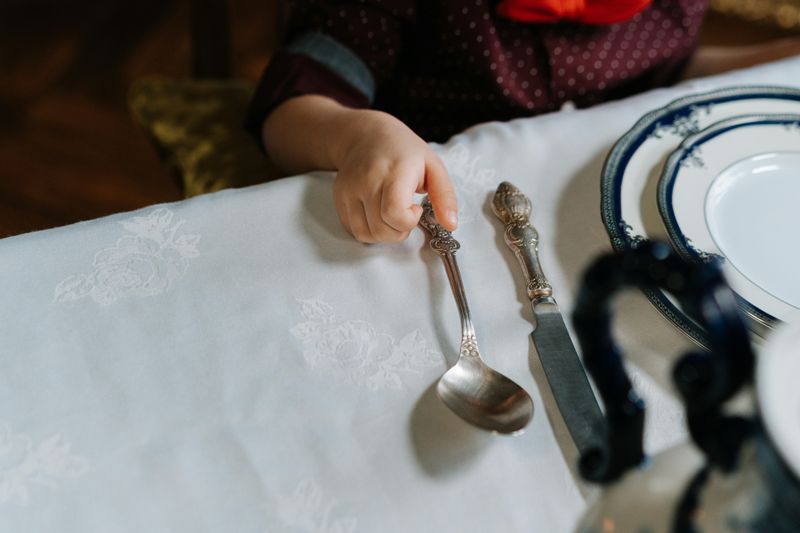
The ‘clean plate club’ was mandatory membership in 1960s Tennessee households, with children required to finish every morsel of food served regardless of portion size or personal preferences.
Parents invoked starving children in other countries as justification, making kids feel guilty about wasting any food.
Children who refused to finish their meals might sit at the table for hours or have the same plate presented to them at the next meal, cold and even less appetizing.
This approach was meant to teach gratitude and prevent waste, but it often resulted in tears and power struggles.
Today’s understanding of childhood nutrition emphasizes listening to hunger cues and respecting fullness, making the forced clean plate approach seem potentially harmful.
Modern kids, whose parents often allow them to stop eating when full and who understand that overeating can lead to unhealthy relationships with food, would find this rigid requirement both confusing and distressing.
12. Buttermilk As A Dinner Beverage

Thick, tangy buttermilk appeared in glasses alongside dinner plates as a regular beverage option, its sour taste and heavy texture considered refreshing and nutritious.
Tennessee families, especially those with rural roots, drank buttermilk with the same casualness that modern families drink juice or soda.
The cultured dairy product had a distinctive smell and a texture closer to thin yogurt than regular milk, with a sharp, acidic flavor that was an acquired taste.
Parents encouraged children to drink it for its probiotic benefits, though that terminology wasn’t used at the time.
Modern children, accustomed to sweet beverages like juice, chocolate milk, or soda, would likely gag at the sour taste and thick consistency of buttermilk.
The idea of drinking something that tastes slightly spoiled with dinner would seem like punishment rather than refreshment to kids raised on beverages specifically formulated to appeal to young palates with sweetness and familiar flavors.
13. Formal Table Settings For Everyday Meals
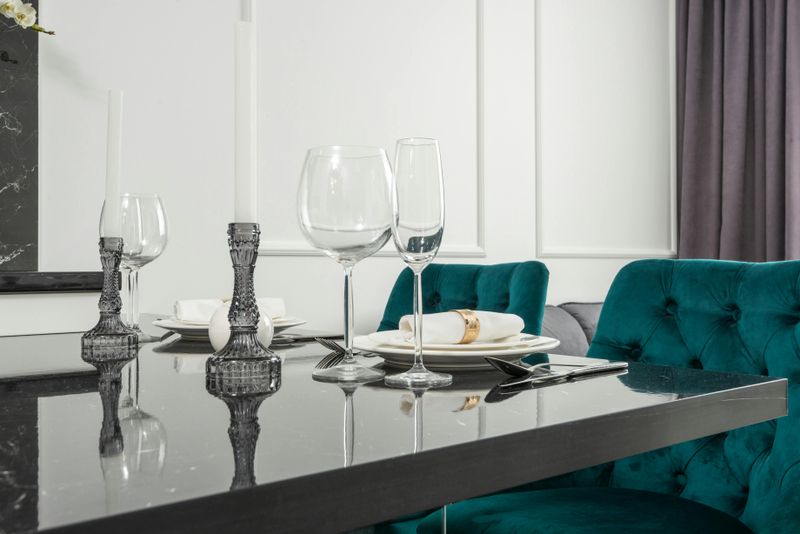
Even weeknight dinners required proper place settings with cloth napkins, correctly positioned silverware, and everyone seated in assigned chairs around the dining room table.
The kitchen table was for breakfast only; dinner was a formal affair that took place in the dining room with the good dishes.
Children learned which fork to use for salad versus the main course and how to properly place their napkin in their lap before eating.
Elbows on the table, reaching across someone’s plate, or improper utensil use would be immediately corrected.
Today’s families, who often eat in front of the television, at the kitchen counter, or even in separate rooms, would find this level of daily formality exhausting and unnecessary.
Modern kids who might use paper plates and plastic forks while eating on the couch would be completely mystified by the elaborate rituals surrounding simple weeknight meals in 1960s Tennessee homes.
14. Pork Brains And Eggs

Canned pork brains scrambled with eggs appeared as a protein-rich dinner option that was economical and considered perfectly normal in 1960s Tennessee households.
The brains came in small cans, looking pink and soft, with a creamy texture that became even softer when cooked with eggs.
Families viewed organ meats as valuable nutrition that shouldn’t go to waste, and brains were prized for their mild flavor and soft, custard-like consistency.
Scrambled with eggs and served with toast, this dish provided inexpensive protein during tight financial times.
Modern children, who might not even realize that brains are edible, would be absolutely horrified by the concept of eating any animal’s brain tissue.
The gross-out factor alone would make this dish impossible for most contemporary kids to even consider trying, and the very idea of canned brains in the pantry would seem like something from a horror movie rather than a normal dinner ingredient.
15. No Leaving the Table Until Everyone Finished
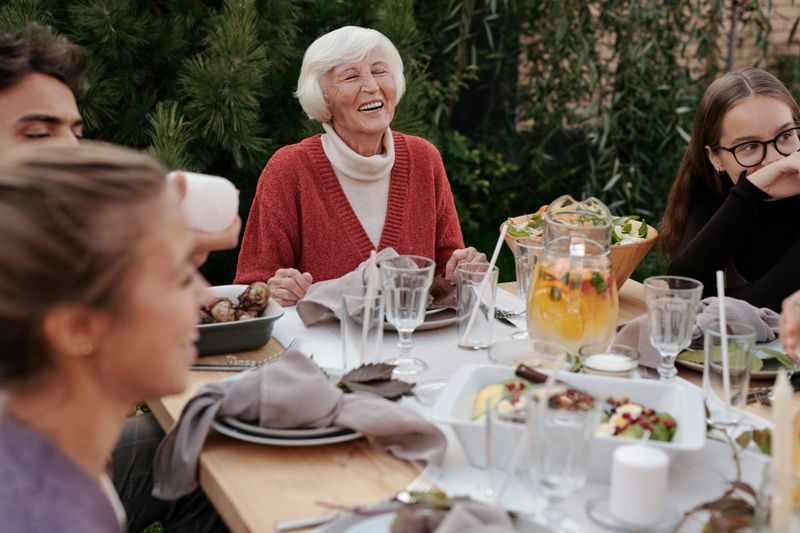
Fast eaters had to remain seated at the table until the slowest family member finished their last bite, a rule that taught patience but felt like torture to fidgety children.
Dinner could stretch for an hour or more as adults lingered over coffee and conversation while kids squirmed in their chairs.
This tradition emphasized family unity and the importance of shared meals as social experiences rather than just fuel stops.
Parents believed that staying together taught children that family time mattered more than individual convenience or desires.
Today’s kids, accustomed to grabbing food on the go and eating according to individual schedules, would find this requirement almost unbearable.
Modern families often struggle to have even one meal together per week, making the 1960s expectation of sitting through lengthy daily dinners seem impossibly time-consuming and impractical by contemporary standards where activities, homework, and screen time compete for attention.
16. Cornbread In Cast Iron Skillets

Every Tennessee dinner included cornbread baked in a seasoned cast iron skillet until the bottom formed a dark, crispy crust that contrasted with the tender, crumbly interior.
The skillet went directly from oven to table, arriving so hot it continued to sizzle, with butter melting instantly when spread on the steaming wedges.
Real cornbread contained no sugar, just cornmeal, buttermilk, eggs, and a little flour, creating a savory side dish rather than the cake-like sweet version popular today.
The cast iron imparted a distinctive flavor and texture that modern baking pans can’t replicate.
Today’s kids, accustomed to sweet, muffin-like cornbread from boxes or restaurants, would find authentic 1960s cornbread surprisingly plain and would likely request honey or jam to make it more palatable.
The concept of unsweetened bread and the ritualistic use of a specific pan for a specific food would seem quaint and unnecessarily complicated to modern children used to convenience foods.
17. Salmon Croquettes From Canned Fish
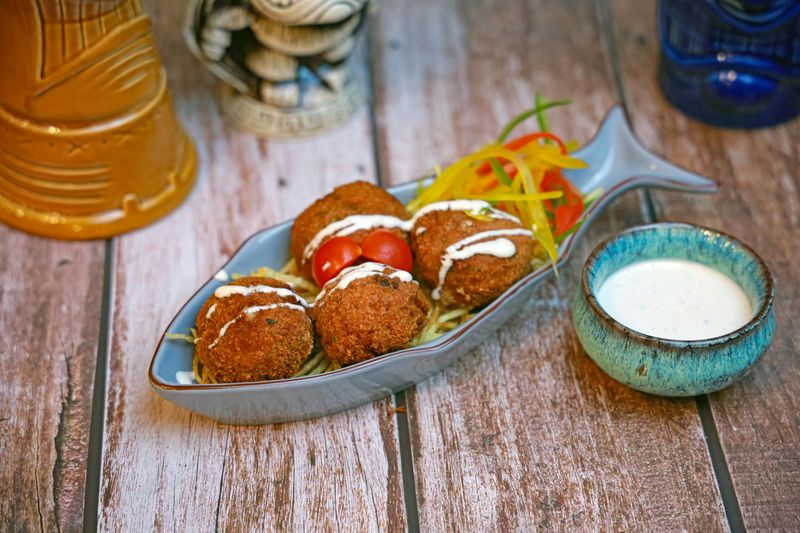
Patties made from canned salmon mixed with crackers, eggs, and onions, then fried until golden, appeared regularly as an economical fish dinner.
The canned salmon came with skin and soft bones still included, which mothers mashed into the mixture, assuring children that the bones provided valuable calcium.
The distinctive pink color and fishy aroma of the croquettes cooking filled the house, and the texture was simultaneously crispy outside and soft, flaky inside.
Served with tartar sauce or ketchup, they provided protein when fresh fish was unavailable or too expensive.
Modern kids, accustomed to fish sticks or fresh grilled fish fillets, would be put off by the concept of canned fish with bones and skin mixed in.
The strong smell and the knowledge that the main ingredient came from a can rather than fresh from the water would make this dish seem inferior and unappetizing to children raised with different expectations about seafood quality and presentation.
18. Milk Gravy Over Everything
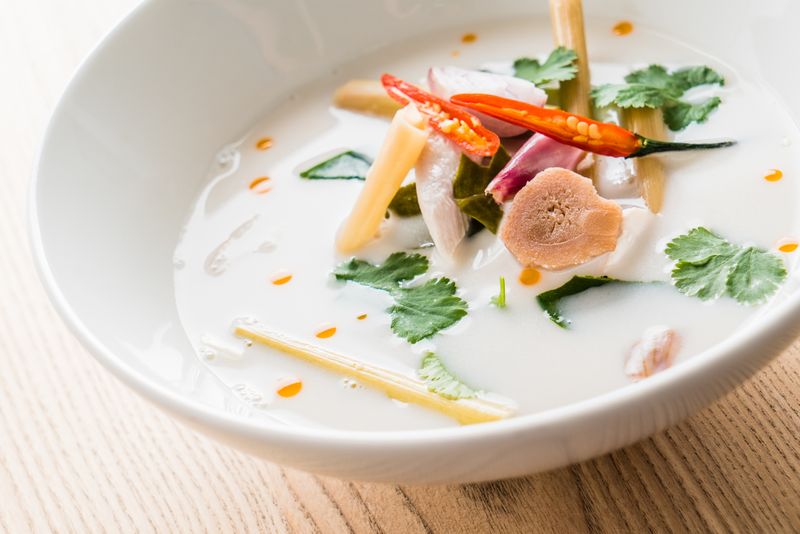
White gravy made from meat drippings, flour, and milk covered not just biscuits but also vegetables, potatoes, and even meat, appearing at nearly every Tennessee dinner.
Cooks would scrape up the browned bits from fried pork chops or chicken, add flour to make a roux, then thin it with milk until it reached the right creamy consistency.
The result was a thick, pale gravy with black pepper specks and bits of crispy meat particles throughout, providing rich flavor and extra calories.
Families poured it generously over everything on the plate, creating a unified, if somewhat monochromatic, meal.
Today’s kids, who expect their foods to remain separate and distinctly flavored, would likely object to having everything drowned in the same sauce.
Modern plating emphasizes individual components and varied colors, making the 1960s practice of covering an entire plate in white gravy seem visually unappealing and texturally monotonous to children accustomed to more diverse and colorful presentations.
19. Sunday Dinner At Noon Instead Of Evening

The biggest meal of the week happened at noon on Sunday immediately after church, not in the evening, with the entire extended family gathering around tables loaded with roast beef, multiple vegetable sides, and desserts.
Women would leave church services and rush home to finish preparing the elaborate meal that had been started before dawn.
This midday feast meant that families spent Sunday afternoons feeling stuffed and sleepy, often napping or sitting around talking rather than being active.
Evening would bring only light leftovers or sandwiches, as everyone was still full from the massive noon meal.
Modern kids, accustomed to lunch being a light meal and dinner being the main event, would find the timing completely backwards and confusing.
The idea of eating a huge, formal meal in the middle of the day and then having nothing substantial for evening dinner would disrupt contemporary family schedules built around school, activities, and work patterns that assume light midday eating and substantial evening meals.
20. No Talking With Food In Your Mouth
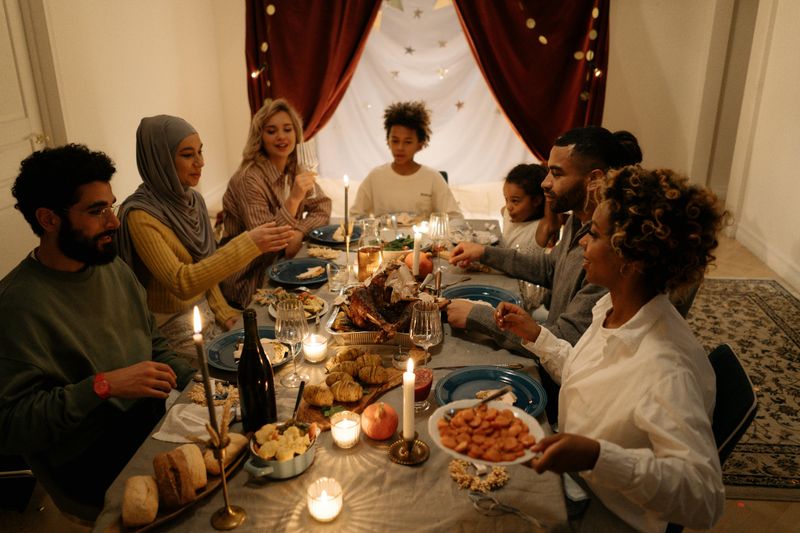
Speaking while chewing was absolutely forbidden and would result in immediate, sharp correction from parents who considered it one of the worst table manner violations.
Children learned to time their bites carefully during family conversations, ensuring they could swallow completely before contributing to the discussion.
This rule was enforced so strictly that kids would sometimes sit in silence for long stretches, unable to participate in conversations because they were still eating.
Parents viewed this as teaching proper etiquette and respect for others at the table who shouldn’t have to see partially chewed food.
While modern parents still discourage talking with a full mouth, the 1960s enforcement was far more rigid and the consequences more severe.
Today’s kids, who often eat while simultaneously talking, watching screens, or doing homework, would find the strict silence-while-chewing rule difficult to maintain.
They would likely forget and violate it frequently, leading to constant corrections that would make meals feel more like etiquette boot camp than family time.