8 Coastal Harbors, Marinas, And Bays On Washington’s Olympic Peninsula Near Spot Prawn Waters
When people picture Washington’s coastline, they often think of Seattle’s waterfront or the region’s larger ferry routes.
Further west, the Olympic Peninsula coast is quieter, with small harbors and sheltered bays.
This is also where some of Washington’s most well-known seafood traditions take place.
Spot prawns, found in deeper offshore and canal waters, are part of a seasonal fishery that connects these coastal communities to the broader Puget Sound ecosystem.
While not every location here is a major fishing port.
Each one sits close to waters where small-boat fishing, shellfish harvesting, and recreational crabbing are part of the local rhythm of life.
Together, they form a loose but meaningful network of access points along the peninsula’s complex coastline.
1. Port Townsend Boat Haven
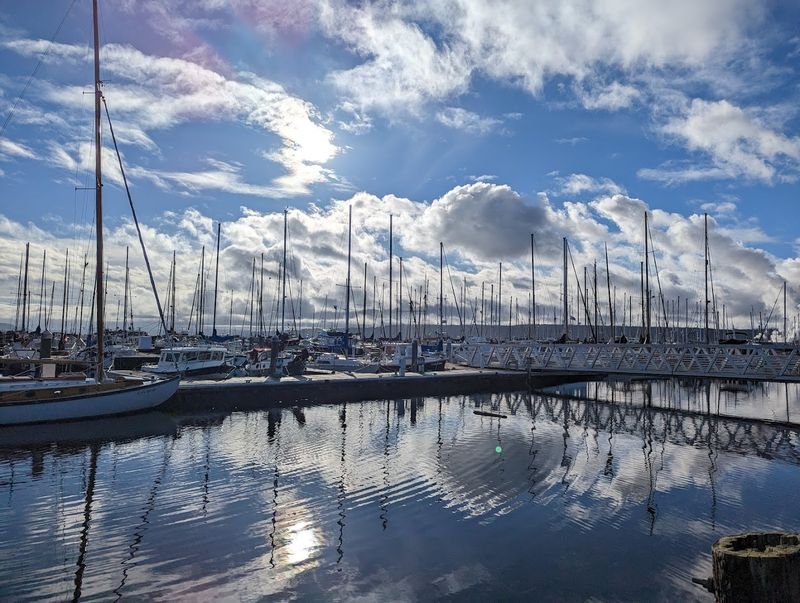
For anyone curious about the spot prawn trade on the northern Peninsula, Port Townsend Boat Haven is the kind of working waterfront that rewards a slow, curious walk along the docks.
On the northeastern tip of the Olympic Peninsula where Admiralty Inlet meets the Strait of Juan de Fuca, Port Townsend Boat Haven at 2601 Washington St carries the kind of salt-soaked character that only comes from centuries of maritime history.
This public marina serves as a critical regional gateway, connecting recreational boaters, ferry passengers, and fishing crews to the broader waterways of northern Puget Sound.
Spot prawn season draws serious attention here, with trappers launching into the cold, deep channels where prawns thrive in the submarine terrain below the inlet.
The Boat Haven is well-equipped, featuring fuel docks, haul-out facilities, and covered moorage that keeps working boats protected through the notoriously unpredictable Olympic Peninsula weather.
Port Townsend itself is a National Historic Landmark city, and its Victorian architecture along the bluff above the harbor creates a striking backdrop for any early-morning departure.
Local fishermen have long relied on the inlet’s depth and current patterns to set their prawn traps effectively, and the knowledge passed down through generations here is genuinely impressive.
The ferry connection to Keystone on Whidbey Island also makes this marina a busy hub, meaning the docks see constant movement throughout the season.
2. Port Angeles Boat Haven
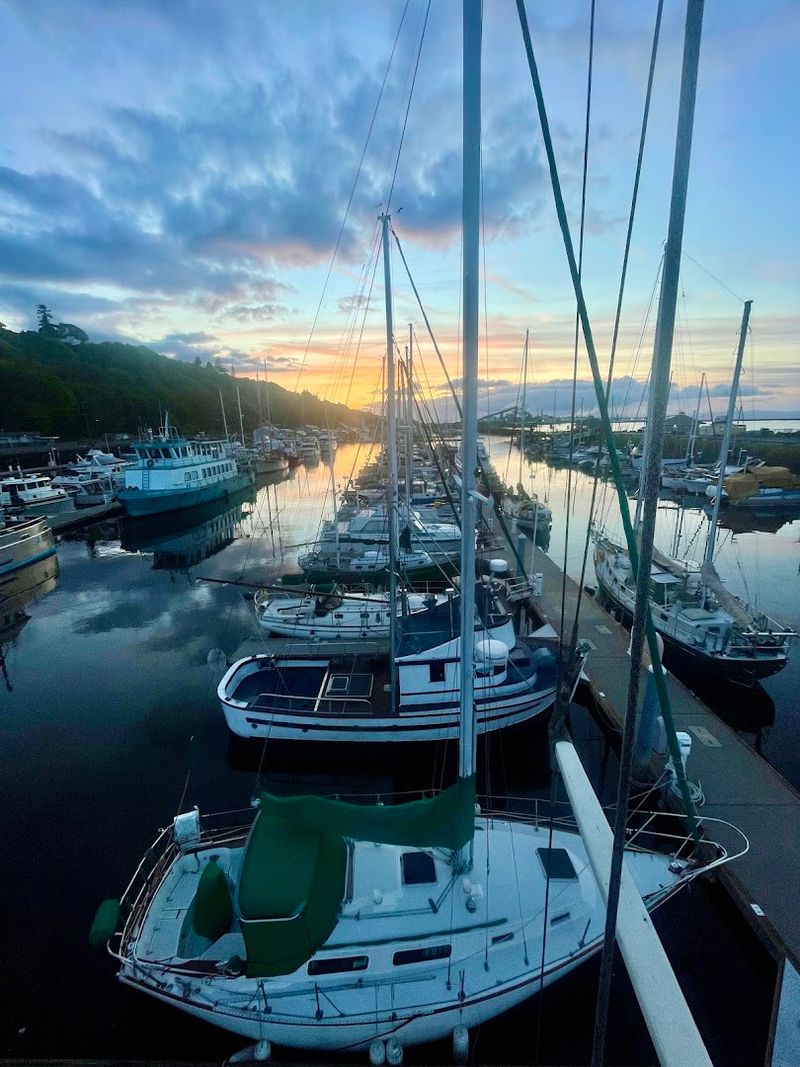
No other port on the Olympic Peninsula carries the same commercial weight as Port Angeles, and the Boat Haven at its core makes that authority immediately clear the moment you arrive at the waterfront.
This is the Peninsula’s primary working harbor, home to active fishing fleets, a Coast Guard station, shipping operations, and the Black Ball Ferry Line terminal that links Washington to Victoria, British Columbia.
Seafood from regional waters, including occasional spot prawn catches, may pass through this port during the spring fishing season.
The Boat Haven itself is a full-service marina, offering everything from fuel and pumpout stations to boat repair yards and long-term moorage, making it the most capable port facility in the entire region.
Port Angeles sits at 832 W Boathaven Dr, and on clear days the snow-capped peaks create a dramatic visual contrast against the industrial activity of the working harbor below.
The city has a population of roughly 20,000, making it the largest urban center on the Peninsula and a natural supply hub for fishing crews heading out into the strait.
Restaurants near the waterfront often feature locally caught spot prawns on seasonal menus, giving visitors a direct taste of what the harbor’s fishing community produces.
Port Angeles Boat Haven is the backbone of the Peninsula’s seafood economy, and its docks tell that story without needing a single word.
3. John Wayne Marina
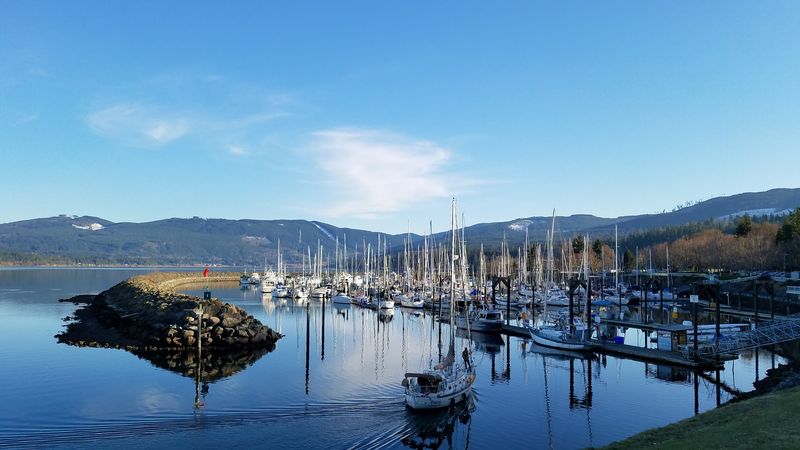
For someone new to spot prawn fishing on the Peninsula, the John Wayne Marina offers a gentler, more relaxed entry point than the busier commercial ports to the west.
John Wayne Marina earned its unusual name from the Hollywood legend himself, who helped develop the site in the 1970s after discovering the area during a sailing trip.
Today it serves primarily as a recreational boating hub, drawing pleasure craft, kayakers, and small-boat enthusiasts who appreciate the unusually calm anchorage that Sequim Bay naturally creates.
Sequim sits in a unique rain shadow produced by the Olympic Mountains, receiving far less annual rainfall than surrounding areas, which gives the bay a sunnier, more inviting character than much of the Peninsula.
Recreational fishermen may use the marina as a launching point for reaching deeper nearby waters where spot prawns can be found.
This marina at 2577 W Sequim Bay Rd features moorage for approximately 350 vessels, along with a boat launch ramp, restrooms, and a small waterfront park that makes the whole area feel genuinely welcoming.
Birdwatchers also love this bay, as the calm shallows attract herons, eagles, and seasonal shorebirds that patrol the eelgrass beds near the marina entrance.
Sequim Bay State Park sits nearby, adding camping and hiking options that make the area popular for multi-day boating and outdoor adventures.
4. Neah Bay Harbor
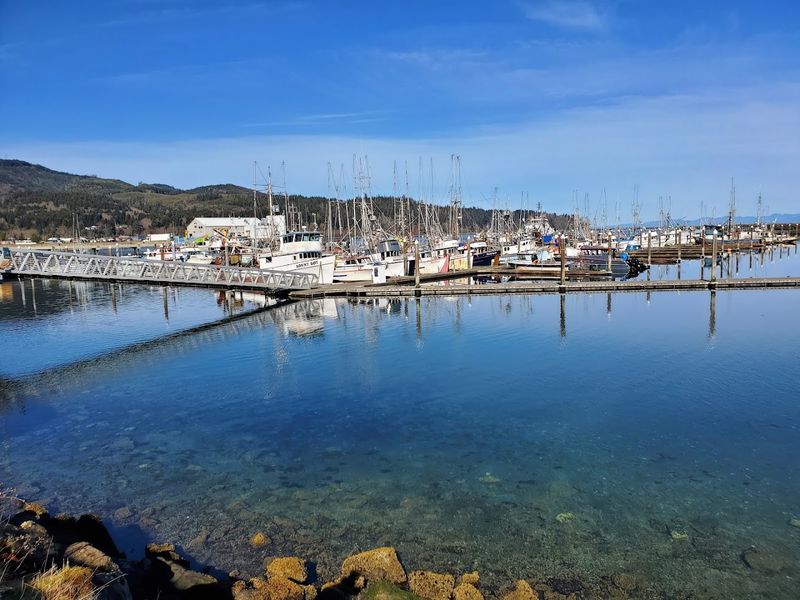
Standing at the far northwestern corner of the contiguous United States, Neah Bay Harbor occupies a geographic position that is as dramatic as it is strategically important for the spot prawn fishery.
Located on the sovereign lands of the Makah Tribe, this harbor serves fishing fleets and tribal maritime operations that have worked these waters for thousands of years, long before the concept of a “fishery” existed in any regulatory sense.
The Makah people have federally protected fishing rights in the Strait of Juan de Fuca and Pacific approaches, and their presence shapes every aspect of how this harbor operates and what it means to the regional seafood economy.
Deep offshore waters near Neah Bay support a variety of marine species, including spot prawns.
The harbor is small by most standards, but its infrastructure is purpose-built for working boats rather than luxury yachts, which gives it a raw, functional energy that feels honest and unfiltered.
Cape Flattery, the actual northwestern tip of the lower 48 states, sits just minutes away by road and offers one of the most stunning coastal views in the Pacific Northwest.
Storms roll in from the Pacific with serious force here, and the harbor’s protective breakwater is not just a convenience but a genuine necessity for survival at sea.
Neah Bay is the kind of harbor that reminds you fishing is real work, carried out in real weather, by people with real ancestral stakes in the outcome.
5. Sekiu Small Boat Harbor
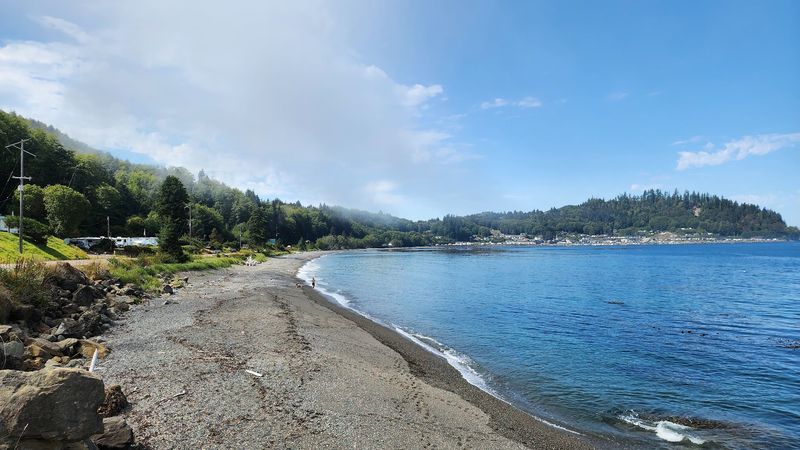
Sekiu may not appear on most tourist maps, but for anyone serious about Pacific Northwest seafood culture, this small harbor is a legitimate pilgrimage point.
Between the dense forests of Clallam County and the productive waters of the Strait of Juan de Fuca, Sekiu is one of those small harbor towns that punches well above its weight during fishing season.
Sekiu Small Boat Harbor serves as an active base for both commercial and recreational fishing operations, with charter boats and private vessels seeing increased activity during peak fishing seasons.
Sekiu and neighboring Clallam Bay form a tight-knit coastal community where nearly everyone has some connection to the water, whether through fishing, crabbing, or the marine services industry that supports working boats.
The strait corridor here supports a wide range of marine life and seasonal fisheries, shaped by deep underwater terrain and cold-water currents.
Summer weekends bring a noticeable surge in activity, with recreational fishermen arriving from as far as Seattle to try their luck with prawn traps in waters that locals have quietly relied on for generations.
The harbor’s infrastructure is modest, with basic moorage, a boat launch, and limited amenities, but that simplicity is part of its appeal for serious fishermen who prefer function over frills.
Halibut and salmon seasons also draw significant boat traffic here, meaning the harbor sees multiple fishing rushes throughout the year rather than relying on prawns alone.
6. Quilcene Bay
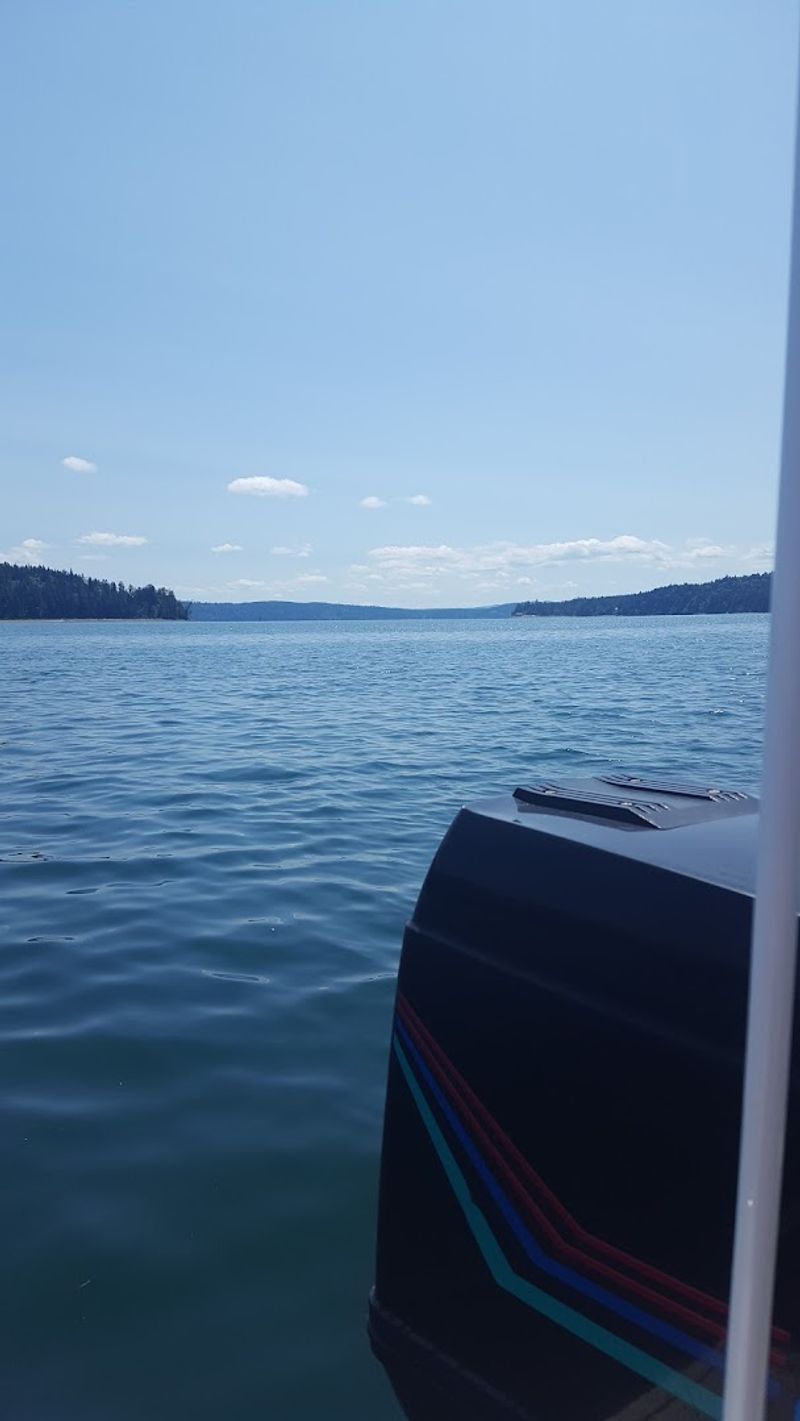
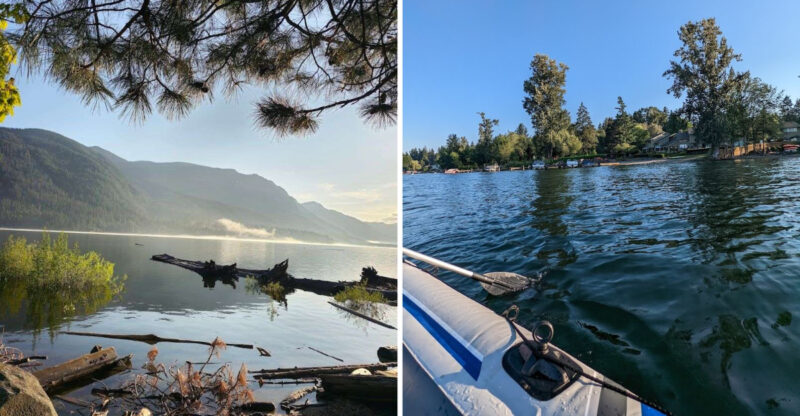
Arriving at Quilcene Bay on a still morning, with mist rising off the canal and eagles circling overhead, is the kind of experience that stays with you long after the drive home. You definitely have to experience it yourself!
Hood Canal has a personality entirely its own, and nowhere does that feel more apparent than along the quiet shoreline of Quilcene Bay, where the water runs deep green and the surrounding forest presses right down to the tide line.
Quilcene is not a formal port in the traditional sense, but rather a community waterfront access area where small boats launch for recreational outings, shellfish harvesting, and access to deeper sections of Hood Canal.
The area is perhaps best known for its oysters, as Quilcene Bay has been a productive shellfish farming location for well over a century, and that agricultural identity shapes how local residents think about the water.
Spot prawns occur in the deeper portions of Hood Canal, and fishermen launching from Quilcene may travel further into the canal to reach those deeper waters.
Infrastructure is minimal, consisting mainly of a public boat launch and limited parking, which keeps the area uncrowded and genuinely peaceful compared to the busier ports further west on the Peninsula.
The Olympic National Forest surrounds much of the Quilcene area, making the drive to the waterfront a scenic reward in itself, especially in autumn when the bigleaf maples turn brilliant gold.
Quilcene town itself is small and charming, with a post office, a few local businesses, and a community spirit that reflects the rural character of this corner of Jefferson County.
7. Hood Canal Marina
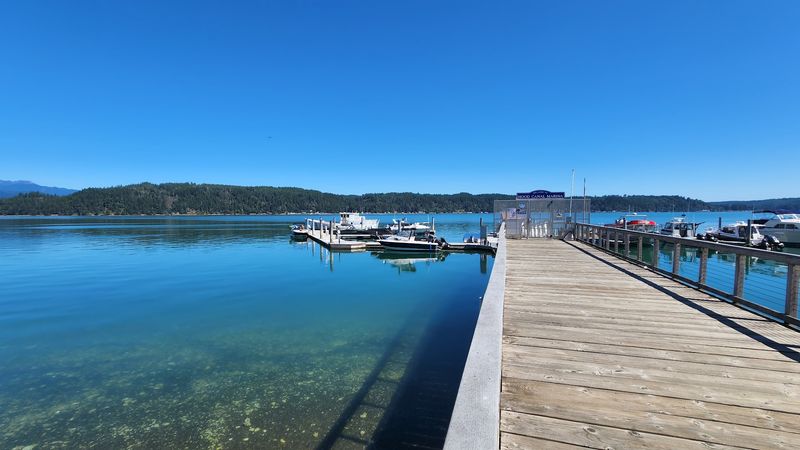
Who would’ve thought that Hood Canal has a way of making everything feel quieter, slower, and more intentional. Hoodsport’s marina at 5101 WA-106 captures that spirit completely.
Roughly halfway down Hood Canal, Hoodsport sits near deep waters where seasonal spot prawn fishing takes place in the canal’s oxygen-rich trench.
The marina here is small and community-oriented, catering primarily to private boat owners and seasonal recreational fishermen rather than commercial operations, which gives the whole waterfront a relaxed and unhurried atmosphere.
Hoodsport is probably best known among Washington outdoor enthusiasts for its proximity to Lake Cushman and the eastern trailheads of Olympic National Park, making it a multi-activity base for people who want both mountain and marine experiences in a single trip.
During spot prawn season, typically a brief and highly anticipated opening in spring, the marina and nearby boat launch areas see a dramatic spike in activity as fishermen arrive to set their traps in the deep water just offshore.
Hood Canal’s unique geography, a long glacial fjord, creates deep-water zones where seasonal marine species, including spot prawns, are found.
The town also hosts a small winery and several seafood-focused eateries, reflecting the local culture’s deep appreciation for what the canal produces.
Commercial port operations are nonexistent here, and that is entirely by design, as Hoodsport has always been a community built around seasonal recreation rather than industrial scale fishing.
8. Pleasant Harbor Marina
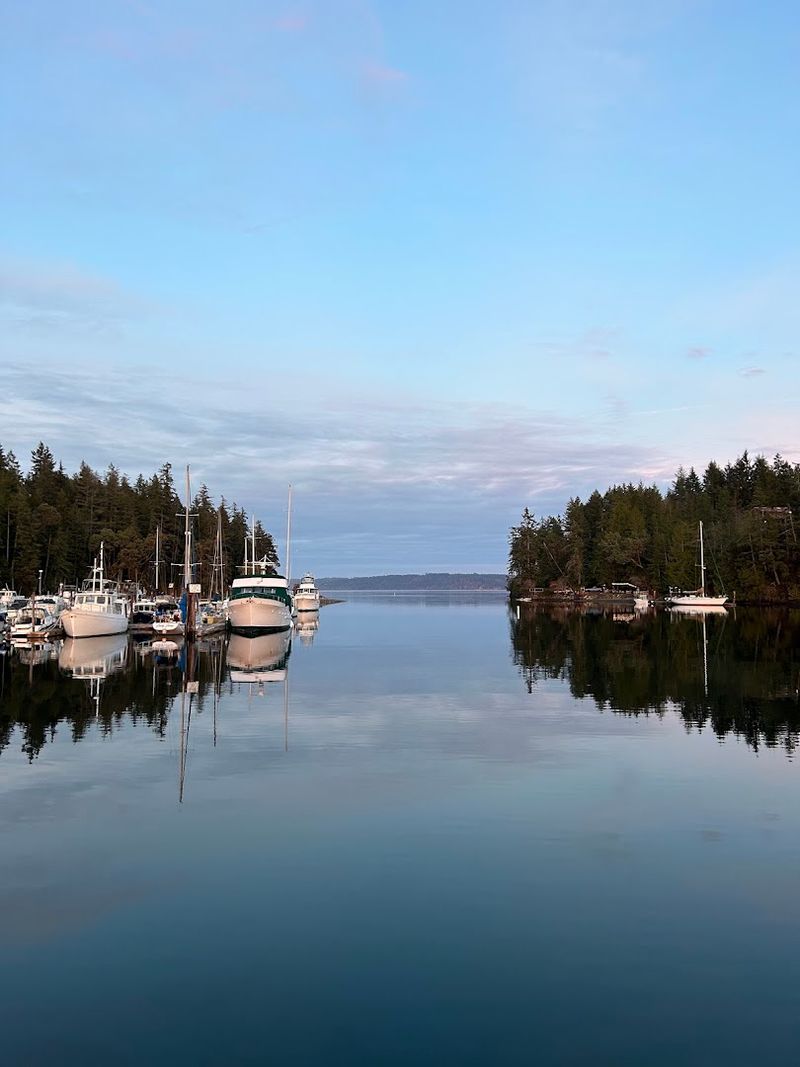
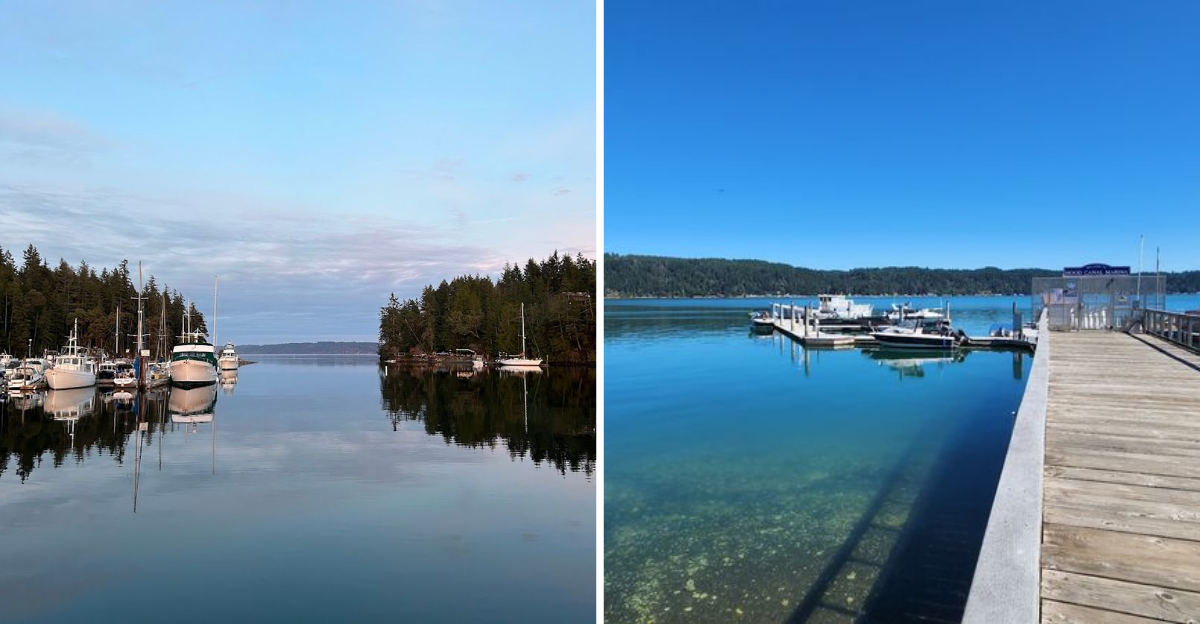
There is something almost secretive about Pleasant Harbor, tucked as it is into the southern reaches of Hood Canal near the small community of Brinnon. It’s surrounded by forest so dense that the marina feels like a discovery rather than a destination.
This protected natural harbor has long served recreational boaters, divers, and small-craft enthusiasts who appreciate the calm anchorage and the extraordinary underwater visibility that makes Hood Canal a legendary scuba diving location in Washington State.
Brinnon sits in Jefferson County along the eastern edge of the Olympic Peninsula, and the combination of forested hillsides, tidal flats, and deep canal water creates a habitat mosaic that supports an unusually rich variety of marine life.
Spot prawns occur in the deeper sections of Hood Canal beyond the immediate marina area, accessible to fishermen traveling further into the channel.
The marina at 308913 US-101 is modest itself, with moorage for small craft, basic services, and a layout that prioritizes natural character over commercial infrastructure, which suits the low-density, conservation-minded culture of the Brinnon area.
Dosewallips State Park lies just a short distance away, adding river access, camping, and estuary wildlife viewing to the list of reasons people make the trip to this quiet corner of the canal.
The forested shoreline around Pleasant Harbor has remained largely undeveloped, giving the area a preserved quality that becomes rarer every year along popular Pacific Northwest waterways.
Pleasant Harbor earns its name honestly, and for anyone who has spent time floating quietly on its glassy surface at sunrise, no further argument is needed.