18 Colorado Mountain Towns That Shine During Ski Season
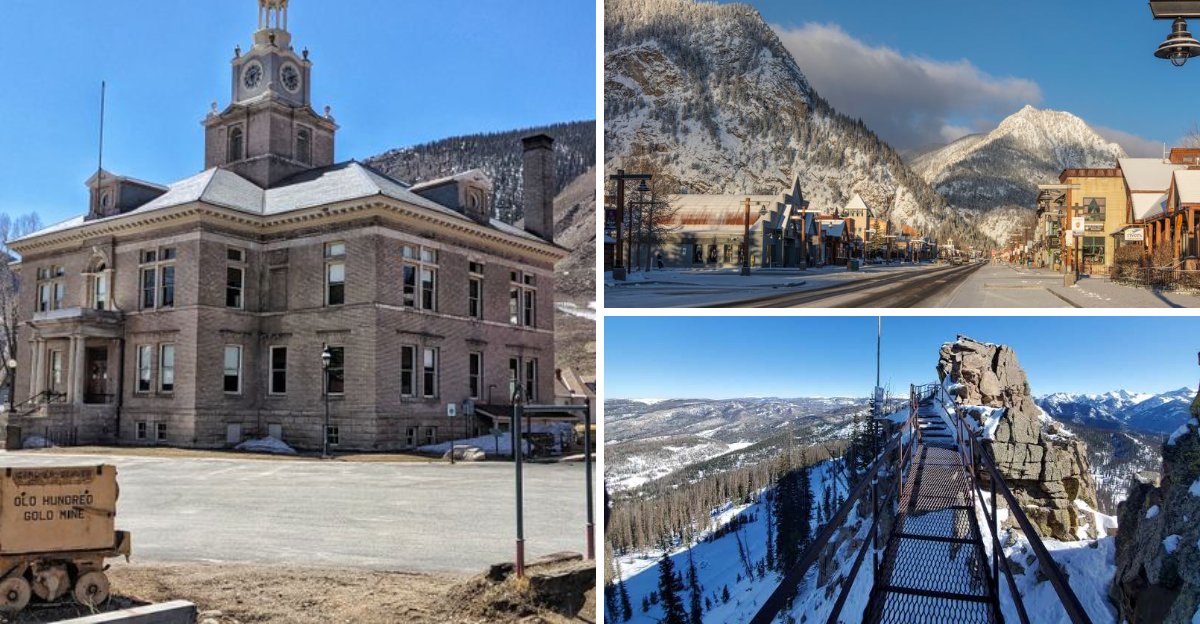
Winter transforms Colorado’s mountain towns into magical wonderlands where snow blankets peaks and adventure awaits around every corner.
These charming communities combine world-class skiing with unique local culture, creating unforgettable experiences for visitors of all ages.
From historic mining towns to modern alpine villages, each destination offers its own special flavor of mountain magic.
Whether you’re carving down powdery slopes or exploring cozy downtown streets, these towns showcase the very best of Colorado’s winter season.
1. Aspen
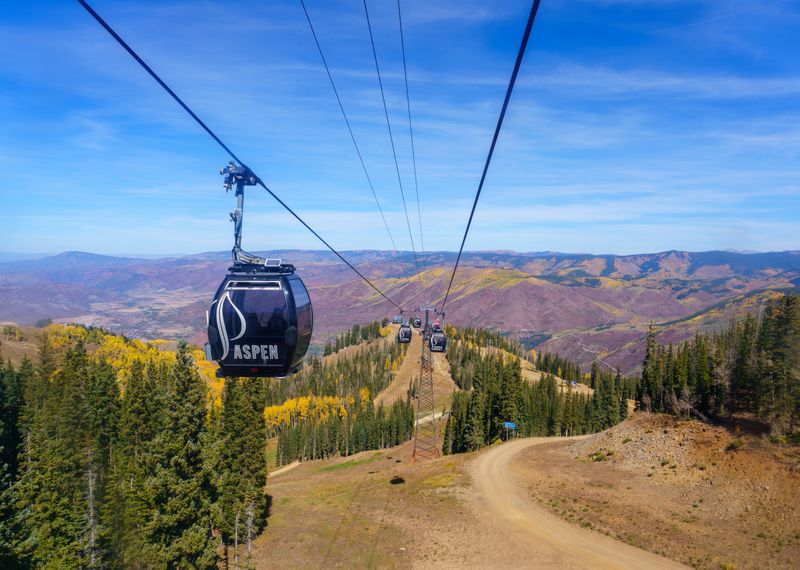
Four magnificent mountains surround this legendary destination, each offering unique terrain for winter enthusiasts.
Aspen transformed from silver mining hub to skiing paradise over the decades.
Visitors discover upscale boutiques and galleries lining the charming downtown streets near 130 South Galena Street.
Snowmass provides family-friendly runs while Aspen Highlands challenges expert skiers with steep terrain.
The town’s vibrant arts scene includes concerts and theater performances throughout the winter months.
Historic Victorian buildings house restaurants serving cuisine from around the globe.
Buttermilk Mountain hosts exciting terrain parks perfect for snowboarders and freestyle skiers.
Downtown shops near 520 East Durant Avenue offer everything from designer fashion to handcrafted souvenirs.
The pedestrian-friendly core makes exploring on foot delightful even in winter weather.
2. Breckenridge

Victorian architecture creates a storybook setting where history meets modern mountain adventure.
Breckenridge sits at 9,600 feet elevation, making it one of the highest towns in North America.
Main Street buzzes with energy as visitors explore shops and eateries near 150 West Adams Avenue.
Five peaks provide terrain ranging from gentle beginner slopes to challenging expert runs.
The historic district preserves buildings dating back to the 1880s gold rush era.
Families enjoy sledding hills and ice skating at the outdoor rink near 0150 West Adams Avenue.
Peak 8 offers the most accessible lifts while Peak 9 features classic intermediate cruisers.
Street performers and musicians add entertainment along the pedestrian walkways during busy weekends.
The town hosts festivals celebrating everything from snow sculpture to winter cuisine.
3. Crested Butte
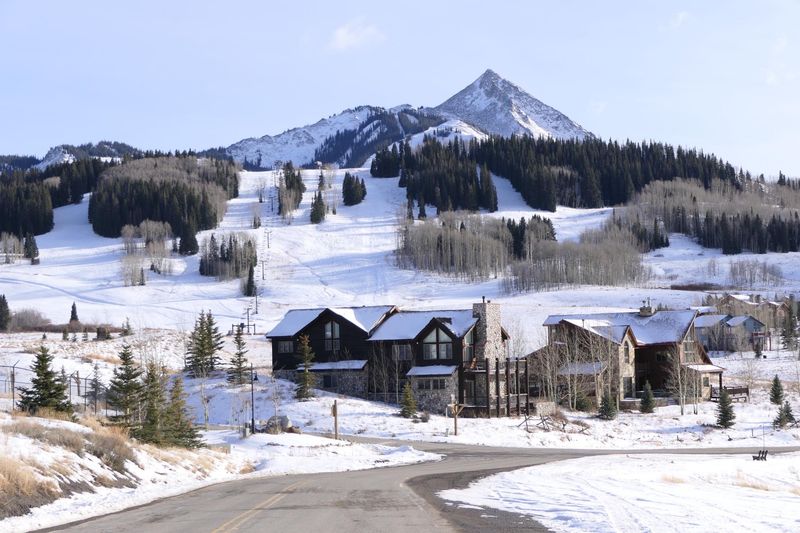
Wildflowers may define summer here, but winter brings a different kind of natural beauty.
Crested Butte earned the nickname ‘Last Great Colorado Ski Town’ for its authentic mountain character.
Elk Avenue features brightly painted buildings creating rainbow hues against white snow near Town Hall at 507 Maroon Avenue.
Expert skiers seek out the extreme terrain and steep chutes on the North Face.
The laid-back atmosphere contrasts with glitzier resort towns, attracting those seeking genuine mountain culture.
Local artists display their work in galleries clustered along the historic main drag.
Mountain biking trails transform into fat bike routes when snow covers the high country.
The free town bus connects the historic area with the mountain base at Mount Crested Butte.
Community events bring residents and visitors together for torchlight parades and quirky celebrations.
4. Telluride
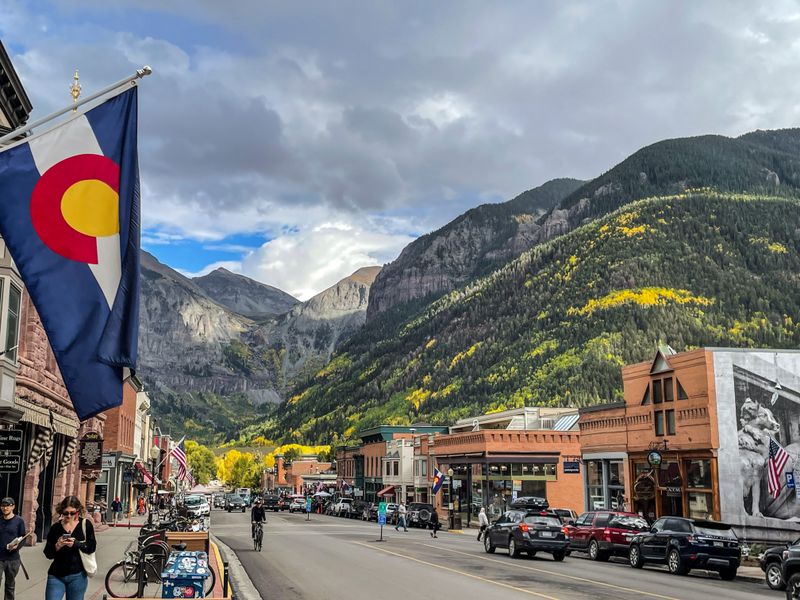
Dramatic cliffs create a natural amphitheater surrounding this isolated mountain gem.
Telluride sits at the end of a box canyon, accessible only by two winding mountain roads.
Colorado Avenue runs through the heart of town near 113 West Columbia Avenue where historic buildings stand preserved.
The free gondola connects the historic district to Mountain Village, offering spectacular aerial views.
Mining heritage remains visible in old structures and museums documenting the silver boom era.
Advanced skiers challenge themselves on steep runs like Spiral Stairs and The Plunge.
Boutique shops offer handcrafted jewelry and outdoor gear perfect for mountain living.
The compact downtown makes everything walkable, from restaurants to art galleries.
San Juan Mountains tower overhead, creating some of the most photographed scenery in Colorado.
Winter festivals celebrate film, music, and mountain culture throughout the season.
5. Steamboat Springs
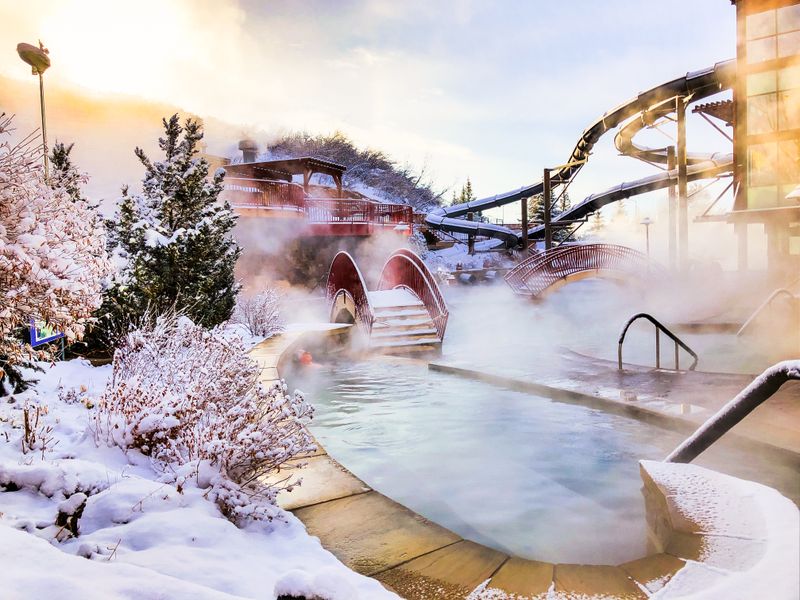
Champagne Powder snow falls lighter and drier here than almost anywhere else on Earth.
Steamboat Springs produced more Winter Olympians than any other town in North America.
Lincoln Avenue showcases Western heritage architecture near the historic courthouse at 137 10th Street.
Natural hot springs bubble throughout town, offering relaxation after long days on the slopes.
Cowboys and ranchers still work the surrounding valleys, maintaining authentic Western culture.
The ski area features over 2,900 acres of terrain spread across six peaks.
Tree skiing through aspen groves provides shelter on windy days while maintaining excellent snow quality.
Downtown restaurants serve hearty mountain fare alongside international cuisine options.
The Yampa River flows through town, its banks transformed into winter walking paths.
Local shops near 8th Street sell genuine Western wear alongside modern ski equipment.
6. Vail
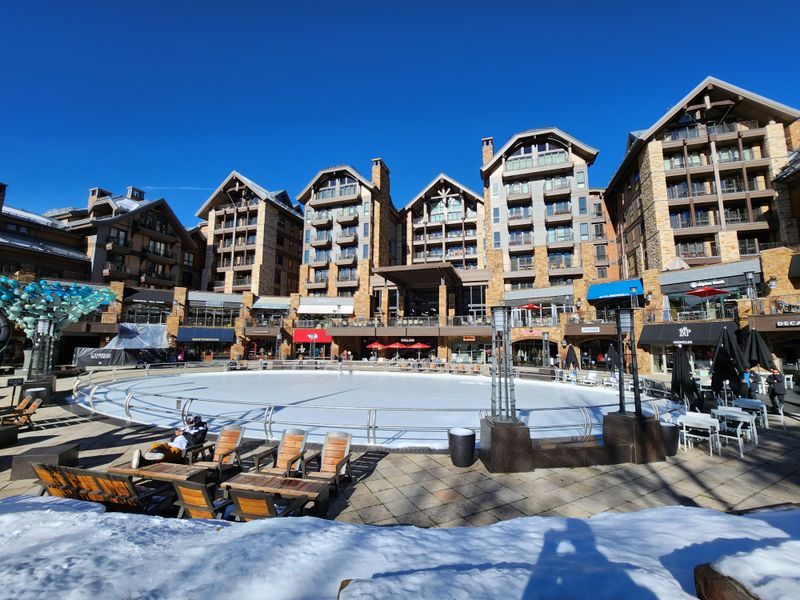
European-inspired architecture transports visitors to an alpine village without leaving North America.
Vail opened in 1962 and quickly grew into the largest single ski mountain in the United States.
Covered bridges and pedestrian plazas create a car-free village core near 241 East Meadow Drive.
Back Bowls offer expansive open skiing when conditions allow access to these legendary areas.
The town stretches for miles along Interstate 70, with different villages offering distinct personalities.
Lionshead Village provides family-friendly amenities and direct mountain access via modern gondolas.
High-end shopping rivals major cities, with designer boutiques lining the cobblestone streets.
Blue Sky Basin adds tree skiing and quieter slopes away from the main mountain crowds.
Ice skating rinks and holiday decorations transform the villages into winter wonderlands.
Restaurants near 122 East Meadow Drive serve everything from casual pizza to elegant fine dining.
7. Winter Park
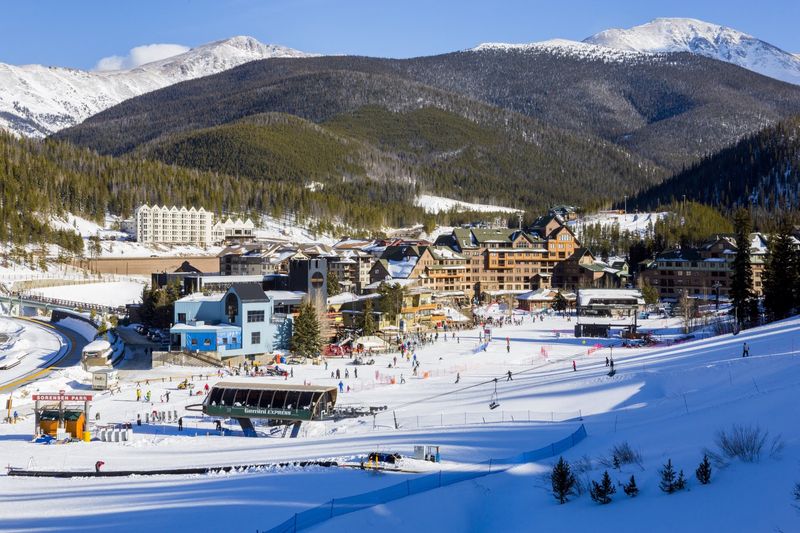
Denver residents consider this their home mountain, located just 67 miles from the city.
Winter Park Resort combines seven distinct territories across two interconnected mountains.
The base area near 85 Parsenn Road provides easy access to lifts serving beginner and intermediate terrain.
Mary Jane mountain earned fame for its legendary mogul runs and challenging expert slopes.
The town itself maintains a more relaxed, local vibe compared to glitzier resort destinations.
Families appreciate the affordable lodging options and genuine mountain town atmosphere.
The Fraser River winds through the valley, its frozen banks creating scenic winter landscapes.
Terrain parks feature jumps and rails designed for riders of all ability levels.
Local eateries near Highway 40 serve comfort food perfect for refueling after cold mountain days.
The historic train route from Denver once brought skiers directly to the slopes.
8. Ouray
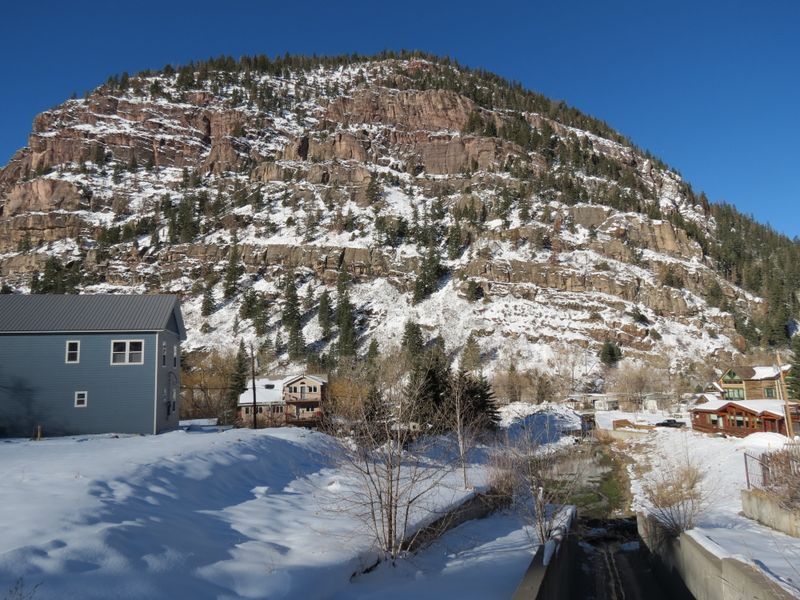
Towering peaks surround this tiny town, creating a fortress of stone and ice.
Ouray earned the nickname ‘Switzerland of America’ for its dramatic mountain setting.
Main Street follows the Uncompahgre River near the visitor center at 1230 Main Street.
Ice climbing attracts adventurers to the famous Ice Park, featuring frozen waterfalls and artificial ice walls.
Natural hot springs pools offer warmth and relaxation amid the winter chill.
Historic buildings from the mining era house shops selling local crafts and outdoor gear.
The town population barely exceeds 1,000 residents, maintaining an intimate small-town feel.
Million Dollar Highway winds south toward Silverton, offering breathtaking but nerve-wracking winter drives.
Box canyon waterfalls freeze into spectacular ice formations visible from viewing platforms.
Restaurants near 6th Avenue serve hearty meals in cozy settings perfect for winter evenings.
9. Durango
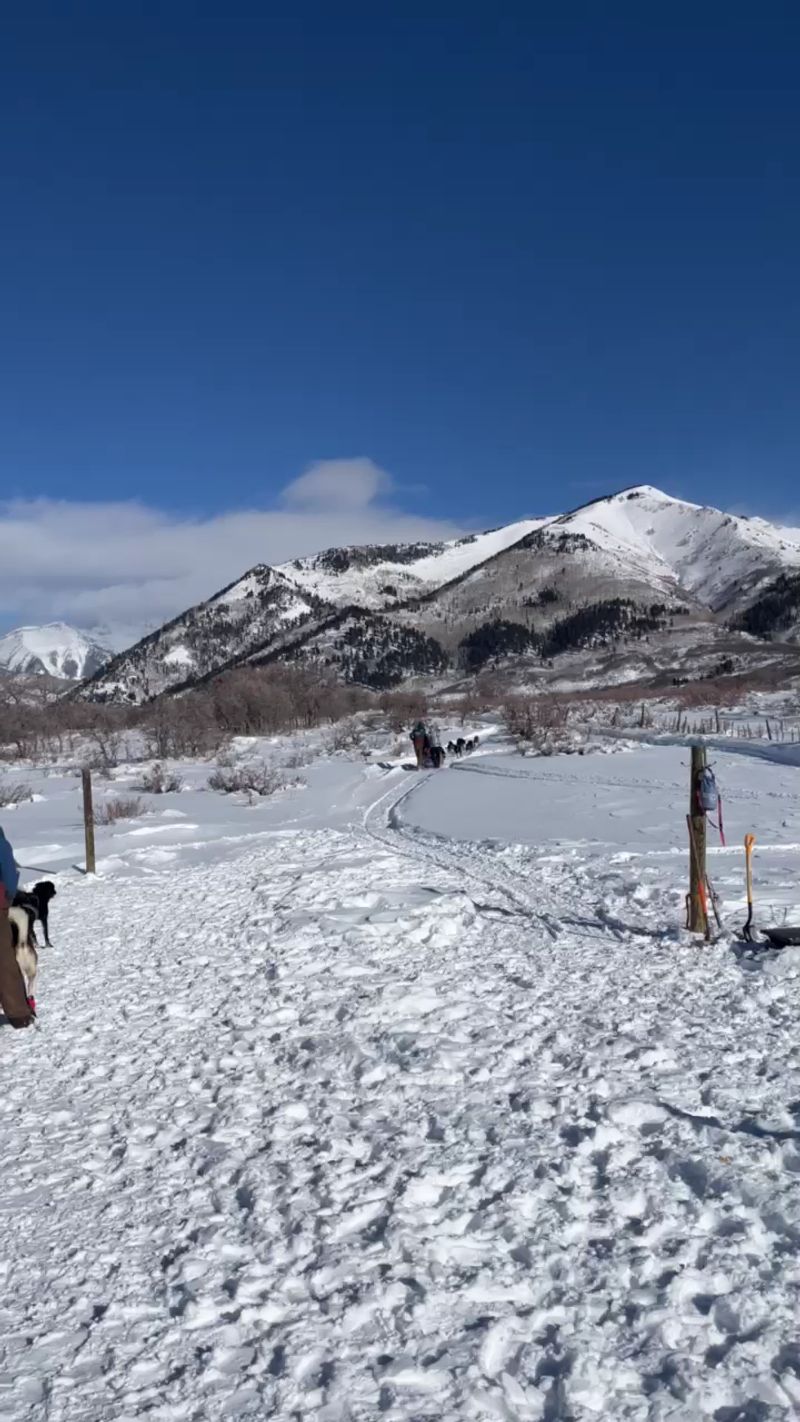
Victorian charm meets Southwestern culture in this unique mountain town.
Durango serves as the gateway to Purgatory Resort, located 25 miles north up Highway 550.
Main Avenue bustles with activity near the historic Strater Hotel at 699 Main Avenue.
The Durango & Silverton Narrow Gauge Railroad operates winter excursions through snowy San Juan forests.
College students from Fort Lewis College add youthful energy to the town atmosphere.
Animas River flows through downtown, its banks lined with walking paths maintained year-round.
Purgatory offers excellent tree skiing and terrain suitable for all ability levels.
Local breweries and restaurants reflect both mountain and Southwestern culinary traditions.
The town sits at a lower elevation than many ski destinations, offering milder winter temperatures.
Shops near 8th Street sell everything from Western wear to modern outdoor equipment.
10. Silverton
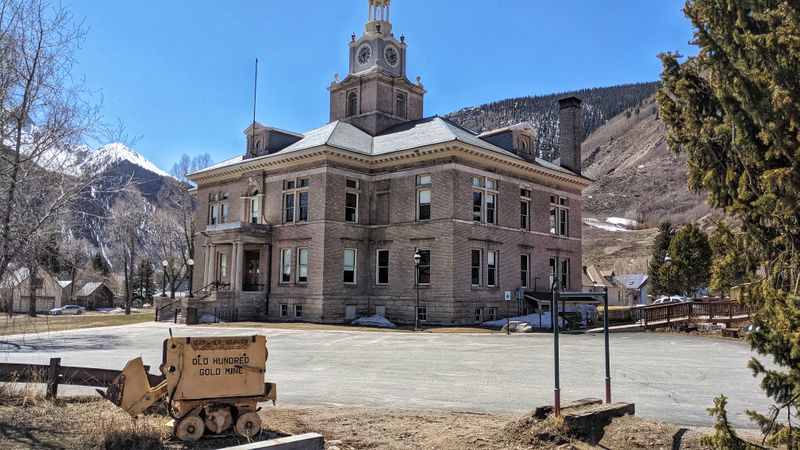
Remote and rugged, this tiny town offers extreme skiing for adventurous souls.
Silverton Mountain operates as a guided-only ski area, limiting crowds and maintaining wild terrain.
Greene Street preserves authentic Old West buildings near the San Juan County Courthouse at 1309 Greene Street.
The town sits at 9,318 feet elevation, ensuring cold temperatures and excellent snow quality.
Only about 600 hardy residents call Silverton home during the long winter months.
Historic hotels and saloons transport visitors back to the mining boom era.
Expert skiers and snowboarders seek the challenging terrain accessible only by snowcat or hiking.
The dramatic alpine setting features peaks rising over 13,000 feet in every direction.
Blair Street once hosted the red light district, now lined with shops and restaurants.
Winter visitors experience genuine solitude and untouched mountain wilderness.
11. Estes Park
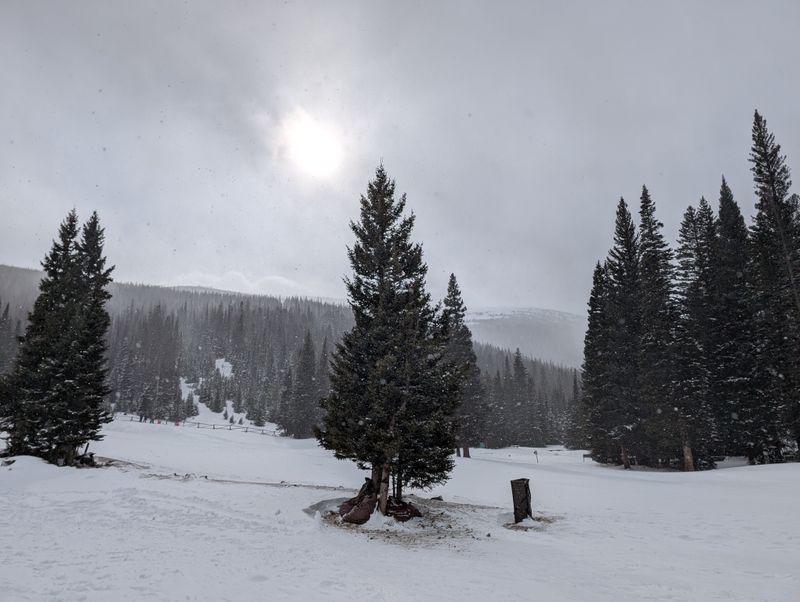
Majestic elk wander downtown streets, creating unexpected wildlife encounters steps from shops.
Estes Park serves as the gateway to Rocky Mountain National Park’s winter wonderland.
Elkhorn Avenue runs through the commercial district near the Stanley Hotel at 333 Wonderview Avenue.
The town offers no downhill skiing but provides excellent snowshoeing and cross-country opportunities.
Trail Ridge Road closes in winter, but lower elevation trails remain accessible for winter hiking.
The Stanley Hotel inspired Stephen King’s famous novel, offering tours year-round.
Downtown shops sell rustic mountain decor, taffy, and outdoor gear near the Riverwalk.
Lake Estes freezes over, creating scenic ice formations and winter photography opportunities.
Restaurants provide warm refuge with mountain views through large picture windows.
The town maintains a family-friendly atmosphere perfect for introducing kids to mountain winters.
12. Frisco
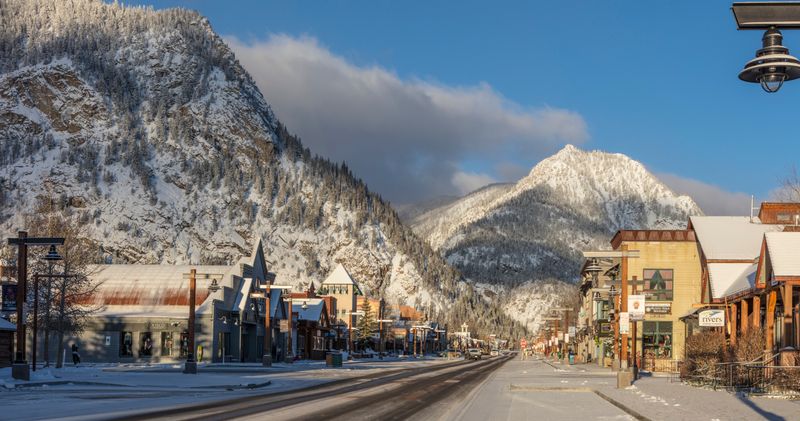
Central location makes this town the perfect base for exploring multiple ski resorts.
Frisco sits along the shores of Lake Dillon at 9,075 feet elevation.
Main Street features locally owned shops and restaurants near the Historic Park at 120 Main Street.
Four major ski areas lie within 20 minutes, including Breckenridge, Keystone, Copper Mountain, and Arapahoe Basin.
The marina transforms into a winter recreation hub with ice fishing and Nordic skiing.
Affordable lodging attracts budget-conscious families seeking mountain access without resort prices.
The Frisco Adventure Park offers tubing hills and a terrain park for beginners.
Lake Dillon’s frozen surface creates stunning sunset reflections of surrounding peaks.
The town maintains an authentic local feel despite proximity to major tourist destinations.
Biking trails convert to cross-country ski routes when snow blankets the high country.
13. Keystone
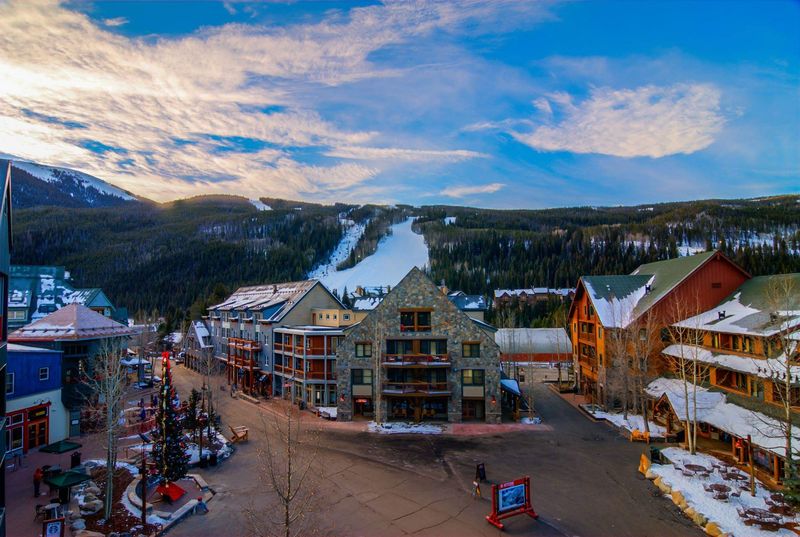
Night skiing transforms the mountain into a glowing wonderland under powerful lights.
Keystone Resort offers the most night skiing terrain in Colorado across multiple runs.
The Lakeside Village provides shopping and dining near 100 Dercum Square.
Three connected peaks offer progressive terrain from gentle greens to challenging blacks.
Families appreciate the dedicated learning areas and patient instructors throughout the resort.
The Outback area features tree skiing and quieter slopes away from main mountain crowds.
Ice skating on Keystone Lake creates magical evenings under mountain stars.
Snow tubing and snowcat dinner rides add variety beyond traditional skiing activities.
River Run Village connects directly to the gondola, offering ski-in ski-out convenience.
The resort maintains excellent grooming, creating smooth corduroy perfect for carving turns.
14. Copper Mountain
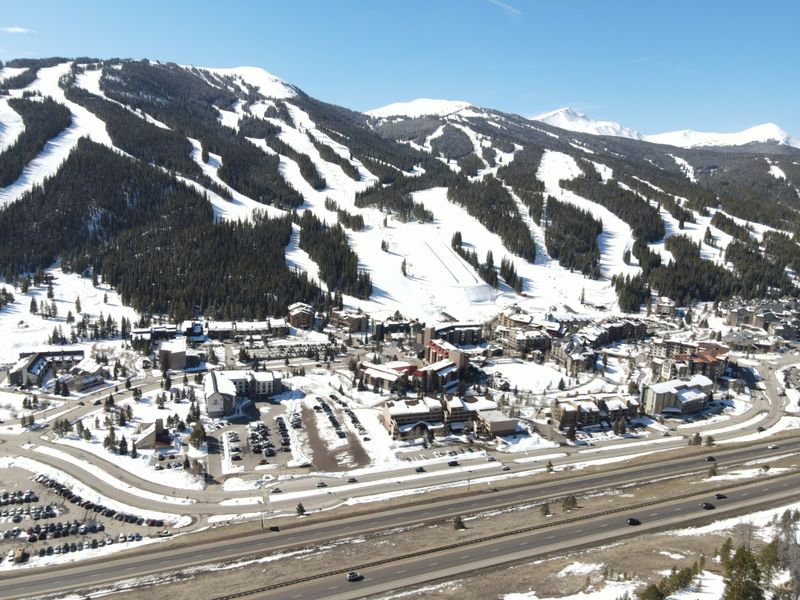
Naturally divided terrain separates beginners, intermediates, and experts across the mountain face.
Copper Mountain Resort arranges runs by difficulty from west to east across three distinct areas.
The Village at Copper provides lodging and amenities near 209 Ten Mile Circle.
Beginners stay west, intermediates cruise the center, and experts challenge the eastern steeps.
This natural layout prevents crowding and reduces collisions between different ability levels.
The resort sits directly off Interstate 70, making access convenient from Denver.
Woodward Copper features indoor training facilities for terrain park progression and skill development.
Tucker Mountain adds advanced terrain accessible by a high-speed quad lift.
The compact village keeps everything walkable, from lodging to lift access.
Restaurants and shops line the plaza near the American Eagle lift base.
15. Leadville
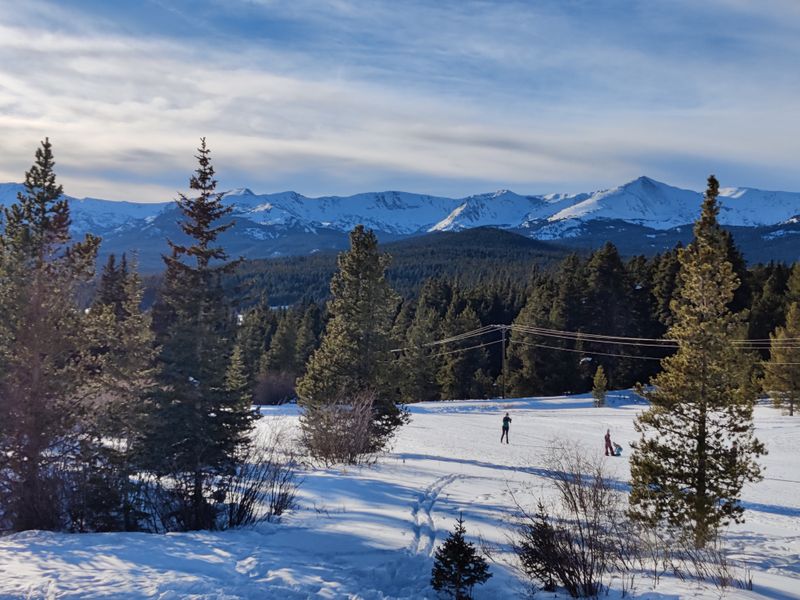
The highest incorporated town in North America sits at an oxygen-thin 10,152 feet.
Leadville’s mining history created a wealth of preserved Victorian architecture throughout downtown.
Harrison Avenue runs through the historic district near the Tabor Opera House at 308 Harrison Avenue.
Ski Cooper offers uncrowded slopes and affordable lift tickets just 10 miles north.
The town produced more silver than anywhere else during the Colorado mining boom.
Historic hotels and museums document the colorful past of this once-wild mining camp.
Chicago Ridge provides backcountry access for experienced skiers seeking untouched powder.
The National Mining Hall of Fame preserves equipment and stories near 120 West 9th Street.
Local shops sell antiques and mining memorabilia alongside modern outdoor gear.
Winter temperatures drop dramatically, creating crisp, dry snow conditions perfect for skiing.
16. Georgetown

Victorian homes cluster together like a living museum along steep mountain streets.
Georgetown preserves more historic buildings per capita than almost any Colorado town.
The Loop Historic Mining District sits near the visitor center at 613 6th Street.
Loveland Ski Area lies just 13 miles west, offering convenient access to varied terrain.
The Georgetown Loop Railroad operates winter trains through spectacular mountain scenery.
Antique shops and galleries fill restored buildings along the compact downtown streets.
Christmas Market transforms the town into a holiday wonderland with lights and decorations.
The narrow valley setting creates an intimate atmosphere between towering mountain walls.
Historic hotels offer cozy accommodations with period furnishings and modern comfort.
Restaurants near Argentine Street serve comfort food in century-old buildings.
Clear Creek rushes through town, its banks lined with snow-covered willows.
17. Pagosa Springs
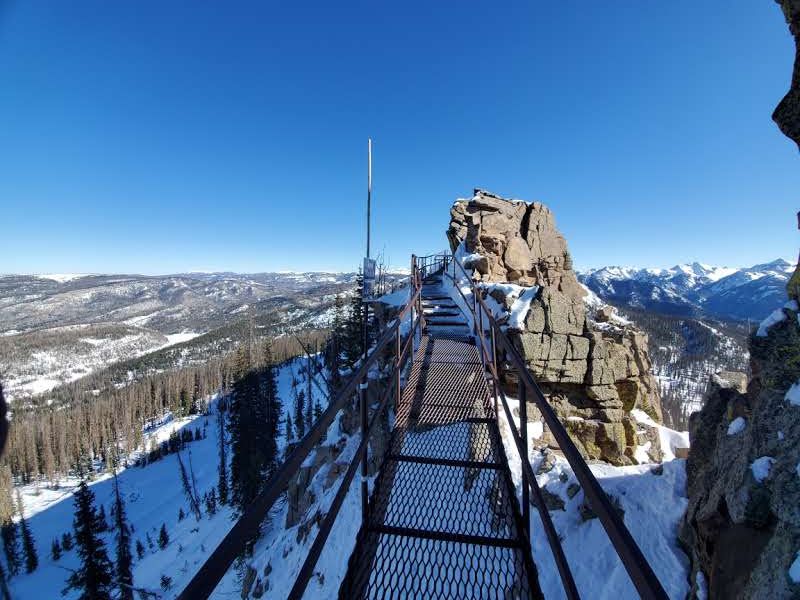
The world’s deepest geothermal hot spring bubbles up right in the heart of town.
Pagosa Springs combines skiing at Wolf Creek with therapeutic soaking in mineral-rich waters.
The Springs Resort features multiple pools along the San Juan River near 165 Hot Springs Boulevard.
Wolf Creek Ski Area receives more annual snowfall than any other Colorado resort.
Downtown shops and restaurants cluster near the geothermal spring and historic bridge.
The town sits in a wide valley surrounded by the San Juan National Forest.
Natural hot springs flow into the river, creating warm spots even in freezing winter.
Local culture blends outdoor adventure with relaxation and wellness traditions.
The drive to Wolf Creek winds through spectacular mountain scenery along Highway 160.
Soaking under stars after skiing creates the perfect end to mountain days.
18. Salida
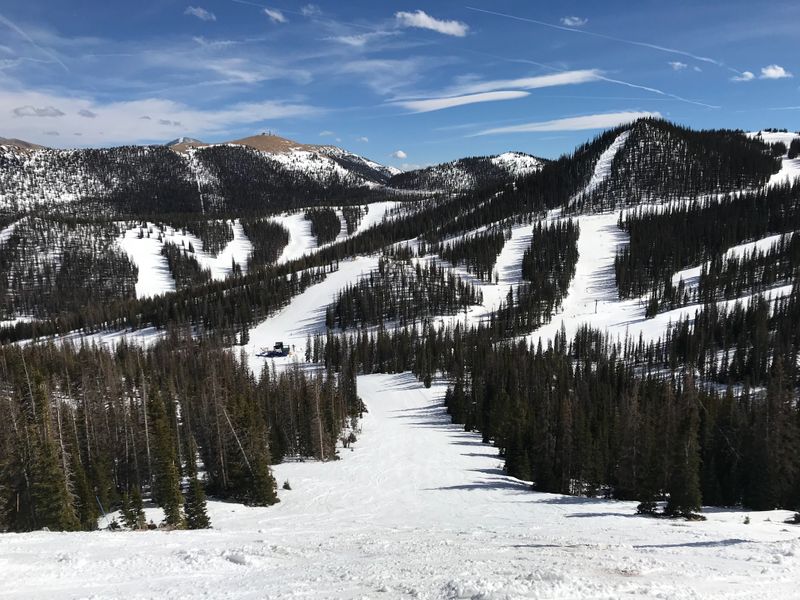
Creative energy flows through this artsy town where galleries outnumber chain stores.
Salida sits along the Arkansas River in a sunny valley at 7,083 feet elevation.
First Street features dozens of galleries and studios near the Salida Steam Plant at 220 West Sackett Avenue.
Monarch Mountain offers uncrowded skiing with stunning Continental Divide views 18 miles west.
The historic downtown earned designation as a Creative District for its thriving arts community.
Over 60 buildings display colorful murals created by local and visiting artists.
Lower elevation means milder winter temperatures compared to higher mountain towns.
The Arkansas River provides winter scenery and ice formations along riverside walking paths.
Local restaurants emphasize farm-to-table cuisine and creative mountain cooking.
Shops sell handcrafted goods from regional artists and makers near F Street.