Colorado Mountain Towns Where Locals Say Meat Is Disappearing From Menus
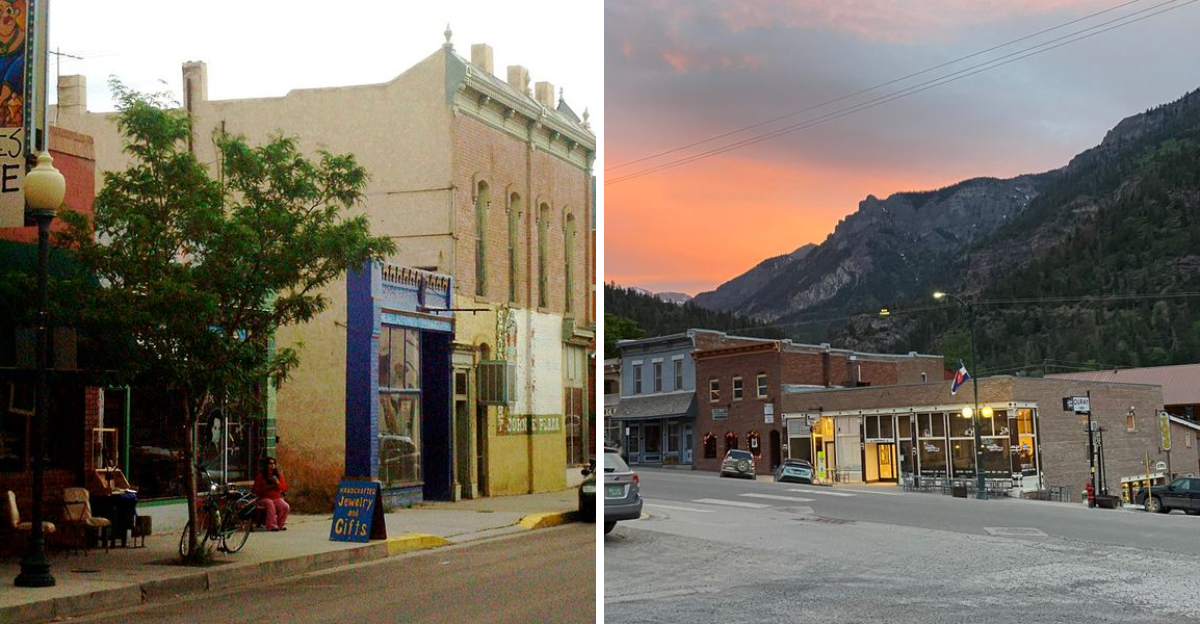
Something wild is happening in Colorado’s mountain towns, and it’s not just the altitude messing with your head.
Menus across these high-elevation havens are quietly transforming, with traditional meat dishes vanishing faster than fresh powder on a bluebird day.
Locals are swapping their steaks for something greener, and the shift is reshaping the entire dining scene in ways nobody saw coming.
Aspen
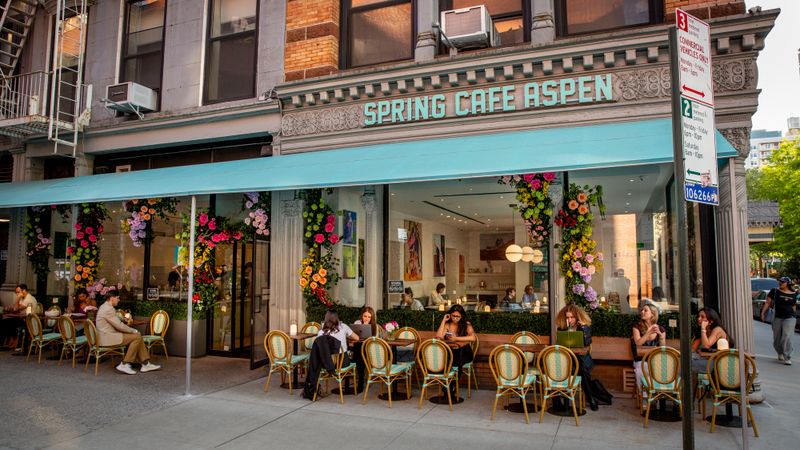
This ritzy ski town has always been ahead of the curve, and now it’s leading the charge toward plant-powered plates.
Aspen’s restaurant scene exploded with veggie-forward menus faster than you can say “après-ski.”
Chefs here treat vegetables like celebrities, giving them the spotlight they deserve.
You’ll find roasted caulifeaker steaks that could make a carnivore weep with joy.
The health-conscious crowd fuels this movement, demanding options that won’t weigh them down before hitting the slopes.
It’s not about sacrifice anymore, it’s about discovery.
Telluride

Where else would you expect a food revolution but in a town that’s already revolutionized skiing?
Telluride embraced the plant-based wave with the enthusiasm of a powder hound on a fresh dump day.
Walk down Colorado Avenue, and you’ll spot menus boasting jackfruit tacos and quinoa bowls that actually taste like something worth Instagram-ing.
Local chefs aren’t just accommodating vegetarians, they’re celebrating them.
This shift reflects the town’s deep commitment to sustainability and environmental stewardship.
Meat isn’t banned, but it’s definitely taking a backseat.
Boulder
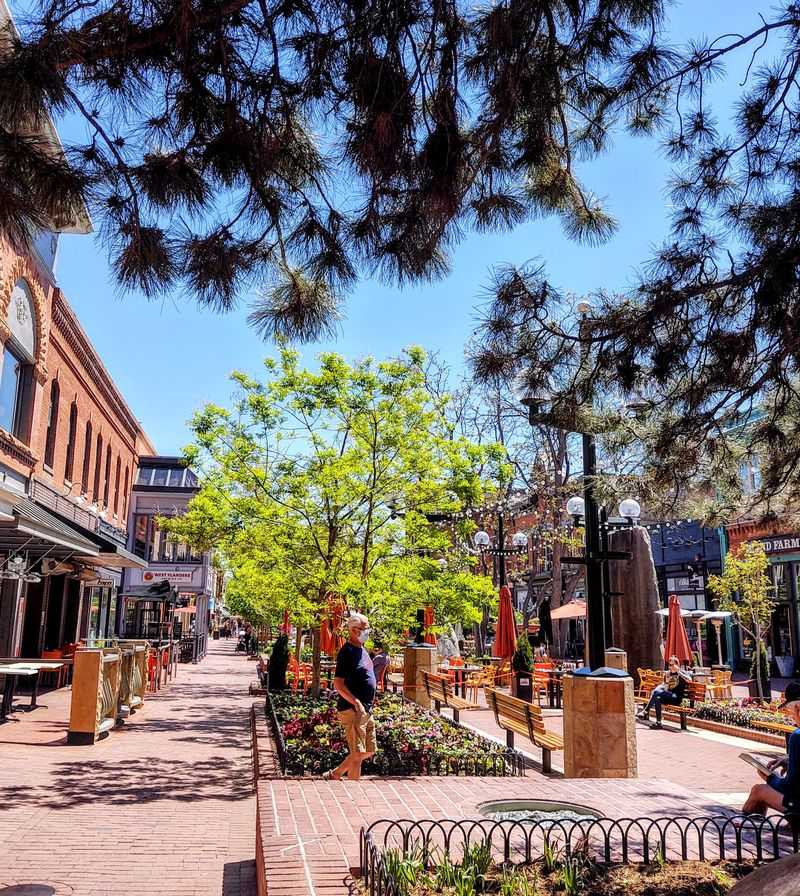
Did anyone really doubt Boulder would be on this list?
This town practically invented the granola lifestyle, and now it’s perfecting the art of meat-free mountain living.
Boulder’s restaurant landscape reads like a plant-based paradise, with more vegan options than you can shake a kale smoothie at.
From casual cafes to upscale eateries, the focus is firmly on vegetables, grains, and legumes.
Though some old-school steakhouses still exist, they’re becoming relics in a town that’s sprinting toward a greener future.
The locals wouldn’t have it any other way.
Crested Butte
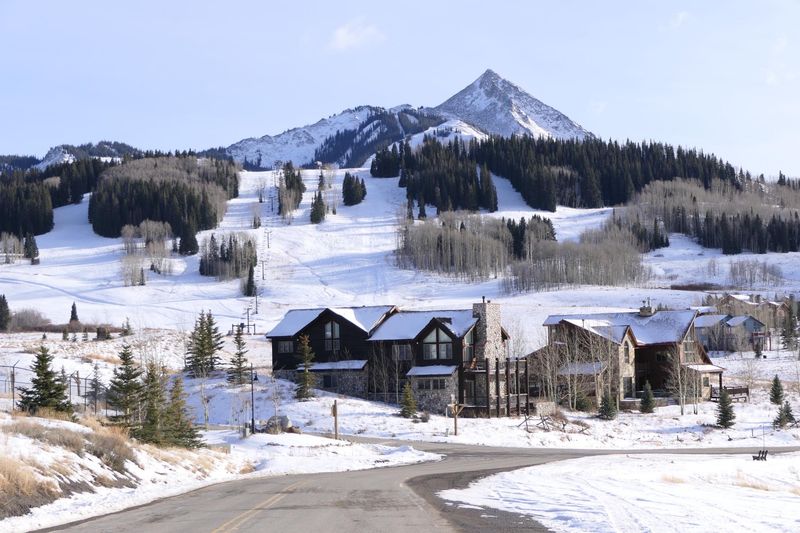
However remote this wildflower capital might be, it’s not isolated from culinary trends sweeping the Rockies.
Crested Butte locals are trading their elk burgers for black bean patties without looking back.
The town’s tight-knit community drives this change, with residents genuinely caring about their environmental footprint.
Restaurants respond by crafting inventive plant-based dishes that honor Colorado’s agricultural bounty.
When you’re surrounded by pristine wilderness, protecting it becomes personal.
Crested Butte proves that small towns can make big dietary shifts when values align.
Vail

Though known for European-style luxury, Vail is embracing a very American trend toward plant-forward eating.
The village’s high-end restaurants now feature vegetable tasting menus that rival anything you’d find in major cities.
Chefs trained in classical techniques are applying their skills to beets, mushrooms, and heirloom tomatoes with stunning results.
Meat still appears on menus, but it’s no longer the automatic star of the show.
Are visitors noticing?
Absolutely, and they’re loving the lighter options after a day on the mountain.
Breckenridge
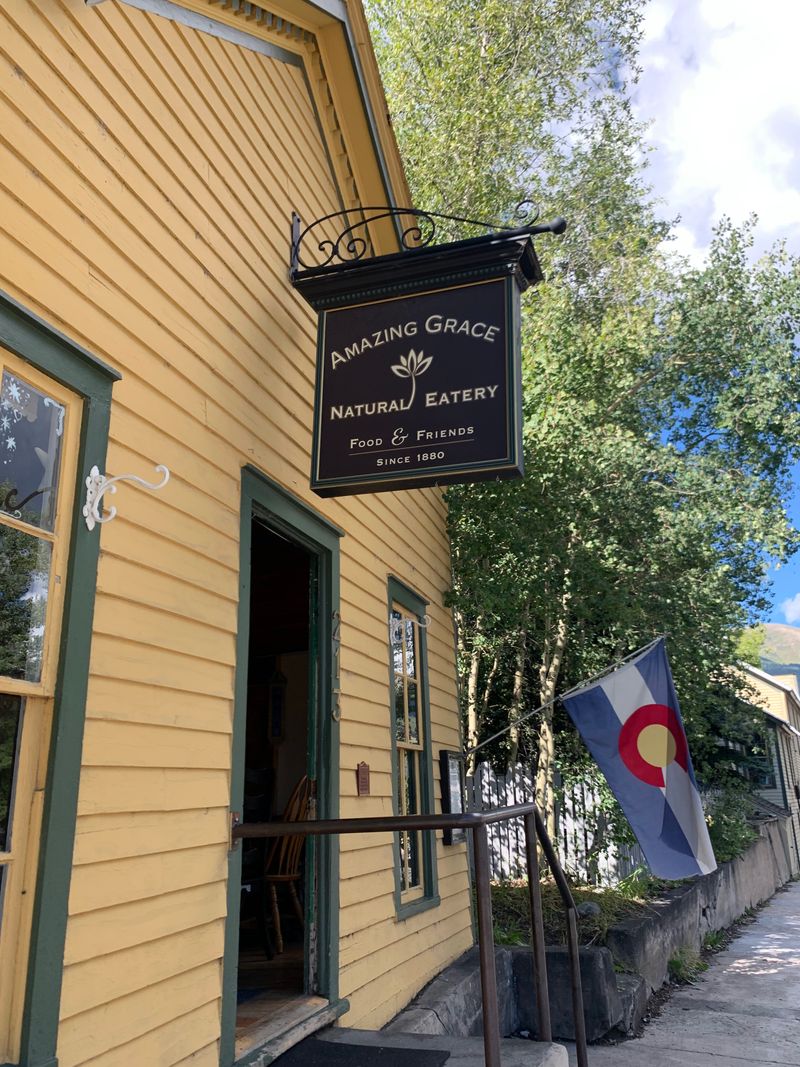
When a town famous for hearty mining-era meals starts going green, you know something significant is happening.
Breckenridge’s restaurant scene underwent a quiet revolution, with plant-based options multiplying like rabbits.
Main Street now hosts multiple eateries where vegetables aren’t just sides, they’re the main event.
From Thai-inspired veggie curries to Italian pasta primavera, the variety is genuinely impressive.
Hence why locals joke that finding a traditional steakhouse is becoming harder than finding parking in ski season.
The times, they are a-changing in Breck.
Steamboat Springs
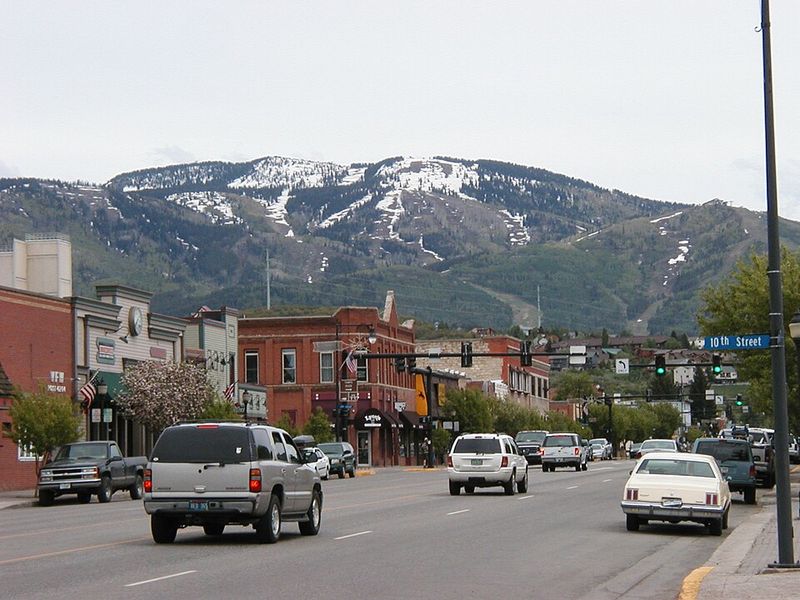
How does a town with deep ranching roots embrace plant-based eating?
Steamboat Springs shows it’s possible with creativity and respect for tradition.
The legendary ski town isn’t abandoning its Western heritage, it’s expanding it to include options that align with modern environmental awareness.
Restaurants serve “cowboy bowls” packed with roasted vegetables, beans, and grain instead of beef.
Local ranchers might raise eyebrows, but they’re also raising organic vegetables for these establishments.
It’s a beautiful evolution that honors the past while feeding the future.
Estes Park
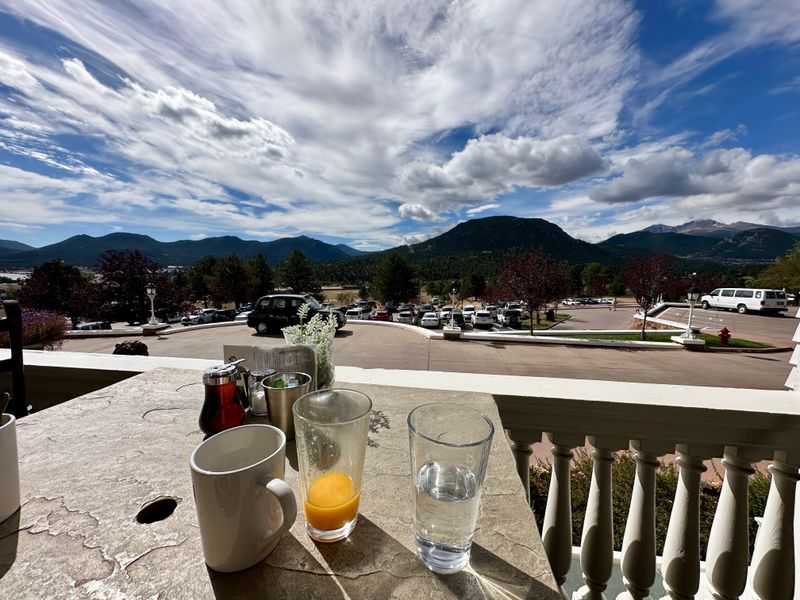
This gateway to Rocky Mountain National Park is witnessing its own natural evolution, on dinner plates.
Estes Park restaurants are catering to hikers and nature lovers who want meals that match their eco-conscious values.
After a day exploring pristine wilderness, visitors crave nourishment that doesn’t contradict their conservation beliefs.
Plant-based options provide that guilt-free satisfaction.
From breakfast burritos stuffed with potatoes and peppers to dinnertime mushroom stroganoff, the variety surprises first-time visitors.
Estes Park proves environmental appreciation extends beyond the trails.
Durango
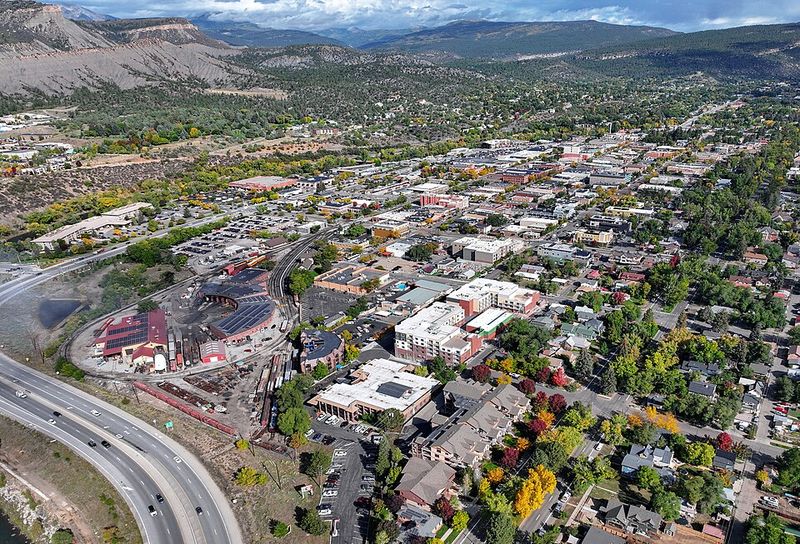
Are you ready for green chile that’s actually green in more ways than one?
Durango’s culinary scene blends Southwestern flavors with plant-powered innovation.
This historic railroad town embraces change while maintaining its character, and that includes reimagining traditional dishes without meat.
Bean-based enchiladas and veggie-stuffed tamales are becoming menu staples.
The college-town energy from Fort Lewis College injects youthful enthusiasm into the dining scene.
Durango demonstrates that regional cuisine can evolve without losing its soul or its spice.
Ouray
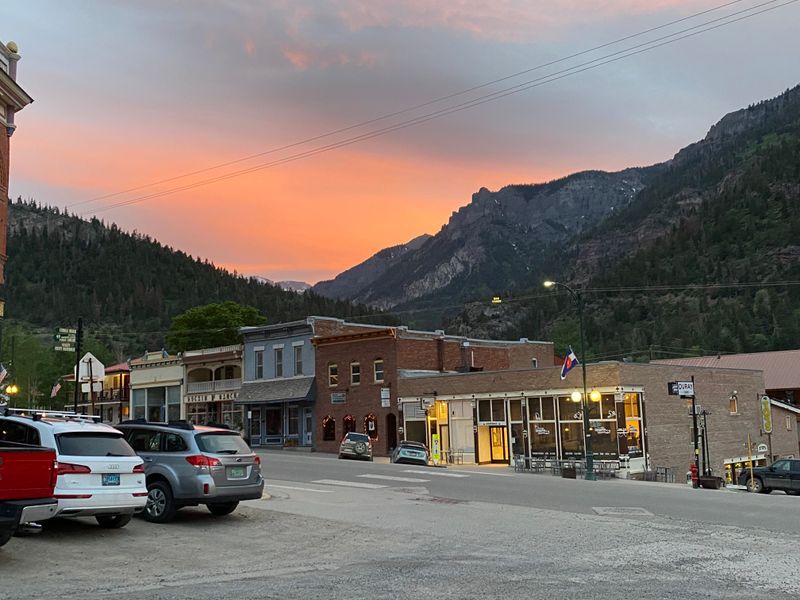
However dramatic the surrounding peaks, the real drama in Ouray is happening on dinner plates.
This tiny “Switzerland of America” is making outsized contributions to Colorado’s plant-based movement.
With limited restaurant options, each establishment counts, and several have pivoted toward vegetable-forward menus.
The hot springs town attracts wellness-focused visitors who appreciate lighter fare.
When you’re soaking in mineral waters and breathing mountain air, a heavy steak dinner feels less appealing.
Ouray’s restaurants understand this perfectly and deliver accordingly.
Frisco

This Summit County hub quietly became a plant-based powerhouse while nobody was paying attention.
Frisco’s restaurants cater to outdoor enthusiasts who fuel their adventures with nutrient-dense, meat-free meals.
Main Street hosts several spots where vegetables reign supreme, from build-your-own grain bowls to creative salads that actually satisfy.
The town’s active population demands food that supports their lifestyle.
Hence the explosion of options featuring superfoods, ancient grains, and locally sourced produce.
Frisco proves you don’t need meat to have mountain-sized energy.
Salida
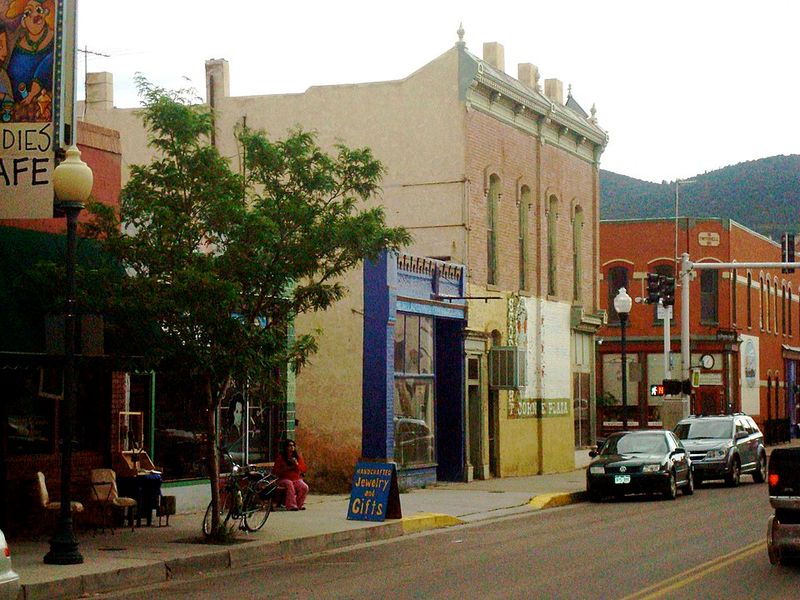
When artists and outdoor adventurers converge in one town, interesting things happen, especially on menus.
Salida’s creative community embraced plant-based eating with the same enthusiasm they bring to whitewater rafting.
Downtown restaurants reflect the town’s eclectic personality with globally inspired vegetarian dishes that surprise and delight.
From Thai curries to Mediterranean mezze platters, meat takes a backseat to flavor.
The Arkansas River flows through town, and so does a current of progressive thinking about food and sustainability.
Salida shows that small towns can have big culinary ambitions.