13 Colorado Road Trips That Turn Every Mile Into A Scenic Experience
Nobody warned me that Colorado would ruin every other drive I’d ever take. One hour in, I pulled over three times.
Not for gas, not for directions, just to stand there with my jaw open. This state doesn’t ease you in gently.
It throws canyons, snowcapped peaks, and blood-red rock formations at you all at once, and somehow keeps getting better around every bend.
I’ve driven through a lot of beautiful places, but nothing compares to cresting a mountain pass here and watching the whole world open up below you.
First-timers and longtime fans of the state agree on one thing: once you start driving Colorado’s back roads, you never really want to stop. Forget the destination.
Every single mile is the point.
1. Trail Ridge Road
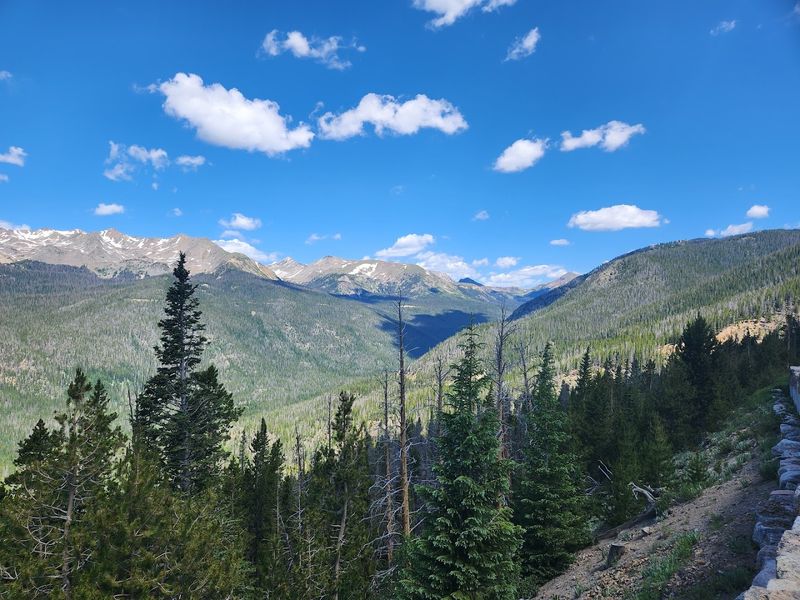
At 12,183 feet above sea level, the air gets thin and the views get enormous. Trail Ridge Road is the highest continuous paved road in North America, cutting 48 miles through Rocky Mountain National Park from Estes Park to Grand Lake.
Driving this route feels like someone peeled back the earth and showed you its skeleton. Alpine tundra stretches in every direction.
Wildflowers dot the landscape in summer, and snow lingers well into June. Elk graze casually near the road like they own the place, which, honestly, they do.
The road opens late May and closes by mid-October, so timing matters. Pull off at the Alpine Visitor Center near Fall River Pass for panoramic views and a warm cup of coffee at 11,796 feet.
The descent into Grand Lake drops you into a quieter, pine-scented world that feels like a reward after all that altitude. Budget at least three hours if you plan to stop often, and you absolutely will.
During peak season, timed-entry reservations are required for the park, so plan ahead.
2. San Juan Skyway
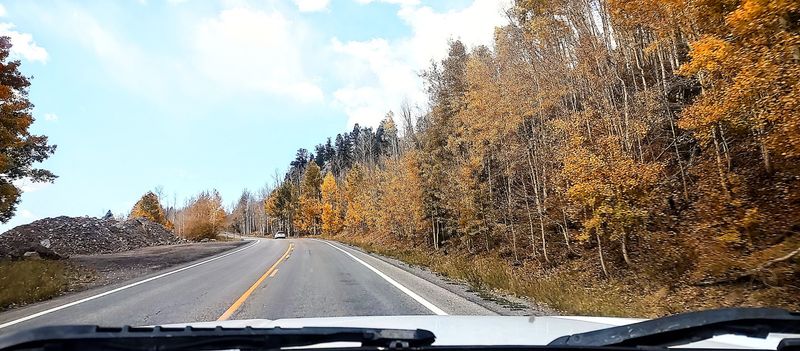
Few road trips in the entire country can match what the San Juan Skyway puts in front of your windshield. This 236-mile loop connects Durango, Silverton, Ouray, and Telluride through some of the most dramatic mountain scenery on the continent.
The route climbs over three mountain passes, dips into river valleys, and rolls through towns that look like they belong in a Western film. Durango makes a great starting point.
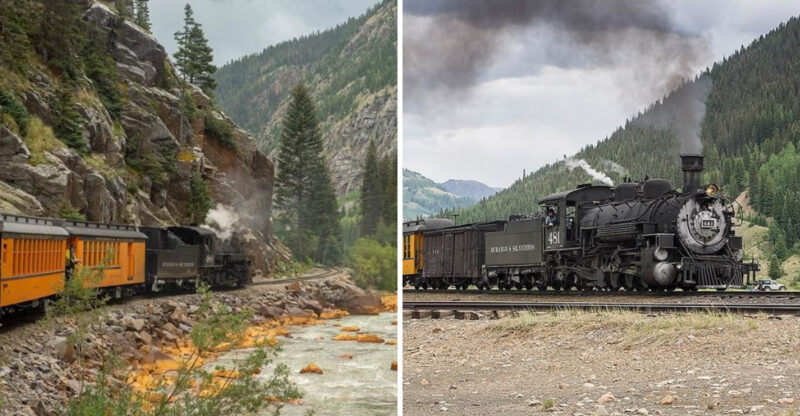
Its Victorian-era architecture sets the tone, and the famous Durango and Silverton Narrow Gauge Railroad still runs trips through the canyon.
Telluride alone is worth the drive. Perched at 8,750 feet in a box canyon, the town sits surrounded on three sides by 14,000-foot peaks.
The loop also includes the Million Dollar Highway between Ouray and Silverton, one of the most thrilling stretches of pavement in the state. Plan two to three days minimum if you want to actually enjoy the towns rather than just blast through them.
This loop rewards the unhurried traveler with every single mile.
3. Million Dollar Highway
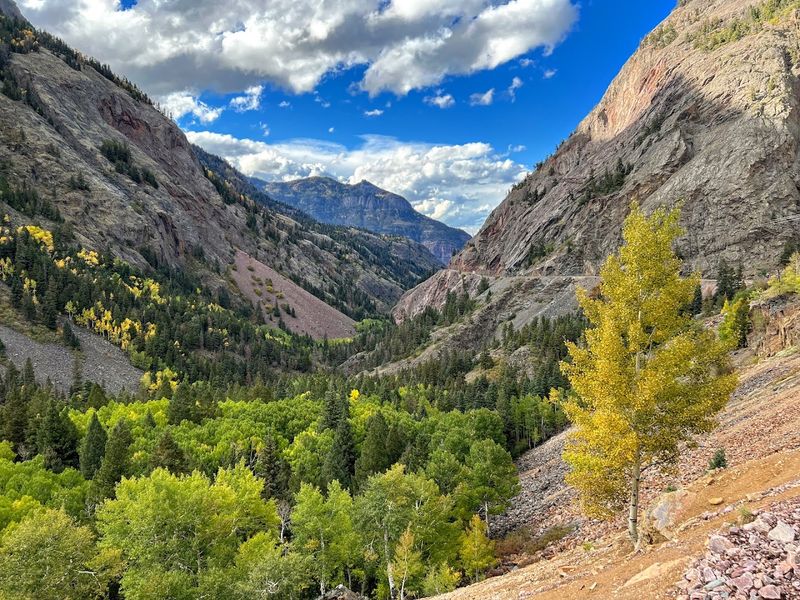
Gripping the steering wheel a little tighter is basically part of the experience here. The Million Dollar Highway runs 25 miles along US-550 between Ouray and Silverton, and it is one of the most breathtaking and pulse-quickening drives in the American West.
The road clings to cliffsides with sheer drop-offs and almost no guardrails in some sections. That sounds terrifying, and it kind of is, but it is also absolutely stunning.
Red Mountain Pass sits at 11,018 feet. Rust-colored peaks streaked with iron oxide give the mountains their distinct reddish glow, and the views from the top stop you cold.
The name has a few origin stories. Some say it refers to the cost of building the road.
Others point to the gold ore fill used in its original construction. Either way, the scenery is priceless.
Ouray, sometimes called the Switzerland of America, sits at the northern end of the Uncompahgre Gorge and is worth exploring before or after the drive. Use the pullouts generously, go slowly, and don’t let anyone pressure you to speed.
The road demands respect, and it gives back views that justify every cautious mile.
4. Top Of The Rockies Scenic Byway
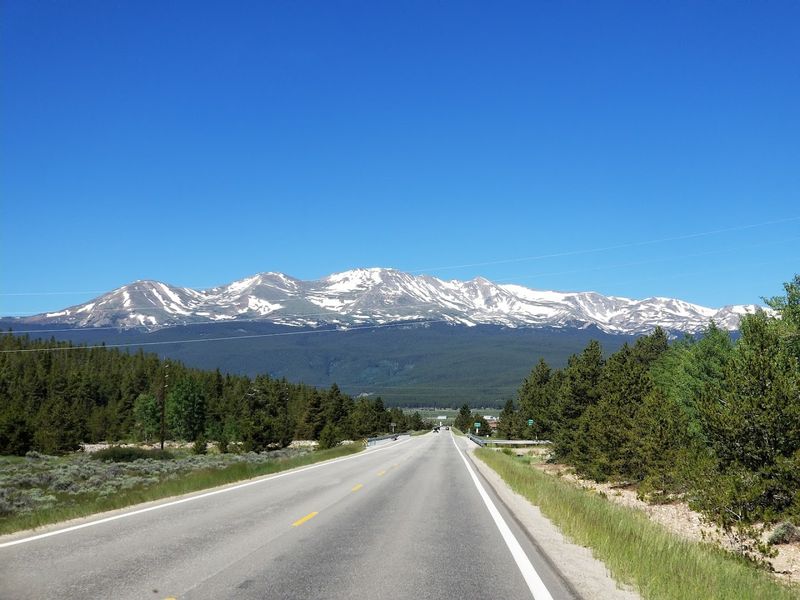
Stretching 115 miles between Aspen and Vail via Highways 24 and 82, the Top of the Rockies Scenic Byway delivers exactly what its bold name promises. Collegiate Peaks loom on one side.
The Sawatch Range towers on the other. The terrain here is relentless in the best possible way.
Leadville sits near the center of this route. It’s the highest incorporated city in the United States, and its mining history runs deep.
The silver boom hit in the 1870s and left behind a historic district worth at least an hour of wandering. The National Mining Hall of Fame and Museum tells that story better than any book could.
Turquoise Lake, just west of Leadville, is one of those spots that makes you question every flat vacation you ever took. The water is genuinely that color.
Tennessee Pass crests at 10,424 feet. Fremont Pass tops out at 11,318.
Few drives in the state pack this much history, altitude, and raw scenery into a single route.
5. Peak To Peak Scenic Byway
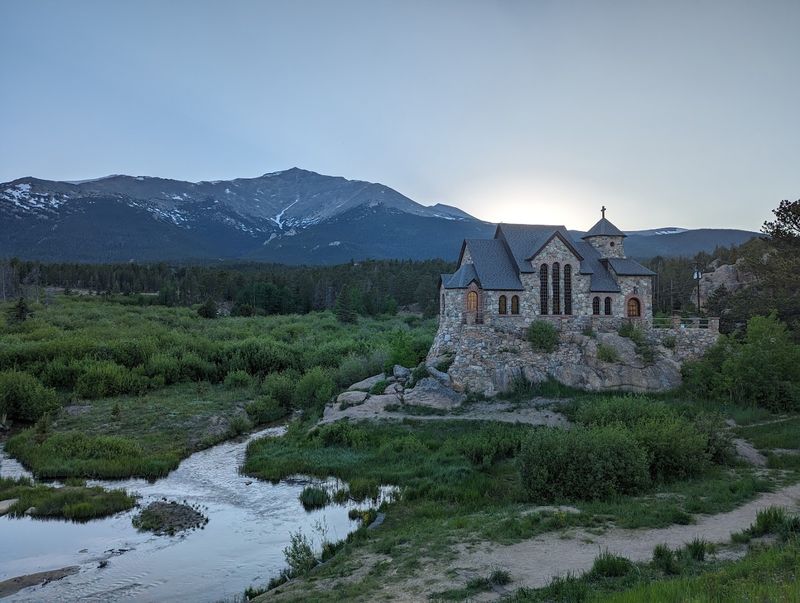
Established in 1918, the Peak to Peak Scenic Byway holds the title of the oldest scenic byway in the state, and it has been earning fans ever since. The route runs 55 miles from Estes Park to Black Hawk along Highways 72 and 119.
It’s a masterclass in Front Range beauty.
The drive follows the eastern edge of the Rockies. Views of the Continental Divide stretch out continuously, with 13,000 and 14,000-foot peaks lining the horizon.
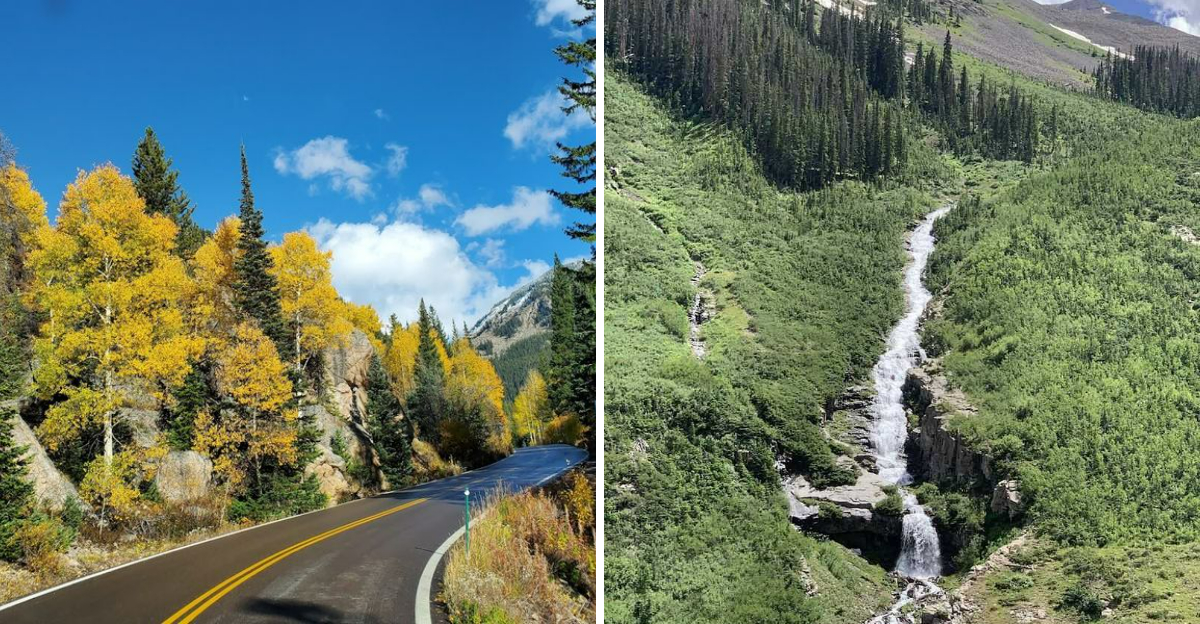
Come autumn, the aspen groves turn gold and orange. It’s one of the best fall foliage drives you’ll find anywhere.
Black Hawk and Central City appear along the way. Both towns carry serious mining history, and late 1800s Victorian architecture still lines their streets.
Nederland sits at 8,236 feet and is worth a stop for coffee and a slow look around. The byway also connects to Rocky Mountain National Park from the south, making it an easy addition to any mountain itinerary.
For first-timers, this route is one of the most rewarding introductions to what the state does best.
6. West Elk Loop
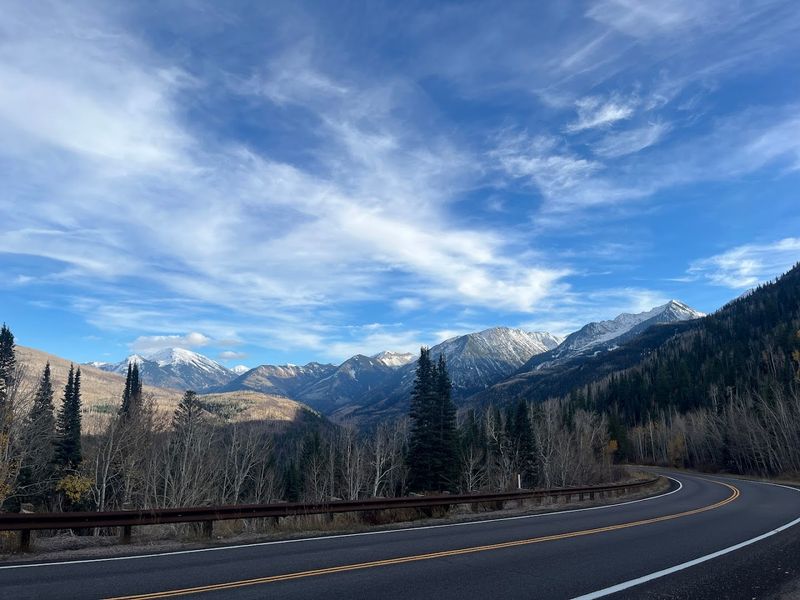
Not every great road trip requires a famous name on a map. The West Elk Loop covers 205 miles through some of the most underappreciated terrain in the state, connecting Carbondale, Gunnison, and Crested Butte in a varied and satisfying loop.
The route passes near the Black Canyon of the Gunnison, where the river has carved one of the deepest canyons in North America. Walls drop over 2,700 feet in some places.
The views from the rim are genuinely unsettling in the best possible way.
Crested Butte is the highlight of the northern stretch. Often called the wildflower capital of the state, its meadows explode with color every July in a way that feels almost unreal.
Kebler Pass Road, part of the loop, cuts through one of the largest aspen groves in the world. Fall colors here rival anything on the more trafficked routes.
Gunnison offers a laid-back stop with good food and access to Blue Mesa Reservoir, the largest body of water in the state. This loop rewards curiosity and patience in equal measure.
7. Silver Thread Scenic Byway
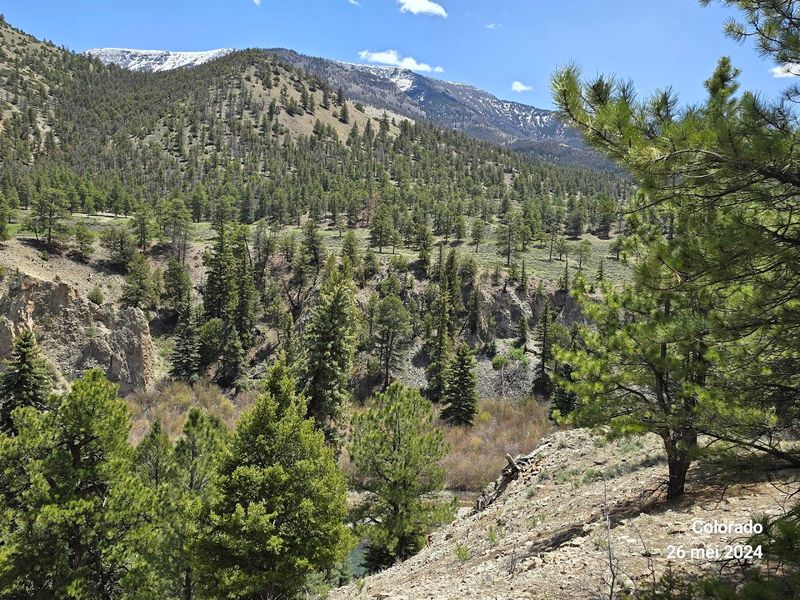
Highway 149 between South Fork and Parlin covers 117 miles of quiet, confident beauty that most tourists completely overlook. The Silver Thread Scenic Byway follows the Rio Grande River through narrow canyons before climbing into open mountain valleys that feel genuinely remote.
The drive earns its name from the way the river threads through the canyon like a silver ribbon, especially in morning light. Lake City sits roughly midway along the route.
It’s one of the smallest and most charming towns in the state, with a historic district listed on the National Register of Historic Places and Victorian-era buildings that have been carefully preserved.
Creede offers another worthwhile stop. It carries a fascinating mining history and an active arts community that feels surprising for a town its size.
The Creede Repertory Theatre has been producing professional performances since 1966, making it one of the longest-running repertory theaters in the region. The byway also passes through Rio Grande National Forest, where fishing, hiking, and camping are all within easy reach.
This is a drive for people who enjoy the road as much as the destination, where miles unspool slowly and scenery builds quietly but memorably.
8. Grand Mesa Scenic Byway
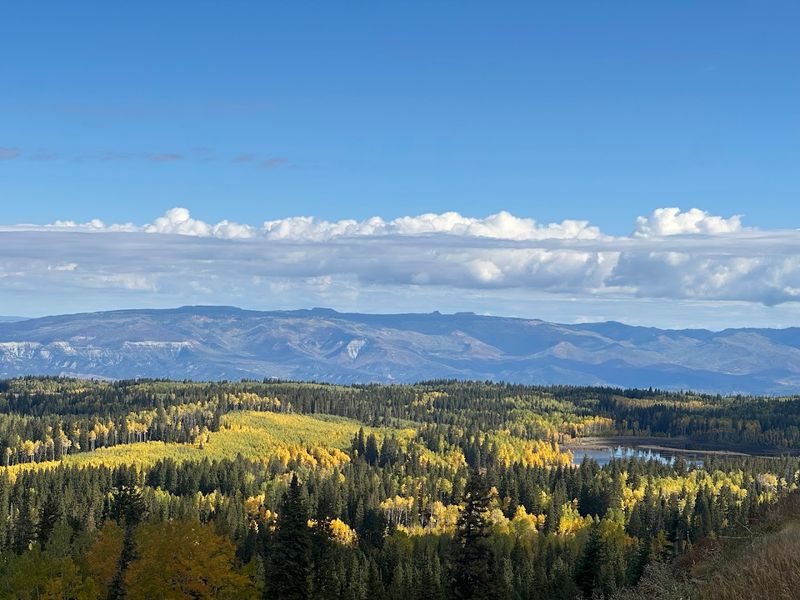
Grand Mesa is the largest flat-topped mountain in the world, and Highway 65 climbs right over the top of it for 63 miles between Mesa and Cedaredge. From the plateau, over 300 lakes and reservoirs scatter across the mesa like broken glass in the best possible way.
The ascent from the Grand Valley is dramatic and quick. In just a few miles, high desert scrubland gives way to dense forests of spruce and fir.
The temperature drops noticeably as you climb. At the top, the byway reaches elevations above 10,000 feet and opens into a landscape that feels more like Canada than the rest of the state.
Land O’ Lakes and Jumbo Reservoir are two of the most accessible stops on the mesa, offering fishing, picnicking, and clear-day views that stretch for miles. The Grand Mesa Visitor Center sits near the top with maps and trail information.
The descent into Cedaredge drops through orchards and farmland, a completely different visual experience from the climb up. This byway works beautifully as a half-day drive with a few planned stops.
9. Independence Pass
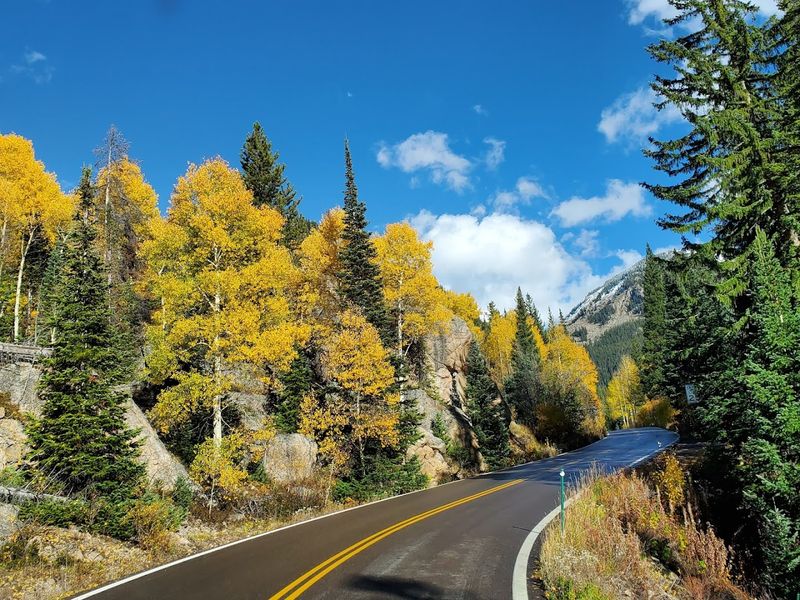
Crossing the Continental Divide at 12,095 feet with a two-lane road and no room for error is exactly as dramatic as it sounds. Independence Pass on Highway 82 connects Twin Lakes to Aspen across 39 miles of jaw-dropping mountain terrain.
The drive starts gently near Twin Lakes, where the turquoise water reflects the surrounding peaks like a mirror. As the road climbs, the trees thin out and the landscape opens into rocky, windswept tundra.
The summit offers a short hiking trail and a view that makes you feel like you are standing on top of the world, because you nearly are.
Aspen sits on the western side of the pass, and the descent into the Roaring Fork Valley is lush and green by comparison. The pass is closed in winter, typically from November through late May, so summer and fall are the windows to catch it.
Vehicles and trailers with a combined length of over 35 feet are not permitted on this road, so plan accordingly.
Independence Pass also passes near the ghost town of Independence, a Colorado mining settlement from the 1880s that is worth a quick stop to stretch your legs and imagine the past.
10. Alpine Loop Backcountry Byway
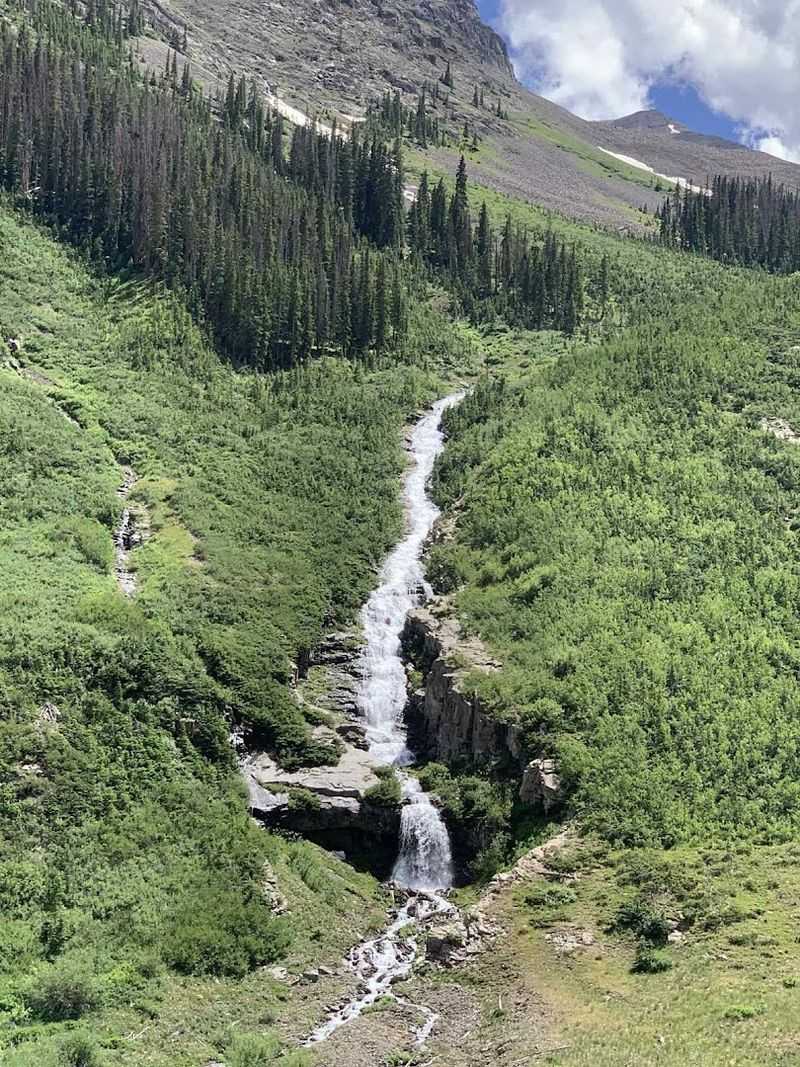
This one requires a four-wheel drive vehicle and a willingness to get a little dusty. The Alpine Loop Backcountry Byway covers 65 miles through the San Juan Mountains, connecting Lake City, Ouray, and Silverton via unpaved roads that climb to over 12,000 feet.
Engineer Pass and Cinnamon Pass are the two major summits on this route. Both top out above 12,000 feet and both offer views that no paved road in the state can match.
The terrain is raw and exposed. Old mine shafts, rusted equipment, and crumbling cabins tell the story of the silver and gold rush era without a single interpretive sign needed.
The route typically opens late June and closes by September, depending on snowpack. Afternoon thunderstorms are common in summer, so starting early is strongly recommended.
Cell service is minimal to nonexistent along most of the loop. Download offline maps before you leave.
Lake City sits at the eastern end and makes a solid base camp with camping options nearby. Few drives anywhere in the state feel this remote, this raw, and this worth it.
11. Flat Tops Trail Scenic Byway
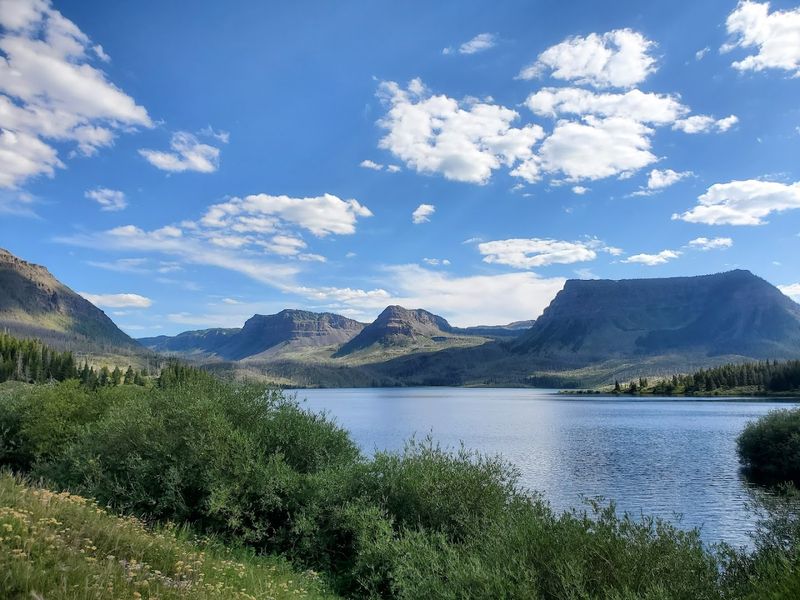
Running 82 miles from Meeker to Yampa via County Road 8, the Flat Tops Trail Scenic Byway crosses through Routt and White River National Forests in one of the least crowded corners of the state. The flat-topped mountains it’s named for aren’t just scenic.
They’re ancient lava flows that created this unusual plateau landscape millions of years ago.
Wildlife sightings here are frequent. Mule deer, elk, black bears, and bald eagles all show up regularly along this corridor.
The Flat Tops Wilderness Area borders much of the route and offers serious backcountry hiking for anyone willing to leave the car behind.
Trappers Lake sits just off the byway on a short side road. It’s considered the birthplace of the American wilderness movement.
In 1919, a Forest Service landscape architect named Arthur Carhart recommended the area be left completely undeveloped. That recommendation helped shape what eventually became the Wilderness Act of 1964.
That kind of history sitting quietly in the trees makes this drive feel richer than it looks on a map. Meeker is a small, unpretentious town worth a brief stop before heading into the forest.
12. Highway Of Legends Scenic Byway
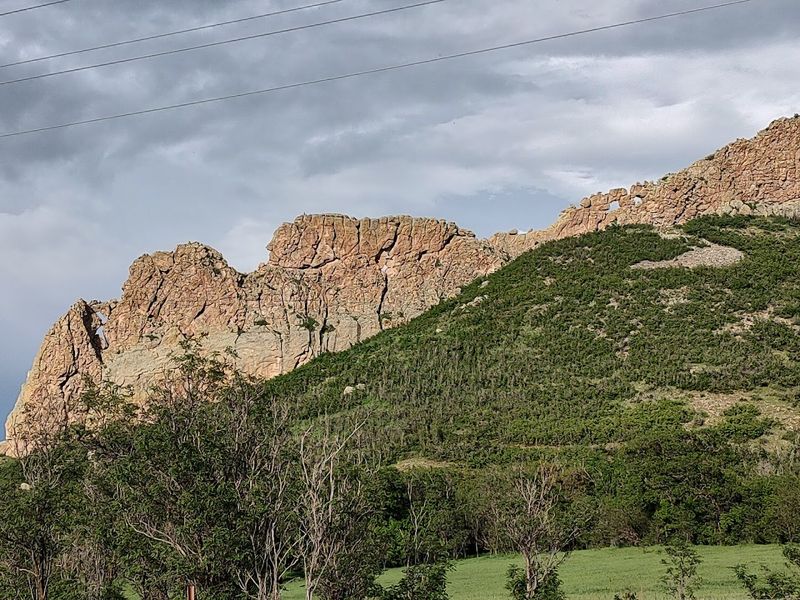
The Spanish Peaks are hard to ignore. These twin volcanic mountains rise dramatically from the surrounding plains near the New Mexico border, visible from miles away and commanding attention the entire length of this 82-mile byway between Trinidad and Walsenburg on Highway 12.
The route passes through the Cucharas Valley, a green and peaceful corridor that feels miles removed from the busier parts of the state. La Veta sits near the midpoint and offers galleries, restaurants, and a relaxed mountain-town atmosphere.
Fort Francisco Museum there provides a window into the area’s Spanish colonial and frontier history.
Geology steals the show here. The Spanish Peaks are surrounded by hundreds of volcanic dikes, flat walls of igneous rock that radiate outward like spokes on a wheel.
Some rise right from the roadside without warning. The Ute people called the peaks Wahatoya, meaning breasts of the world.
That name alone tells you how striking this landscape really is. This byway gets overlooked by travelers passing through the southern part of the state, and that is exactly what makes it worth seeking out.
13. Unaweep Tabeguache Scenic Byway
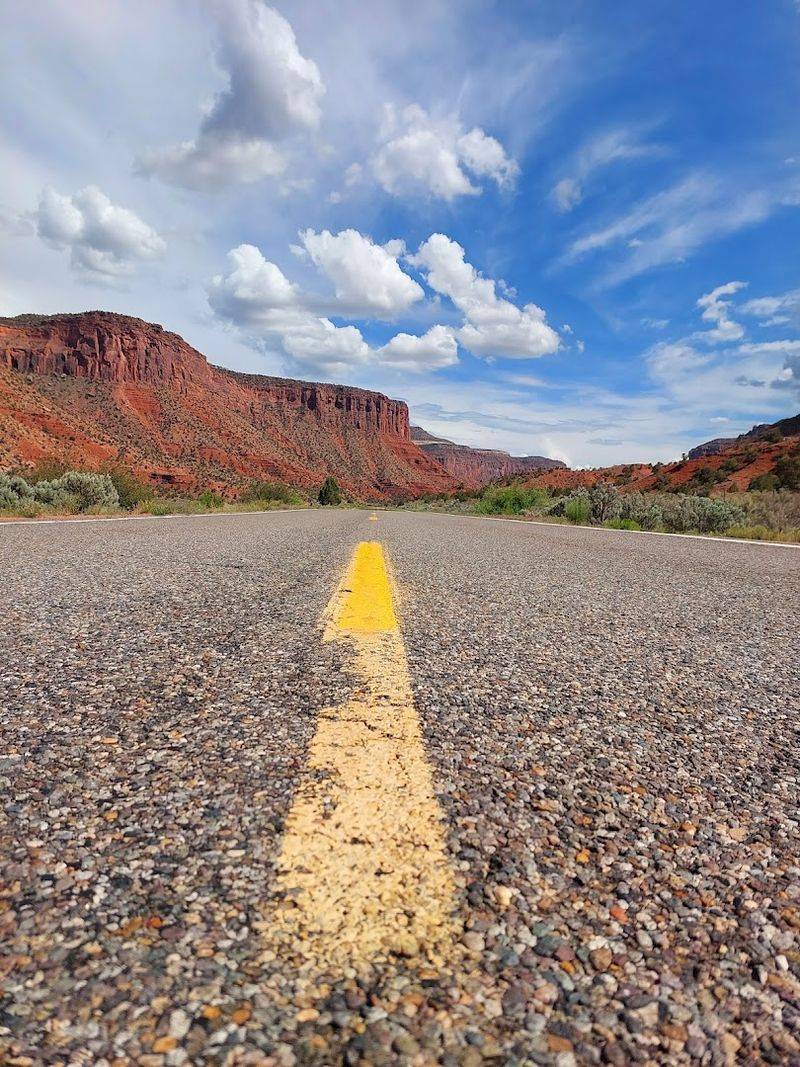
Something genuinely unusual is happening in Unaweep Canyon, and geologists are still piecing it together. The canyon has two creeks that flow in opposite directions from its center, suggesting that the ancient Gunnison River once carved this valley before being diverted by tectonic activity.
Driving through it on Highway 141 gives you a front-row seat to millions of years of geological drama.
The 133-mile byway between Whitewater and Placerville passes through terrain that shifts from high desert canyon to the lush Uncompahgre Plateau and eventually down into the fruit orchards of the Telluride region.
The canyon walls in the lower section rise hundreds of feet on both sides, creating a narrow corridor that feels ancient and a little otherworldly.
Naturita and Nucla are small towns along the route that offer gas and basic services in an otherwise remote stretch. The byway also passes near Hanging Flume, a remarkable 19th-century wooden water channel that was built into the canyon wall to deliver water to gold placer mining operations.
The flume is visible from a roadside overlook and is a genuinely impressive feat of engineering for its era. This byway rewards the curious traveler who enjoys landscapes that come with a story attached.