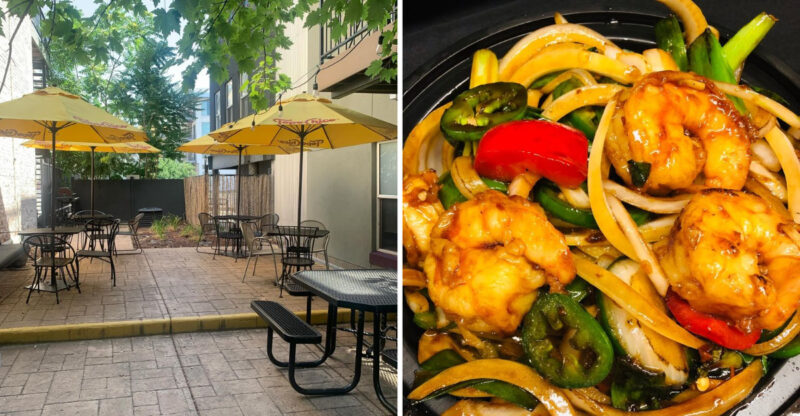
9 Colorado Towns With Hearty Portions And Down-Home Ranch Cooking Far From The Ski Slopes
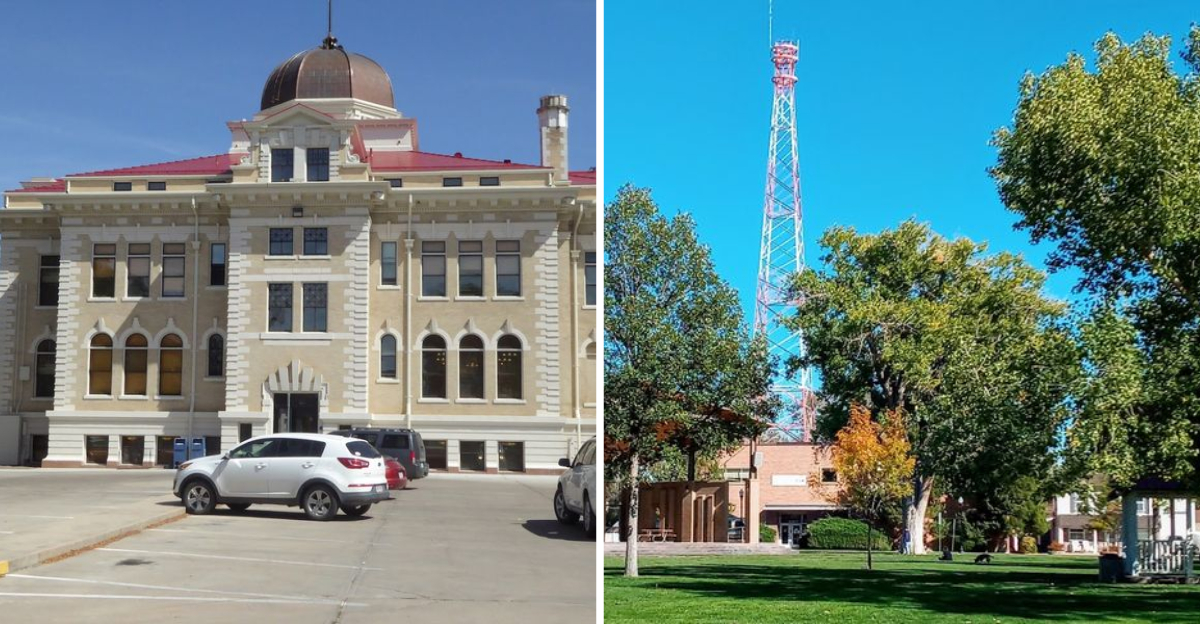
Colorado is often associated with ski runs, luxury lodges, and mountain views, but that’s only one side of the story.
Far from the slopes, there are small towns where the pace shifts completely and the focus turns to food that’s simple, generous, and deeply rooted in ranch country tradition.
Here, meals aren’t designed to impress, they’re built to satisfy. Plates come out full, recipes stay familiar.
Kitchens rely on the kind of cooking that’s been passed down rather than reinvented. It’s the sort of food that reflects long days outdoors and a lifestyle shaped by open land.
Exploring these towns reveals a quieter Colorado, where hearty portions and down-home ranch cooking still define what it means to sit down and eat well.
1. Pueblo
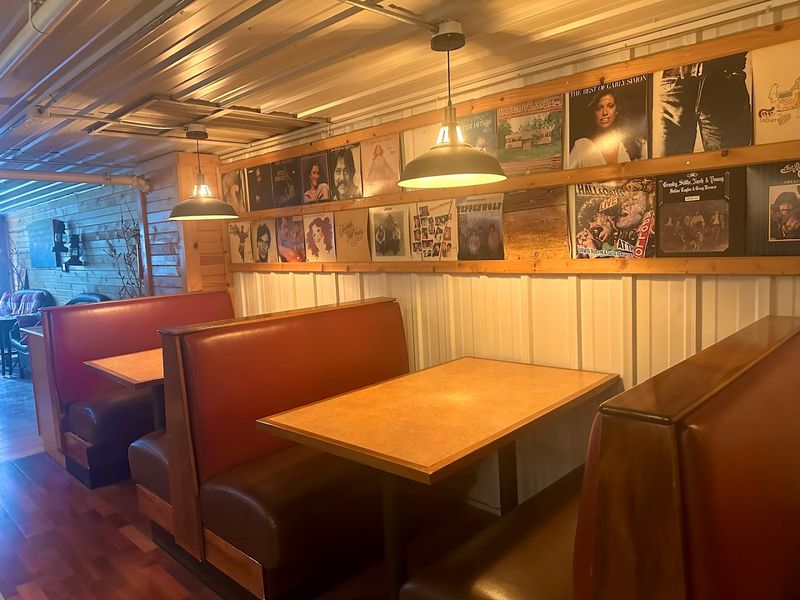
Green chile in Pueblo is not a condiment. It is practically a religion, and the locals would probably tell you that themselves with zero hesitation.
In southern Colorado along the Arkansas River, Pueblo has built a food identity so distinct that its Pueblo chile pepper is recognized as its own variety, different in heat and flavor from anything grown in neighboring states.
The working-class roots of this city run deep, shaped by steel industry workers, ranchers, and generations of Southwestern families who cooked big, bold meals out of necessity and pride. You will find that history on every plate.
Local restaurants here pile on the portions without apology. A smothered burrito arrives buried under a thick green chile sauce that has been slow-cooked for hours, and the rice and beans on the side are not an afterthought.
They are part of the whole hearty experience.
Cactus Flower is the name that locals mention quickly when asked where to eat. This place serves generous, no-frills plates rooted in that signature Pueblo style.
The atmosphere is casual and unpretentious, the kind of place where the same families have been eating for three decades.
Pueblo rewards the curious traveler who skips the highway and lingers long enough to taste what this city has quietly perfected over generations of honest, satisfying cooking.
2. Grand Junction
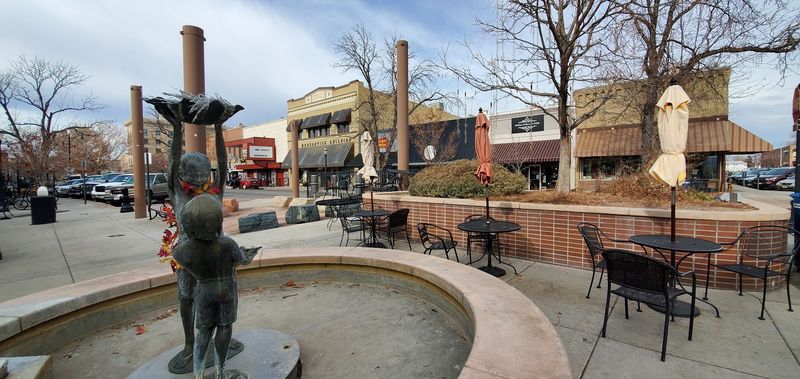
A town that feeds you this well has a way of slowing your schedule down in the best possible way, sounds good right?
Sitting on Colorado’s Western Slope where the Colorado and Gunnison rivers meet, Grand Junction carries the energy of a working agricultural town that has never needed to dress up its food to impress anyone.
Fruit orchards, cattle ranches, and wide-open farmland surround this city, and that agricultural identity shows up directly on the menu at nearly every local restaurant worth visiting.
Classic diners here are the real deal. Thick-cut steaks arrive with baked potatoes the size of a small football, and the breakfast plates feature eggs, sausage, and toast stacked high enough to fuel a full day of outdoor work.
What makes eating in Grand Junction genuinely satisfying is the unpretentious attitude that runs through the whole food scene. Nobody here is trying to reinvent the wheel.
They are simply cooking honest meals, using good ingredients, and sending you away full.
The city also sits near Colorado National Monument, so road trippers passing through have every reason to stop, eat well, and stay a little longer than planned.
3. Durango
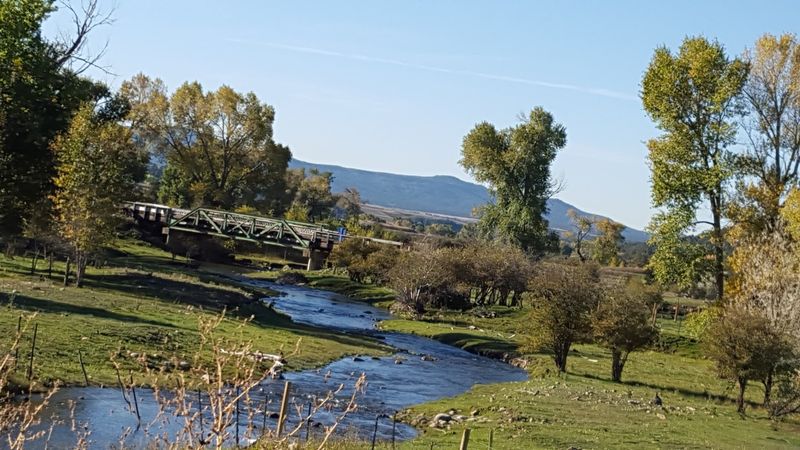
Few towns in Colorado wear their Old West identity as comfortably as this one. Durango is a historic railroad and ranching hub tucked into the southwestern corner of the state near the San Juan Mountains.
The Durango and Silverton Narrow Gauge Railroad still runs through town, and that living piece of history sets the tone for everything here, including the food. This is a place where tradition is respected and comfort cooking is taken seriously.
Barbecue joints and rustic meat-forward restaurants line the streets, serving slow-smoked brisket, fall-off-the-bone ribs, and thick green chile stews that warm you from the inside out after a long day on the road or trail.
Serious Texas-style barbecue found a natural home here, and spots like Serious Texas Bar-B-Q at 650 S Camino Del Rio have built loyal followings by sticking to the fundamentals: good smoke, quality meat, and portions large enough to genuinely surprise first-timers.
Beyond barbecue, Durango’s diners serve cowboy breakfasts with biscuits and gravy that could anchor a small ship, and the lunch specials at local cafes lean heavily on beef, potatoes, and homemade soups.
The town’s ranching heritage is not just a marketing angle. It is embedded in how locals eat, what they order, and why they keep coming back to the same tables year after year.
Durango feeds you like it means it, and that sincerity is the best seasoning of all.
4. Montrose
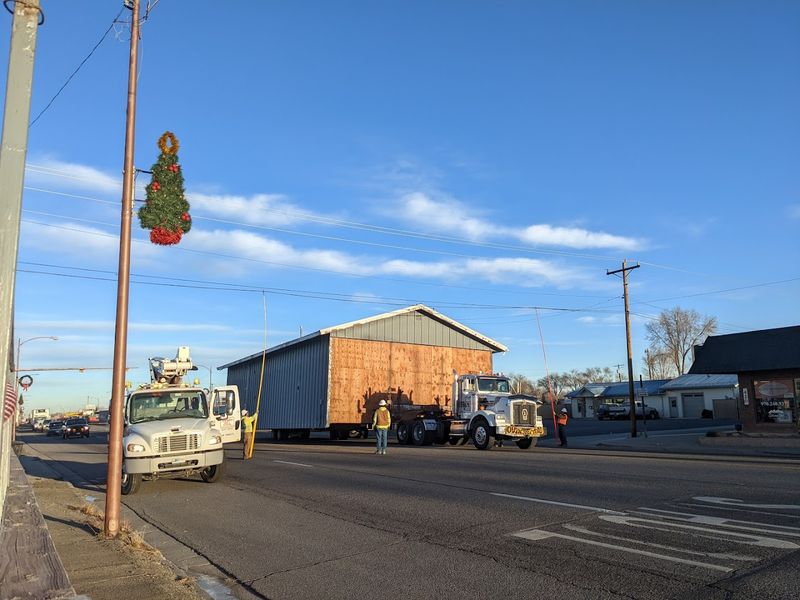
Practical is not a word that usually makes a food scene sound exciting, but in Montrose, it is exactly the right description, and somehow it works beautifully.
Settled in the Uncompahgre Valley on Colorado’s Western Slope, Montrose is surrounded by farmland, orchards. Cattle operations that have shaped a food culture built entirely around feeding real people real food without any unnecessary fuss.
Local restaurants here are not competing for magazine coverage. They are competing for the repeat business of farmers, ranch hands, and families who want a filling meal at a fair price and maybe a slice of pie at the end.
The portions at Montrose’s diners and family-run spots are genuinely substantial. A lunch plate of pot roast with mashed potatoes and a side of green beans is the kind of meal that makes an afternoon of hard outdoor work feel entirely manageable.
Daily Bread Bakery & Cafe at 346 E Main St is a local favorite that has earned its reputation through consistency, warm service, and scratch-made food that tastes like someone’s grandmother is still running the kitchen. That kind of authenticity is increasingly rare.
Montrose also sits near the Black Canyon of the Gunnison National Park, which means travelers exploring that dramatic landscape have a genuinely good reason to stop here and eat like a local before heading back out into the wide Colorado wilderness.
5. Alamosa
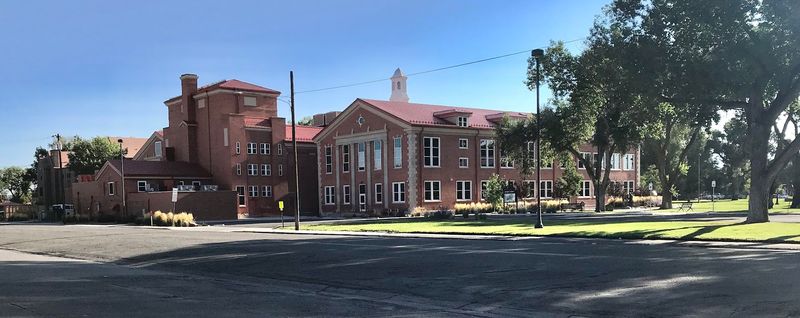
There is something quietly remarkable about the food culture in Alamosa, a small city sitting at the heart of the San Luis Valley, one of the largest alpine valleys in the world and one of Colorado’s most agricultural regions.
The San Luis Valley produces an extraordinary amount of potatoes, grains, and livestock, and that agricultural abundance flows directly into the local food scene in ways that are both obvious and deeply satisfying.
Meals here are built for sustenance. The rural farming community that surrounds Alamosa has always needed food that works hard.
The local restaurants have answered that need with generous plates of posole, green chile stew, tamales, and slow-cooked meats that carry real depth of flavor.
The food traditions in this valley blend Southern Colorado ranching culture with strong New Mexican and Hispanic culinary roots, creating a regional style that feels entirely its own and unlike anything you will find in the ski resort towns to the north.
San Luis Valley potato soup appears on menus around town, and it is worth ordering every single time. Thick, creamy, and made with locally grown potatoes, it is the kind of dish that earns its reputation through sheer honesty.
Alamosa rewards slow travel. Spending a morning at the Great Sand Dunes National Park and then returning to town for a bowl of something warm and homemade is a Colorado experience that most tourists completely miss, and that is honestly their loss.
6. Gunnison
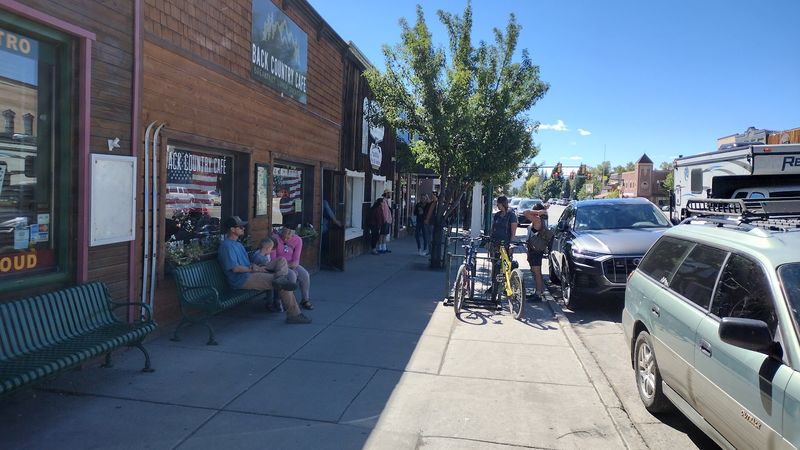
At an elevation of 7,703 feet, Gunnison is one of the coldest towns in the continental United States, and the local food scene seems to have taken that meteorological fact as a personal challenge to cook as hearty as humanly possible.
Ranching has defined this mountain valley for well over a century, and that identity shows up in the menus of Gunnison’s diners and local cafes in the most direct and satisfying way imaginable.
Beef is king here, and it is prepared with the confidence of people who have been doing this for generations.
Chicken fried steak smothered in white gravy is practically a civic symbol in Gunnison. Order it at a local diner and the portion will arrive looking like it could feed two people, which in this altitude makes perfect sense because your body genuinely needs the energy.
Mario’s Pizza and Subs at 213 W Tomichi Ave has been a Gunnison staple for decades, beloved by locals and returning travelers alike for its generous portions and unpretentious atmosphere.
W Cafe at 114 N Main St is another name that comes up repeatedly when locals discuss where to eat a proper, filling breakfast.
Gunnison sits near the Blue Mesa Reservoir and is a gateway to Crested Butte, but it holds its own identity firmly.
This is not a ski town trying to be something else. It is a ranching community that happens to be surrounded by mountains, and the food tells that story clearly with every oversized, satisfying plate.
7. Lamar
Eat well here, tank up on coffee, and the plains suddenly feel a lot less empty and a lot more like home.
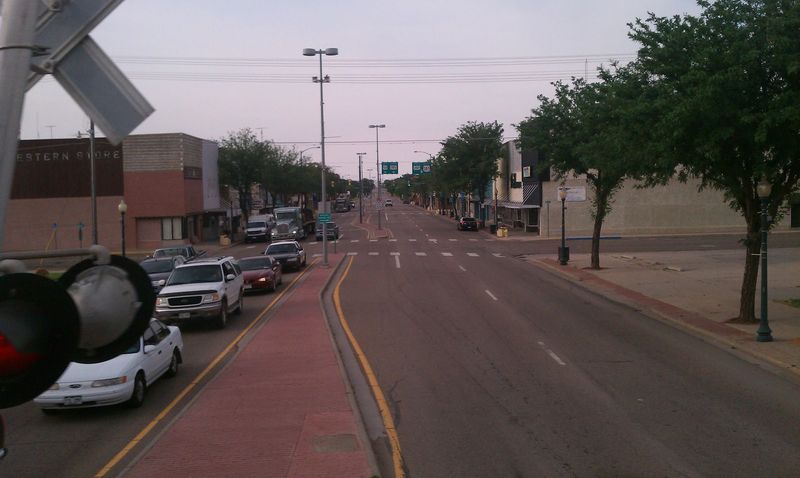
Out on Colorado’s eastern plains, Lamar sits in a landscape so flat and wide that the sky takes up more room than the land, and the food culture here matches that wide-open, no-nonsense energy perfectly.
This is cattle country in the most literal sense. Prowers County, where Lamar is the county seat, has long been one of Colorado’s significant ranching regions.
That heritage feeds directly into what locals expect from a good meal: beef, generous portions, and nothing pretentious about any of it.
Highway diners and family-owned restaurants define the Lamar food scene, catering to ranchers, long-haul drivers, and road trippers cutting across the plains on US-50.
The food is classic American comfort cooking, executed with the kind of reliability that makes travelers come back the same time every year.
A double cheeseburger with hand-cut fries at a Lamar diner is not a trendy menu item. It is a well-practiced tradition, and the difference is completely noticeable in every bite.
Lamar also sits near the Comanche National Grassland, which makes it a natural stopping point for anyone exploring the lesser-traveled corners of southeastern Colorado.
8. Sterling
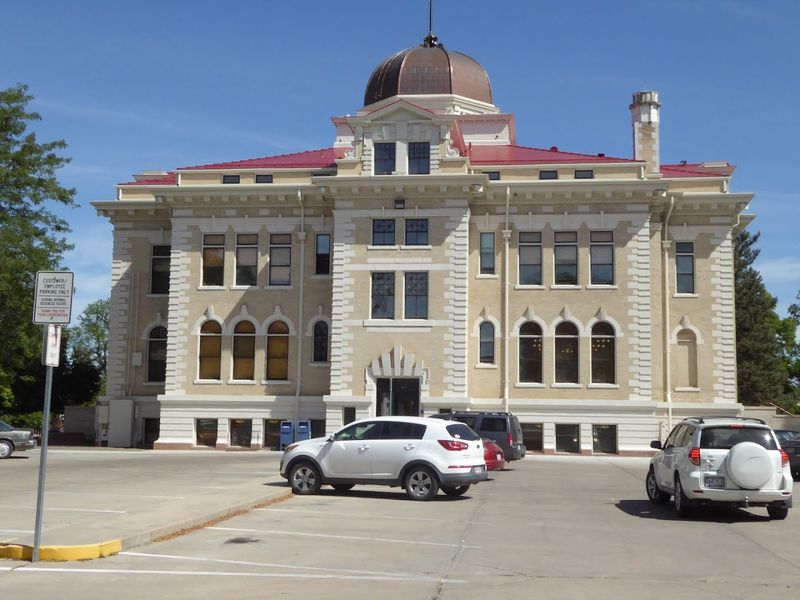
Sterling calls itself the City of Living Trees, thanks to a local chainsaw sculptor who spent decades carving the town’s dead cottonwoods into elaborate art pieces.
That same spirit of making something meaningful out of what you have runs straight through the local food scene.
In northeastern Colorado along the South Platte River, Sterling is an agricultural hub where sugar beets, corn, and cattle have shaped the economy and the community for generations.
The restaurants here feed that community with the kind of reliability that builds genuine loyalty over decades.
Family-run diners are the backbone of eating in Sterling. These are not places with rotating seasonal menus or ingredient sourcing stories printed on a chalkboard.
They are places where your coffee arrives before you even ask, and the biscuits and gravy are made the same way they were twenty years ago.
That consistency is the whole point. Working-town food needs to be dependable, filling, and affordable, and Sterling’s local restaurants deliver on all three counts without any drama.
The Sterling area also sits along I-76, making it a well-traveled route for people crossing northeastern Colorado, and the local diners have built reputations that bring regulars back on every trip through.
Overland Trail Museum at 110 Overland Trail adds a layer of historical context to a stop in Sterling, connecting the town’s frontier past with the agricultural present in a way that makes the biscuits taste even better when you sit down knowing the full story of this town.
9. Fort Morgan, Colorado
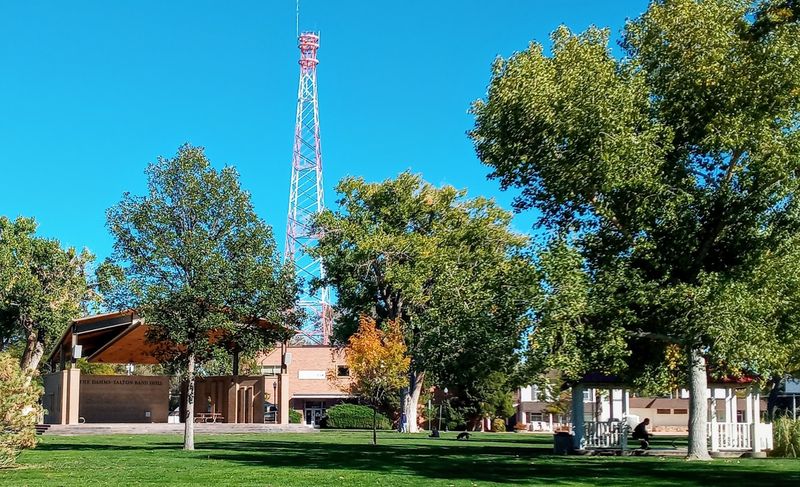
Glenn Miller, the legendary big band musician, grew up in Fort Morgan, and there is something fitting about a town that produced such warm, crowd-pleasing music also being a place where the food is reliably comforting and made to be shared.
On the South Platte River in northeastern Colorado’s Morgan County, Fort Morgan is surrounded by some of the state’s most productive farmland, with corn, sugar beets, and cattle operations shaping the landscape and the local economy in equal measure.
The diner culture here is steady and sincere.
Meatloaf with mashed potatoes and a side of corn is the kind of plate that appears on local menus not because it is fashionable but because it works, and it has been working in this part of Colorado for as long as anyone can remember.
Fort Morgan rewards the kind of traveler who is not in a hurry. Spending time at the Glenn Miller Museum, walking along the river, and then sitting down for a proper home-cooked lunch is a genuinely unhurried Colorado experience.
The plains towns of northeastern Colorado rarely make travel magazine covers, and Fort Morgan is perfectly fine with that arrangement. It keeps the tables full of locals, the portions honest, and the coffee hot, which is really all a good diner town needs to get exactly right.