14 Common Alabama Home Elements That Could Be Illegal Soon
Alabama homeowners might soon face surprising changes to what they can keep in their yards and homes.
New rules focusing on water conservation, environmental protection, and modern living are reshaping what’s allowed on residential properties.
Some features you’ve had for years could become restricted or even banned as the state adapts to climate challenges and sustainability goals.
Understanding these potential changes now can help you prepare and make smart decisions about your property’s future.
1. Sprawling Green Lawns
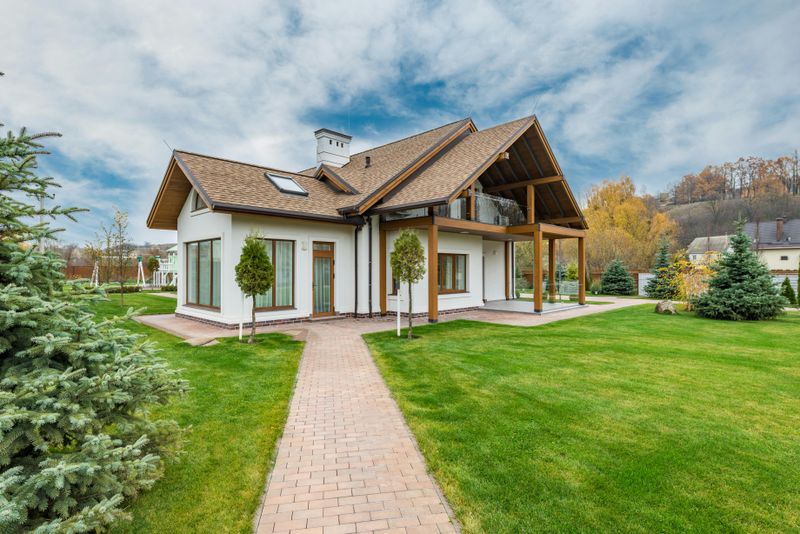
Alabama’s climate is shifting, and those picture-perfect grass lawns are becoming harder to justify.
Drought conditions are hitting the state more frequently, making water a precious resource.
Keeping a massive lawn green requires thousands of gallons weekly, driving up utility bills and straining local water supplies.
Environmental experts point out that traditional turf grass offers little benefit to native wildlife and pollinators.
Many Alabama communities are beginning to discuss water use restrictions that could limit lawn irrigation.
Some neighborhoods already encourage or require drought-resistant landscaping alternatives.
Native ground covers, clover, and wildflower meadows use far less water and support local ecosystems better.
Homeowners who rely on sprawling lawns may soon face seasonal watering bans or higher water rates.
Transitioning now to sustainable landscaping could save money and trouble down the road.
The classic American lawn may soon become an outdated luxury in Alabama.
2. Water-Hungry Ornamental Plants
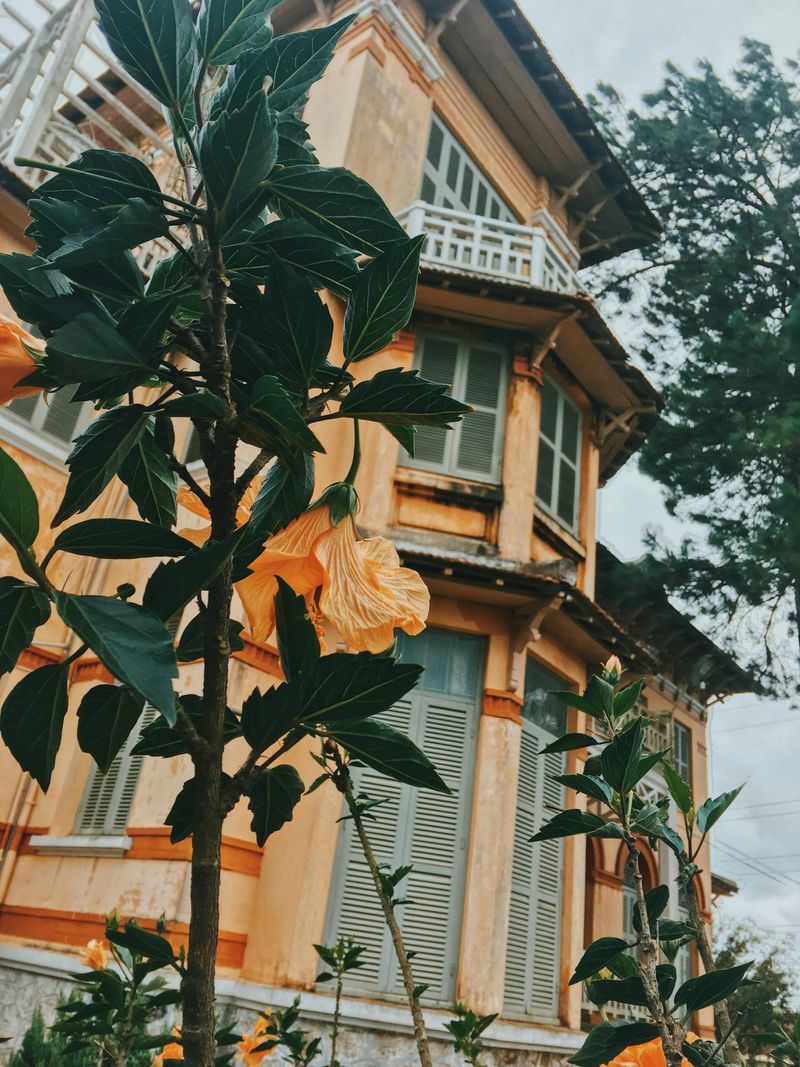
Many popular garden flowers weren’t meant for Alabama’s increasingly hot and dry summers.
Non-native ornamental plants often demand constant watering to survive the scorching heat.
These thirsty beauties can drain your water bill and contribute to resource depletion.
Alabama’s natural climate supports plenty of stunning native plants that thrive without extra irrigation.
Switching to species like coneflowers, black-eyed Susans, and native azaleas makes gardening easier and more sustainable.
Local nurseries are starting to stock more drought-tolerant and region-appropriate options.
Some municipalities are considering regulations that discourage or restrict high-water ornamentals in new landscaping projects.
Homeowners attached to exotic flowers may find themselves facing watering restrictions during dry spells.
Replanting with native species not only conserves water but also attracts butterflies, bees, and birds.
The shift toward water-wise gardening is gaining momentum across the state.
3. Private Swimming Pools
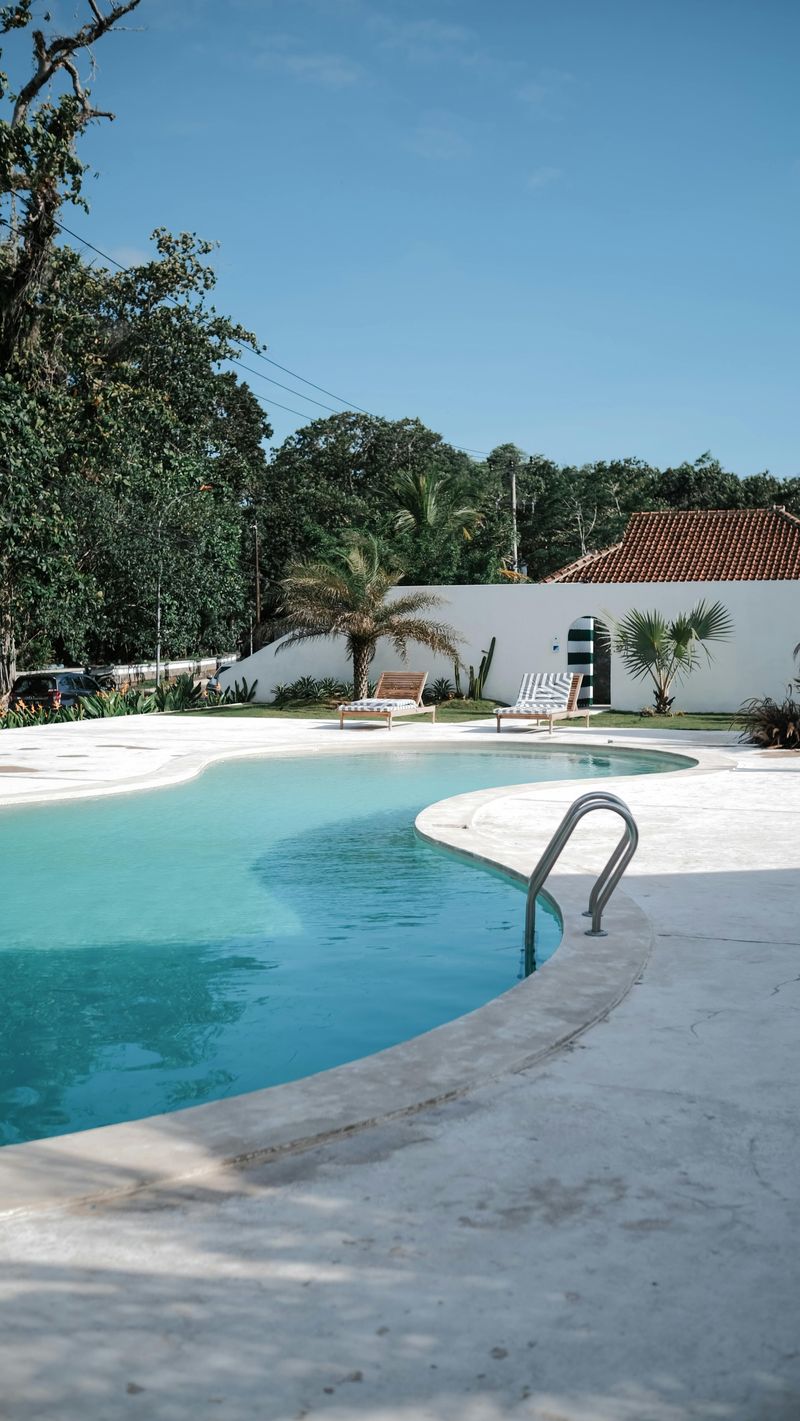
Backyard pools have long symbolized summer fun and relaxation in Alabama.
However, maintaining a pool requires thousands of gallons for filling and regular top-offs due to evaporation.
Water restrictions and environmental concerns are making private pools less practical.
The cost of chemicals, heating, and upkeep adds financial strain on top of water usage.
Some Alabama communities are beginning to implement stricter permitting rules for new pool installations.
During drought periods, filling or refilling pools may be prohibited entirely.
Public pools and community aquatic centers offer more sustainable alternatives for cooling off.
Homeowners with existing pools might face seasonal use restrictions or higher water fees.
Converting pool space into other outdoor living areas like patios or gardens is becoming more appealing.
The era of the backyard pool as a standard home feature may be fading in Alabama.
4. Invasive Bamboo Screens
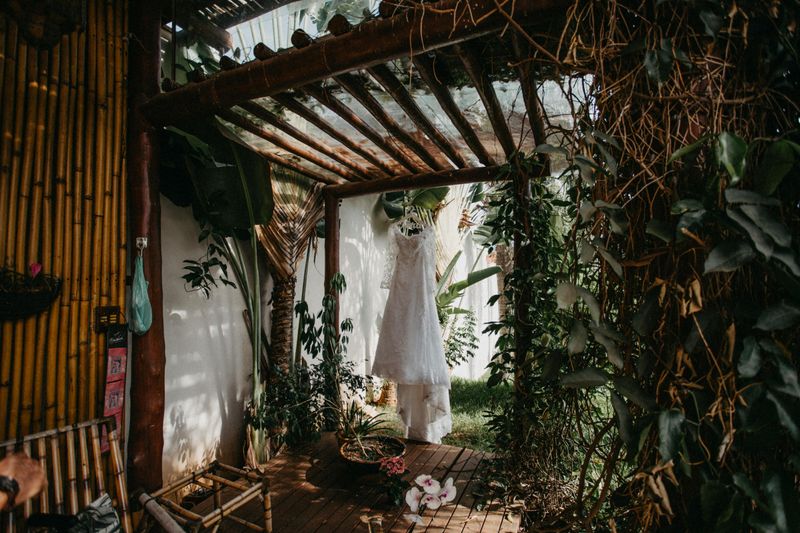
Bamboo seemed like a perfect solution for quick privacy between properties.
Unfortunately, many bamboo varieties spread aggressively, invading neighbors’ yards and natural areas.
Their root systems are nearly impossible to contain without expensive barriers.
Several Alabama counties have already banned certain bamboo species due to their invasive nature.
Homeowners may soon face mandatory removal requirements and hefty fines for allowing bamboo to spread.
The plant crowds out native vegetation and disrupts local ecosystems.
Removing established bamboo is costly and labor-intensive, often requiring professional help.
Better alternatives include native shrubs, wooden fences, or ornamental grasses that provide privacy without ecological harm.
Local ordinances are increasingly targeting bamboo as a nuisance plant.
If you have bamboo screens, checking local regulations now could save you from future headaches and expenses.
5. Chemical-Dependent Pest Control
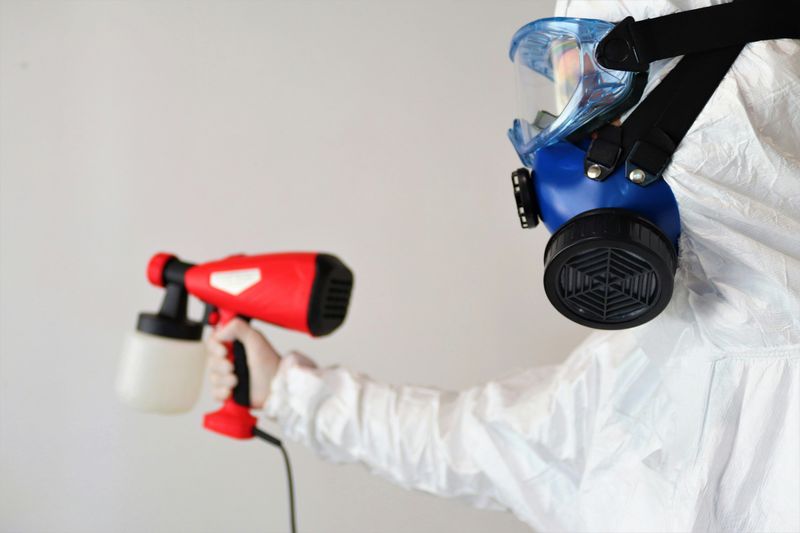
Traditional pest control methods rely heavily on chemical pesticides that harm more than just bugs.
Chemical-Dependent Pest Control practices are being phased out across Alabama due to pollinator decline and water contamination.
Bees, butterflies, and beneficial insects suffer when yards are regularly doused with toxins.
Chemical runoff enters streams and rivers, affecting aquatic life and drinking water quality.
State and local agencies are promoting integrated pest management that uses natural predators and less toxic alternatives.
Some communities are restricting or banning certain pesticide products entirely.
Homeowners can switch to organic methods, companion planting, and encouraging beneficial insects like ladybugs.
Future regulations may require licensing or limit when and how chemical pesticides can be applied.
Making the transition to eco-friendly pest control now helps protect Alabama’s environment and wildlife.
The days of blanket chemical treatments are numbered in residential areas.
6. Outdoor Fire Pits
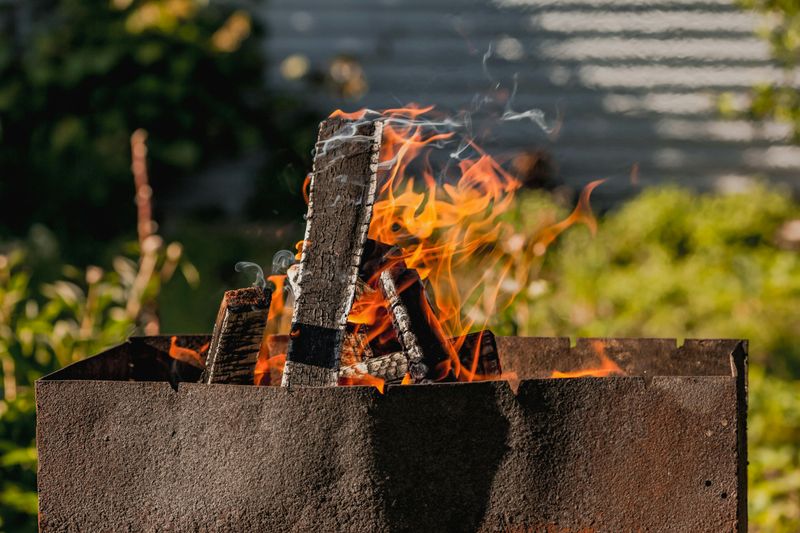
Gathering around a backyard fire pit creates wonderful memories on cool evenings.
Outdoor Fire Pits are facing increasing restrictions due to wildfire risks and air quality concerns.
Alabama’s hotter, drier conditions make open flames more dangerous than ever before.
Smoke from wood-burning fire pits contributes to air pollution and can bother neighbors.
Many communities are implementing seasonal bans during dry periods or prohibiting them altogether.
Violating fire bans can result in fines and liability if a fire spreads.
Safer alternatives include gas fire tables, electric heaters, or community fire rings in designated areas.
Some homeowners associations already ban or strictly regulate fire pits.
Checking local ordinances before installing or using a fire pit is essential.
The cozy appeal of backyard fires must now be balanced against safety and environmental responsibilities.
7. Non-Native Shade Trees
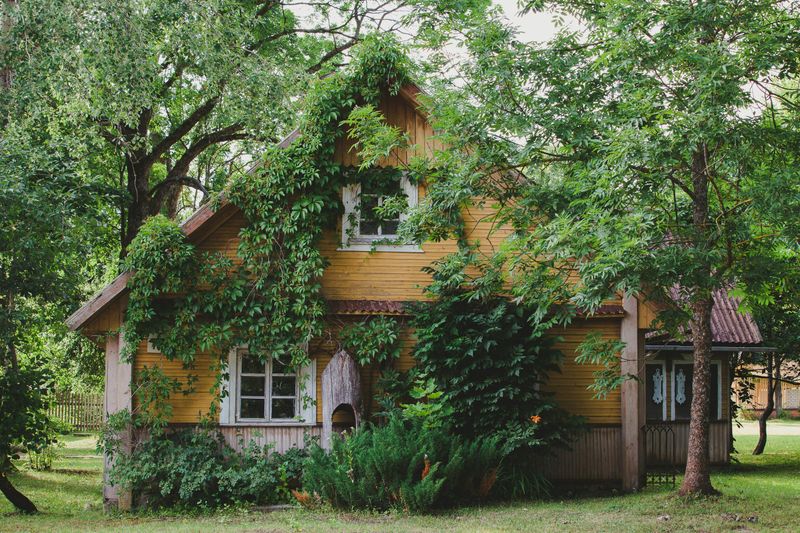
Shade trees provide comfort and beauty, but not all species belong in Alabama.
Non-Native Shade Trees often struggle during severe storms and can become invasive problems.
Trees like Bradford pears and certain maples have weak branch structures that fail during high winds.
Many non-native species are already banned from sale in parts of Alabama.
They outcompete native trees and provide little value to local wildlife.
Native options like oak, hickory, and Southern magnolia are stronger, longer-lived, and support local ecosystems.
Some municipalities are offering incentives for removing invasive trees and replanting natives.
Future regulations may require the removal of certain non-native species from residential properties.
Choosing native trees for new plantings ensures compliance and environmental benefit.
Alabama’s landscape is shifting back toward species that naturally thrive here and support native birds and insects.
8. Excessive Outdoor Lighting
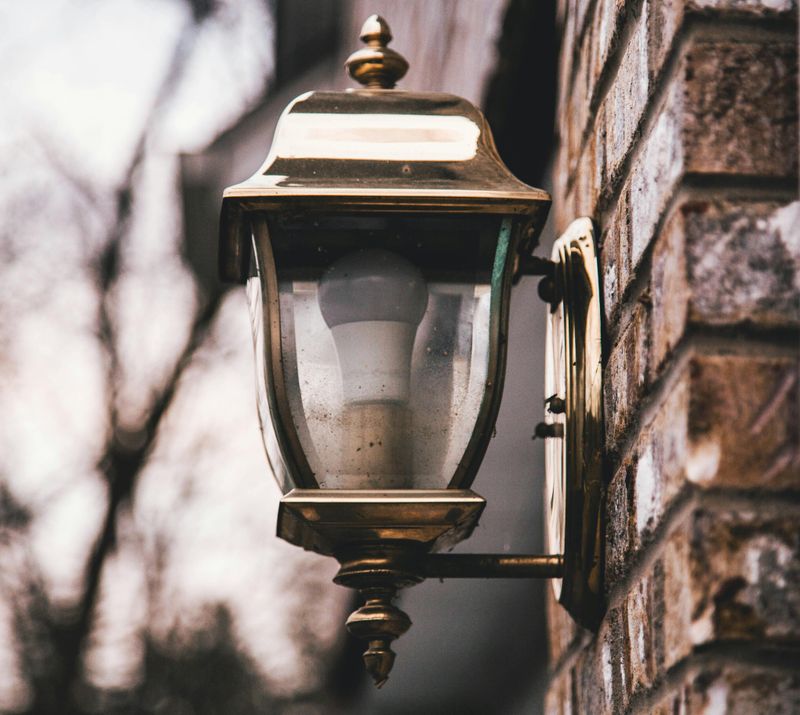
Bright security lights and landscape spotlights seem like good ideas for safety and curb appeal.
Excessive Outdoor Lighting creates light pollution that disrupts wildlife and wastes energy.
Nocturnal animals, migrating birds, and insects suffer when natural darkness disappears.
Dark sky ordinances are spreading across Alabama communities, limiting brightness, direction, and operating hours.
These regulations aim to preserve night skies while maintaining reasonable security lighting.
Motion-sensor lights and downward-facing fixtures offer better alternatives to always-on flood lights.
Some neighborhoods now prohibit upward-facing lights and require shielded fixtures.
Homeowners with excessive lighting may need to modify or remove fixtures to comply with new rules.
Reducing outdoor lighting also lowers electricity bills and helps neighbors sleep better.
The trend toward darker, more natural nighttime environments is gaining support from environmental groups and astronomers alike.
9. Artificial Fertilizer Programs
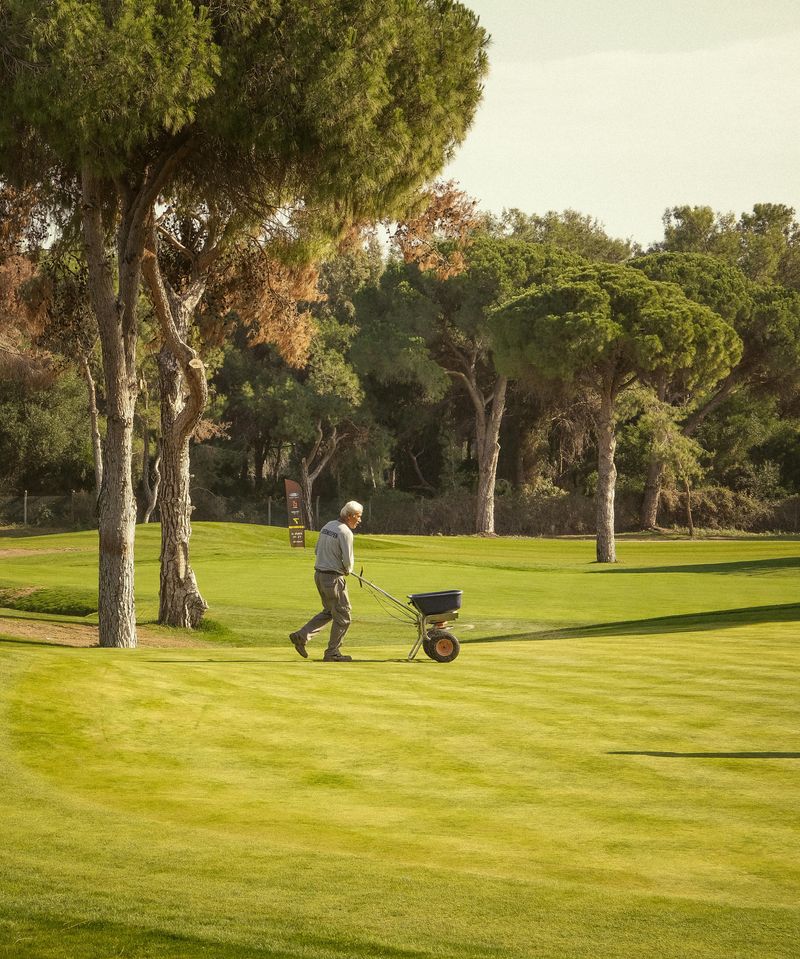
Regular fertilizer applications promise lush green lawns, but at a high environmental cost.
Artificial Fertilizer Programs contribute to water pollution when rain washes excess nutrients into streams and rivers.
Algae blooms, fish kills, and contaminated drinking water result from fertilizer runoff.
Several Alabama counties have enacted fertilizer blackout periods during rainy seasons.
Stricter regulations on timing, amounts, and fertilizer types are expected statewide.
Organic alternatives and soil testing can reduce or eliminate the need for chemical fertilizers.
Composting and mulching provide nutrients naturally without harming waterways.
Future rules may require permits or limit residential fertilizer use entirely.
Homeowners who continue heavy fertilizer programs may face fines or restrictions.
Transitioning to organic lawn care protects Alabama’s water resources while still maintaining healthy yards.
The movement away from chemical-dependent landscaping is gaining legislative support.
10. Water Features And Fountains
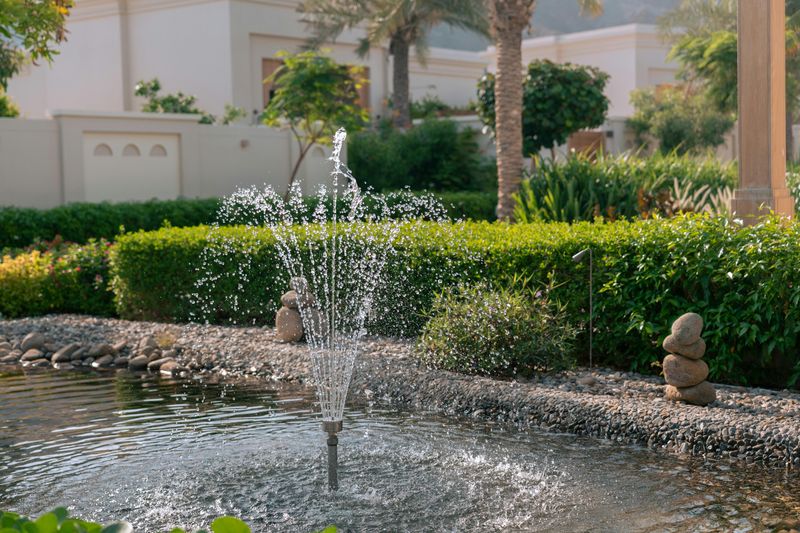
The soothing sound of flowing water adds tranquility to any outdoor space.
Water Features and Fountains are losing popularity due to water conservation concerns.
These decorative elements evaporate significant amounts of water, especially during Alabama’s hot summers.
Some communities are already limiting the size and operating hours of residential fountains.
Complete bans during drought conditions are becoming more common.
Recirculating systems help but don’t eliminate water loss through evaporation.
Homeowners may need permits or face restrictions on installing new water features.
Dry creek beds, rock gardens, and native plantings offer attractive alternatives without water waste.
Existing fountains might need to be drained or removed during water shortages.
The aesthetic appeal of water features must now compete with practical water conservation needs.
Alabama’s changing climate is making decorative water use harder to justify.
11. Formal Dining Rooms
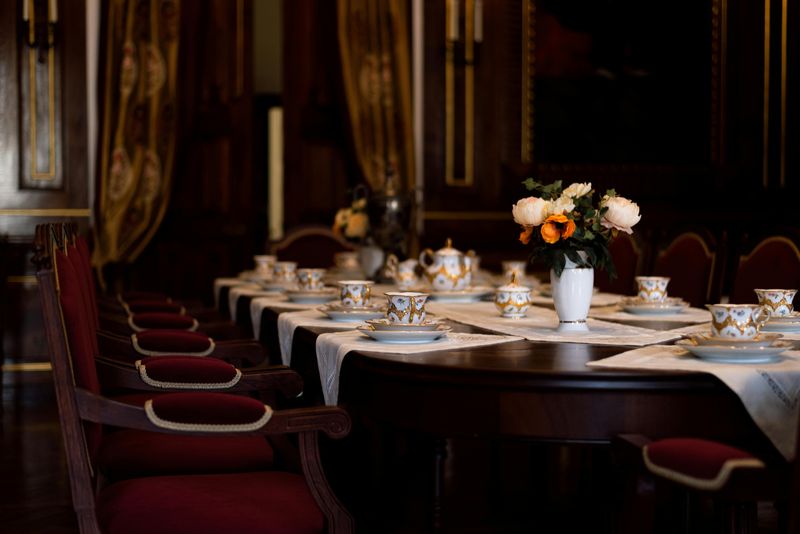
Formal dining rooms once represented sophistication and proper entertaining in Alabama homes.
Formal Dining Rooms now feel disconnected from how families actually live and eat together.
Most people prefer open-concept layouts where cooking, dining, and socializing flow naturally.
These separate rooms often sit unused except for holidays, wasting valuable square footage.
Modern homebuyers prioritize flexible spaces over formal, single-purpose rooms.
Renovations increasingly involve removing walls between kitchens and dining areas.
The isolated formal dining room doesn’t fit busy lifestyles or casual entertaining preferences.
While not legally banned, formal dining rooms hurt resale value and home functionality.
Builders are responding by designing homes without these traditional spaces.
Alabama home trends now favor versatile spaces that adapt to daily needs rather than formal rooms for special occasions.
The shift reflects broader changes in how families use their homes.
12. Whirlpool Tubs
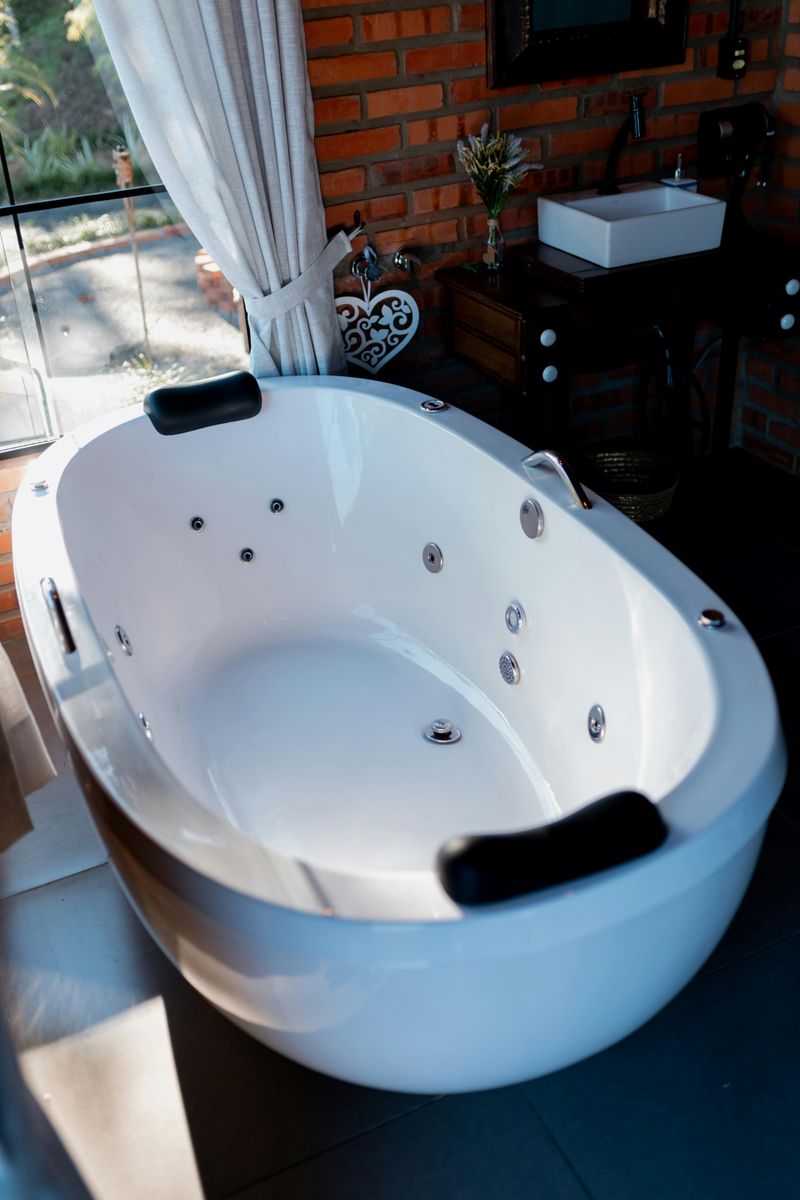
Oversized jetted tubs promised spa-like relaxation right at home.
Whirlpool Tubs are losing appeal due to maintenance hassles and excessive water consumption.
The jets require regular cleaning to prevent mold and bacteria buildup.
Filling these massive tubs uses far more water than most people realize or can justify.
Many homeowners admit they rarely use their whirlpool tubs after the initial excitement fades.
Modern buyers prefer large walk-in showers with multiple showerheads and rainfall features.
These options use less water and fit better with busy morning routines.
Removing whirlpool tubs during bathroom renovations is now standard practice.
The space can be better used for storage, larger showers, or double vanities.
While not illegal, whirlpool tubs are becoming outdated features that hurt home value.
Alabama homebuyers increasingly view them as maintenance burdens rather than luxury amenities.
13. Carpet Throughout The Home
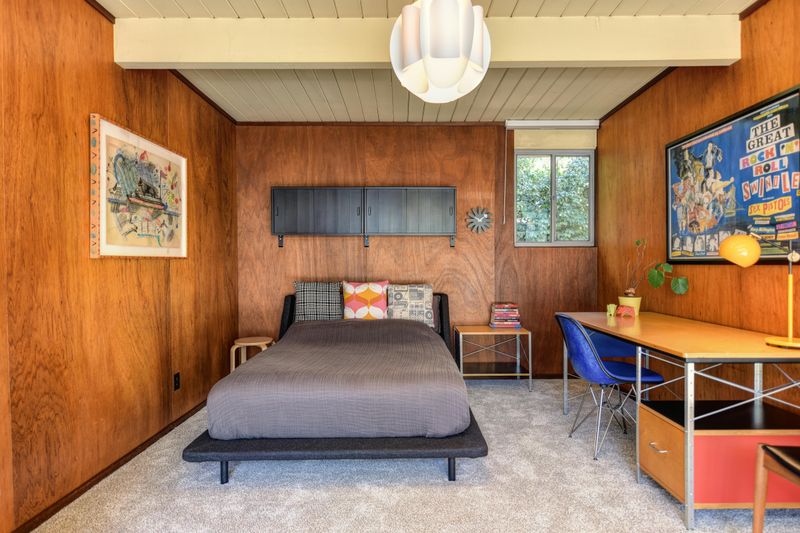
Wall-to-wall carpeting was once the standard in Alabama homes for comfort and warmth.
Carpet Throughout the Home is becoming less desirable, especially in high-traffic and moisture-prone areas.
Alabama’s humidity creates perfect conditions for mold, mildew, and dust mites in carpeting.
Hard flooring options like hardwood, luxury vinyl plank, and tile are easier to clean and maintain.
They look cleaner longer and don’t trap allergens the way carpet does.
Modern homebuyers strongly prefer hard surfaces with area rugs for flexibility.
Carpet in kitchens, bathrooms, and entryways is now considered a major turnoff.
While not banned, homes with extensive carpeting sell for less and take longer to move.
Replacing carpet with hard flooring is one of the best renovation investments.
Alabama’s climate makes carpet particularly problematic, accelerating the trend toward hard surfaces throughout homes.
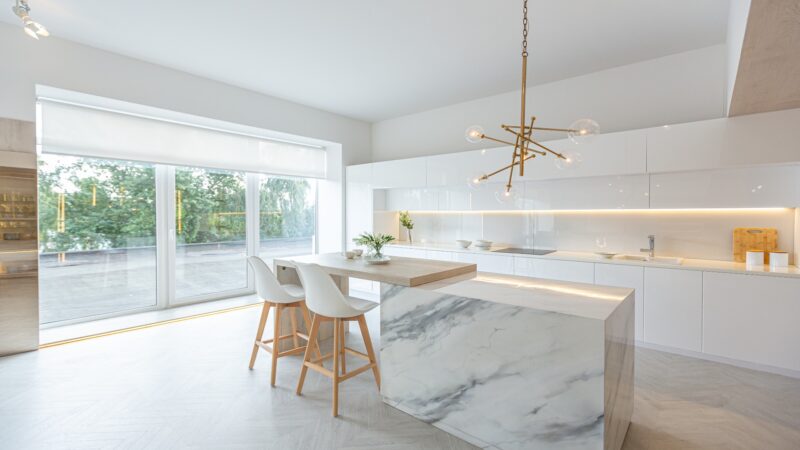
14. All-White Kitchens
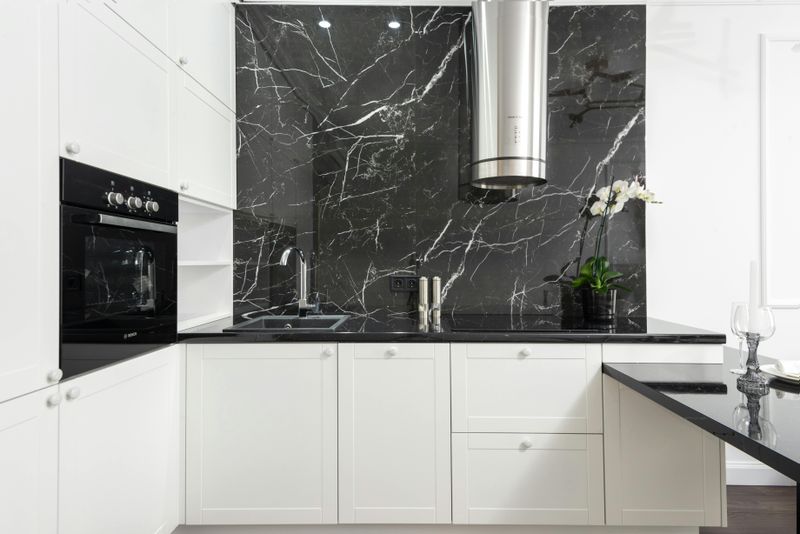
The all-white kitchen dominated design magazines and home improvement shows for years.
All-White Kitchens are losing popularity as homeowners tire of constant cleaning and sterile appearance.
Every speck of dirt, fingerprint, and splash shows immediately on white surfaces.
Alabama’s red clay soil makes keeping white kitchens pristine nearly impossible.
Buyers now gravitate toward warmer tones, two-tone cabinets, and natural wood accents.
These alternatives create more inviting atmospheres without sacrificing style or brightness.
White kitchens can feel cold and impersonal, lacking the warmth families want in gathering spaces.
Designers are incorporating color, texture, and natural materials for more personality and easier maintenance.
While not illegal, all-white kitchens are becoming dated and less appealing to buyers.
The trend toward warmer, more forgiving kitchen designs reflects practical concerns and changing aesthetic preferences across Alabama.