12 Common Arizona Home Features Homeowners Don’t Realize Could Violate State Codes
Owning a home in Arizona comes with its own set of challenges, especially when it comes to staying on the right side of state and local building codes.
Many homeowners have features in their houses that seem harmless but could actually be breaking the rules without them even knowing it.
From backyard additions to indoor installations, these common violations can lead to fines, safety hazards, or even costly repairs.
Understanding what might be out of compliance can save time, money, and stress down the road.
1. Improper Deck Installations
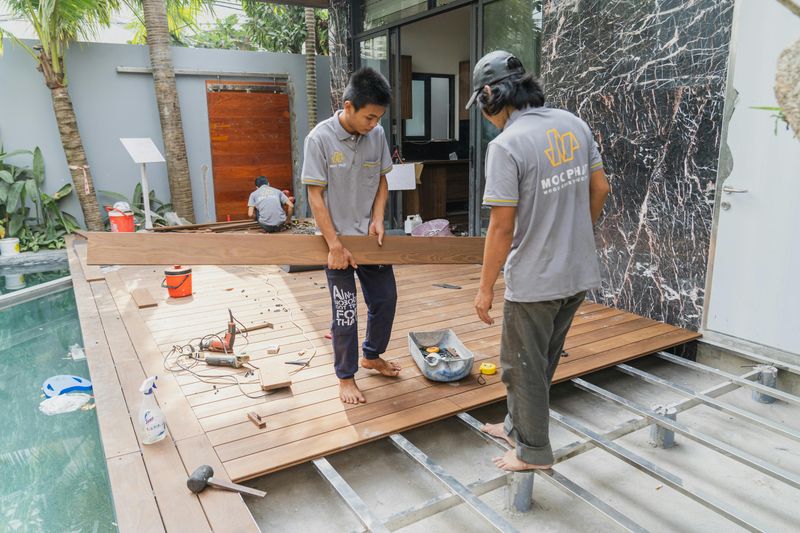
Decks are a popular feature for Arizona homes, offering a great space for outdoor living and enjoyment.
While building a deck might seem straightforward, skipping essential steps or using improper materials can lead to serious code violations and safety risks.
A deck that isn’t installed properly can pose a significant hazard, especially when it comes to structural integrity.
One common mistake homeowners make when building a deck is failing to properly attach the ledger board to the house.
This crucial step involves securing the ledger board with the right hardware to prevent any future instability.
Without this secure fastening, the deck could collapse or become unstable over time.
Another critical aspect of deck installation is the flashing between the ledger and the home’s exterior.
Flashing is essential to prevent water from getting into the structure, which could lead to rot, mold, and other structural issues.
For homeowners attempting to install a deck on their own, the risks can be even higher.
Without following building code guidelines, such as proper ledger board installation, water protection, and the correct materials, the deck could be unsafe for use.
To avoid these issues, hiring a professional or thoroughly researching proper installation techniques can help ensure that the deck meets building code standards and remains safe for family gatherings.
2. Unpermitted Solar Installations
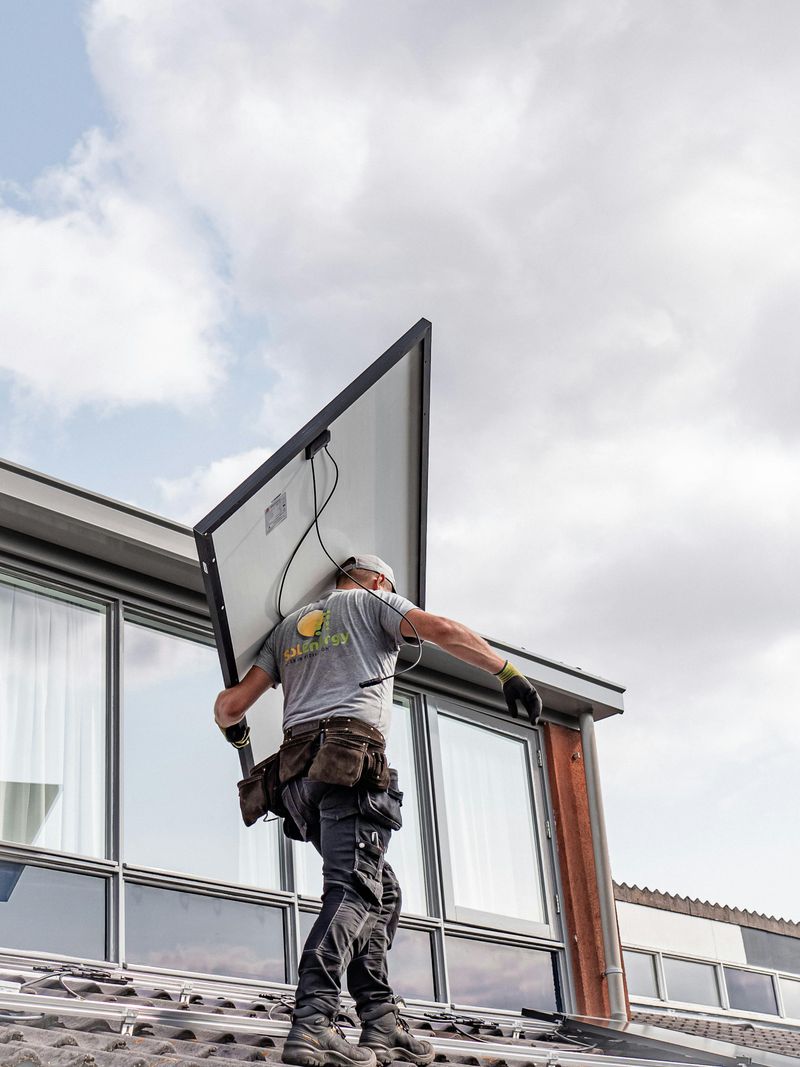
Arizona is known for its abundant sunshine, which makes solar power an attractive option for homeowners looking to reduce their energy costs and minimize their carbon footprint.
However, one critical mistake many homeowners make is installing solar panels without obtaining the necessary permits.
While the idea of skipping the permit process might seem like a way to save time and money, it could result in far bigger problems down the road.
Unpermitted solar systems often fail to meet important electrical codes, which could increase the risk of fire hazards.
Electrical issues in unpermitted systems may not only be unsafe but could also void roof warranties, leaving homeowners financially liable if something goes wrong.
For solar installations to be compliant with state and local codes, it’s necessary for the system to be properly grounded, wired, and secured to meet all structural and safety guidelines.
Skipping the permit process could save homeowners time upfront, but it may also lead to expensive corrections later.
Additionally, when selling the home, unpermitted solar panels might cause complications or even make it more difficult to sell.
Working with licensed solar contractors and securing the proper permits will ensure the system meets all necessary requirements and operates efficiently.
3. Fire Code Violations
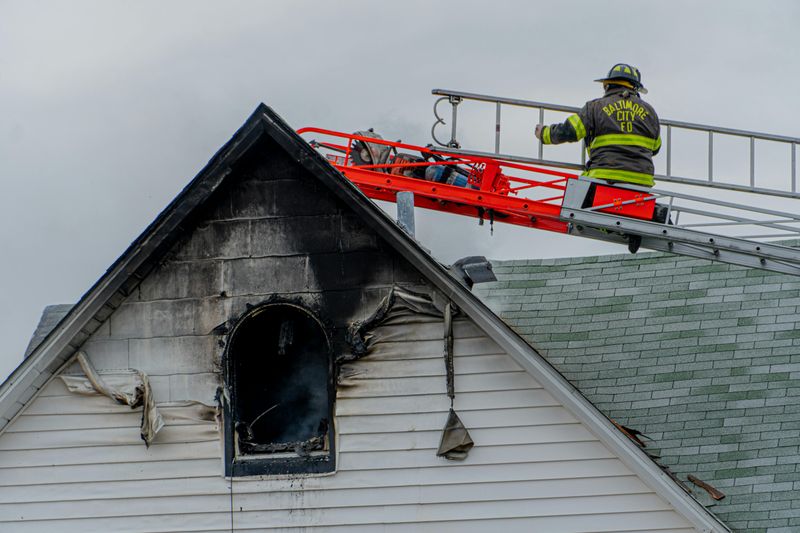
In Arizona, where summer temperatures can soar to triple digits, fire safety becomes a critical concern for homeowners.
One of the most important fire safety features is the proper installation of smoke alarms.
Building codes require that every bedroom has a functioning smoke detector, along with detectors in hallways and common areas.
These alarms are essential for providing an early warning in case of fire, allowing residents to evacuate safely.
Many homeowners are unaware that outdated or improperly placed smoke alarms can violate fire codes and put lives at risk.
Smoke alarms need to be checked regularly to ensure that they are functioning properly.
Additionally, alarms should have their batteries replaced twice a year, and any alarms older than 10 years should be replaced entirely.
Not only does regular maintenance ensure that alarms work when needed most, but it also keeps the home in compliance with fire safety codes.
4. Structural Code Violations
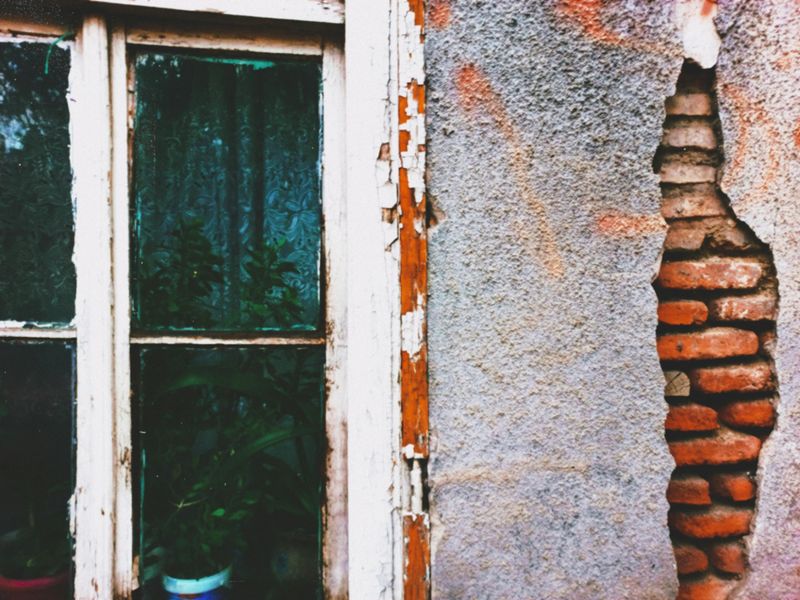
Renovations and remodels are a great way to update a home, but homeowners should be cautious about making changes to the structural integrity of the building.
One common violation that many homeowners are unaware of involves the removal of load-bearing walls.
These walls support the weight of the roof and upper floors, so altering or removing them without proper approval can be incredibly dangerous.
Without consulting a structural engineer or obtaining the necessary permits, removing load-bearing walls can lead to disastrous consequences.
The weight distribution in the home could be compromised, resulting in cracks in ceilings, sagging floors, or even structural collapse.
Homeowners who attempt to remove walls or make structural changes without proper planning often discover the problems too late when the damage is already done.
Consulting a structural engineer before making these kinds of changes can help ensure that the modifications are safe and meet local building codes.
5. Venting Code Violations
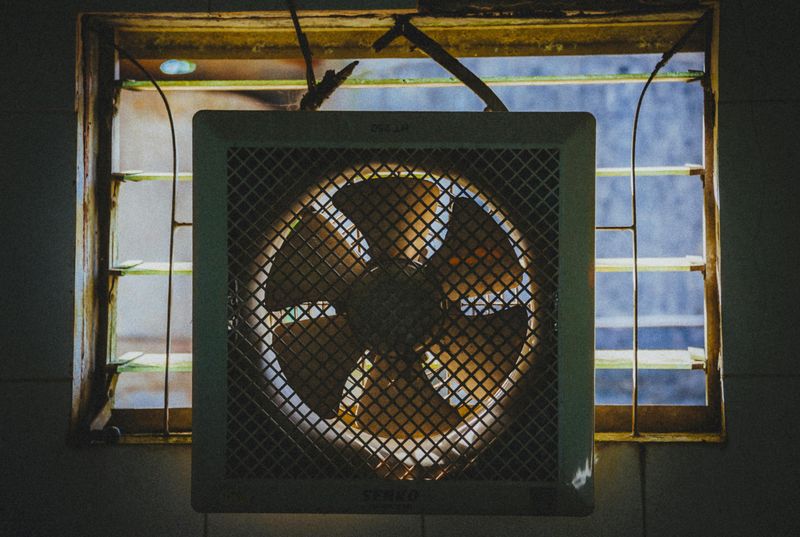
Proper venting is crucial for the health of a home, especially when it comes to bathroom exhaust fans.
Many homeowners make the mistake of venting bathroom fans into the attic or crawl spaces, thinking this will be sufficient.
However, building codes require that bathroom exhaust fans vent directly to the outside to prevent moisture buildup inside the home.
If humid air from showers or baths is trapped in the attic or crawl space, it creates the perfect environment for mold and mildew to thrive.
Over time, this moisture can damage insulation, wood framing, and other structural components of the home, leading to costly repairs.
To avoid these issues, homeowners should ensure that their bathroom fans vent directly to the exterior, which can prevent moisture buildup and keep the home dry, healthy, and in compliance with building codes.
6. Unpermitted Pools And Spas
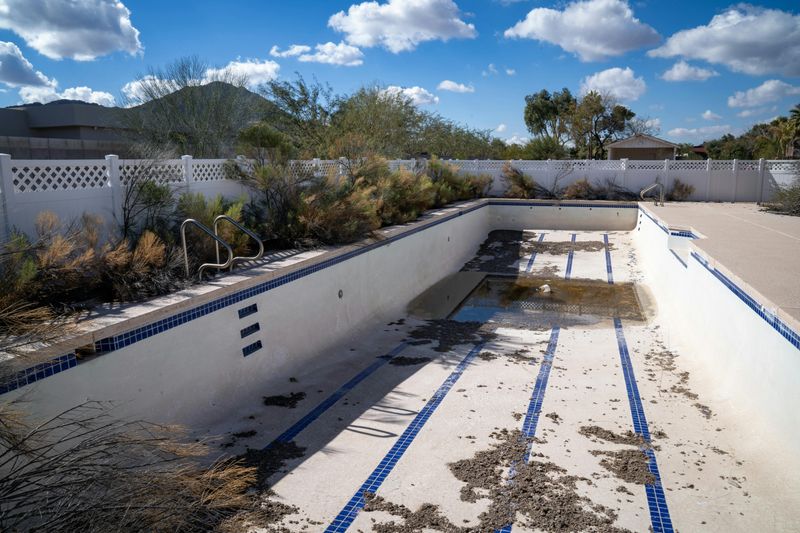
In Arizona, pools and spas are a popular way to beat the summer heat, but installing them without obtaining the proper permits can lead to significant problems.
Arizona state codes require that pools and spas meet certain safety standards, including proper fencing and barriers to prevent accidental drownings, especially for young children.
Unpermitted pools may not meet these safety standards, which can be dangerous for families, guests, and neighbors.
Additionally, local municipalities may have regulations governing the installation of pools and spas, including setbacks from property lines, fencing requirements, and the need for inspections.
To ensure that pools and spas are installed safely and in compliance with state and local codes, it’s crucial to work with licensed contractors and obtain all necessary permits.
7. Unpermitted Additions
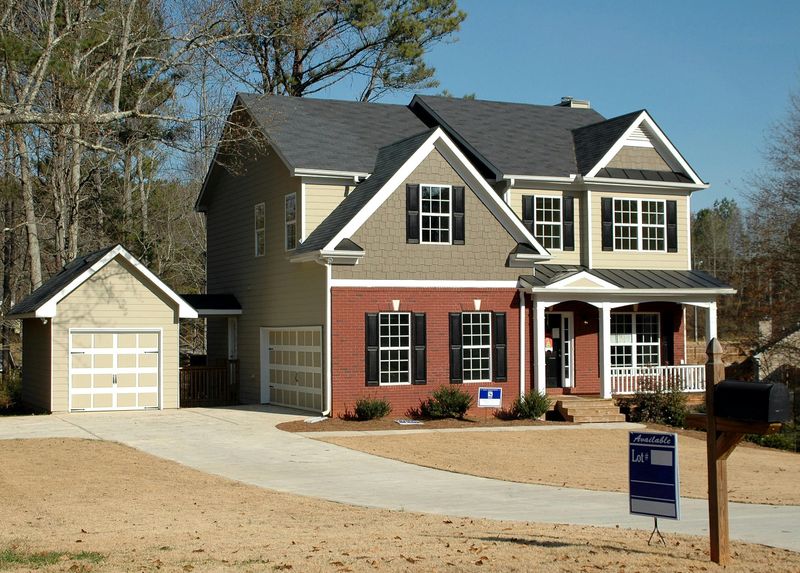
Adding extra space to your home might feel like an exciting way to increase its value, whether by building a new garage, a guest house, or an accessory dwelling unit (ADU).
However, it’s critical to obtain the proper permits before beginning construction.
Homeowners often make the mistake of assuming that they can go ahead with these projects without approval, only to find out later that they are in violation of local zoning and building codes.
Building codes are designed to ensure that structures are safe, properly zoned, and meet essential standards such as electrical, plumbing, and HVAC regulations.
When additions are built without the appropriate permits, the new structures risk being deemed unsafe or illegal.
This could result in costly fines, orders to tear down the unpermitted addition, or an inability to sell the home down the line if the addition is found to be in violation.
Additionally, if there are issues with the addition later on, insurance might not cover the costs.
Before starting any construction project, whether it’s a small extension or a major overhaul, it’s always wise to check with the city or county building department.
They can provide information on the necessary permits, approvals, and inspections required for the project.
This simple step can prevent unnecessary complications and save homeowners from major headaches.
8. Improperly Installed Fire Pits Or Outdoor Structures
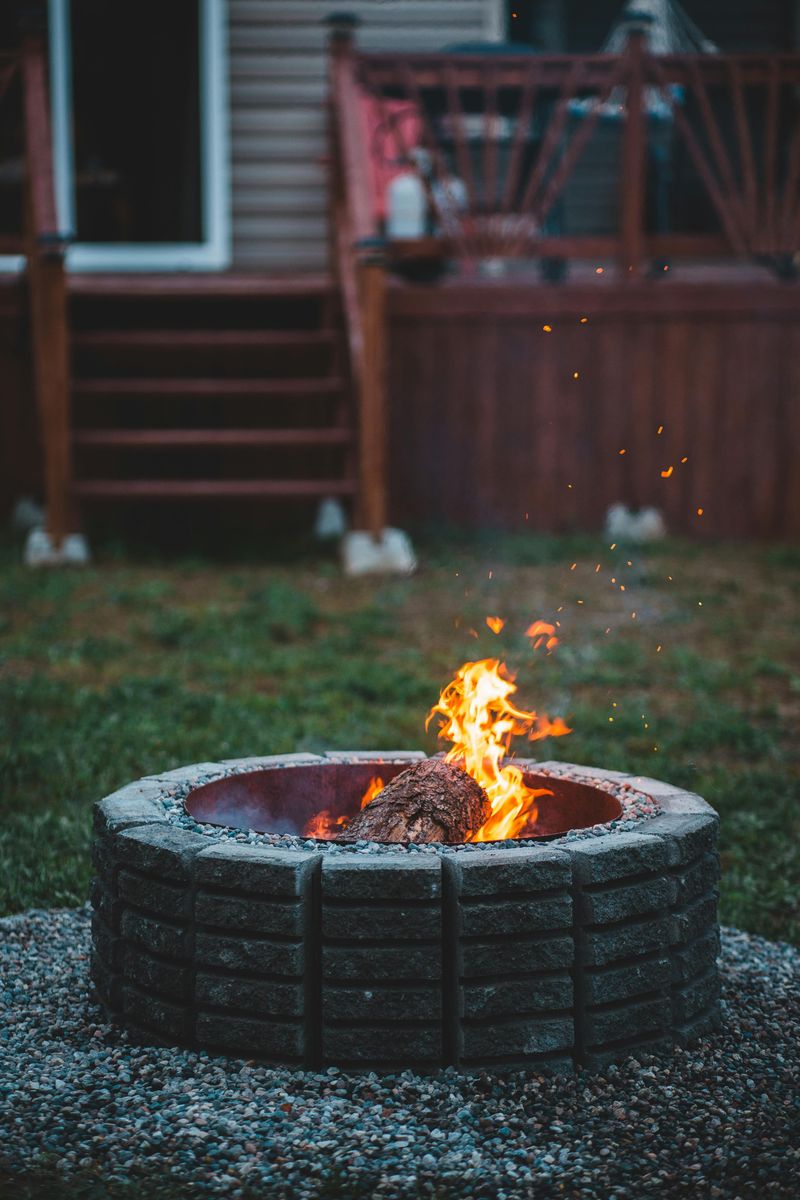
Outdoor living spaces are a huge draw for homeowners in Arizona, and features like fire pits, pergolas, and outdoor kitchens are increasingly popular.
However, these features are not exempt from building codes.
Installing a fire pit or other outdoor structure without the proper permits can lead to code violations, especially when it comes to setback requirements, fire safety rules, and structural guidelines.
When building outdoor structures or features like fire pits, homeowners must ensure they are compliant with local ordinances, which may dictate how far from the property line the structure can be placed, the types of materials used, and safety measures like fireproofing.
Failing to adhere to these requirements can lead to fines, orders for removal, and wasted money.
It’s best to consult local building authorities or a professional contractor before starting any outdoor project to ensure that the feature meets all safety and zoning requirements.
9. Non-Compliant Landscaping Features

Landscaping is an important part of a home’s exterior, and in Arizona, hardscaping features like artificial turf and concrete are especially popular due to the dry climate.
However, covering too much of a yard with impervious surfaces can violate municipal codes that regulate drainage and stormwater management.
Many cities in Arizona set limits on the amount of non-permeable material allowed in a yard to prevent runoff and flooding during rainstorms.
Hardscaping materials like asphalt, concrete, and stone can prevent rainwater from soaking into the soil, leading to drainage issues and increased runoff.
To comply with local codes and avoid potential fines, homeowners should balance hardscaping with permeable materials such as gravel, decomposed granite, or native plants that allow water to pass through the surface.
This will help maintain a functional yard while meeting local stormwater management guidelines.
10. Unauthorized Signage
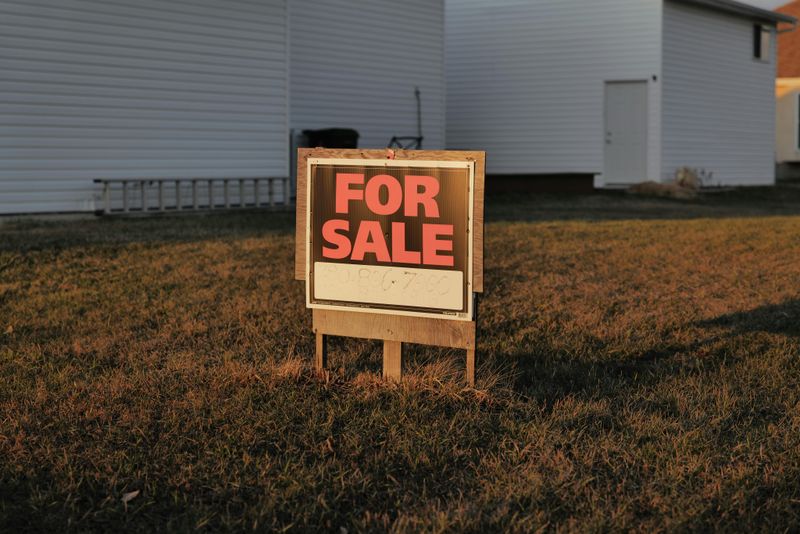
Many homeowners place signs in their yards, whether to advertise a business, support a political candidate, or announce a property for sale.
However, zoning codes and homeowners association (HOA) rules often restrict the size, placement, and duration of such signage.
Violating these rules can lead to fines, forced removals, or other penalties.
For example, for-sale signs, political banners, or business advertisements might not comply with local ordinances if they exceed allowable dimensions or stay up longer than permitted.
Before placing any signs on their property, homeowners should check with their local municipality or HOA to ensure compliance with regulations.
Understanding the rules will help avoid unnecessary disputes and penalties.
11. Parking Commercial Vehicles In Residential Areas

Parking commercial vehicles like work trucks, trailers, or delivery vans in residential driveways might seem convenient for homeowners with a business or side hustle.
However, this is often in violation of local ordinances or HOA rules.
Many residential neighborhoods limit the size, type, and duration of commercial vehicle parking to maintain the residential appearance of the area.
Storing large commercial vehicles in a residential area can create complaints from neighbors and even result in fines.
To avoid violating local codes and disturbing the peace in the neighborhood, homeowners should consider parking commercial vehicles in designated areas or off-site locations.
Following parking restrictions helps maintain good relations with neighbors and avoids legal troubles.
12. Ignoring HOA Covenants
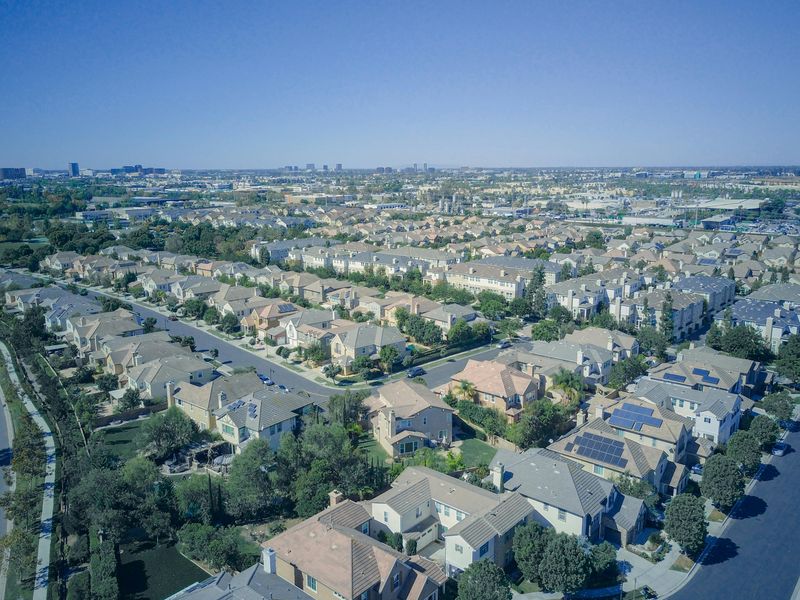
Homeowners associations (HOAs) play a large role in regulating the appearance and behavior of homes within a community.
HOA rules often include strict guidelines for exterior modifications, such as the placement, color, and visibility of solar panels, fences, or paint colors.
Even though Arizona law protects a homeowner’s right to install solar panels, an HOA may still have aesthetic rules that limit how they can be placed or designed.
Ignoring HOA covenants can lead to fines, legal disputes, and forced modifications.
To avoid these conflicts, homeowners should review the covenants before making any changes to their property.
Seeking approval from the HOA beforehand ensures that any alterations comply with community standards and saves homeowners from costly disputes or changes later.