9 Connecticut Gardens That Feel Like Hidden Worlds
Garden lovers, prepare to slow down and wander. These landscapes invite an unhurried afternoon.
Winding paths lead past blooms, hedges, and quiet ponds. You round a corner and catch your breath.
I lose myself happily among petals and old trees.
Some stay famous, while others hide quietly away. Greenhouses glow while borders shift through the season.
Each one carries its own gentle mood. The seasons repaint every bed and canopy anew.
Deep breaths come easily in these spaces. Heirloom roses, peonies, and rare specimens fill the beds.
Connecticut really holds more of these havens than expected.
1. Hollister House Garden, Washington
Ever followed a path just to see what bloomed around the bend? Trust the paths here, because the best blooms hide just off the main route.
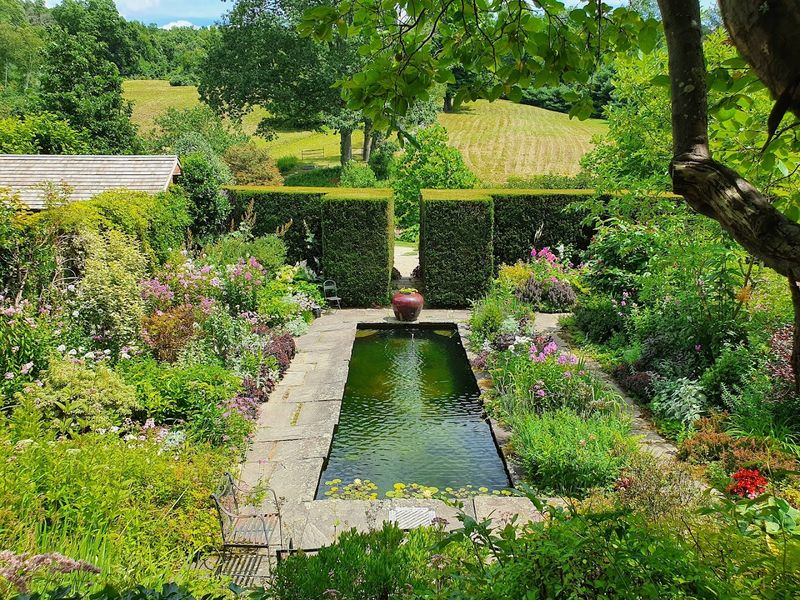
Hollister House Garden in Washington is one of Connecticut’s most admired private gardens open to the public. It draws its inspiration from classic English garden design, with a structure that feels both intentional and relaxed.
The mixed borders here are genuinely layered. Tall perennials stand behind shorter ones, and color is arranged with careful attention to contrast.
Climbing roses and clematis thread their way up old stone walls. The overall effect is rich without feeling crowded.
What makes this garden stand out is how it changes through the season. A spring walk reveals tulips and alliums. By midsummer, the borders are thick with phlox, salvia, and roses.
This garden at 300 Nettleton Hollow Rd feels deeply personal, as though every plant was chosen with real affection.
The surrounding landscape adds to the experience. Rolling hills and mature trees frame the garden from every angle. Open days are limited, so checking the schedule in advance is worth the effort.
Guided tours are available and add real depth to what you see. This is one of those rare gardens that rewards a second visit just as much as the first.
2. Bartlett Arboretum & Gardens, Stamford
It turns out that the slowest strolls clear the busiest minds. Forget the rush, because here the seasons set the only schedule.
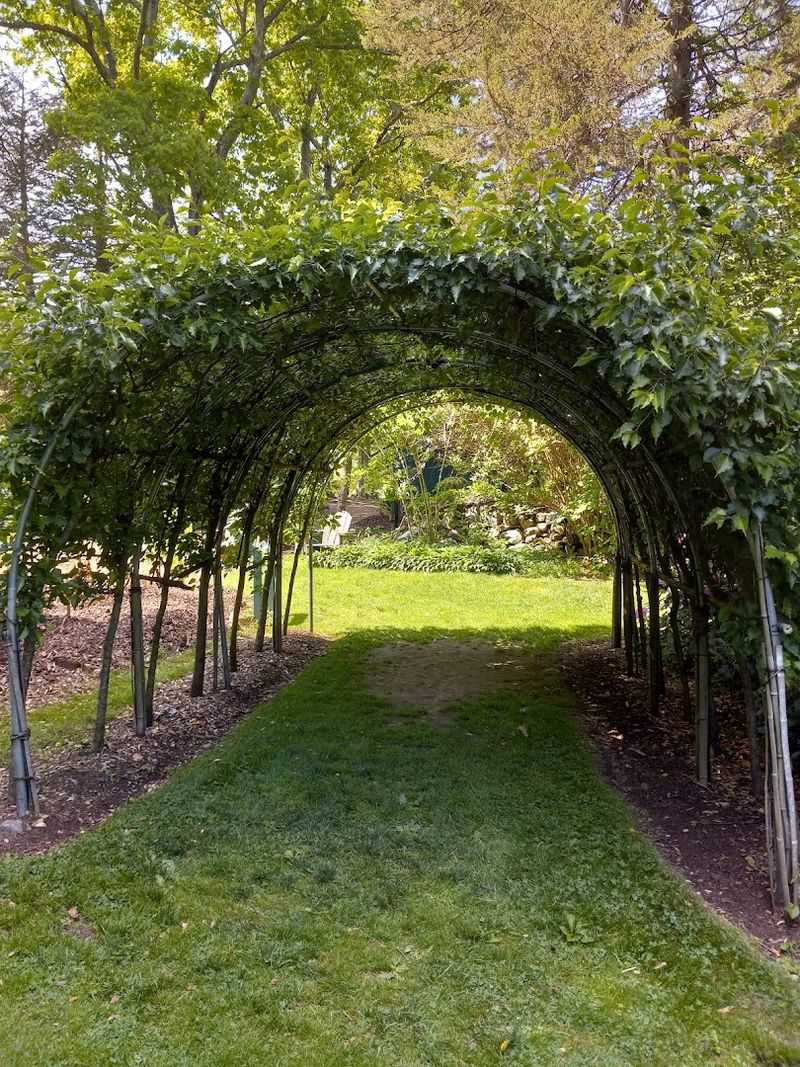
Bartlett Arboretum and Gardens covers 93 acres of woodland, wetland, and curated gardens in Stamford. It is the kind of landscape that rewards patience and slow movement.
The tree collection here is exceptional. Champion trees, rare conifers, and native hardwoods grow alongside carefully maintained garden beds.
The wet meadow trail is one of the best walks on the property, especially in late summer when native grasses reach their full height. Birdsong is a constant backdrop throughout.
There is also a teaching garden that changes with each growing season. It focuses on sustainable planting and native species, making it both educational and attractive.
The grounds at 151 Brookdale Rd in Stamford are open most days of the year. Dogs are welcome on leash, which adds a relaxed energy to the whole experience.
Spring brings magnolias and early bulbs. Summer fills the meadow with wildflowers. Autumn turns the tree canopy into something worth photographing from every angle.
The arboretum also runs workshops and seasonal programs for adults and children. If you come for the trees, the birds, or simply the quiet, you leave with a clearer head than when you arrived.
3. Marsh Botanical Garden, New Haven
You do not need a green thumb, just a willingness to wander. There is a specific magic in color arranged with such patience.
Marsh Botanical Garden sits within the Yale University campus and carries a long history of horticultural education. It has been part of the university since the late 19th century.
The outdoor garden features a formal layout with symmetrical beds and brick pathways. Seasonal plantings rotate throughout the year, keeping the display fresh from spring through autumn.
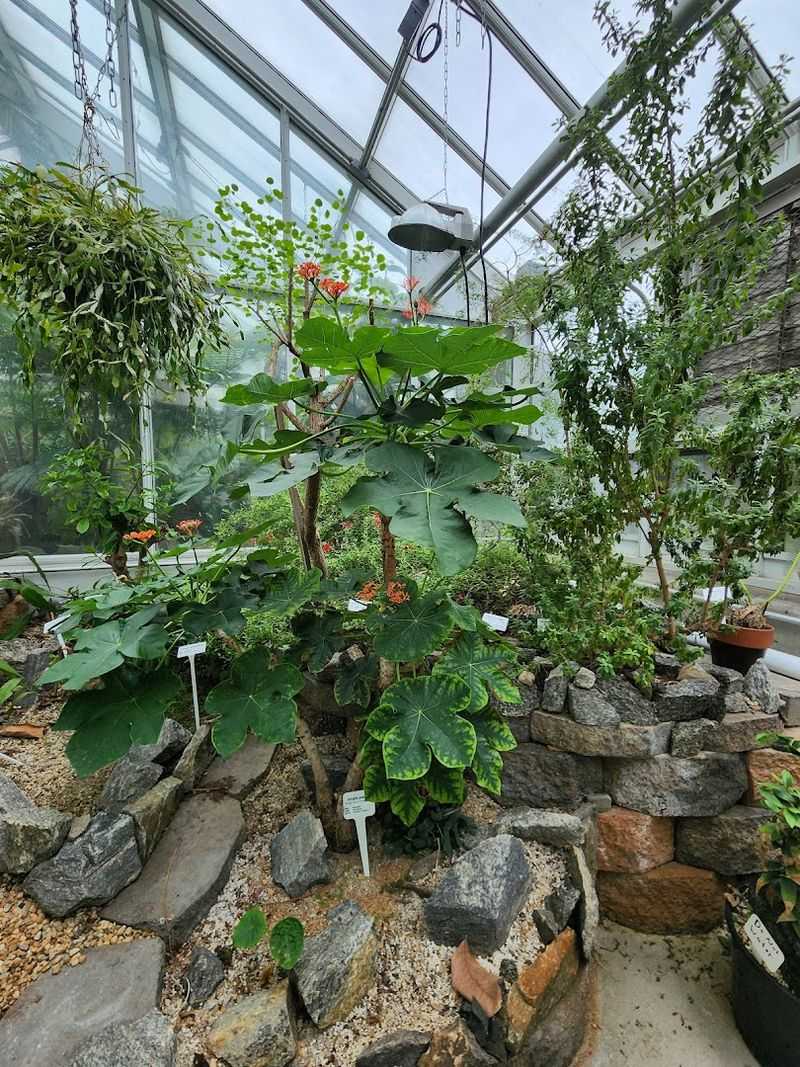
The greenhouse complex is the real highlight for plant enthusiasts. It holds tropical and subtropical collections that feel completely removed from the New England climate outside.
Inside the greenhouses, you will find orchids, carnivorous plants, and a diverse range of specimens from around the world.
The contrast between the cold Connecticut air and the humid warmth inside is striking. The garden is located at 265 Mansfield St in New Haven, tucked quietly within the university grounds.
Access is free, which makes it an easy addition to any New Haven itinerary. The staff are knowledgeable and approachable if you have questions about specific plants.
It is a smaller garden compared to others on this list, but the depth of its collection more than compensates. For anyone curious about plants beyond the familiar, Marsh Botanical Garden opens up a wider world in a compact and accessible way.
4. Bellamy-Ferriday House & Garden, Bethlehem
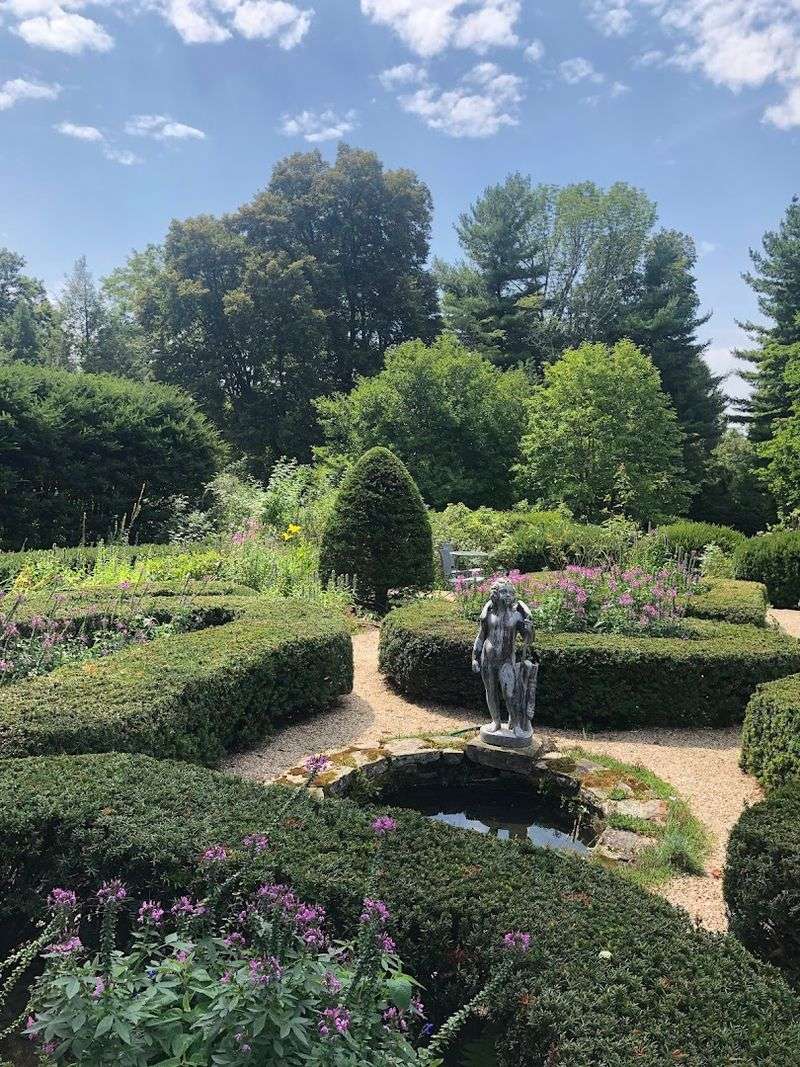
One slow loop through the beds rewires your sense of calm. Some places impress, but this one simply soothes.
The Bellamy-Ferriday House and Garden in Bethlehem is a property that holds both architectural and horticultural significance.
The house dates to the 18th century, and the garden reflects a Colonial Revival style that was fashionable in the early 20th century.
Boxwood hedges form the backbone of the design. Inside those green walls, you find roses, peonies, and perennial borders arranged with a clear sense of order.
The lilac collection is particularly impressive in May. It was assembled over decades and includes both common and rare varieties.
The formal structure of the garden creates a sense of enclosure that feels almost private. Standing in the center, surrounded by symmetrical beds and clipped hedges, the outside world disappears.
The property at 9 Main St N in Bethlehem is managed by Connecticut Landmarks and is open seasonally. Guided tours of the house offer context that enriches the garden experience.
Learning about the families who shaped this property adds meaning to every planted corner. The combination of architecture and horticulture here is unusually cohesive.
If formal garden design interests you, this is one of the most well-preserved examples of its style in the state.
5. Cricket Hill Garden, Thomaston
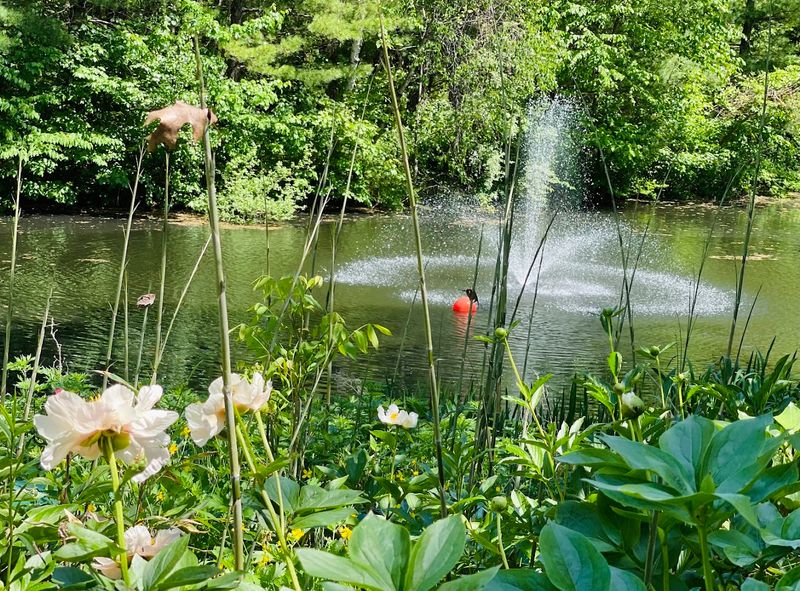
Is there a calmer way to lose an afternoon than under petals?
Cricket Hill Garden in Thomaston is one of the most specialized gardens in New England. It focuses almost entirely on tree peonies and herbaceous peonies, making it extraordinary during peak bloom.
The collection here includes hundreds of named varieties, many of them sourced from China and Japan. Tree peonies produce flowers that can reach the size of a dinner plate.
The colors range from soft ivory and blush to deep burgundy and near-black. Seeing them all together in late May is genuinely arresting.
The hillside setting adds a natural drama to the display. Rows of peonies climb the slope, and the surrounding landscape of Connecticut countryside frames the scene without competing with it.
The garden at 670 Walnut Hill Rd in Thomaston is family-run and has been cultivating peonies for decades.
Peak bloom usually falls between mid-May and early June, so timing your trip matters. The garden also sells plants, which is a real draw for serious gardeners.
Beyond peonies, there are companion plantings of alliums and ornamental grasses that extend the seasonal interest. A visit here during bloom season is one of the most concentrated floral experiences Connecticut has to offer.
6. Elizabeth Park Rose Garden, Hartford
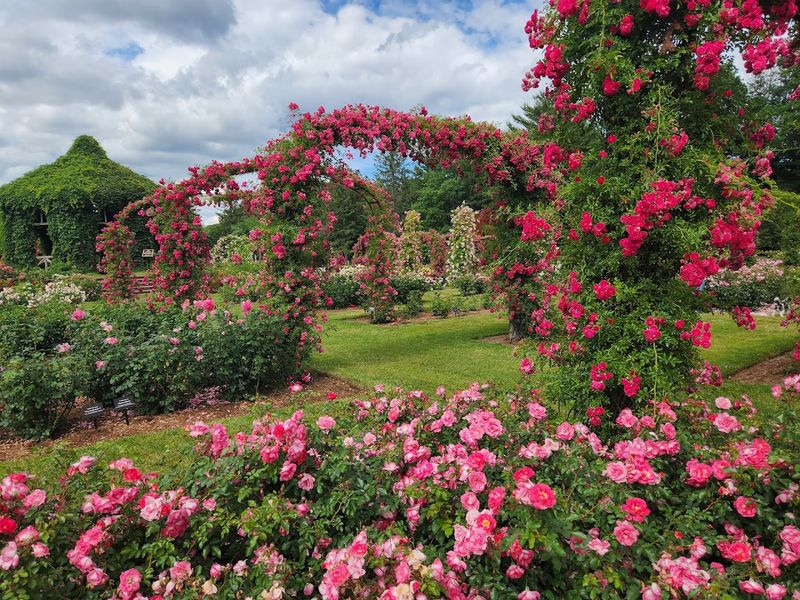
Who knew a few acres of green could rearrange a whole mood? Some grounds are tidy, but this one is quietly choreographed.
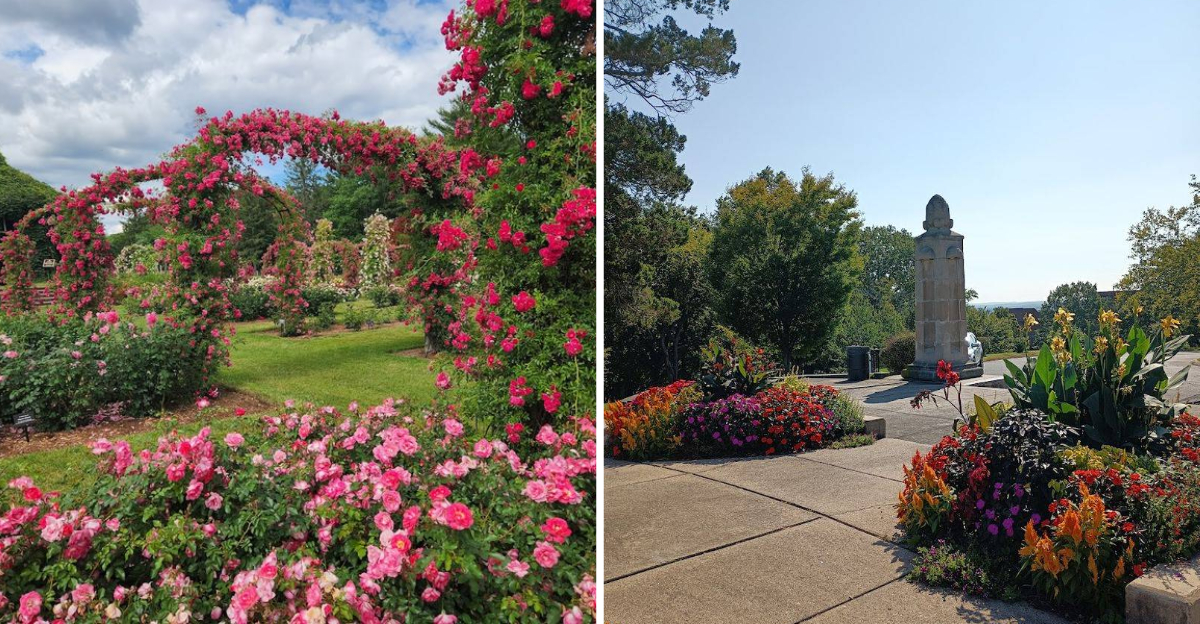
Elizabeth Park Rose Garden is one of the oldest municipal rose gardens in the United States. The collection here spans over 800 varieties and more than 15,000 rose plants.
The pergola at the center is covered in climbing roses each June. Walking beneath it feels like moving through a living tunnel of color.
The beds are arranged in a circular pattern that draws you deeper with each step. You keep thinking you have seen the best one, then another catches your eye.
Roses are not the only draw here. There are annual and perennial beds scattered throughout the grounds.
A rock garden and a pond add texture to the wider landscape. This destination sits at 1561 Asylum Ave in Hartford, and it is open year-round without a fee.
Peak season runs from mid-June through July, though the garden holds interest well into autumn. Early mornings offer the quietest experience, especially on weekdays.
The scent alone is worth the trip. If you have never walked through a rose garden of this scale, this is the one to start with.
7. Pardee Rose Gardens, Hamden
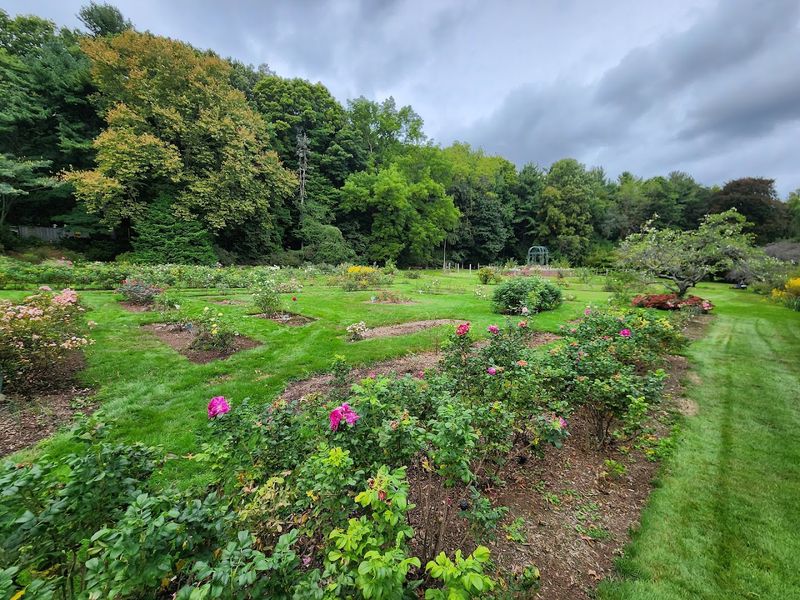
Doesn’t the hum of bees make the whole world feel softer? This is the kind of stop where every path promises a surprise.
Pardee Rose Gardens in Hamden is a free public garden with a long history of community use. It has been a local favorite for generations and continues to draw visitors throughout the growing season.
The rose collection is the centerpiece, with hybrid teas, floribundas, and climbing roses all represented. The beds are well-maintained and labeled, which makes it easy to identify varieties you might want to grow at home.
Beyond roses, the garden includes a perennial border and a small formal area with clipped hedges. The park setting gives the garden a relaxed atmosphere.
Families, walkers, and gardening enthusiasts all share the space comfortably. This garden at 180 Park Rd in Hamden is open year-round and is entirely free to enter. That accessibility is part of what makes it so well-loved.
June and July bring the strongest display, but autumn roses add color well into October. The surrounding trees provide shade that makes a summer stroll comfortable.
There is something straightforward and honest about Pardee Rose Gardens. It does not try to be grand or exclusive. It simply grows beautiful roses and shares them freely with anyone who comes through the gate.
8. Walnut Hill Park Rose Garden, New Britain
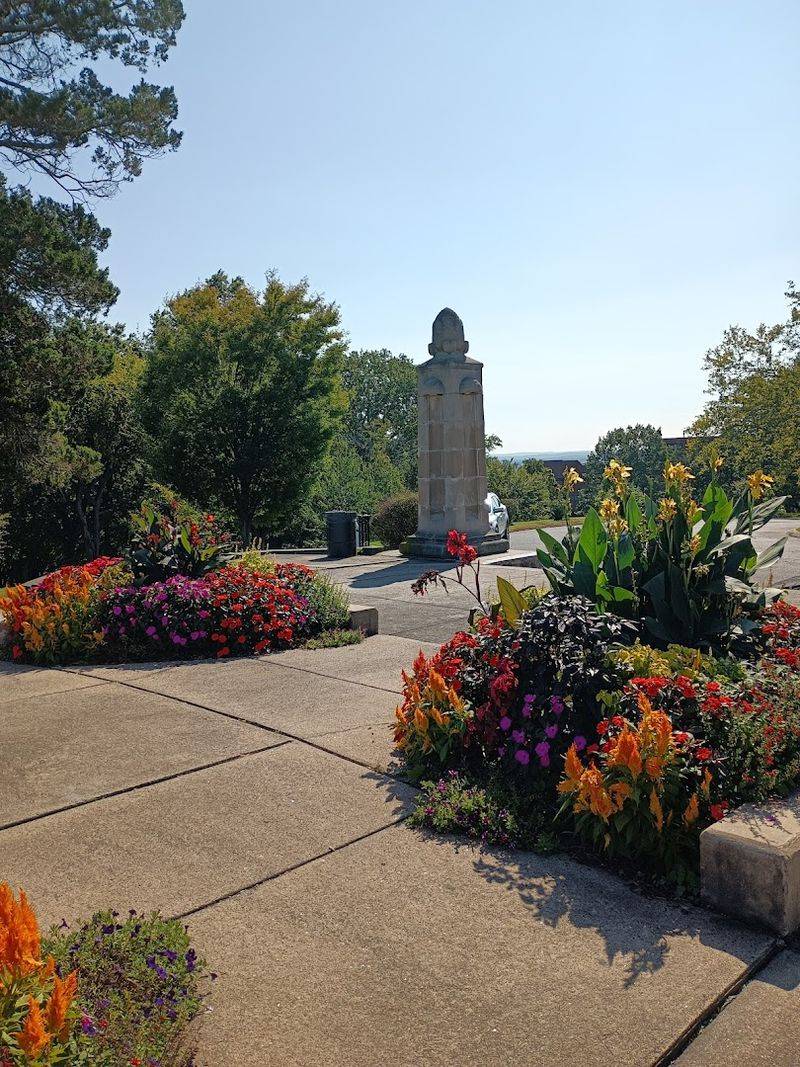
Have you ever stopped to smell something and stayed an hour? There is a specific magic in color arranged with such patience.
Walnut Hill Park Rose Garden in New Britain is set within a Frederick Law Olmsted-designed park, which gives it a landscape context unlike most gardens on this list. The park itself is a historic landmark.
The rose garden occupies a central section of the park and features a traditional layout with geometric beds. Hundreds of roses fill the space each summer.
The design creates clear sightlines across the entire collection. The contrast between the structured rose beds and the sweeping Olmsted landscape around them is striking.
The park’s mature trees and open lawns surround the garden on all sides. That broader setting makes the experience feel more expansive than the garden’s footprint suggests.
You can find the garden along D7A, 1st St in New Britain, within the larger Walnut Hill Park grounds.
The combination of horticultural and landscape history here is worth pausing over. Not many rose gardens sit inside an Olmsted-designed park, and that context adds a layer of significance to the experience.
Summer evenings in the park are particularly pleasant, with the roses catching the late light. It is a well-kept and underappreciated corner of Connecticut that deserves more attention than it typically receives.
9. Webb House Colonial Revival Garden, Wethersfield
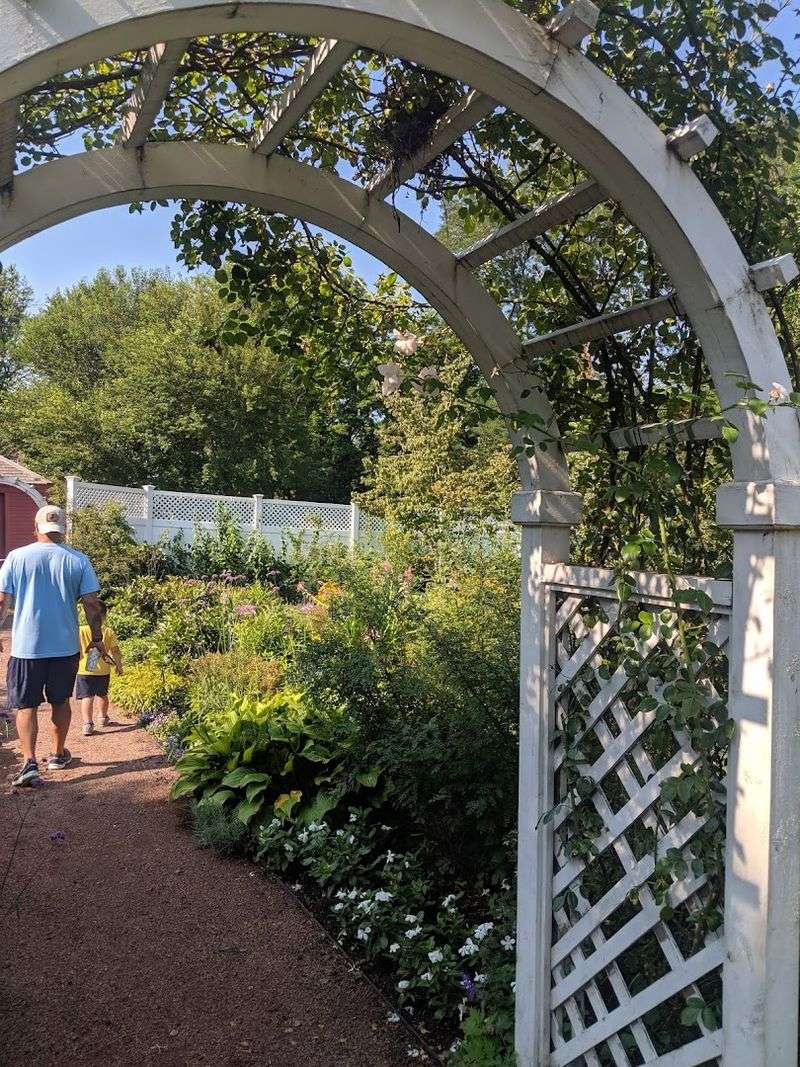
Who would’ve thought that careful planting could feel this effortless to enjoy? Forget the rush, because here history and horticulture grow side by side.
The Webb House Colonial Revival Garden in Wethersfield is part of a preserved historic district that dates back to the 18th century. The garden reflects the planting traditions of that era with careful attention to period accuracy.
Heirloom flowers, herbs, and vegetables fill the beds in a pattern typical of colonial New England gardens. The layout is compact and purposeful, with each section serving a clear function.
Boxwood borders define the space, and the overall design feels ordered without being stiff. The relationship between the house and the garden is unusually harmonious.
Wethersfield is one of the oldest continuously occupied English settlements in Connecticut, and that history is palpable throughout the property.
The garden at 211 Main St in Wethersfield sits within a streetscape of preserved colonial buildings that deepens the sense of stepping into another era. The surrounding neighborhood adds authentic context that most recreated gardens cannot replicate.
The garden is open seasonally as part of the Webb-Deane-Stevens Museum complex. Combining the house tour with a walk through the garden gives the full picture of colonial domestic life.
It is a quieter and more reflective experience than the larger gardens on this list. But for travelers who appreciate historical depth alongside horticultural beauty, this garden closes the journey on a memorable and grounded note.