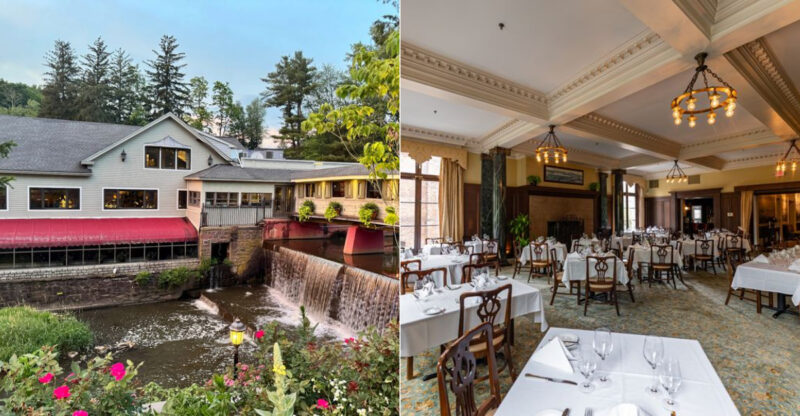
Connecticut Has A Museum Filled With Ancient-Looking Statues, And It Feels Like Stepping Into Another Century
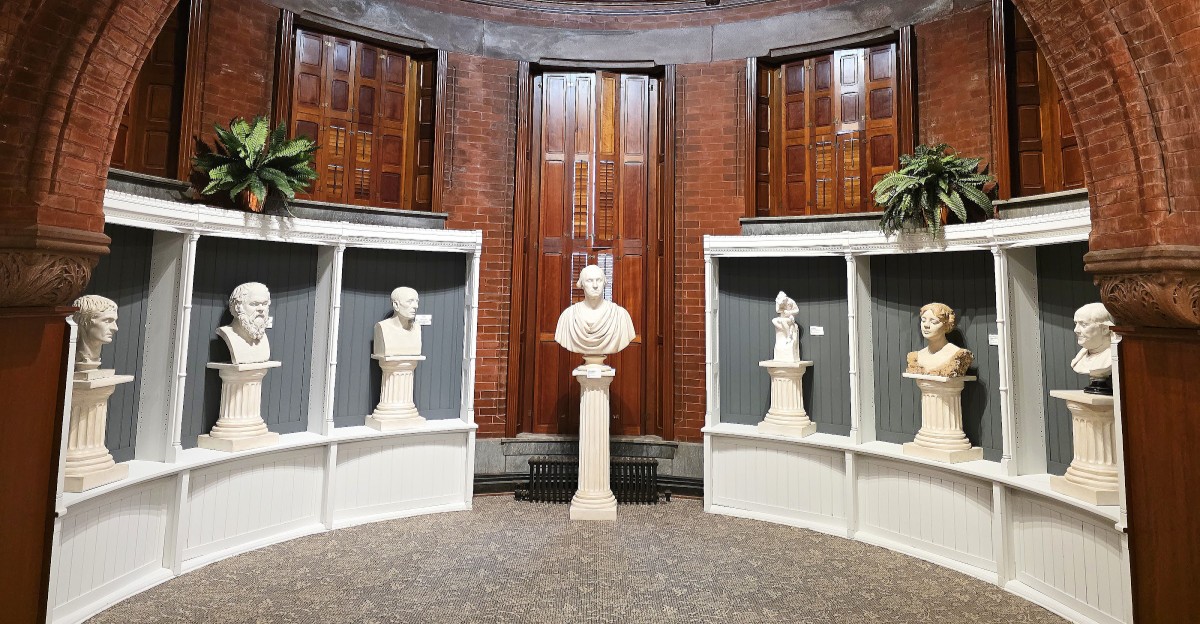
Wait a minute. Why does this museum look like someone transported an entire collection of ancient sculptures into a New England building?
That’s a perfectly reasonable question when you first encounter its remarkable galleries.
Inside a historic Connecticut museum, classical plaster casts recreate famous sculptures, giving visitors an unusual glimpse into ancient artistic traditions.
And the effect can be surprisingly dramatic.
These aren’t simply little replicas sitting in glass cases. Some of the figures are imposing enough to make you stop and appreciate their scale.
There’s something fascinating about seeing works inspired by ancient civilizations without traveling halfway around the world.
Of course, the distinction matters: many of these sculptures are casts rather than the ancient originals.
But that doesn’t make them any less interesting to examine.
They were created to help people study art and appreciate forms that might otherwise have been difficult to encounter.
I can almost hear someone walking into the gallery and asking, how did all of this end up here? It’s a fair question.
1. A Crowd Of Ancient Celebrities Is Waiting For You
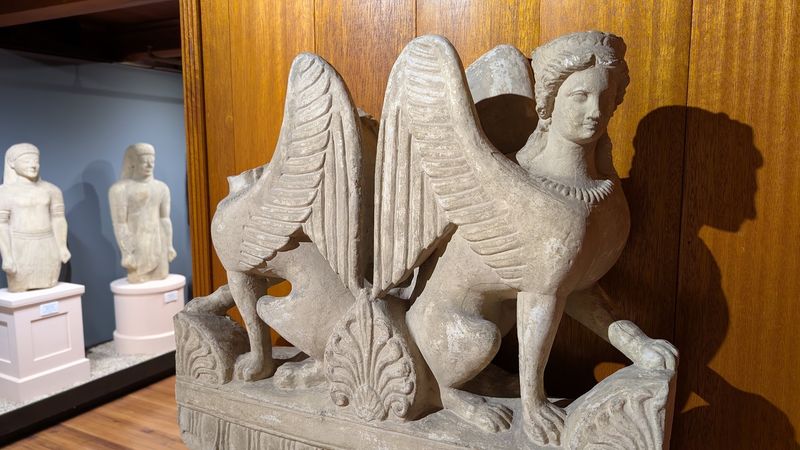
Ancient Greece before lunch? No passport needed.
Some of the world’s most famous sculptures are waiting in one room, and they’re much bigger than they look in textbooks.
The Slater Memorial Museum in Norwich brings centuries of art history together through an extraordinary collection of plaster casts.
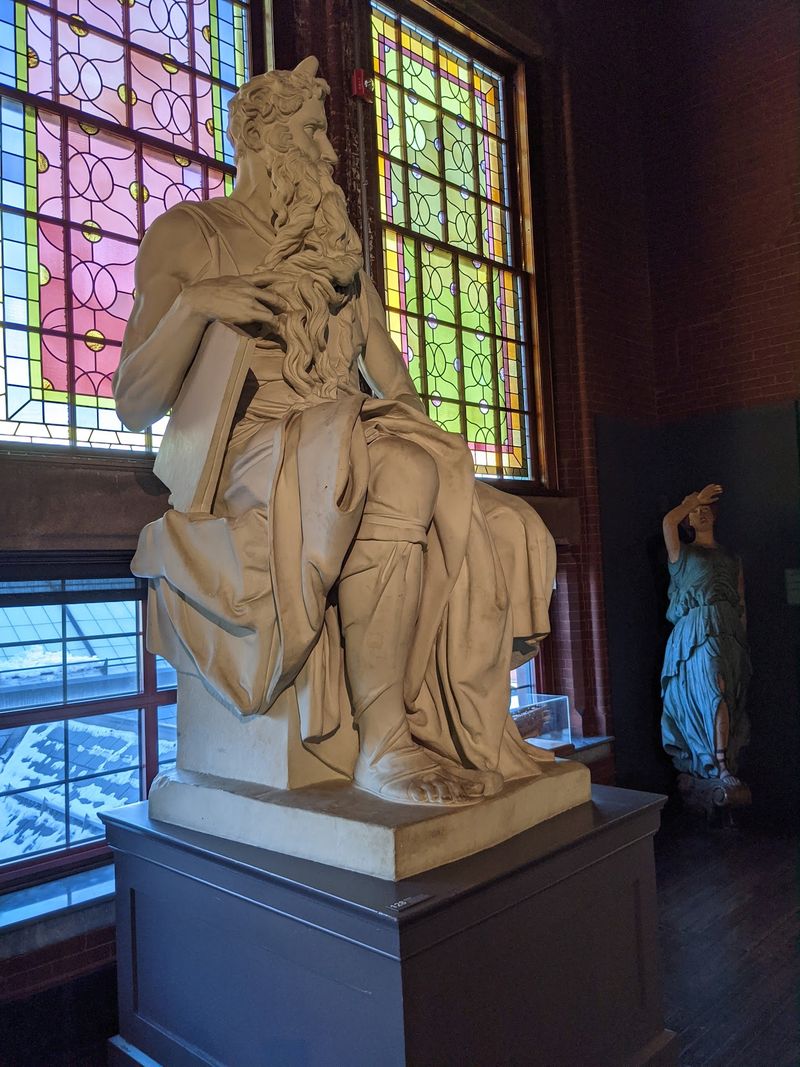
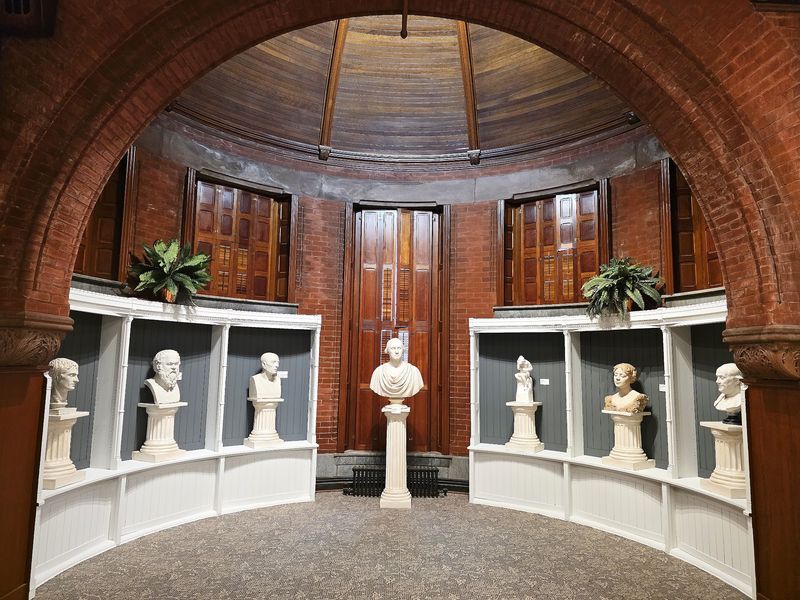
These aren’t tiny replicas meant for display shelves. They’re full-size reproductions of famous works from Greek, Roman, Egyptian, and Italian Renaissance art.
Look closely and you’ll recognize the graceful Venus de Milo, the dramatic Laocoön group, and the Winged Victory of Samothrace. The collection also includes the Ares Ludovisi and the ancient Cheramyes kore.
Seeing these sculptures at their original scale makes a surprising difference. Details that barely register in photographs suddenly become much easier to appreciate.
The museum’s collection dates back to 1888 and remains one of the most comprehensive surviving plaster cast collections in the United States.
Many similar collections disappeared over time, making this one especially valuable.
Bring a sketchbook if you enjoy drawing. These sculptures were originally collected to help students study great works of art.
And take your time. After more than a century, the statues aren’t going anywhere.
2. The Gym That Became A Gallery
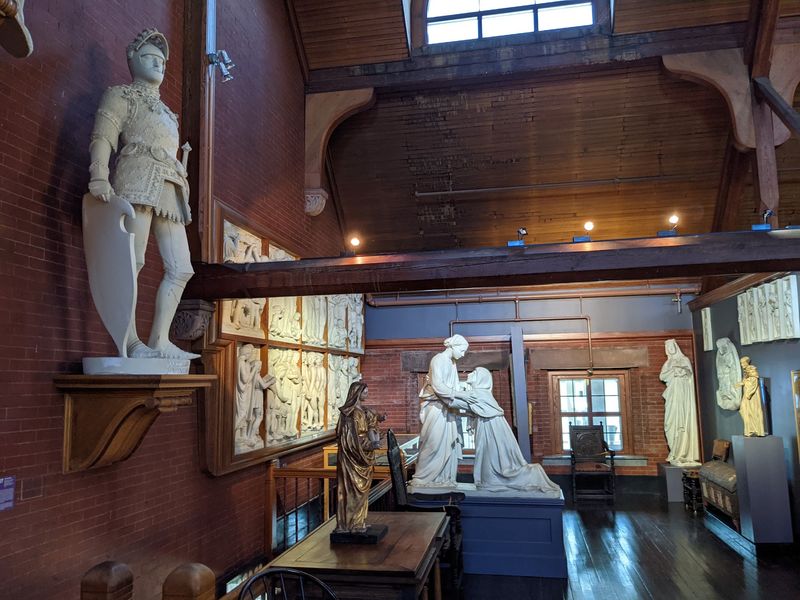
Here’s a fun twist: the main galleries were first planned as a gymnasium. Push-ups almost won out over Plato.
William A. Slater, a Norwich Free Academy graduate from the Class of 1875, commissioned the building.
He did it to honor his father, John Fox Slater.
The idea started as an Athenaeum. That meant a place to lift up the mind, body, and spirit all at once.
Then Dr. Robert Porter Keep stepped in. As Head of School at NFA, he steered the plan toward an art museum instead.
His push led straight to the famous plaster cast collection. Without him, those galleries might hold basketball hoops today.
Construction began in 1885. The building was dedicated on November 4, 1886, and opened to the public in November 1888.
For a small American city in the 1800s, this was a bold move. Few towns gave their teenagers world-class art right outside class.
Today, the Slater is one of only two fine arts museums in the country located on a high school campus. That’s a pretty exclusive club.
Knowing this backstory makes the visit richer. You’re seeing a gift from a son to a father, and from a city to its kids.
3. Hands That Built A Whole Ancient World
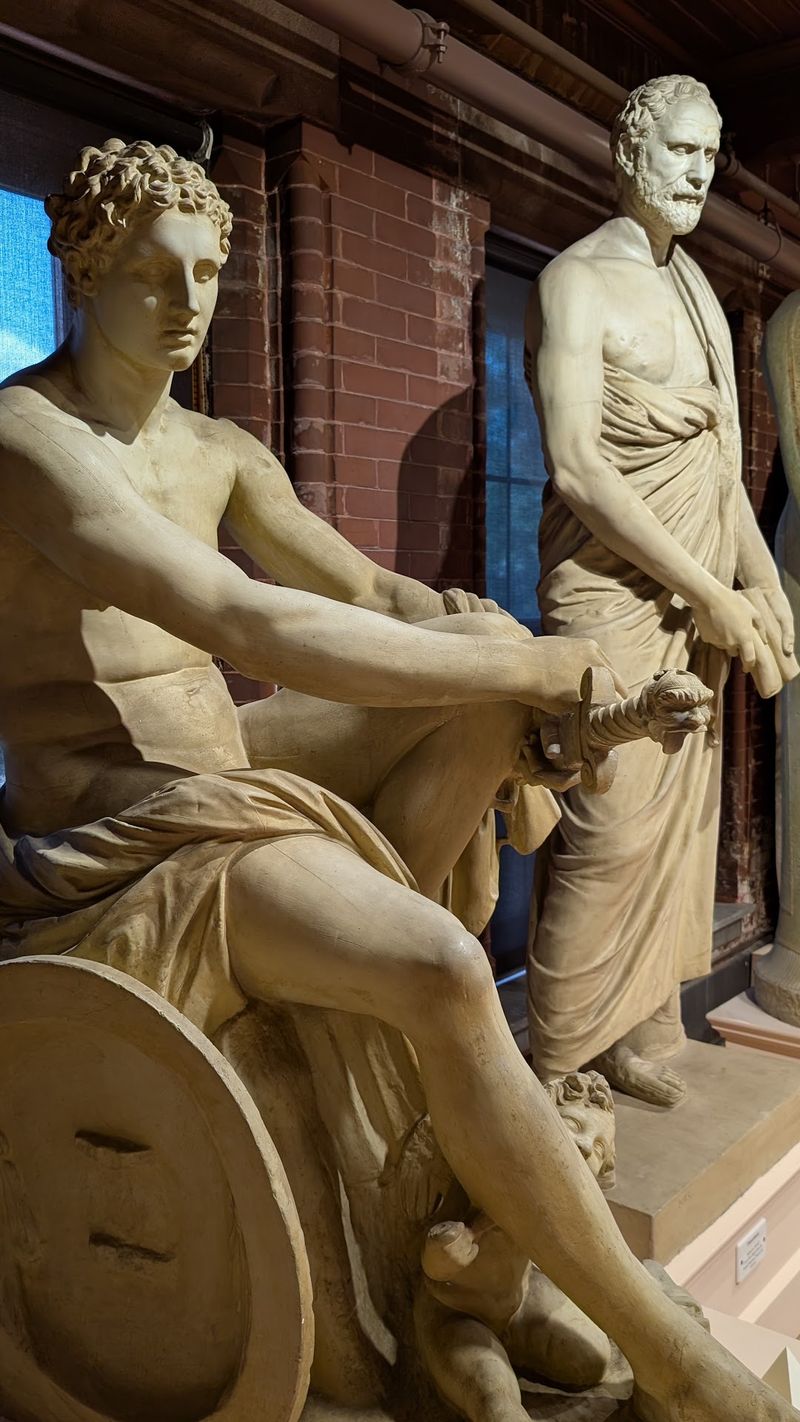
Behind every statue stands a pair of skilled hands. At the Slater, those hands belonged to master plasterer Giovanni Lugini.
Luchini assembled each cast by hand. He also built the pedestals they still stand on.
The collection came together between 1887 and 1888. That’s a short window for 227 full-size casts and medallions.
Choosing what to copy was a big job too. Edward Robinson, a curator from the Boston Museum of Fine Arts, helped pick the original sculptures.
Think of it as an all-star team selected by an expert coach. Every piece earned its place.
Look closely at the folds of fabric and the curls of hair. Those details came from molds taken from the real works.
Notice the pedestals, too, since they’re part of Luchini’s craft. Most people skip right past them.
Plaster may sound humble next to marble. Still, these casts hold a record of the originals as they looked in the 1880s.
That makes them historical objects in their own right. You’re seeing art and a slice of Victorian craftsmanship at the same time.
4. Brick, Brownstone, And A Tower Worth Craning Your Neck For
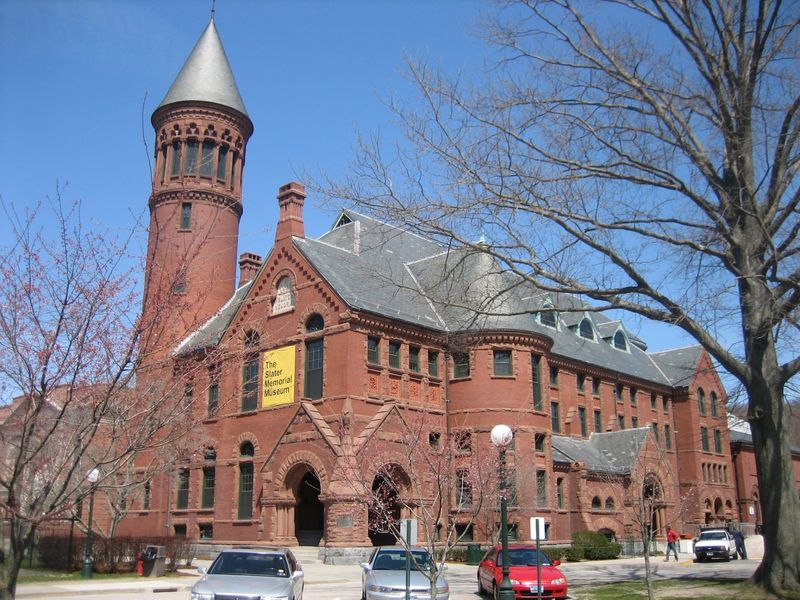
Some museums hide their best art inside. The Slater wears a good chunk of it on the outside.
Worcester architect Stephen C. Earle designed the building in the Richardsonian Romanesque style.
Many consider it his finest work.
Look for the brick and brownstone, plus the rough, rusticated masonry. Medieval-style trim adds a castle-like mood.
A tall corner tower anchors the whole design. Broad entrance arches, gables, and a hipped roof round out the strong profile.
Up close, pressed brick details reward a slow walk around the outside. Bring your phone, because the angles are photo-ready.
The museum is also a contributing property in the Chelsea Parade Historic District. That district sits on the National Register of Historic Places.
So the building itself carries official historic weight. It isn’t just a container for old things.
Give yourself a few minutes before heading in. Admire the arches and that tower first.
After all, the statues inside have been waiting since the 1880s. They won’t mind a short delay.
5. Five Continents Under One Historic Roof
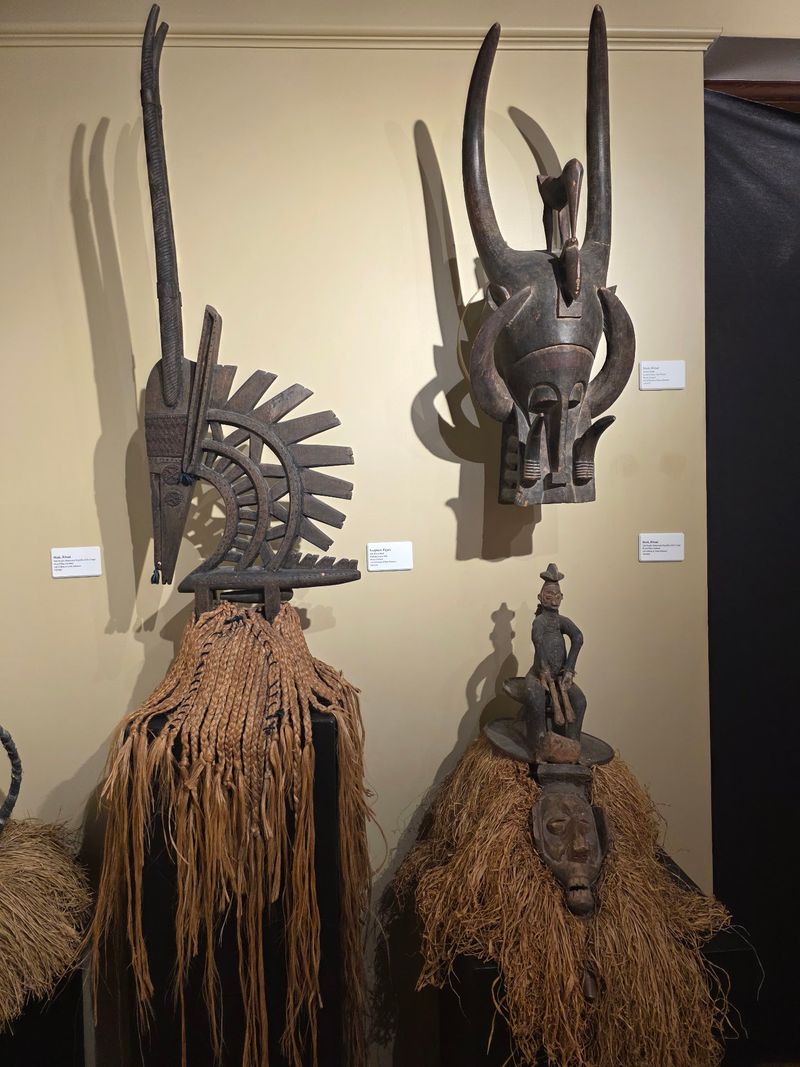
Statues steal the spotlight, but they’re only one chapter. The Slater Memorial Museum holds more than 10,000 pieces from five continents.
Permanent exhibits feature East Asian, African, and American art. European paintings and decorative arts from the 17th to 20th centuries join them.
The African Art collection includes masks and functional items. It also shows cultural materials from many countries across the continent.
Functional pieces are a nice touch. They show art as part of daily life, not just something on a wall.
Moving from room to room feels like a quick world tour. One minute it’s ancient Greece, the next it’s East Asia.
Kids especially enjoy this kind of variety. Short attention spans meet constant surprises.
Try a simple game as you go. Pick one favorite object from each region and compare notes at the end.
The museum aims to open eyes to the richness of the human experience. That goal shows in how wide the collection reaches.
Give yourself a couple of hours here. The plaster crowd is famous, but the rest deserves attention too.
6. Local Talent Gets Its Own Spotlight
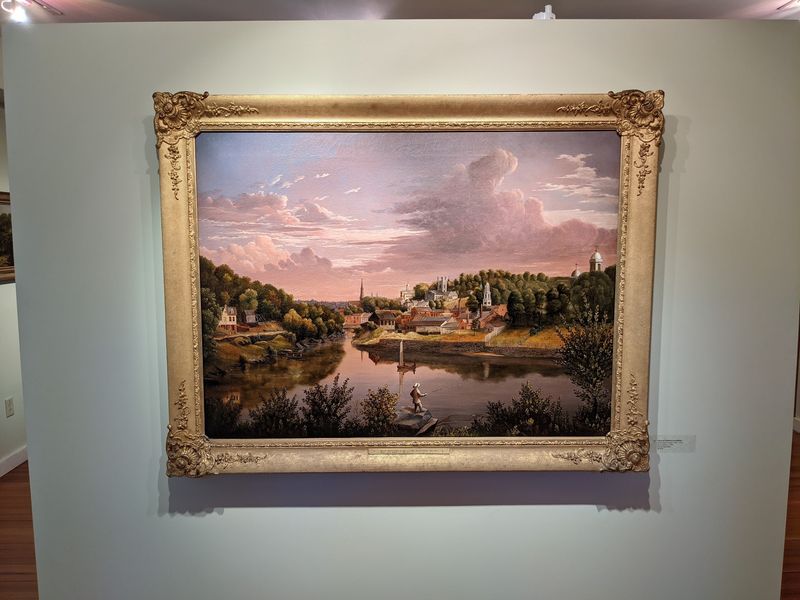
Norwich has stories of its own, and one gallery tells them beautifully. It’s called Norwich Masterpieces.
The room highlights 19th-century American paintings and sculptures by local artists. Look for names like John Denison Crocker and Alexander Hamilton Emmons.
Their work shows Norwich changing from a farming town into an industrial community. Art becomes a time machine for the whole city.
Works by Ellis Walter Ruley also appear here. He was a self-taught artist born in Norwich.
His story adds a different flavor to the room. Talent doesn’t always come from fancy art schools.
Next door, the Converse Art Gallery, funded by Charles A. Converse in 1906, keeps things fresh.
It hosts rotating exhibitions, often featuring contemporary art and crafts. Annual student shows from Norwich Art School and Norwich Free Academy appear there too.
That means the museum feels both old and current. You can see 1880s plaster and this year’s student art on one trip.
Check what’s showing before you go. The Converse lineup changes, so every visit can feel a little different.
7. Timing Your Trip Around The School Bell
Want a peaceful museum visit? Watch out for the school buses.
This art museum shares its campus with a busy high school, so choosing the right arrival time makes a real difference.
The Slater Memorial Museum operates on the grounds of Norwich Free Academy, and its visiting schedule follows campus activities.
Doors open at 10 a.m. on Mondays, Wednesdays, Thursdays, Fridays, and Saturdays. The museum closes at 4 p.m., with final admission at 3:15 p.m.
Tuesdays and Sundays are regular closing days. Severe weather and other academy closures can also affect access, particularly during the colder months.
One useful tip involves afternoon dismissal. Between 1:50 and 2:20 p.m. on school days, buses and student traffic can make getting around the campus slower.
Morning visits are a good alternative, especially if you want plenty of time to explore the sculpture galleries.
The museum’s address is 108 Crescent Street, Norwich, CT 06360. Visitors should use the main Norwich Free Academy entrance on Crescent Street.
Campus safety personnel can help direct you toward the appropriate visitor parking area.
Advance tickets aren’t normally necessary, making an unplanned visit possible. Just check the museum’s calendar before heading out, particularly when winter weather threatens to interrupt the school day.
8. Easy Perks That Make The Visit Even Sweeter
Good news for budget planners: free admission is possible for plenty of people. Several programs open the doors.
NFA faculty, staff, students, and alumni get in free. So do NARM members.
Visitors with SNAP EBT cards also enter free through the Museums for All program. That’s a generous touch.
Some local libraries lend museum passes too. Those can cover free admission for a group of up to five guests.
Ask your library before you go. It’s an easy win for a family day out.
The museum is fully accessible and ADA compliant. Restrooms sit on the second floor of the NFA Atrium, just outside the museum.
Group tours can be scheduled on request. Clubs, classes, and curious friends can all benefit.
A gift shop waits near the end, complete with seating. Grab a souvenir and rest your feet at the same time.
All told, the Slater makes art easy to reach in Connecticut. Ancient heroes, local legends, and a castle-like building, all on a high school campus.
Not bad for a Saturday plan.