13 Connecticut Museums That Tell Stories Most History Books Leave Out
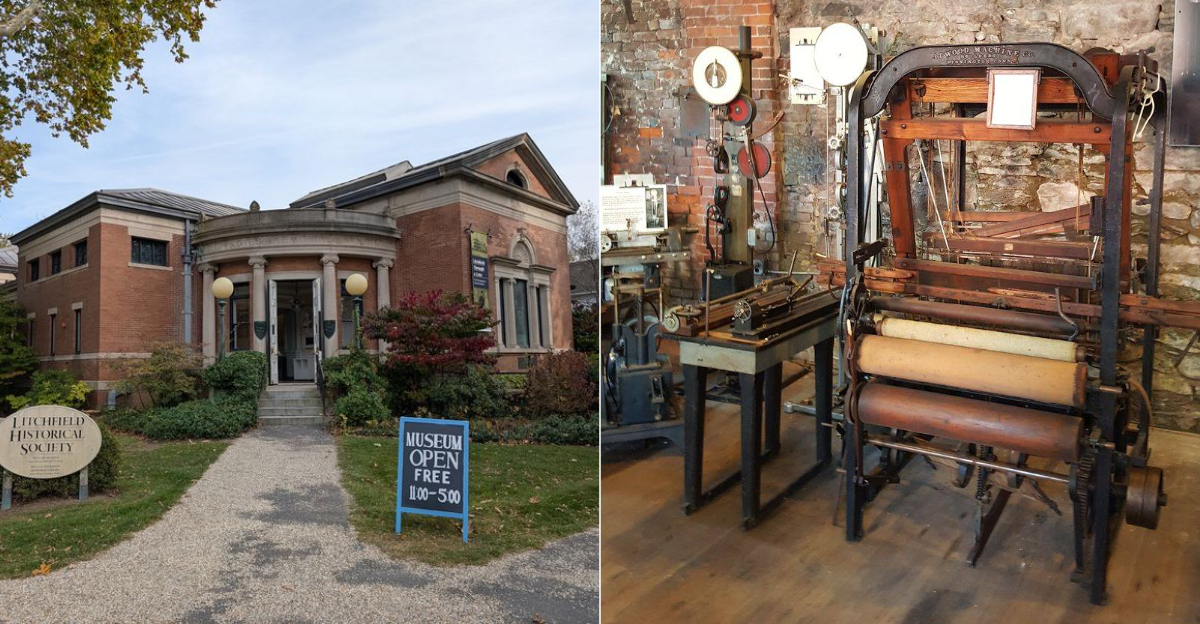
History gets much more interesting once it stops behaving like a neat timeline. The best museum visits are often the ones that make you wonder why nobody mentioned this story in school.
A single object can open the door to an entire chapter that feels surprisingly personal. Suddenly, dates on a page have faces and real places attached to them.
That is where curiosity starts doing most of the work. Across Connecticut, several museums dig into overlooked stories that make the past feel messier, stranger, and far more human.
You might learn about everyday lives that rarely make headlines or discover how one small local event connects to something much bigger. The details can be unexpected enough to send you down a whole new rabbit hole.
These museums do not replace the history books. They simply fill in the margins with the stories that make history feel alive.
And once you start noticing what got left out, it becomes very hard not to keep asking what else is missing.
1. Mashantucket Pequot Museum & Research Center, Mashantucket

How often does a museum make 11,000 years feel this close? Here, history surrounds you quickly.
The experience begins with a simulated glacial crevasse before moving into scenes of ancient life, including a life-size mastodon and dire wolves.
Opened in 1998, the Mashantucket Pequot Museum and Research Center is tribally owned and operated. Its exhibits explore Pequot history alongside the wider natural and cultural story of the Northeast.
A recreated 16th-century village brings daily life into focus through traditional wetu homes. Native-made clothing and crafted figures add even more detail.
Later exhibits examine European contact and the Pequot War, while galleries continue the story through the tribe’s federal recognition. Accessibility is thoughtfully built in, with audio description and closed captioning available.
Replica artifacts also create opportunities for hands-on exploration.
The Pequot Cafe now offers grab-and-go choices when a break sounds good. Individual audio tours are available too.
Plan several hours at 110 Pequot Trail in Mashantucket to explore without rushing.
2. Prudence Crandall Museum, Canterbury
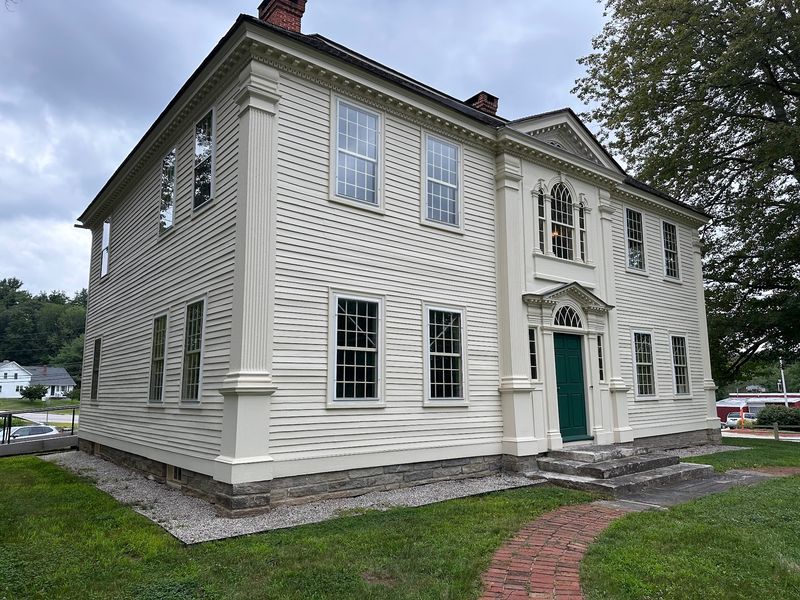
In 1832, a Quaker teacher admitted a young African American woman named Sarah Harris to her private girls’ school in a small town. White families pulled their daughters out.
Rather than back down, Prudence Crandall reopened in 1833 as one of the country’s first academies for African American girls.
The response was brutal. The state passed the so-called Black Law that same year, Crandall was arrested and spent a night in jail, and three widely publicized trials followed.
A mob attack finally forced the school to close in 1834.
The Federal-style mansion at 1 S Canterbury Rd, Canterbury, CT 06331, is now a National Historic Landmark and an International Site of Conscience.
Timed guided tours move conversationally through five first-floor rooms, connecting the case to later legal milestones and to barriers students still face.
Few original artifacts survive, so the strength here is the storytelling, including what became of Crandall’s students, several of whom became educators and reformers.
3. Ruby & Calvin Fletcher African American History Museum, Stratford
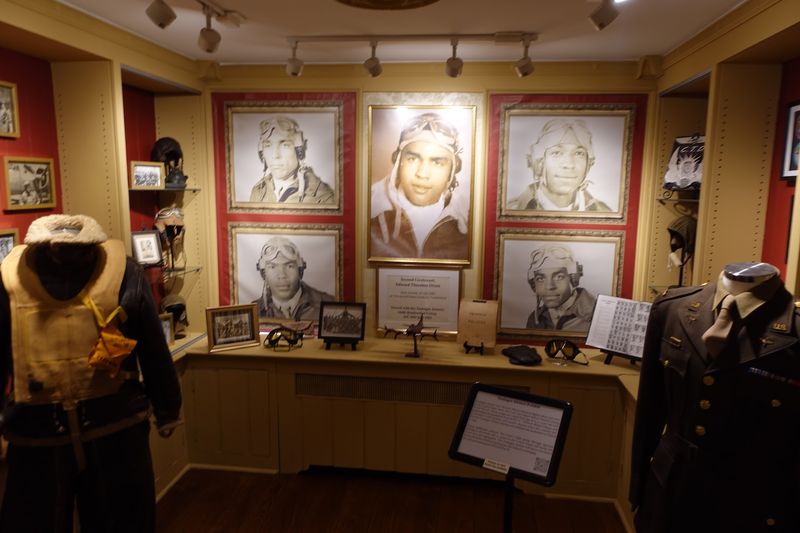
History gets very real here. Every room carries a story that was saved.
The collection began with Ruby Fletcher, raised in South Carolina during segregation, who kept objects documenting what she witnessed. Decades later, her son Jeffrey Fletcher expanded that work and opened the Ruby and Calvin Fletcher African American History Museum in October 2021.
Exhibits move through African American history in chronological order. Displays cover the Trans-Atlantic Slave Trade before continuing into the Jim Crow era, using original objects and recreated settings to make the past feel immediate.
Visitors encounter segregation signs, documents, and artifacts showing how discrimination shaped everyday life.
The story also makes room for achievement. Displays honoring the Tuskegee Airmen highlight courage and progress, while rotating exhibits allow more of the enormous collection to be seen.
The museum welcomes visitors at 952 E Broadway, Stratford, CT 06615. Its collection now exceeds 160,000 pieces, with much of it kept in storage and rotated into exhibits.
The result is a compact museum with a broad story to tell.
4. Stowe Center For Literary Activism, Hartford
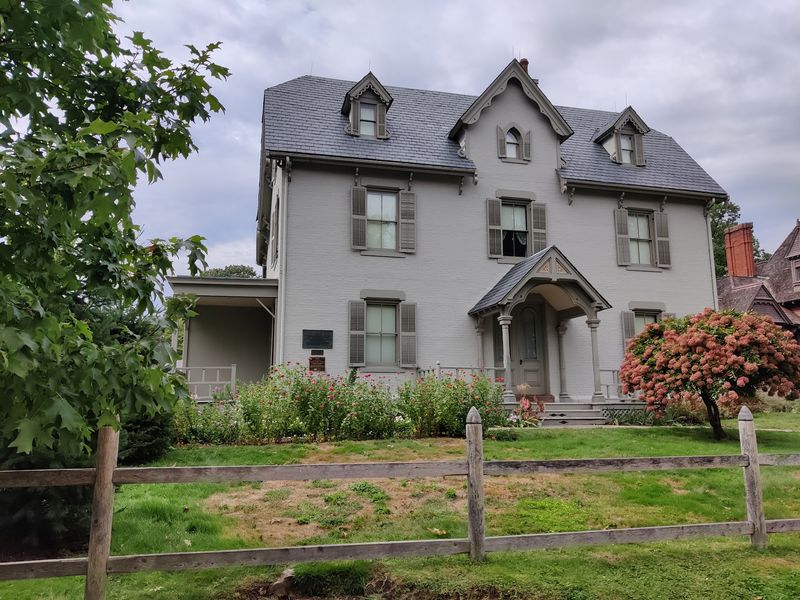
Words can shake a country, and few American books shook harder than Uncle Tom’s Cabin. Harriet Beecher Stowe’s 1871 Gothic-style home at 77 Forest St, Hartford, CT 06105, keeps that idea front and center.
Tours here are conversational rather than rope-and-recite. Guides discuss how the novel exposed slavery’s cruelty, especially the separation of families, and how Black abolitionists including Josiah Henson and Frederick Douglass shaped Stowe’s understanding.
Discussions also reach into the present, touching on racism, mass incarceration, immigration, and gender equity. Exhibits address distorted retellings and merchandise that spread after publication, which is a piece of the story usually skipped entirely.
The collection tops 228,000 items, from rare manuscripts and decorative arts to Stowe’s own oil paintings. The dining table where she wrote much of the novel is on view.
Outside, a 2.5-acre campus holds historic gardens reflecting her love of plants. A smartphone audio tour through CRISAccess assists visitors with low vision or print challenges.
5. Connecticut Museum Of Culture And History, Hartford
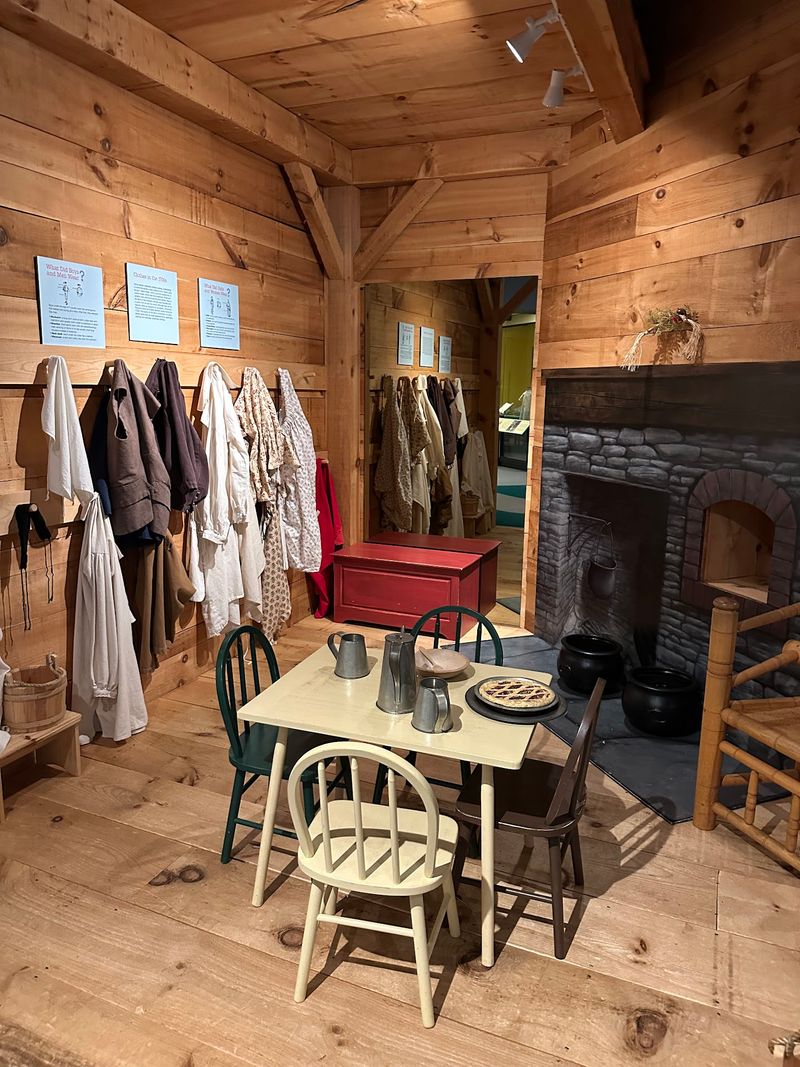
Two centuries of stories fit under one roof. Better yet, visitors can interact with many of them.
Founded in 1825, the Connecticut Museum of Culture and History ranks among the nation’s oldest historical societies. Its name changed in 2023, reflecting a broader mission focused on the state’s culture and history.
Making state spans over 400 years. More than 500 objects, images, and documents help tell that story, beginning with Native Quinnetukut and continuing into modern life.
Hands-on activities keep things lively, including a World War II assembly line and a station for stenciling a 19th-century chair.
Beyond the galleries, the museum cares for more than four million items. Its nationally recognized holdings are especially strong in clothing and textiles, while manuscripts and photographs support research and changing exhibitions.
The museum occupies the Hartford home of inventor Curtis Veeder at One Elizabeth Street. A research center gives visitors another way to dig deeper into the collection.
For a look at the state’s past, this museum packs remarkable range into one visit.
6. Old New-Gate Prison & Copper Mine, East Granby
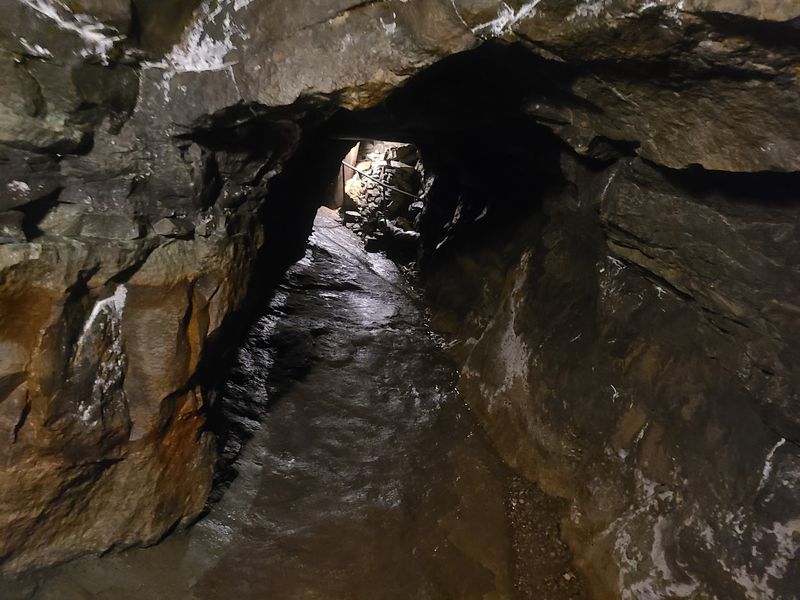
Two histories share one hillside here. America’s first chartered copper mine opened in 1707 and never turned a real profit, so the state repurposed the abandoned shafts in 1773 as the country’s first state prison, betting that the tunnels would make escape impossible.
That bet failed almost immediately. John Hinson, the first prisoner, became the first escapee in 1774, and the museum tells several other escape stories, including Abel Starkey’s tragic attempt using a well rope.
Revolutionary War loyalists and British prisoners spent long hours in the cold, damp caverns, then worked above ground making nails, shoes, and barrels. Conditions were condemned and the prison closed in 1827.
Guided mine tours stay near 52 degrees Fahrenheit year-round, so bring a layer to 115 Newgate Rd, East Granby, CT 06026. Above ground, ruins of the four-story Upper Prison remain, alongside a rotating Prison Arts Program exhibit and the Connecticut Hall of Change.
A QR-code audio tour is available.
7. Windham Textile And History Museum, Willimantic
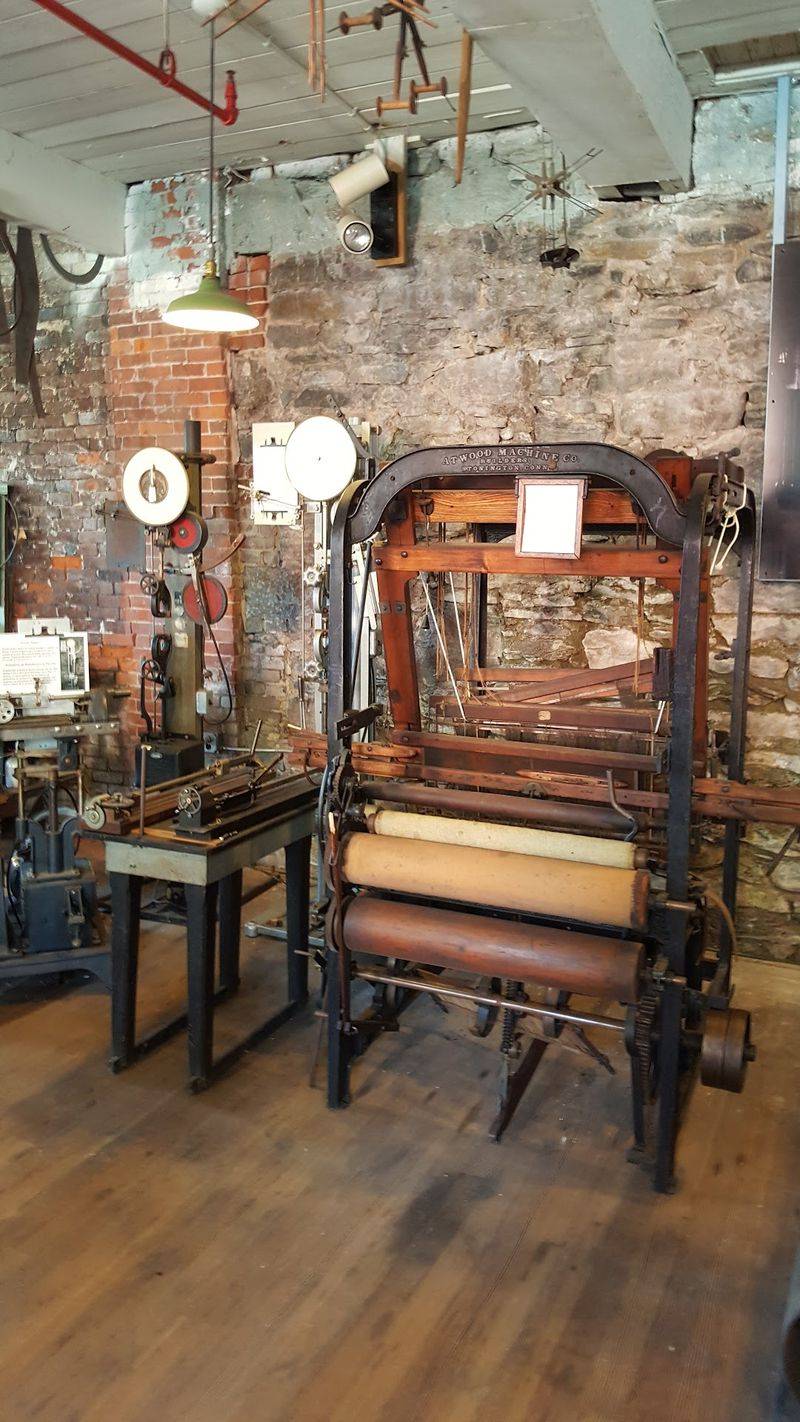
Willimantic earned the nickname Thread City honestly, and the museum most people call the Mill Museum explains why.
Its home at 411 Main St, Willimantic, CT 06226, was built in 1877 as the company store and warehouse for the Willimantic Linen Company, later the American Thread Company.
Walking in through the antique double doors puts you roughly where 1880s shoppers stood. Inside, the permanent exhibit Thread City traces how textiles dominated the state in the 1800s and then largely vanished in the 1900s.
Recreated spaces include a manager’s office and a replica 1880s boarding house room, showing the gap between mill bosses and the workers who filled those bunks. A separate room displays replica sewing machines from the late 19th century.
The museum does not dodge the uncomfortable parts, covering long hours, low pay, and the mills’ dependence on Southern cotton produced by enslaved labor. Flags represent the many immigrant groups employed here.
A bilingual smartphone audio tour is offered.
8. Mattatuck Museum, Waterbury
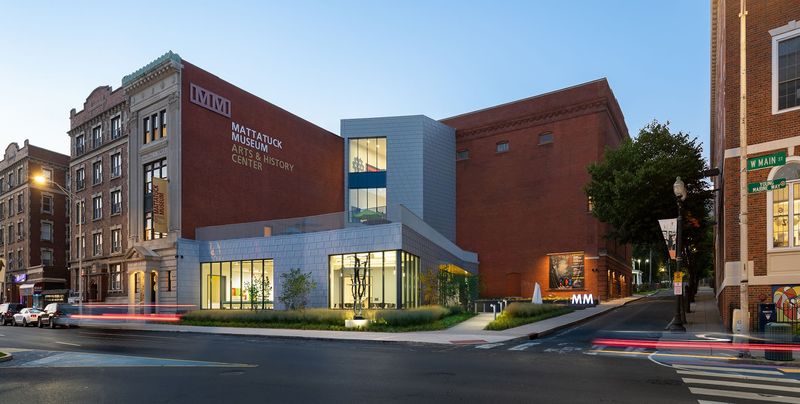
Art and history collide here in unexpected ways. Even a wall of buttons can become fascinating.
The Mattatuck Museum began as a historical society in 1877 and now explores Waterbury’s past alongside American art. After renovation, it reopened in 2021 with expanded galleries and better accessibility.
One of its most important stories centers on Fortune, an 18th-century African American man enslaved in Waterbury. Interactive displays restore his identity and place his family’s experience within the city’s history.
The collection can shift from powerful local stories to unusual treasures. More than 10,000 buttons fill a dedicated gallery, drawn from a collection of about 20,000 pieces.
Art lovers can also spot works by Alexander Calder and Frederic Church.
Changing exhibitions keep the experience fresh, while the regional focus gives the galleries a strong sense of place. The museum welcomes visitors at 144 W Main St, Waterbury, CT 06702.
Its renovated downtown home also includes spaces for programs and community events. That mix makes it easy to spend an afternoon discovering how much history can hide in plain sight.
9. Litchfield History Museum, Litchfield
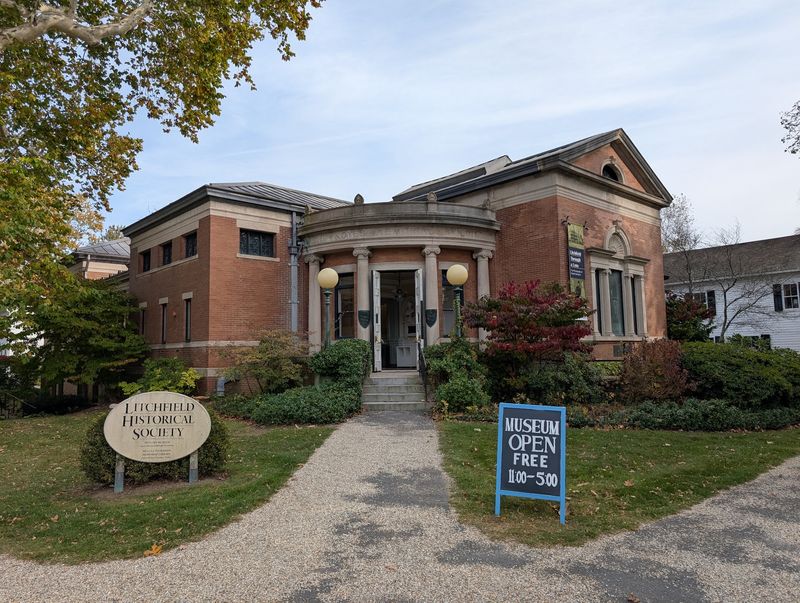
What if one museum could make familiar history feel different? That is the appeal here.
Across its galleries, the Litchfield History Museum traces the town from its 1719 settlement through its rise as a commercial and educational center. Current exhibits revisit the American Revolution from several viewpoints, asking visitors to look beyond the stories that became local legend.
Portraits add another layer. One People: Portraits of the Early Republic pairs recognizable figures with people whose faces were never recorded, widening the picture of who shaped the nation’s early years.
The museum’s art holdings also include a group of works by 18th-century painter Ralph Earl.
Admission is free, making it easy to combine this stop with Tapping Reeve House and Litchfield Law School. That second museum explores student life at America’s first law school through hands-on exhibits and role-playing.
The Litchfield History Museum welcomes visitors at 7 South Street in Litchfield. With changing exhibitions and seven galleries, it turns a compact visit into a surprisingly layered look at local history today.
10. New Haven Museum, New Haven
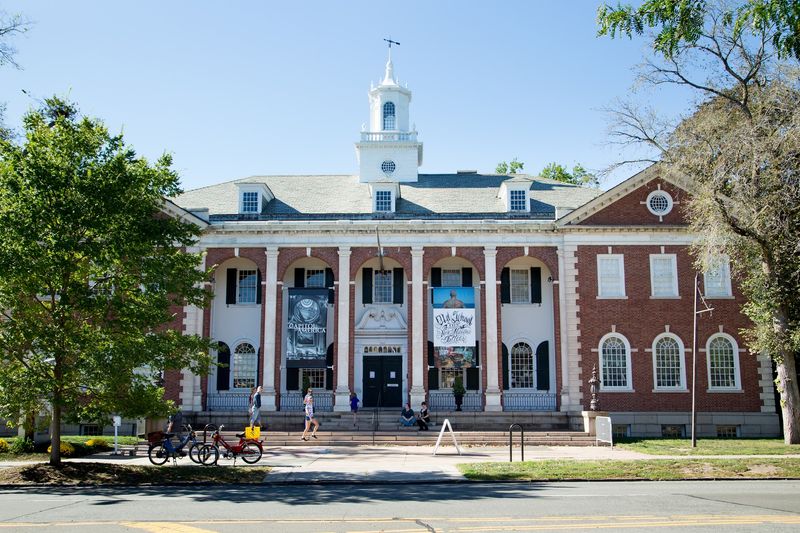
Founded in 1862 as the New Haven Colony Historical Society, this museum occupies a 1929 Colonial Revival building at 114 Whitney Ave, New Haven, CT 06510, and holds roughly 12,000 objects, 100,000 photographic items, and 400 manuscript collections.
The Amistad Gallery is the anchor for many visitors. It holds the most significant collection of materials tied to the 1839 Amistad case, including Nathaniel Jocelyn’s celebrated portrait of Cinque and original letters from Kale and John Quincy Adams.
Shining Light on Truth: New Haven, Yale, and Slavery documented the essential presence of enslaved and free Black residents in the city and at the university, and examined the blocked 1831 proposal for a Black college in New Haven.
Elsewhere, the New Haven Gallery moves from Puritan colony to industrial city with objects like Eli Whitney’s cotton gin and an A.C. Gilbert Erector set.
A show on New Haven apizza traced pizza from poor people’s food to local icon. The Whitney Library serves researchers by appointment.
11. Webb Deane Stevens Museum, Wethersfield
Three 18th-century houses, three very different American lives. The museum campus at 211 Main St, Wethersfield, CT 06109, sits in one of state’s oldest historic districts and covers about eight acres including gardens and an education center.
The Joseph Webb House, a National Historic Landmark, hosted George Washington in May 1781 while he and the Comte de Rochambeau planned the campaign that ended at Yorktown.
The Silas Deane House, built around 1770, belonged to America’s first diplomat to France, whose work in Paris helped secure French support.
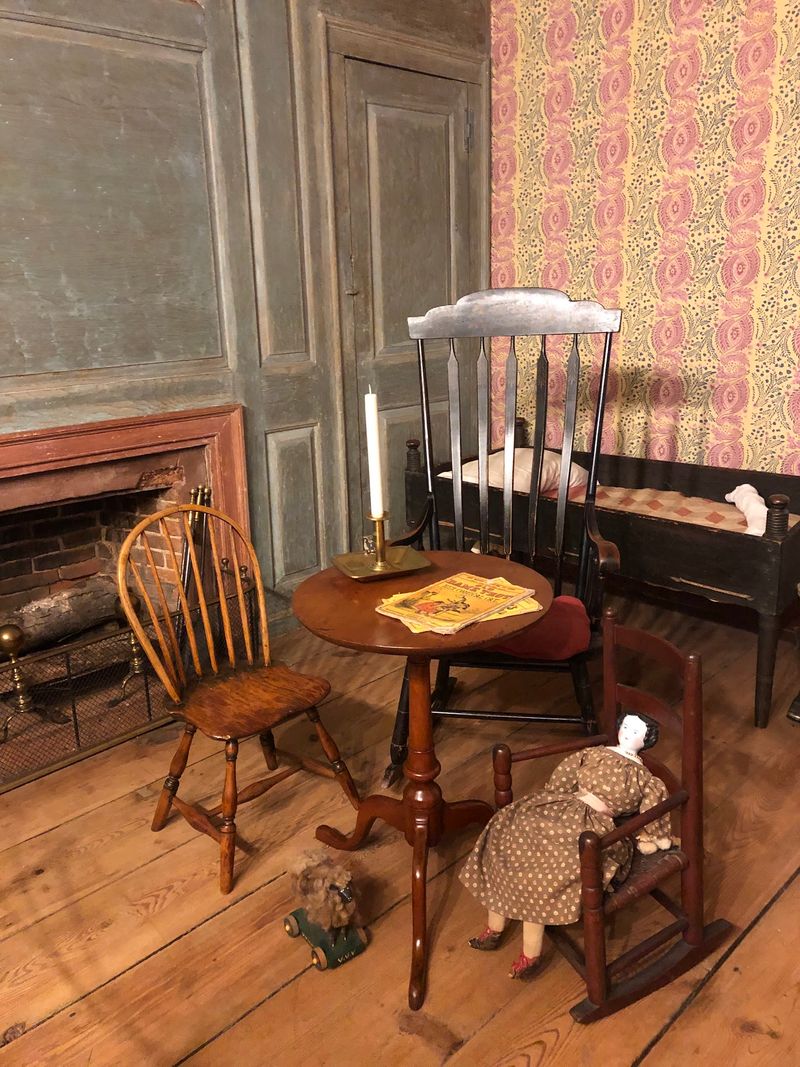
Built in 1789 by a leatherworker, the Isaac Stevens House is interpreted for the 1820s and 1830s, with a second floor featuring a children’s bed chamber and exhibits on childhood play.
The museum also cares for the 1711 Buttolph-Williams House, the setting behind the novel The Witch of Blackbird Pond. A recent exhibit used archaeology to explore Pyquag, the Native name for the area, and early tensions with settlers.
Guided tours run May through October and in December.
12. Connecticut River Museum, Essex
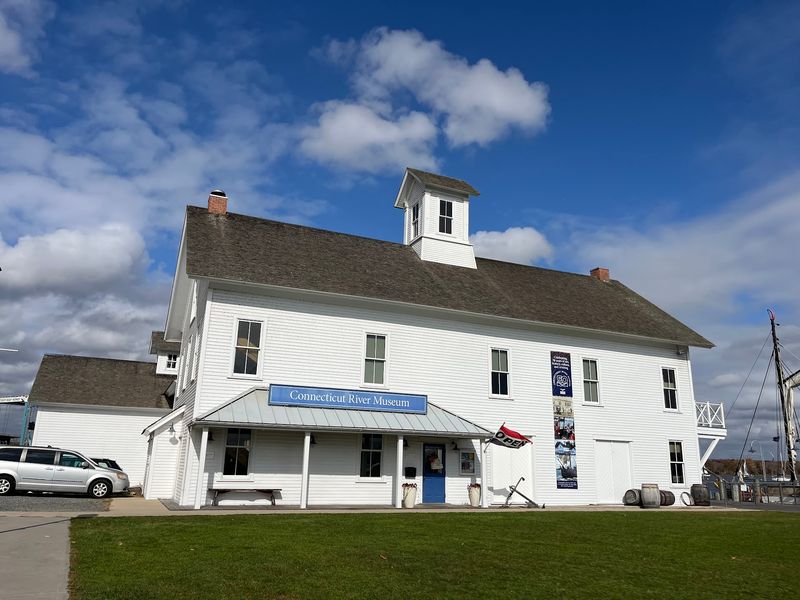
Climbing into a wooden submarine is not the usual museum activity. A full-scale interactive replica of the Turtle, David Bushnell’s 1776 invention and the world’s first operational combat submarine, lets visitors work its pedals and cranks.
The museum fills the 1878 Steamboat Dock building at 67 Main St, Essex, CT 06426, the last steamboat warehouse remaining on the river and a National Register listing.
Exhibits cover more than 12,000 years along the 410-mile waterway, from Indigenous tribes through European arrival, industry, and recreation.
One story rarely taught is the British Raid of 1814, when British forces came ashore and burned 27 privateer ships during the War of 1812. You can stand on the lawn where it happened.
A folk-art mural called the Vertical Gallery winds up three floors, mapping the river from its headwaters to Long Island Sound.
On-water trips sail aboard the Dutch yacht replica Onrust and the eco-tour vessel RiverQuest, popular in winter for bald eagle watching.
13. New England Air Museum, Windsor Locks

Its roots date to 1959, when a group of local aviation enthusiasts began organizing what became the Connecticut Aeronautical Historical Association, and New England’s largest aerospace museum now displays more than 100 aircraft beside Bradley International Airport.
Rare machines fill the space. The Silas Brooks balloon basket is believed to be the oldest surviving American-built aircraft, and the Sikorsky VS-44A is the only remaining example of that four-engine trans-oceanic flying boat.
A restored B-29A Superfortress represents the most expensive weapon the United States produced in World War II.
Human stories matter just as much. Tuskegee Airmen: Their Untold Stories covers Black pilots fighting enemies abroad and discrimination at home, while New England Women in Aviation honors record-setters who pushed past closed doors.
Select cockpits are open, flight simulators including an FA-18 are available, and volunteer docents often include retired pilots and engineers. The active restoration hangar shows preservation work underway.
Family activities and scavenger hunts keep younger visitors busy at 36 Perimeter Rd, Windsor Locks, CT 06096.