10 Connecticut Museums You Can Visit For Free Any Day Of The Week
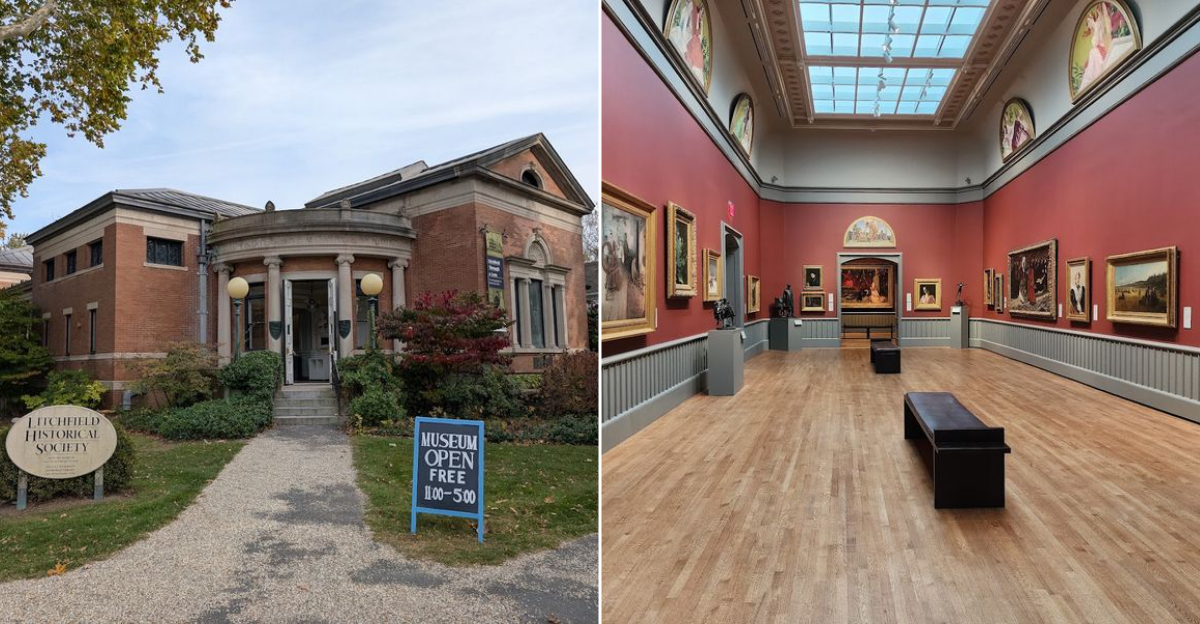
A museum day feels even better when admission costs nothing. Across Connecticut, fascinating museum collections remain free to explore during regular public hours, making culture easier to enjoy.
You can spend the morning studying ancient fossils, then slow down beside paintings that reward a closer look. No ticket price changes the mood.
There is more freedom to linger longer or revisit a favorite gallery. These museums also prove that a free outing does not have to feel limited.
Many hold important collections and exhibits connected to local stories.
One visit might lead through a grand university gallery, while another reveals military history beside the shoreline. Families can explore together without watching the budget climb.
Solo visitors get an easy afternoon escape. Best of all, each stop offers a different reason to stay longer than expected, which makes the final bill of zero dollars feel almost surprising.
Free admission turns an ordinary day out into something memorable.
1. Yale Peabody Museum, New Haven
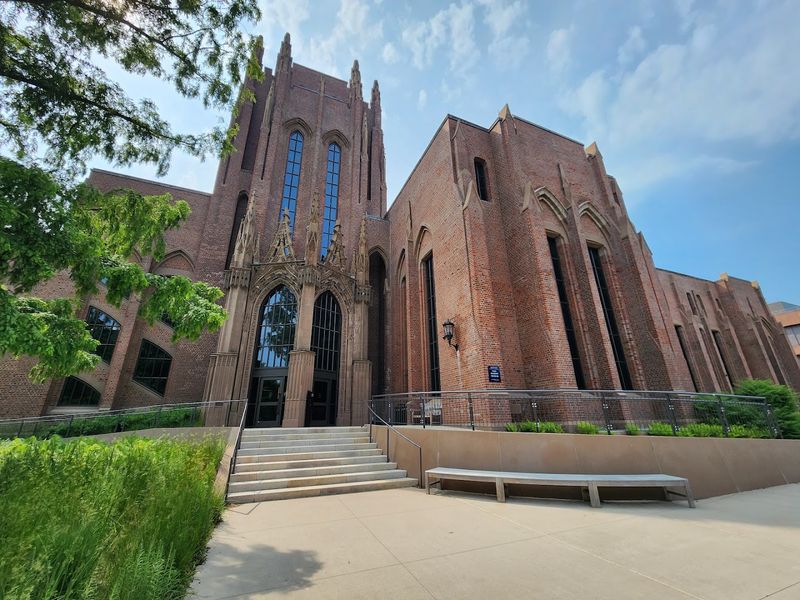
A sweeping renovation has given one of America’s most important natural history museums a brighter, more welcoming personality.
Reopened in 2024, the Yale Peabody Museum now pairs its vast collection of 14 million objects with clearer displays, expanded galleries, and a layout designed for curious visitors of all ages.
The main attraction remains Burke Hall of Dinosaurs, where famous fossils appear in scientifically updated poses.
Rudolph Zallinger’s restored mural, “The Age of Reptiles,” stretches across the hall, while exhibits devoted to minerals, mammals, ancient cultures, and the development of scientific thought add variety.
Comfortable seating and an easygoing atmosphere make exploring enjoyable for families, groups, and independent museum fans.
You’ll find the museum at 170 Whitney Avenue in New Haven. Admission is free, and individual visitors do not need tickets or reservations.
Doors open Tuesday through Saturday from 10:00 AM to 5:00 PM and Sunday from noon to 5:00 PM. The museum closes on Mondays and major holidays.
Parking arrangements have changed during nearby construction. Weekday visitors may use Lot 41 beside 221 Whitney Avenue, though space is limited and tickets require validation at the front desk.
Weekend parking includes additional Yale lots and the Edwards-Whitney garage.
2. Yale Center For British Art, New Haven
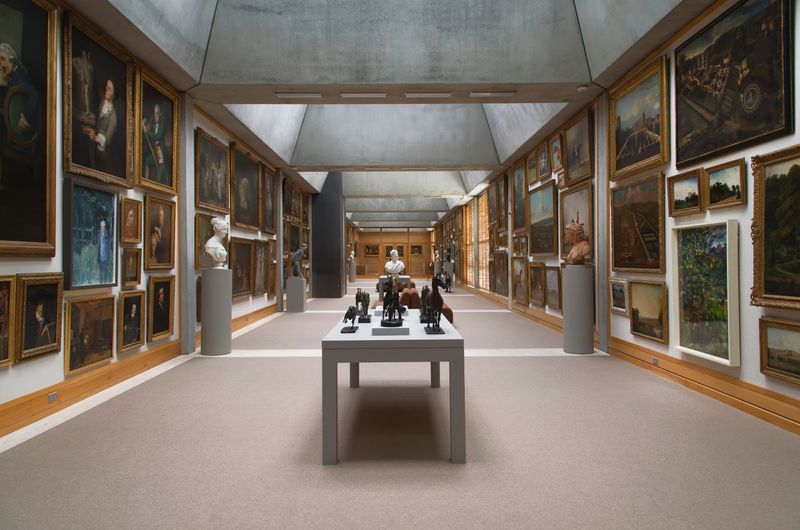
Natural light plays a central role at the Yale Center for British Art, filtering down through open interior courts in a building designed by the legendary architect Louis I. Kahn.
Situated at 1080 Chapel Street, New Haven, CT 06510, the center holds the largest and most comprehensive collection of British art outside the United Kingdom, and it offers all of that without charging a single cent for admission.
More than 2,000 paintings, 250 sculptures, 20,000 drawings and watercolors, and 40,000 prints fill its galleries, covering over five centuries of British artistic achievement. Artists such as J.M.W.
Turner, Joshua Reynolds, and Barbara Hepworth are well represented throughout the permanent collection. The building itself feels like part of the experience, with its warm travertine surfaces and carefully considered proportions creating a calm and unhurried atmosphere.
Beyond the galleries, the center maintains a reference library, a photo archive, and a study room for those who want to examine works on paper up close. Films, concerts, lectures, and tours are offered on a rotating schedule throughout the year.
General hours run Tuesday through Saturday from 10:00 AM to 5:00 PM and Sunday from 11:00 AM to 5:00 PM, with Thursday evening hours until 7:00 PM from September through June.
3. Blessed Michael McGivney Pilgrimage Center, New Haven
A thoughtful look at faith, service, and American Catholic history awaits visitors at the Blessed Michael McGivney Pilgrimage Center.
Its galleries explore the life of the young parish priest who founded the Knights of Columbus, turning his commitment to charity and mutual support into an organization serving communities worldwide.
Begin with the introductory film, which provides background before a self-guided tour. Permanent displays include the Father Michael J.
McGivney Gallery and reliquary, a Wall of History following the growth of the Knights of Columbus, and a Papal Gallery filled with notable artifacts.
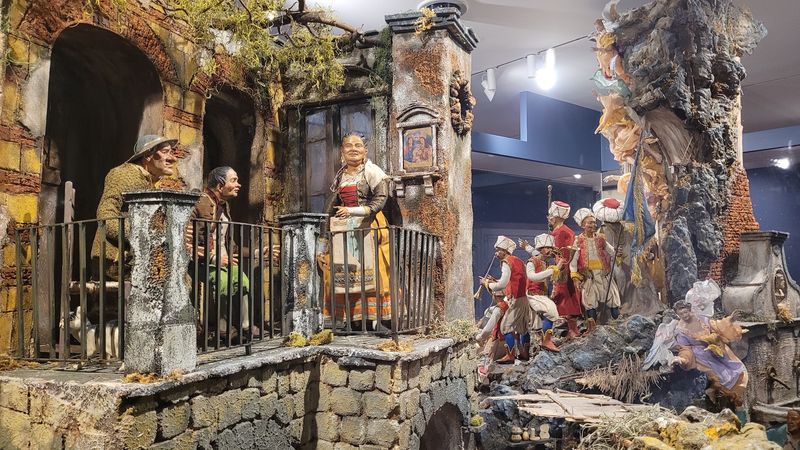
Temporary exhibitions bring additional artwork and historical objects into the mix, while annual Christmas displays feature Nativity scenes and seasonal traditions from different cultures.
The center welcomes guests at 1 State Street in downtown New Haven, inside a striking modern building known for its reinforced concrete design. Admission and parking in the garage beneath the building are free, making the visit especially convenient.
Hours are Wednesday through Sunday from 10:00 AM to 4:00 PM. With its calm atmosphere and carefully presented collections, the center offers an engaging afternoon for those drawn to religious heritage, art, history, or the story of a local priest whose ideas reached far beyond his parish.
4. Museum Of Connecticut History, Hartford
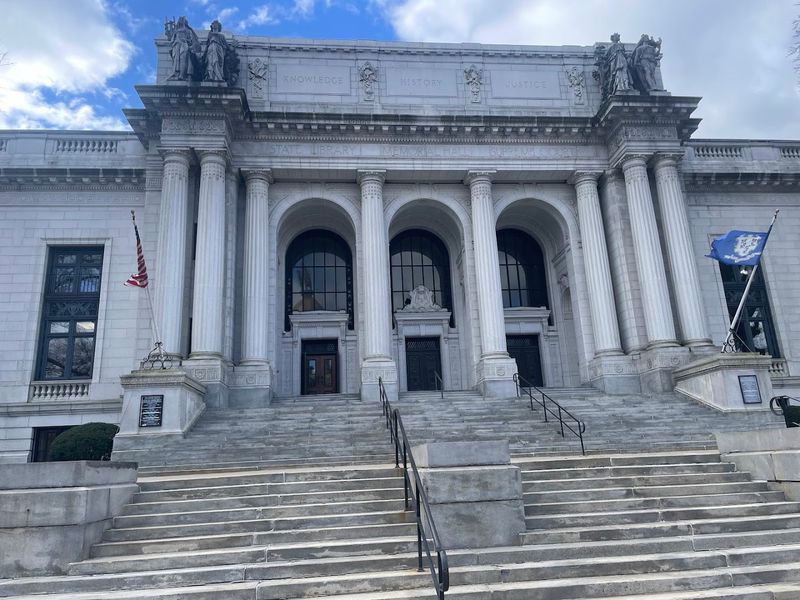
Directly across from the State Capitol, this free museum brings the state’s political, military, and industrial story into sharp focus.
Exhibits fill the grand State Library and Supreme Court Building, where original documents, historic weapons, portraits, and artifacts reveal how government and everyday life evolved over centuries.
Highlights include the original 1662 Royal Charter, the Fundamental Orders of 1639, and the state constitutions adopted in 1818 and 1964. An extensive collection of early Colt firearms explores Hartford’s manufacturing legacy and the company’s influence during the 19th century.
Visitors can also examine objects connected to military service, state leaders, and defining moments in local history. Special exhibitions offer fresh perspectives, including “Connecticut’s Revolution,” which explores the state’s contributions to American independence.
The Museum of Connecticut History occupies part of the building at 231 Capitol Avenue in Hartford. Drawing from the State Library’s extensive collections, each gallery offers the kind of historical depth that rewards a slower, more attentive visit.
Hours are Monday through Friday from 10:00 AM to 4:00 PM, with select Saturday openings. Metered parking is available on surrounding streets, while free all-day spaces may be found on Hungerford Street.
Admission remains free, making the museum an easy addition to a Capitol-area afternoon.
5. William Benton Museum Of Art, Storrs
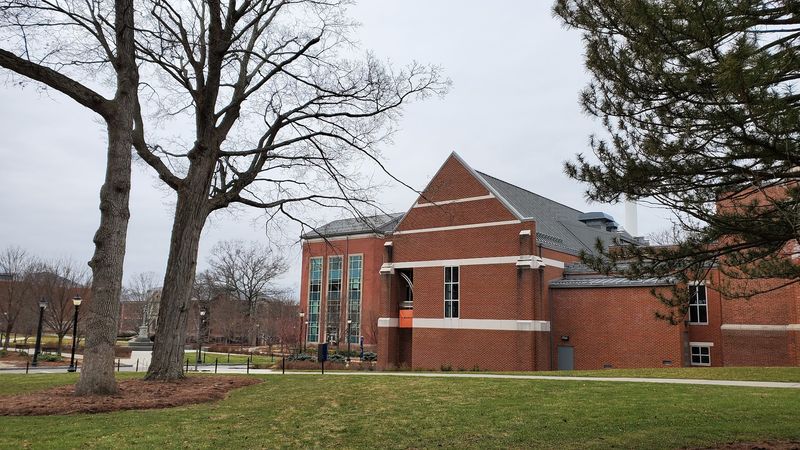
Connecticut’s official state art museum occupies a Collegiate Gothic building on the University of Connecticut’s main campus that originally opened as the university’s main dining hall in 1920.
Located at 245 Glenbrook Road, Storrs, CT 06269, the William Benton Museum of Art carries a history as layered as its collection, which officially opened to the public in 1967 after beginning with a bequest of American art in 1933.
Admission is free for everyone, with no ticket or reservation needed.
The permanent collection spans over 6,500 works covering the 15th through the 21st centuries, offering a broad sweep of artistic traditions from different cultures and time periods.
Both permanent holdings and loaned exhibitions rotate through the galleries, meaning repeat visits can yield something new.
The museum also sits within the University of Connecticut Historic District, adding an architectural layer of interest to the surrounding campus grounds.
Community programming includes gallery talks, campus art walks, academic lectures, musical performances, and family-friendly events throughout the academic year.
Hours typically run Tuesday through Friday from 10:00 AM to 4:00 PM and Saturday through Sunday from 1:00 PM to 4:00 PM, though the museum closes in January and August as well as on select holidays.
University parking garages are available nearby, with walking routes posted on the museum’s website.
6. Ballard Institute And Museum Of Puppetry, Storrs
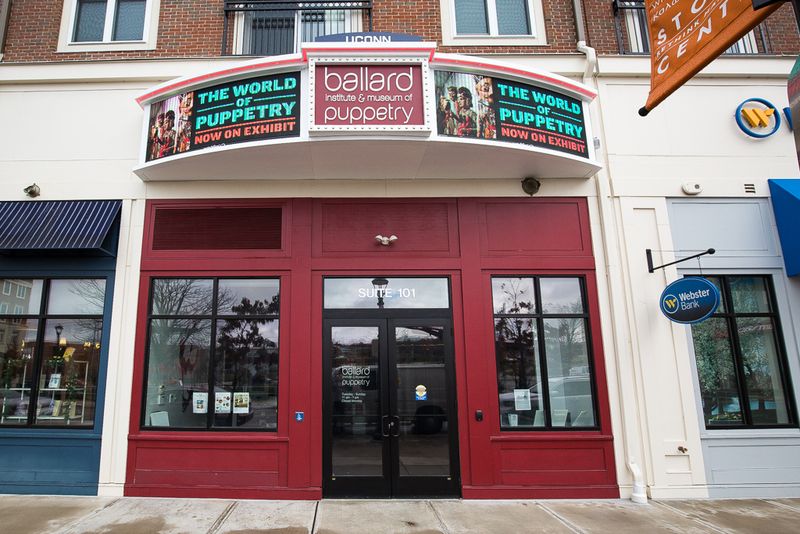
Ancient shadow figures, expressive marionettes, hand puppets, and theatrical creations from around the world turn this Storrs museum into a colorful celebration of puppetry.
Part of UConn’s School of Fine Arts, the Ballard Institute and Museum of Puppetry explores how these imaginative characters have shaped storytelling, performance, and culture across generations.
Its collection includes more than 3,500 puppets, ranging from traditional Asian shadow puppets to modern stage pieces. Rotating exhibitions highlight different artists, traditions, and techniques, so each visit can bring a new perspective.
Researchers and dedicated enthusiasts can also appreciate an extensive archive filled with books, manuscripts, posters, photographs, drawings, films, and other materials documenting puppetry history.
Performances, workshops, forums, and educational events add even more energy beyond the galleries. The museum welcomes visitors at 1 Royce Circle in Downtown Storrs.
A suggested donation of $5 supports its programs, though guests are encouraged to contribute whatever amount works for them.
Hours are Wednesday and Friday from 11:00 AM to 5:00 PM, Thursday and Saturday from 11:00 AM to 7:00 PM, and Sunday from 11:00 AM to 5:00 PM. It remains closed on Mondays and Tuesdays, making a midweek or weekend visit the best choice.
7. Submarine Force Museum, Groton

Climbing aboard the world’s first nuclear-powered submarine turns an ordinary museum visit into an unforgettable maritime adventure. The Submarine Force Museum explores the history of the U.S.
Navy’s “Silent Service,” combining detailed galleries with the rare opportunity to tour the historic Nautilus.
Decommissioned after 25 years of service, the submarine now welcomes guests on a self-guided route through its compact passageways, crew areas, and control spaces. The experience reveals how sailors worked and lived beneath the ocean during the Cold War.
Back inside the museum, exhibits follow submarine development from David Bushnell’s Revolutionary War-era Turtle to modern Ohio- and Virginia-class vessels.
Working periscopes, miniature submarines, photographs, documents, and thousands of artifacts add depth to the story. Films shown in the 71-seat theater provide another engaging introduction to undersea history.
The museum occupies 1 Crystal Lake Road in Groton, beside the Thames River. It is the only submarine museum operated by the United States Navy and serves as its main repository for Submarine Force artifacts.
Admission and parking are free. Regular hours are Wednesday through Monday from 9:00 AM to 4:00 PM, with the museum closed on Tuesdays and selected federal holidays.
8. Yale University Art Gallery, New Haven
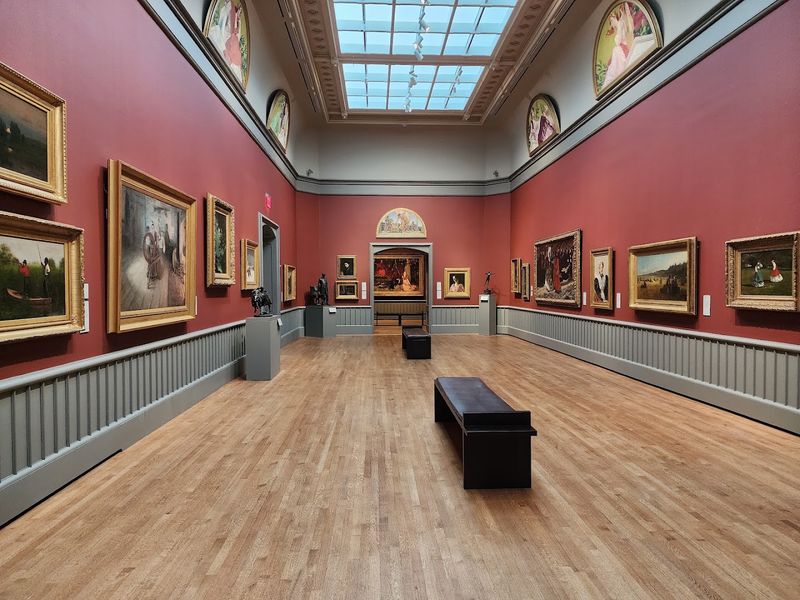
Holding the title of the oldest university art museum in the Western Hemisphere, the Yale University Art Gallery packs an extraordinary range of human creativity into a single city block in New Haven.
The gallery is located at 1111 Chapel Street, New Haven, CT 06510, where its interconnected buildings create a quietly dramatic architectural presence on a walkable stretch of Chapel Street.
Admission is always free, reflecting a long-standing commitment to making art accessible to everyone.
Over 300,000 objects fill its galleries, spanning ancient civilizations through contemporary art and representing cultures from across the globe. Visitors can move through ten distinct cultural areas, including early Italian Renaissance paintings, African sculpture, and modern American works.
The lighting throughout tends to be calm and deliberate, giving each piece room to breathe without overwhelming the senses.
Programs such as films, lectures, and guided tours run throughout the year, offering deeper context for the collections on view. Notable highlights include Greek and Roman artifacts excavated from the ancient city of Dura-Europos and a strong collection of American paintings and decorative arts.
The gallery is generally open Tuesday through Sunday, with extended Thursday hours, though it closes on Mondays and major holidays.
9. Litchfield History Museum, Litchfield
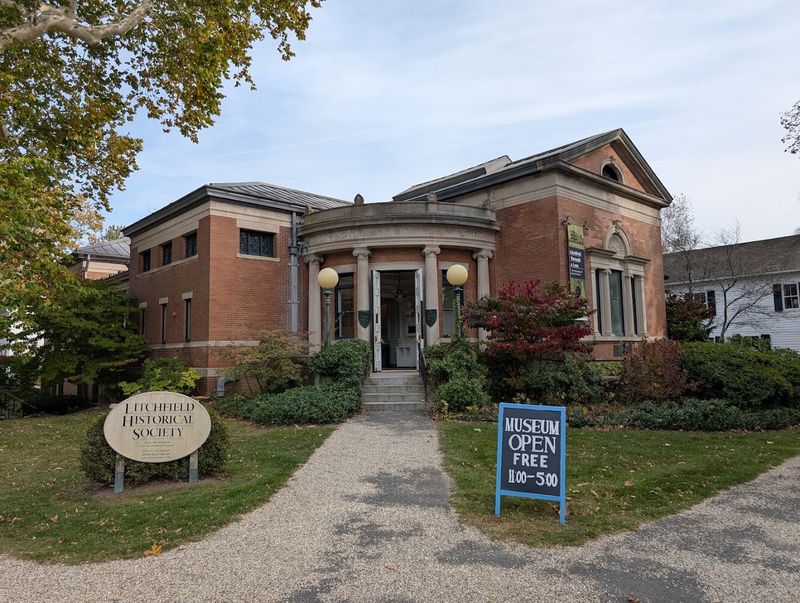
Small towns often hold the most carefully preserved slices of American history, and Litchfield is a convincing example of that idea.
The Litchfield History Museum at 7 South Street, Litchfield, CT 06759, welcomes visitors free of charge to explore how this New England community grew from its founding in 1719 through to the present day.
The museum is generously supported by community efforts, which keeps the doors open without a ticket price attached.
Seven galleries present furniture, historic clothing, household objects, and paintings that bring the rhythms of daily life in the state’s early years into clear focus.
A particular emphasis falls on the fifty years following the American Revolution, a period when Litchfield thrived as a commercial, political, and educational center of surprising regional importance.
Hands-on areas and changing exhibits add variety for visitors who return more than once.
The lower level of the Noyes Memorial Building houses the Helga J. Ingraham Memorial Library, available by appointment for those conducting historical research.
General operating hours run Wednesday through Sunday from 11:00 AM to 5:00 PM, typically from mid-April through November, with the museum closed on Mondays and Tuesdays.
Street parking is usually available along South Street, and a municipal lot sits behind a nearby block of commercial buildings for additional convenience.
10. Tapping Reeve House And Litchfield Law School, Litchfield
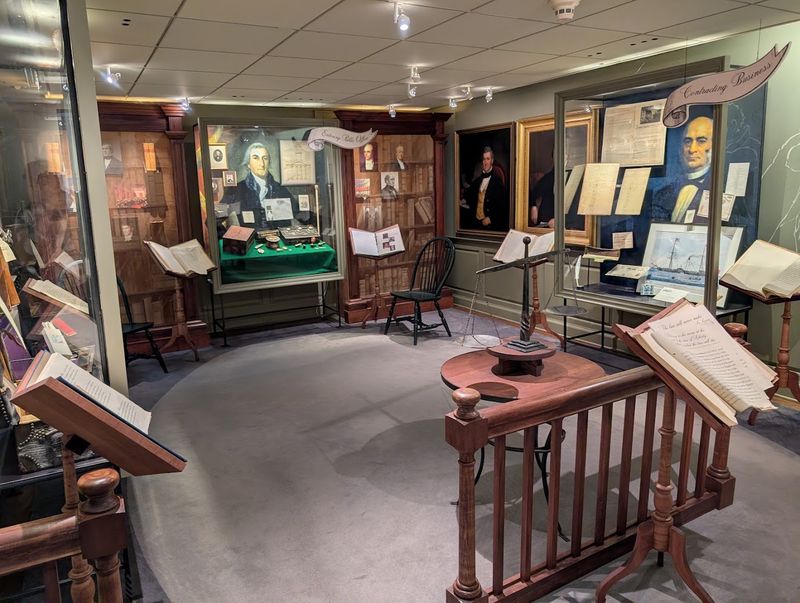
Before university law schools became common, students traveled to Litchfield to study inside a modest one-room schoolhouse that would influence American legal education for decades.
Tapping Reeve began teaching law students in 1774 and built the dedicated classroom in 1784, creating what is recognized as the nation’s first law school.
More than 1,000 young men studied under Reeve and his partner, James Gould, before the school closed in 1833. Graduates later became members of Congress, senators, governors, cabinet officials, judges, educators, and business leaders.
That remarkable legacy gives the small wooden building an importance far greater than its size suggests.
Interactive exhibits make the experience lively and accessible. Visitors can watch an introductory film, explore hands-on displays, try period clothing, and learn how students traveled, communicated, studied, and prepared for professional life in the early republic.
The Tapping Reeve House and Litchfield Law School welcomes guests at 82 South Street in Litchfield, close to the Litchfield History Museum. Admission is free, and parking is available behind the property and along nearby streets.
Hours are Wednesday through Sunday from 11:00 AM to 5:00 PM. The museum offers an engaging look at the people and ideas that helped shape American law and government.