Connecticut’s Historic State Library Holds A Fascinating Museum Filled With Centuries Of State History
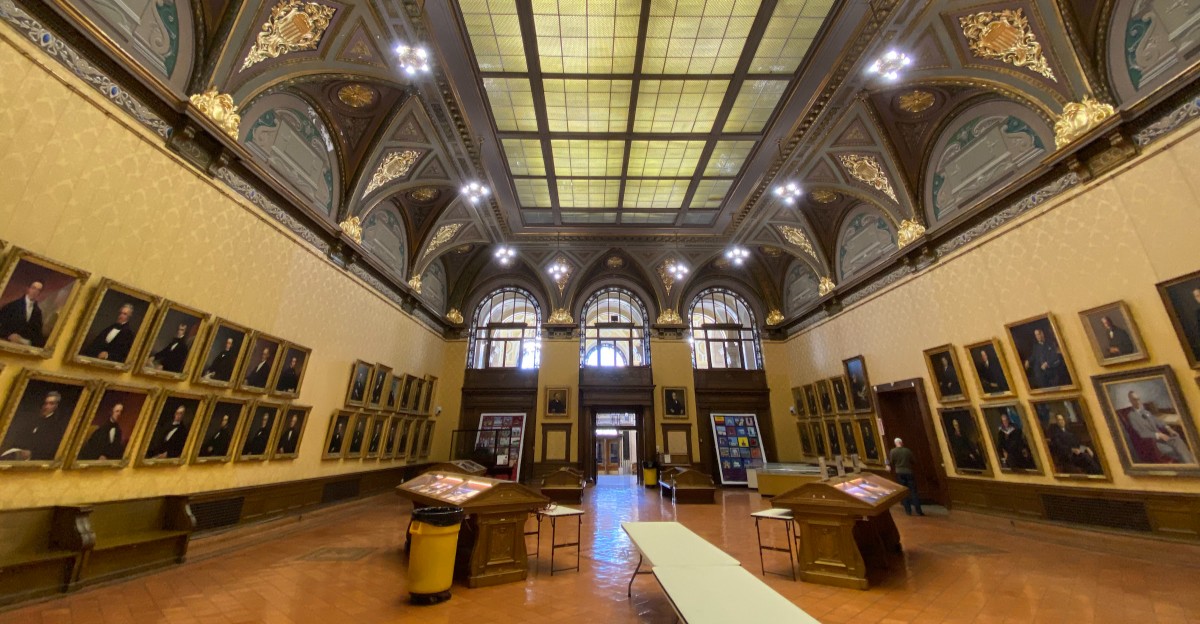
A library with its own history museum? Now that’s a pretty interesting bonus for anyone who enjoys discovering unexpected places.
And this isn’t just a little room with a few dusty old objects.
Inside Connecticut’s historic State Library, a fascinating museum preserves centuries of state history through remarkable artifacts and exhibits.
I love the thought of walking into a building associated with books and research, only to discover an entirely different way to experience the past.
And there’s something exciting about seeing real objects that connect you to people who lived generations ago.
Some exhibits might even make you wonder how much everyday life has changed.
Of course, history isn’t always about famous names or major events.
Sometimes the smallest objects have the most interesting stories.
That’s what makes an afternoon here sound surprisingly entertaining.
1. A Library, A Courthouse, And A Museum Walk Into One Building
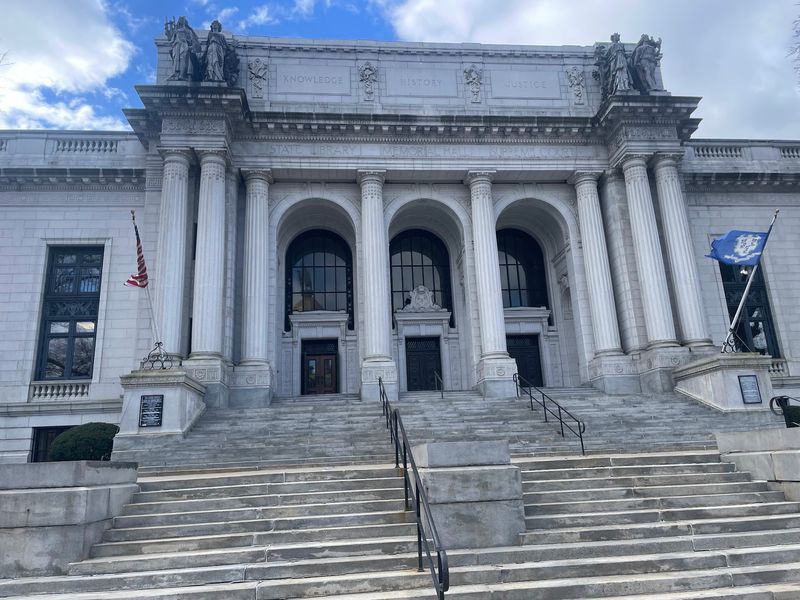
History has quite an impressive home in Hartford. One grand building houses a museum, a state library, and the Supreme Court, making it an unusual place to spend an afternoon.
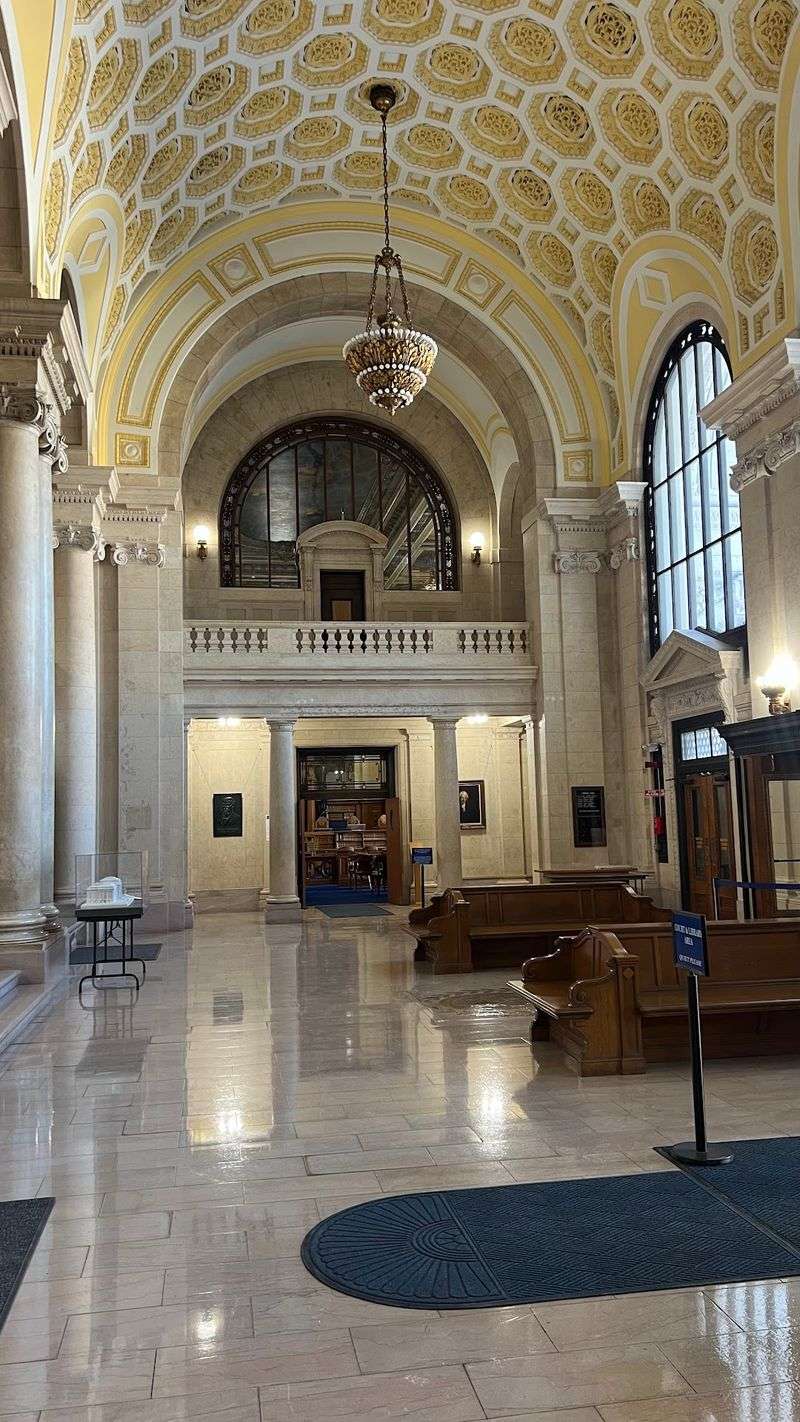
Completed in 1910, the Connecticut State Library and Supreme Court Building was designed to accommodate the state’s growing library collections while providing space for important government functions.
Architects Donn Barber of New York and E.T. Hapgood of Hartford gave the structure its striking Beaux-Arts appearance, drawing inspiration from Italian Renaissance architecture.
The building’s layout is interesting, too. From the central lobby, separate wings lead toward the State Library and Supreme Court.
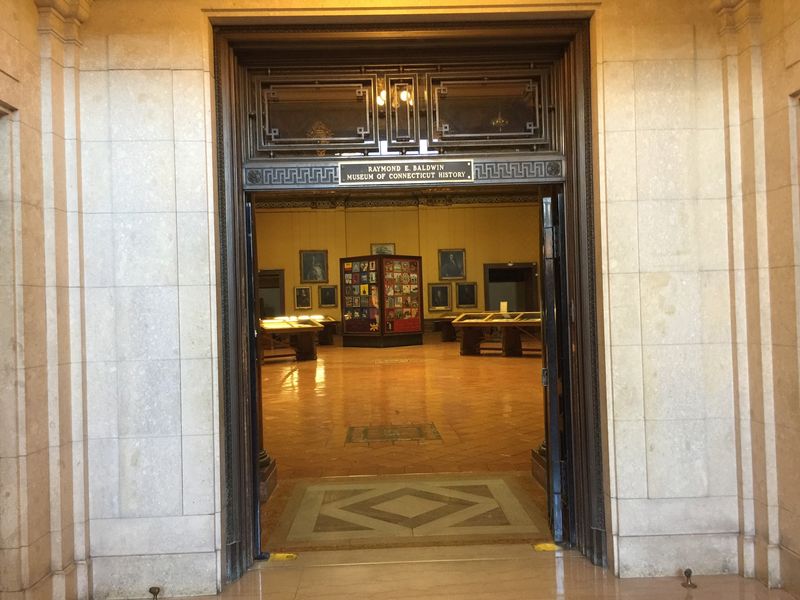
Memorial Hall occupies the middle section and serves as the home of the Museum of Connecticut History.
That arrangement puts visitors in an interesting position. While exploring exhibits about the state’s past, they’re surrounded by spaces still connected to its legal and historical institutions.
Before entering, visitors should expect a security screening, including a metal detector, because the building also serves the court.
The museum is free to visit, and its regular hours are Monday through Friday, 10 a.m. to 4 p.m., excluding state holidays.
It’s an opportunity to enjoy some remarkable architecture while discovering how the state’s past is preserved today.
2. Say Hello To The Golden Horse That Once Ruled A Factory Dome
Few museum objects have a better origin story than a shiny horse on its hind legs. The original Rampant Colt statue once topped the dome of the Colt factory in Hartford.
That blue onion dome became a city landmark, and the golden colt was its crowning touch. The statue joined the museum’s collection in 1995.
Seeing it up close gives you a new sense of scale. Something designed to be spotted from far below now stands at eye level.
Nearby, look for Colonel Colt’s military uniform. It adds a personal side to a name usually linked with machines and patents.
Fun detail worth sharing with friends: the rampant colt became the company’s famous logo. A factory decoration turned into one of the most recognized trademarks in American manufacturing.
Snap a photo and remember the trip it took to get here. From rooftop to gallery, this golden horse has seen more of Hartford’s story than most people ever will.
3. The Papers That Earned A Nickname Are Right In Front Of You
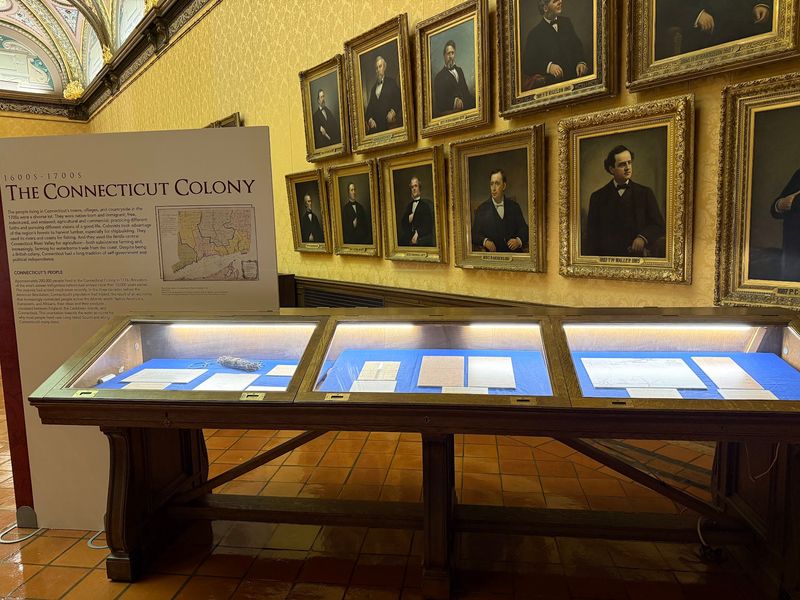
Ever wonder why the state calls itself the Constitution State? The answer sits in a display case here.
The Fundamental Orders of 1639 are often described as an early written framework for government. The museum also holds state’s 1662 Royal Charter, granted by King Charles II.
That charter comes with a legendary tale. Colonists reportedly hid it inside a great oak tree when royal officials wanted it back, and the Charter Oak became a state symbol.
You can also see the 1818 and 1964 State Constitutions. Together, these papers show how the rules changed over more than three centuries.
Old documents can feel dry on a screen. In person, the faded ink and careful handwriting make the people behind them feel real.
Here’s a tip for families. Ask kids to find one word they recognize in each document, then talk about what it might have meant back then.
Take your time in this section. These aren’t copies on a classroom wall, and standing near them is a rare chance to see the paperwork behind a state’s identity.
4. Governors Line The Walls Like A Very Formal Family Album
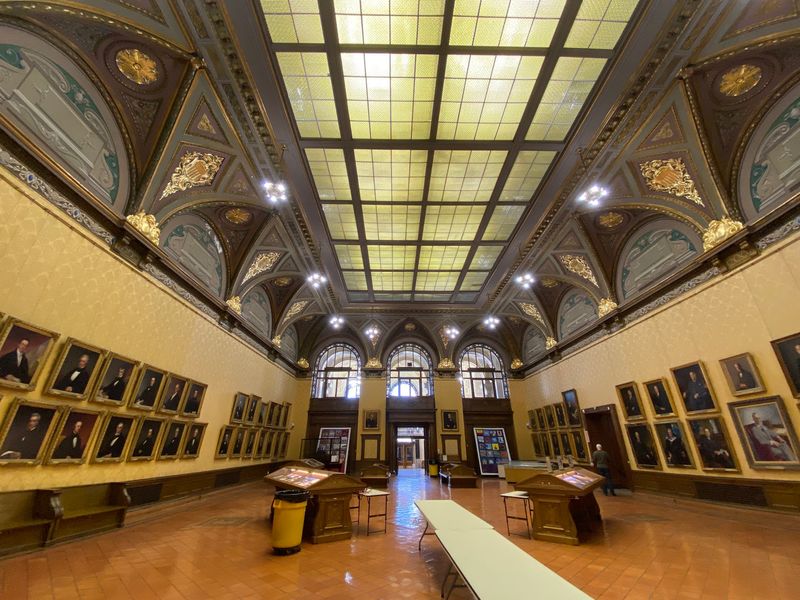
Most state capitols hang governor portraits inside the capitol itself. The state does things differently, placing its gubernatorial portraits at this museum across the street.
The paintings stretch along the walls in a long, stately row. Walking past them feels like flipping through centuries of leadership one face at a time.
Notice how the styles shift as you move along. Clothing, poses, and painting techniques all change with the times.
Early portraits often feel stiff and serious. Later ones show different fashions and moods, giving you a quiet lesson in art history too.
Here’s a fun game for curious visitors. Pick a governor whose portrait grabs your attention, then look up what was happening in the state during that term.
The setting adds to the effect. Memorial Hall’s grand interior makes these portraits feel right at home, like guests at an elegant gathering.
You might not remember every name afterward, and that’s fine. What sticks is the sense that state’s story was shaped by real people, each with a face, a moment, and a place on this wall.
5. Thirteen Thousand Coins Make Pocket Change Look Boring
Counting your change will never feel the same after this. The Mitchelson Coin Collection holds more than 13,000 U.S. coins.
Some pieces date back to early colonial times. Seeing money from before the country even existed is a strange and fascinating experience.
Coins tell stories in tiny spaces. Their designs reveal what people valued, celebrated, and wanted others to notice.
Look closely at the early colonial and revolutionary pieces. They show how Americans experimented with money long before standard designs settled in.
Bring a magnifying mindset, even without an actual magnifier. Small dates, symbols, and lettering reward patient eyes.
This section works well for kids who love collecting things. Ask them to spot animals, faces, or unusual symbols, then compare those designs to coins in their own pockets.
Collectors will find plenty to admire here, but beginners shouldn’t feel left out. The displays make it easy to appreciate coins as both art and history.
Leave a little extra time for this room. A collection this size could easily turn a quick glance into a happy, unexpected hour of browsing.
6. A Quilt, A Pie Plate, And Plenty Of Homegrown Ideas
A pie tin probably isn’t what you expect near priceless documents. Yet the museum’s exhibits on state inventions include one, a nod to the Frisbie pie plate story behind the Frisbee.
That playful touch fits right in. The state has a long record of manufacturing and clever products, and the industry displays celebrate that spirit.
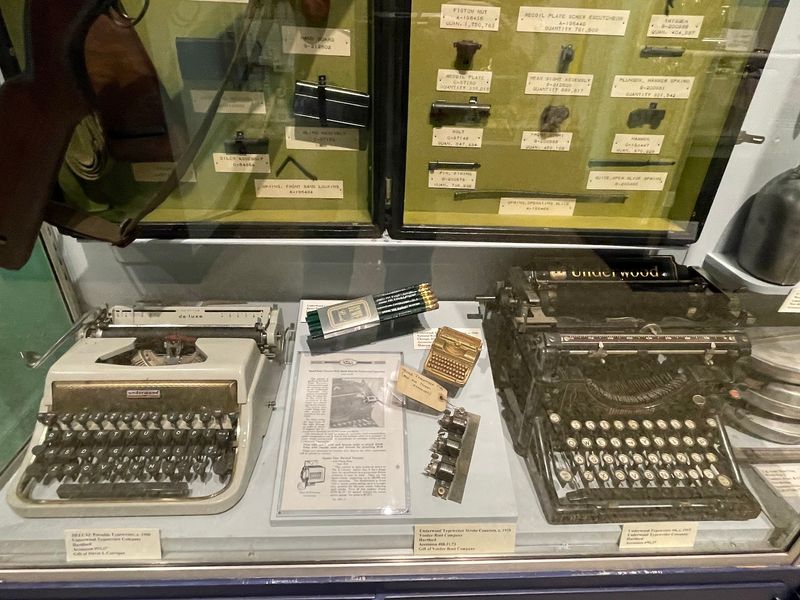
One room also features vintage appliances and manufactured goods. It’s a fun reminder that history includes kitchens and workshops, not just battlefields and courtrooms.
Then there’s the Connecticut Freedom Trail Quilt. Its central theme is the Amistad Incident, a powerful chapter in the struggle for freedom.
The quilt shows how art can carry history. Fabric, color, and stitching turn an important story into something you can study up close.
These exhibits balance each other nicely. One side sparks smiles, while the other invites reflection about courage and justice.
Try pairing them in conversation with younger visitors. Ask what invention they would create, then talk about why people stitched stories like the Amistad into a quilt meant to last for generations.
7. Revolutionary Stories Take Center Stage For America’s Big Birthday
America turns 250 in 2026, and Connecticut planned something special. A new exhibit called Connecticut’s Revolution runs from July 4, 2026, to July 9, 2027.
It explores the many people who shaped that era. The focus goes beyond famous names to include a wide range of experiences.
That approach makes the story richer. Revolutions involve farmers, families, soldiers, and workers, not just leaders signing papers.
Military history fans have even more to see. The CT Military Collection covers artifacts from the colonial era all the way through the Gulf War.
Walking through those objects shows how residents served across many generations. Uniforms, equipment, and personal items help connect big events to individual lives.
Timing your visit around the anniversary exhibit is a smart move. Special exhibits come and go, so seeing one during its run feels like catching a rare moment.
Pair this section with the founding documents for a fuller picture. You’ll see the ideas on paper and the people who lived through the changes, all in one memorable Hartford afternoon.
8. Free Admission And The Capitol Across The Street? Easy Choice
Free admission makes a museum visit even better, especially when the exhibits include some of the state’s most unusual historical treasures.
You can spend an hour exploring the Museum of Connecticut History without paying an entrance fee. That leaves plenty of time to enjoy other attractions around Hartford.
The museum generally welcomes visitors Monday through Friday, from 10 a.m. to 4 p.m. Occasional Saturday openings may also be offered, so checking the schedule before a weekend visit is worthwhile.
Monday access is particularly convenient, since plenty of museums reserve that day for closing.
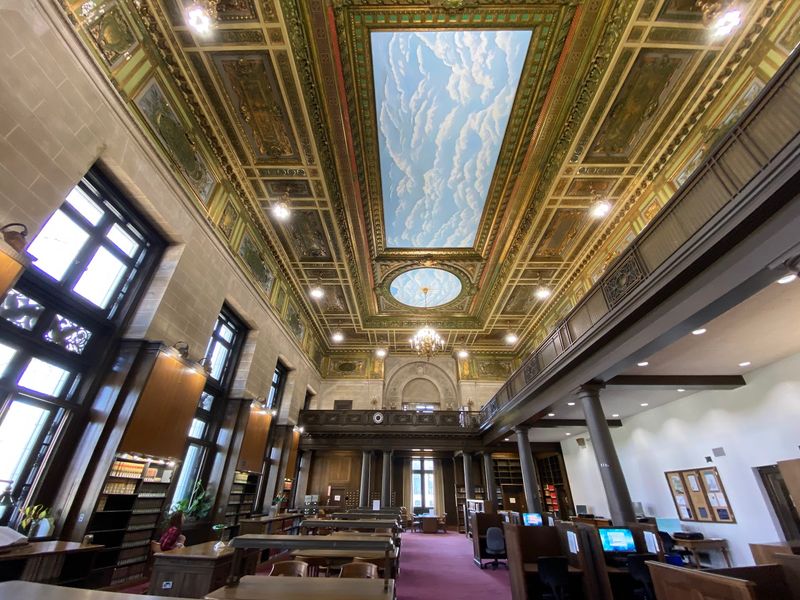
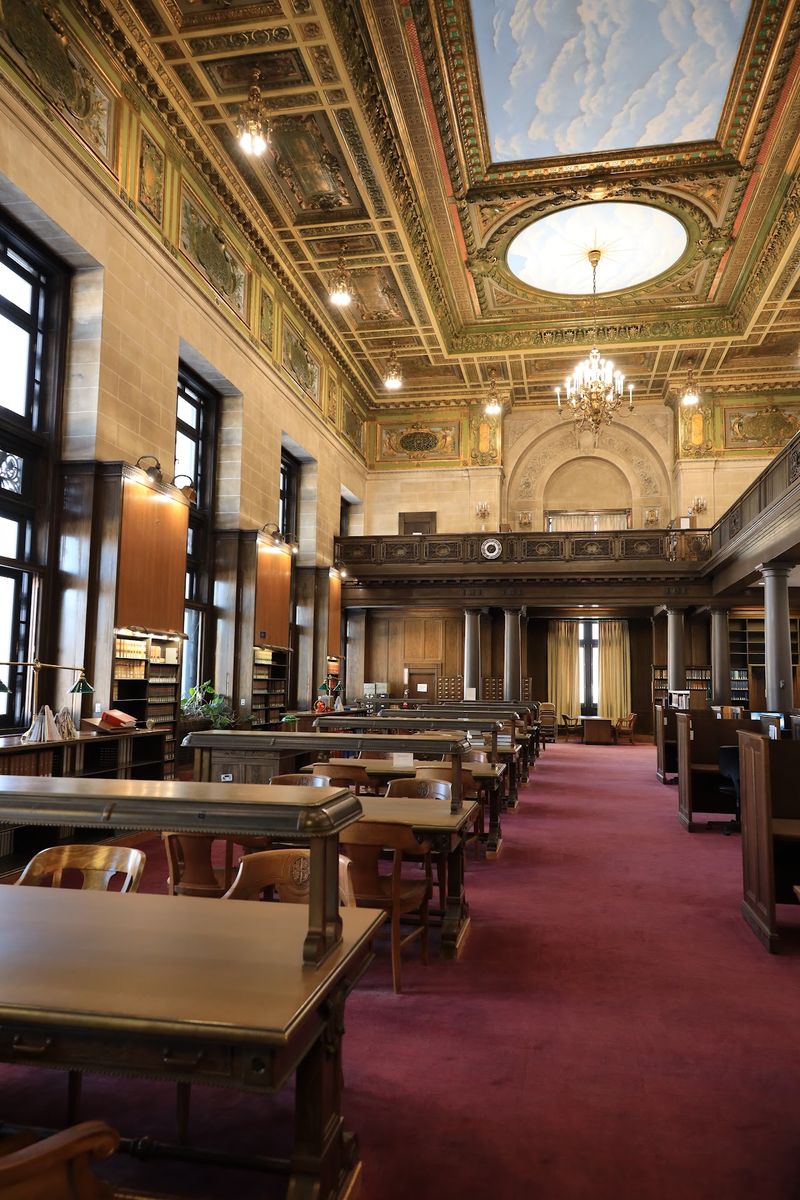
Beyond the exhibits, the building itself deserves some attention. Its impressive architecture extends into the State Library and Supreme Court wings, giving visitors more to admire during their visit.
Researchers interested in specific collection items may also be able to arrange appointments to examine materials that aren’t normally displayed.
The museum is at 231 Capitol Avenue, Hartford, CT 06106, directly across from the gold-domed State Capitol.
Allow roughly an hour for the exhibits, with extra time if you want to explore the surrounding area.
Expect security screening before entering, and travel light to make the process easier.
Between the free admission, unusual artifacts, and impressive surroundings, this is a worthwhile little stop in the capital.