10 Connecticut Towns That Look Very Different Than They Did 20 Years Ago
Twenty years is long enough for an empty field to become a shopping center and a familiar downtown to develop an entirely new personality.
But the changes are not always obvious while they are happening. A building disappears here. A new neighborhood takes shape there.
People adjust to each change until an old photograph reminds them just how different everything used to look.
That is when the nostalgia begins.
Some towns have welcomed development that brought new opportunities, while others have watched familiar landmarks vanish or their populations shift.
The past two decades have reshaped parts of Connecticut in ways that might surprise even people who have lived there for years.
And not everyone agrees on whether those changes have been improvements.
The towns ahead have particularly interesting stories of transformation. Comparing their past and present reveals how much can happen within a single generation, sometimes without residents noticing the full extent until they look back.
1. Norwalk
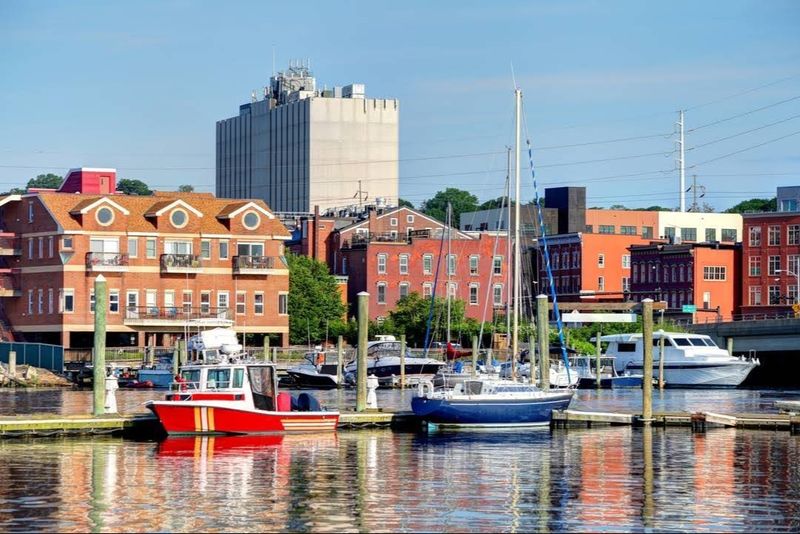
Shopping bags, river views, and a huge new mall where an empty lot sat for years. Norwalk spent the 2010s turning its South Norwalk area, known as SoNo, into one of the busiest corners of Fairfield County.
The biggest headline came in 2019, when The SoNo Collective opened at 100 North Water Street. The large indoor mall brought major department stores and dozens of shops to a site that had waited a long time for development.
Ownership and store lineups have shifted since then, so it helps to check what is open before you go.
Nearby, new apartment buildings rose along West Avenue and around the train station, giving the area a more lived-in feel. Residents can now walk to restaurants, the river, and Metro-North trains without needing a car for every errand.
Some favorites from the past are still here, which keeps the city grounded. The Maritime Aquarium remains a family draw, and its harbor seals are a classic stop for school trips and weekend visits.
Another change you will notice is the rebuilt Walk Bridge, a major railroad bridge project over the Norwalk River. Construction has been a long effort, but it shows how much the state is investing in this stretch of the Northeast rail line.
2. Danbury
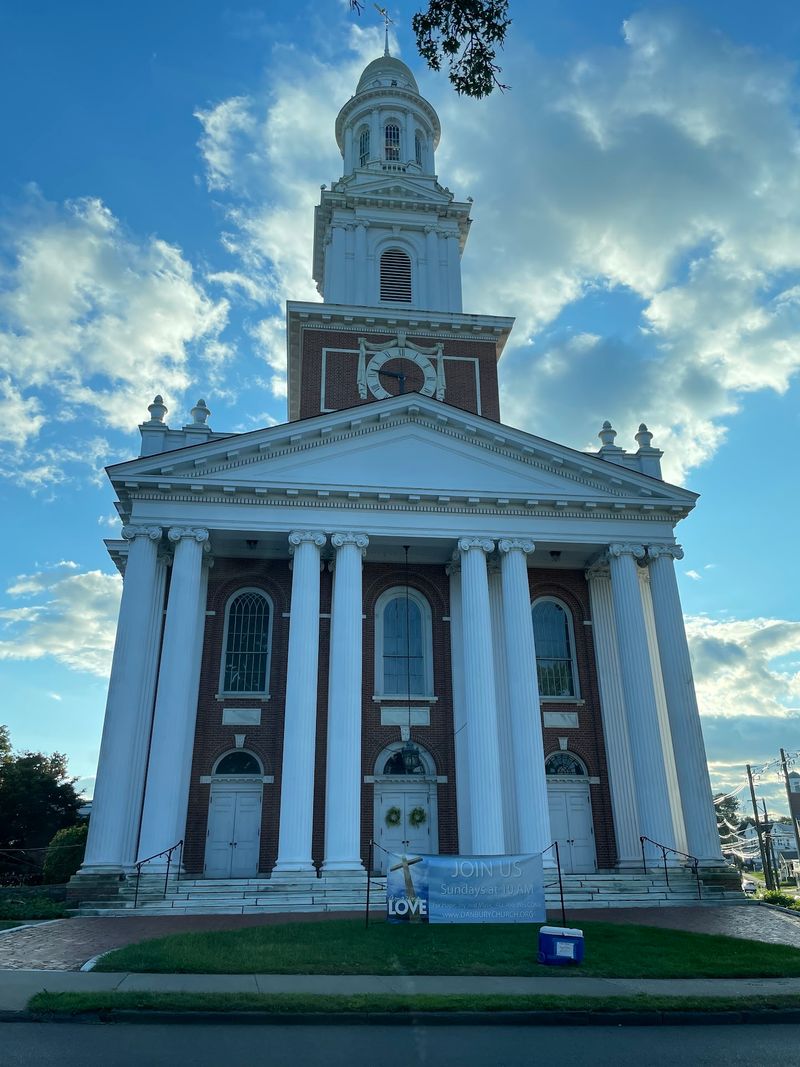
Big changes are happening in Hat City! Once famous for its hat-making factories, Danbury has developed into a lively community where international flavors and new housing projects are reshaping everyday life.
The city’s population passed 86,000 in the 2020 Census, reflecting years of steady growth. Families with roots in Brazil, Ecuador, and other countries have brought new traditions to the area, especially through the restaurants and specialty markets lining Main Street and White Street.
Downtown looks different too. Renovated buildings and newer apartment developments have brought more residents closer to shops and dining spots, helping create a busier neighborhood atmosphere.
Yet Danbury hasn’t forgotten its industrial past. The city’s railroad history remains a fun part of its identity, particularly for families looking for an outing beyond shopping and dining.
The Danbury Railway Museum, at 120 White Street, offers visitors a chance to explore historic railroad equipment, with special train experiences available on selected dates.
Western Connecticut State University also contributes to the city’s energy, bringing students and campus activities into the community.
Two decades of development have given Danbury a more varied personality, blending its manufacturing heritage with a growing international population and a changing downtown.
3. Milford
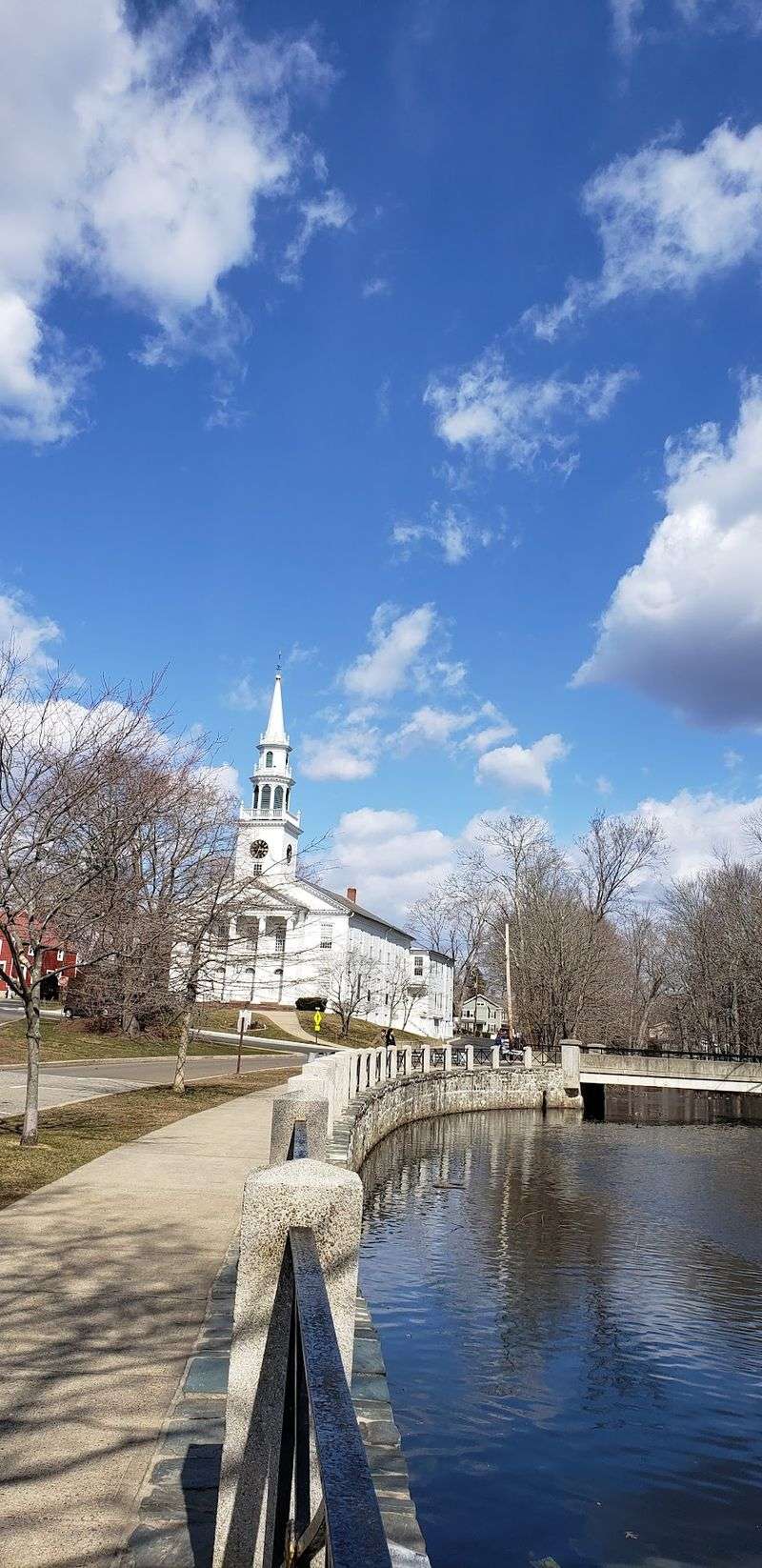
What happens when a historic coastal town starts growing in new directions? Milford offers an interesting answer, with modern apartments appearing near familiar landmarks and a shoreline that looks noticeably different from twenty years ago.
The town’s famous green still stretches roughly a quarter mile through downtown, preserving a traditional gathering place surrounded by local shops and cafés. Yet nearby streets have welcomed residential developments, particularly around the train station and Boston Post Road.
These additions have brought more housing closer to public transportation and everyday conveniences, giving parts of downtown a busier atmosphere.
The biggest visual changes may be along the water. With approximately 17 miles of coastline, Milford faced serious challenges during Hurricane Irene in 2011 and Superstorm Sandy in 2012.
Many waterfront homes have since been elevated or rebuilt, creating a different streetscape from earlier decades.
Outdoor attractions remain a major draw. Silver Sands State Park offers a popular boardwalk and coastal scenery, while Charles Island attracts curious visitors when the sandbar becomes exposed at low tide.
Crossing requires extreme caution because rising water can make the route dangerous.
Despite the development, Milford retains much of its familiar coastal personality. Historic surroundings and newer housing now share space in a community that continues adapting while keeping its waterfront character.
4. Manchester
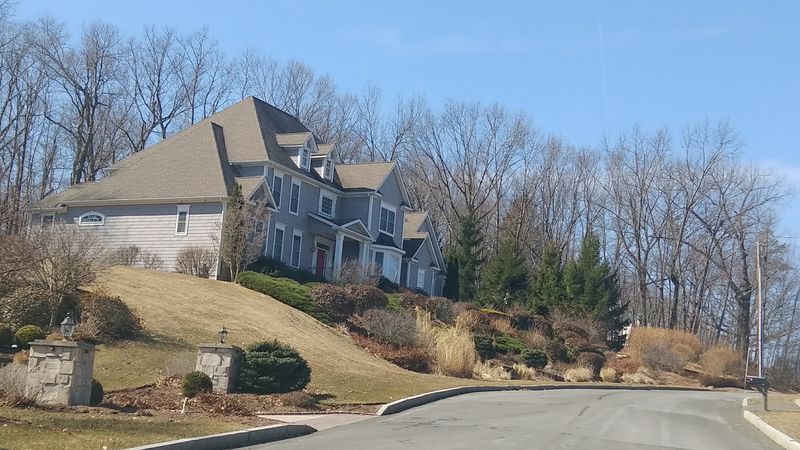
Silk once ruled Manchester. The Cheney Brothers mills made it known as Silk City, and their huge brick buildings still stand, many now converted into apartments.
Twenty years ago, the bigger story was on the east side of town. The Shoppes at Buckland Hills and the stores around it kept growing, and the Evergreen Walk area in nearby South Windsor added more shopping right next door.
Together, they turned the area into one of the region’s main retail spots.
Downtown on Main Street has also seen fresh attention. The town has worked on plans to make the area more walkable and inviting, with streetscape improvements and new businesses filling storefronts.
Changes are still in progress, so the look may keep evolving.
History fans will enjoy the Cheney Hall at 177 Hartford Road, a restored performance space that hosts plays and concerts. The building dates to 1867 and shows how the Cheney family shaped community life beyond the mills.
For outdoor time, Wickham Park offers gardens and trails that make a peaceful break from busy Buckland. Manchester today feels like two towns in one: an old mill village with deep roots and a modern shopping hub that draws people from all over the Hartford area.
5. West Hartford
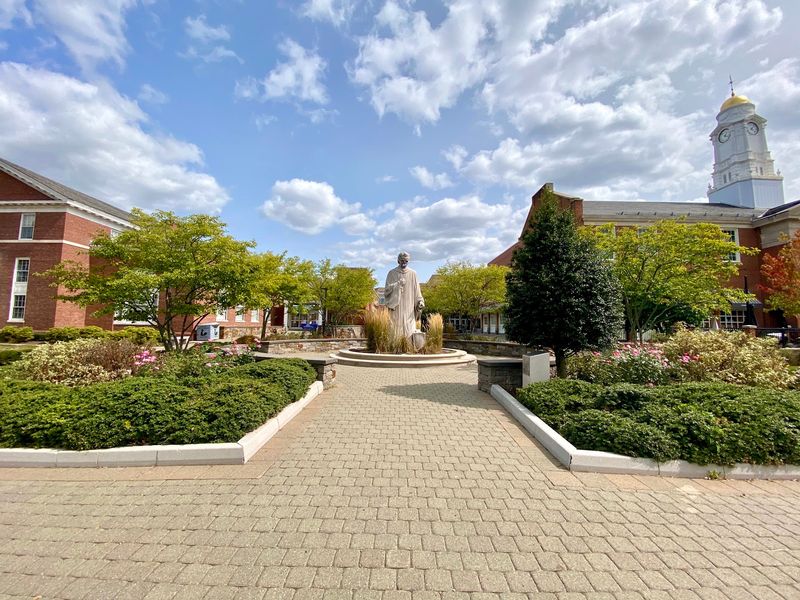
What a difference twenty years can make! West Hartford’s town center has become a much livelier destination, with outdoor dining and modern apartments bringing fresh energy to its familiar streets.
Much of that transformation came with Blue Back Square, the shopping and entertainment district that opened in 2008 beside West Hartford Center. Wider sidewalks, restaurants, and a movie theater helped turn the area into a popular gathering place.
Even the name celebrates local history. Blue Back Square honors Noah Webster’s famous blue-backed spelling book, which helped generations of American children learn their letters.
The connection runs deep because Webster was born in West Hartford. His childhood home, now the Noah Webster House at 227 South Main Street, welcomes visitors interested in his life and educational legacy.
Warm evenings bring another side of the neighborhood to life. Outdoor tables fill with diners, families stroll along the sidewalks, and dessert stops become part of the evening routine.
Parking garages provide convenient options, although weekends can get busy.
For a quieter outing, nearby Elizabeth Park offers beautiful gardens and walking paths. Its celebrated rose garden is especially colorful during June.
Together, these attractions show how West Hartford has evolved, balancing its historic identity with modern shopping and inviting public spaces.
6. Southington
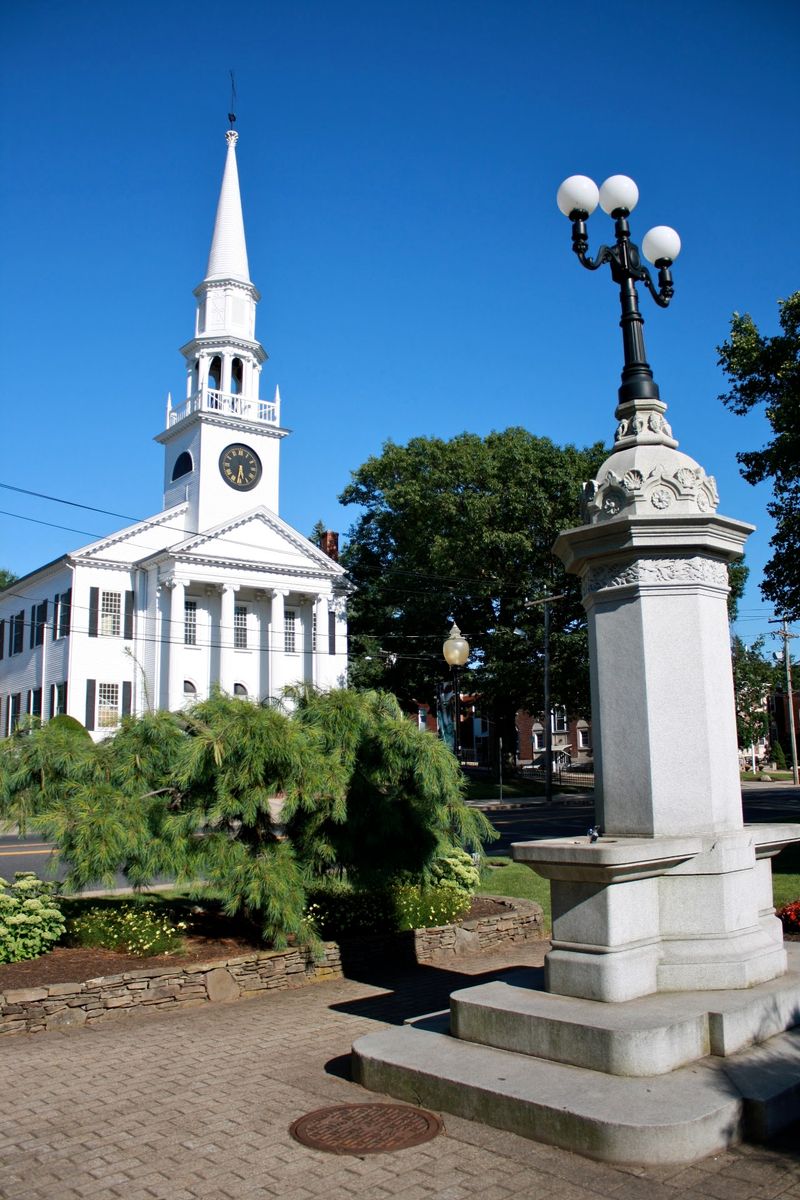
Bikes rolling past old storefronts in Plantsville is a sight you would not have seen here in the early 2000s.
The Farmington Canal Heritage Trail changed how Southington feels. Section by section, the town paved its part of this former rail and canal route, and today it runs through the center of town and Plantsville.
Walkers, runners, and families on bikes now use it every day, especially on weekends.
Downtown Southington has also had a makeover. Older buildings near the town green have been fixed up, new restaurants have opened, and the area hosts community events through the year.
The Apple Harvest Festival, held each fall, is one of the town’s best-known traditions and draws big crowds.
Southington still has strong farm roots too. Orchards like Rogers Orchards have welcomed families for apple and peach picking for generations, though seasons and offerings vary, so checking before you go is smart.
Winter brings its own fun at Mount Southington Ski Area, a smaller mountain great for beginners. Between the trail, the farms, and a refreshed downtown, Southington feels more connected and active than before, without losing its small-town comfort.
7. Farmington
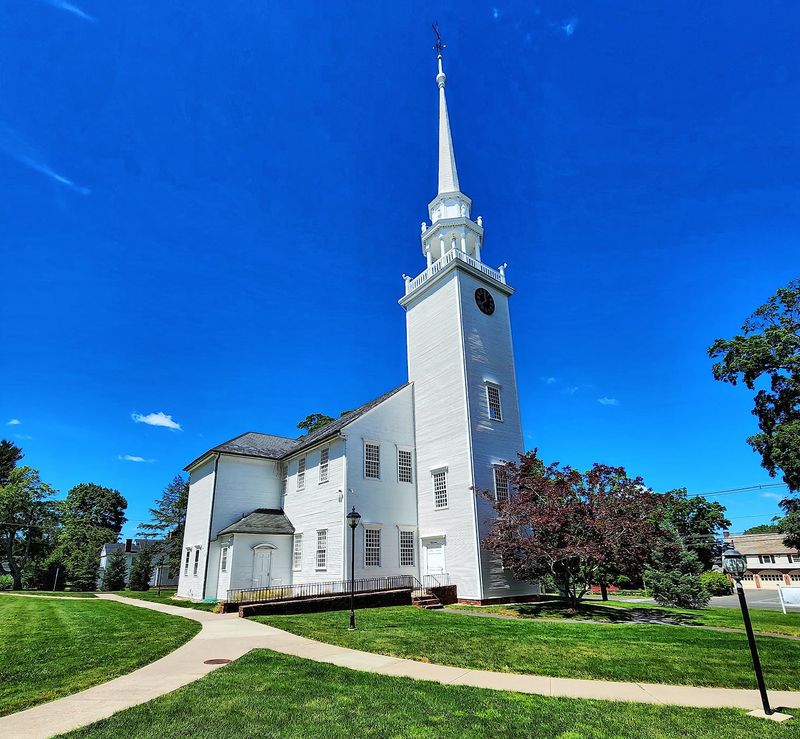
Quiet colonial homes line Main Street in Farmington, and at first glance the historic village looks almost frozen in time. Look just beyond it, though, and you will find a town that has grown a lot.
One of the biggest changes is the UConn Health campus. In recent years it gained a new hospital tower and the Jackson Laboratory for Genomic Medicine, which opened in 2014.
These projects brought jobs, researchers, and new energy to the area.
Farmington also has more housing and businesses along routes like Route 4 and Route 6, plus the Westfarms mall on its border with West Hartford. The Farmington Canal Heritage Trail passes through town as well, giving cyclists an easy path north toward Simsbury.
For a peaceful afternoon, the Hill-Stead Museum at 35 Mountain Road is a real treat. The historic house holds a collection of French Impressionist paintings, including works by Monet and Degas, and its sunken garden is lovely in summer.
The Farmington River adds another layer of charm, with spots for fishing and paddling. Old and new share space here in a way that feels balanced and calm.
8. Stamford
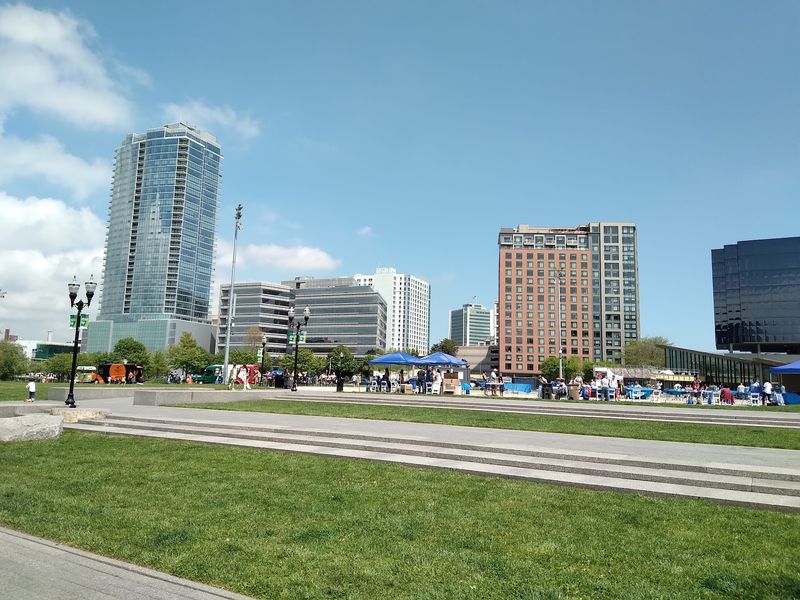
What a transformation! Old industrial lots have given way to modern apartments, waterfront paths, and a lively marina.
Stamford’s South End barely resembles the neighborhood it was two decades ago.
Much of that change began around 2008, when the Harbor Point redevelopment started reshaping former industrial properties into residential and commercial spaces. Today, glass towers overlook the waterfront, while residents enjoy walking paths and outdoor gathering areas.
The population figures are equally striking. Between 2010 and 2020, Stamford grew by roughly 10 percent, becoming the state’s second-largest city.
The South End experienced even faster growth, with its population increasing approximately 140 percent and more than 3,200 housing units added.
Downtown followed a similar pattern, welcoming thousands of apartments as its population climbed around 27 percent.
Stamford remains an important business hub, attracting employers in finance and technology. Its waterfront also offers a pleasant place for an evening stroll.
Looking ahead, the approved Stamford 2035 plan emphasizes thoughtful development, open spaces, and stronger neighborhoods as the city continues evolving.
9. South Windsor
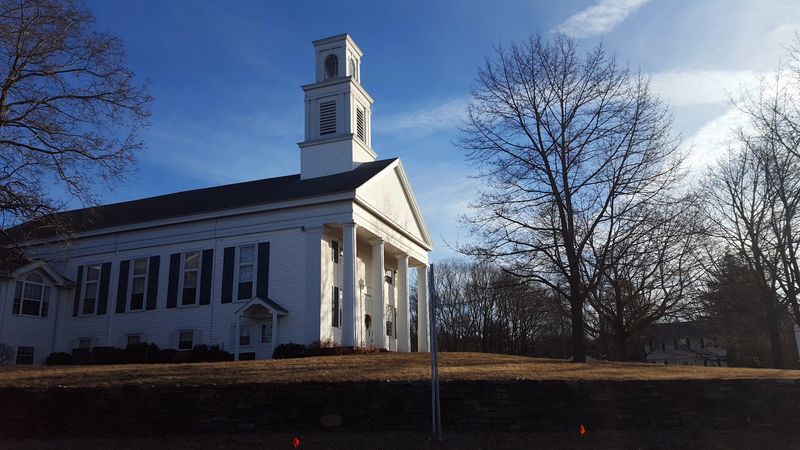
Cornfields and tobacco barns once defined much of South Windsor. Many still dot the landscape, but the town’s northern edge looks very different now.
The big change came with Evergreen Walk, an outdoor shopping center that opened in the mid-2000s near Buckland Road. It brought stores, restaurants, and office space to an area that had been mostly open land.
Today it works almost like a small town center, with tidy walkways and plenty of places to stop for lunch.
New neighborhoods followed. South Windsor added housing developments over the past two decades, and families have been drawn by its schools and parks.
The population has grown steadily, though the town still keeps a relaxed, suburban pace.
Farming history has not disappeared. Shade tobacco barns can still be spotted along the Connecticut River valley, and the Wood Memorial Library and Museum at 783 Main Street shares local history and a natural history collection that kids often enjoy.
Outdoor fans can head to Nevers Road Park for sports fields and walking paths. South Windsor is a good example of how a farm town can welcome growth while keeping reminders of where it came from.
10. Newington
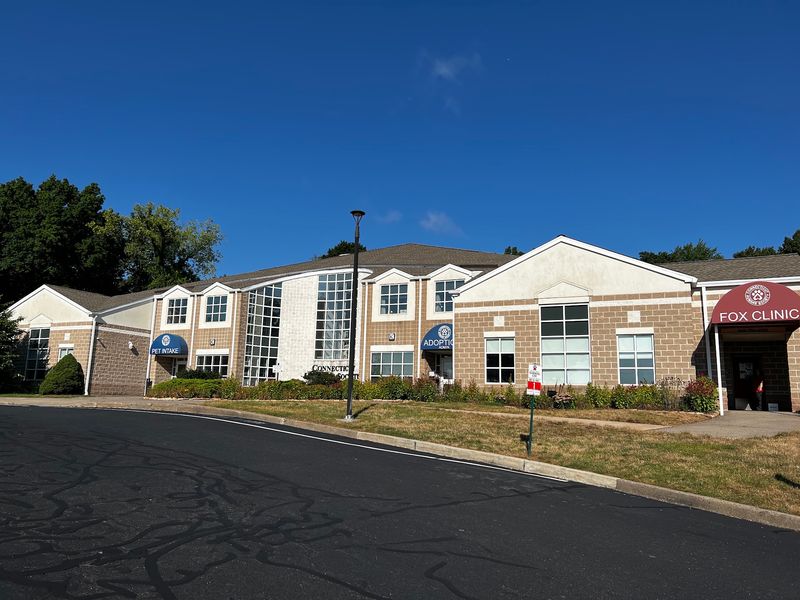
Here is a quick fact: Newington got a new way to travel in 2015. That year, CTfastrak opened, a bus rapid transit line running between New Britain and Hartford with stations in Newington.
The busway uses its own road, so buses skip much of the regular traffic. For residents, that meant faster trips into Hartford without driving.
It also sparked interest in building homes and businesses near the stations, especially around Newington Junction and Cedar Street.
Along the Berlin Turnpike, you will notice newer stores, restaurants, and car dealerships mixed with older businesses. The town has spent years working on plans to make this busy road more attractive and useful for local shoppers.
Newington’s town center still offers a friendly, low-key feel. Mill Pond Park is a favorite spot, with a small waterfall, walking paths, and the town’s summer concerts and events.
It makes a pleasant place for a picnic.
History lovers can visit the Kellogg-Eddy House at 679 Willard Avenue, a historic home connected to the town’s past and run by the local historical society, with hours that vary by season.
Between transit, new projects, and steady community traditions, Newington has quietly become easier to reach and more appealing to explore.