11 Connecticut Wildlife Programs Where You Can Help Animals And Learn About Conservation
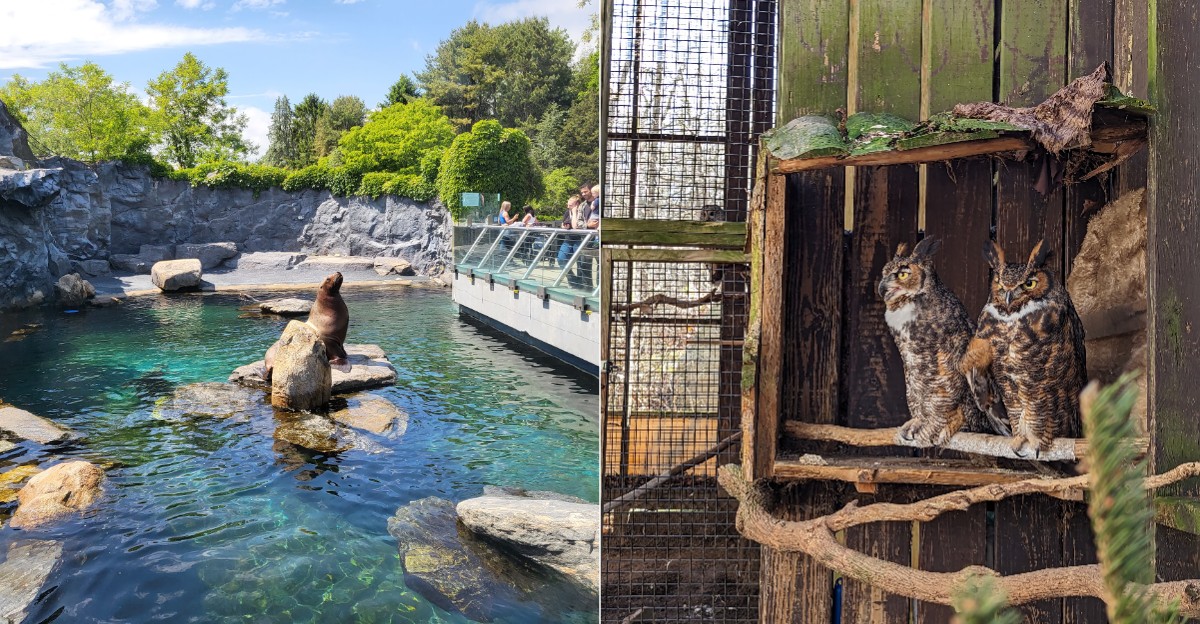
Watching wildlife from a distance is fascinating, but getting a closer look at the work happening behind the scenes is another experience entirely. These programs make conservation feel much more real.
You might learn how injured animals are cared for or discover why protecting local habitats matters so much. It is interesting without feeling like somebody dragged you into a classroom.
Connecticut has wildlife programs that turn curiosity about animals into a chance to understand what protecting them actually involves.
That hands-on connection can completely change how you think about creatures you normally glimpse for a few seconds outside. Suddenly, their lives seem far more complicated than they did before.
The best part is how naturally learning happens. You show up because animals are fascinating, then leave knowing something you genuinely did not know before.
And if helping wildlife happens to be educational too, that feels like a pretty good deal, right?
1. Sharon Audubon Center, Sharon
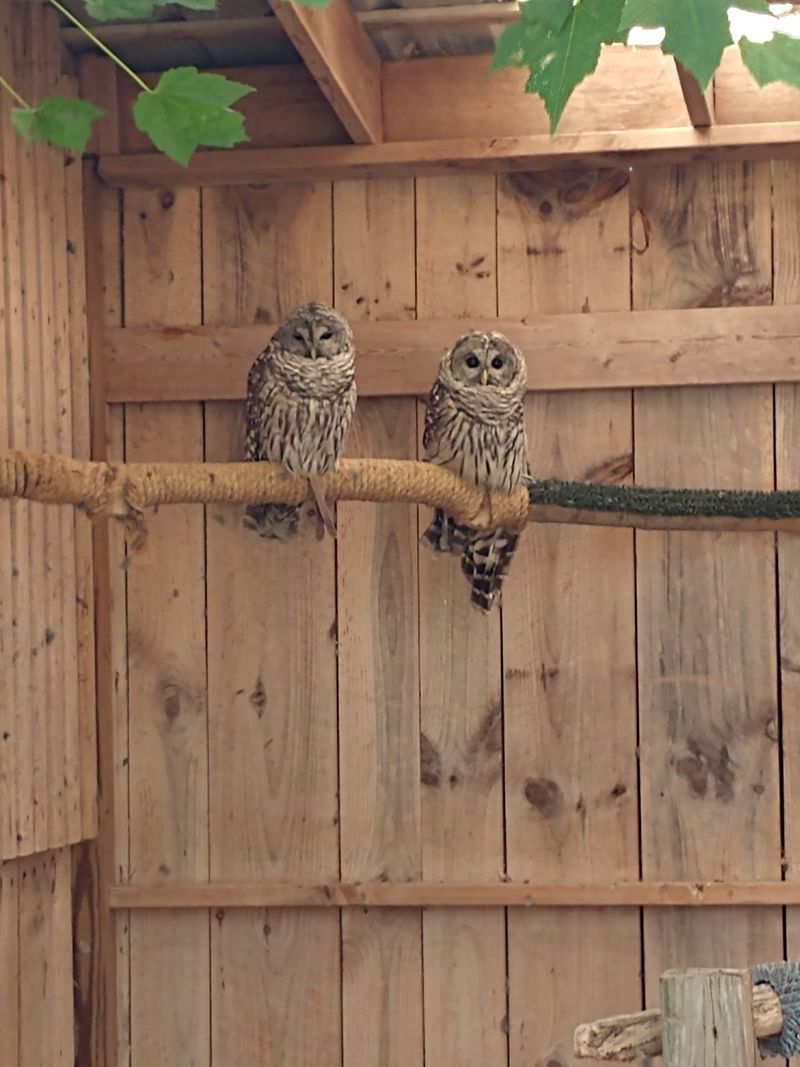
Some trails make you work for the good stuff. Others start delivering almost immediately.
Across this sprawling wildlife sanctuary, paths weave through forests, open meadows, wetlands, and quiet pond edges, giving every walk a slightly different feel.
More than 11 miles of trails spread across roughly 1,100 acres, with plenty of opportunities to spot signs of wildlife. Beavers, river otters, white-tailed deer, and bobcats all inhabit the property, while spring fills the woods with birdsong from species such as Wood Thrushes and Ovenbirds.
Accessibility is part of the experience, too. The Lucy Harvey Multiple Use Interpretive Area offers an accessible outdoor space, while dogs are permitted only on Bog Meadow Road and the Ford-Borland Trail and must remain leashed.
The sanctuary also supports wildlife rehabilitation and environmental education, with facilities dedicated to caring for animals and teaching visitors about conservation.
Sharon Audubon Center can be visited at 325 Cornwall Bridge Road in Sharon. Trails are open daily from dawn to dusk, and there is no admission charge, although donations are appreciated.
Keep an eye out for native plantings, pollinator-friendly spaces, and other small details that make exploring the grounds even more rewarding.
2. Sessions Woods Wildlife Management, Burlington
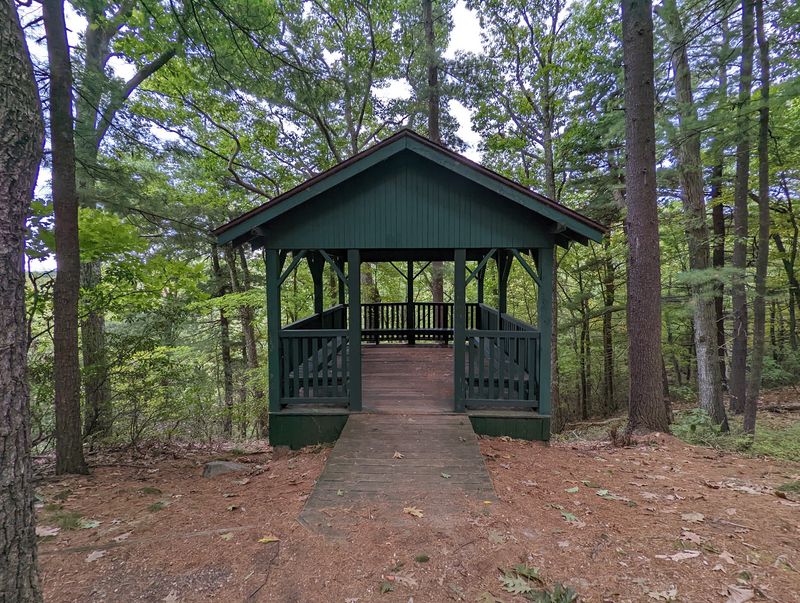
Most nature preserves show you wildlife. Sessions Woods shows you how wildlife gets managed, which turns out to be just as interesting.
Run by the Connecticut Department of Energy and Environmental Protection, the state-owned property at 341 Milford Street in Burlington exists largely to teach landowners and the public how habitat decisions shape animal populations.
The Conservation Education Center anchors the site with exhibits on state wildlife, a large meeting room, and staff from the DEEP Wildlife Division who lead programs by appointment. Outside, a Backyard Wildlife Area demonstrates native shrubs and plants people can use at home.
Four trails cover the property. The 2.6-mile Beaver Pond Trail passes a 38-acre wetland, an active beaver dam, an observation tower and a waterfall reached by a short steep path, with interpretive signs and viewing blinds along the way.
Shorter routes include the Forest Meadow Trail, a Tree ID Trail naming 20 native species, and the Crosscut Trail through a regenerating clearcut.
Adults who want deeper involvement can apply to the Master Wildlife Conservationist Program, which trains volunteers to assist with fieldwork and community science on bald eagles, bobcats, purple martins and chimney swifts.
Trails run sunrise to sunset; the education center opens weekdays, 8:30 a.m. to 4 p.m.
3. Roaring Brook Nature Center, Canton
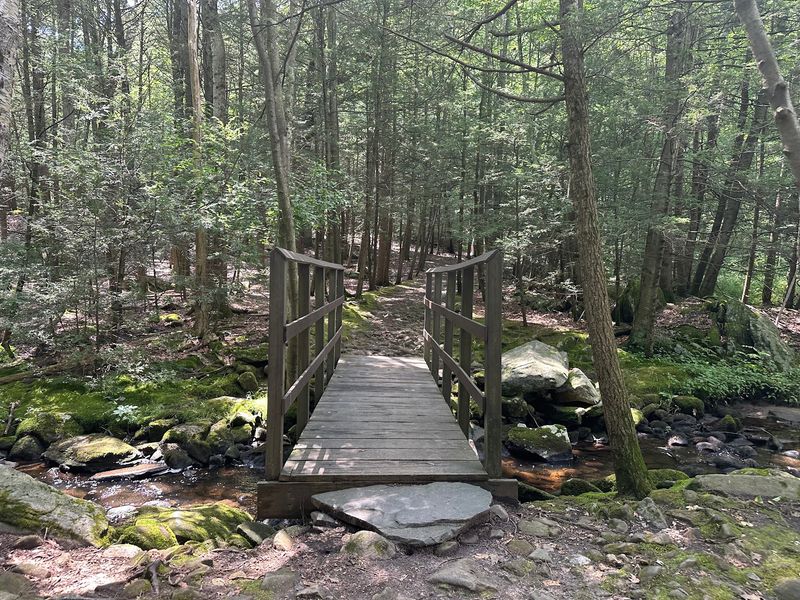
Wildlife gets wonderfully close here. Sometimes, it even becomes your teacher.
This longtime nature center has introduced generations of families to the outdoors since opening in 1948 as the Canton Children’s Nature Museum.
Indoor exhibits explore the relationship between people, wildlife, and the changing landscape, while live animal ambassadors give younger visitors plenty to watch. Outside, resident birds of prey that cannot return to the wild help turn conservation lessons into something much more memorable.
The work goes beyond education. Its Wildlife Clinic receives hundreds of ill, injured, and orphaned native animals each year, with licensed rehabilitators working toward returning them to the wild whenever possible.
Exploring continues across roughly five miles of trails winding through Werner’s Woods. Routes pass ponds, wetlands, forest, and other habitats, with choices ranging from easy walks to steeper climbs.
Trails remain open daily from dawn until dusk.
Roaring Brook Nature Center welcomes visitors at 70 Gracey Road in Canton. The center currently opens Wednesday through Saturday from 10 a.m. to 4 p.m. and Sunday from 1 to 4 p.m., with admission required indoors.
Seasonal programs add another reason to return, including guided hikes, wildlife activities, camps, classes, and family events throughout the year.
4. Connecticut’s Beardsley Zoo, Bridgeport
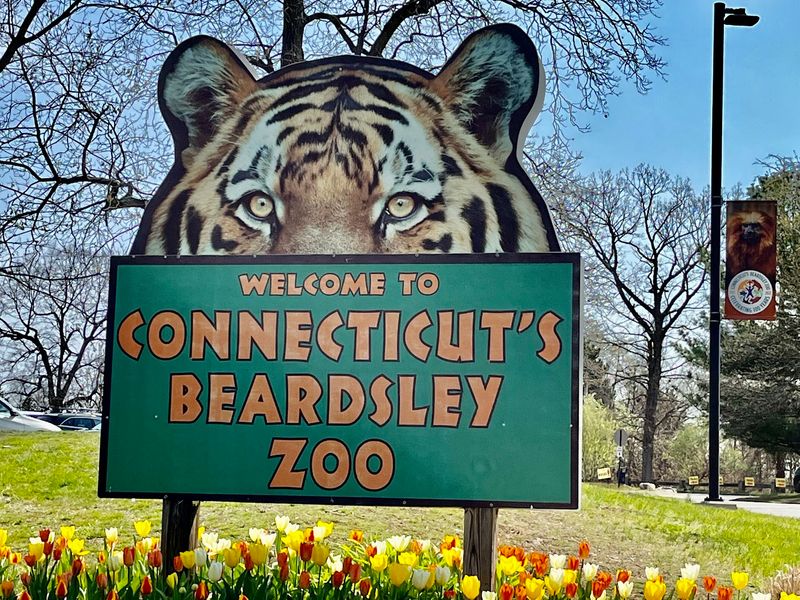
Back in 1922, neighbors donated the first animals, and the Barnum and Bailey Circus chipped in too.
A century later, Connecticut’s Beardsley Zoo remains the state’s only AZA-accredited zoo, spread across part of the Frederick Law Olmsted-designed Beardsley Park at 1875 Noble Avenue in Bridgeport.
More than 300 animals from close to 100 species live here, with a focus on North and South America.
The Rainforest Building holds tropical species, the Predator exhibit features Amur tigers and leopards, and Alligator Alley pairs a walk-through aviary with grey foxes, river otters and American alligators.
Hoofstock Trail introduces bison and pronghorns, and a Native Reptile House spotlights state’s own snakes, turtles and amphibians.
Conservation runs deeper than the enclosures suggest.
The zoo takes part in AZA Species Survival Plans, including work with endangered Mexican and red wolves and a newer Andean bear habitat, plus field projects like salmon stocking, trout release, seagrass planting and horseshoe crab monitoring.
Families can join FrogWatch or MonarchWatch as citizen scientists. Students move through Zoo-Tots, Zoo Patrol camps, Zoo Career Explorers and the Conservation Discovery Corps, while Zoo to You outreach brings animal ambassadors into classrooms.
Open daily 9 a.m. to 4 p.m. with free parking, a carousel and the Peacock Café.
5. Connecticut Audubon Society Fairfield Nature Center, Fairfield
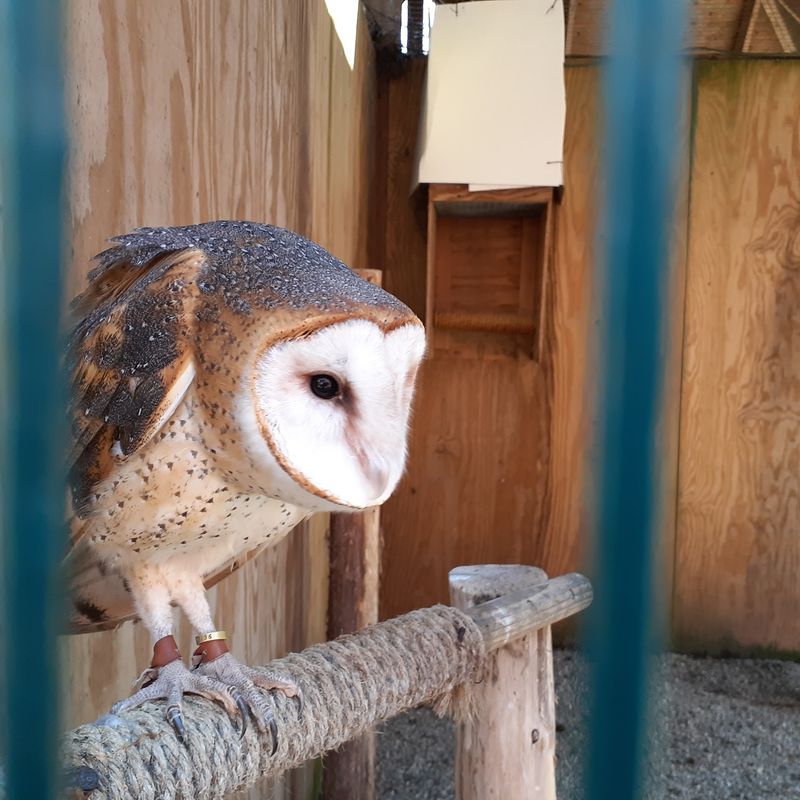
Bird lovers, this one is easy to love. Wildlife can appear almost anywhere.
Nearly 200 bird species have been recorded across the 155-acre Roy and Margot Larsen Wildlife Sanctuary, where forest, ponds, wetlands, and open fields create remarkably varied habitat. Seven miles of trails and boardwalks make exploring surprisingly easy.
The Fairfield Nature Center welcomes visitors at 2325 Burr Street in Fairfield.
One standout route is the mile-long Edna Strube Chiboucas Special Use Trail, designed for wheelchair and stroller accessibility. Birders can also head toward the Hawk Watch Platform, especially when migration brings extra activity overhead.
Indoors, visitors can meet animal ambassadors and browse a nature store filled with field guides, birding supplies, toys, books, and other nature-themed finds. The renovated Birds of Prey Compound reopened in September 2025 with improved enclosures and an accessible boardwalk.
Its resident raptors cannot return to the wild and instead help visitors learn about conservation.
School programs, summer camps, scouting activities, guided bird walks, and family ecology programs keep the calendar busy throughout the year.
Admission is free, trails remain open from dawn to dusk year-round, and the center is currently open Monday through Saturday from 10 a.m. to 3 p.m.
6. Connecticut Audubon Society Coastal Center at Milford Point, Milford
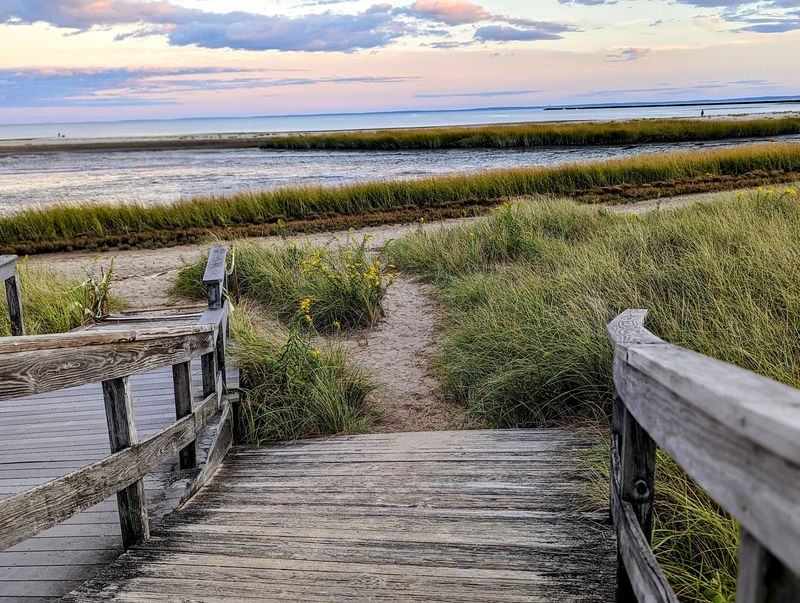
Ever watched a beach turn into a bird highway? This is the place for it.
Migrating waterfowl, shorebirds, and wading birds sweep through Milford Point throughout the year, with more than 300 species recorded around this remarkable coastal habitat.
The center occupies an 8.4-acre barrier beach beside the 840-acre Charles E. Wheeler Salt Marsh Wildlife Area.
Piping Plovers, American Oystercatchers, and Least Terns use the shoreline for nesting, while colder months can bring Brant, Horned Larks, and Snow Buntings.
Visitors can follow the boardwalk across the dunes, explore short woodland trails, or scan the marsh from observation areas. A Purple Martin colony adds another attraction, while osprey activity is monitored as part of ongoing conservation work.
Opened in 1995, the Coastal Center also offers educational exhibits and live animal ambassadors. Native vegetation around the property provides additional habitat, and sensitive nesting areas are protected with fencing and signs.
The Coastal Center at Milford Point is at 1 Milford Point Road in Milford.
A freshwater feature on the grounds gives birds a valuable drinking and bathing spot surrounded by saltwater habitat.
Dogs and bicycles are prohibited on the sanctuary grounds, helping reduce disturbance to wildlife.
With beach, dunes, woodland, and salt marsh packed closely together, even a short visit can produce plenty of surprises.
7. Earthplace, Westport
Sixty-two acres of wetlands, ponds, streams, hardwood forest and meadow make up this Westport sanctuary, which began in 1958 as the Mid-Fairfield County Youth Museum.
Now known as Earthplace, the nonprofit at 10 Woodside Lane blends science education with real conservation work.
Animal Hall is the showstopper for many first-time visitors. More than 50 rescued animal ambassadors live there, including bald eagles, hawks, owls, box turtles, little brown bats and Madagascar hissing cockroaches, all unable to survive in the wild because of injury.
The outdoor Connecticut Birds of Prey Exhibit, recently renovated, houses raptors in purpose-built enclosures.
The NaturePlace museum room adds interactive displays, a video theater and five dioramas showing state ecosystems through the seasons.
Several miles of marked trails cross the property, with some stretches suitable for wheelchairs and strollers.
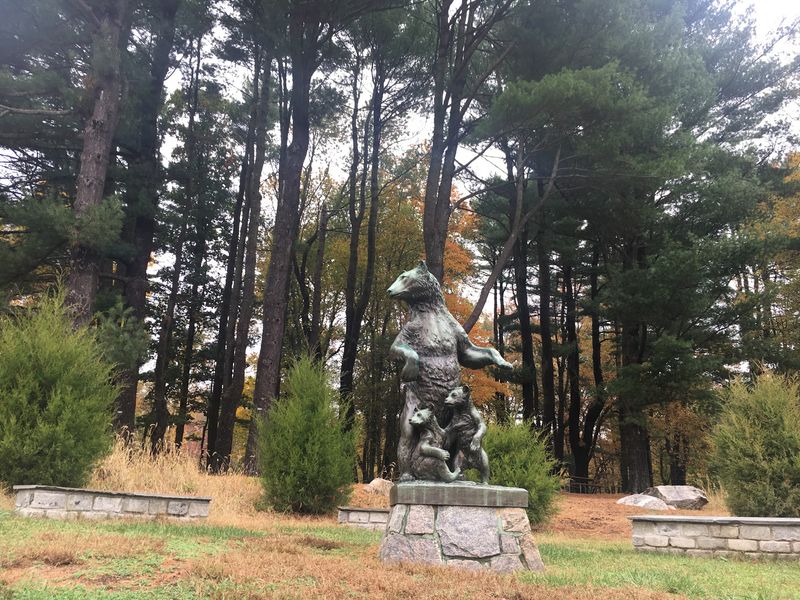
A Native Plants Courtyard dating to 1960 and a bronze mother bear sculpture by Anna Hyatt Huntington mark the entrance to the main trail network, and a separate 22-acre Partrick Wetlands preserve adds boardwalks.
Harbor Watch puts scientists and volunteers to work monitoring water quality in area streams and rivers, while Community Volunteer Days tackle invasive plants and trail maintenance.
Grounds are free and open dawn to dusk; indoor exhibits carry an admission fee.
8. New Canaan Nature Center, New Canaan
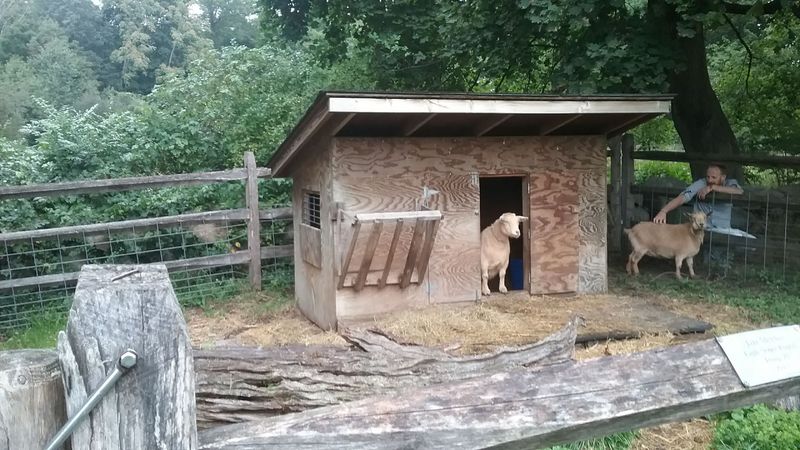
Forty acres on a former estate might not sound like much, but the habitat mix here is unusual: wet and dry meadows, woodlands, two ponds, thickets and a cattail marsh all packed into one walkable property.
The center opened in 1960 on land once belonging to Miss Susan Dwight Bliss, and the town of New Canaan owns the buildings and grounds at 144 Oenoke Ridge.
Two miles of easy trails link everything together. A 350-foot boardwalk carries walkers straight through the cattail marsh, an observation tower looks out over the treetops, and a boxwood maze in the Children’s Play Garden gives kids something silly to do.
A 4,000-square-foot greenhouse and a wildflower garden of native species round out the grounds.
Outdoor aviaries near the parking lot hold Red-shouldered and Red-tailed Hawks along with Great Horned and Barred Owls. Indoors, rabbits, Eastern Box Turtles and Madagascar Hissing Cockroaches appear in programs.
Families keep coming back for Little Explorers caregiver classes, Animal Encounters, Birds of Prey Shows, Family Fun Days, Night of 1,000 Fireflies and Owl Moon Night Hikes. Teens can join the Teacher Naturalist in Training program, and an accredited preschool operates year-round.
Trails are free, dawn to dusk. Buildings open Monday through Saturday mornings and Sunday afternoons.
9. Connecticut Audubon Society Center at Pomfret, Pomfret Center
Big fields. Quiet trails.
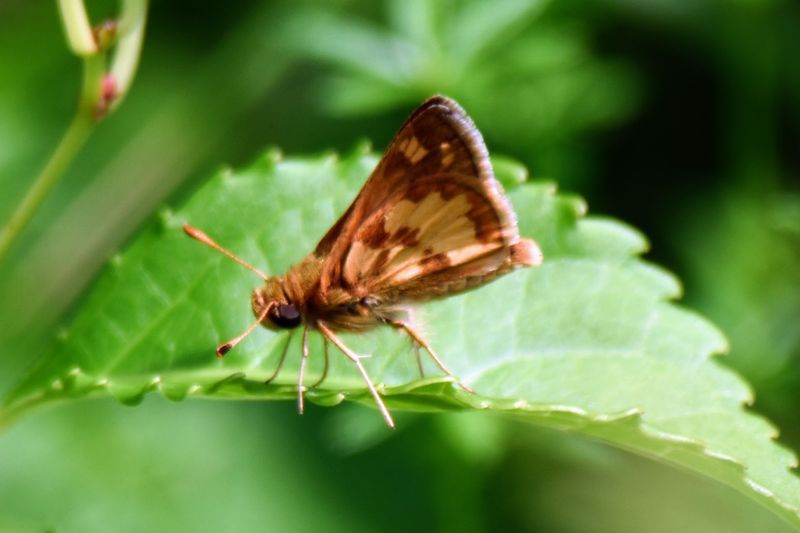
Plenty happening overhead. The 700-acre Bafflin Sanctuary protects an increasingly important mix of grassland, shrubland, wetland, and woodland habitat, giving birds and other wildlife room to thrive.
Seven miles of trails branch into several loops across rolling meadows, former agricultural fields, hardwood forest, rocky areas, and a shaded hemlock ravine. Some routes follow Mashamoquet Brook and Day Brook, while neighboring Earle Park adds another stretch of forest to explore.
Birding is a major draw here. The sanctuary is actively managed to support vulnerable grassland species, and seasonal programs bring visitors closer to conservation work through bird walks, woodcock outings, banding demonstrations, and Purple Martin monitoring.
Inside the nature center, the Discovery Room features hands-on natural history displays, wildlife specimens, and small live animals. An art gallery highlights changing exhibitions, while outdoor spaces include wildlife gardens, bird-feeding areas, and room for a relaxed picnic.
Families can also watch for nature programs designed for younger children, while school groups participate in educational field trips.
The Center at Pomfret and Bafflin Sanctuary are at 218 Day Road in Pomfret Center.
The center is generally open Tuesday through Sunday from noon to 4 p.m.
Dogs are not permitted, helping keep this peaceful wildlife habitat focused on its wild residents.
10. Denison Pequotsepos Nature Center, Mystic
A 1930 land bequest from Ann Borodell Denison Gates set all of this in motion. The Denison Society formally established the nature center in 1972, and today the organization at 109 Pequotsepos Road manages a 350-acre sanctuary in coastal Mystic.
That acreage includes Coogan Farm, acquired in 2013 and protected under a federal conservation easement that safeguards habitat for the New England Cottontail. Its meadows, hedgerows, revived orchard and Giving Garden supply fresh produce to people in need.
Across the Mystic River, the 30-acre Peace Sanctuary offers mile-long trails with water views and allows leashed dogs.
More than 10 miles of marked trails, including the Stone Bridges Trail, link woodlands, wetlands, meadows and glacial erratics. Walkers often find tracks and signs left by deer, otter, turkey and coyote.
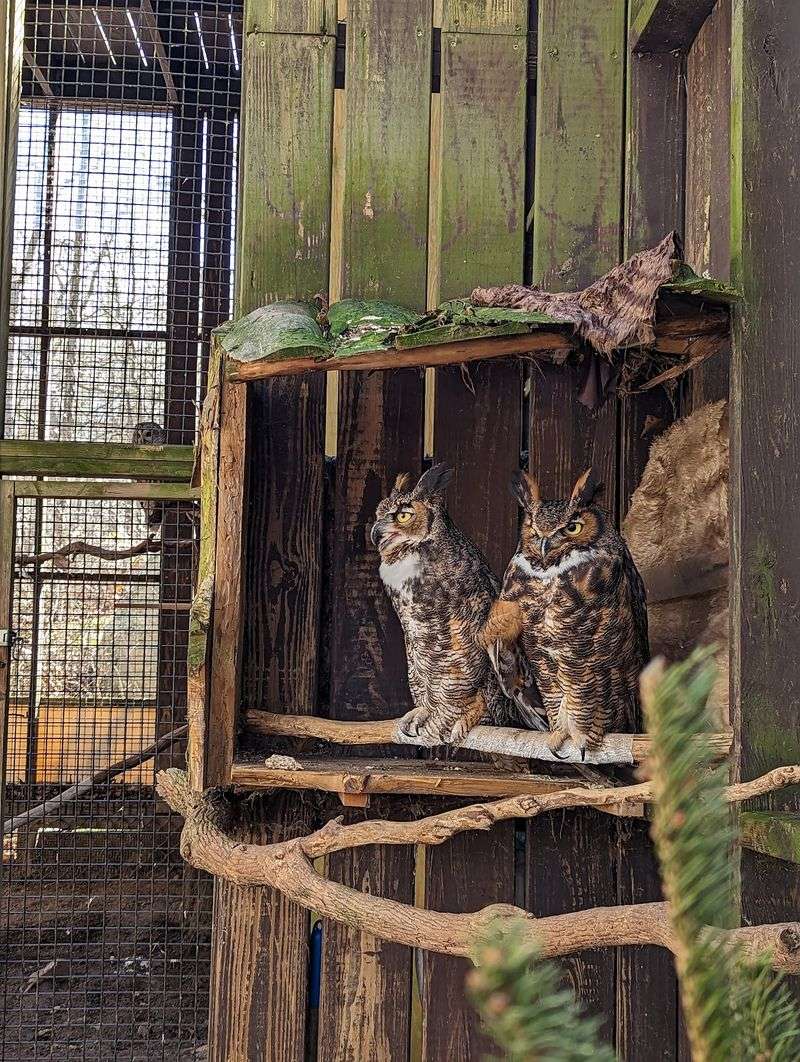
Federally licensed rehabilitation work here focuses on birds of prey and songbirds. Barred, Great Horned and Eastern Screech Owls, peregrine falcons and hawks that cannot be released live in outdoor flight enclosures and appear in programs.
The museum features Life Under a Log, a Night in the Meadow theater and over 200 antique mounted bird specimens from the Gurdon Bill collection.
Trails are free and open daily. A modest museum fee applies, with discounts through Museums for All.
11. Mystic Aquarium, Mystic
Belugas steal the show fast. But look beyond the big white whales, and this aquarium has an even bigger story to tell.
Marine rescue and conservation have been central to its work for decades, alongside exhibits filled with animals from very different corners of the ocean.
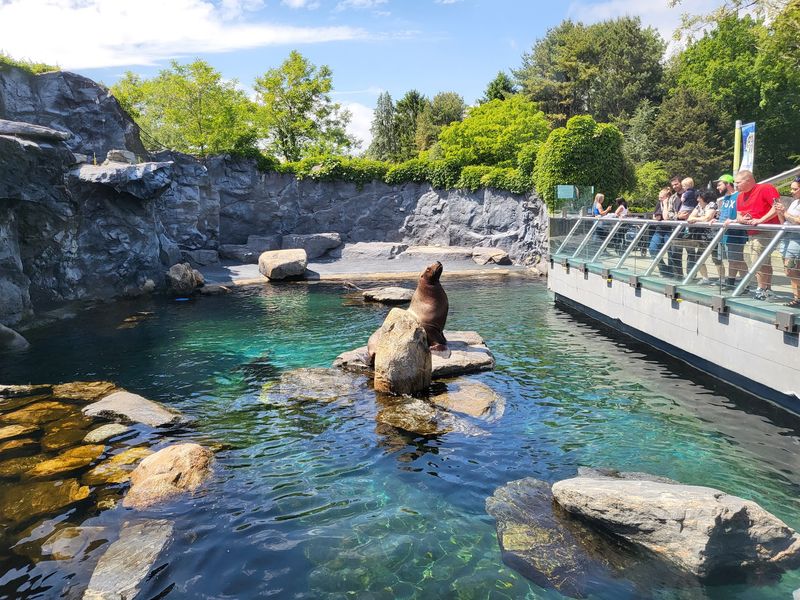
Visitors can watch beluga whales in an expansive outdoor habitat, see African penguins, and get close to seals and sea lions. Interactive experiences add another layer, including opportunities to touch rays and explore displays devoted to jellyfish and coral reef life.
Behind the scenes, the Animal Rescue Program responds to stranded marine animals across the Northeast. Seals and sea turtles are among the patients cared for by trained teams, with rehabilitation focused on returning suitable animals to the wild.
The aquarium also connects visitors with ocean exploration and marine science through educational exhibits, demonstrations, camps, and programs for different age groups. Volunteers can become involved in conservation efforts as well.
Mystic Aquarium welcomes visitors at 55 Coogan Boulevard in Mystic.
Current opening hours are generally 10 a.m. to 4 p.m., although schedules can change.
Between the belugas, hands-on exhibits, and rescue work, this is much more than a place to simply watch marine animals.