6 Controversial North Carolina Foods, Alongside 6 Beloved Classics
Food brings people together, but it can also divide them into passionate camps of lovers and skeptics.
In North Carolina, the culinary scene showcases both timeless favorites that locals treasure and unusual dishes that make newcomers raise their eyebrows.
I’m taking you through fourteen foods that define this state’s rich food culture, from the universally adored to the boldly divisive.
1. Eastern-Style Barbecue
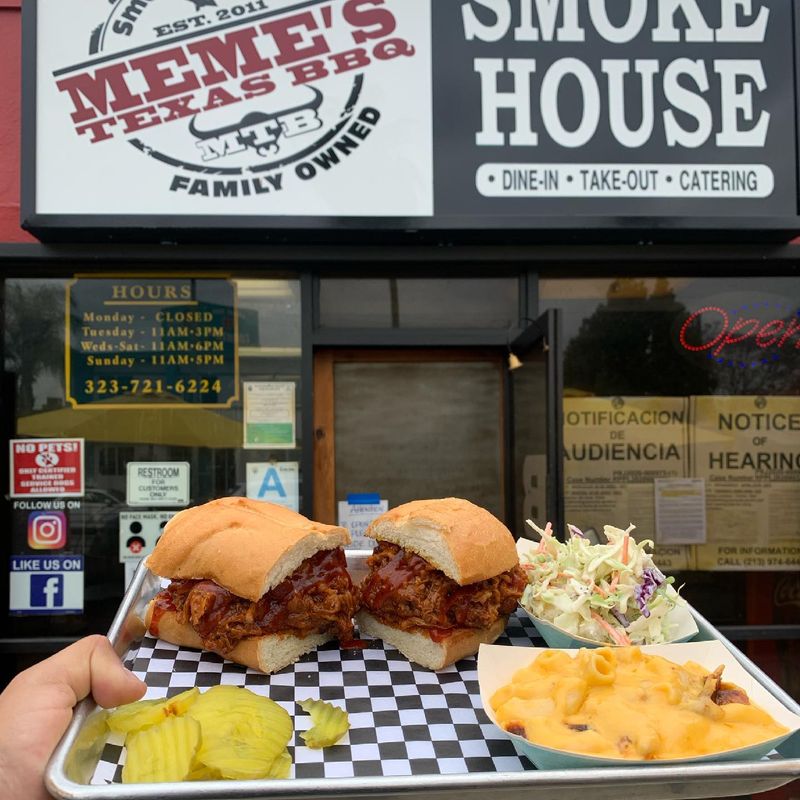
Whole hogs slowly roasting over wood coals create an unforgettable aroma that defines eastern North Carolina cooking traditions.
Pitmasters spend hours tending the fire, ensuring every part of the pig reaches perfect tenderness before chopping it into bite-sized pieces.
The peppery vinegar sauce adds tangy brightness without overwhelming the smoky meat flavor.
You’ll find this served alongside creamy mayonnaise-based coleslaw that provides cooling contrast to the spicy sauce.
Cornbread completes the plate, soaking up every drop of flavorful juice.
Families gather at barbecue joints across the eastern counties, where recipes pass down through generations.
This cooking method represents centuries of culinary heritage that locals fiercely protect and celebrate at community festivals throughout the year.
2. Lexington-Style Barbecue
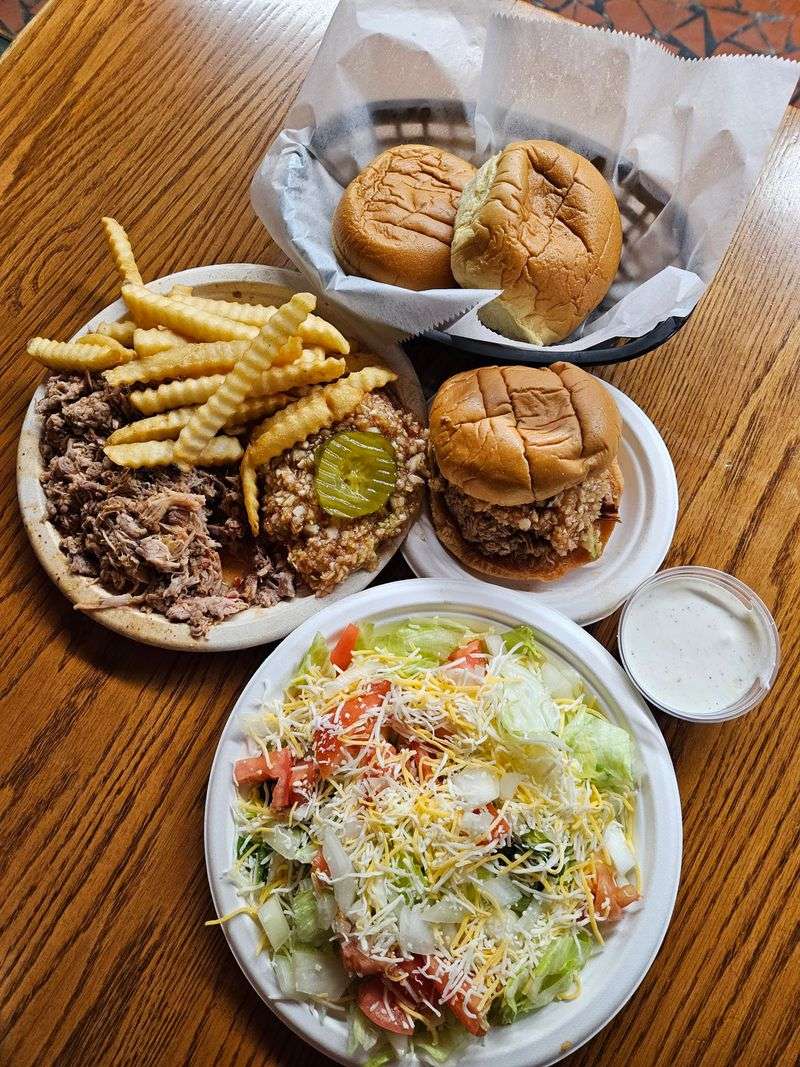
Piedmont region pitmasters developed their own approach by focusing exclusively on pork shoulders instead of whole animals.
Hardwood coals provide the perfect smoking environment, infusing the meat with deep flavor over many hours of careful attention.
The vinegar-ketchup sauce brings sweetness and tang together in a distinctive red coating.
Red slaw gets its color from the same sauce, creating a unified flavor profile across the plate.
Hushpuppies add crispy, slightly sweet cornmeal bites that balance the savory meat.
Restaurants in Lexington have built reputations spanning decades, with some establishments becoming pilgrimage sites for barbecue enthusiasts.
The debate between Eastern and Lexington styles fuels friendly rivalries that keep both traditions thriving and evolving while maintaining their core identities.
3. Pimento Cheese

Sharp cheddar gets transformed into something magical when combined with mayonnaise and diced pimentos in this Southern staple.
The spread works equally well on crackers, sandwiches, or melted over burgers, making it incredibly versatile for any meal.
Some folks add hot sauce or pickles to customize the flavor to their personal preferences.
Church potlucks and family gatherings always feature at least one bowl of this beloved spread.
The bright orange color and creamy texture make it instantly recognizable on any buffet table.
Kids grow up eating pimento cheese sandwiches in their lunchboxes, creating nostalgic connections that last into adulthood.
Every family claims their recipe is the best, with secret ingredients passed down that supposedly make all the difference in achieving the perfect consistency.
4. Sweet Potato Pie
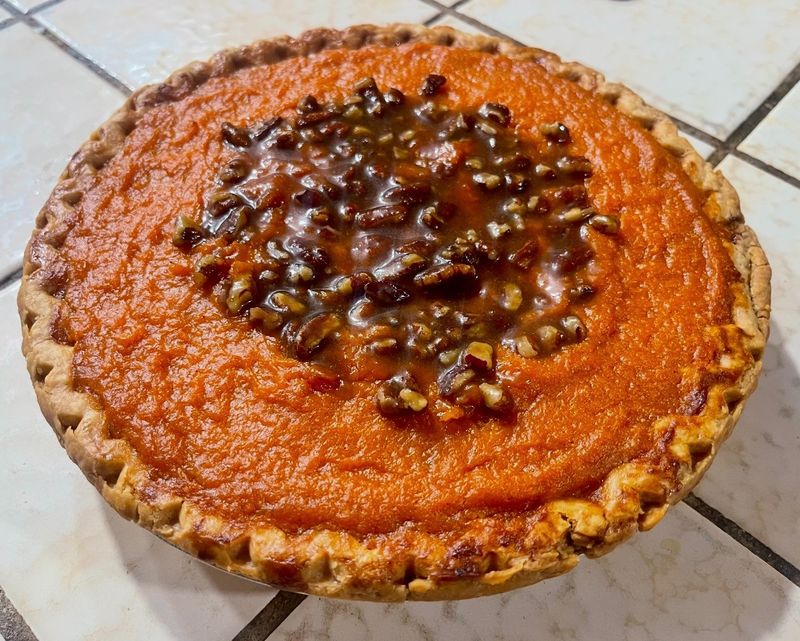
Leading the nation in sweet potato production gives North Carolina bakers access to the freshest ingredients for this classic dessert.
Hand-mashed sweet potatoes create a smooth, custardy filling that’s naturally sweet without requiring excessive sugar.
Cinnamon and nutmeg add warm spice notes that complement the vegetable’s earthy sweetness perfectly.
The flaky crust provides buttery contrast to the dense, creamy center.
Holiday tables across the state feature multiple pies, with debates about whether marshmallow topping belongs or constitutes sacrilege.
Grandmothers guard their recipes carefully, though most follow similar basic principles with small variations.
The pie appears at Thanksgiving, Christmas, and Sunday dinners, cementing its place as comfort food that connects generations through shared flavors and cherished memories of family celebrations.
5. Calabash-Style Seafood
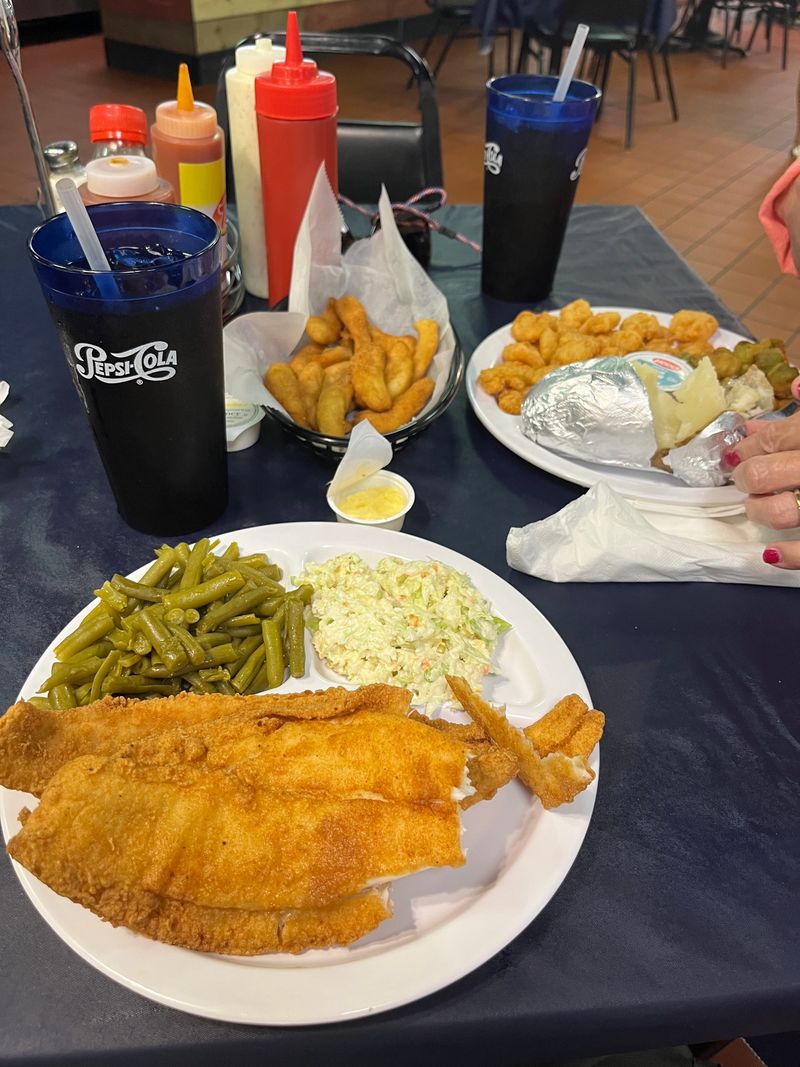
Coastal cooks in the small town of Calabash pioneered a frying technique that lets seafood flavors shine through delicate breading.
The light batter creates a thin, crispy shell that doesn’t overwhelm the tender fish or shellfish inside.
Fresh catches from nearby waters go straight from boat to fryer, ensuring maximum flavor and quality.
Shrimp, flounder, and oysters all receive this treatment, appearing on combination platters at seafood restaurants.
The method became so popular that restaurants across the region advertise themselves as serving Calabash-style preparations.
Families drive to the coast specifically to enjoy this regional specialty at its source.
The simple preparation philosophy emphasizes ingredient quality over fancy techniques, proving that fresh seafood needs little embellishment when handled properly by skilled cooks who understand timing and temperature.
6. Moravian Sugar Cake
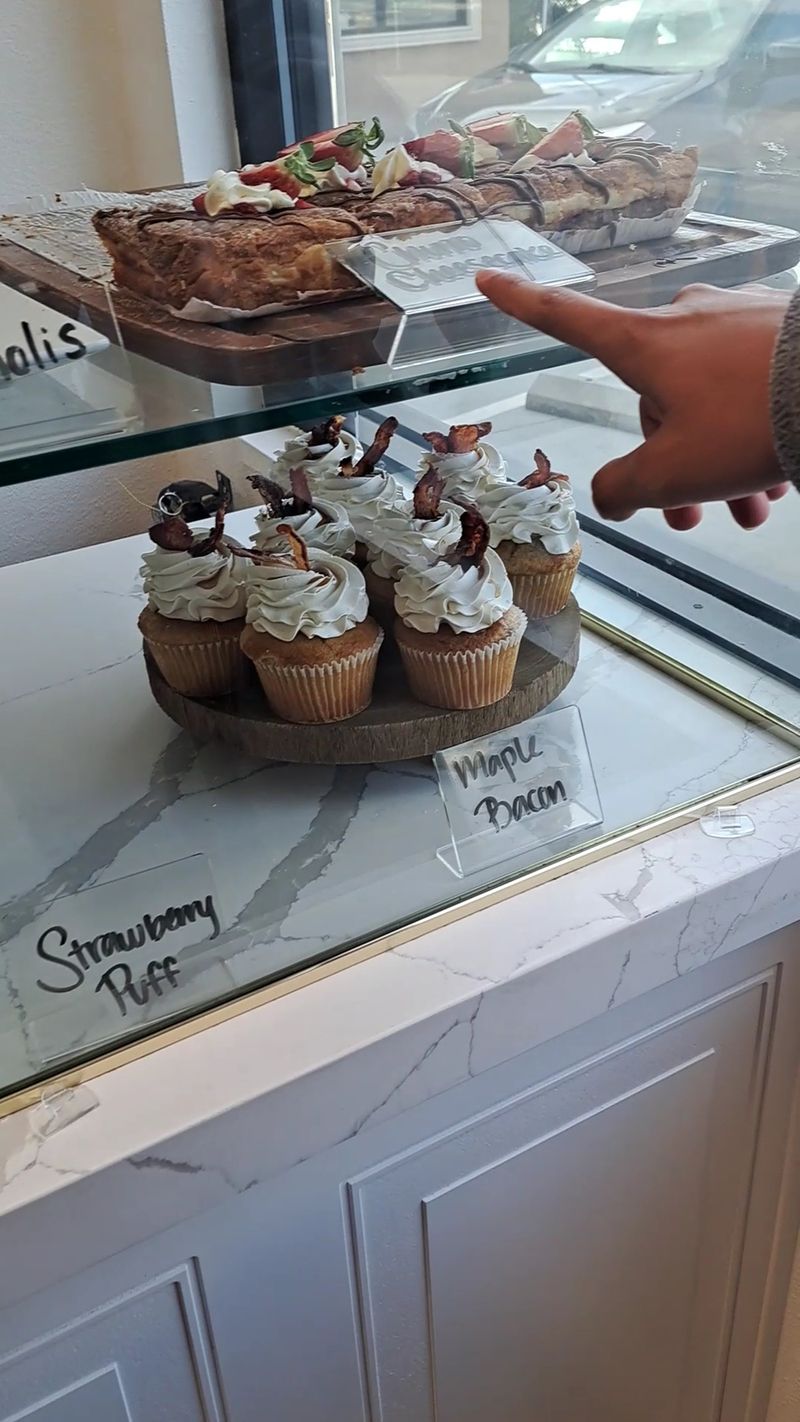
Winston-Salem’s Moravian settlers brought this sweet yeast-dough coffee cake recipe from Europe centuries ago, and it remains beloved today.
Bakers press dimples into the risen dough, then fill each indentation with butter, brown sugar, and cinnamon before baking.
The result is a cake with pockets of caramelized sweetness throughout the tender, bread-like base.
Holiday seasons bring increased demand, with bakeries producing hundreds of cakes for eager customers.
Community gatherings and church events feature this treat as a centerpiece dessert.
The cake tastes best when still slightly warm, allowing the butter and sugar to remain gooey.
Families purchase multiple cakes to freeze, ensuring they have supplies throughout the year for unexpected guests or sudden cravings for this traditional sweet.
7. Cheerwine
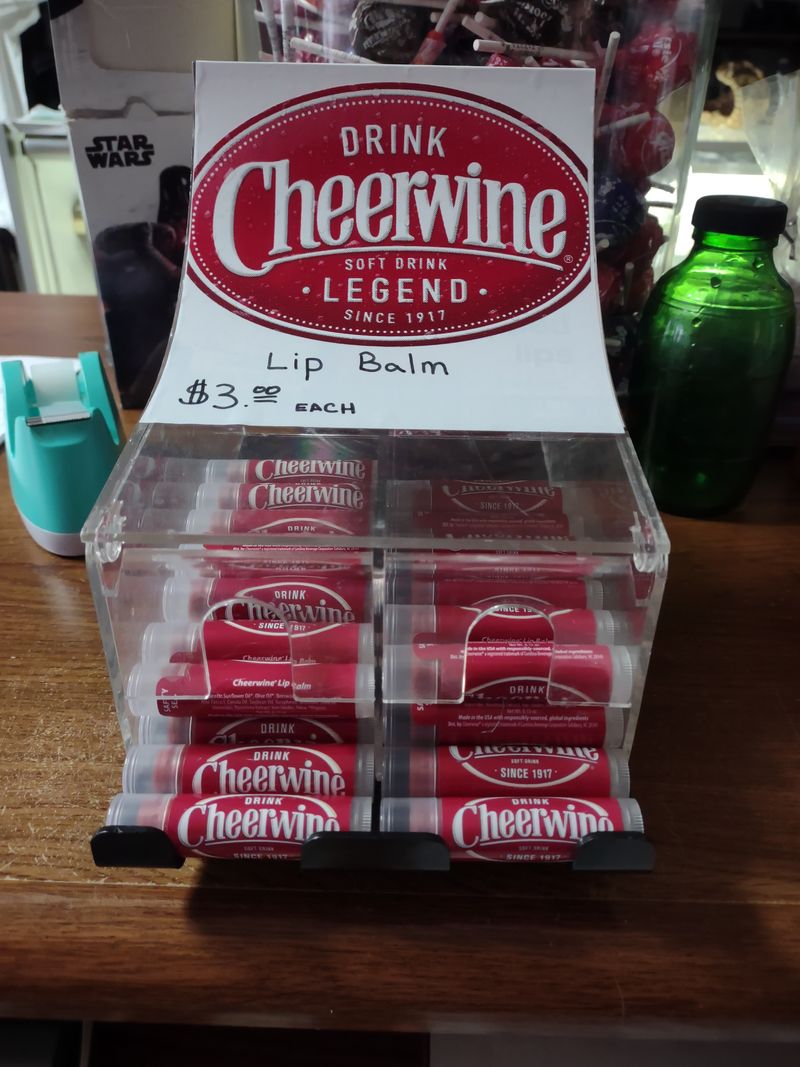
Created in Salisbury over a century ago, this cherry-flavored soda has achieved cult status among North Carolinians who grew up drinking it.
The deep cherry flavor tastes more complex than typical cherry sodas, with extra carbonation that creates a distinctive fizzy bite.
Local restaurants serve it in their fountain machines, and grocery stores stock it alongside mainstream soft drinks.
Creative cooks incorporate the soda into barbecue sauces, cake recipes, and ice cream floats.
The burgundy color and unique flavor profile make it instantly identifiable to anyone familiar with the brand.
Transplants from North Carolina often request care packages containing Cheerwine when living elsewhere, highlighting its importance to state identity.
The company has expanded distribution in recent years, but it remains most popular in its home state.
8. Livermush
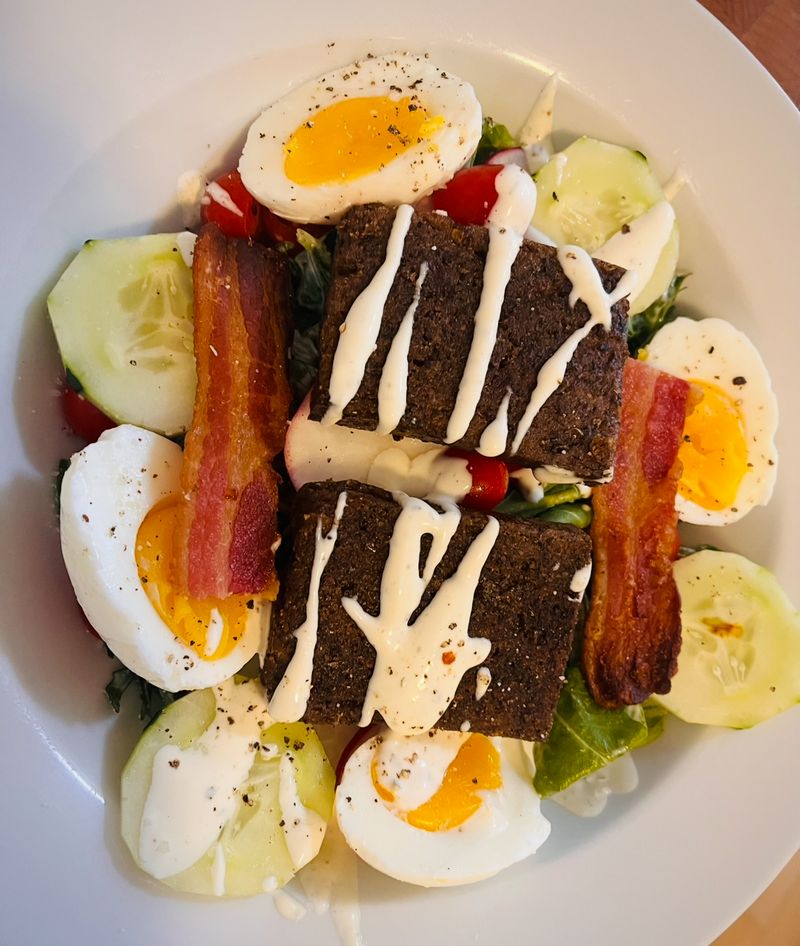
Western counties embrace this gray loaf made from pig liver, head parts, and cornmeal, though its appearance challenges the uninitiated.
Slicing and frying the loaf creates crispy edges that contrast with the soft, savory interior.
The cornmeal acts as a binder while adding subtle texture and flavor to the meat mixture.
Breakfast plates often feature livermush alongside eggs and toast, functioning similarly to sausage or bacon.
Some people make sandwiches with it, adding mustard or ketchup to complement the rich organ meat taste.
Festivals celebrate this regional specialty, with competitions and tastings that draw devoted fans.
Newcomers often struggle with the concept, but locals insist that trying it properly prepared can convert skeptics into believers who appreciate its economical origins and distinctive flavor profile.
9. Chitlins
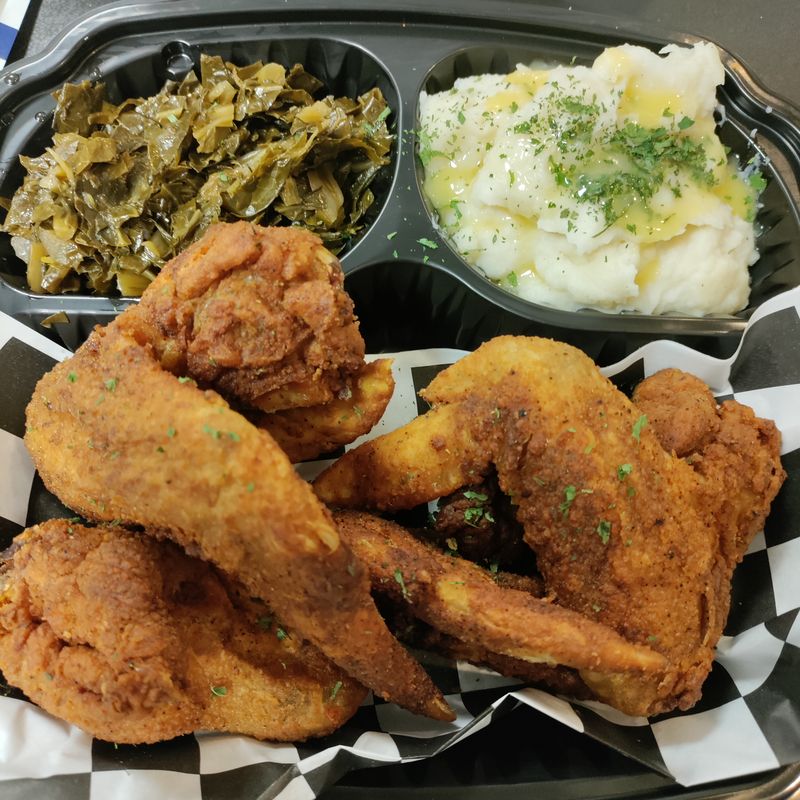
Holiday gatherings in many African American communities feature pig intestines that have been meticulously cleaned and slow-cooked until tender.
The preparation process requires patience and thorough cleaning to remove any unwanted material before cooking.
Hours of simmering transform the tough intestines into soft, flavorful morsels that absorb seasonings beautifully.
The distinctive aroma during cooking can be challenging for those unfamiliar with the dish.
Hot sauce and vinegar often accompany servings, adding brightness to the rich, meaty flavor.
Cultural traditions keep this dish alive, with recipes and techniques passed through families as part of culinary heritage.
The labor-intensive preparation makes it a special-occasion food rather than everyday fare, reserved for celebrations when the effort feels worthwhile and meaningful.
10. Eastern NC Fish Stew with Eggs
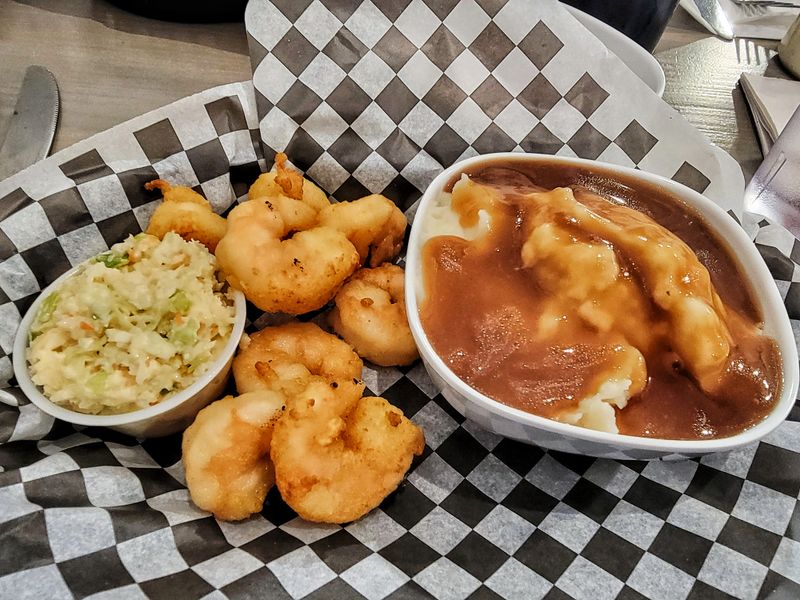
Coastal cooks crack whole eggs directly into simmering fish stew, creating a texture combination that surprises first-time tasters.
The eggs poach in the flavorful broth, absorbing the seafood essence while adding protein and substance to the meal.
Potatoes, onions, and tomatoes form the stew base, with fresh-caught fish providing the main ingredient.
Fishermen developed this one-pot meal for easy preparation on boats or at fish camps.
The eggs stretch the stew further, feeding more people from the available fish catch.
Some families swear by this tradition, while others find the egg texture off-putting in the context of seafood stew.
The practice remains strongest in small coastal communities where fishing heritage runs deep and old cooking methods persist despite modern alternatives.
11. Peanut Butter & Mayo Sandwiches
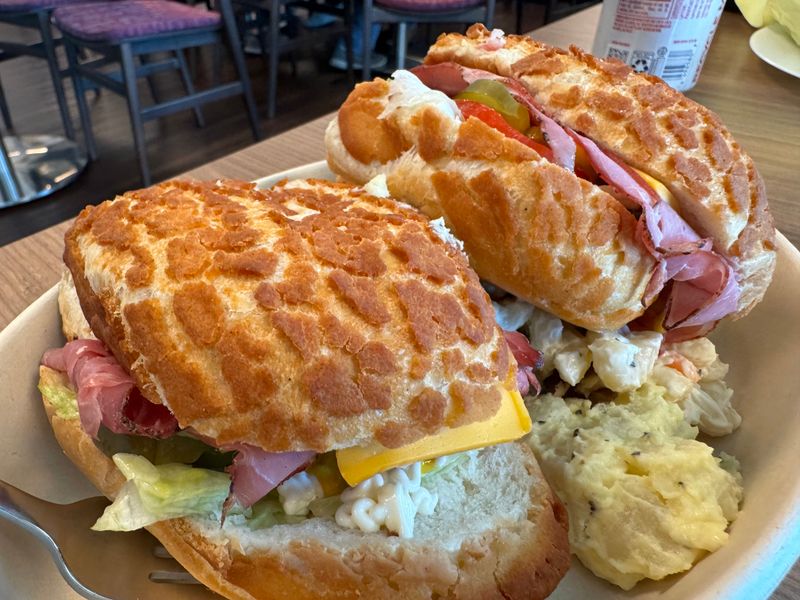
Depression-era resourcefulness led to this unusual combination that continues to have devoted followers who insist skeptics should try it.
The mayonnaise adds moisture and subtle tang that some say enhances the peanut butter rather than clashing with it.
White bread serves as the traditional base, though some versions include banana slices or pickle chips for additional flavor layers.
The creamy-on-creamy texture might seem redundant, but fans describe a surprisingly pleasant savory-sweet balance.
Most people react with disgust when hearing about the combination, refusing to attempt a taste.
Those raised eating these sandwiches defend them passionately, sharing childhood memories of lunch boxes and after-school snacks.
The divide between believers and detractors remains absolute, with few people occupying middle ground on this polarizing sandwich.
12. Boiled Peanuts
Green peanuts boiled in salty water until soft and mushy shock people expecting the familiar roasted crunch of typical peanuts.
Roadside stands throughout the state sell them in foam cups, often from large pots kept warm over propane burners.
The shells become soft enough to crack open easily, revealing beans with a texture closer to cooked beans than nuts.
Salt penetrates the shells during hours of boiling, seasoning the peanuts thoroughly.
Some vendors add Cajun spices or other flavorings to create variations on the traditional preparation.
Southerners consider them a must-have road trip snack, while newcomers often struggle with the unexpected texture.
The salty, slightly vegetal flavor grows on people over time, though first impressions typically range from confusion to outright rejection of this acquired-taste snack.