Costco’s First Standalone Gas Station Is Coming To Southern California This June (Here’s Where)
The lines are about to get shorter. That alone is enough to get attention. Fueling up has always been part of the routine, but it has never felt like something worth talking about. That is starting to change.
Something different is taking shape, and it is not a small upgrade. It is a shift in how the experience is designed from the ground up.
More space. More pumps. A layout built entirely around getting people in and out without the usual wait. That kind of focus stands out right away.
You would not expect a gas station to feel like a big move, but this one does. People are already watching closely. Members across California are paying attention to what this could mean for their weekly stops.
Costco is stepping into new territory with this project, and the details are hard to ignore once you start looking closer. Read on to see what makes this station different and why it could change how fueling up fits into your routine.
Costco’s First Standalone Gas Station Is Coming To Southern California
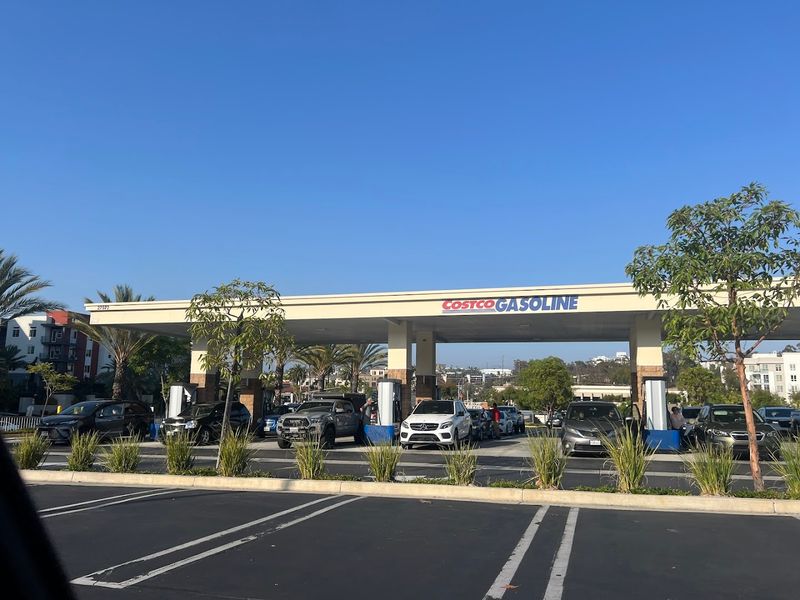
For years, fueling up at Costco meant pulling into the parking lot of a massive warehouse store, navigating shopping traffic, and waiting in line alongside carts and forklifts.
That familiar routine is about to change in a meaningful way.
Costco is preparing to open its very first standalone gas station, a fueling facility that operates completely independently from any warehouse location.
The significance of this move should not be understated.
Costco has operated gas stations attached to its warehouse stores since the 1990s, and those stations have become one of the most popular member perks available.
Prices at Costco pumps tend to run lower than surrounding stations, which has always drawn steady crowds.
Southern California was chosen as the site for this historic first, and the Orange County community of Mission Viejo will host the debut location.
City officials in Mission Viejo have already approved the plans, clearing the path for construction to move forward.
The project represents a notable shift in how Costco thinks about fuel retail, treating it as a standalone service worth investing in rather than simply an add-on to the shopping experience.
Costco members across the region are watching this development closely.
Where The New Costco Gas Station Will Be Located
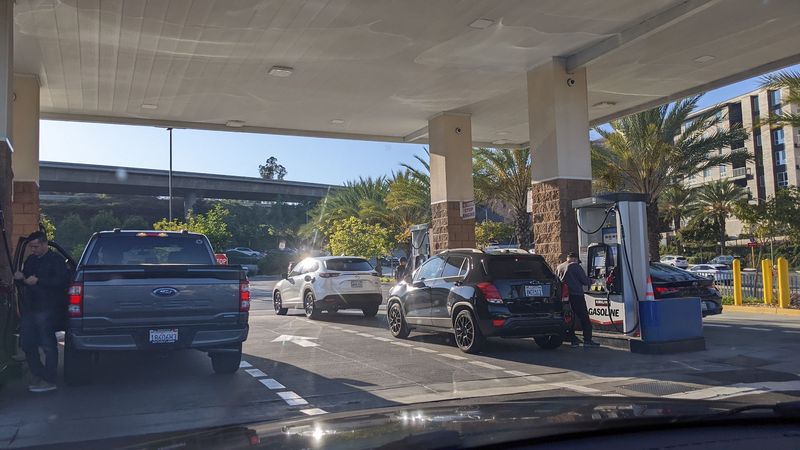
The address that will soon become a piece of Costco history is 25732 El Paseo in Mission Viejo, California.
That site currently sits where a former Bed Bath and Beyond store once operated, making it a retail space that has already seen significant transformation over recent years.
Mission Viejo is a well-established community in Orange County, known for its planned neighborhoods, suburban character, and a strong base of longtime residents.
Placing a high-volume fueling station in this area makes practical sense given the density of Costco membership holders throughout South Orange County.
The El Paseo address sits within an existing commercial corridor, which means the infrastructure and traffic patterns around the site are already built to handle retail activity.
Drivers familiar with the area will likely recognize the location without much difficulty. The site is not tucked away in an industrial zone or a hard-to-reach corner of the city.
Accessibility appears to have been a key consideration in selecting this specific parcel.
Nearby residents and commuters who already hold Costco memberships could find this station a genuinely convenient option once it opens, especially for those who do not live close to a full warehouse location.
What Makes This Costco Gas Station Different
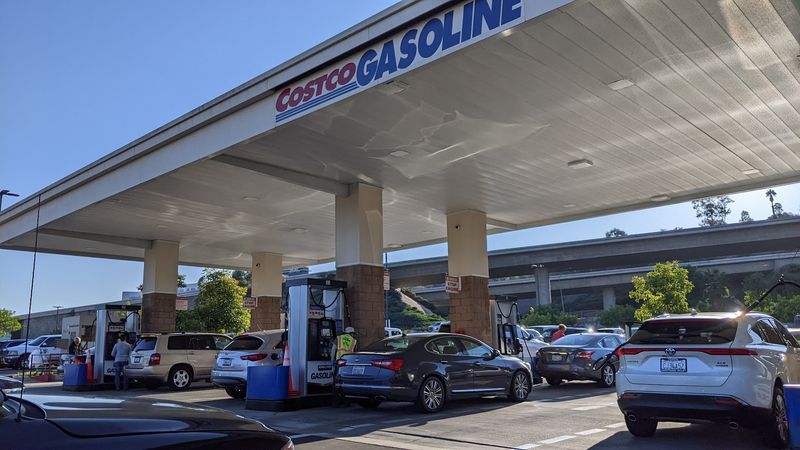
Most Costco gas stations share a parking lot with a warehouse store, meaning members are fueling up amid shopping carts, delivery trucks, and the general busyness of a big-box retail environment.
The Mission Viejo station breaks from that model entirely.
There is no warehouse attached, no membership desk inside, and no warehouse shopping happening nearby.
What makes this location genuinely different is that the gas station is the destination itself.
The entire footprint of the site is dedicated to fueling, which allows for a layout optimized purely around vehicle flow, pump access, and throughput efficiency.
The canopy planned for the Mission Viejo site will stretch across 17,185 square feet, which is a remarkable amount of covered space for a gas station.
That canopy size reflects just how many fueling positions the site is designed to accommodate.
Standard Costco gas stations at warehouse locations typically have far fewer pumps, and the lines at those stations can stretch well into the parking lot during busy periods.
A purpose-built standalone station with a layout designed entirely around fueling could handle volume in a fundamentally different way than a traditional attached station.
That distinction alone sets this project apart from anything Costco has attempted before in its fueling operations.
How Many Pumps The Station Will Have
Forty fueling positions. That number alone tells a story about the scale Costco is bringing to Mission Viejo.
To put it in perspective, many conventional gas stations operate with eight to twelve pumps, and even well-equipped stations rarely exceed twenty fueling spots.
Costco is nearly doubling what most people would consider a large station.
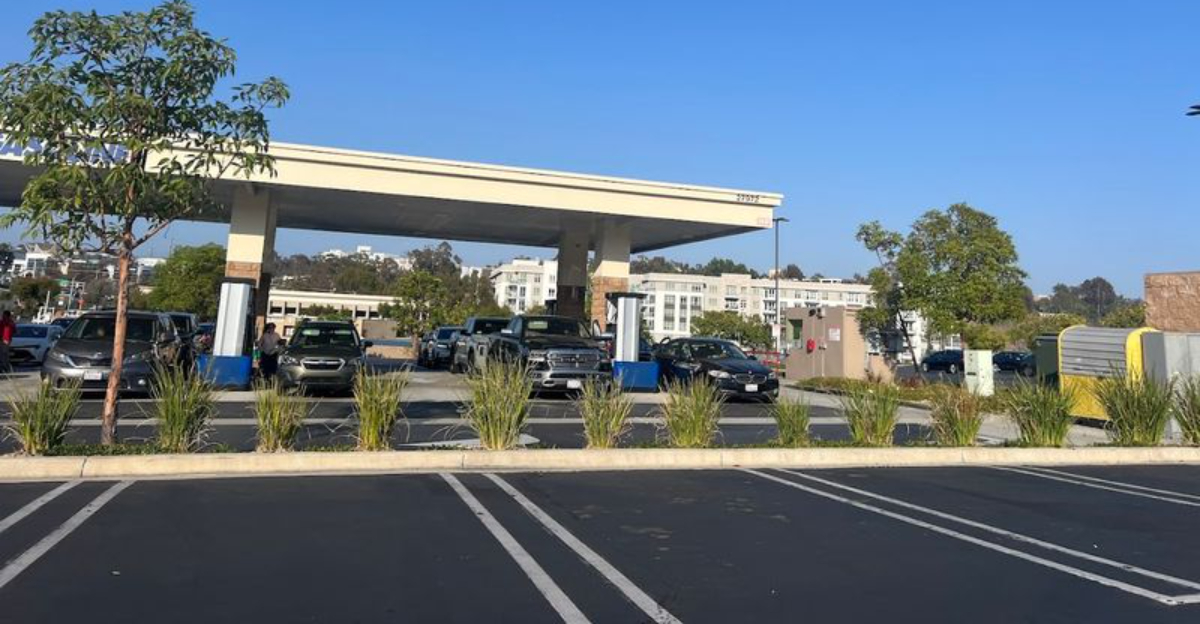
The existing Costco Gas Station located at 27972 Cabot Rd in Laguna Niguel, CA 92677 offers a sense of what a busy Costco fuel operation looks like in practice.
That station serves a high volume of members and is known for consistent activity throughout the day.
The Mission Viejo station is being built at a scale that goes well beyond what currently exists nearby.
Having 40 fueling positions means that even during peak hours, the station has a structural advantage over smaller competitors when it comes to moving vehicles through quickly.
Lines that might stretch for ten minutes at a smaller station could potentially clear much faster at a facility with this many active pumps.
For members who have occasionally avoided Costco gas because of wait times, that volume capacity could change the calculation entirely.
The sheer size of this installation signals that Costco is taking standalone fuel retail seriously as a long-term business model.
What The Layout Of The Site Will Look Like
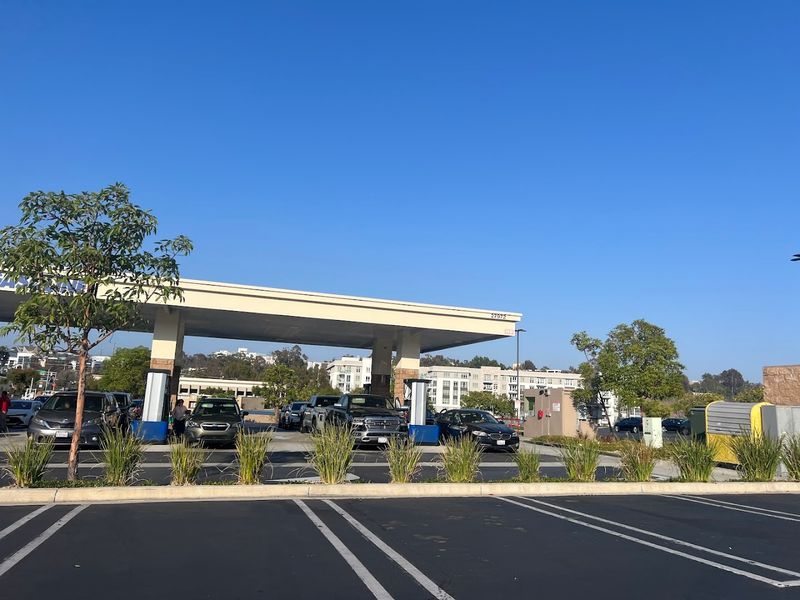
Designing a gas station purely for fueling, without a warehouse store attached, opens up some interesting possibilities for how the space gets organized.
The Mission Viejo site will feature a 17,185-square-foot canopy as its central structure, and that canopy will cover all 40 fueling positions in a unified overhead design.
A canopy of that size creates a sheltered environment for drivers regardless of weather, which in Southern California mostly means protection from direct sun rather than rain.
The layout is expected to prioritize traffic flow, with clear entry and exit paths designed to keep vehicles moving efficiently through the property.
Unlike a warehouse-attached station where the gas lanes are often squeezed into a corner of a massive parking lot, a standalone site can be designed from the ground up with fueling as the primary function.
That means lane widths, pump spacing, and vehicle queuing areas can all be calibrated specifically for the task at hand.
Drivers with larger vehicles, trucks, or SUVs may find the spacing more accommodating than at tighter traditional stations.
The overall impression of the planned layout suggests a facility that treats the fueling experience as something worth designing thoughtfully rather than fitting in wherever space allows.
When The Gas Station Is Expected To Open
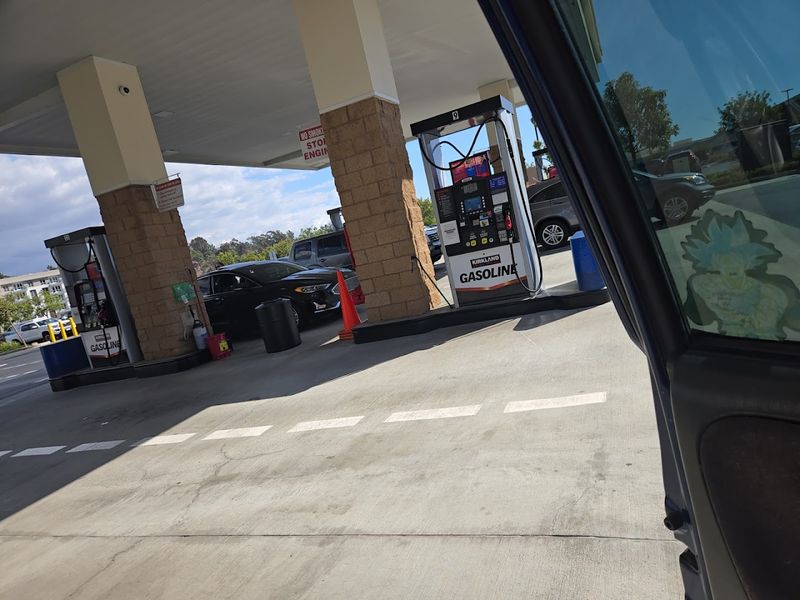
Timelines for projects like this often shift as construction progresses, and the Mission Viejo standalone gas station is a clear example of that.
Earlier planning documents pointed toward a spring 2026 opening, following a construction phase that began in the fall of the previous year. That schedule suggested a relatively typical buildout period for a project of this scale.
More recent reporting from March 2026 now indicates a more specific timeline. The station is expected to open by late June 2026, which pushes the original spring estimate slightly further into the season.
That adjustment is not unusual, especially for a project involving fuel infrastructure, canopy installation, and final site work that depends on inspections and approvals.
The overall trajectory still appears solid. With construction already underway and approvals in place, the project remains on a defined path forward.
Members in the area can expect visible progress at the El Paseo site as work continues, with the updated timeline pointing toward an early summer debut rather than an earlier spring opening.
Who Will Be Able To Use The Station
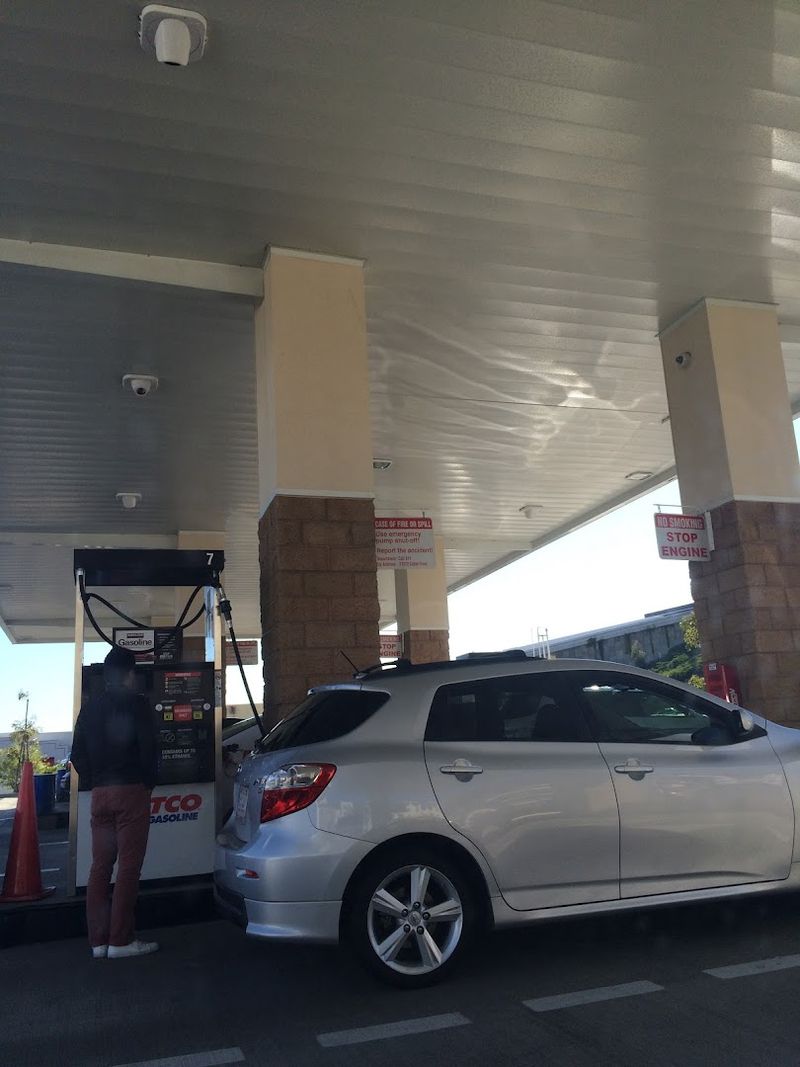
Access to the new Mission Viejo station will follow the same membership-only model that Costco applies to all of its gas stations.
Only current Costco Warehouse members will be permitted to fuel up at the location, and members will need to present their membership information at the pump to begin fueling.
Modern Costco gas stations use NFC technology to scan membership cards, which makes the verification process relatively quick and straightforward at the pump.
Members who have used Costco gas stations before will recognize the process immediately.
New members or those unfamiliar with the system may need a moment to get oriented, but the steps are generally simple.
Non-members will not have access to the station, which is consistent with Costco’s broader membership philosophy.
The exclusivity is part of what allows Costco to maintain competitive fuel pricing, since the membership fee helps subsidize the lower per-gallon cost that members enjoy.
For anyone who is not yet a Costco member but lives near Mission Viejo, the opening of this station could serve as an additional incentive to sign up.
Membership tiers start at an accessible annual fee, and for drivers who fill up regularly, the fuel savings alone can offset that cost over the course of a year.
What Amenities Will And Won’t Be Available
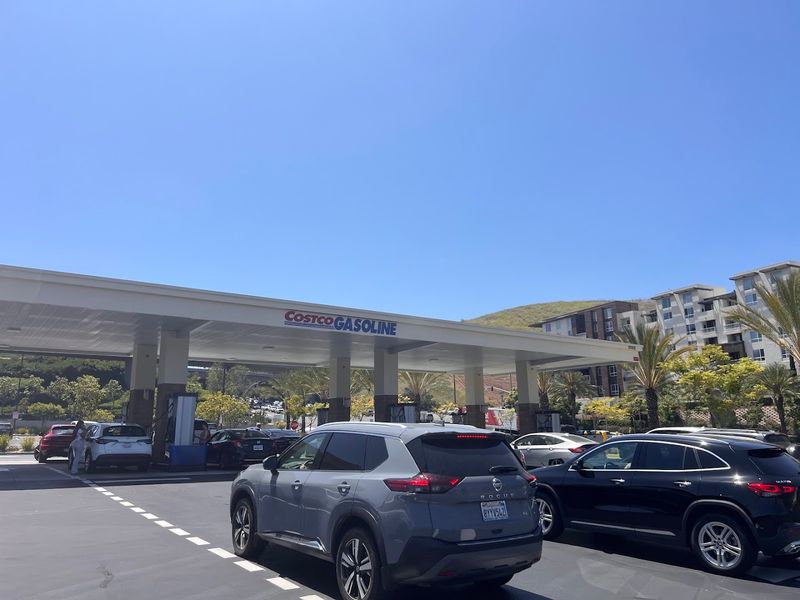
A standalone gas station built specifically for fueling efficiency is not designed to be a one-stop shop.
The Mission Viejo location will be focused on getting members fueled and on their way, which means certain amenities that exist at traditional gas stations will not be part of the experience.
There will be no attached warehouse store for members to shop in before or after fueling.
Convenience store items, snacks, drinks, and car wash services are not part of what has been described for this facility.
The station is being built around the fueling transaction itself, which keeps the footprint lean and the traffic moving.
What members can expect is a well-organized fueling environment with covered pumps, reliable NFC card scanning, and the competitive per-gallon pricing that Costco is known for.
The planned operating hours of 5 a.m. to 10 p.m. daily give members a wide window to fuel up, including early morning hours before most other stations see significant traffic.
For drivers who value simplicity and speed over the option to grab a snack mid-fill, the stripped-down format of this station may actually feel like an advantage.
The focus is entirely on the fuel, and that clarity of purpose could make the experience cleaner and faster than a busier multi-service stop.
Why Costco Is Launching Standalone Gas Stations
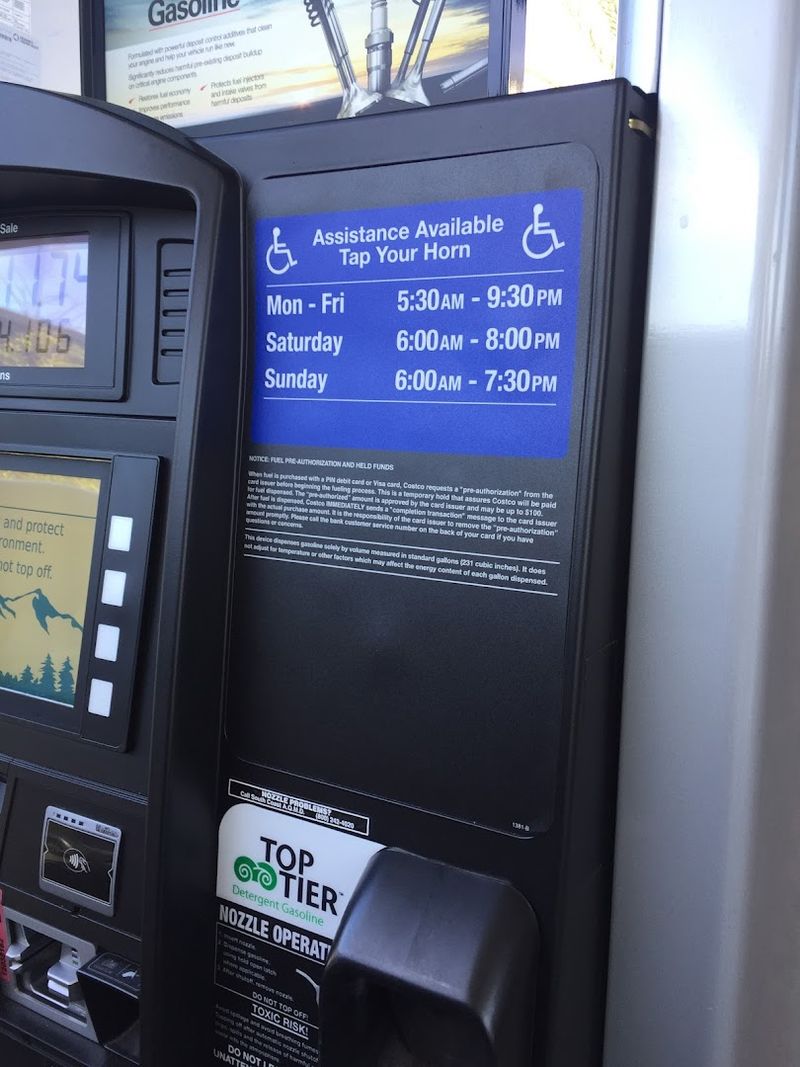
Congestion is one of the most consistent complaints about fueling up at Costco warehouse locations.
The gas stations attached to warehouse stores share space with thousands of shoppers, delivery vehicles, and parking lot traffic, which creates a complicated environment for anyone just trying to get fuel.
By building a standalone station, Costco can offer fuel without the surrounding chaos of a warehouse parking lot.
Members who only want gas and have no interest in shopping that day no longer need to navigate a massive retail environment to access Costco pricing.
That separation of services has real practical value for time-pressed drivers. The strategic logic also extends to capacity.
Warehouse-attached gas stations are constrained by the physical footprint of the parking lot, meaning expansion is rarely possible without major renovation.
A standalone site can be designed from scratch with maximum fueling capacity as the primary goal, which is exactly what the Mission Viejo project reflects with its 40 fueling positions.
Costco has built a loyal and growing membership base across the country, and fuel is one of the most tangible benefits members cite when describing the value of their membership.
Expanding standalone fueling options is a direct response to that demand and a way to deepen the value proposition Costco offers.
What This Means For Future Costco Locations
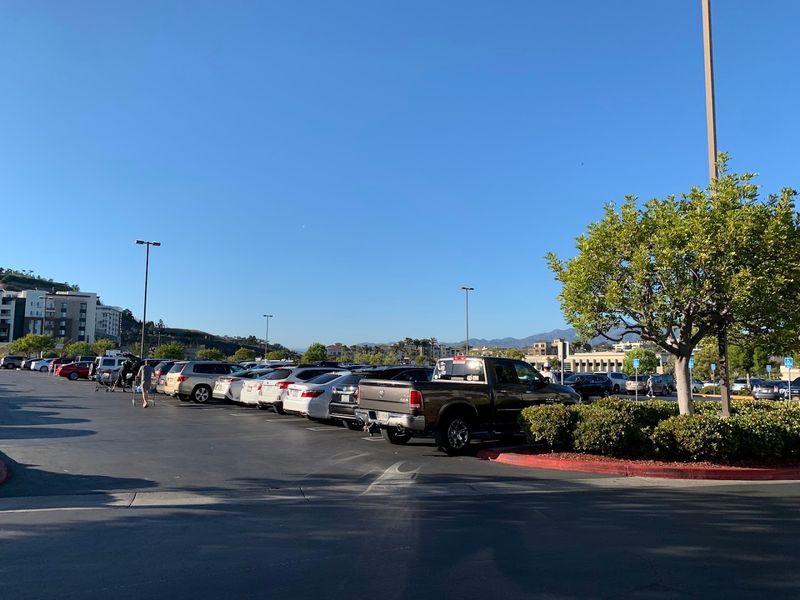
The Mission Viejo project is being watched closely because it functions as a proof of concept for an entirely new category of Costco facility.
If the standalone gas station performs well, it could signal a broader rollout of similar sites in other markets where Costco has strong membership density but limited warehouse-attached fueling capacity.
Markets across California and beyond have no shortage of areas where Costco members are plentiful but warehouse stores are far apart.
A standalone gas station in a well-positioned commercial corridor could serve those members without requiring the investment of building a full warehouse.
That flexibility could make the model attractive in urban and suburban markets alike.
The success of Mission Viejo’s station will likely depend on several factors including traffic volume, member adoption rates, and operational efficiency.
If those numbers align with Costco’s expectations, the company may consider similar expansions in other locations.
The fuel retail landscape in California is competitive, with established players like Chevron, Circle K, and BP operating near the Mission Viejo site.
Costco entering that space with a dedicated standalone facility adds a new dimension to that competition.
For Costco members throughout Southern California and beyond, the outcome of this experiment could shape where and how they fuel up for years to come.