16 Decor Choices Quietly Making Florida Homes Look Cluttered
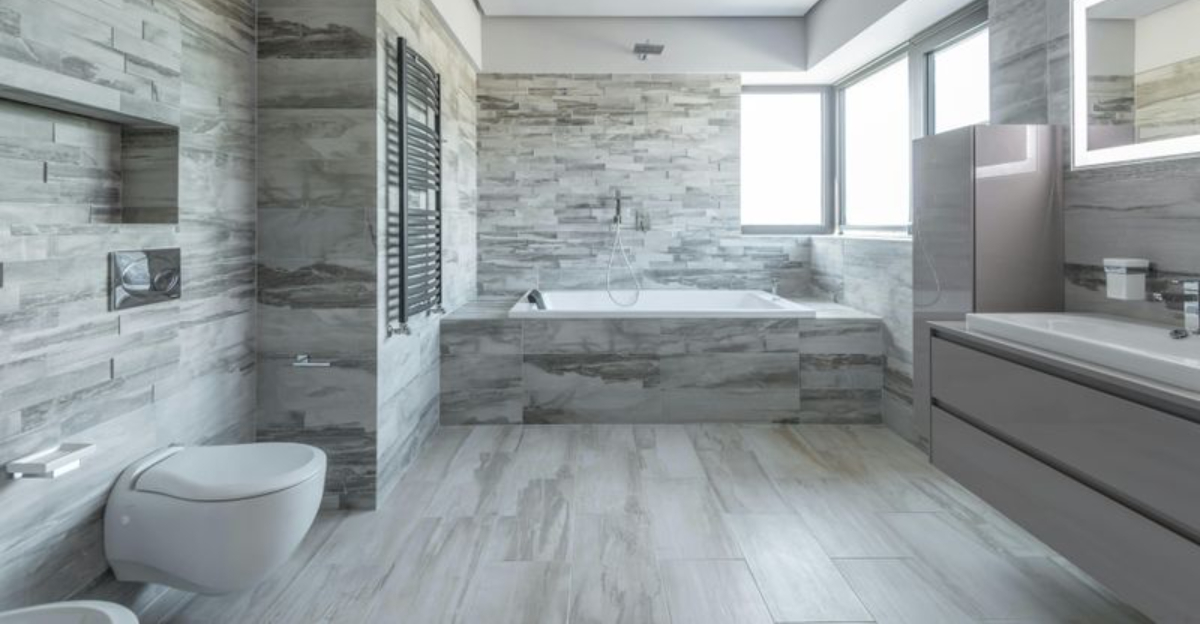
Light, space, and ease are meant to define how a home feels the moment you walk inside.
In Florida, interiors are designed to echo coastal airiness, but certain decorating choices can quietly undo that sense of calm.
Small accents added with good intentions can slowly stack up, turning open rooms into visually crowded spaces.
Florida homes benefit most from restraint, where every piece has room to breathe instead of competing for attention.
When decor supports light and flow, Florida living feels effortless rather than overwhelming.
1. Overcrowded Surfaces
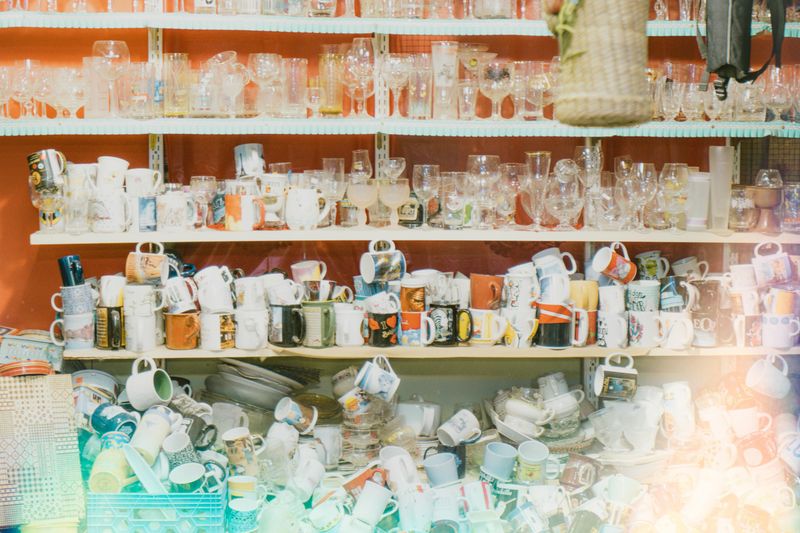
Every flat surface in a home offers potential for display, but filling each one creates the opposite effect most homeowners want.
Countertops, coffee tables, nightstands, and shelves loaded with small trinkets force the eye to work overtime, scanning endlessly without finding a place to rest.
The coastal Florida aesthetic thrives on breathing room and simplicity.
Consider adopting the “less is more” philosophy by choosing three to five meaningful pieces per surface rather than covering every inch.
A single statement vase, a treasured family photo, and a small plant can tell a richer story than twenty random objects competing for attention.
Rotating seasonal items keeps displays fresh without permanent overcrowding.
Storage solutions like decorative boxes or baskets can corral smaller necessary items while maintaining clean lines.
Regular editing sessions help identify which pieces truly deserve prime real estate and which can move to storage or find new homes entirely.
2. Excessive Seasonal Decorations

Every flat surface in a home offers potential for display, but filling each one creates the opposite effect most homeowners want.
Countertops, coffee tables, nightstands, and shelves loaded with small trinkets force the eye to work overtime, scanning endlessly without finding a place to rest.
The coastal Florida aesthetic thrives on breathing room and simplicity.
Consider adopting the “less is more” philosophy by choosing three to five meaningful pieces per surface rather than covering every inch.
A single statement vase, a treasured family photo, and a small plant can tell a richer story than twenty random objects competing for attention.
Rotating seasonal items keeps displays fresh without permanent overcrowding.
Storage solutions like decorative boxes or baskets can corral smaller necessary items while maintaining clean lines.
Regular editing sessions help identify which pieces truly deserve prime real estate and which can move to storage or find new homes entirely.
3. Outdated Or Unused Decor
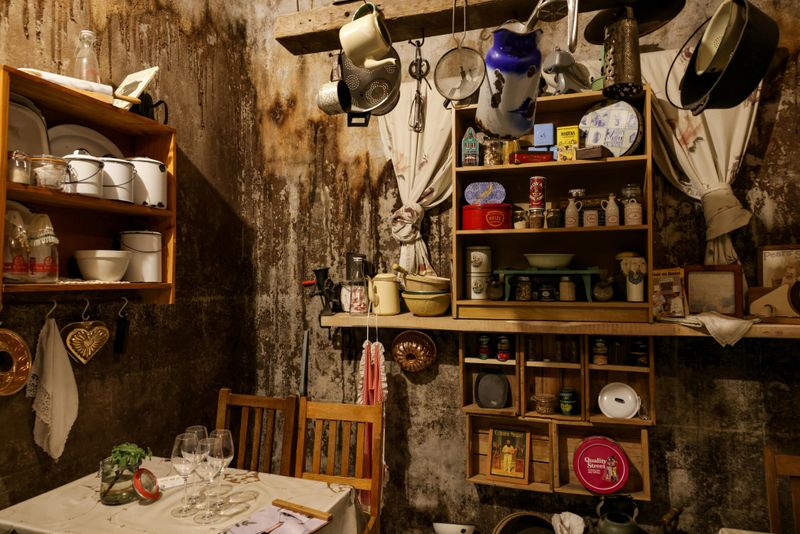
Sentimental attachment often keeps outdated pieces in rotation long after they’ve stopped serving the home’s aesthetic.
That ceramic figurine collection from a decade ago or the faded artificial flowers gathering dust no longer reflect current taste but continue occupying valuable space.
Homes evolve, and decor should too.
Annual or biannual decor audits help identify pieces that no longer spark joy or fit the current vision.
Ask whether each item would be purchased again today if shopping fresh.
Items failing this test become candidates for donation, sale, or storage if truly meaningful.
This practice prevents gradual accumulation that slowly transforms a home into a cluttered time capsule.
Refreshing decor doesn’t require major purchases.
Sometimes simply removing dated pieces creates enough breathing room to appreciate what remains.
The empty space itself becomes a design element, allowing light and architectural features to shine through properly.
4. Overabundance Of Decorative Pillows And Throws
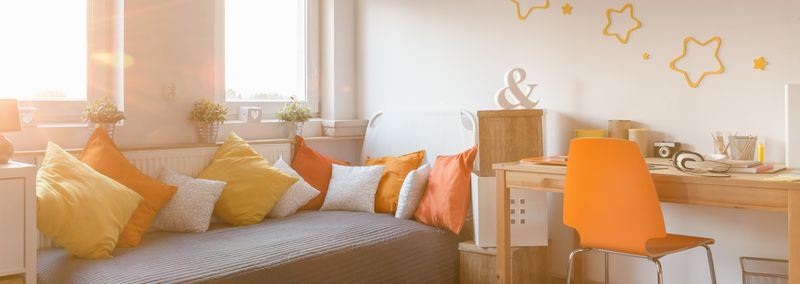
Textiles add comfort and color, but furniture buried under mountains of pillows and throws sends the wrong message.
Sofas requiring a five-minute excavation before sitting or beds demanding pillow removal marathons each night create unnecessary daily friction.
The line between cozy and chaotic gets crossed surprisingly quickly.
Design experts typically recommend three to five pillows for standard sofas and two to four for beds, depending on size.
This range provides visual interest and comfort without overwhelming the furniture itself.
Choose varying sizes and textures within a cohesive color palette for sophisticated layering that doesn’t read as excessive.
Throws work best when limited to one per seating area, draped casually rather than perfectly arranged.
Functional comfort should guide decisions more than Instagram-worthy styling that nobody maintains in real life.
Florida’s warm climate also means heavy layering often looks seasonally inappropriate, making restraint even more important for regional authenticity.
5. Crowded Wall Art
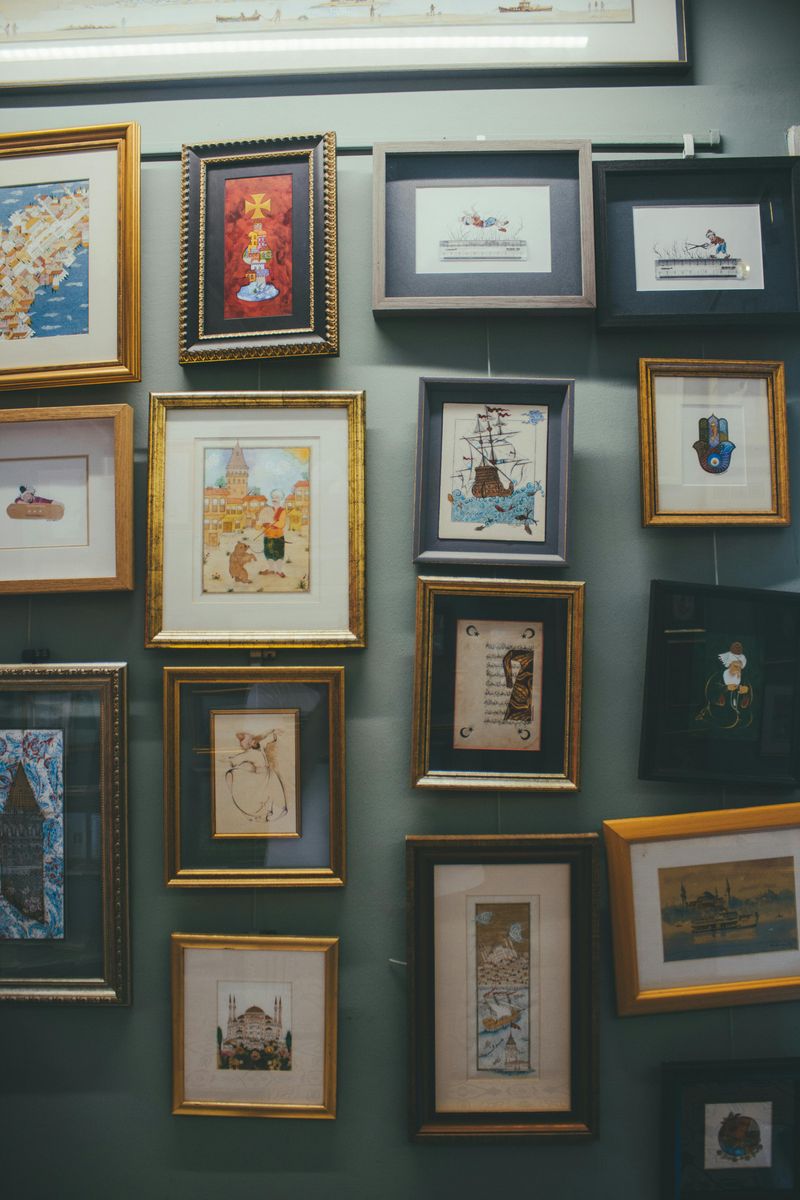
Gallery walls offer wonderful opportunities for personal expression, but jamming frames together without adequate spacing creates visual noise rather than cohesive display.
Art needs room to breathe, with each piece commanding its own territory rather than competing with immediate neighbors.
Proper spacing allows the eye to appreciate individual works while understanding their collective conversation.
Interior designers recommend six to twelve inches between frames as a general guideline, though larger pieces may require more space.
Laying arrangements on the floor before hammering nails helps visualize the final effect and adjust spacing accordingly.
Odd numbers of pieces typically create more dynamic, natural-feeling arrangements than even numbers.
Consider the wall’s overall proportion when planning displays.
A small wall benefits from fewer, larger pieces rather than many small ones fighting for attention.
Negative space around art installations matters as much as the art itself, providing visual rest areas that prevent the cluttered feeling many homeowners accidentally create.
6. Mirrored Furniture And Decor
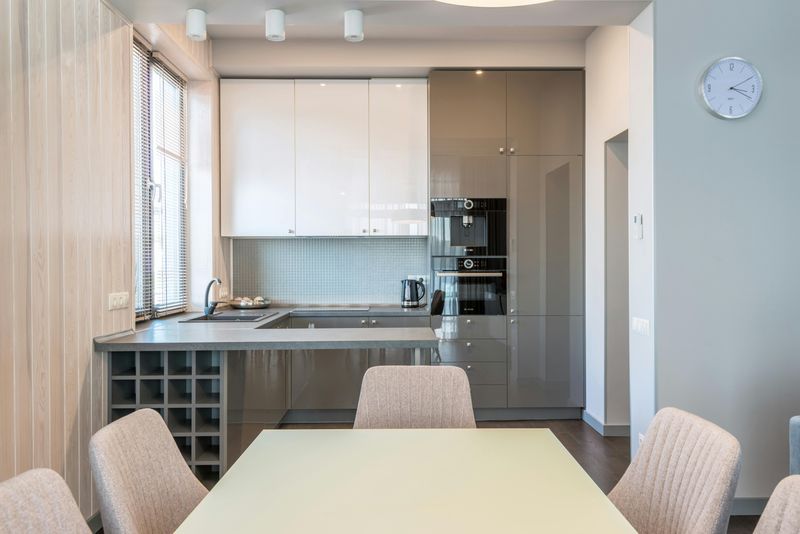
Reflective surfaces once dominated home decor magazines, promising to expand spaces and add glamour.
Reality proved less magical, with mirrored furniture often creating visual confusion and dated appearances.
These pieces reflect everything in a room, including clutter, effectively doubling the visual chaos rather than improving it.
Fingerprints, smudges, and constant maintenance requirements make mirrored pieces impractical for real living, especially in humid Florida climates where moisture affects surfaces.
The trendy pieces from several years ago now signal a home stuck in the past rather than embracing timeless design principles.
Natural materials like wood, rattan, and linen better suit Florida’s coastal aesthetic while aging gracefully.
Replacing mirrored furniture with classic alternatives instantly updates a space and reduces visual clutter.
A solid wood dresser or upholstered bench provides the same function without the high-maintenance, reflection-multiplying effects.
Strategic placement of one or two traditional mirrors serves the space-expanding purpose better than mirrored furniture throughout.
7. Open Shelving In Kitchens
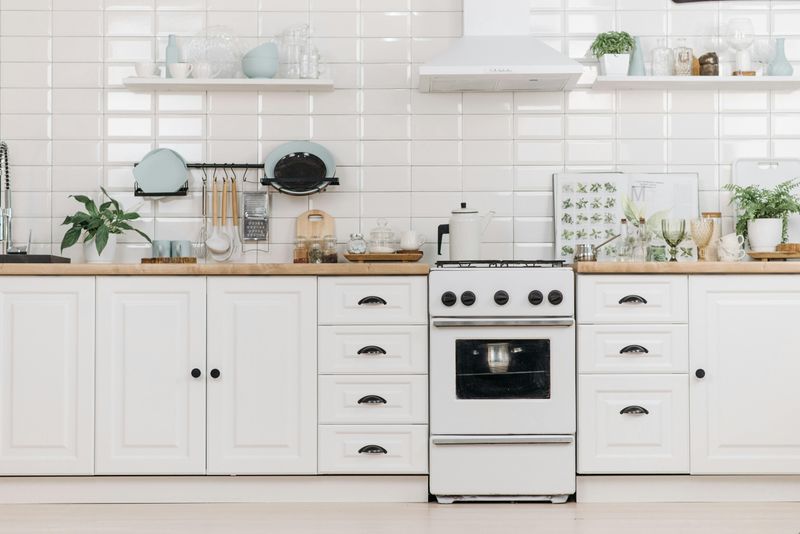
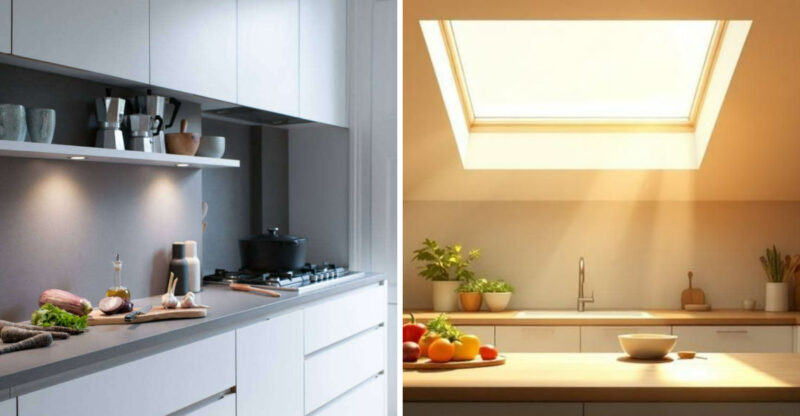
Open shelving promised casual elegance and easy access, delivering instead constant visual busyness and relentless maintenance demands.
Every dish, glass, and ingredient sits on permanent display, requiring magazine-worthy styling that few homeowners maintain daily.
Grease, dust, and humidity affect exposed items quickly, especially in Florida’s climate.
The perpetual visual stimulation from open shelves contributes significantly to cluttered feelings, even when items are neatly arranged.
Closed cabinetry allows the eye to rest, creating clean lines and calm spaces where kitchens can feel organized regardless of what happens behind doors.
The practical benefits extend beyond aesthetics, protecting dishes from cooking residue and environmental factors.
Homeowners considering kitchen updates should weigh open shelving’s Instagram appeal against daily reality.
A compromise approach uses closed storage for most items with one or two open shelves for truly decorative pieces that warrant constant display and maintenance attention.
This balance provides visual interest without the overwhelming effect of fully exposed kitchen contents.
8. Boho Chic Overuse
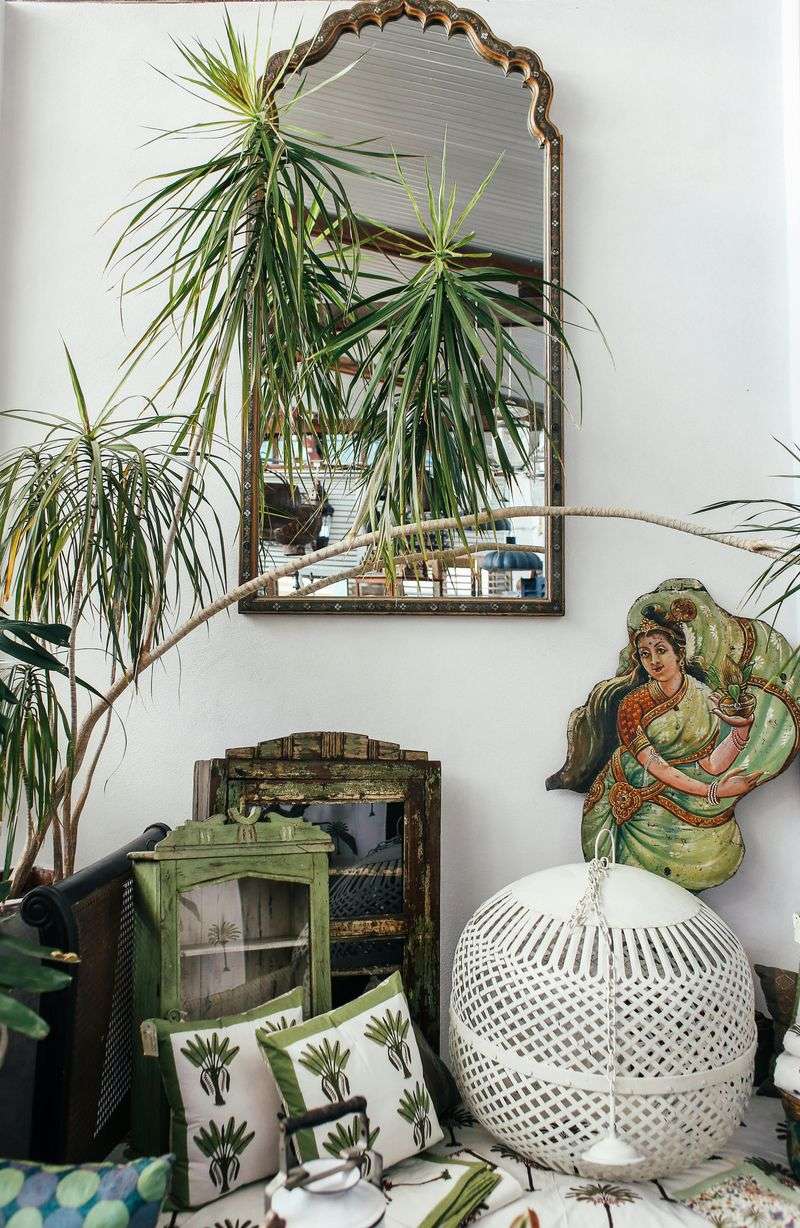
Bohemian style celebrates eclectic mixing, but enthusiastic interpretation often crosses into chaotic territory.
Macrame wall hangings, patterned textiles, rattan furniture, potted plants, and global-inspired accessories can individually enhance spaces.
Combining all these elements simultaneously creates sensory overload rather than the relaxed, worldly vibe the style intends.
Successful bohemian design requires restraint and careful curation despite its free-spirited reputation.
Choose one or two signature elements per room rather than incorporating every boho trend available.
A statement macrame piece or a collection of textured pillows makes impact, but both together with added layers quickly overwhelms.
Florida homes particularly benefit from edited boho approaches that maintain airiness alongside personality.
Color palette discipline helps control boho excess.
Selecting a cohesive base of three to four colors guides purchasing decisions and prevents the “everything everywhere” effect.
Natural materials and neutral bases allow colorful accents to shine without competing, creating the effortless, collected-over-time appearance true bohemian style embodies rather than forced trendiness.
9. Excessive Use Of Textured Neutrals
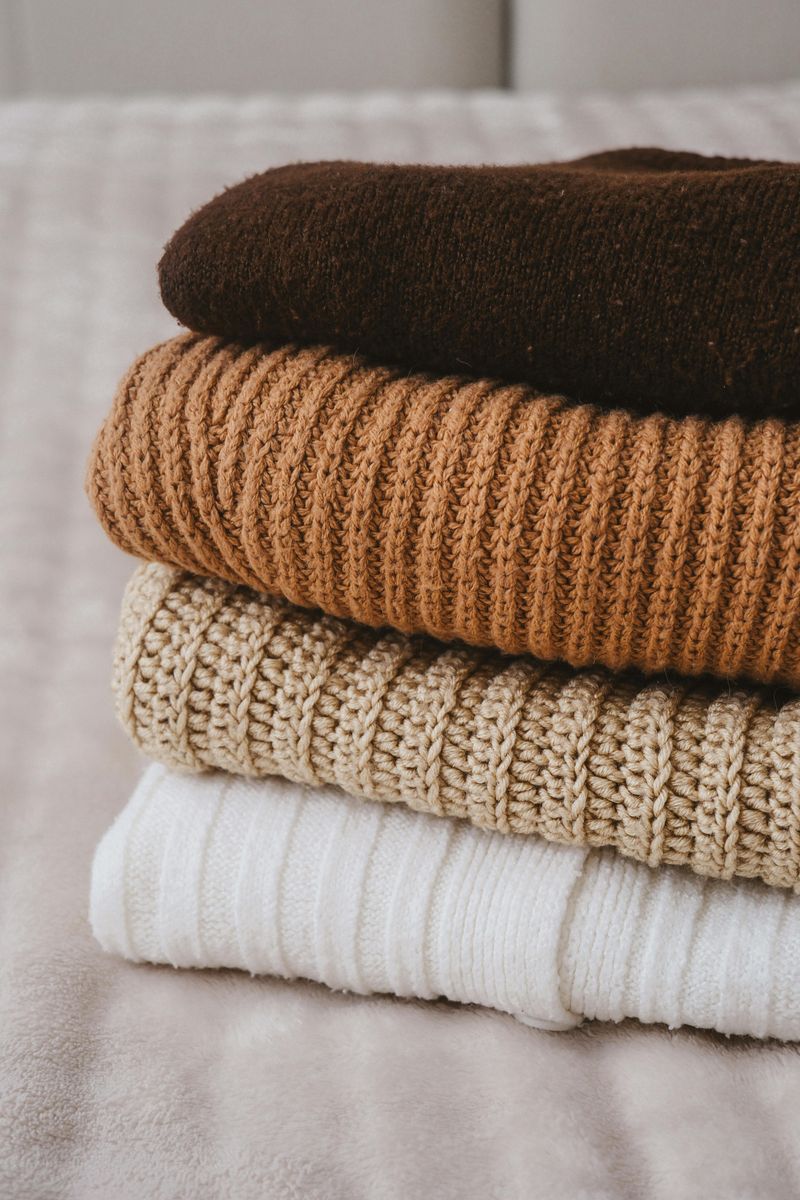
Texture adds depth to neutral color schemes, preventing flat, boring spaces.
However, layering too many textured neutrals creates heaviness and visual complexity that registers as clutter.
Chunky knit throws, nubby linen pillows, woven baskets, jute rugs, and grasscloth wallpaper individually contribute interest.
Combined excessively, they create dense, complicated spaces lacking the lightness Florida living deserves.
Balance becomes key when working with textured neutrals.
Mix smooth surfaces with textured ones rather than texturing everything in sight.
A linen sofa pairs beautifully with smooth wooden tables and simple cotton curtains, allowing the texture to stand out rather than competing with equally textured neighbors.
This approach creates sophisticated layering without overwhelming density.
Florida’s climate and aesthetic particularly benefit from lighter textures and breathing room.
Consider replacing heavy woven elements with airier alternatives like sheer fabrics or smooth ceramics.
The goal remains adding dimension without weight, creating spaces that feel thoughtfully designed rather than accidentally overloaded with every neutral texture trend available.
10. Overuse Of Nature-Inspired Prints

Florida’s natural beauty inspires interior design, but translating outdoor splendor indoors requires subtlety.
Palm frond pillows, tropical wallpaper, botanical prints, leaf-patterned curtains, and nature-themed accessories can quickly transform rooms into theme park versions of coastal living.
The irony lies in obscuring actual Florida charm beneath excessive representations of it.
Nature-inspired elements work best as accent features rather than dominant themes.
One striking botanical print or a single palm-patterned pillow celebrates the tropical setting without overwhelming it.
Real plants often serve better than printed representations, bringing authentic nature indoors while purifying air and adding organic movement.
Living greenery provides the coastal vibe many printed patterns attempt unsuccessfully to capture.
Consider whether nature prints add to or distract from actual views and natural light.
Large windows overlooking tropical landscapes need minimal competing patterns, allowing reality to provide the visual interest.
Save bolder nature prints for interior rooms lacking natural views, where they can transport occupants without competing with the genuine article.
11. Deep, Rich Colors in Excess
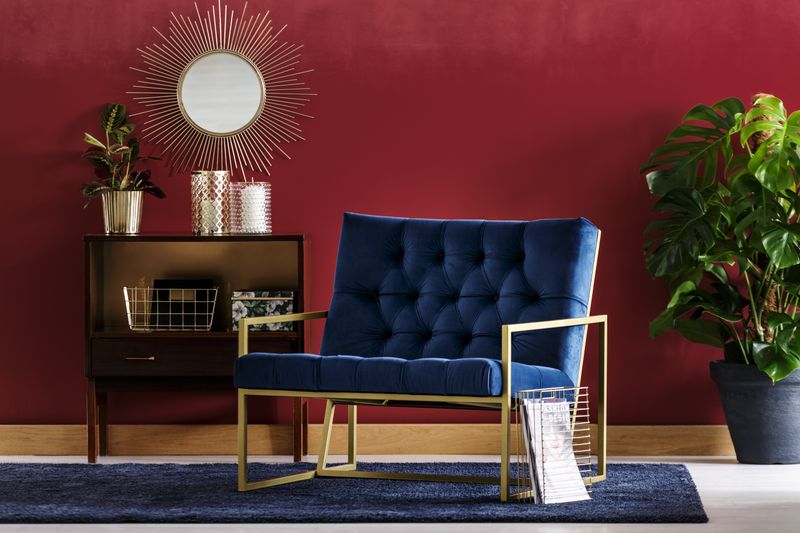
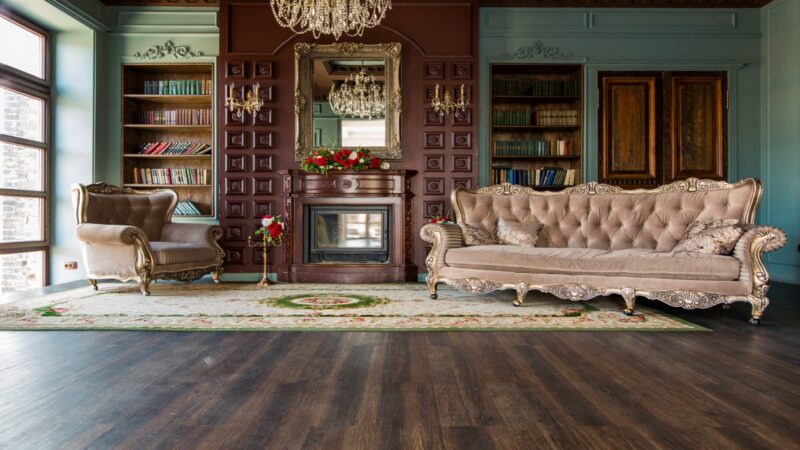
Jewel tones and deep colors offer drama and sophistication, but heavy-handed application creates oppressive, cluttered-feeling spaces.
Navy walls, burgundy furniture, emerald accents, and deep purple textiles individually make statements.
Combined without restraint, they absorb light and create visual weight that contradicts Florida’s bright, breezy character.
Rooms feel smaller, darker, and more chaotic than their actual dimensions and contents warrant.
Strategic use of deep colors as accents rather than dominant features achieves impact without overwhelm.
A single navy accent wall, emerald throw pillows, or a rich burgundy area rug can anchor a room while lighter surrounding elements prevent heaviness.
This approach allows bold colors to enhance rather than dominate, creating focal points that draw the eye intentionally rather than everywhere simultaneously.
Florida homes particularly benefit from balancing any deep colors with plenty of white, cream, or light neutral surfaces.
The contrast prevents spaces from feeling cave-like while allowing rich hues to truly pop.
Natural light becomes crucial when incorporating deeper shades, ensuring rooms remain inviting rather than oppressively dark and cluttered-feeling.
12. Accumulated Sentimental Items
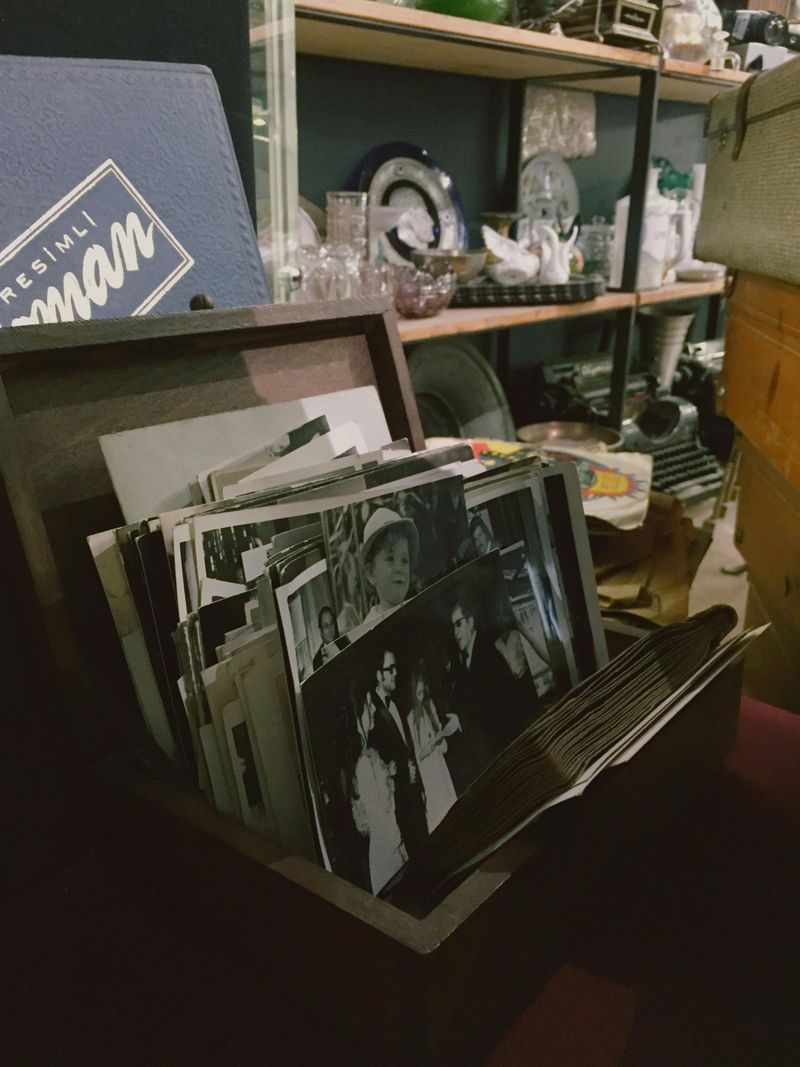
Memories deserve honoring, but displaying every sentimental object simultaneously dilutes their individual significance.
Vacation souvenirs, inherited knick-knacks, children’s artwork, and gift items accumulate over years, gradually transforming homes into museums of personal history.
Each piece carries meaning, yet the collective display creates clutter that prevents any single item from receiving proper appreciation.
Rotating sentimental displays allows meaningful items their moment while maintaining visual calm.
Store most pieces safely, bringing out seasonal selections or rotating quarterly to keep displays fresh.
This approach actually increases enjoyment of cherished items, as rotating pieces feel newly appreciated rather than becoming invisible background clutter.
Photographing items before storing them preserves memories while freeing physical space.
Designate specific areas for sentimental displays rather than scattering them throughout the home.
A dedicated memory shelf or shadow box contains meaningful items within defined boundaries, preventing gradual spread into every room.
This intentional approach respects both the items’ significance and the home’s need for breathing room and visual calm.
13. Gray-On-Gray Color Schemes
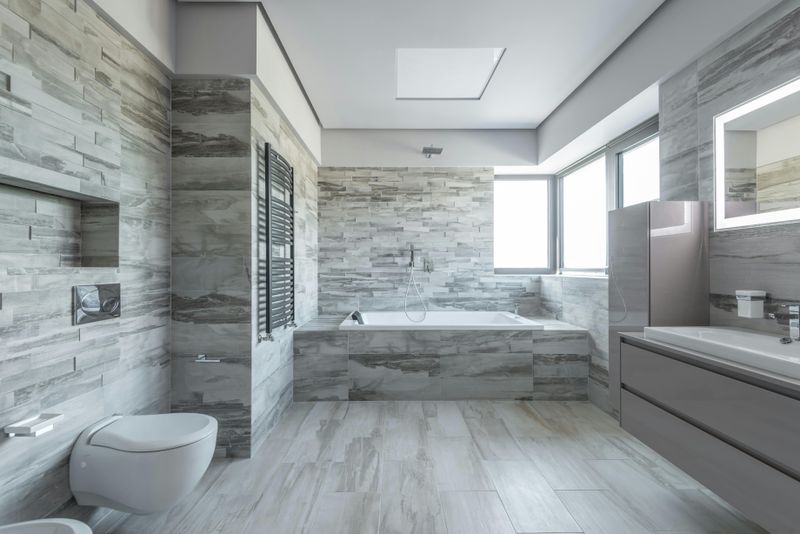
Monochromatic gray interiors dominated design trends for years, promising sophisticated neutrality.
Instead, many homes ended up feeling cold, flat, and surprisingly cluttered despite minimal color variation.
Without contrast or warmth, individual elements blend together into indistinct masses rather than reading as intentional design choices.
The human eye needs variation to process spaces comfortably.
All-gray schemes force the brain to work harder distinguishing between furniture, walls, and decor, creating mental fatigue that registers as cluttered even when relatively few items occupy the space.
This effect intensifies in Florida, where abundant natural light and tropical surroundings make cold gray interiors feel disconnected from their environment.
Introducing warm earth tones, coastal blues, or natural greens immediately enlivens gray-heavy spaces.
Terracotta accents, warm wood tones, or sandy beige elements complement existing gray pieces while adding much-needed warmth and visual clarity.
The goal isn’t eliminating gray entirely but breaking its monotony with colors reflecting Florida’s natural beauty and vibrant character.
14. Furniture Scaled Improperly
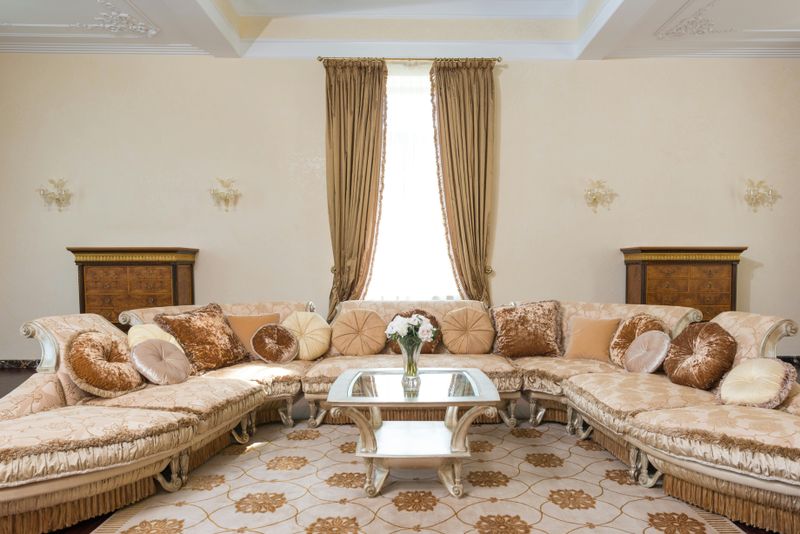
Oversized furniture promises comfort but often delivers cramped, cluttered spaces instead.
A sectional sofa dominating a modest living room or a king bed overwhelming a small bedroom leaves insufficient circulation space, making rooms feel stuffed regardless of actual item count.
Proper scale allows furniture to serve its purpose while maintaining flow and breathing room throughout the space.
Measure rooms carefully before purchasing furniture, accounting for traffic patterns and door clearances.
Furniture should fill spaces proportionally, typically leaving at least thirty inches for main walkways.
In Florida homes where indoor-outdoor flow matters, oversized pieces blocking patio door access or obstructing tropical views work against the lifestyle the climate encourages.
Sometimes less furniture creates more usable space.
A loveseat with two accent chairs often serves small living rooms better than a large sectional.
Similarly, a queen bed in a modest bedroom preserves floor space for dressers and nightstands, preventing the cramped feeling that occurs when one oversized piece consumes disproportionate square footage and creates accidental clutter through poor scaling.
15. Collections Displayed Without Editing
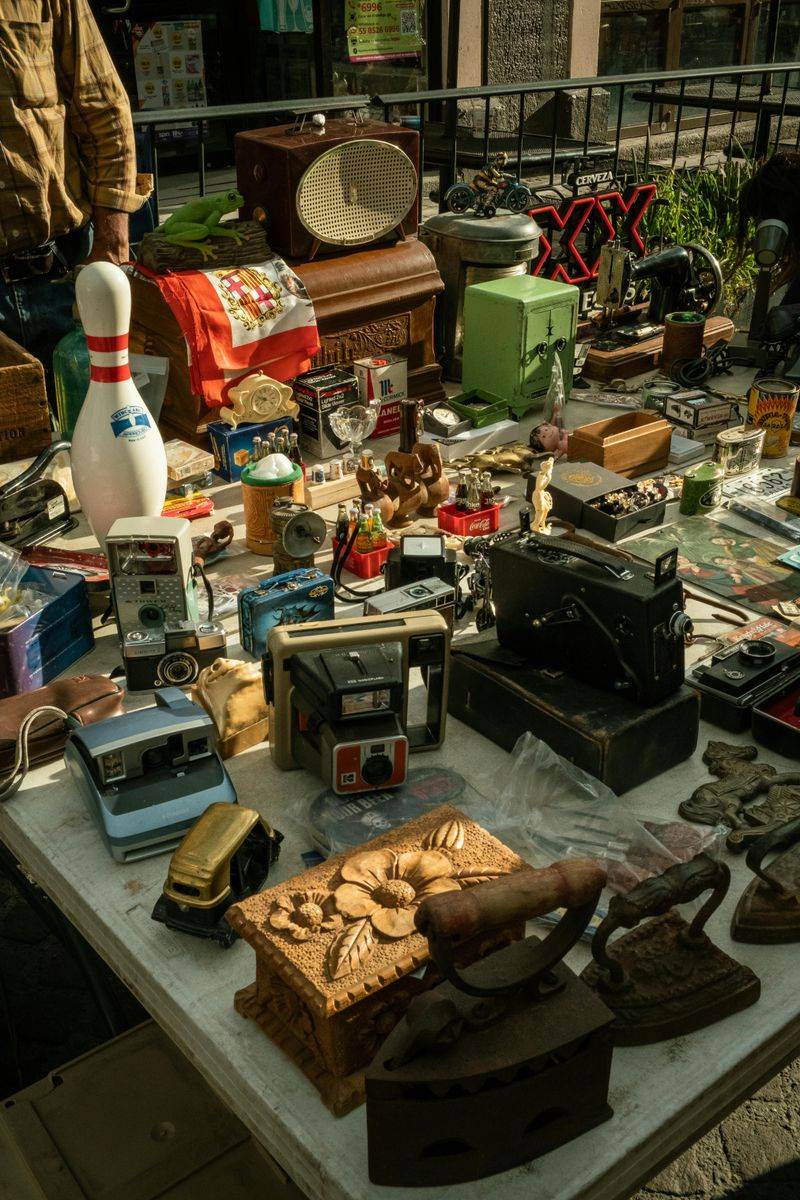
Collecting brings joy, but displaying entire collections simultaneously overwhelms spaces.
Whether seashells, vintage cameras, or ceramic pitchers, presenting every piece creates visual chaos rather than showcasing the collection’s appeal.
The human eye struggles processing numerous similar items competing for attention, resulting in cluttered feelings despite the collection’s inherent organization.
Curate collections by displaying select favorites while storing the remainder.
Choosing five to seven representative pieces tells the collection’s story without overwhelming viewers.
This editing elevates displayed items to featured status rather than blending into indistinct masses.
Rotating displayed pieces periodically keeps the presentation fresh while allowing different collection aspects their spotlight.
Display methods matter significantly for collection impact.
Grouping similar items creates cohesive vignettes rather than scattering pieces throughout spaces.
A dedicated shelf or cabinet contains the collection within defined boundaries, preventing spread that gradually clutters entire rooms.
Proper lighting and spacing around displayed pieces further enhances their impact while maintaining the clean, uncluttered aesthetic Florida homes deserve.
16. Artificial Plants In Excess
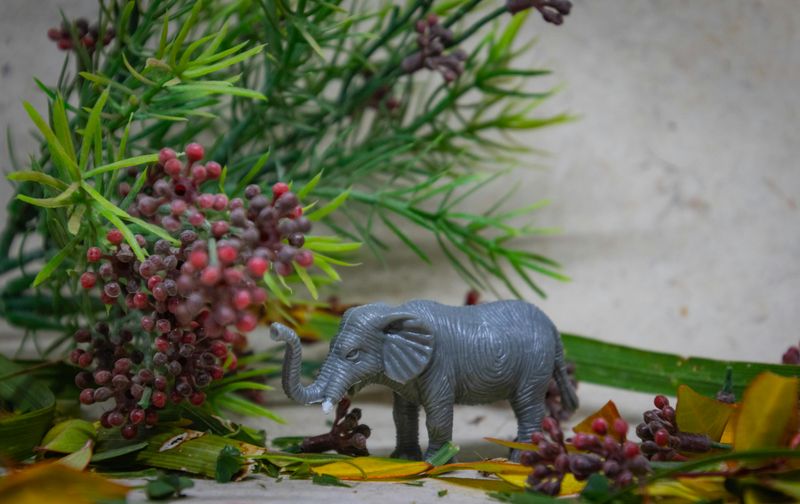
Faux plants offer low-maintenance greenery, but excessive artificial foliage creates the opposite of the fresh, natural effect intended.
Dusty fake plants scattered throughout rooms signal neglect rather than green living, while the sheer quantity often reads as trying too hard.
Florida’s climate allows real plants to thrive easily, making artificial alternatives particularly unnecessary and visually cluttered.
Quality matters more than quantity with artificial plants.
One or two high-end faux plants in challenging spots like dark corners work better than numerous cheap alternatives throughout the home.
However, Florida homeowners benefit most from embracing real plants suited to the climate.
Pothos, snake plants, and palms thrive with minimal care while providing authentic beauty and air-purifying benefits fake versions cannot match.
Mixing real and artificial plants rarely succeeds, as the contrast highlights the artificial plants’ fake appearance.
Committing to real greenery or carefully selected high-quality faux pieces in specific locations creates better results than hedging with both.
The humid Florida environment particularly favors real plants, which appreciate conditions artificial versions merely tolerate while collecting dust.