Deer Crossings Spike During The November Rut Along These 7 Idaho Highway Stretches
Idaho now has a bridge that no car is allowed to cross. It was built for deer and elk, and trail cameras showed animals using it soon after it opened in 2023.
I love that detail, because it shows how seriously the state takes its four-legged commuters. Some highway stretches see so many crossings that engineers are adding underpasses, tall fencing, and even radar that flashes warnings at drivers.
November is when the trouble peaks across the state. Bucks are busy chasing does during the rut, and they stop paying much attention to headlights, shoulders, or traffic.
So I went digging into the Idaho roads where deer crashes cluster year after year, in forests, canyons, and sagebrush valleys. Some routes cut through major migration corridors, while others cross quiet farm fields with a late-night snack problem.
If you drive one of them this month, how sharp are your eyes after sunset?
1. Highway 21 Between The Mores Creek Lucky Peak Bridge And Robie Creek
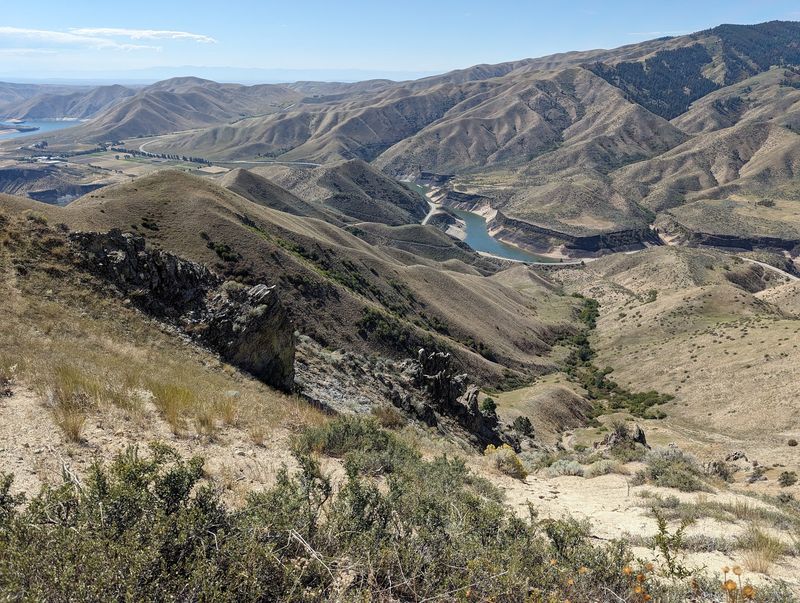
Idaho’s very first wildlife overpass lives on this road, and deer got the memo quickly. The Cervidae Peak Wildlife Overpass was finished in late 2023, and trail cameras soon picked up deer and elk strolling across.
Why build it here? Thousands of deer and elk move through the Boise Foothills toward winter range, and this roughly 11-mile stretch sits right in their path.
The overpass doesn’t work alone. A wildlife underpass built in 2010 already gave animals a way beneath the highway, and fencing helps steer them toward both crossings.
That’s a big upgrade for a road with a long record of collisions. Still, the animals are learning a new route, and plenty of them haven’t read the instructions yet.
So keep your speed in check, especially when November dusk settles over the canyon. The curves near Lucky Peak and Robie Creek don’t give you much time to react if a buck pops out of the brush.
Here’s a fun bonus for Treasure Valley drivers. You can tell friends you’ve driven under Idaho’s first bridge built just for wildlife, which is a pretty great road trip fact.
Address: Idaho Highway 21 near Mores Creek and Robie Creek, Boise, ID 83716
2. U.S. Highway 30 At Rocky Point
Mule deer from one of Idaho’s biggest herds squeeze through a tight spot near Montpelier twice a year. The pinch point has a name drivers in Bear Lake County know well: Rocky Point.
Here’s the jaw-dropper. On a roughly 20-mile stretch of U.S. 30, crews have recorded more than 100 mule deer struck in a typical year, and about 70 percent of those happen in the short Rocky Point section.
That’s a lot of trouble packed into a few miles. The deer belong to the Bear Lake Plateau herd, and the highway sits squarely across their seasonal route.
Help is on the way, though. In January 2025, the Idaho Transportation Department landed about 20.8 million federal dollars for three wildlife underpasses here.
The plan also includes around six miles of eight-foot fencing. Think of it as a giant funnel that nudges deer toward safe tunnels instead of your bumper.
Construction was expected to start around 2026, so check before driving for work zones. Until the project wraps up, treat this stretch like a deer freeway during the rut and ease off the gas.
Address: U.S. Highway 30 at Rocky Point, near Montpelier, ID 83254
3. U.S. 95 In Boundary County
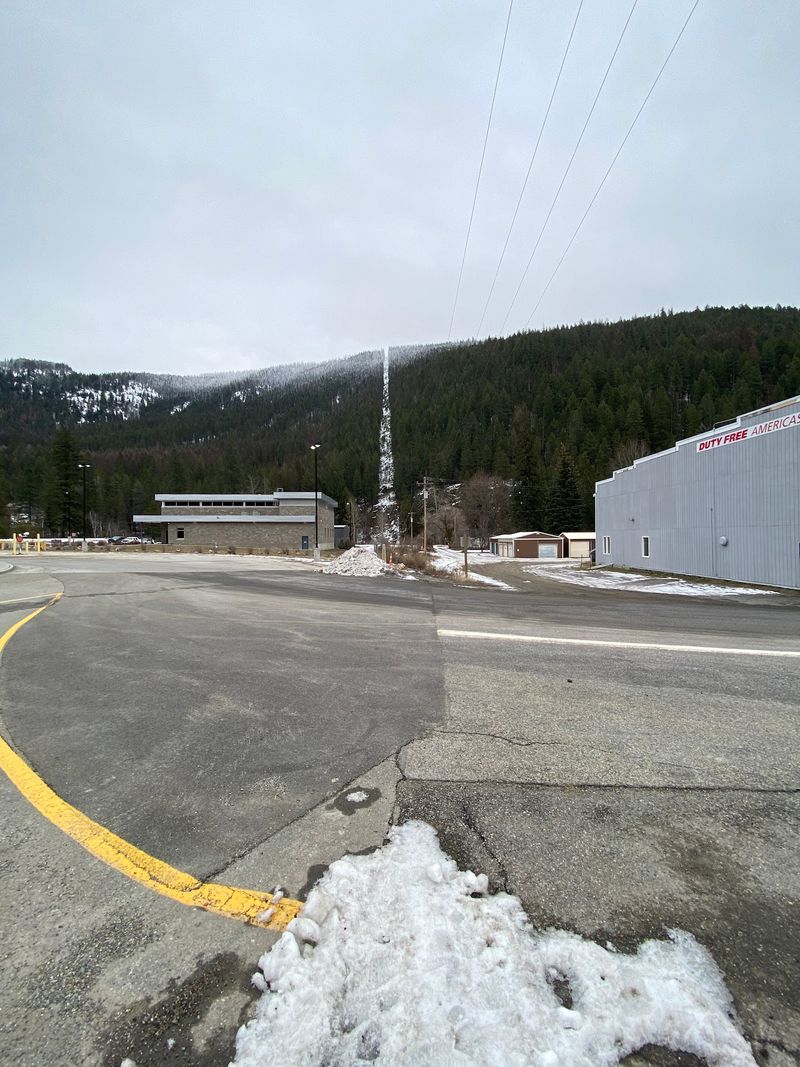
Way up near the Canadian border, a stretch of U.S. 95 got wildlife underpasses long before they were trendy. Three were built near Eastport around 2004 as part of a highway realignment project.
That early start tells you something. Boundary County has a well-known history of wildlife-related crashes, and deer are a big part of that story.
The newer experiment is even cooler. The Idaho Transportation Department has worked with the Western Transportation Institute to test a wildlife-detection system along this corridor.
Doppler radar sensors mounted above the road watch for large animals near the pavement. When something big shows up, flashing beacons warn drivers ahead.
It’s like having a lookout who never blinks. Still, technology can’t replace your own attention when the forest crowds right up to the shoulder.
Panhandle mornings in November can bring frost, low light, and fog. Those conditions make a gray-brown deer blend in almost perfectly, so watch for eye shine and give yourself extra room.
If those beacons start flashing, believe them. Somewhere nearby, a deer with romance on its mind may be about to make a questionable decision.
Address: U.S. Highway 95 near Eastport, Boundary County, ID 83826
4. U.S. 95 Through Central And North-Central Idaho
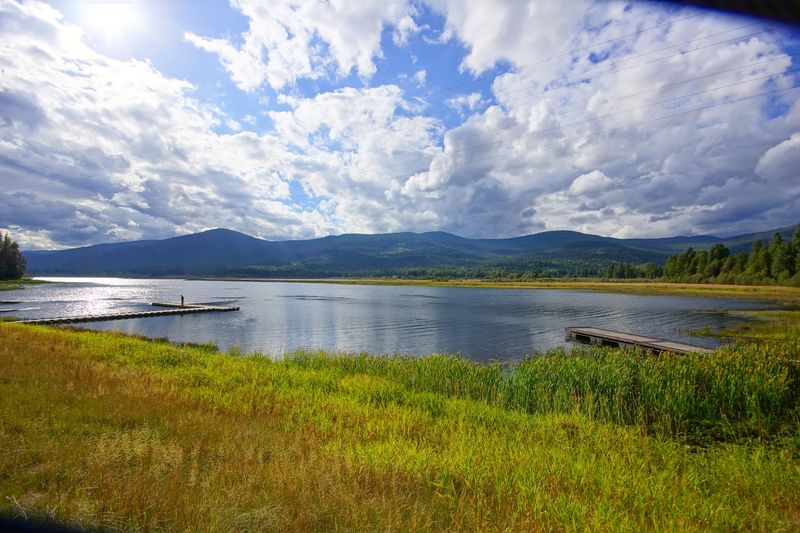
Idaho’s main north-south artery is long, busy, and full of wildlife opinions. U.S. 95 crosses wetlands, forests, and farm country where deer have used the same paths for generations.
One standout spot is the McArthur Lake Wildlife Management Area in Bonner County. It’s a known corridor for deer, elk, moose, and even bears, and the highway runs right alongside it.
Add limited passing zones and rolling terrain, and you get a road that demands focus. Tailgating a slow truck while scanning for deer is nobody’s idea of relaxing.
Farther south, there’s good news between Coeur d’Alene and Silverwood. A newer section of U.S. 95 there includes a wildlife underpass completed around 2013, paired with fencing to guide animals beneath the road.
Those fixes help, but they don’t cover the whole route. Plenty of miles still lack fencing, so a buck can wander out almost anywhere.
During the rut, slow down near wetlands and field edges at dawn and dusk. And if one deer crosses, wait a beat, because a second one is often trailing close behind.
Address: U.S. Highway 95 near McArthur Lake Wildlife Management Area, Naples, ID 83847
5. Highway 28 South Of Salmon
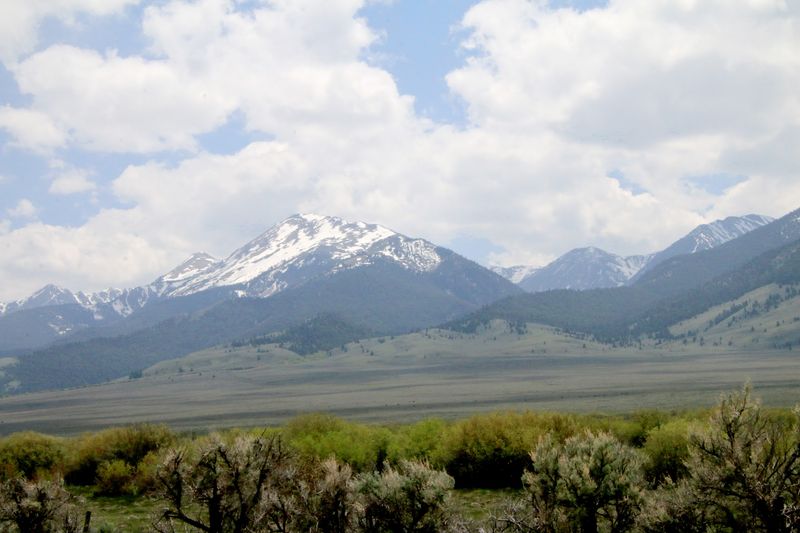
Bridges usually get rebuilt for cars and trucks, but south of Salmon they got rebuilt with deer in mind too. Collision records on Highway 28 showed enough wildlife crashes to change how engineers designed replacement bridges.
That’s a pretty big deal for a quiet road. Years of data pointed to a real problem, and crews responded by adding wildlife crossing features during bridge work.
The highway follows the Lemhi Valley, with the river, cottonwoods, and open fields close by. Deer love that mix of water, cover, and easy grazing.
You might cruise for miles without seeing another car. That emptiness can lull you into speeding up, which is exactly when a mule deer decides to cross.
So treat this as a scenic drive, not a race. The views of the surrounding mountains are better at a relaxed pace anyway.
Watch the river crossings and brushy draws closely after dark. In November, deer move more often and more unpredictably, and the valley gives them plenty of places to step out without warning.
Address: Idaho Highway 28 south of Salmon, Lemhi County, ID 83467
6. State Highway 34 Between U.S. 30 And Grace
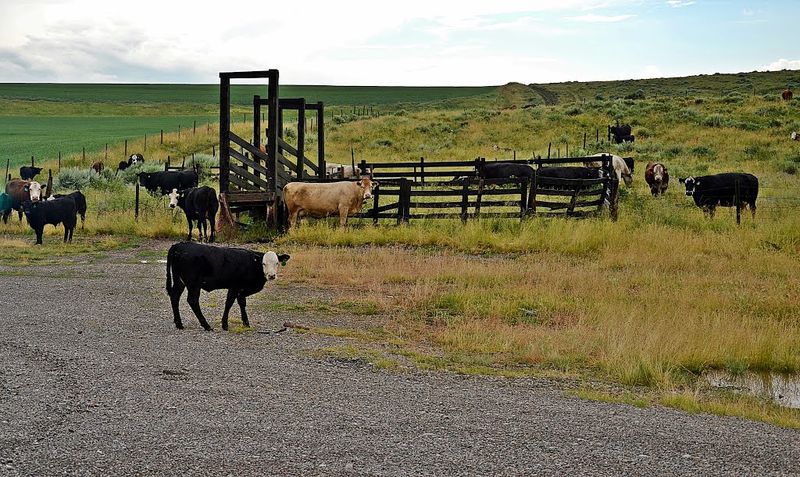
Blame the wheat. On a short 4.5-mile stretch of State Highway 34 near Grace, deer come down from nearby mountains to snack on fall wheat in the valley fields.
The road sits right between their hideouts and their buffet. So after dark in autumn, deer and elk cross often and with very little warning.
The Caribou County Sheriff’s Office has reported getting multiple calls a day about deer hit on this road during fall. That’s a lot of calls for such a small slice of southeastern Idaho.
Many local drivers already know to watch out here. Visitors heading toward Grace or Soda Springs may not, and that’s where surprises happen.
Dawn and dusk are prime time for trouble. Deer feed in low light, and your headlights only reach so far down the road.
Try scanning the field edges rather than just the pavement ahead. Glowing eyes in the wheat usually mean someone is about to make a run for it, and the rut makes bucks even less cautious than usual.
Address: Idaho State Highway 34 between U.S. Highway 30 and Grace, Caribou County, ID 83241
7. U.S. Highway 20 In Eastern Idaho
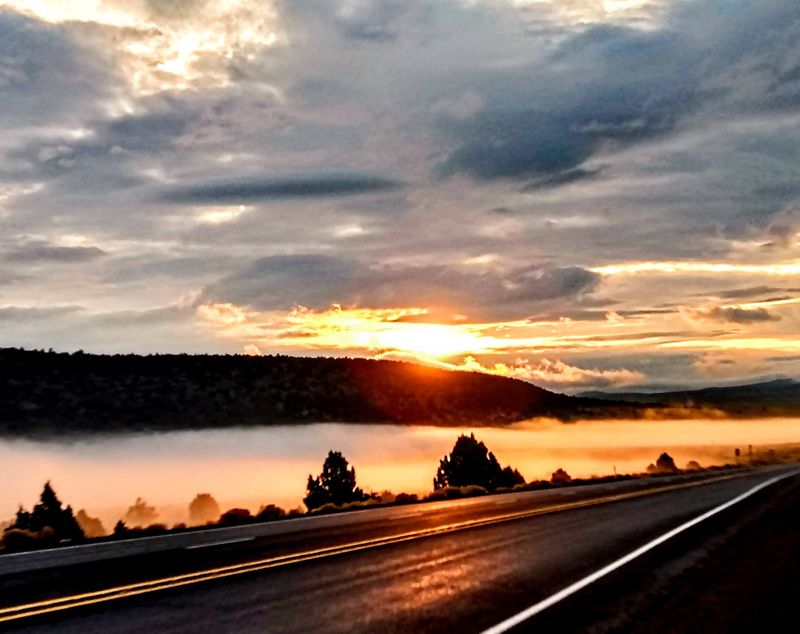
Few Idaho roads carry tourists, truckers, and moose on the same afternoon quite like U.S. 20. Near Island Park and the Henry’s Fork, this highway slices through serious wildlife country on the way toward Yellowstone.
Deer share these routes with elk, moose, and occasionally grizzly bears. Researchers have studied safety solutions for U.S. 20 and State Highway 87 here, aiming to pinpoint where collisions cluster.
The traffic mix makes things tricky. Residents, visitors, and commercial trucks all crowd a road that crosses important migration paths.
November brings its own challenges in this high country. Early snow, short days, and rutting deer can stack up fast.
Give yourself more following distance than usual. If the car ahead slams on its brakes for a deer, you’ll want room to stop too.
Watch closely where forest opens into meadows or river corridors. Those edges are classic crossing zones, and Island Park has plenty of them.
Here’s a silver lining for patient drivers. Slowing down gives you a better shot at spotting wildlife safely from the road, which beats meeting it up close every time.
Address: U.S. Highway 20 near Island Park, Fremont County, ID 83429