Dig For Real Fossils & Pan For Gems At This World-Class Science Museum In Cartersville Georgia
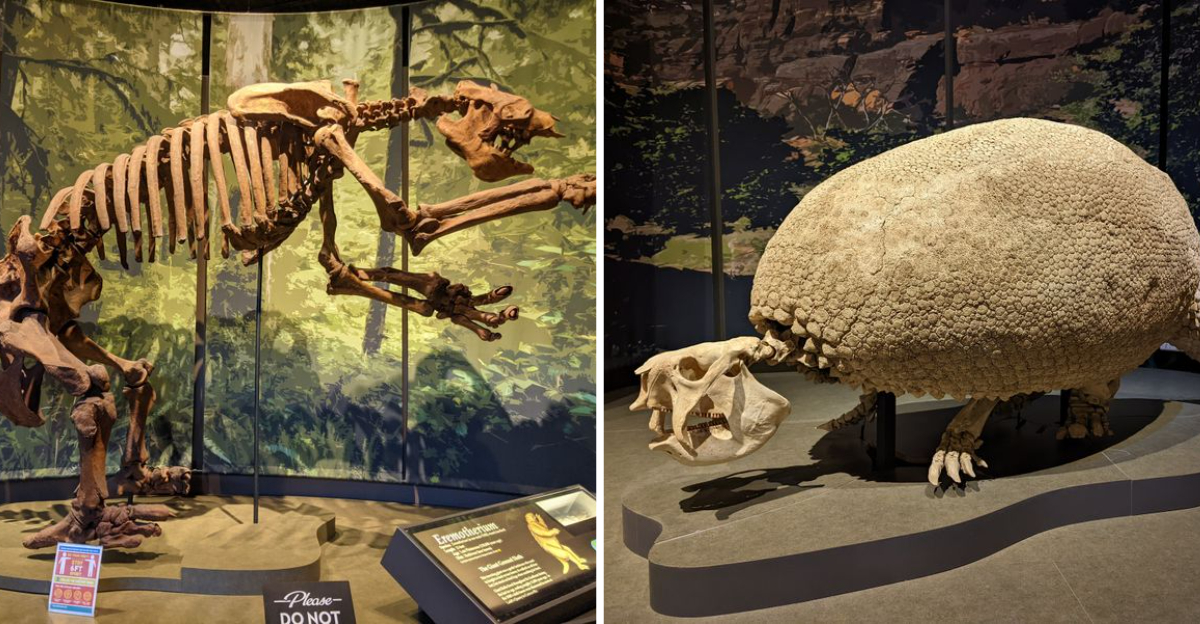
Have you ever dreamed of uncovering ancient fossils or discovering sparkling gems with your own hands? At Tellus Science Museum in Cartersville, Georgia, that sense of adventure becomes reality the moment you walk through the doors.
This world class destination blends hands on discovery with fascinating exhibits that make science feel exciting for all ages. Visitors can dig for real fossils, pan for gemstones, and explore galleries filled with dinosaurs, minerals, and space artifacts that spark curiosity at every turn.
The experience feels equal parts educational and thrilling, inviting families, students, and lifelong learners to connect with Earth’s history in a tangible way.
Whether you are fascinated by prehistoric life or captivated by glittering crystals, Tellus delivers an unforgettable journey that turns learning into pure exploration and leaves you eager to uncover even more.
1. Dig for Real Fossils in the Fossil Gallery
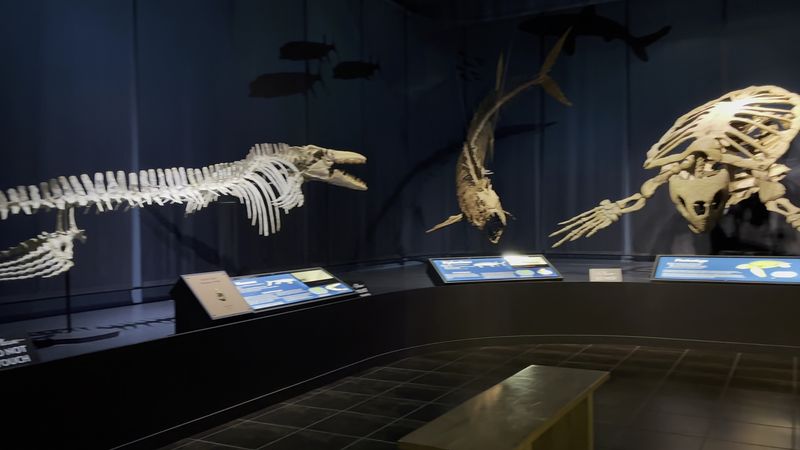
Imagine brushing away sand and dirt to reveal a piece of history millions of years old. The Fossil Gallery gives you that exact thrill. You’ll find yourself at 100 Tellus Drive, Cartersville, GA 30120, ready to become a paleontologist for the day.
Real fossils wait beneath the surface in specially prepared dig sites. You’ll use actual tools that scientists use in the field. Each discovery feels like winning a treasure hunt, and the best part is that experts are nearby to help identify what you’ve found.
Kids and adults alike get completely absorbed in this activity. The experience teaches patience and observation skills without feeling like a classroom lesson. You might uncover ancient sea creatures, plant impressions, or other prehistoric specimens that once lived in Georgia’s ancient oceans and forests.
2. Pan for Gems Like a Gold Rush Prospector
Water rushes through the sluice as you swirl your pan, searching for that perfect glint of color. Gem panning brings out the prospector in everyone who tries it.
You’ll receive a bag of mining rough filled with real gems and minerals. As you wash away the sediment, rubies, emeralds, sapphires, and other stones reveal themselves. The technique takes a few tries to master, but once you get the rhythm, it becomes addictive.
Each stone you find is yours to keep, making this more than just an activity. Children beam with pride when they discover their first gem. The experience teaches geology concepts while providing tangible rewards that sparkle long after your visit ends.
3. Explore the Planetarium’s Cosmic Shows
Stars surround you in every direction as the dome ceiling transforms into the night sky. The Bentley Planetarium offers one of the most immersive astronomical experiences in the Southeast.
Multiple shows throughout the day cover different topics, from black holes to constellations. The high-resolution projection system makes you feel like you’re floating through space. Comfortable reclining seats let you lean back and lose yourself in the cosmos without any neck strain.
Each presentation combines stunning visuals with fascinating facts narrated in ways that make complex concepts understandable. Young children enjoy the colorful planets and shooting stars. Older visitors appreciate the scientific accuracy and depth of information that sparks new questions about our universe and our place within it.
4. Walk Among Full-Size Dinosaur Skeletons
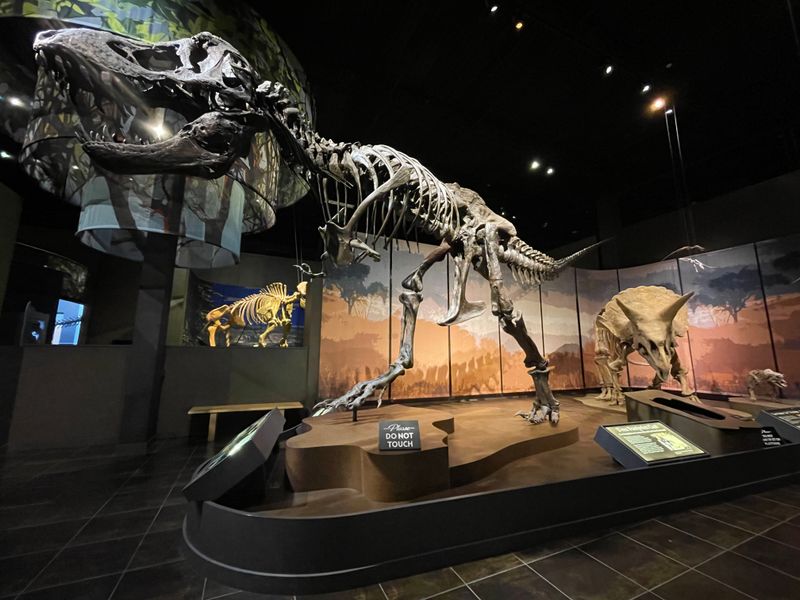
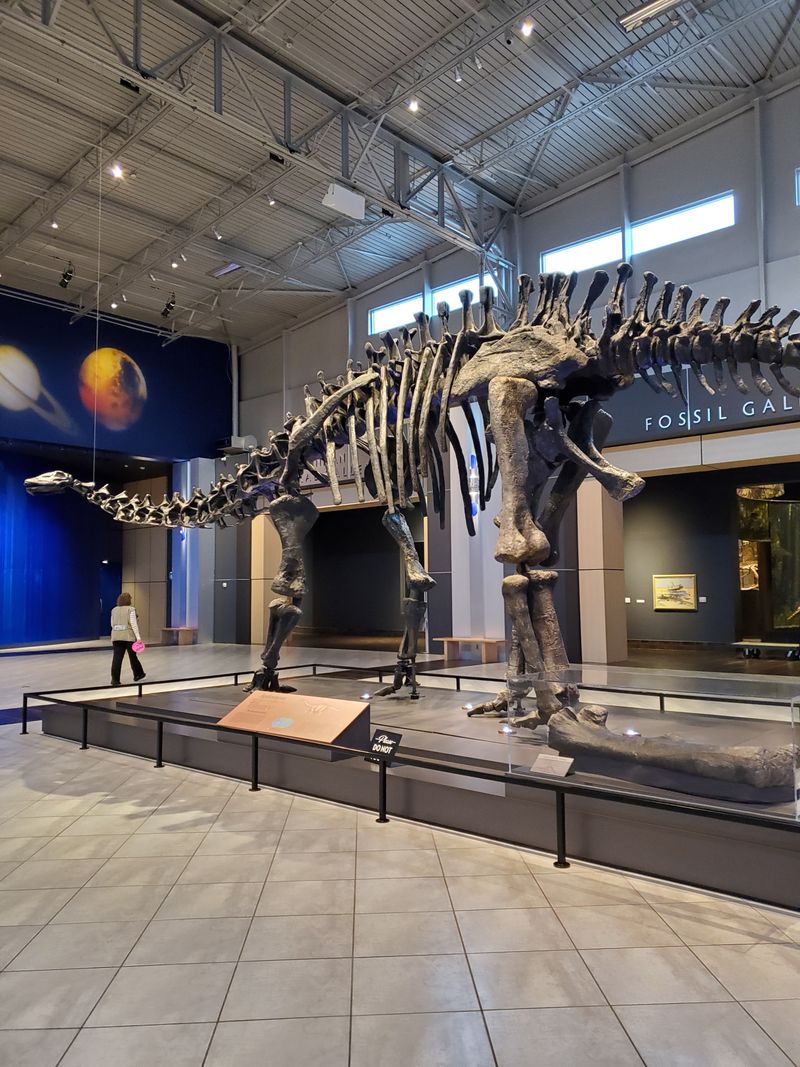
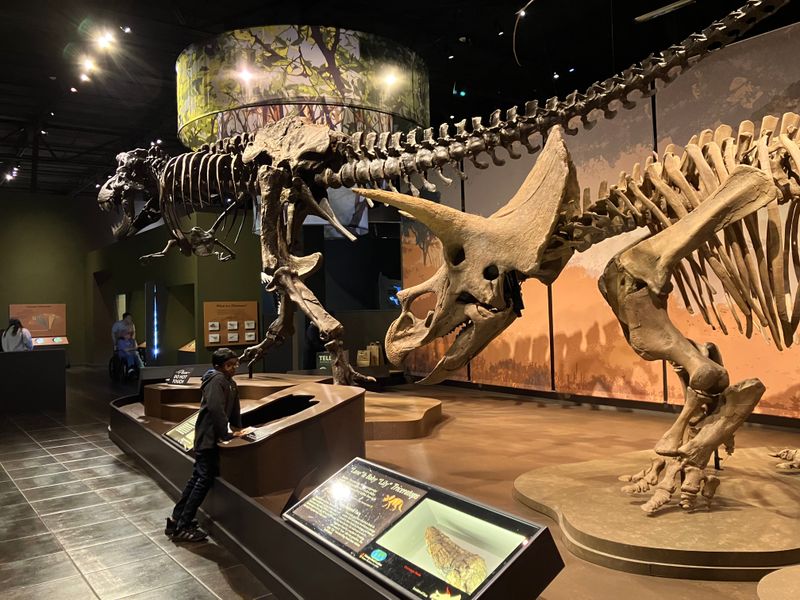
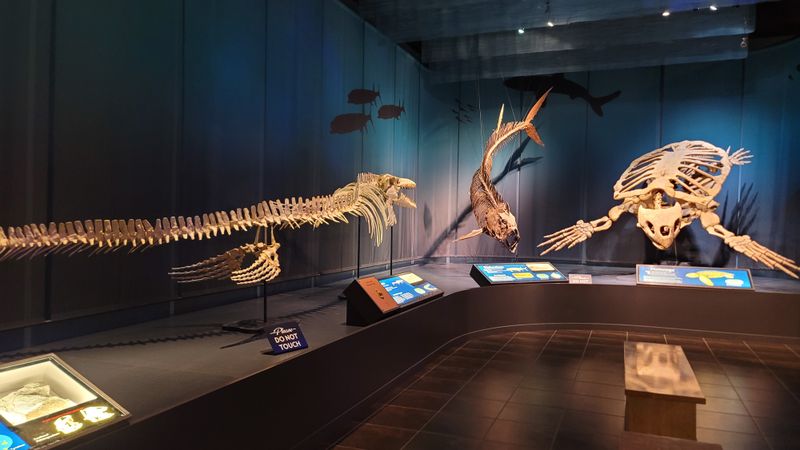
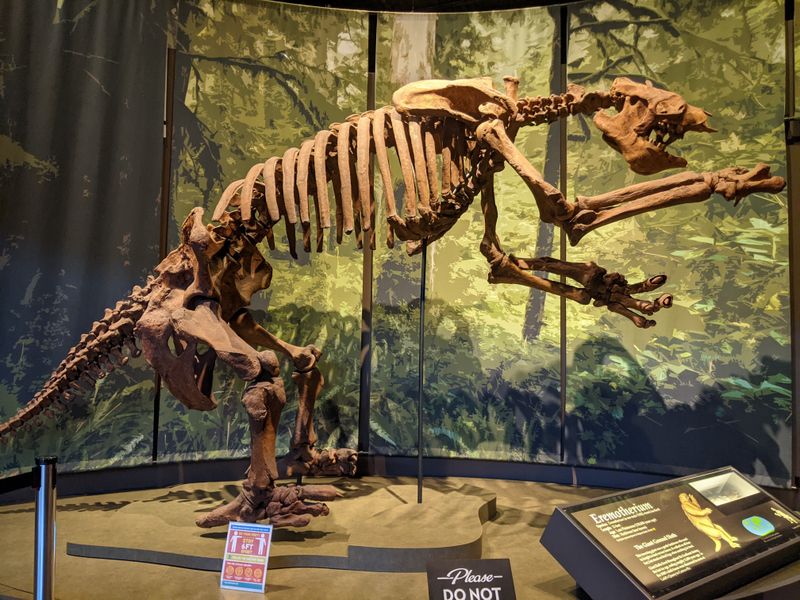
Nothing prepares you for the moment you stand beneath a Tyrannosaurus rex. The Fossil Gallery features complete dinosaur skeletons that tower overhead.
Each skeleton tells a story about life millions of years ago. Information panels explain how these creatures lived, what they ate, and how they moved. You can walk completely around most displays, seeing details from every angle that photographs never capture.
The scale of these ancient animals becomes real when you’re standing next to them. A child’s hand looks tiny next to a dinosaur’s foot bone. The experience changes how you think about Earth’s history and the incredible diversity of life that existed long before humans arrived on the scene.
5. Touch Real Mineral Specimens from Around the World
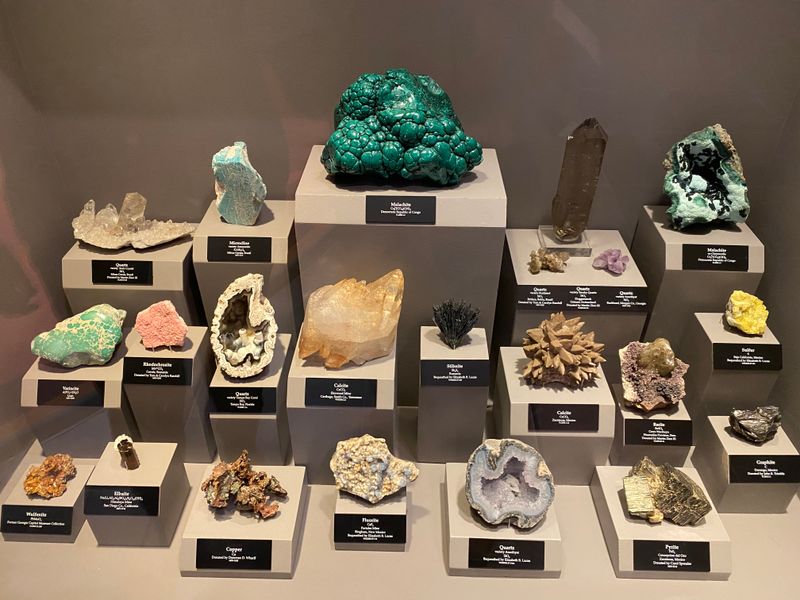
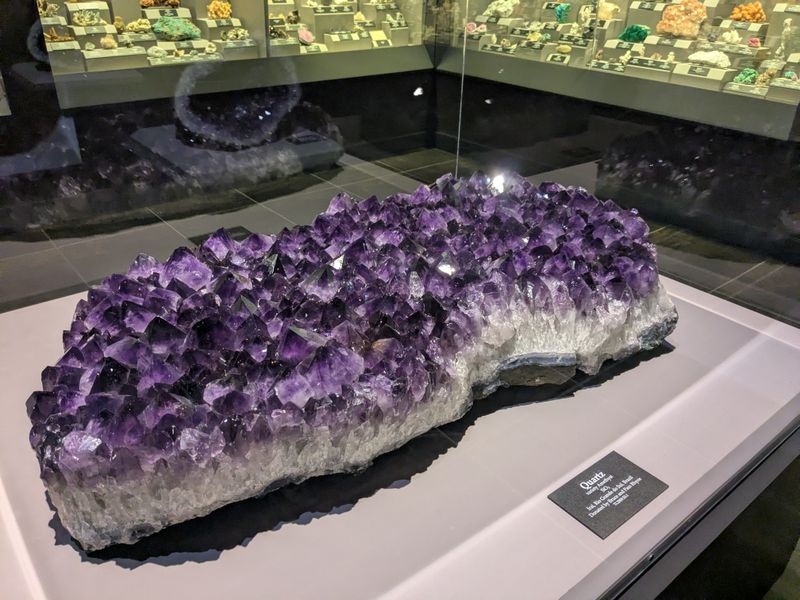
Your fingers trace the smooth surface of polished malachite, then move to the rough texture of raw quartz. The Collins Family My Big Backyard area features touchable specimens that bring geology to life.
Collections include minerals from Georgia and around the globe. You’ll see how the same element can form completely different crystals depending on conditions. Some specimens glow under ultraviolet light, revealing hidden colors that amaze everyone who sees them.
Labels explain where each mineral comes from and how it forms. You’ll learn to identify characteristics that distinguish one type from another. This tactile approach to learning sticks with you far better than just reading about minerals in books or looking at pictures on screens.
6. Experience Interactive Science Exhibits
Buttons beg to be pushed, levers wait to be pulled, and every corner invites exploration. The Science in Motion gallery turns physics and engineering into playground experiences.
Build structures, test their strength, and watch them succeed or fail. Race balls down different tracks to see how gravity and momentum work. Create tornados, experiment with sound waves, and manipulate light in ways that reveal scientific principles naturally.
Adults find themselves just as engaged as children in these activities. The exhibits don’t talk down to anyone but instead present challenges that work on multiple levels. You might spend hours here without realizing how much time has passed because learning feels like pure entertainment when it’s this interactive and immediately rewarding.
7. Discover Georgia’s Mining History
Georgia experienced its own gold rush decades before California’s famous stampede. The Weinman Mineral Gallery showcases this fascinating chapter of state history.
Authentic equipment used by Georgia miners lines the gallery walls. You can see the progression from simple panning techniques to more complex extraction methods. Historic photographs show mining communities that sprang up around discoveries, and personal stories bring these pioneers to life.
The exhibit connects past to present by showing how mining continues in Georgia today. You’ll understand why certain cities developed where they did and how geology influenced settlement patterns. This regional focus makes the content especially meaningful if you’re from Georgia or visiting to learn more about the state’s unique heritage.
8. Marvel at the Transportation Gallery
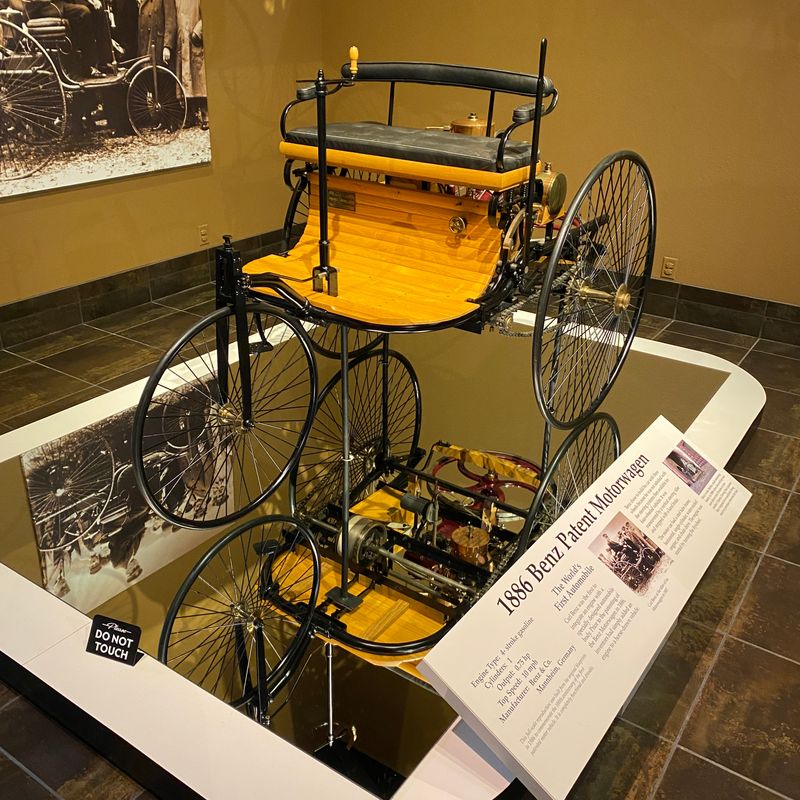
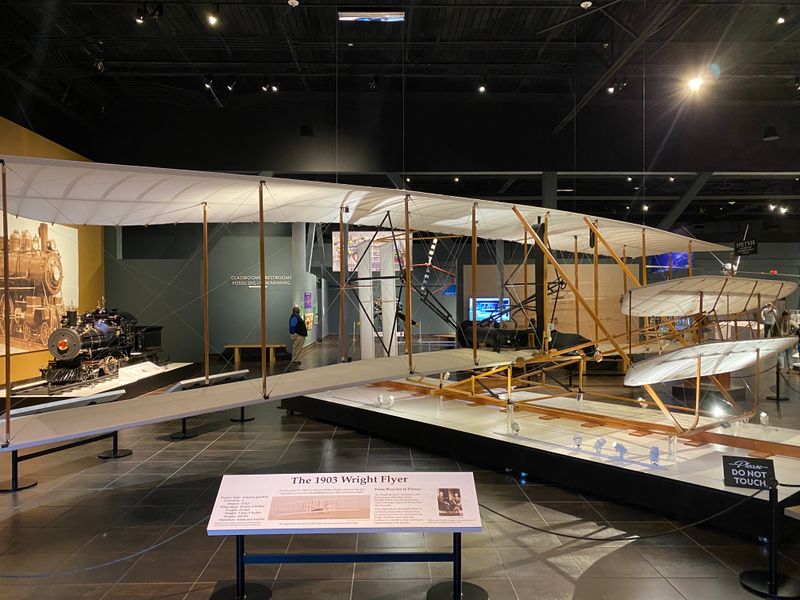
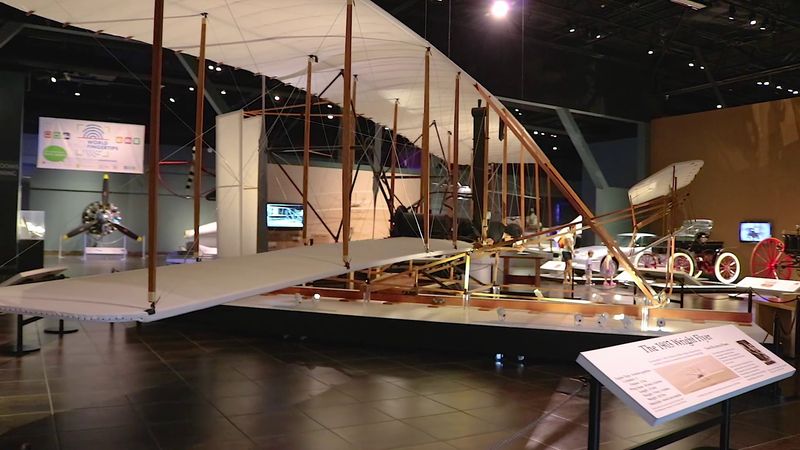
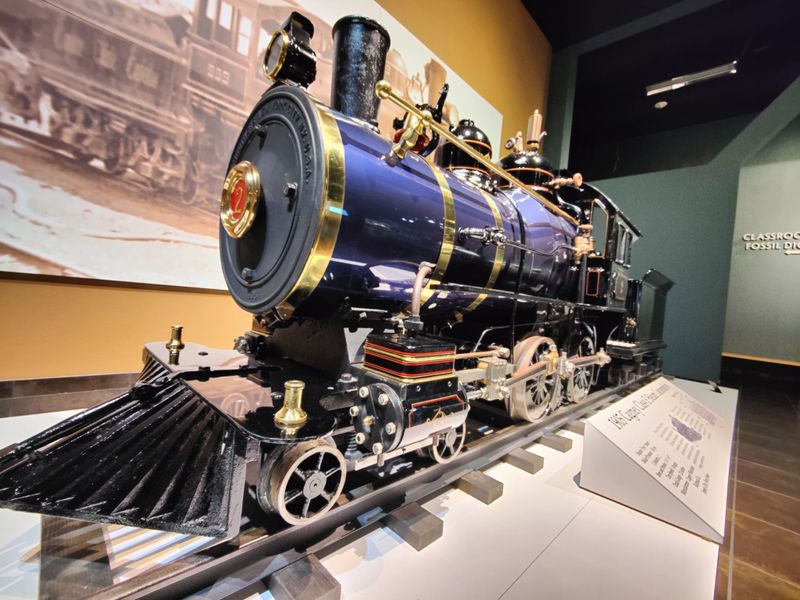
Classic cars gleam under spotlights while historic aircraft hang suspended overhead. The Transportation Gallery celebrates human ingenuity in motion.
Rare automobiles represent different eras of American manufacturing. You’ll see vehicles that were cutting-edge in their time, from early horseless carriages to mid-century muscle cars. Aircraft displays include both civilian and military examples, showing how aviation technology advanced rapidly.
Each vehicle has a story beyond its mechanical specifications. Information panels explain who drove or flew these machines and how they changed society. Car enthusiasts can spend hours admiring details and craftsmanship. Even those who aren’t particularly interested in vehicles find themselves drawn into the human stories of innovation, competition, and the constant drive to go faster and farther.
9. Learn in the Collins Family My Big Backyard
Little hands reach for everything in this specially designed space for younger explorers. The Collins Family My Big Backyard caters specifically to children under eight years old.
Climbing structures shaped like trees and rocks encourage physical activity while teaching about nature. Water play areas demonstrate basic physics concepts through splashing and pouring. Soft surfaces and rounded edges ensure safety while kids learn through touch and movement.
Parents appreciate having a space where their younger children aren’t overwhelmed by exhibits designed for older kids. Toddlers can explore at their own pace without worrying about breaking delicate displays. The area proves that science education can start early when presented in playful, accessible ways that respect how young children naturally learn through sensory experiences and active play.
10. Attend Special Events and Workshops
Regular programming extends far beyond permanent exhibits at this dynamic facility.
Past events have included robot building workshops, fossil identification classes, and astronomy nights with telescope viewing. Holiday-themed programs add festive twists to science education. Summer camps provide week-long immersive experiences for students who want more than a single-day visit.
These programs often require advance registration because they fill quickly. Instructors bring specialized expertise that goes beyond what standard exhibits can provide. You’ll gain skills and knowledge you can continue using at home. Many visitors plan return trips specifically around these special offerings, making the museum a place you can visit repeatedly without exhausting its educational possibilities.
11. Enjoy the Beautiful Museum Grounds
Science learning doesn’t stop at the building’s walls.
Walking paths wind through landscaped areas where you can spot local wildlife and native plants. Benches offer spots to rest and discuss what you’ve seen inside. The outdoor gem panning area operates seasonally, weather permitting, giving you fresh air while you search for treasures.
Families often bring picnic lunches to enjoy on the grounds before or after exploring exhibits. The setting provides a peaceful contrast to the stimulating indoor galleries. You’ll appreciate having outdoor space where kids can burn off energy if they get restless.
The grounds also make excellent spots for taking family photos with the distinctive museum architecture as your backdrop.
12. Visit the Museum Store for Educational Souvenirs
Your visit doesn’t have to end when you leave the galleries.
Mineral specimens, fossil replicas, and science experiment kits let you continue exploring at home. Books cover topics from dinosaurs to space exploration at various reading levels. Toys emphasize education without sacrificing fun, offering options that encourage curiosity rather than passive entertainment.
Many items connect directly to exhibits you’ve just seen, helping reinforce concepts while memories are fresh. Prices range from small impulse purchases to more substantial educational investments. Staff members know the inventory well and can suggest age-appropriate items. These aren’t generic tourist trinkets but thoughtfully selected products that support the museum’s educational mission while giving you lasting reminders of your experience.
13. Take Advantage of the Accessible Location
Getting to world-class science education proves surprisingly easy from many parts of Georgia.
The drive from Atlanta takes less than an hour in normal traffic. Ample free parking eliminates the stress of finding spots or paying meters. Clear signage guides you from the highway to the entrance without confusion.
This accessibility makes the museum perfect for day trips without requiring overnight stays. You can leave home after breakfast and return before dinner. The location also works well as a stop during longer road trips through Georgia. Teachers find the convenient access ideal for field trips that don’t consume entire school days with travel time.
The ease of reaching this facility means you’re more likely to visit multiple times rather than treating it as a once-in-a-lifetime destination.
14. Experience Affordable Family Entertainment
Quality science education doesn’t require breaking your budget.
One ticket provides access to all permanent galleries, giving you hours of exploration. Special discounts apply for students, seniors, and military families. Membership options offer unlimited visits and additional benefits if you plan to return multiple times throughout the year.
The museum regularly runs promotions and special admission days that make visits even more affordable. When you calculate the cost per hour of entertainment and education, it compares favorably to movies, theme parks, or other family activities. You’re not paying for passive entertainment but for hands-on experiences that create lasting memories and genuine learning. Many families report that their children talk about their museum visit for weeks afterward, making the investment pay dividends long after you’ve returned home.
15. Support STEM Education in Georgia
Your visit contributes to something larger than a single day of fun. Thousands of students visit annually through organized field trips that supplement classroom learning. Teacher resources and curriculum connections help educators maximize the educational impact of these visits. Outreach programs bring science education to schools that can’t easily travel to the museum.
By visiting and supporting this institution, you’re helping ensure these programs continue reaching students who might not otherwise have access to quality science education. The museum fills gaps in resources that many schools face.
Your admission fees and donations directly support programming that inspires the next generation of scientists, engineers, and informed citizens. That makes every visit both personally rewarding and socially valuable to Georgia’s educational landscape.