15 Dinner Table Rules From 1960s California That Would Shock Kids Today
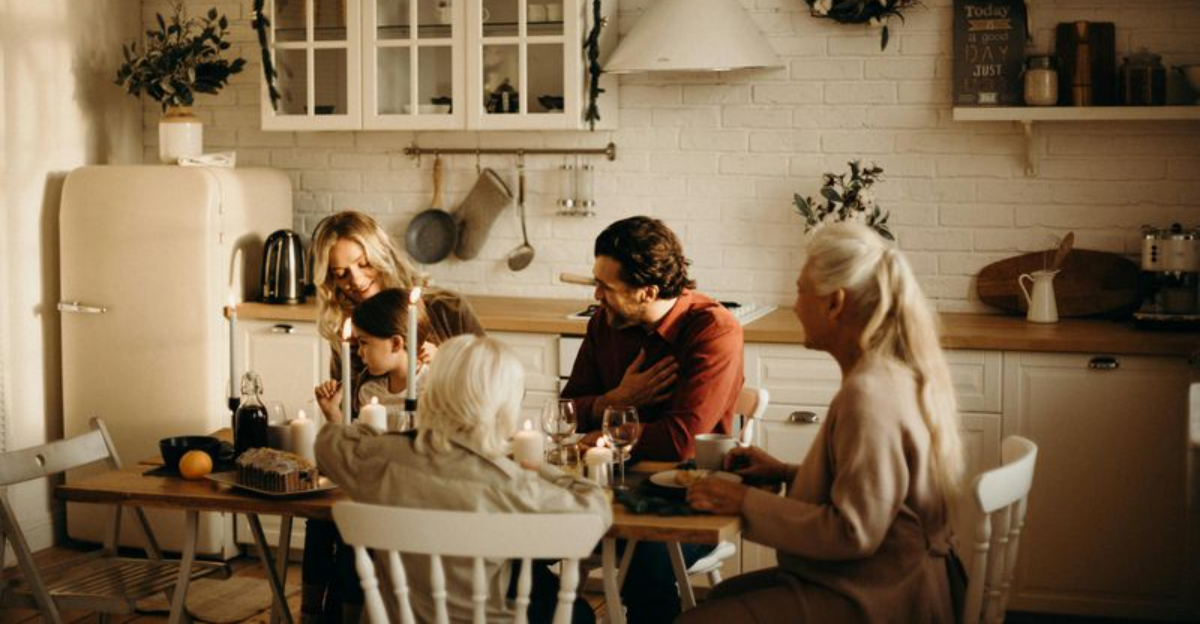
Family dinners in the sixties California weren’t casual gatherings but carefully structured rituals with rules everyone was expected to follow.
The dinner table was a place where discipline was practiced daily, manners were nonnegotiable, and children learned exactly where they stood in the family order.
Every movement, from when you sat down to how you held your fork, carried meaning and consequence.
What feels strict or even shocking today was once considered essential preparation for adulthood.
Parents believed that good table manners reflected good character, and dinner was the classroom where those lessons were taught.
There was no rushing meals, no talking out of turn, and certainly no ignoring the rules without consequences.
These nightly routines shaped how an entire generation understood respect, authority, and family life.
Looking back, the structure feels intense, but it also created shared experiences families still remember vividly.
Some rules feel outdated now, while others might make modern parents pause and reconsider.
This glimpse into sixties dinner tables reveals just how much family life has changed.
Once you read these rules, you may never look at a modern family dinner the same way again.
1. Standing Behind Chairs Until Parents Sat Down
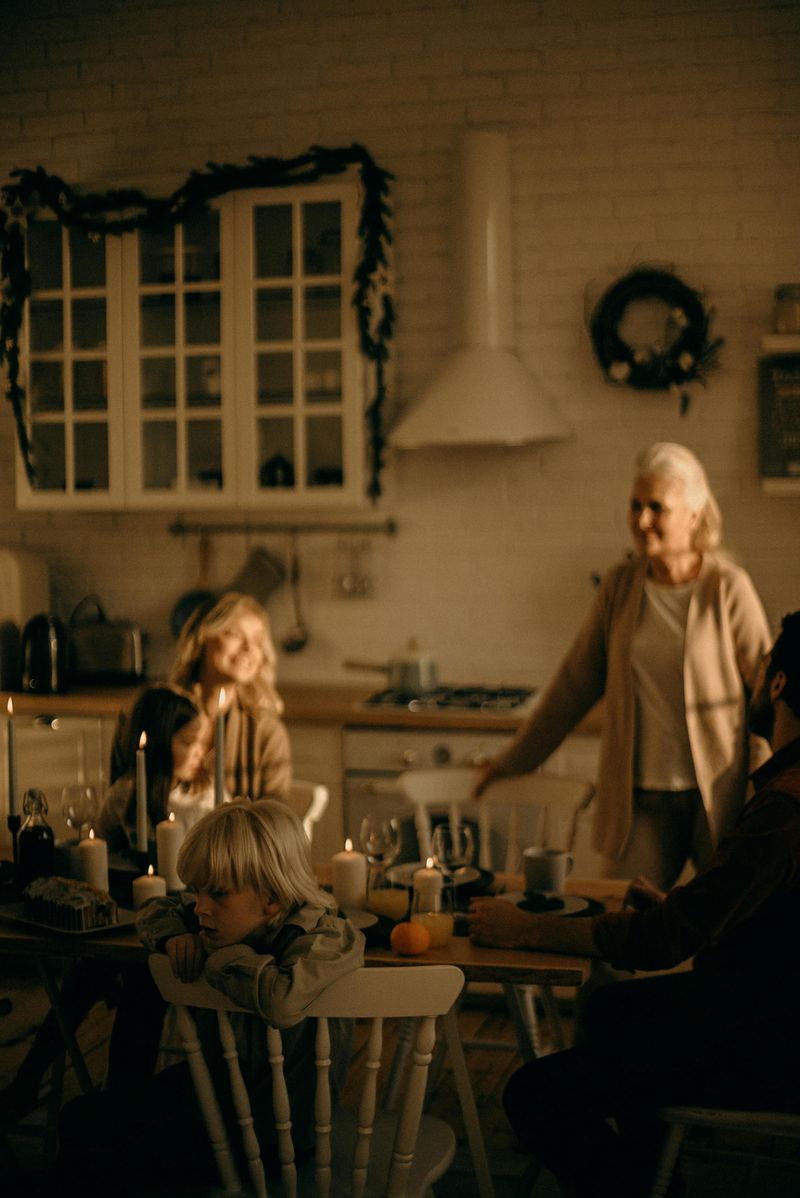
Children weren’t allowed to simply plop down when dinner was ready.
Instead, they stood quietly behind their assigned chairs, hands at their sides, waiting for both parents to arrive and take their seats first.
Only after the adults settled in could kids pull out their chairs and sit down.
The ritual taught patience and deference to elders in a very visible way.
Parents viewed it as essential training for respecting authority figures throughout life.
Some families even required children to help push in their mother’s chair before seating themselves.
Today’s kids would likely find this practice bizarre and unnecessarily formal.
Most modern families gather casually, with everyone sitting down as they arrive at the table.
The 1960s approach treated every dinner like a formal ceremony, emphasizing that children occupied a subordinate position.
Breaking this rule could mean eating dinner standing up or being sent away from the table entirely.
2. Immediate Napkin Placement On Lap
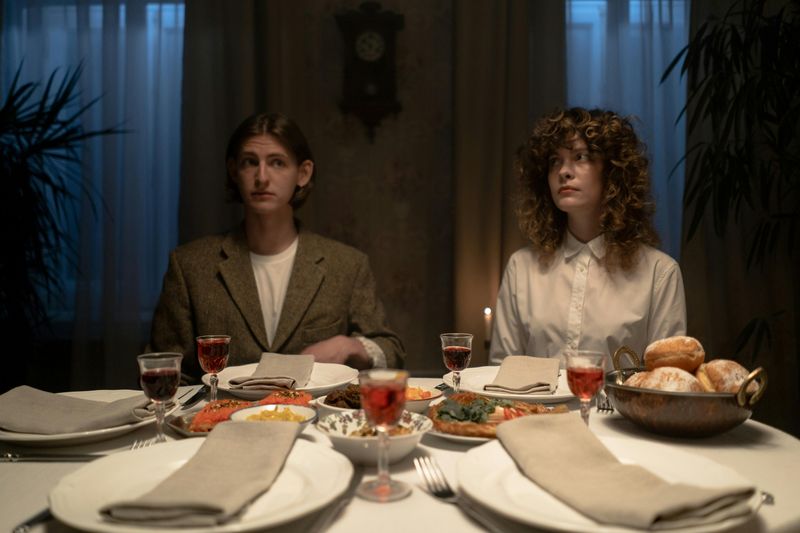
The moment everyone sat down, the first action was placing the cloth napkin onto your lap – not around your neck, not tucked into your collar, but neatly spread across your lap.
Paper napkins were less common, so families used fabric ones that required proper handling and care.
Forgetting this step would earn an immediate reminder from parents.
The napkin served as protection for clothing but also as a symbol of refinement and readiness to eat properly.
Children learned to dab their mouths gently rather than wiping aggressively.
At the meal’s end, the napkin was loosely folded and placed beside the plate, never wadded up or tossed carelessly.
Modern kids often skip napkins altogether or use paper towels without a second thought.
The 1960s emphasis on cloth napkins reflected both economic practicality and a commitment to maintaining certain standards.
Teaching children this habit was considered part of preparing them for adult social situations where proper etiquette mattered greatly.
3. Absolutely No Elbows On The Table
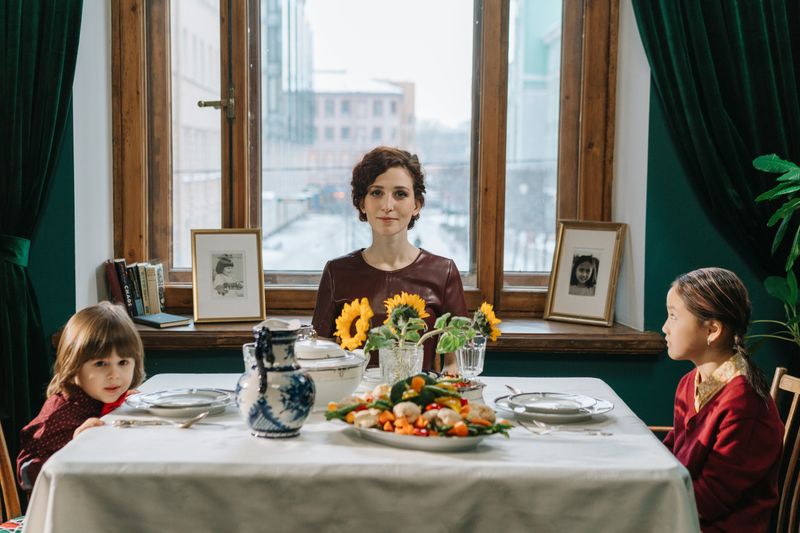
Resting elbows on the table ranked among the most commonly corrected infractions at 1960s dinner tables.
Parents vigilantly watched for this breach of etiquette, often delivering swift verbal corrections or even a gentle tap on the offending elbow.
Proper posture meant sitting up straight with hands in your lap when not actively using utensils.
The rule stemmed from longstanding etiquette traditions that associated elbows on the table with laziness and poor breeding.
Children who repeatedly violated this standard might face consequences ranging from lost dessert privileges to early bedtime.
The constant reminders helped ingrain the habit so deeply that many people from that generation still follow it automatically today.
Contemporary families tend to be far more relaxed about this particular rule.
While some parents still teach it, enforcement is generally much looser.
The 1960s approach left no room for casual slouching or comfortable leaning during meals, treating every dinner as an opportunity to practice formal dining skills.
4. Chewing With Your Mouth Firmly Closed
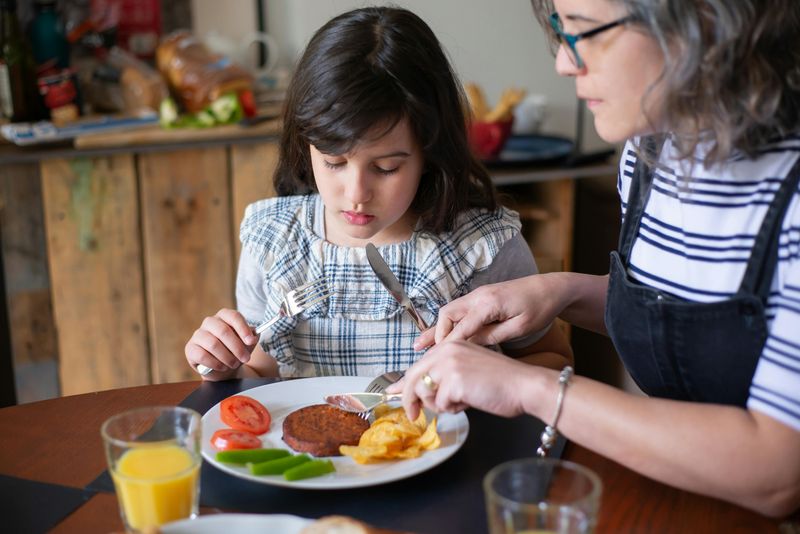
Open-mouthed chewing was absolutely forbidden and considered one of the most disgusting breaches of table manners.
Parents corrected this behavior immediately, sometimes stopping the entire meal to address the issue.
Children learned to take smaller bites and chew thoroughly with lips sealed, no matter how difficult that might be with certain foods.
The emphasis on this rule reflected concerns about appearing civilized and considerate to others at the table.
Nobody wanted to see partially chewed food or hear the sounds of someone smacking their lips.
Talking with food in your mouth was equally unacceptable and could result in being excused from the table.
While most parents today still teach this basic courtesy, the enforcement tends to be gentler and less consistent.
The 1960s approach treated it as a non-negotiable standard of human decency.
Children who struggled with the rule might be given smaller portions or softer foods until they mastered the technique, ensuring compliance through persistent training and correction.
5. Asking Permission To Be Excused

When children finished eating, they couldn’t simply get up and leave the table.
Instead, they had to formally ask permission with a phrase like “May I please be excused?” and wait for a parent to grant approval.
Even if a child had been sitting for what felt like hours, leaving without permission was considered incredibly rude.
The rule ensured that meals ended on parental terms rather than whenever kids felt bored or restless.
It taught children that family time together held importance beyond just consuming food.
Parents might deny the request if the child hadn’t eaten enough or if dessert was still coming.
Modern families rarely enforce such formal departure protocols, often letting kids leave when they finish eating.
The 1960s practice extended parental control over the entire dining experience from start to finish.
Some families even required children to ask permission before taking seconds or leaving to use the bathroom, creating an environment where adult authority was constantly reinforced and respected without question.
6. Never Reaching Across The Table
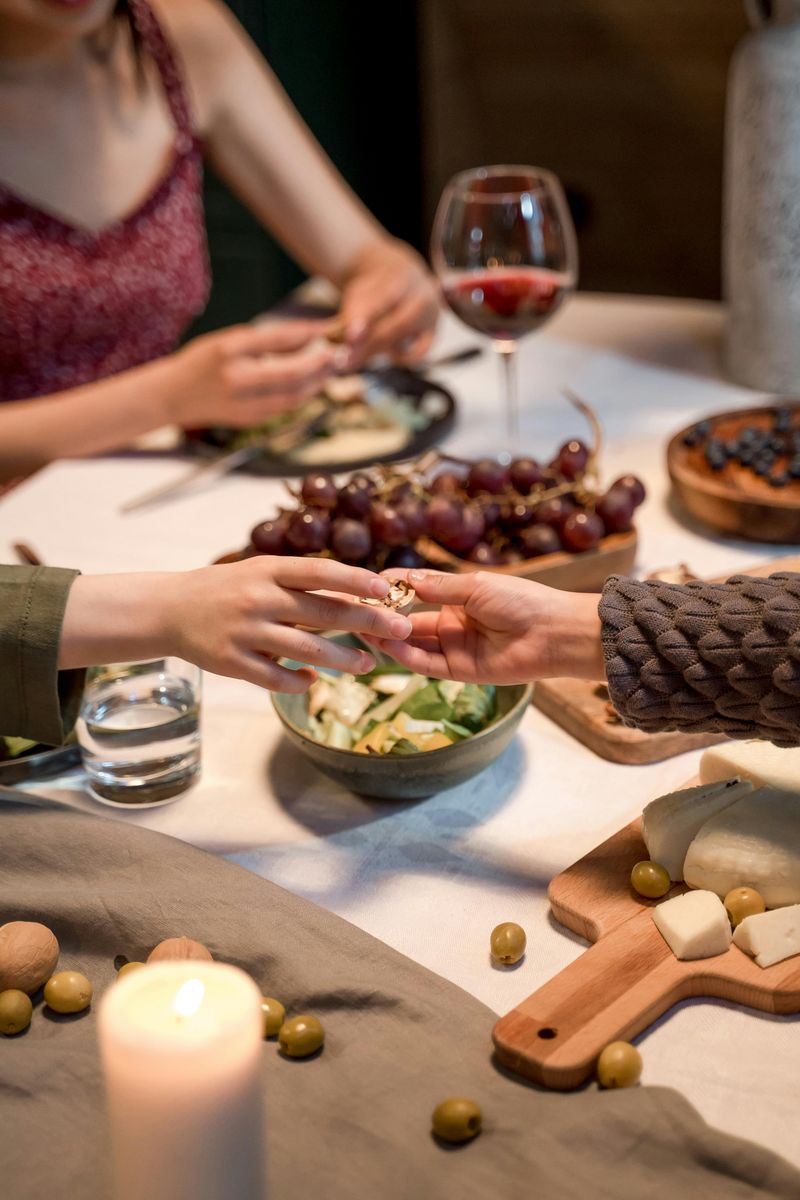
If you needed the salt, butter, or any other item beyond your immediate reach, you were expected to ask someone to pass it rather than stretching across the table yourself.
Reaching across violated personal space and disrupted the organized flow of the meal.
Children learned specific phrases like “Please pass the potatoes” rather than simply grabbing what they wanted.
The practice taught patience, politeness, and awareness of others at the table.
It also prevented accidental spills or knocked-over glasses that could result from careless reaching.
Parents modeled this behavior themselves, creating a culture where everything moved through deliberate, courteous exchanges rather than individual grabbing.
Today’s casual family dinners often feature plenty of reaching and grabbing without much thought.
The 1960s standard treated the dinner table as a space requiring careful navigation and constant consideration for others.
Teaching children to request rather than reach was seen as fundamental training for functioning in polite society throughout their lives.
7. Changing Into Formal Dinner Attire

Many 1960s California families required everyone to change out of play clothes or school attire before sitting down to dinner.
Boys might put on clean slacks and collared shirts, while girls changed into dresses or neat skirts and blouses.
The practice elevated dinner from a mere necessity to a special daily occasion worth dressing up for.
Parents believed that dressing nicely showed respect for the meal, the person who prepared it, and the family gathering itself.
Showing up in dirty or rumpled clothing suggested you didn’t value family time.
Some households even required hand and face washing inspections before anyone could approach the table.
Contemporary families typically eat dinner in whatever they’re already wearing, whether that’s work clothes, athletic wear, or casual loungewear.
The 1960s emphasis on changing clothes created extra work but reinforced the idea that family dinners deserved ceremonial treatment.
Children learned that certain occasions called for presenting yourself properly, a lesson parents hoped would serve them well in future job interviews and social situations.
8. Television Stayed Off During Meals
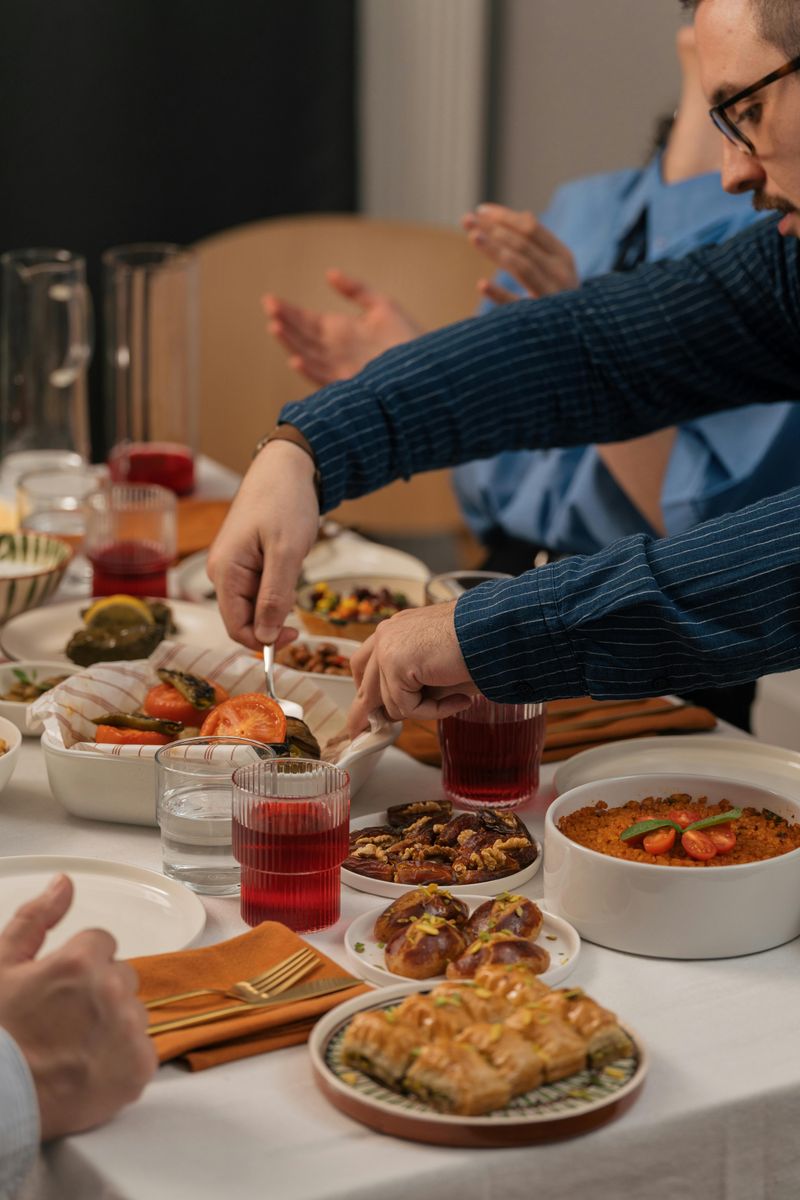
Even though television was becoming increasingly popular in 1960s households, most families maintained a strict rule against watching it during dinner.
The TV stayed off so family members could focus on conversation and each other rather than being distracted by programs.
Parents viewed this as essential for maintaining family bonds and teaching communication skills.
Dinner conversation typically covered everyone’s daily activities, upcoming plans, and current events.
Children were expected to participate appropriately and answer questions about school and friends.
The absence of electronic distractions meant everyone was mentally present at the table.
Today’s families often struggle with phone and screen distractions during meals, making the 1960s approach seem almost quaint.
Back then, the no-TV rule was nearly universal and rarely questioned.
Violating it by sneaking glances at a program or asking to turn it on could result in serious consequences.
The practice created dedicated family time that many people from that era remember fondly, even if they found it frustrating as children.
9. Proper Bread Breaking Etiquette
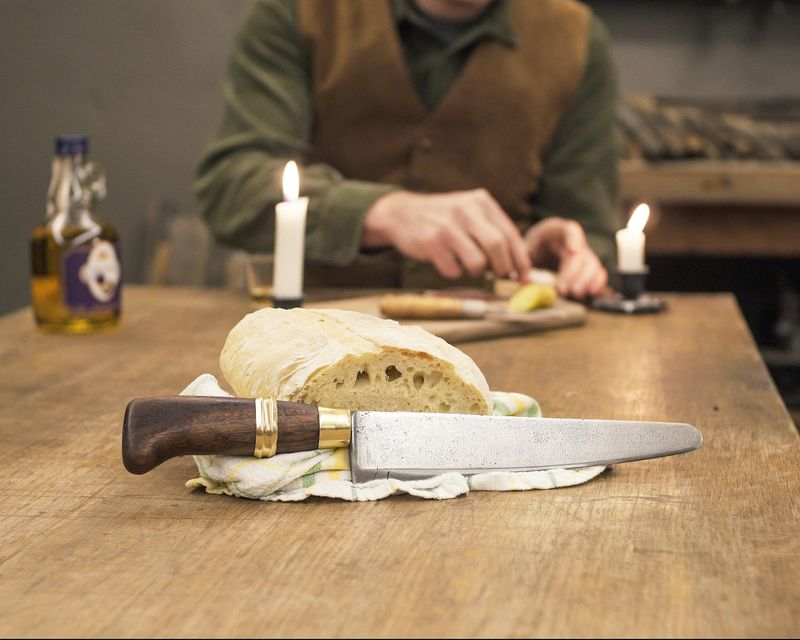
Bread came with its own set of elaborate rules that children had to master.
Rather than cutting bread with a knife or biting directly from a whole slice, proper etiquette required breaking off small, bite-sized pieces by hand.
Each piece was then buttered individually before eating, never buttering the entire slice at once.
The technique demonstrated refinement and attention to detail that parents considered markers of good breeding.
Rolls were broken in half first, then each half was further divided into smaller portions.
The butter knife had to be used correctly, spreading from a communal butter dish onto your bread plate first, then onto the bread itself.
Modern kids who encounter bread at dinner typically butter an entire slice at once or skip butter altogether.
The 1960s method was time-consuming but showed you understood sophisticated dining practices.
Parents patiently corrected improper bread handling throughout childhood, viewing it as preparation for formal dinners and restaurant meals where such skills would be expected and noticed by others.
10. Children Speak Only When Spoken To
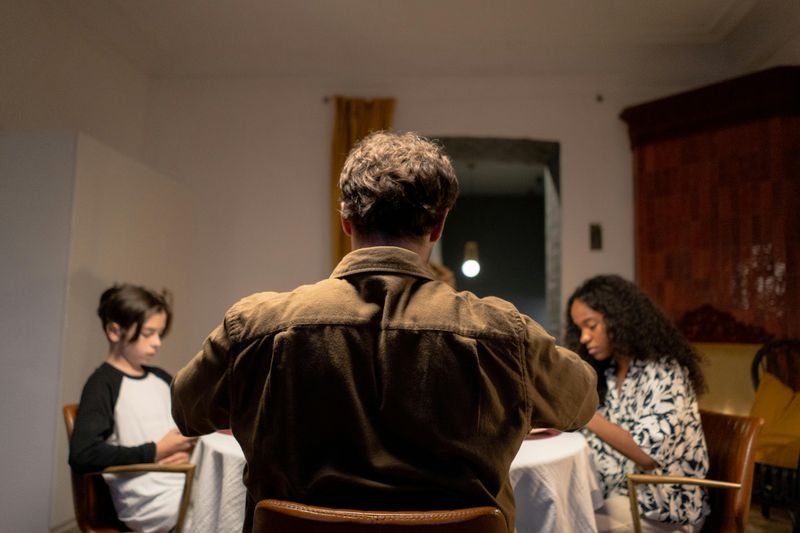
Many 1960s households followed the old adage that children should be seen and not heard, especially during dinner.
Kids were expected to sit quietly unless a parent or adult guest directly addressed them with a question or invited their input.
Interrupting adult conversation or offering unsolicited opinions could result in sharp reprimands or removal from the table.
The rule reflected broader cultural attitudes about children’s place in the family hierarchy.
Parents believed that kids needed to learn when speaking was appropriate and when silence was golden.
When children did speak, they were expected to use proper grammar and respectful tones, never casual slang or argumentative language.
Today’s parenting experts generally encourage children to participate actively in family conversations and express their thoughts freely.
The 1960s approach prioritized adult authority and conversation over child participation.
While it taught restraint and listening skills, it could also make children feel invisible or unimportant.
Parents from that era often express surprise at how much modern children talk during meals and offer opinions on adult topics.
11. Assigned Seating At Every Meal
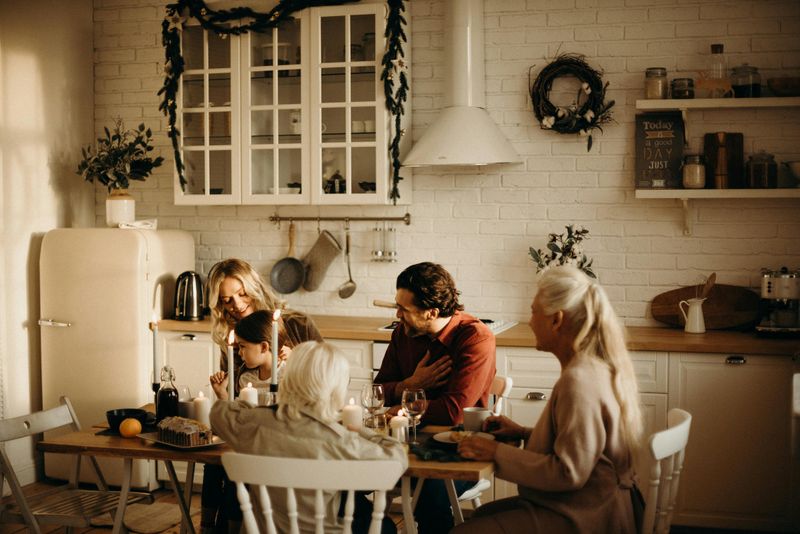
Every family member had their own designated spot at the dinner table, and nobody dared to sit anywhere else.
Dad typically claimed the head of the table, while Mom sat at the opposite end or nearby to easily access the kitchen.
Kids occupied the sides in order of age or parental preference, creating a clear visual representation of family structure.
Switching seats without permission could result in serious consequences.
The arrangement reinforced respect for authority and taught children their place within the household hierarchy.
Guests who visited for dinner would be assigned temporary spots that fit within the existing order.
Modern families rarely enforce such rigid seating arrangements, often letting everyone sit wherever feels comfortable.
Back then, your chair was your chair, meal after meal, year after year.
The practice created predictability but left little room for spontaneity or personal choice during family gatherings.
12. Finishing Everything On Your Plate
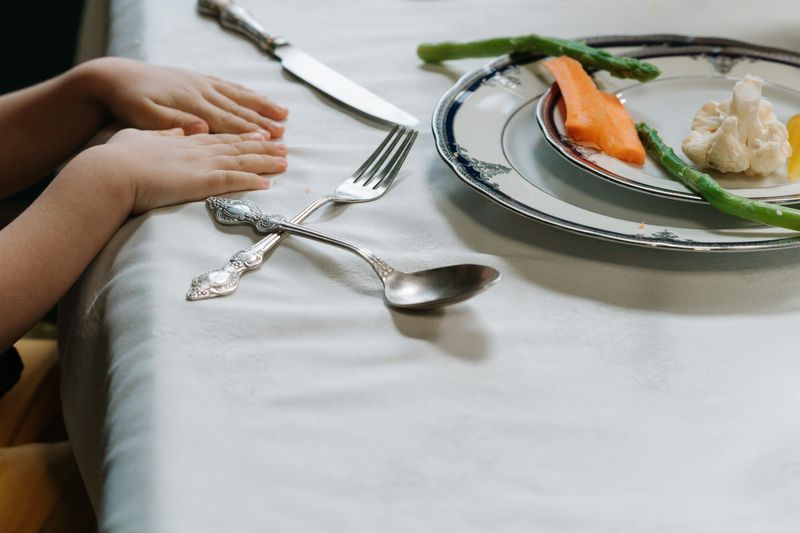
The “clean plate club” was a serious expectation in most 1960s California homes.
Children were required to eat everything served to them, regardless of personal preferences or actual hunger levels.
Leaving food on your plate was considered wasteful and disrespectful to the person who prepared the meal, often resulting in consequences like no dessert or having to sit at the table until everything was consumed.
Parents who had lived through the Depression or wartime rationing were especially strict about this rule.
They viewed wasting food as morally wrong and wanted to instill appreciation for having enough to eat.
Some families even made children eat cold leftovers from their plate at the next meal if they refused to finish.
Contemporary nutrition experts generally advise against forcing children to clean their plates, recognizing it can lead to unhealthy relationships with food.
The 1960s approach didn’t account for varying appetites or genuine food dislikes.
Many adults who grew up with this rule remember feeling sick from overeating or gagging down foods they truly despised, all in the name of good manners.
13. Proper Utensil Usage And Placement
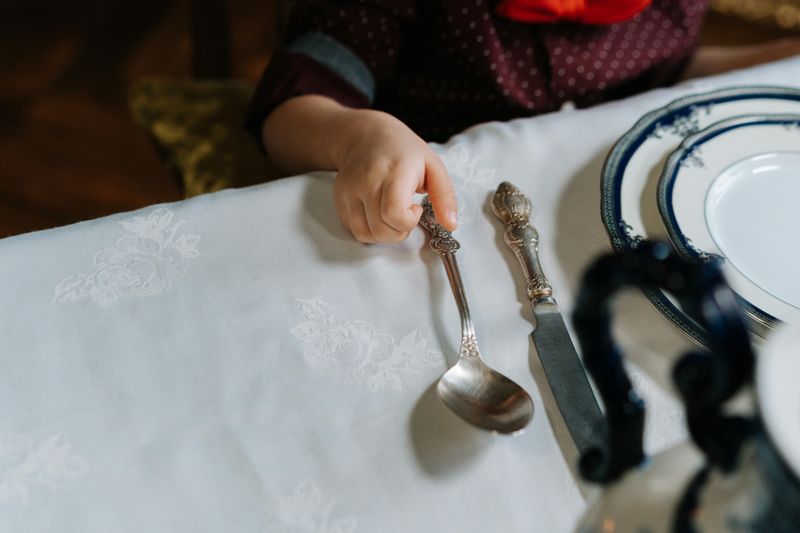
Children learned elaborate rules about which utensils to use for different foods and how to hold them correctly.
Forks belonged in the left hand with tines down when cutting, while knives stayed in the right hand.
When resting between bites, utensils had to be placed on the plate in specific positions, never just laid on the table.
The European style of keeping both utensils in hand throughout the meal was taught in some households, while others preferred the American style of switching the fork to the right hand after cutting.
Either way, proper technique was non-negotiable.
Using the wrong fork for salad versus the main course could earn corrections from vigilant parents.
Most modern families use minimal utensils and rarely worry about proper holding techniques or placement signals.
The 1960s emphasis on utensil etiquette prepared children for formal dining situations they might encounter as adults.
Parents believed that knowing how to handle silverware correctly was a class marker that could open or close social and professional doors throughout life.
14. No Complaining About The Food

Expressing dislike for the food served was absolutely forbidden in most 1960s households.
Children were expected to eat what was prepared without commentary, complaints, or faces showing disgust.
Saying something like “I hate this” or “This is gross” would be considered shockingly rude and could result in immediate punishment or being sent away from the table hungry.
The rule taught gratitude and respect for the cook’s efforts, usually the mother who had spent considerable time preparing the meal.
Parents believed that children needed to learn they weren’t the center of the universe and couldn’t always get their preferred foods.
If you genuinely couldn’t eat something, you were expected to quietly leave it on your plate and eat everything else without drawing attention to your dislike.
Today’s parents often accommodate children’s food preferences or at least allow them to express dislikes politely.
The 1960s approach left no room for individual taste preferences or honest feedback about meals.
Many people who grew up with this rule remember silently choking down foods they detested while maintaining a neutral expression.
15. Waiting Until Everyone Finished Before Clearing
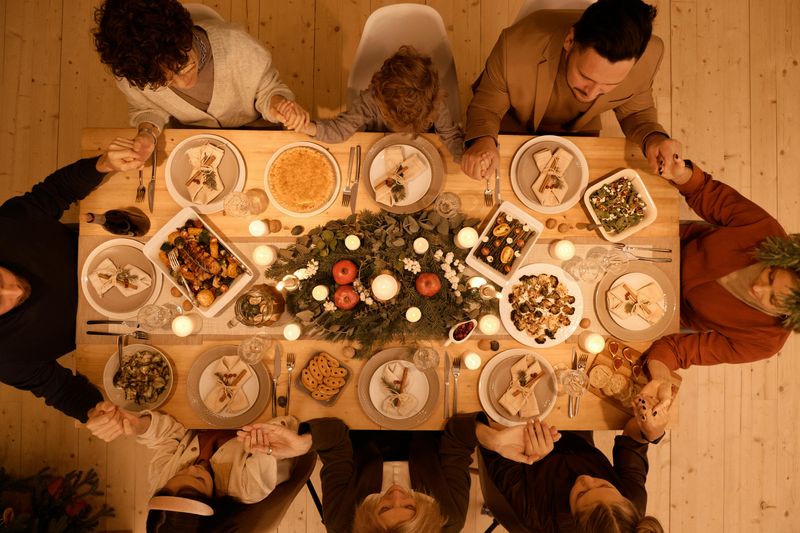
Even after individuals finished eating and received permission to be excused, they often had to remain seated until everyone completed their meal.
Clearing your own plate while others were still eating was considered rude because it suggested impatience or disrespect for those still dining.
The entire family stayed together at the table until the meal officially concluded.
Parents used this time to continue conversations and reinforce the idea that meals were about family togetherness, not just consuming food efficiently.
Children who fidgeted or showed boredom during this waiting period faced corrections about patience and proper behavior.
Some families allowed quietly sitting with hands folded, while others expected continued participation in conversation.
Modern families rarely require everyone to stay seated once individuals finish eating, especially if the meal is dragging on.
The 1960s practice could feel interminable to children who ate quickly, forcing them to sit idle while slower eaters continued.
However, it did ensure that no one felt rushed through their meal and that family time extended beyond just the eating portion of dinner, creating a more communal experience.