Discover The Best Of North Carolina’s Smoky Mountains
North Carolina’s side of the Smoky Mountains holds secrets that even seasoned travelers often miss. Mist-shrouded peaks rise above ancient forests, where black bears roam freely, and waterfalls tumble over moss-covered rocks. Hidden trails lead to ghost towns frozen in time, abandoned cabins, and historic fire towers that reward the brave with jaw-dropping panoramic views.
Cozy mountain towns spill with local charm, rivers invite quiet paddling adventures, and wildlife encounters feel like something out of a nature documentary.
From sunrise hikes that bathe the valleys in golden light to starlit nights above the tree line, this mountain paradise offers experiences that feel completely removed from everyday life, and unforgettable memories around every bend.
1. Clingmans Dome: The Rooftop Of The Smokies
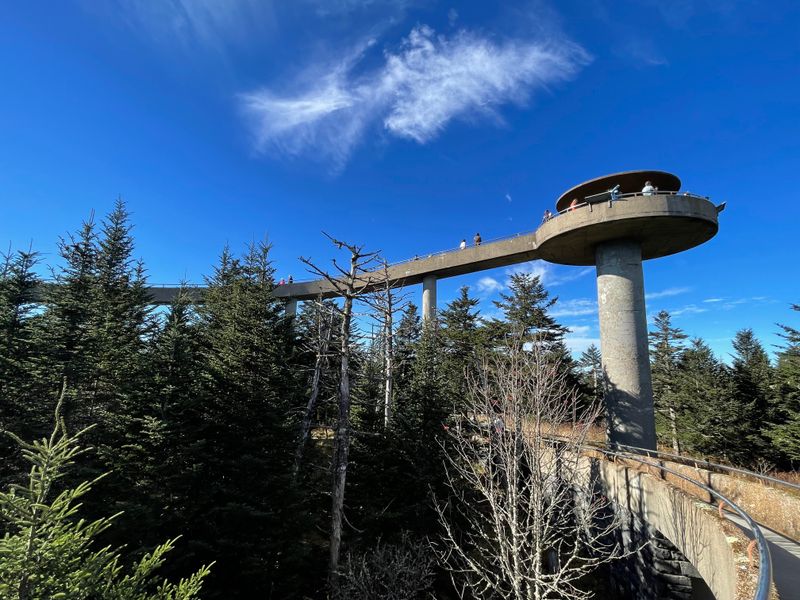
Standing at 6,643 feet, this peak commands the skyline like a natural throne. A half-mile paved trail winds upward to an observation tower that resembles a spaceship perched on the mountaintop. From this vantage point, you can see up to 100 miles on clear days, with layers of blue-hazed ridges stretching endlessly.
Sunrise transforms the landscape into a sea of golden fog that pools between valleys. The air feels thinner here, crisp and cool even during summer months. Parking fills quickly after 10 AM, so early birds claim the best spots without the crowds.
Winter closes the access road, but determined hikers can still trek to the summit. The tower itself spirals upward in a concrete ramp, making it wheelchair accessible. Sunset paints the sky in shades of orange and purple that photographers dream about capturing.
2. Laurel Falls Trail: Waterfall Magic For Everyone
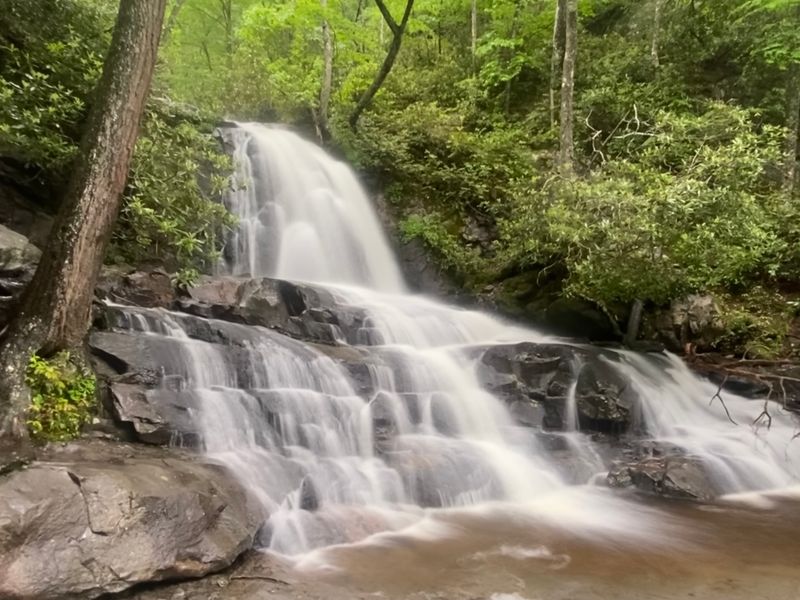
This 2.6-mile round-trip path proves that stunning waterfalls don’t require expert hiking skills. The paved trail welcomes families, strollers, and anyone who thought mountain adventures weren’t for them. An 80-foot cascade tumbles over layered rock formations, creating a natural amphitheater of sound and spray.
Photographers stake out positions on the viewing platform, capturing rainbows that dance in the mist. The lower section of the falls crashes into a shallow pool before continuing downhill. Spring brings peak water flow when snowmelt swells the cascade into a thundering spectacle.
Wildflowers bloom along the trail edges from April through June, adding splashes of color. The path can get icy in winter, transforming the waterfall into frozen sculptures. Arrive before 9 AM to avoid the midday crowds that pack the parking area.
3. Elkmont Ghost Town: Echoes Of Mountain History
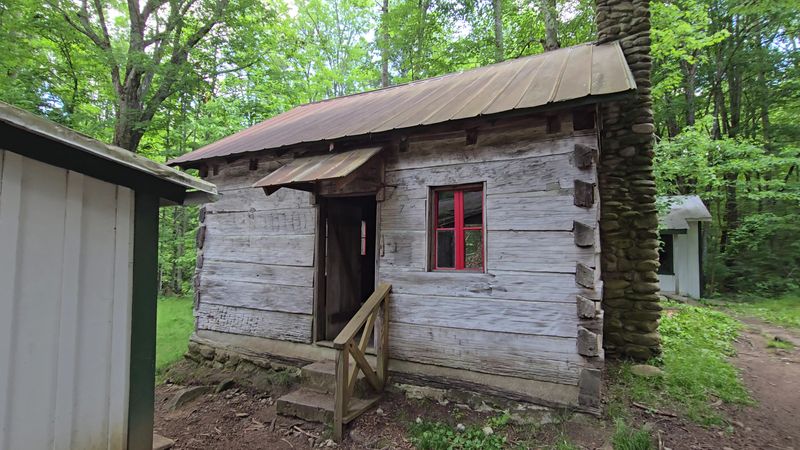
Abandoned cabins stand silent among towering hemlocks, their windows empty and porches sagging. Once a bustling logging camp and exclusive resort community, Elkmont now serves as a haunting reminder of mountain life. Moss creeps up weathered siding while nature slowly reclaims what humans built decades ago.
The Appalachian Clubhouse still stands, though faded and fragile, telling stories of wealthy families who summered here. Walking among these structures feels like stepping through a time portal into the 1920s. Photographers find endless compositions in the decay and beauty coexisting.
Fireflies perform their famous light show here each June, creating a magical natural phenomenon. The Little River flows nearby, adding peaceful water sounds to your exploration. Park historians have preserved several buildings, offering glimpses into Appalachian architecture and social history.
4. House Of The Fairies: A Moss-Covered Secret

Tucked along the Twin Creeks Trail sits a stone structure that looks plucked from a storybook. Moss blankets every surface in emerald velvet, transforming ordinary rocks into something enchanted. Nobody knows exactly who built this mysterious dwelling or why, adding to its mystical appeal.
The small stone building measures just a few feet across, perfectly sized for mythical creatures. Sunlight filters through the canopy, creating dappled patterns on the moss-covered walls. Visitors leave small tokens and trinkets, turning it into an unofficial shrine to imagination.
Children delight in the fairy-tale atmosphere, inventing stories about magical inhabitants. The surrounding forest amplifies the otherworldly feeling with ancient trees and trickling streams. It’s a short walk from the main trail, making it accessible for most fitness levels and ages.
5. Wesser Bald Fire Tower: 360 Degrees Of Mountain Glory
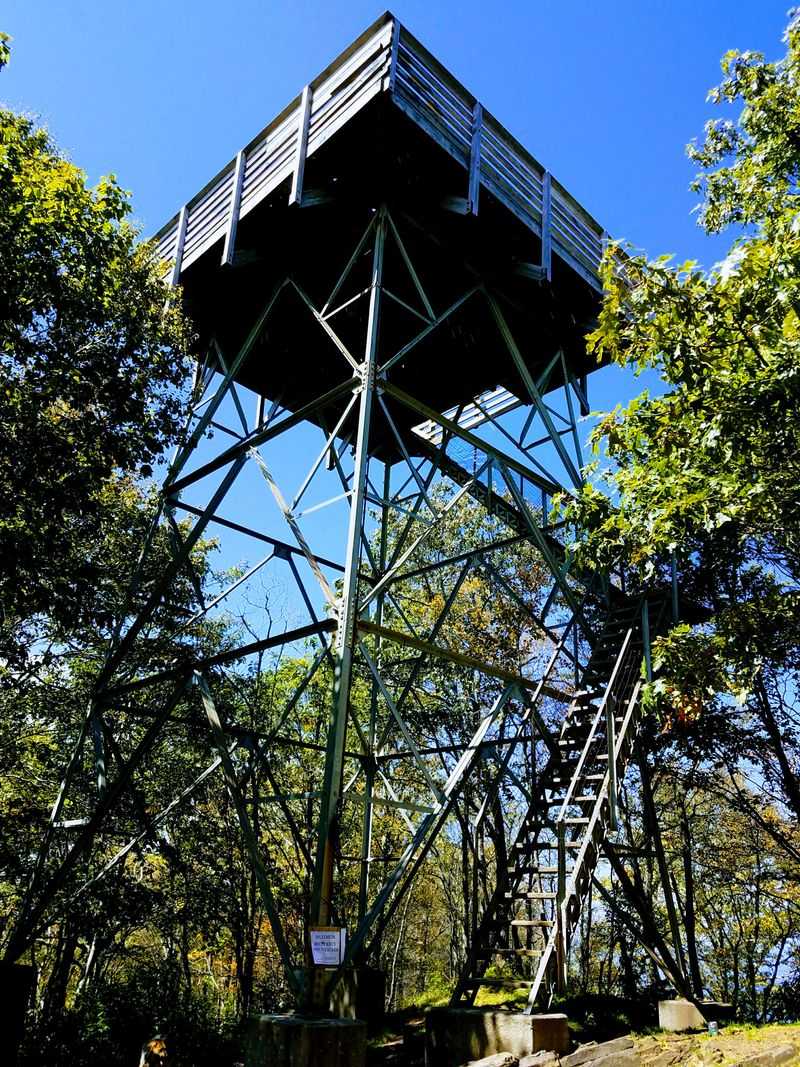
Climbing the wooden steps of this historic fire tower rewards hikers with panoramic views that steal your breath. The 1.5-mile trek from Tellico Gap follows a section of the famous Appalachian Trail. Moderate elevation gain makes this achievable for most hikers without extreme difficulty.
From the tower platform, the Nantahala Mountains stretch southward while Smoky peaks dominate the northern horizon. On clear days, you can identify landmarks across four different mountain ranges. The wooden structure creaks slightly in the wind, adding character to the experience.
Wildflowers carpet the trail in spring, while fall brings fiery foliage that rivals any postcard. The tower itself dates back to when fire spotters kept watch over these forests. Pack water and snacks, as there are no facilities along this remote section of trail.
6. Fontana Lake: North Carolina’s Deepest Waters
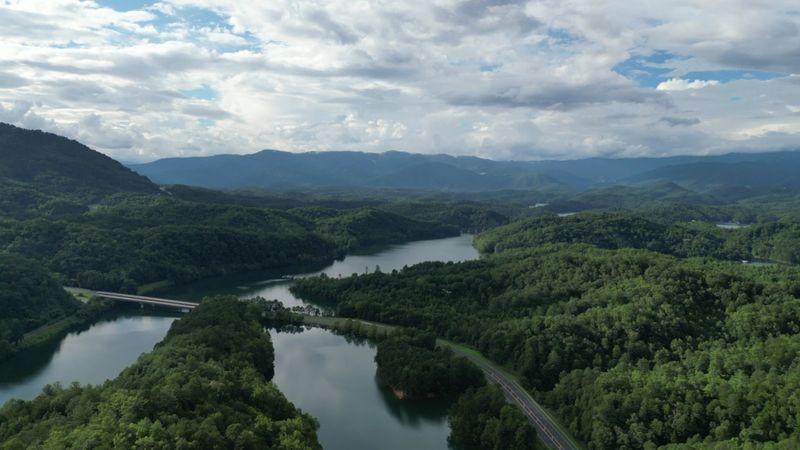
Created by the massive Fontana Dam, this lake plunges to depths of 440 feet in places. Its serpentine shape follows former river valleys, creating countless coves and inlets to explore. Boaters discover hidden corners where civilization feels miles away, though you’re still within park boundaries.
The crystal-clear water reflects surrounding mountains like a massive mirror on calm days. Fishermen chase smallmouth bass, walleye, and muskie in these productive waters. Kayakers paddle past steep hillsides where waterfalls tumble directly into the lake during spring runoff.
The remote Hazel Creek area becomes accessible only by boat, offering backcountry camping experiences. Swimming spots abound, though the water stays refreshingly cold year-round from its depth. Fontana Village Marina provides boat rentals, supplies, and local knowledge for planning your aquatic adventures.
7. Roaring Fork Motor Nature Trail: A Scenic Step Back In Time
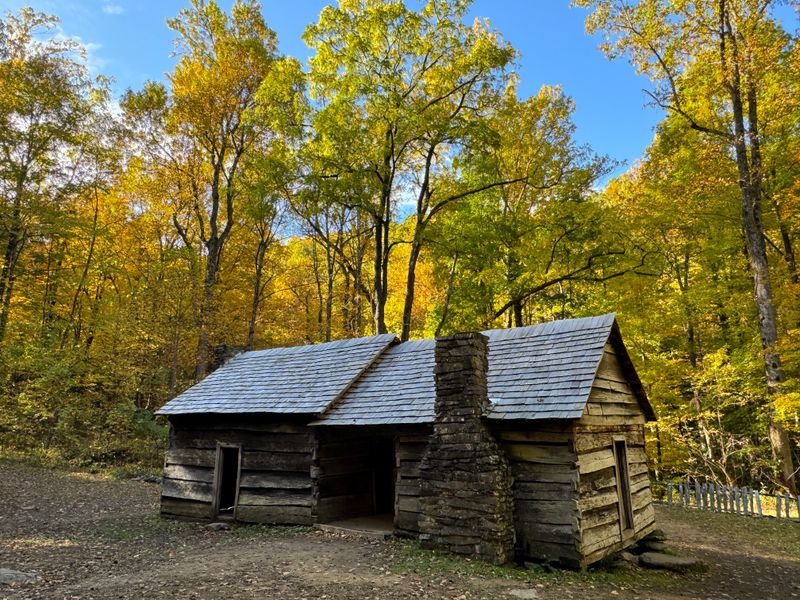
This 5.5-mile one-way loop transports drivers through preserved mountain homesteads and rushing streams. Historic log cabins dot the roadside, their hand-hewn logs and stone chimneys showcasing Appalachian craftsmanship. Each structure tells stories of families who carved out lives in these steep hollows.
The narrow, winding road follows Roaring Fork Creek as it tumbles over boulders. Several pull-offs provide access to short trails leading to waterfalls and historic sites. Old-growth hemlock and tulip poplar trees tower overhead, creating a natural cathedral atmosphere.
The Place of a Thousand Drips features water seeping from rock faces along the roadside. Spring brings rushing water and blooming wildflowers, while fall transforms the canopy into flame colors. The road closes in winter, typically from November through mid-March depending on conditions.
8. Art Loeb Trail: A Backcountry Challenge Worth Taking
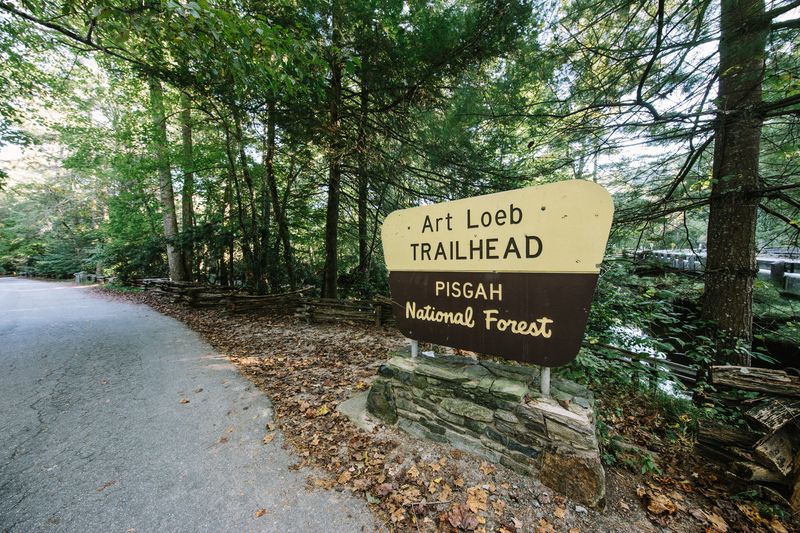
Stretching 30.1 miles through Pisgah National Forest, this trail tests even experienced hikers. Named after a conservationist who fought to preserve these mountains, it traverses some of North Carolina’s most dramatic terrain. Black Balsam Knob and Tennent Mountain rank among the highlights along this challenging route.
Open balds offer 360-degree views typically reserved for much taller peaks. The trail climbs steeply in sections, rewarding effort with vistas that seem to stretch forever. Rhododendron tunnels provide shade and stunning blooms in June, creating natural archways over the path.
Backpackers typically complete the trail in three to four days, camping at designated sites. Day hikers can tackle shorter sections for a taste of the experience without full commitment. Weather changes rapidly at higher elevations, so pack layers even during summer months.
9. Deep Creek: Waterfalls And Tubing Adventures
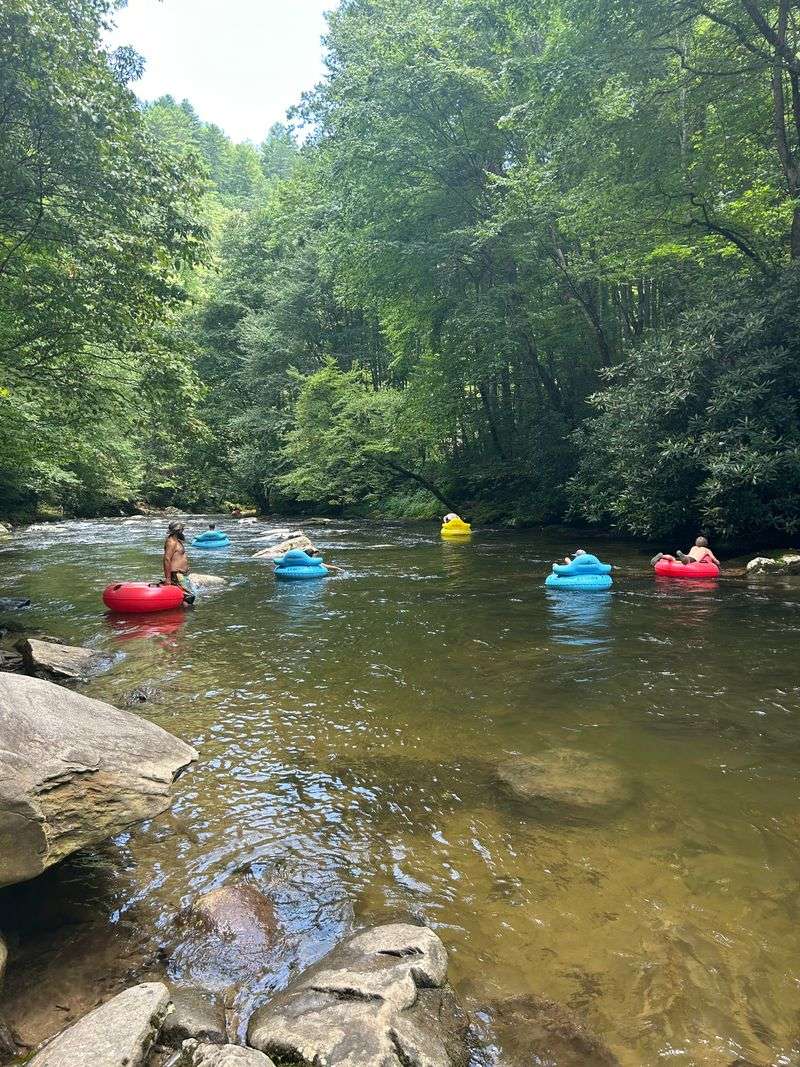
Three waterfalls within easy hiking distance make Deep Creek a family favorite. Juney Whank Falls, Tom Branch Falls, and Indian Creek Falls each offer unique beauty and photo opportunities. The trails connecting them wind through rhododendron thickets and alongside crystal-clear streams.
Summer brings tubers floating down the creek on inner tubes, laughing through small rapids. The two-mile tube run from the upper parking area provides refreshing thrills without serious danger. Picnic areas near the trailheads invite families to spend entire days exploring and relaxing.
Mountain bikers also favor these trails, which allow bikes on certain sections. The campground nearby offers convenient base camp for multi-day explorations of the area. Autumn transforms the valley into a painter’s palette of reds, oranges, and golds worth timing your visit around.
10. Cataloochee Valley: Where Elk Roam Free

Dawn breaks over this remote valley as bugling elk announce the day. Reintroduced in 2001, these majestic animals now number over 150 and provide unforgettable wildlife viewing. Bulls with massive antlers spar during fall rut while cows graze peacefully with their calves.
Historic buildings scattered throughout the valley preserve the area’s settlement history. Churches, schools, and homesteads stand as testaments to the families who farmed here before the park’s creation. The winding road into Cataloochee requires careful driving but keeps crowds lighter than other park areas.
Photographers arrive before sunrise, positioning themselves for perfect lighting on elk and mountains. The valley’s elevation creates temperature inversions that produce spectacular fog effects. Black bears also frequent the area, making wildlife encounters almost guaranteed during morning and evening hours.
11. Graveyard Fields: Blueberry Heaven And Waterfall Trails
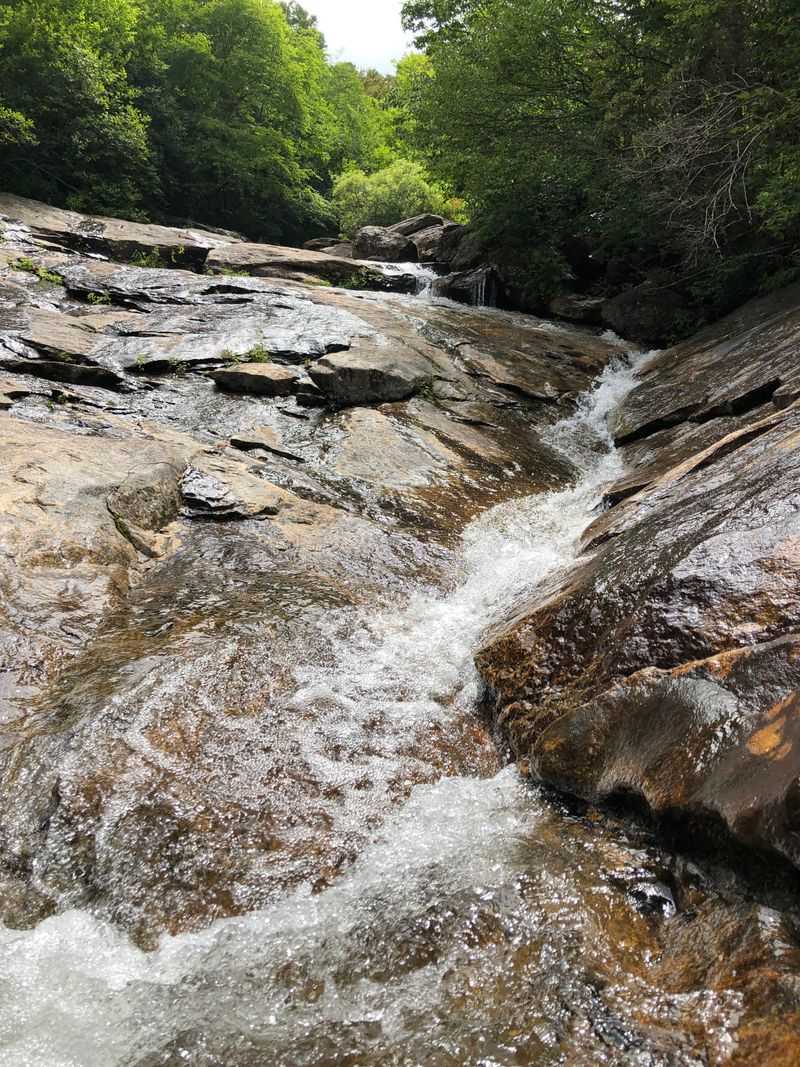
A devastating fire in 1925 left this high-elevation area dotted with stumps resembling gravestones. Today, the open landscape offers rare mountain views typically hidden by forest canopy. Blueberry bushes blanket the fields, providing free snacks for hikers during late summer.
Two waterfalls, Upper Falls and Second Falls, cascade through rocky gorges accessible by moderate trails. The 3.2-mile loop combines waterfall viewing with open meadow walking for varied scenery. Yellowstone Prong Creek flows through the area, creating perfect spots for cooling off on hot days.
Autumn transforms the blueberry bushes into crimson carpets that rival New England’s famous foliage. The Blue Ridge Parkway provides easy access at milepost 418.8, making this a popular stop. Parking fills early on weekends, so arrive before 9 AM or plan for roadside parking.
12. Joyce Kilmer Memorial Forest: Cathedral Of Ancient Trees
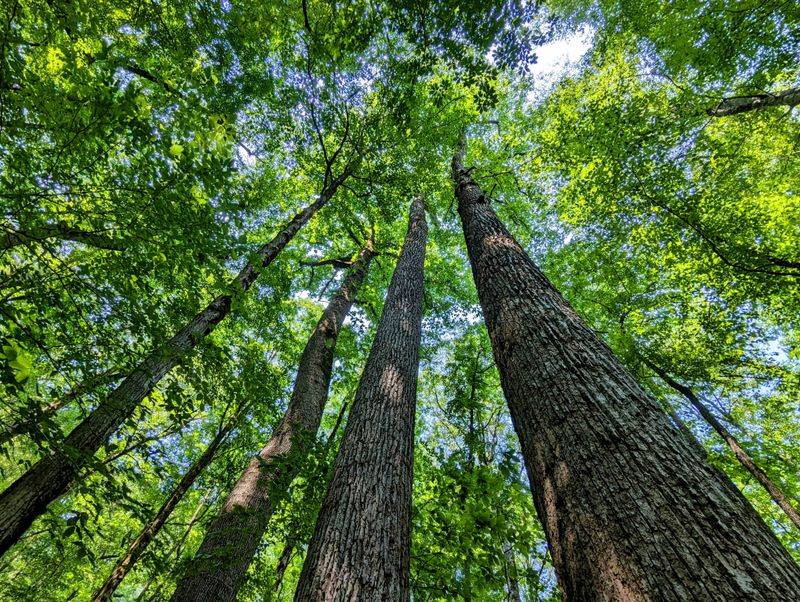
Walking among 400-year-old tulip poplars feels like entering nature’s cathedral. Some trees measure over 20 feet in circumference, their trunks rising straight as columns before branching. This virgin forest escaped logging, preserving what much of Appalachia once looked like.
The 1.25-mile loop trail winds through this primeval landscape on a well-maintained path. Massive fallen logs decompose slowly, becoming nurseries for new growth in the forest cycle. The canopy towers so high overhead that sunlight filters down in ethereal shafts.
Named for the poet who wrote “Trees,” the forest honors his memory with living monuments. The remote location in the Unicoi Mountains means fewer visitors than more accessible areas. Streams gurgle through the forest, and the air smells of rich earth and ancient wood.
13. Wayah Bald: Fire Tower Views And Appalachian Trail Magic
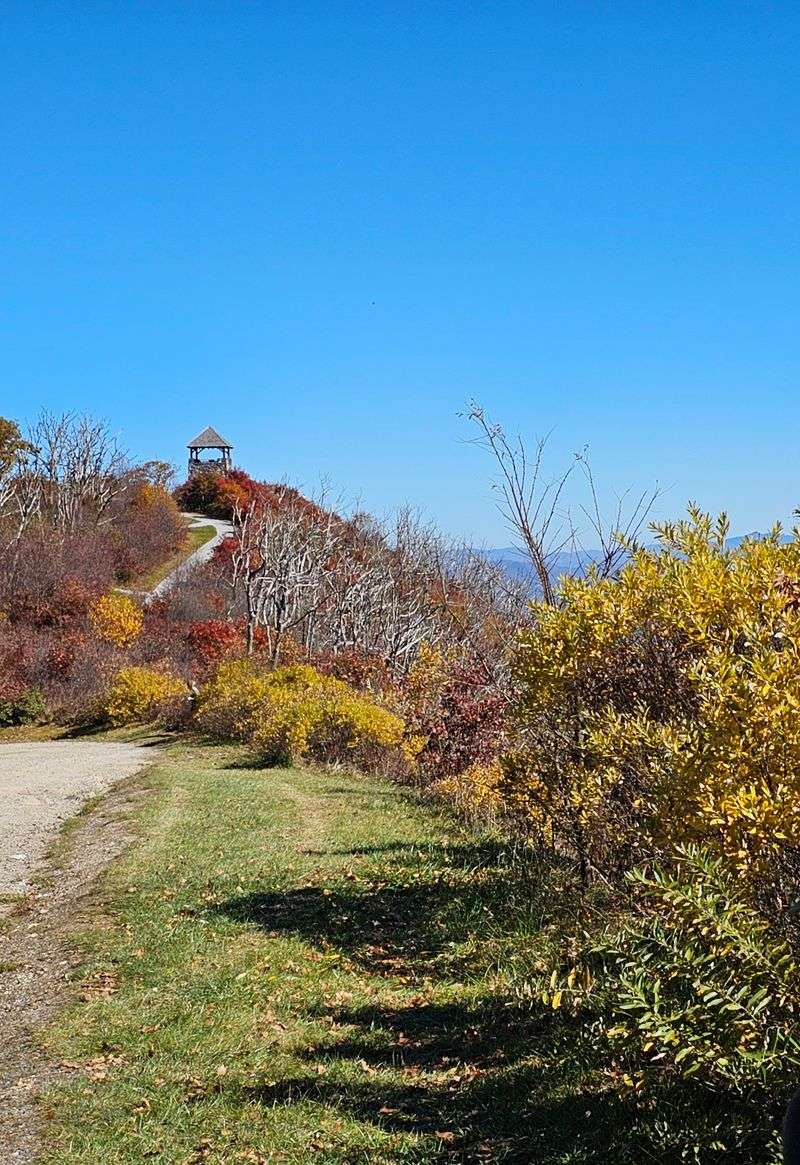
A stone observation tower crowns this 5,342-foot summit, built by the Civilian Conservation Corps during the 1930s. The Appalachian Trail crosses the bald, bringing through-hikers who’ve walked hundreds of miles. Views extend across the Nantahala National Forest in every direction, with countless ridges fading into blue haze.
The final mile to the summit follows a gravel road suitable for most vehicles. Picnic areas near the tower invite visitors to linger and soak in the scenery. Spring azaleas and rhododendrons bloom in spectacular displays around the bald’s edges.
Sunset transforms the landscape into layers of purple and gold that seem painted by an artist. The stone tower itself provides architectural interest and historical significance beyond the natural beauty. Cool breezes sweep the summit even on hot summer days, making it a refreshing mountain escape.
14. Linville Gorge: The Grand Canyon Of The East
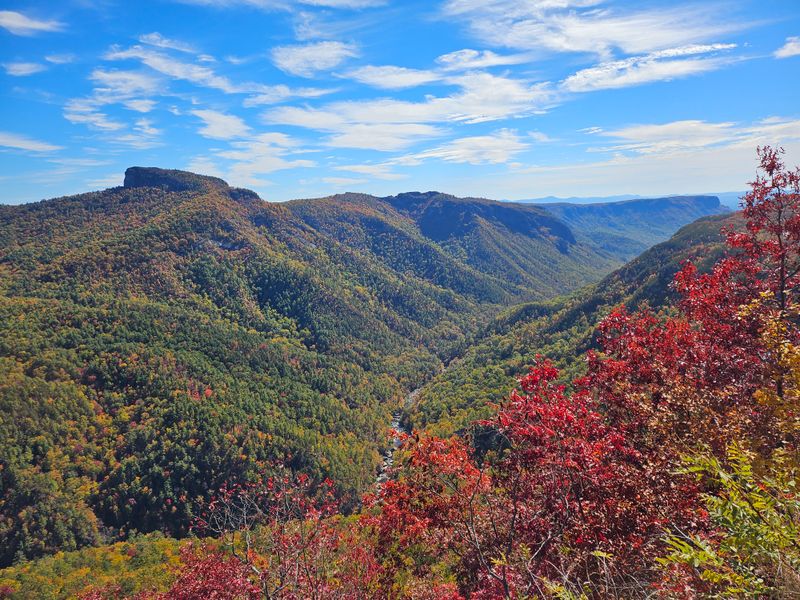
Carved by the Linville River, this rugged wilderness area plunges 2,000 feet below surrounding ridges. Sheer rock walls and turbulent rapids create a landscape more dramatic than typical Appalachian scenery. The 12,000-acre wilderness attracts serious hikers, rock climbers, and adventurers seeking challenges.
Multiple trails descend into the gorge, each demanding good fitness and navigation skills. Wiseman’s View offers spectacular overlooks without the difficult descent, perfect for families and photographers. The Linville River crashes through boulder gardens, creating Class IV and V rapids for expert kayakers.
Rock climbing routes scale the vertical walls, with names like Table Rock and Shortoff Mountain. Backcountry camping requires permits on busy weekends to protect this fragile ecosystem. Hawks and ravens ride thermals rising from the gorge, soaring at eye level with rim observers.
15. Panthertown Valley: Waterfalls And Swimming Holes Galore
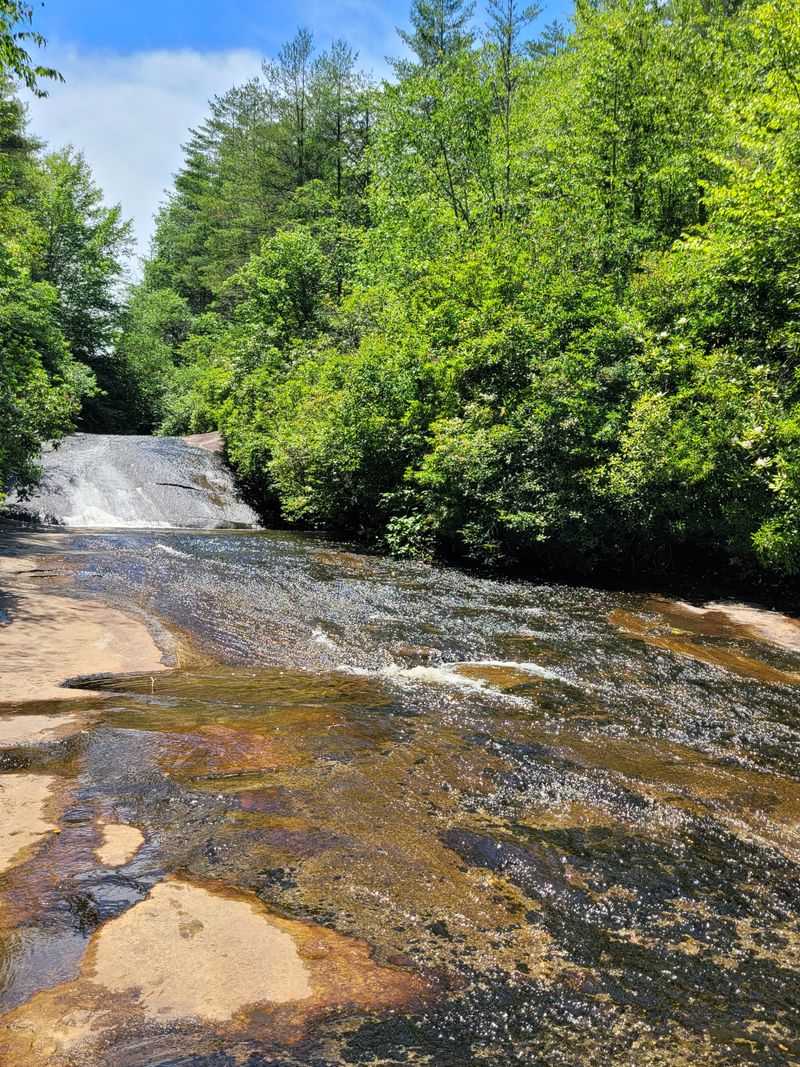
Locals call this area “the Yosemite of the East” for its granite domes and clear streams. Over 30 miles of trails crisscross the valley, connecting waterfalls, swimming holes, and scenic overlooks. The relatively flat terrain makes it accessible for moderate hikers seeking beauty without brutal climbs.
Schoolhouse Falls drops 15 feet into a perfect swimming hole that’s refreshingly cold year-round. Granite slabs beside the pools provide natural sunbathing platforms for summer visitors. Multiple creek crossings add adventure without serious danger, though water levels rise after heavy rain.
Rock climbers scale the exposed granite faces, establishing new routes on pristine stone. The valley’s remoteness keeps crowds manageable even during peak season. Mountain bikers share many trails, creating a multi-use recreation area that welcomes various outdoor enthusiasts.