Discover Unique Gifts And Nordic Treasures At This Beloved Minnesota Marketplace
You can learn a surprising amount about a culture by looking at what people eat, wear, decorate with, and give as gifts.
One Minnesota marketplace gathers those pieces of Nordic life under the same roof.
Food leads naturally into folk art, wool goods, cookbooks, ornaments, sweets, cheeses, and colorful Scandinavian design.
Good luck choosing where to look first! Nothing feels arranged like a museum display.
These objects are meant to be cooked with, worn, shared, collected, and taken home. Spend time with the shelves instead of rushing through them.
The appeal comes from seeing how tradition survives in everyday things, from a pantry staple to a painted Dala horse.
A Butcher Shop Turned Landmark
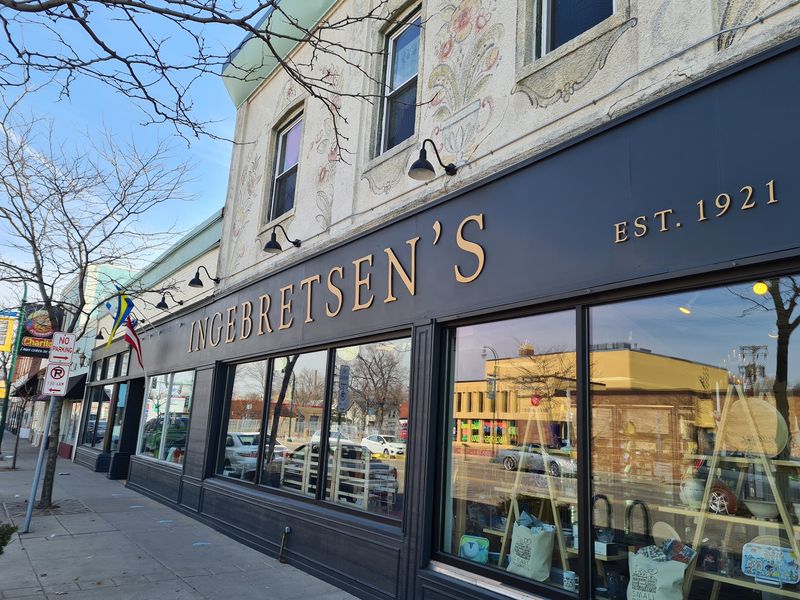
Back in 1921, a young Norwegian immigrant opened a modest meat market on a busy Minneapolis street. He had crossed the ocean, learned butchering in North Dakota, then settled among fellow Scandinavians in Minnesota.
After operating other meat markets in Minneapolis, Charles Ingebretsen Sr. opened the Model Meat Market on East Lake Street in 1921. That location became the lasting home of the family business.
His son took over management after World War II and kept the family name steady.
Generations later, descendants of the Ingebretsen and Dahl families remain closely involved in the business, continuing a family-run tradition that has lasted more than a century.
The business never left its East Lake Street home, instead expanding across four storefronts as the gift, needlework, classroom and mail-order sides grew around the original butcher shop.
The original butcher shop remains remarkably recognizable compared with historic photographs, while the expanded marketplace now stretches through several connected storefronts at 1601 E Lake St in Minneapolis.
Four Storefronts, One Nordic World
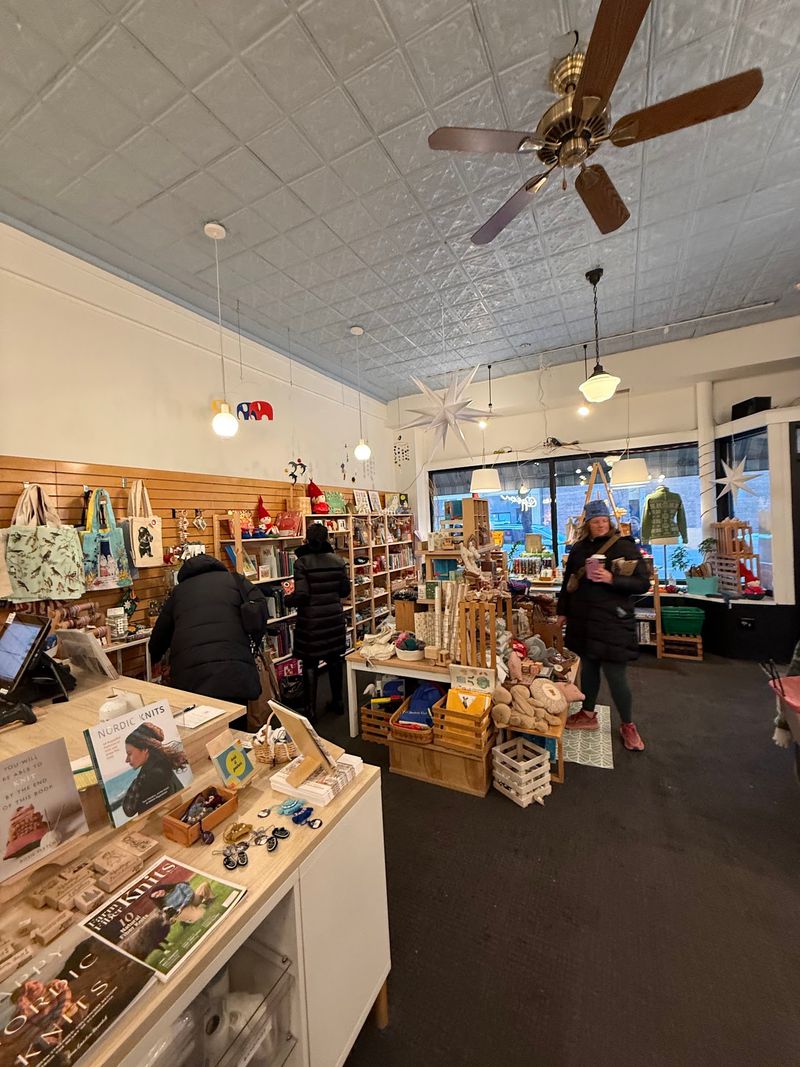
The scale is easy to underestimate from outside. What began as a meat market now spans four storefronts and incorporates spaces once occupied by three other businesses on the block.
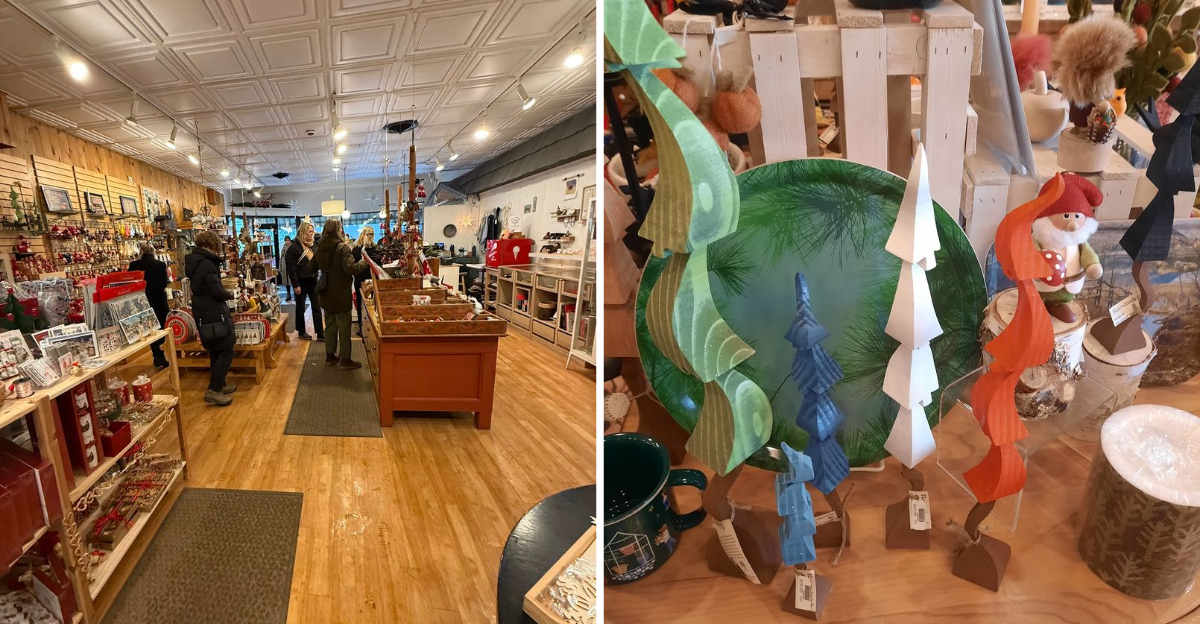
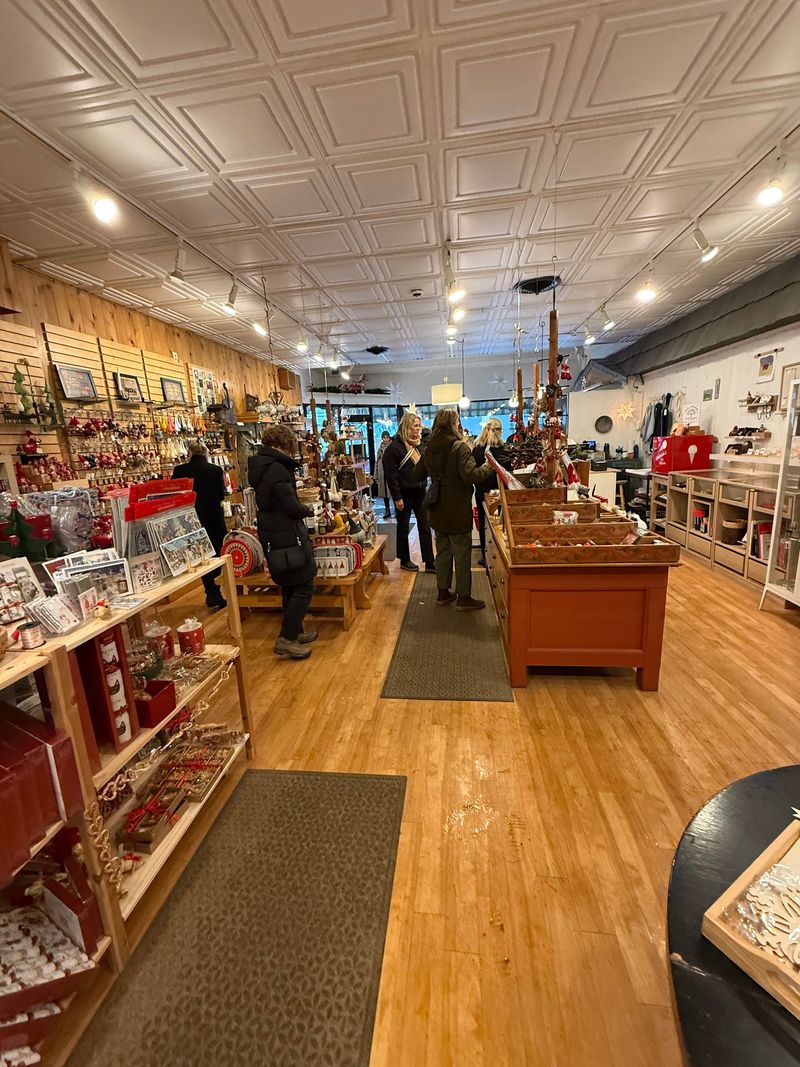
Today the marketplace stretches across four storefronts. Each section has its own personality and its own delightful clutter.
A gift store joined the operation in 1974, starting as a small counter near the registers. That little corner grew into a sweeping showcase of Nordic design and folk tradition.
There is a needlework and craft area stocked with yarn, patterns and embroidery kits. Another room holds housewares, cookbooks and children’s picture books.
The deli keeps its own entrance, which makes sense once you see the holiday lines. Shoppers can slip in for herring without navigating the ornament displays.
Woolens, Nordic foods, crafts, books, kitchenware and gifts sit remarkably close together, giving the marketplace an unusually broad selection.
Give yourself real time here, especially if you plan to browse both the food and gift sides of the marketplace.
Few places in Minnesota pack this much culture into one city block. The layout rewards slow explorers who peek down every aisle.
Warm Welcomes And Folk Art Murals
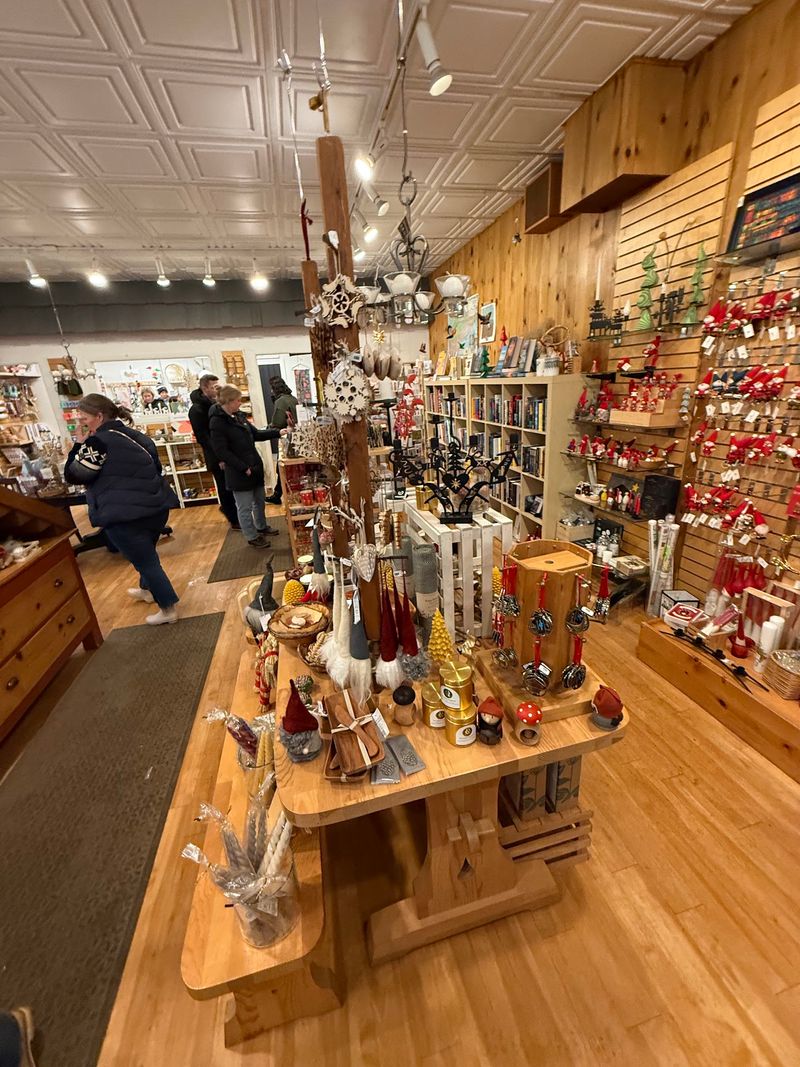
Scandinavian language and traditions remain part of the shop’s cultural identity, especially among longtime customers and families returning across generations.
Recent reporting notes that longtime customers sometimes speak Swedish or Norwegian during return visits, adding another connection to the store’s Scandinavian roots.
Nordic imagery appears throughout the shop’s visual identity, while recent exterior murals by local artists add another colorful layer to the historic Lake Street storefront.
The original butcher shop retains much of its longtime character, while adjoining gift and craft areas have developed their own distinct look over decades of expansion.
Longtime staff bring considerable product knowledge to the counter, with some butcher-shop employees having worked there for more than four decades.
Many employees have worked here for decades. Their knowledge shows in the way they steer confused shoppers toward exactly the right jar.
The atmosphere never feels stuffy or museum-like. Kids poke at troll figurines while grandparents debate sausage varieties.
You do not need Scandinavian ancestry to belong here. Curiosity is the only requirement anyone seems to care about. Its longevity has made the shop a familiar cultural gathering point for generations of customers returning to East Lake Street.
Dala Horses And Handcrafted Finds
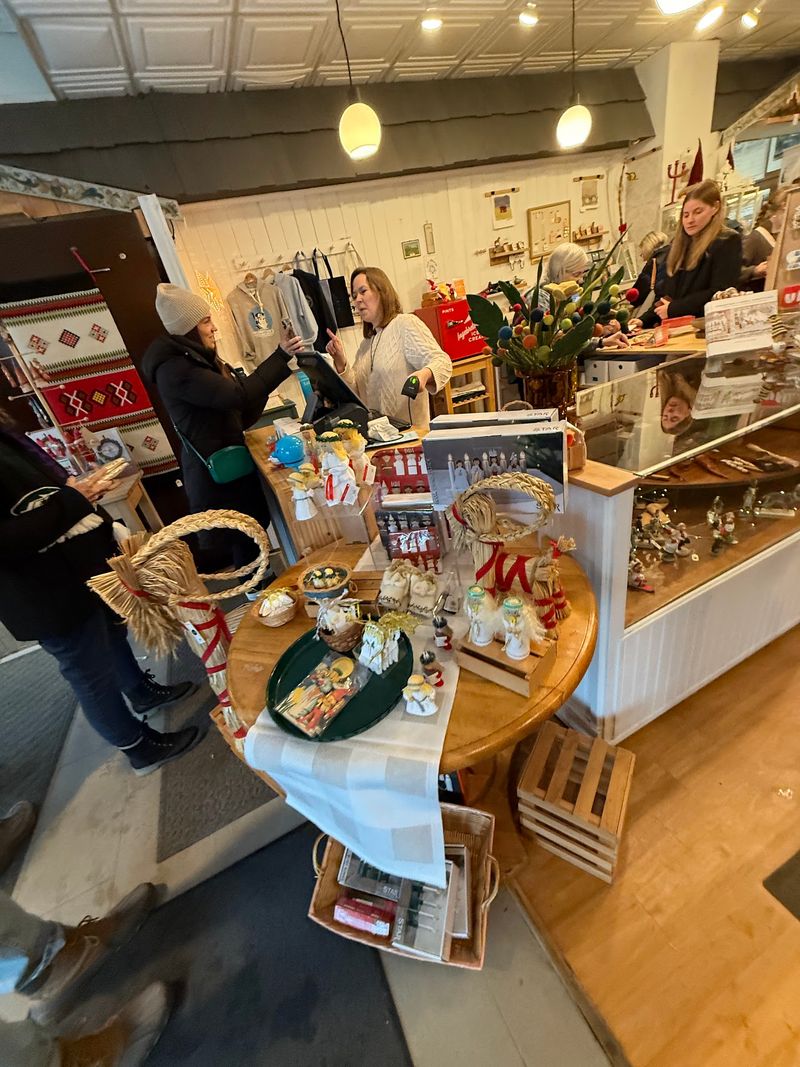
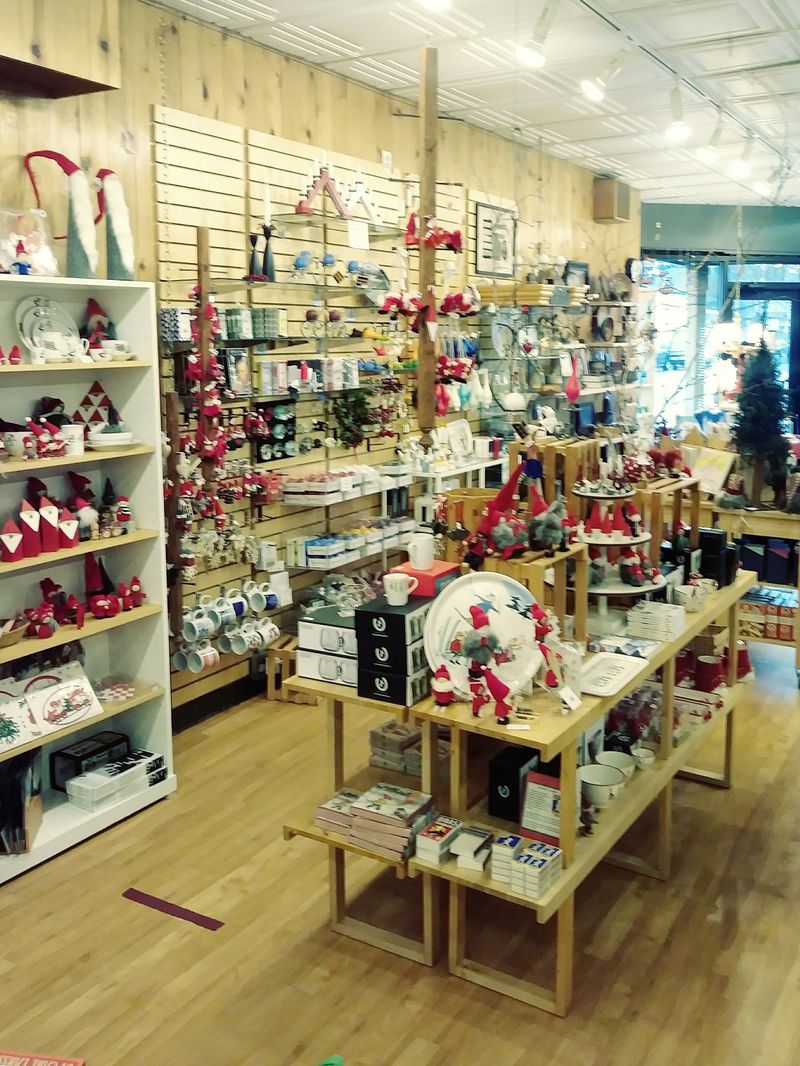
Red dala horses lined a shelf like a tiny wooden parade. I picked one up and immediately started planning where it would live at home.
The gift side celebrated its fiftieth birthday in 2024, and the selection reflects all those years of careful curating. Goods arrive from Norway, Sweden, Denmark, Iceland and Finland.
Expect elegant kitchenware, thick wool sweaters and delicate glass ornaments. Textiles hang beside stacks of Nordic cookbooks and language guides.
Viking-themed items occupy their own corner, complete with books and playful accessories for younger shoppers. Children’s picture books fill a low shelf perfect for small hands.
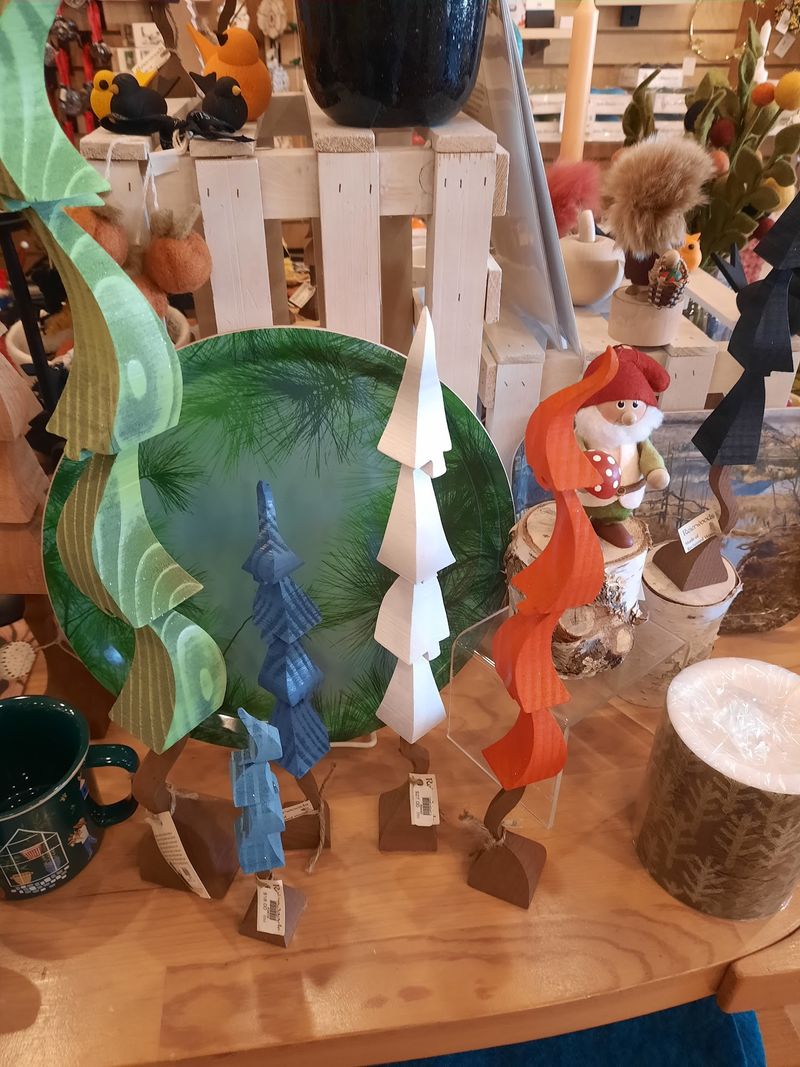
Modern Scandinavian design gets equal billing with tradition. Clean-lined ceramics and sustainable home goods sit near hand-painted heirloom pieces.
Craft supplies deserve special mention. Yarn, embroidery kits, krumkake irons and lefse sticks are all here for people who prefer making over buying.
The selection mixes traditional handicrafts and artisan pieces with contemporary Nordic design, cookware, clothing, books and commercially produced gifts.
Souvenir hunters visiting Minnesota will find something far better than a keychain. This is the sort of gift people actually keep.
Lefse, Herring And Cardamom Dreams
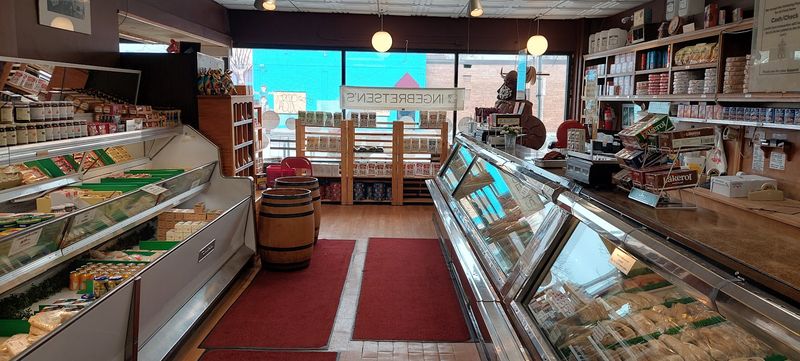
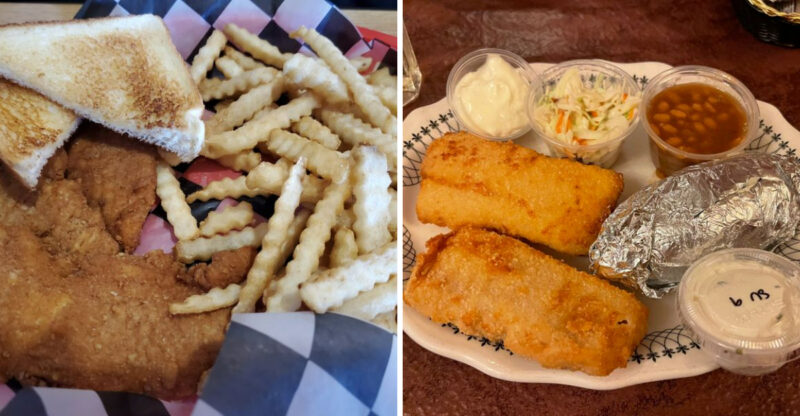
The butcher shop and deli center on smoked fish, house-made and imported meats, cheeses, herring, lefse and other Scandinavian specialties.
The butcher shop remains central to the business, and holiday demand can send lines of customers outside and along East Lake Street.
Norwegian lefse leads the lineup, a soft potato flatbread that locals buy by the stack. Swedish meatballs and house sausages follow close behind.
Herring appears in several styles, and shoppers mention it constantly. Lutefisk shows up seasonally for the adventurous.
Imported Scandinavian cheeses are part of the selection, though specific varieties such as nokkelost can vary with current availability.
Pantry shelves hold lingonberries, spices, crispbread and enough cardamom treats to make a baker weep happily. Candy from across the Nordic countries fills its own colorful section.
One practical note. The deli counter prefers cash or check, so plan accordingly before you queue.
Recipes carry several strands of the business’s history, including Swedish meatball and sausage recipes introduced by Warren Dahl after he became Bud Ingebretsen’s partner in the 1960s.
Where Families Reconnect With Roots
Heritage can fade quietly across generations. Recipes get lost, languages slip away, and grandparents’ traditions become vague memories.
That is exactly the gap this marketplace fills. Minnesotans with roots in Norway, Sweden, Denmark, Finland or Iceland come here to reconnect with something real.
Tools for making traditional foods such as krumkake and lefse give families a practical way to carry Scandinavian cooking traditions into another generation.
Recent reporting notes that some returning customers still speak a little Swedish or Norwegian while visiting the store.
Multigenerational customers return year after year, particularly during the holidays, for foods including Swedish sausage, meatball mix, herring, lutefisk and lefse.
The shop also welcomes people with no Nordic background whatsoever. Plenty of visitors simply admire the design, the food or the craft supplies.
Ingebretsen’s Scandinavian Gifts & Foods manages a rare balancing act. Old-world customs share shelf space with contemporary Nordic style, and neither feels out of place.
For immigrant communities across the state, cultural anchors like this matter enormously. They keep memory tangible.
Classes, Festivals And Community Fun
Shopping is only half the story. The marketplace also teaches, hosts and celebrates.
Nordic craft classes continue throughout the year, with recent 2026 offerings covering knitting, embroidery, Hardanger needlework and folk-art painting.
The 2026 Ingebretsen’s Nordic Vintage Market is scheduled for September 18 and 19, featuring donated Nordic vintage goods while helping support a Lake Street nonprofit.
Nordic traditions extend well beyond the store, with the 2026 Nordic Music Fest in Victoria scheduled for September 12 with music, dance, food and crafts.
FinnFest is also scheduled to return to Minneapolis from September 18 through 20, 2026, bringing a separate celebration of Finnish culture to the city.
What I like is how outward-facing all of this feels. Rather than guarding traditions, the business keeps handing them out.
Signing up for a class turns a quick errand into a real experience. You leave with a finished project instead of just a receipt.
The business supports Scandinavian culture through classes, store events, its Nordic Vintage Market and participation in the broader Lake Street community.
Smart Tips Before You Go
A little planning turns a good visit into a great one. Start with the hours, which run 9 AM to 4 PM Monday through Saturday.
Sunday is closed, so do not repeat the mistake other travelers have made. The early closing time catches people off guard too.
Bring cash or a check for the Butcher Shop, which currently lists those as its accepted payment methods. The gift side accepts card payments.
Parking options include surrounding street spaces and other nearby outdoor parking, and Ingebretsen’s provides a parking guide for visitors.
Holiday season brings serious crowds and long lines for traditional foods. Order ahead if you want specific cuts or seasonal items.
Separate entrances serve the deli and the gift shop. Knowing that saves a few confused laps around the building.
Give yourself at least an hour. Ingebretsen’s Scandinavian Gifts & Foods rewards browsers far more than sprinters.
Anyone touring Minnesota should slide this stop onto the itinerary. Nordic treasures, honest food and a century of history make the detour easy to justify, and you will leave planning your return.