19 Dreamy California Itineraries That Will Make You Fall In Love With The West Coast
Some journeys are about more than getting from point A to point B – they’re about the moments in between.
Long drives that reveal ever-changing scenery, spontaneous stops that turn into favorite memories, and routes that feel like stories unfolding mile by mile.
Few places invite this kind of exploration quite like the West Coast, where a single trip can move effortlessly from crashing waves to quiet forests, sunbaked deserts, and lively cities.
The sheer diversity makes every drive feel like multiple vacations rolled into one.
Spanning nearly 840 miles along the Pacific, California offers an unmatched variety of landscapes and experiences, and these 19 itineraries highlight the most unforgettable ways to explore them.
From iconic coastal highways and national parks to under-the-radar towns and scenic byways, each route is designed to showcase a different side of the state.
Travelers can chase ocean views one day, wander among towering trees the next, and end the journey beneath star-filled desert skies.
Whether you’re planning a weekend escape or a longer road trip, these California itineraries make it easy to fall in love with the journey itself – not just the destination.
1. Pacific Coast Highway Road Trip
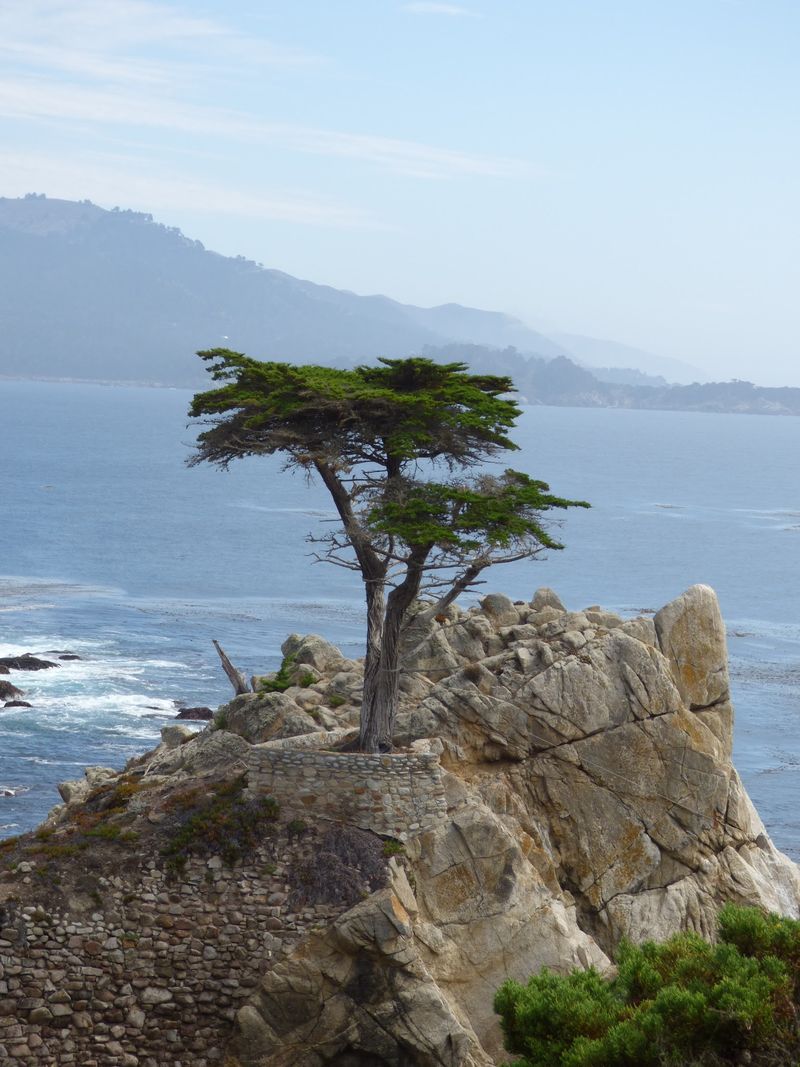
Few drives match the sheer beauty of California’s Pacific Coast Highway, where cliffs meet ocean and every curve reveals another stunning vista.
Stretching from southern beaches to northern fog-wrapped shores, this legendary route connects charming coastal towns, state parks, and lookout points that feel worlds away from everyday life.
Plan to stop frequently, as rushing through means missing hidden beaches, quirky roadside cafes, and scenic overlooks perfect for watching waves crash against rocks.
Morning fog often blankets the northern sections, while southern stretches tend to stay sunny and warm most of the year.
Bring layers regardless of season, since coastal weather shifts quickly and temperatures drop near the water even on bright days.
Weekdays offer lighter traffic and easier parking at popular pullouts, making midweek travel ideal for a relaxed pace.
Gas stations and restaurants appear less frequently in remote stretches, so fill up and pack snacks before heading into quieter areas.
2. Yosemite National Park Weekend Escape
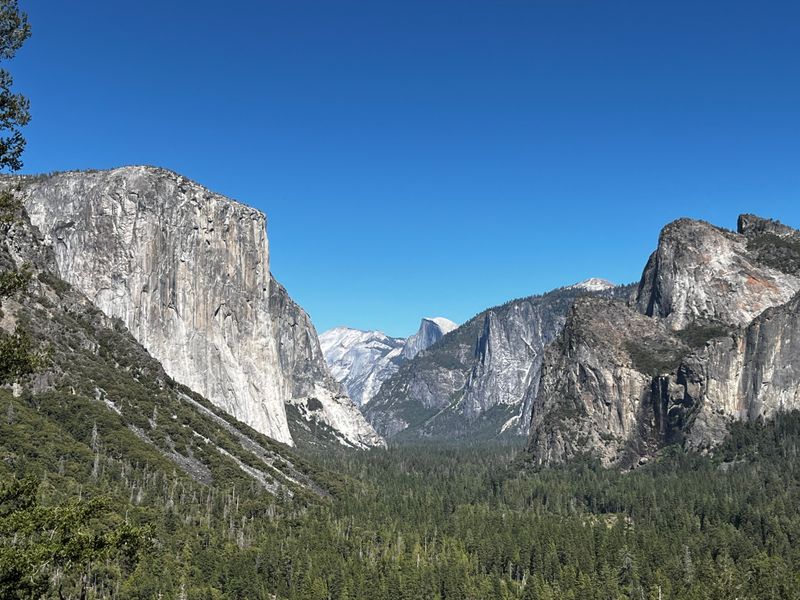
Towering granite cliffs, thundering waterfalls, and ancient giant sequoias make Yosemite one of the most awe-inspiring national parks anywhere.
A weekend visit offers enough time to hike valley trails, gaze up at El Capitan and Half Dome, and feel the mist from Yosemite Falls on your face.
Spring brings the most dramatic waterfall flows as snowmelt rushes down the mountains, though trails can be muddy and some higher roads remain closed.
Summer crowds fill the valley, but early morning starts reward visitors with quieter paths and better wildlife sightings before tour buses arrive.
Fall colors paint the valley in gold and orange, and cooler temperatures make hiking more comfortable than midsummer heat.
Winter transforms the park into a snowy wonderland, though tire chains may be required and some areas become inaccessible.
Parking fills quickly during peak times, so arriving before 9 a.m. or using the free shuttle system helps avoid frustration and long waits.
3. Big Sur Coastal Getaway
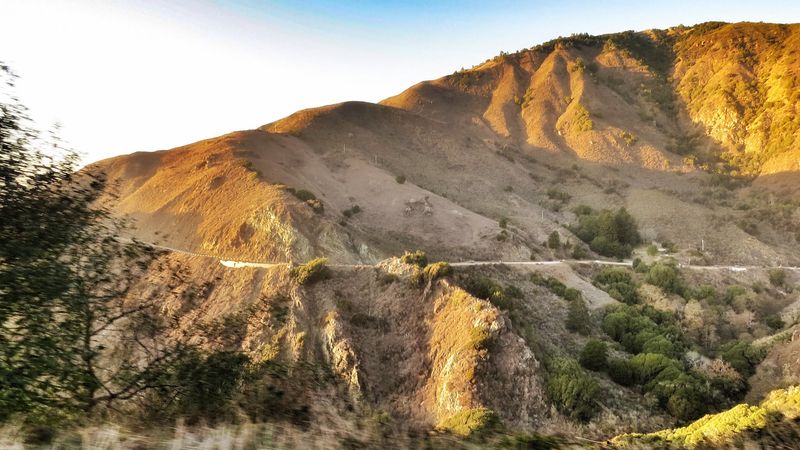
Rugged cliffs plunge into the Pacific along Big Sur’s dramatic coastline, creating one of California’s most breathtaking stretches of Highway 1.
Redwood groves, hidden beaches, and misty mornings give this remote area a timeless, almost magical quality that feels far removed from busy city life.
Stopping at McWay Falls, where a waterfall tumbles directly onto the beach, offers a postcard-perfect moment that captures Big Sur’s unique beauty.
Trails wind through state parks where sunlight filters through towering trees, and the scent of pine and ocean salt mingles in the cool air.
Limited cell service and few gas stations mean planning ahead becomes essential, so fuel up in Carmel or Cambria before entering the area.
Fog often rolls in during summer mornings, clearing by afternoon to reveal stunning ocean views and golden light across the cliffs.
Weekends bring heavier traffic, so weekday visits allow more relaxed exploration and easier access to popular pullouts and trailheads along the winding coastal road.
4. San Francisco To Napa Valley Wine Country Route
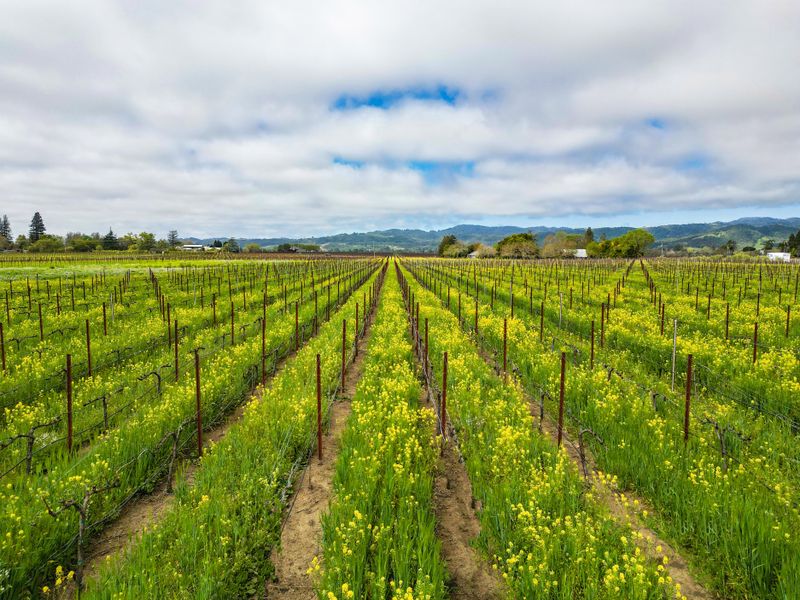
Crossing the Golden Gate Bridge marks the start of a scenic journey from San Francisco’s urban energy into the rolling vineyards and quiet backroads of Napa Valley.
This route takes less than two hours, yet the landscape shifts dramatically from foggy bay views to sun-drenched grapevines and oak-dotted hills.
Small towns like Yountville and St. Helena offer charming main streets lined with tasting rooms, galleries, and restaurants serving farm-fresh ingredients.
Visiting during harvest season in September and October brings the excitement of grape picking and crush activity, though any time of year rewards travelers with beautiful scenery.
Weekdays tend to be quieter at tasting rooms, and many wineries require advance reservations, especially during peak tourist months.
Mornings often feel cooler and less crowded, making early visits ideal for those who prefer a relaxed pace without large tour groups.
Designated drivers or hired transportation allow everyone to enjoy tastings safely, and many visitors choose to stay overnight in the valley to fully experience the slower rhythm and evening ambiance.
5. Lake Tahoe Scenic Loop
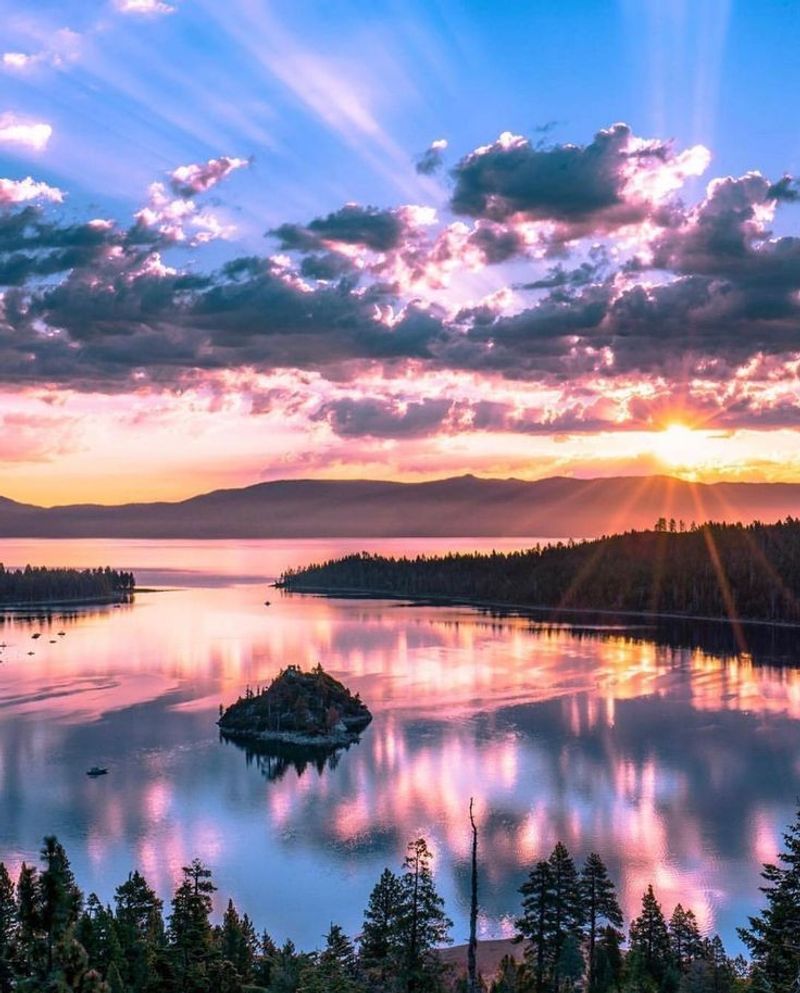
Crystal-clear water surrounded by pine-covered mountains makes Lake Tahoe one of the most stunning alpine destinations in California.
A scenic loop around the lake spans about 72 miles, crossing between California and Nevada while offering endless opportunities for stops at beaches, viewpoints, and charming lakeside communities.
Emerald Bay State Park stands out as a must-see spot, where turquoise water and a tiny island create a picture-perfect scene that looks almost unreal.
Summer brings warm weather ideal for swimming and paddling, while winter transforms the area into a snowy playground popular with skiers and snowboarders.
Spring and fall offer fewer crowds and quieter trails, though some higher elevation roads may close seasonally depending on snow conditions.
Parking at popular beaches and trailheads fills quickly on weekends, so arriving early or visiting on weekdays provides easier access and a more peaceful experience.
The loop can be driven in a few hours, but taking a full day or two allows time to truly appreciate the scenery, hike forest trails, and relax by the water.
6. Death Valley National Park Desert Adventure
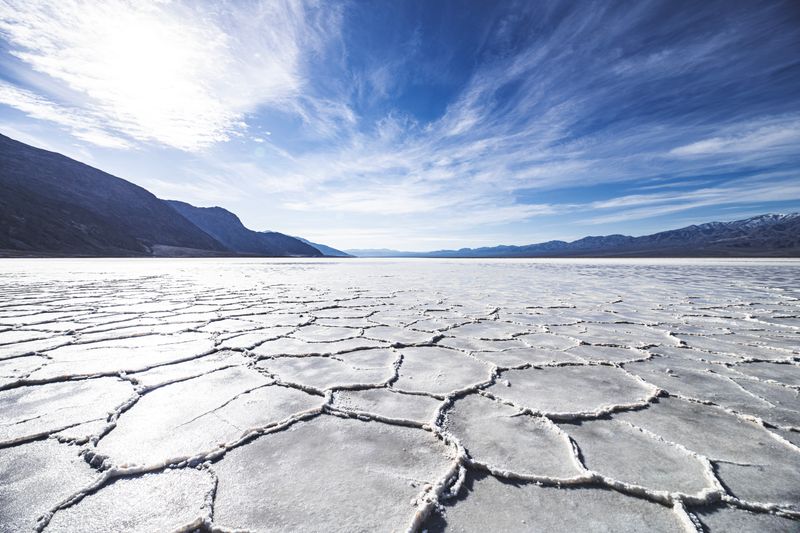
Extreme landscapes and record-breaking temperatures define Death Valley, where salt flats, sand dunes, and colorful rock formations create an otherworldly desert experience.
This vast park holds the lowest point in North America at Badwater Basin, where the ground sits 282 feet below sea level and white salt crusts stretch toward distant mountains.
Visiting between November and March offers the most comfortable temperatures, as summer heat regularly exceeds 120 degrees and becomes genuinely dangerous.
Sunrise and sunset light transform the desert into shades of pink, gold, and purple, making early and late hours the best times for photography and exploration.
Zabriskie Point and Artists Palette showcase layers of mineral-rich rocks in stunning natural colors, while Mesquite Flat Sand Dunes invite visitors to walk across shifting sands.
Carrying plenty of water, sunscreen, and snacks becomes absolutely essential, as services and shade are scarce throughout the park.
Cell service remains unreliable, so downloading maps and planning your route before entering ensures a safer and more enjoyable desert adventure.
7. Santa Barbara To San Luis Obispo Coastal Drive
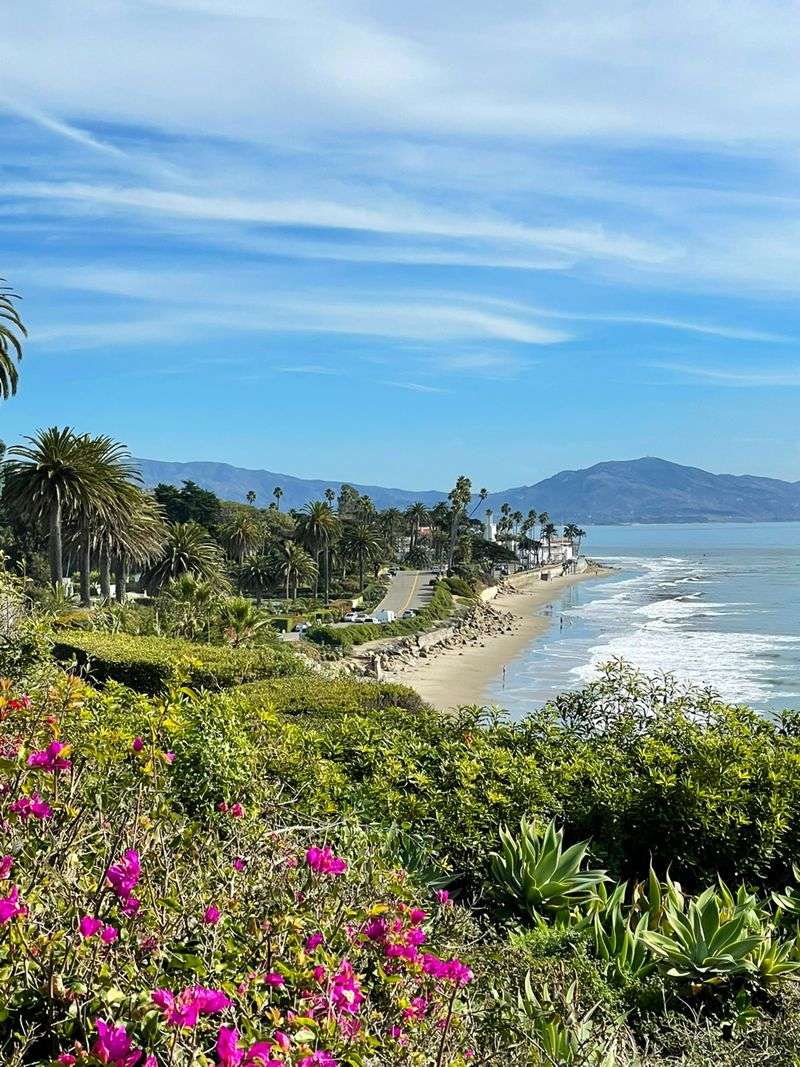
Spanish-Moorish architecture and palm-lined streets give Santa Barbara a distinct Mediterranean feel that sets the tone for this beautiful coastal drive north.
The route follows Highway 101 and Highway 1 through beach towns, state parks, and rolling hills where cattle graze and vineyards thrive in the mild climate.
Pismo Beach offers classic California beach vibes with a long pier, wide sandy shores, and plenty of casual dining spots serving fresh seafood.
San Luis Obispo’s downtown feels lively and walkable, with college-town energy, farmers markets, and historic mission architecture adding character to the city center.
Stopping at Avila Beach provides a quieter alternative with calmer waters and a relaxed family-friendly atmosphere perfect for an afternoon break.
The drive takes about two hours without stops, but allowing a full day or overnight stay lets travelers enjoy wine tasting in nearby Edna Valley and explore charming spots like the quirky Madonna Inn at 100 Madonna Road, San Luis Obispo, CA 93405.
Coastal fog may linger in the mornings, but afternoons typically bring sunshine and pleasant temperatures ideal for beach walks and outdoor exploration.
8. Monterey Peninsula Nature & Ocean Itinerary
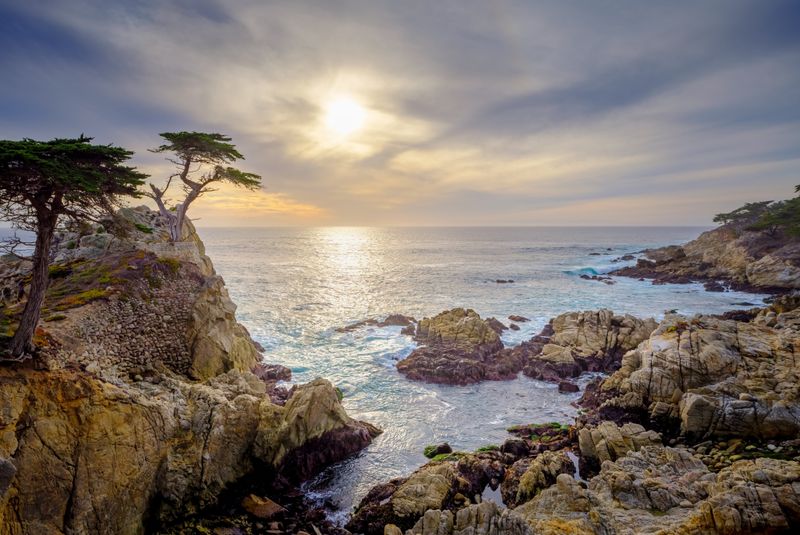
Kelp forests, sea otters, and dramatic rocky shores define the Monterey Peninsula, where ocean life thrives and every coastal path offers stunning views.
The famous 17-Mile Drive winds through Pebble Beach, showcasing windswept cypress trees, golf courses, and oceanfront mansions, though a fee applies for vehicle access.
Monterey Bay Aquarium at 886 Cannery Row, Monterey, CA 93940 ranks among the world’s best, with massive kelp forest tanks and interactive exhibits that bring the underwater world to life.
Cannery Row, once home to sardine factories, now hosts restaurants, shops, and galleries in historic buildings that preserve the area’s fishing heritage.
Nearby Pacific Grove offers tide pools teeming with starfish, anemones, and crabs, best explored during low tide when rocky areas become accessible.
Carmel-by-the-Sea charms visitors with fairy-tale cottages, art galleries, and a dog-friendly beach where locals stroll with their pets at sunset.
Mornings tend to be cooler and foggier, while afternoons often warm up and clear, making midday and early evening ideal for beach walks and outdoor activities along the scenic peninsula.
9. Palm Springs Mid-Century Desert Escape
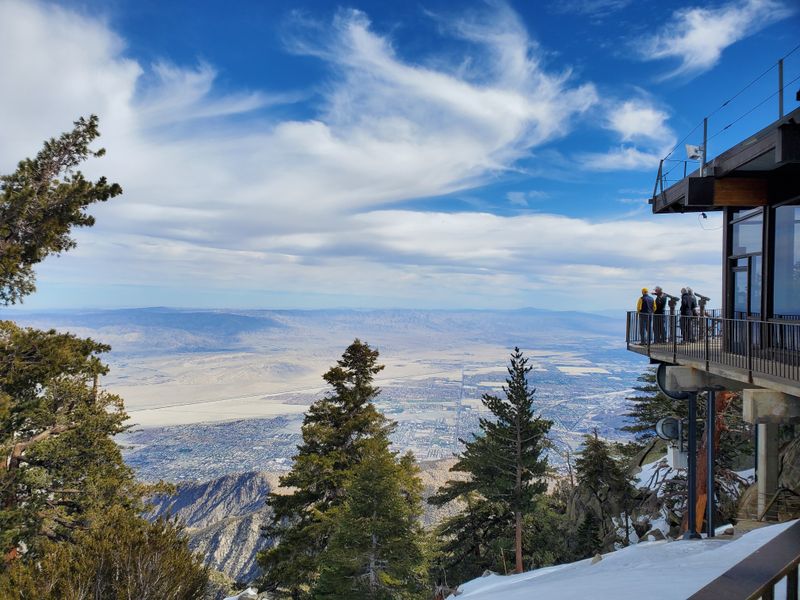
Retro architecture and desert mountain views give Palm Springs a unique style that feels both nostalgic and refreshingly modern.
Mid-century modern homes with clean lines, colorful doors, and poolside patios line quiet streets, creating a photogenic neighborhood atmosphere that design lovers adore.
The downtown area comes alive during evening hours when restaurants, shops, and galleries open their doors and locals gather for art walks and outdoor dining.
Riding the Palm Springs Aerial Tramway up to Mount San Jacinto offers a dramatic temperature drop and sweeping desert views from over 8,000 feet.
Winter and early spring bring the most pleasant weather, with warm sunny days perfect for hiking, golfing, or lounging by hotel pools.
Summer heat can be intense, often exceeding 110 degrees, so many visitors avoid June through August unless they enjoy extreme warmth.
Nearby Joshua Tree National Park sits about 45 minutes away, making it easy to combine desert city comforts with wilderness exploration.
Mornings feel coolest and calmest, ideal for outdoor activities before afternoon heat sets in across the valley floor.
10. Mendocino Coast Quiet Coastal Retreat
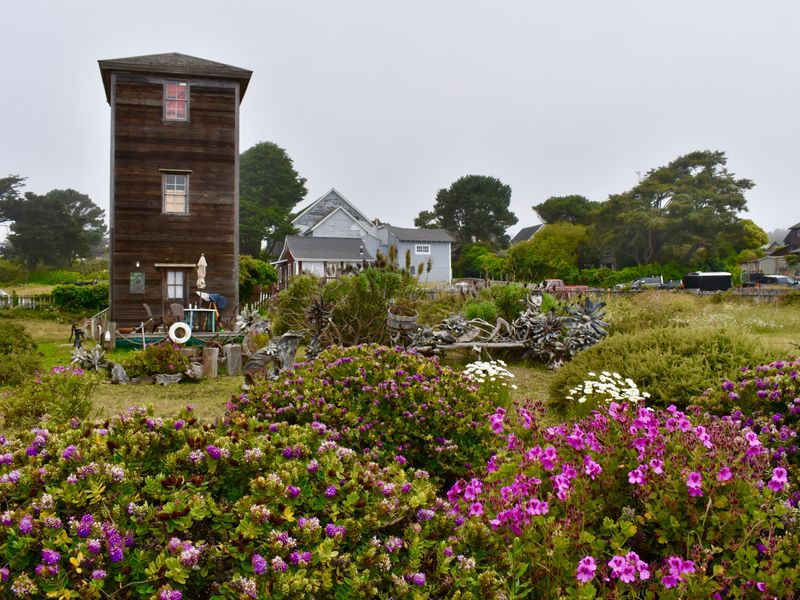
Perched on bluffs above the Pacific, the village of Mendocino feels like a step back in time with its Victorian architecture and windswept coastal beauty.
Art galleries, small inns, and locally owned shops fill the compact downtown, creating a peaceful atmosphere far removed from California’s busier tourist destinations.
Coastal trails wind along clifftops where wildflowers bloom in spring and whales migrate offshore during winter and early spring months.
Fog often wraps the coast in a soft gray blanket, adding a moody, romantic quality to walks and creating dramatic photo opportunities.
Nearby state parks offer redwood groves and quiet beaches where driftwood piles high and tide pools reveal colorful marine life at low tide.
The drive north from San Francisco takes about three and a half hours, making it suitable for a weekend getaway or longer stay.
Restaurants serve fresh local seafood and farm-to-table cuisine, and the slower pace encourages visitors to unplug and simply enjoy ocean sounds and fresh salt air.
Weekdays bring fewer visitors and a more intimate experience of this charming coastal community.
11. Sequoia National Park & Kings Canyon National Park Adventure
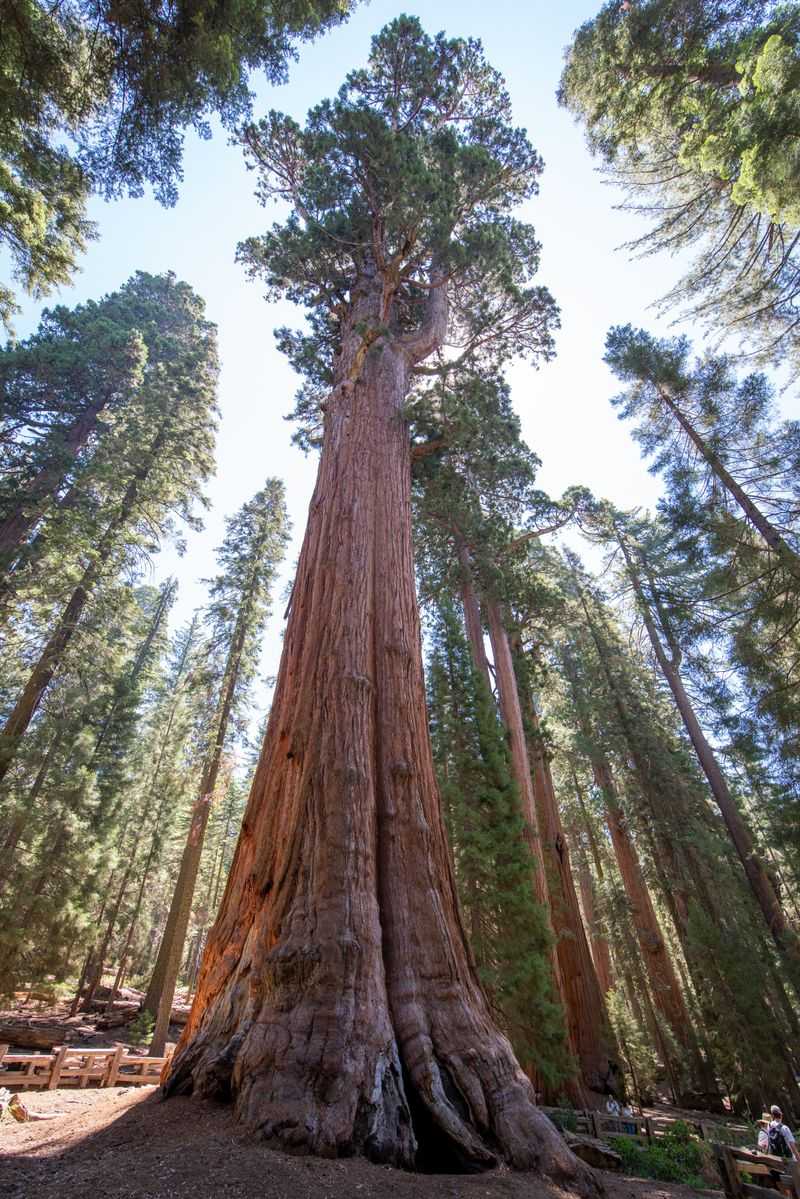
Giant sequoias tower overhead in these neighboring parks, where some of the world’s largest trees have stood for thousands of years.
Walking among these ancient giants creates a humbling experience, as their massive trunks dwarf everything around them and sunlight filters through the canopy high above.
General Sherman Tree, the largest tree on Earth by volume, stands in Sequoia National Park and draws visitors from around the world to witness its incredible size.
Kings Canyon offers dramatic granite cliffs and deep valleys carved by ancient glaciers, with trails ranging from easy walks to challenging backcountry routes.
Summer provides the easiest access, though some higher elevation areas remain snowbound into June or even July depending on the winter snowpack.
Fall brings cooler temperatures and golden aspen groves, while winter snow closes many roads but creates a serene, quiet atmosphere in accessible areas.
Parking at popular groves fills early on summer weekends, so arriving before mid-morning or visiting on weekdays helps avoid crowds.
The parks sit about a four-hour drive from Los Angeles and five hours from San Francisco, making them accessible for long weekend trips.
12. Joshua Tree National Park Weekend Itinerary
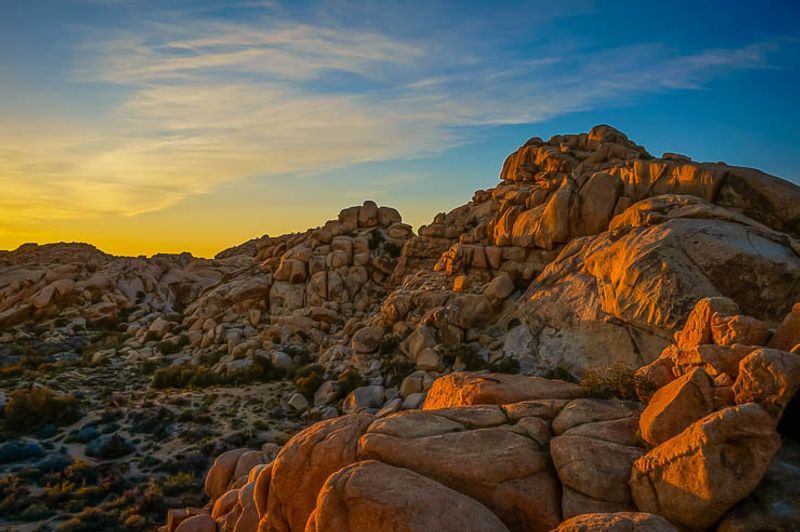
Twisted Joshua trees dot the desert landscape in this unique park where two distinct desert ecosystems meet and create unusual geological formations.
Massive granite boulders stacked in seemingly impossible arrangements invite rock climbers and photographers, while hiking trails wind through cactus gardens and across open desert plains.
Sunrise and sunset transform the park into a photographer’s dream, as golden and pink light illuminates the rocks and Joshua trees in warm glows.
Night skies here rank among the darkest in Southern California, making stargazing a highlight for many visitors who camp under the Milky Way.
Spring wildflower blooms typically peak in March and April, painting the desert floor in purple, yellow, and orange when winter rains have been generous.
Summer temperatures often exceed 100 degrees, so fall through spring offers more comfortable hiking conditions and pleasant camping weather.
Bringing plenty of water, sunscreen, and layers remains essential, as desert temperatures swing dramatically between day and night.
The park sits about two and a half hours from Los Angeles, making it ideal for weekend escapes and easy to combine with a Palm Springs visit.
13. Central Coast California Road Trip
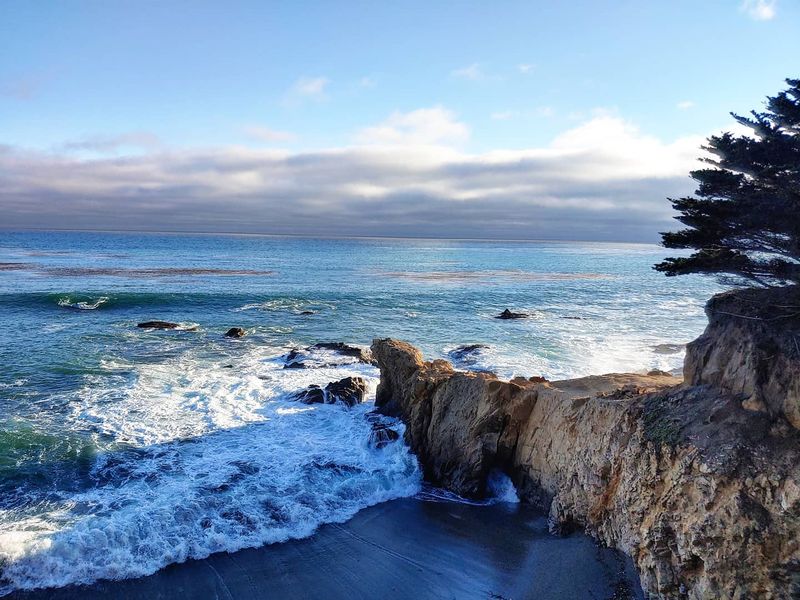
Rolling between beach towns, vineyards, and historic missions, the Central Coast offers a relaxed alternative to busier California destinations.
Starting in Ventura and stretching north past San Luis Obispo, this region blends coastal beauty with agricultural charm and small-town hospitality that feels genuinely welcoming.
Santa Barbara’s mission and downtown area showcase Spanish colonial history, while nearby wine regions produce excellent vintages in a less crowded setting than Napa.
Pismo Beach and Avila Beach provide classic California beach experiences with piers, seafood restaurants, and wide sandy shores perfect for afternoon strolls.
Cambria and San Simeon sit near Hearst Castle at 750 Hearst Castle Rd, San Simeon, CA 93452, a historic hilltop estate offering tours of opulent rooms filled with art and antiques.
Highway 1 connects these coastal gems with scenic ocean views, though inland routes through wine country offer a different perspective and fewer curves.
Spring brings green hills dotted with wildflowers, while summer and fall offer warmer beach weather and harvest activity in the vineyards.
The entire route can be driven in a day, but taking three or four days allows time to truly savor each stop.
14. Catalina Island Island Escape
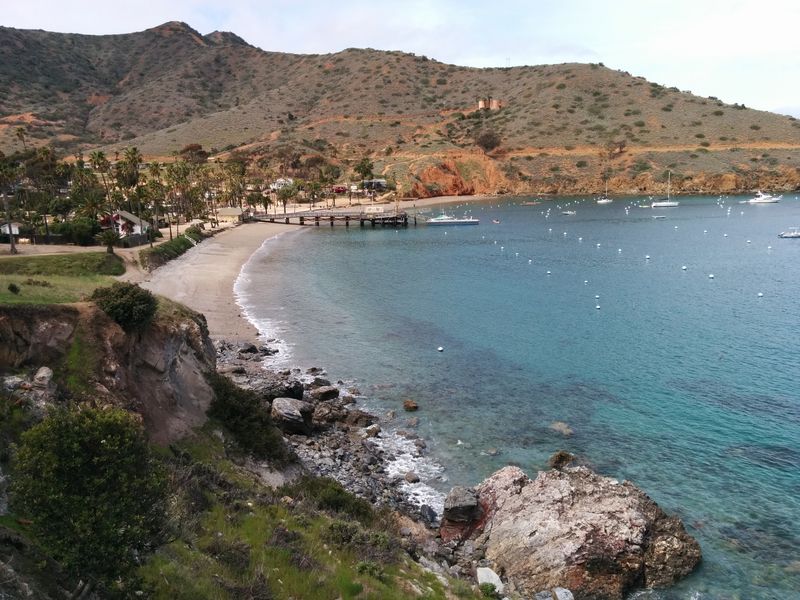
Just 22 miles off the Southern California coast, Catalina Island feels like a different world where golf carts replace cars and Mediterranean-style architecture lines the waterfront.
Ferries from Long Beach, San Pedro, Dana Point, and Newport Beach make the crossing in about an hour, with ocean breezes and occasional dolphin sightings along the way.
Avalon, the island’s main town, offers charming shops, waterfront dining, and the historic Catalina Casino at 1 Casino Way, Avalon, CA 90704, an Art Deco landmark that houses a theater and museum rather than gambling.
Snorkeling and diving in the clear waters reveal kelp forests and colorful marine life, while glass-bottom boat tours provide underwater views for those who prefer staying dry.
Hiking trails crisscross the island’s interior, where bison roam freely and native plants thrive in the protected landscape.
Summer weekends bring the most visitors, so weekdays or shoulder seasons offer a quieter, more relaxed island experience.
Day trips work well for a quick escape, but staying overnight allows time to explore beyond Avalon and enjoy the island’s peaceful evening atmosphere after the day-trippers depart on afternoon ferries.
15. San Diego Coastal City Itinerary

Year-round sunshine and 70 miles of coastline make San Diego a beach lover’s paradise with a laid-back vibe that feels distinctly Southern California.
From the historic Gaslamp Quarter downtown to the family-friendly beaches of La Jolla and Coronado, the city offers diverse neighborhoods each with their own character and attractions.
Balboa Park at 1549 El Prado, San Diego, CA 92101 houses museums, gardens, and the famous San Diego Zoo, all set within beautiful Spanish Colonial Revival architecture and lush landscaping.
La Jolla Cove draws snorkelers and sea lion watchers, while nearby tide pools reveal colorful marine creatures during low tide.
Coronado Island connects to downtown via a graceful bridge, and its wide beach and historic Hotel del Coronado attract visitors seeking classic seaside charm.
The craft beer scene thrives throughout the city, though families may prefer exploring the USS Midway Museum or taking harbor cruises instead.
Mornings often start with coastal fog that burns off by midday, leaving sunny afternoons perfect for beach time and outdoor dining.
Traffic can be heavy during rush hours, so planning activities around midday and early afternoon helps avoid the worst congestion on freeways and coastal roads.
16. Gold Country Backroads Journey
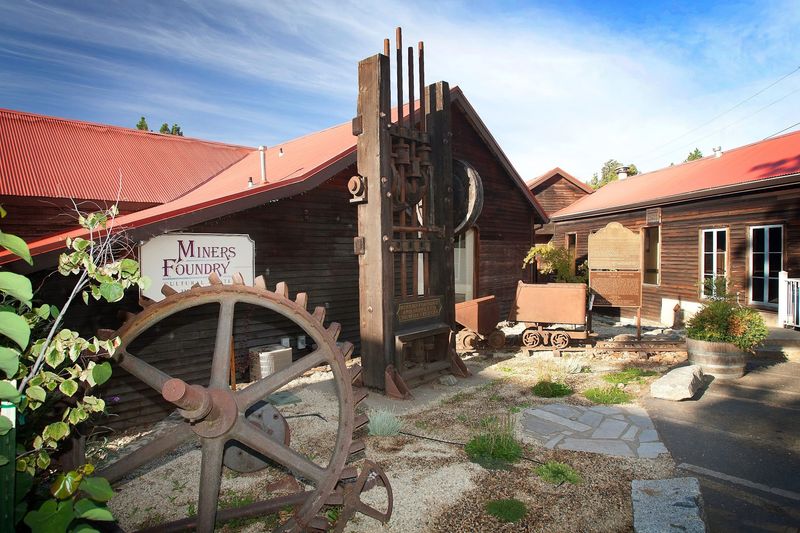
Historic mining towns tucked into the Sierra Nevada foothills preserve the spirit of California’s Gold Rush era along winding backroads.
Towns like Nevada City, Grass Valley, and Placerville feature Victorian architecture, antique shops, and museums that tell stories of fortune seekers who flooded the region in the 1850s.
Spring brings wildflowers and flowing creeks, while fall transforms the landscape with golden oak leaves and crisp air perfect for exploring.
Many towns host weekend festivals celebrating local history, wine, and art, adding extra charm to visits during event weekends.
Old mining equipment, historic cemeteries, and preserved Main Streets offer glimpses into a bygone era when gold discoveries shaped California’s destiny.
Caverns and underground tours in some areas let visitors descend into the earth where miners once worked by candlelight.
The region sits about two to three hours northeast of Sacramento, making it accessible for weekend trips or as a stop between the Bay Area and Lake Tahoe.
Quiet weekdays allow for unhurried exploration of small museums and local cafes, where friendly locals often share stories and recommendations for hidden spots worth discovering.
17. Northern California Redwoods Scenic Drive
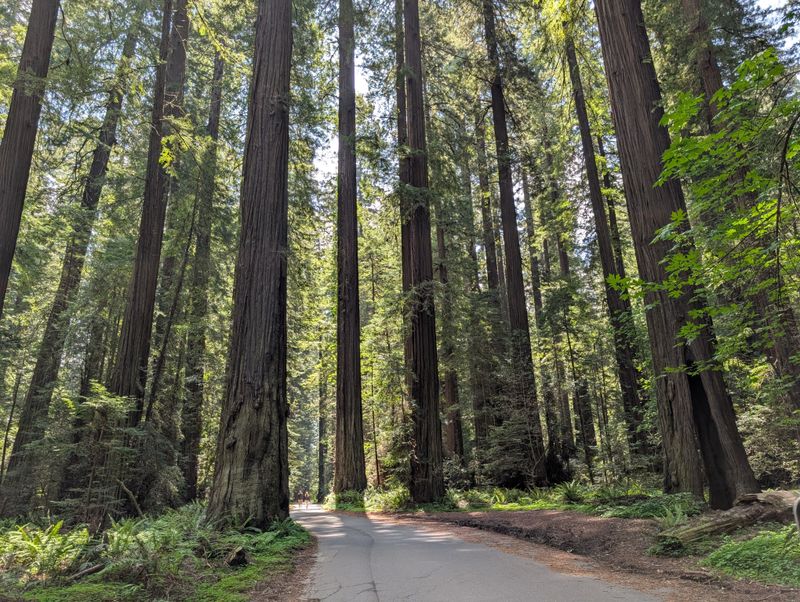
Ancient redwood trees, some over 300 feet tall and more than 2,000 years old, create cathedral-like forests along California’s northern coast.
Driving through Redwood National and State Parks feels like entering another world, where ferns carpet the forest floor and mist drifts between massive trunks.
Avenue of the Giants offers a 31-mile scenic alternative to Highway 101, winding through old-growth groves where sunlight filters down in golden beams.
Stopping to walk among these giants provides a sense of scale that driving alone cannot capture, and short trails make the experience accessible to most visitors.
Nearby coastal towns like Eureka and Arcata offer Victorian architecture, local breweries, and seafood restaurants serving fresh catches from the Pacific.
Summer brings the driest weather, though coastal fog remains common and adds to the mystical forest atmosphere.
Fall and spring offer fewer crowds and beautiful light, while winter rains make the forests lush but trails muddy.
The drive from San Francisco takes about five to six hours, making it ideal for a long weekend or part of a longer northern California loop that includes the coast and wine country.
18. Ventura County Coast Beach-Hopping Route
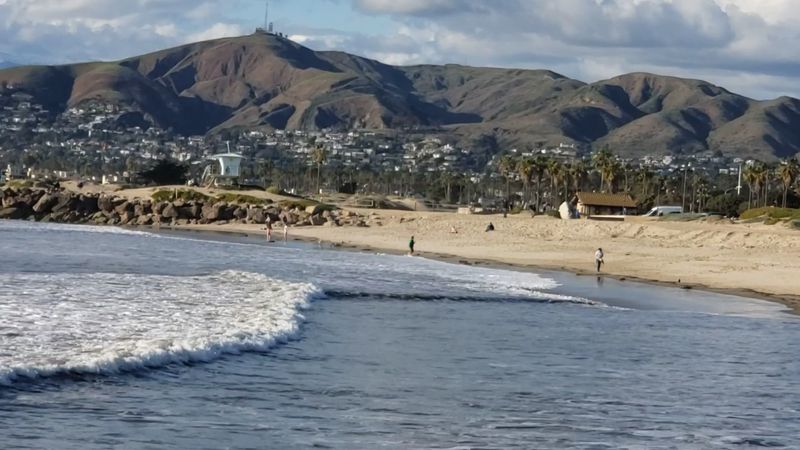
Stretching from L.A. north to Santa Barbara County, Ventura’s coastline offers a mix of surf beaches, harbor towns, and the gateway to Channel Islands National Park.
Ventura Harbor at 1644 Anchors Way Drive, Ventura, CA 93001 provides boat access to the islands, where hiking, kayaking, and wildlife watching await those willing to make the crossing.
Downtown Ventura features a historic mission, walkable Main Street, and beach promenade perfect for sunset strolls and casual dining.
Oxnard’s beaches tend to be less crowded than neighboring areas, offering wide sandy stretches ideal for families and kite flying.
Further north, Rincon Point attracts surfers seeking consistent waves, while Emma Wood State Beach offers coastal camping with ocean views.
The climate stays mild year-round, with summer bringing the warmest beach weather and winter offering excellent conditions for spotting migrating gray whales offshore.
Weekdays provide quieter beach experiences and easier parking at popular spots, while weekends bring a livelier atmosphere with more beachgoers and activity.
The entire coastal stretch can be explored in a day, but staying overnight allows time to enjoy harbor seafood restaurants and catch sunrise over the ocean from a beachfront hotel or campground.
19. Eastern Sierra Scenic Byway
Dramatic mountain peaks rise abruptly from the desert floor along Highway 395, creating one of California’s most spectacular and underappreciated scenic drives.
The Eastern Sierra region offers alpine lakes, hot springs, ghost towns, and access to wilderness areas that feel remote despite being just a few hours from major cities.
Mammoth Lakes serves as a hub for outdoor recreation, with skiing in winter and hiking, fishing, and mountain biking during warmer months.
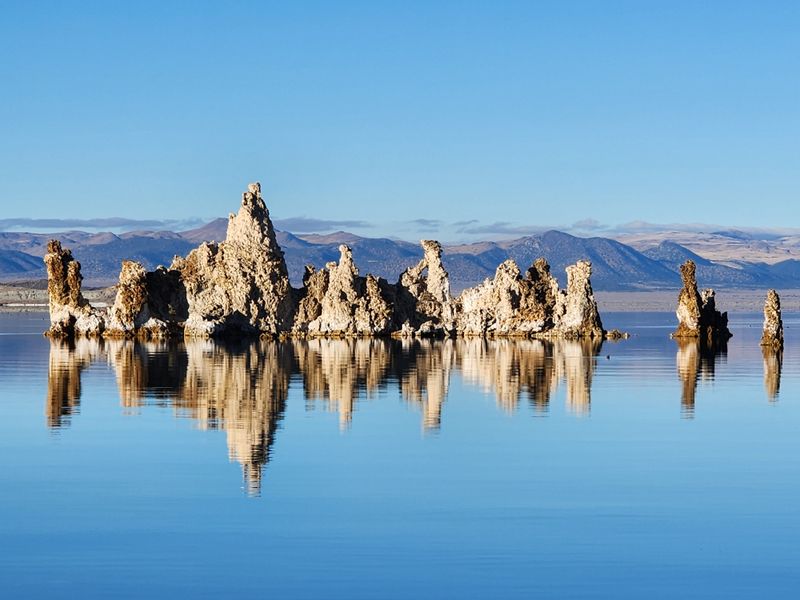
Mono Lake’s otherworldly tufa towers and alkaline waters create a surreal landscape that looks almost alien, especially at sunrise or sunset.
Further south, the Alabama Hills near Lone Pine feature rounded granite formations that have served as backdrops for countless Western films and offer easy scrambling and photography opportunities.
June Lake Loop provides a scenic 16-mile detour with fishing spots, campgrounds, and fall aspen colors that rival anything in the Rockies.
Winter brings snow and closed mountain passes, so summer through fall offers the most accessible travel conditions.
The drive from Reno to Lone Pine takes about four hours, but allowing several days lets travelers explore side roads, soak in natural hot springs, and fully appreciate this stunning mountain corridor.