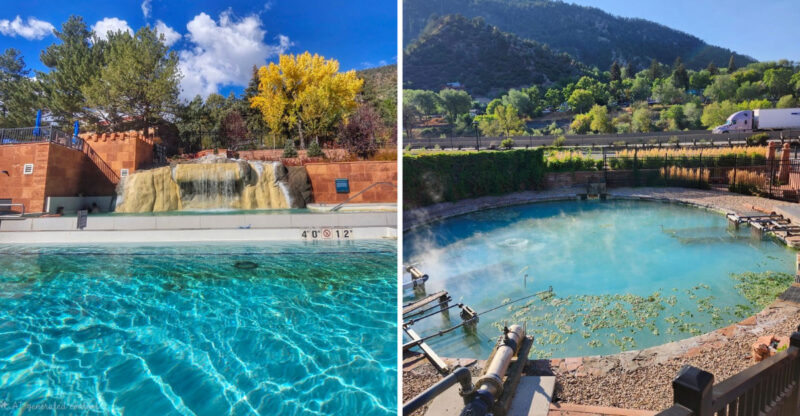
10 Dreamy Colorado Towns Where The Views Completely Steal The Show
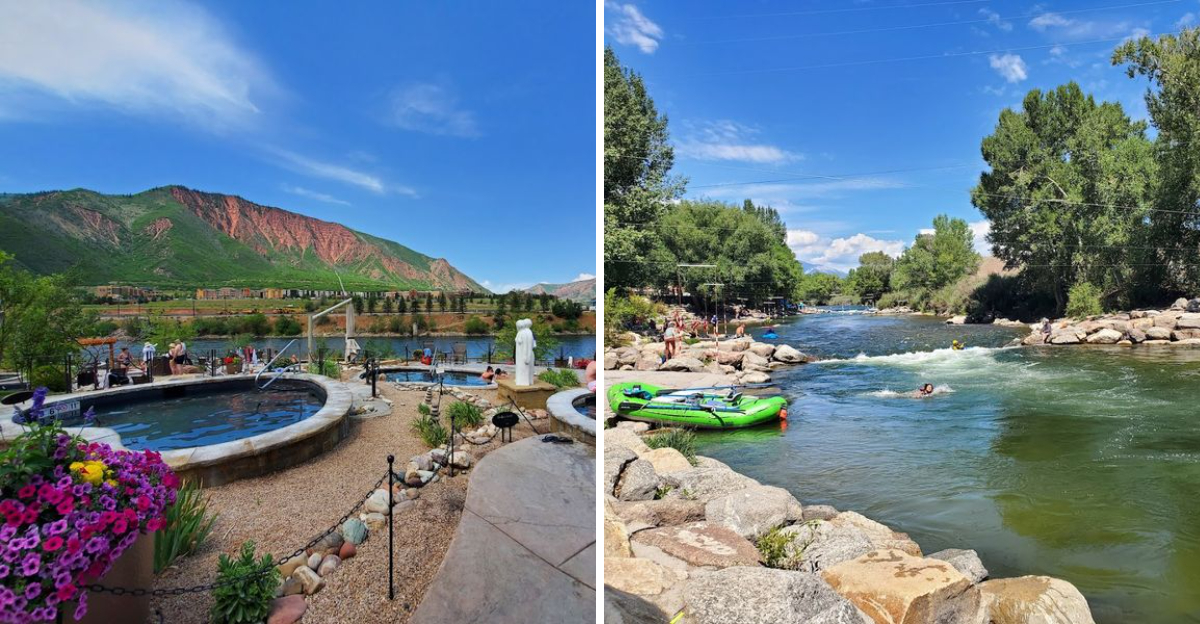
Colorado has been completely ruining people’s plans for years, and I mean that as the sincerest form of praise.
You drive into a small mountain town with a loose agenda and a reasonable timeline, and then the view happens.
Not a nice view. Not a pretty view.
The kind of view that makes you pull over, sit on the hood of your car, and quietly accept that whatever you had scheduled for the rest of the afternoon is simply not going to happen.
I have lost entire days to this state, and I have never once regretted a single one of them. The thing about Colorado’s small towns is that the scenery does not ease you in gently.
It arrives all at once, enormous and unapologetic, framed by peaks that seem too dramatic to be real and skies that look like someone turned the saturation up by thirty percent.
These towns do that better than anywhere else in the state, and they will absolutely steal your schedule too.
1. Ouray
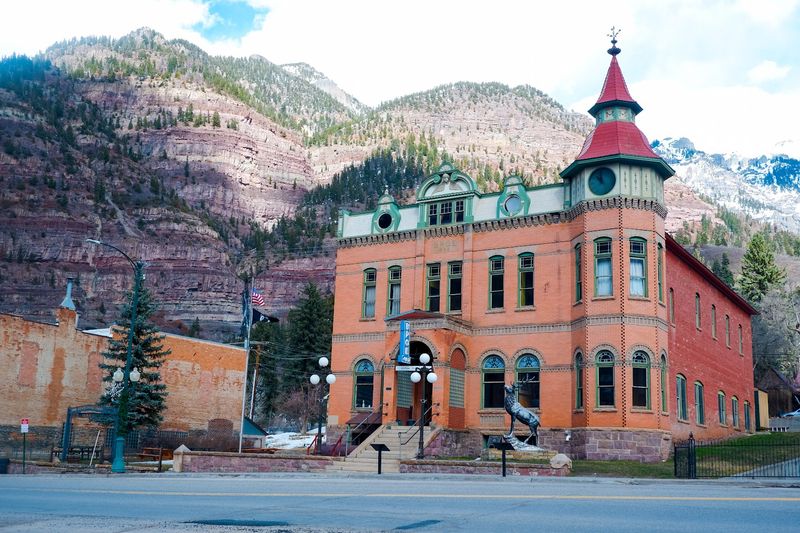
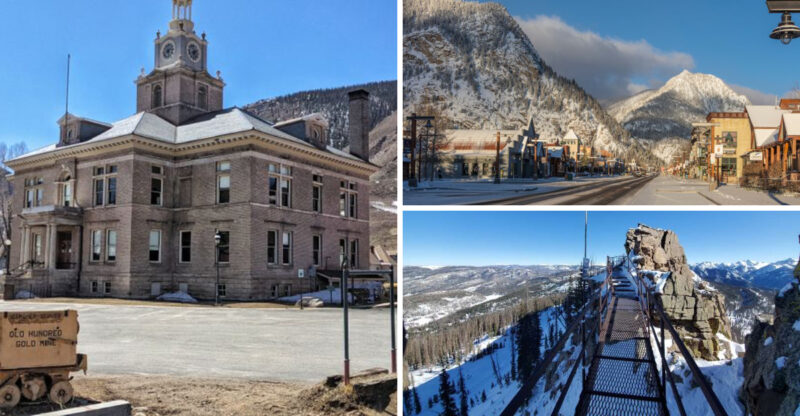
Ouray sits inside a box canyon so perfectly framed by peaks that it genuinely looks like someone designed it for a movie set.
The San Juan Mountains rise on every side, and the town below is a tidy grid of Victorian storefronts and painted porches. It earns its nickname, the Switzerland of America, without trying too hard.
The Uncompahgre Gorge runs right through the edge of town, and the trail along it is one of the easiest, most rewarding walks in the state. You can hear the river the whole way.
In winter, the surrounding canyon walls become an ice climbing park that draws athletes from across the country.
The hot springs pool at the north end of town has been a local fixture since the late 1800s. Ouray sits at about 7,800 feet, so the air feels sharp and clean even on warm days.
The drive south on US-550, known as the Million Dollar Highway, starts right here and is one of the most spectacular mountain roads in North America. Pack snacks, because you will stop constantly.
2. Silverton
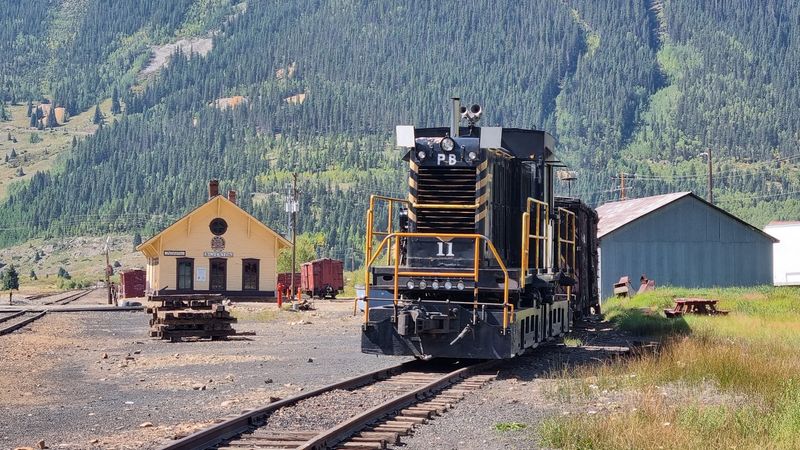
Arriving in Silverton feels like stepping into a town that time forgot, mostly because it kind of did.
The population hovers around 600 people, and the main street still has the wide, dusty character of an old mining settlement. The mountains around it, though, are absolutely relentless in their beauty.
Silverton sits at 9,318 feet, making it one of the highest incorporated towns in the United States. The surrounding peaks regularly top 13,000 and 14,000 feet, so the scale of everything here is hard to process at first.
You genuinely feel small in the best possible way.
The Durango and Silverton Narrow Gauge Railroad pulls into town during summer and fall, carrying passengers through some of the most jaw-dropping canyon scenery in the Rockies.
Watching that old steam train arrive against a backdrop of snowcapped peaks is one of those moments you will describe to people for years.
Greene Street, the main drag at the center of town, is lined with authentic 19th-century buildings that give the whole place a gritty, honest character that feels earned rather than staged.
3. Crested Butte
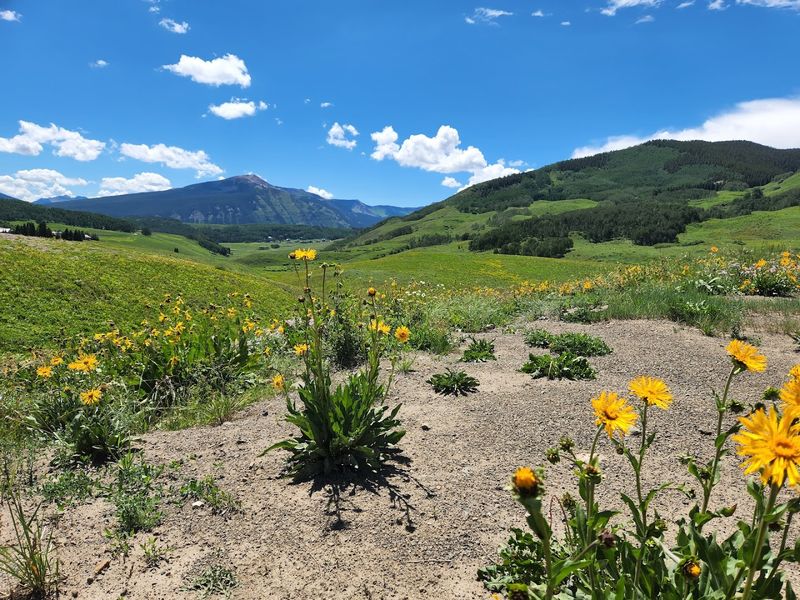
Crested Butte is the kind of place that makes you wonder why you ever lived anywhere else. The town is compact, colorful, and completely surrounded by some of the most dramatic peaks in Colorado.
Gothic Mountain looms to the north like a permanent reminder that nature is in charge here.
Summer is when the magic really hits. The surrounding meadows explode with wildflowers so thick and vivid that the area has earned the unofficial title of Wildflower Capital of Colorado.
Hiking into those fields feels almost surreal, like walking through a painting that someone turned up the saturation on.
Elk Avenue, the main street, is lined with brightly painted buildings that give the town a cheerful, almost storybook energy.
Local shops, bakeries, and coffee spots sit shoulder to shoulder in buildings that have been here since the mining era. The town sits at 8,909 feet in a valley ringed by peaks, which means golden hour light hits differently here.
Every direction you look offers something worth photographing. Crested Butte has managed to stay genuinely itself despite growing popularity, and that authenticity is a big part of its charm.
4. Westcliffe
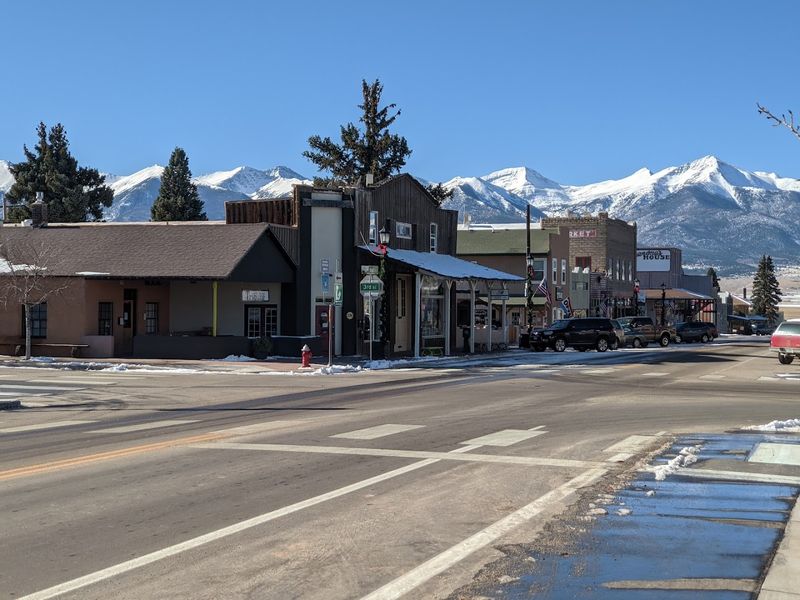
Most people drive past the turnoff to Westcliffe without a second thought, and that is genuinely their loss.
This small ranching community in the Wet Mountain Valley has one of the most unobstructed views of the Sangre de Cristo range anywhere in the state.
The mountains just sit there, enormous and close, like a wall of granite that someone forgot to put a fence around.
The valley itself is wide and open, with working ranches and old farmhouses that give the landscape a lived-in, timeless quality.
Westcliffe has a population of just over 500, which means you can walk the entire downtown in about ten minutes. The quiet here is real quiet, not the kind you get in a suburb.
Dark sky enthusiasts have discovered Westcliffe in a big way. The Wet Mountain Valley is one of the best places in Colorado for stargazing, and the town actively protects its dark skies with lighting ordinances.
On a clear night, the Milky Way is visible with the naked eye. The combination of mountain views by day and star-filled skies after dark makes Westcliffe one of those rare places that delivers twice.
Main Street, Westcliffe is worth the detour.
5. Salida
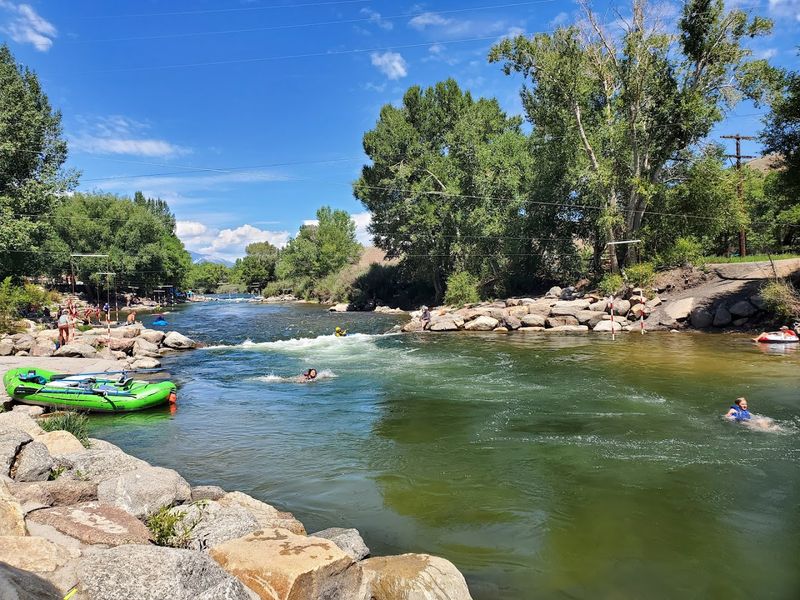
Salida has figured out something that a lot of small towns are still trying to solve. It kept its historic bones, added a thriving arts scene, and managed to stay affordable enough that actual people still live there.
The result is a downtown that feels alive in a genuine way, not a manufactured one.
The Arkansas River runs right through town, and it is one of the most popular stretches of whitewater in the country.
Even if rafting is not your thing, the riverside trail offers easy walking with the kind of mountain scenery that makes you stop mid-sentence. The Sawatch Range, including several fourteeners, frames the western horizon beautifully.
First-time visitors are often surprised by how colorful the downtown is. Murals cover building walls throughout the historic district, and local galleries spill out onto sidewalks during the summer arts walks.
Salida sits at 7,083 feet in the heart of the Arkansas River Valley, which keeps the weather milder than many Colorado mountain towns.
The combination of outdoor adventure and creative energy gives it a personality unlike anywhere else in the state. F Street and Sackett Avenue mark the center of the historic district and are the best place to start any visit.
6. Leadville
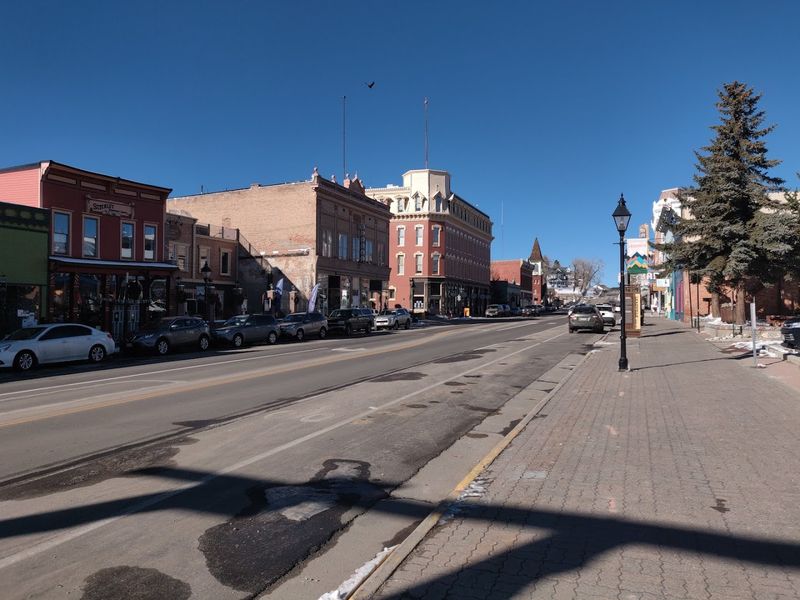
This town sits at 10,152 feet above sea level, making it the highest incorporated city in the United States. That fact alone is worth something, but the views from town are what really justify the altitude headache.
The Sawatch Range stretches to the south and west, including Mount Elbert and Mount Massive, the two highest peaks in Colorado.
The history here is thick and fascinating. During the silver boom of the 1880s, Leadville was one of the wealthiest cities in the country.
The old opera house, the Victorian storefronts along Harrison Avenue, and the mining-era architecture give the town a weight and character that newer resort towns simply cannot replicate.
Harrison Avenue runs through the center of town and is lined with buildings that look exactly as they did 130 years ago, just with better coffee shops inside.
The Tabor Opera House at 308 Harrison Avenue is one of the best-preserved Victorian theaters in the West. The surrounding landscape is stark and dramatic, with treeline sitting noticeably lower than in other Colorado towns.
That openness means the sky feels enormous here. Sunsets over the mountains from Leadville are the kind that make you forget whatever was stressing you out.
7. Estes Park
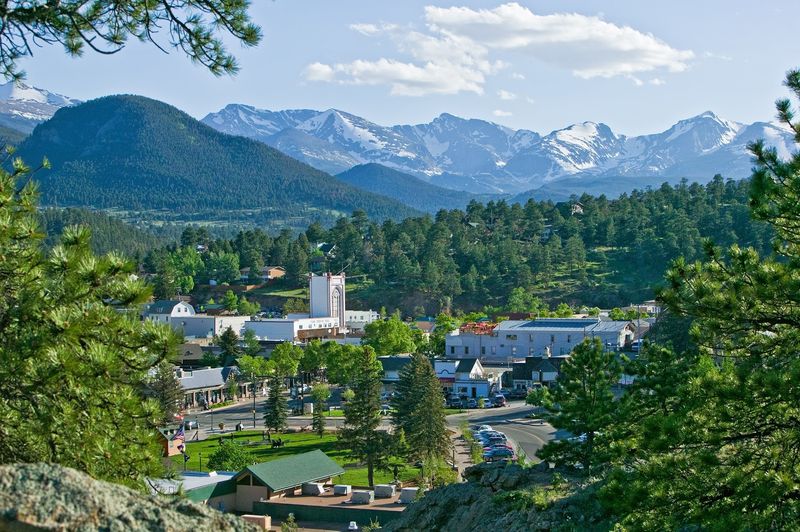
Estes Park has a secret weapon that no other Colorado town can claim. Rocky Mountain National Park starts right at the edge of town, which means the views are not just good, they are national-park-level spectacular.
Trail Ridge Road, which begins near town and climbs above treeline, is one of the highest paved roads in the country.
The town itself sits in a wide valley carved by the Big Thompson River, with peaks rising steeply on three sides.
Elk wander through downtown regularly, especially in fall during the rut, when the meadows outside town fill with bugling bulls. Watching that happen while eating a cinnamon roll on a porch is a uniquely Estes Park experience.
Elkhorn Avenue is the main commercial strip and stays lively through most of the year.
The Stanley Hotel, perched on a hill above town at 333 Wonderview Avenue, is one of the most photographed buildings in Colorado.
It opened in 1909 and has been drawing visitors ever since. The views from the hotel grounds, looking back toward town and the surrounding peaks, are genuinely stunning.
Estes Park gets busy in summer, but the scenery justifies every bit of the crowd. Arriving early in the morning makes everything better.
8. Telluride
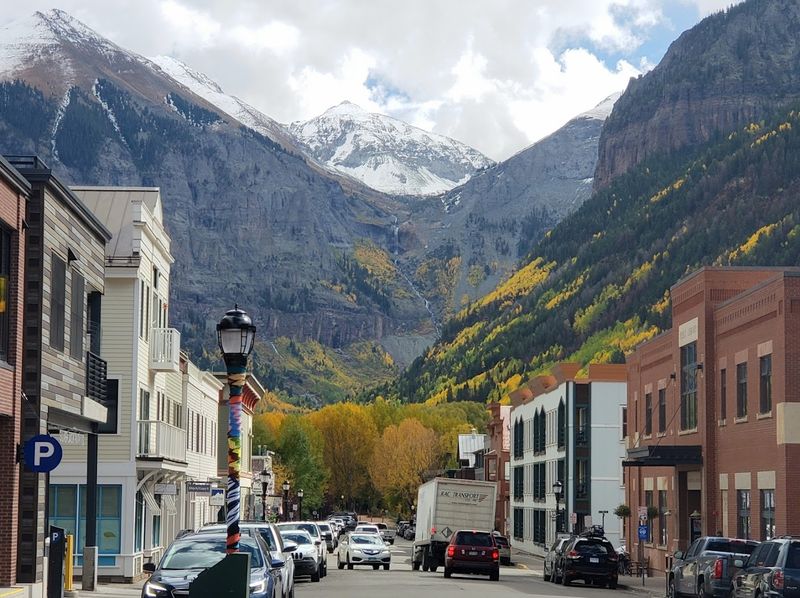
Bridal Veil Falls drops 365 feet off the cliff at the end of the Telluride valley, and you can see it from almost anywhere in town. That single visual detail tells you everything you need to know about what kind of place this is.
The scenery here operates at a level that feels slightly unfair to everywhere else.
Telluride sits inside a box canyon formed by some of the most rugged terrain in the San Juan Mountains. The surrounding peaks are steep, jagged, and perpetually dramatic.
The gondola that connects Telluride to the Mountain Village above is free to ride and offers aerial views that belong in a nature documentary.
Colorado Avenue, the main street, is lined with Victorian-era buildings that were originally built during the silver and gold mining boom of the 1880s.
The town has managed to preserve that architecture while also becoming one of the premier festival destinations in the country.
The Telluride Film Festival, the Bluegrass Festival, and others bring energy to the valley throughout the summer.
Winter transforms the whole scene with deep snow and a ski resort that consistently ranks among the best in North America. Colorado Avenue, Telluride is the address you want to start from.
9. Creede
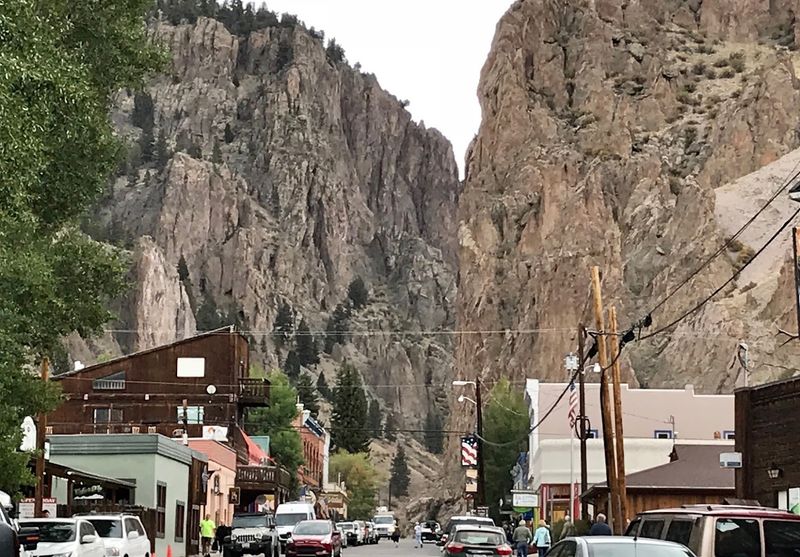
It may be the most dramatically situated town in Colorado, and that is saying something in a state full of dramatic situations.
The town sits at the narrow end of a rocky canyon, with cliff walls rising hundreds of feet on both sides. Driving into Creede for the first time feels like arriving at the end of the world in the best possible sense.
The population here is somewhere around 300 people, which makes it one of the smallest towns on this list. But what it lacks in size it more than compensates for with personality and scenery.
The Rio Grande begins its long journey to New Mexico just a few miles from town, and the surrounding Wheeler Geologic Area offers some of the most otherworldly rock formations in the state.
Main Street in Creede is a single block of well-preserved brick buildings from the silver mining era of the 1890s.
The Creede Repertory Theatre has been staging professional productions here since 1966, which is a remarkable thing to find in a town this size.
The canyon walls glow orange and red in the evening light, turning the whole town into something that feels more like a painting than a real place. Come prepared to be surprised.
10. Glenwood Springs
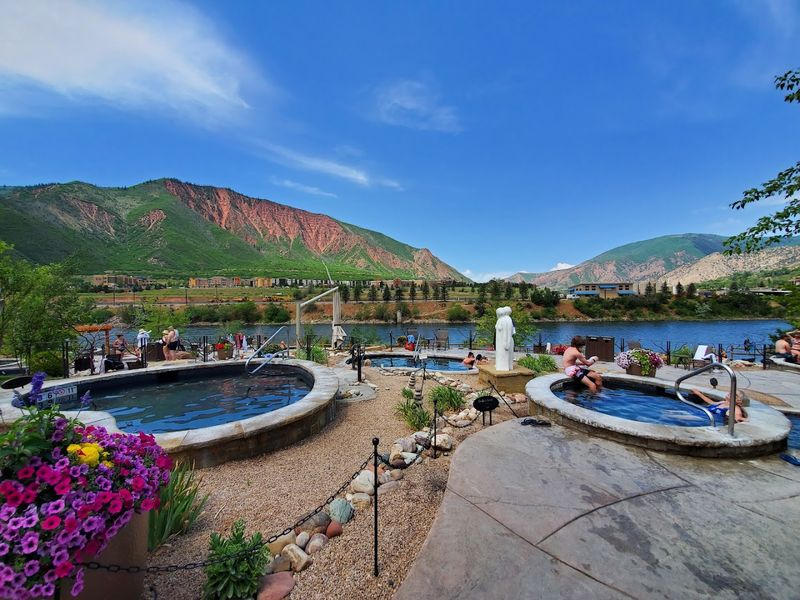
Glenwood Canyon is one of the most spectacular natural corridors in the American West, and Glenwood Springs sits right at its western entrance.
The Colorado River carved those 1,000-foot red rock walls over millions of years, and the result is a backdrop that makes even a quick gas station stop feel cinematic.
The canyon trail running alongside the river is twelve miles long and almost entirely flat.
The town has been a destination since the late 1800s, when the hot springs here attracted visitors from across the country.
The Glenwood Hot Springs Pool, which opened in 1888 at 401 North River Street, is still one of the largest outdoor mineral hot springs pools in the world. Soaking in it while looking up at canyon walls is an experience that is hard to top.
Downtown Glenwood Springs has a comfortable, unhurried energy that feels welcoming rather than touristy. Grand Avenue is lined with local restaurants, shops, and historic buildings that give the town a real sense of place.
The Hanging Lake trail, a short but steep hike just east of town, leads to a turquoise lake perched on a ledge inside the canyon. It is one of the most photographed spots in Colorado, and the photos do not lie.
This town earns every bit of its reputation.