15 Dreamy Small Nebraska Towns That Seem Like They Belong On TV
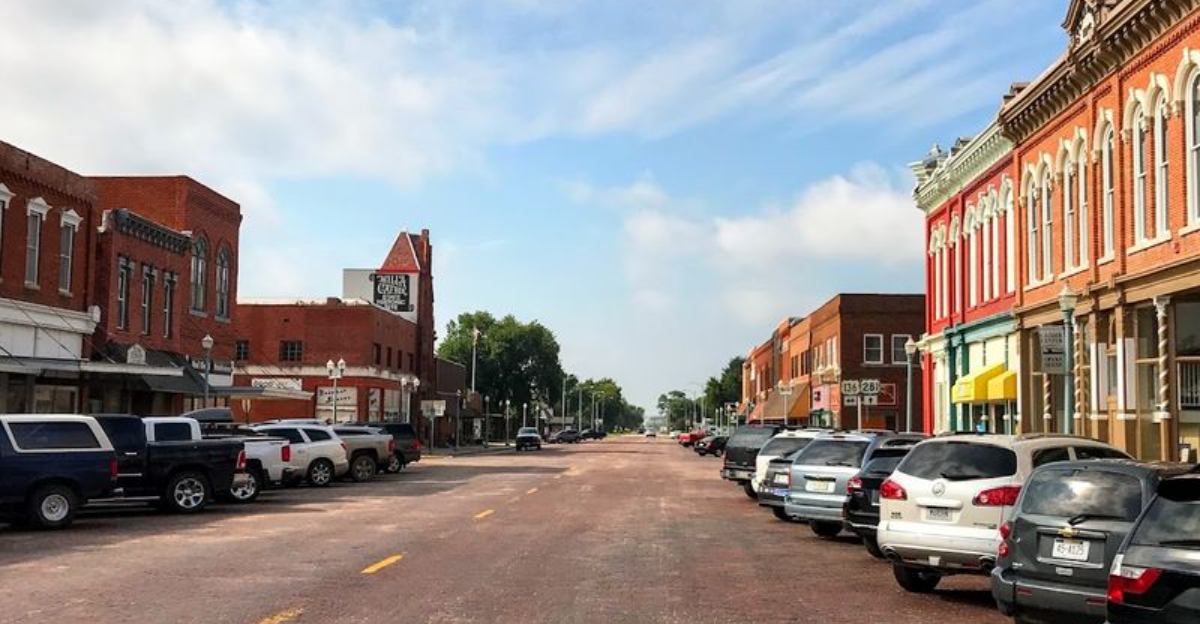
A town does not need a film crew to start acting cinematic.
One church bell rings. An old theater glows after dark. Somebody waters flowers outside a shop like the entire street still belongs to neighbors instead of traffic.
Then the weird thought arrives: why does this place feel scripted?
Nebraska hides little towns that seem built for slow camera pans and characters who definitely own a bookstore with emotional backstory problems.
No giant skyline needed or flashy attractions either. Places like this work because they feel oddly complete already.
The fun part is how unintentionally charming everything feels.
Nobody is trying too hard. That is exactly why people fall for towns like these in the first place.
1. Brownville, Nebraska
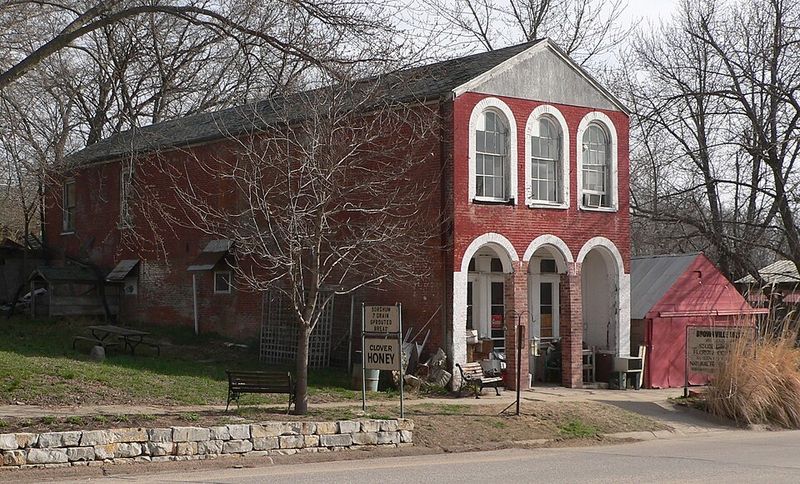
Perched right along the Missouri River, Brownville carries the kind of quiet dignity that feels almost theatrical.
Founded in 1854, it is one of Nebraska’s oldest towns and has managed to hold onto a remarkable amount of its original character.
The streets are narrow and lined with 19th-century architecture that gives the whole place a sepia-toned warmth even on overcast days.
The Captain Bailey House Museum and the Brownville Historical Society Museum offer genuine windows into frontier life without feeling like dusty afterthoughts.
Visitors tend to slow their pace here naturally, partly because the town itself seems to ask for it. The river is always nearby, adding a low, steady presence to any afternoon spent wandering around.
A sternwheeler riverboat called the Spirit of Brownville has historically offered scenic cruises, though availability can vary by season so checking ahead is always a good idea.
Small art galleries and antique shops dot the area, making browsing feel rewarding rather than rushed.
2. Nebraska City, Nebraska
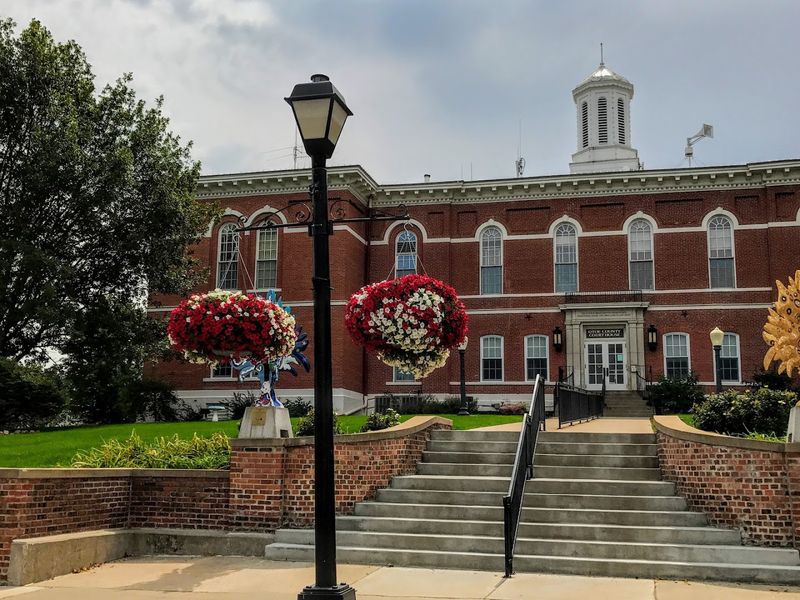
Known as the birthplace of Arbor Day, Nebraska City carries a legacy that feels genuinely rooted in its landscape.
The trees here are not just decorative; they are part of the town’s identity, planted with purpose and tended with pride over generations.
Walking through Arbor Lodge State Historical Park feels like stepping into a slower, more deliberate version of the world.
Arbor Lodge State Historical Park sits at 2300 2nd Ave, Nebraska City, NE 68410, and the grounds include a 52-room mansion and formal gardens that are open seasonally.
The atmosphere on a weekday morning is especially calm, with just enough breeze moving through the old trees to make the whole place feel alive.
Downtown Nebraska City has a handful of locally owned shops and eateries that make it easy to spend a full afternoon without a plan.
The town sits along the Missouri River, which adds a geographic drama to its otherwise gentle personality.
3. Minden, Nebraska
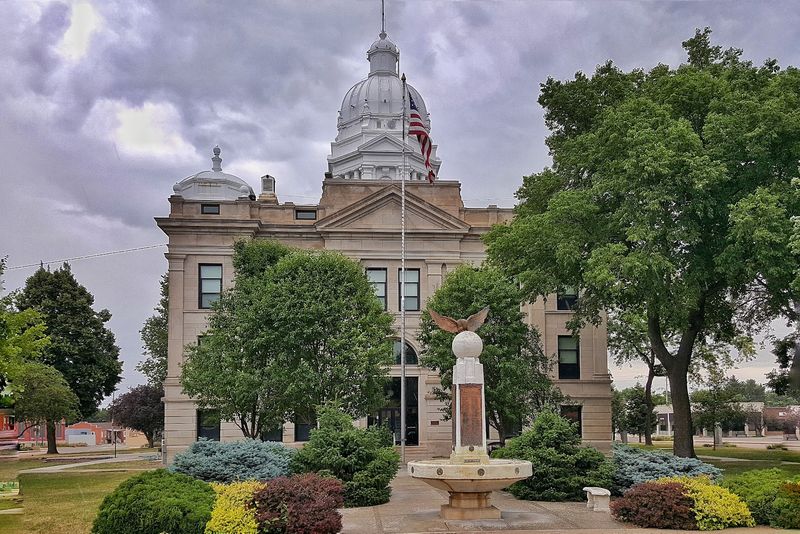
Minden has a courthouse square that looks like it was designed specifically for a holiday movie set.
The classic Midwestern layout, with a grand courthouse at the center and local businesses ringing the square, gives the town a visual coherence that feels almost staged in the best possible way.
Harold Warp Pioneer Village, located at 138 E US-6, Minden, NE 68959, is one of the most surprising attractions in the entire state.
Pioneer Village contains over 50,000 artifacts spread across 28 buildings, covering American history from 1830 onward in a way that rewards slow, curious visitors.
The sheer scale of the collection can catch people off guard, since the outside of the town gives no hint of what lies within. Spending a full day there is entirely reasonable and still leaves plenty unexplored.
Minden also holds a beloved distinction as Nebraska’s official Christmas City, and the courthouse square transforms each winter into something genuinely festive.
The lights and decorations draw visitors from across the region, and the atmosphere during that season has a warmth that feels earned rather than manufactured.
4. Ashland, Nebraska
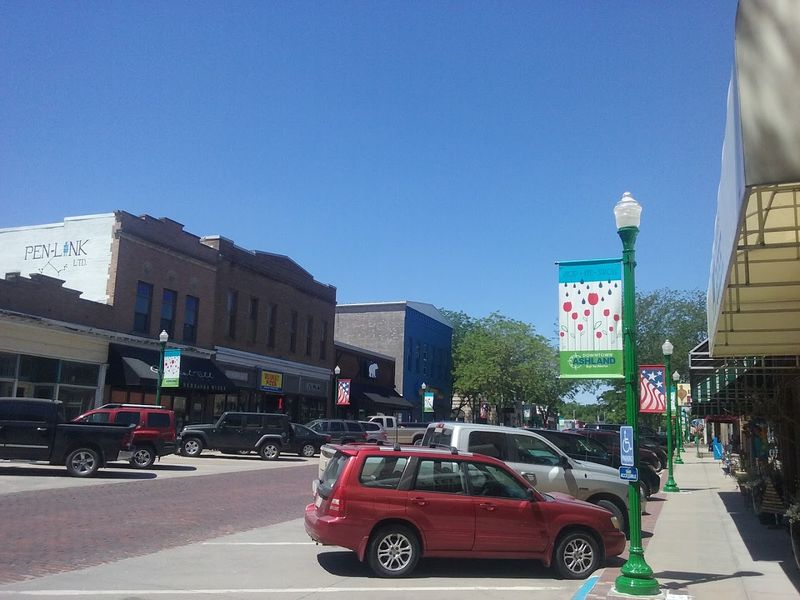
Sitting between Lincoln and Omaha along the Platte River valley, Ashland offers an accessible escape that punches well above its size.
The town itself has a relaxed, well-kept feel with a compact downtown that is easy to navigate on foot. What draws many visitors, though, is what sits just outside the town limits on the highway.
The Strategic Air and Space Museum is located at 28210 W Park Hwy, Ashland, NE 68003, and its enormous glass and steel structure is visible from the road in a way that almost defies the surrounding landscape.
Inside, full-size aircraft and spacecraft are displayed with enough room to walk around them and actually take them in, which is a rarer experience than it sounds.
Mahoney State Park nearby adds outdoor options including trails, a water park, and riverside access that make Ashland a practical base for a longer Nebraska stay.
The town itself has a friendly, unhurried energy that makes stopping for a meal or a walk feel easy rather than obligatory.
Ashland may not be the flashiest destination on this list, but it consistently delivers on what it promises.
5. Valentine, Nebraska
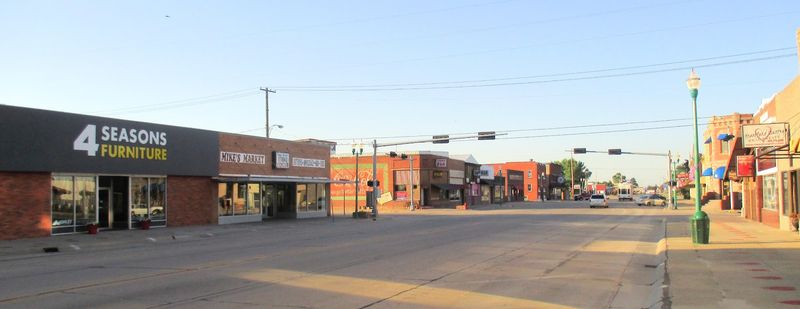
Named after a congressman rather than the holiday, Valentine somehow leans into the romantic association anyway, and the town wears it with good humor.
Located in the Sandhills region of north-central Nebraska, it sits near the Niobrara National Scenic River, which draws paddlers, hikers, and nature lovers throughout the warmer months.
The combination of a quirky town identity and genuinely spectacular natural surroundings makes Valentine feel like a discovery worth sharing.
Fort Niobrara National Wildlife Refuge protects a stretch of prairie and river habitat that includes bison, elk, and a variety of bird species.
The refuge is open to visitors and offers driving and walking routes that allow for unhurried wildlife observation. Early mornings there have a stillness that is hard to replicate anywhere else in the state.
Downtown Valentine has the practical amenities of a regional hub, including places to eat and stock up before heading into the Sandhills.
The town’s postmark is famously sought after around Valentine’s Day, and the local post office handles a significant volume of mail from people who want that special cancellation.
It is a small detail, but it says something real about the town’s personality.
6. Chadron, Nebraska
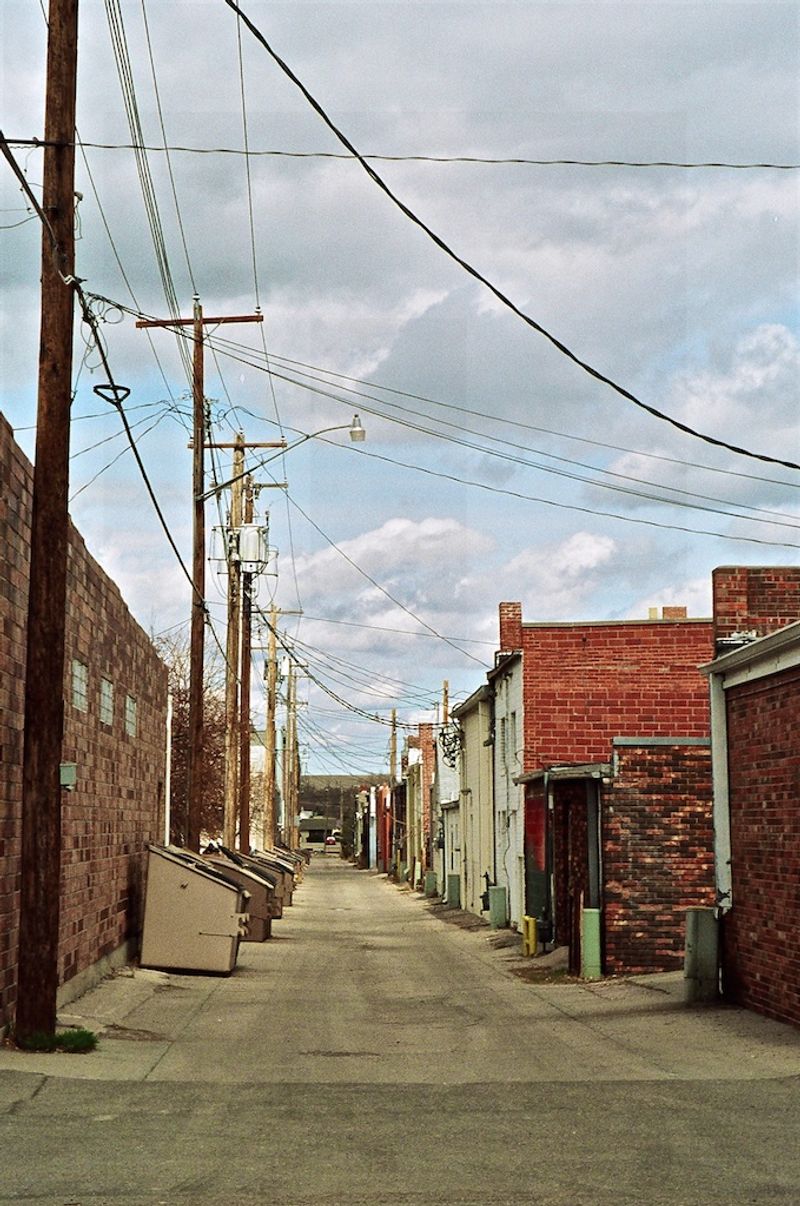
Tucked into the Pine Ridge region of the northwestern Panhandle, Chadron has a rugged, cinematic quality that sets it apart from the rest of Nebraska’s small towns.
The landscape shifts dramatically here, with pine-covered ridges and buttes replacing the flat prairie that dominates much of the state.
That visual contrast alone makes arriving in Chadron feel like crossing into a different chapter of a story.
The Museum of the Fur Trade sits at 6321 US-20, Chadron, NE 69337, and it holds one of the most specialized and genuinely fascinating collections in the region, dedicated entirely to the North American fur trade era.
The exhibits are detailed and thoughtfully organized, covering Indigenous trade networks, European expansion, and the material culture of the frontier period.
It is the kind of museum that surprises visitors who stumble in expecting something modest.
Chadron State Park, located just south of town, offers camping, hiking, and horseback riding amid the pine-covered hills that give the region its character.
The park’s trails wind through terrain that looks nothing like the Nebraska most people picture, which tends to delight first-time visitors.
Chadron State College gives the town a steady, youthful energy that keeps it feeling alive year-round.
7. Seward, Nebraska
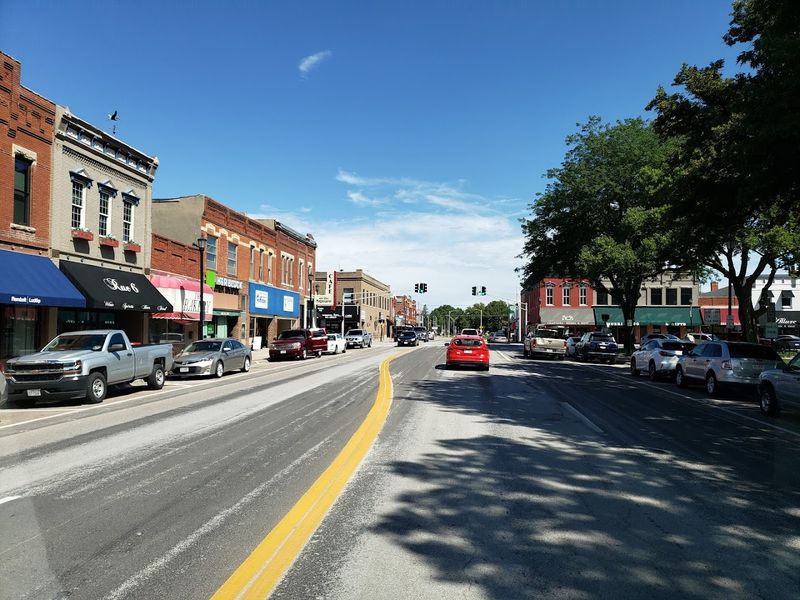
Since 1979, Seward has carried the official title of Nebraska’s Fourth of July City, a designation that reflects its character as much as its calendar.
The annual Independence Day celebration draws tens of thousands of visitors to a town of roughly seven thousand people, creating an atmosphere that is festive without becoming overwhelming.
The courthouse square at the center of town anchors the celebration and gives the whole event a classic, grounded feel.
Outside of the holiday season, Seward has a pleasant, walkable downtown with local shops and a community energy that feels genuine.
Concordia University Nebraska adds an academic presence that keeps the town from feeling purely residential, and the campus itself is attractive and well-maintained.
The blend of small-town warmth and institutional activity gives Seward a texture that is easy to appreciate on a casual visit.
Plum Creek Park and the nearby Seward City Park offer green space and walking paths that make spending an afternoon outdoors simple and enjoyable.
The town has a tidiness to it that suggests civic pride without being sterile, and the streets feel safe and easy to navigate on foot.
8. Wayne, Nebraska
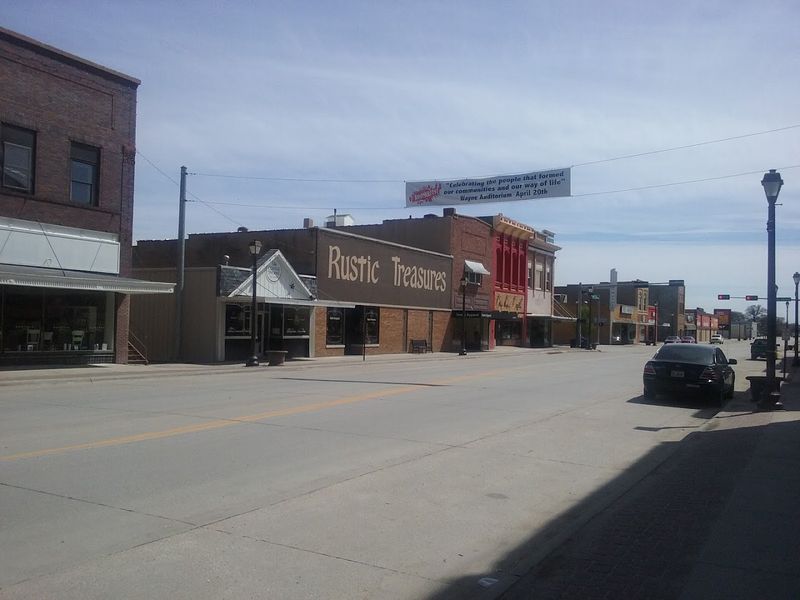
Home to one of the most gloriously specific annual events in the entire country: the Wayne Chicken Show, held each July and centered entirely on chickens in the most cheerful and absurd way possible.
The event includes a National Cluck-Off, a parade, and various chicken-themed competitions that draw visitors who are in on the joke and fully committed to enjoying it.
The fact that the town leans this hard into something so specific says a great deal about its personality.
Wayne State College gives the town an academic backbone that keeps it active and socially engaged throughout the academic year.
The campus is compact and walkable, and its presence supports a range of cultural and athletic events that residents and visitors can attend.
Downtown Wayne has a functional, friendly layout with locally owned businesses that have served the community for years.
The surrounding farmland in northeast Nebraska has a golden, open quality in late summer that makes driving into Wayne feel almost cinematic in its simplicity.
The town does not try to be something it is not, and that honesty is part of what makes it appealing.
9. Beatrice, Nebraska
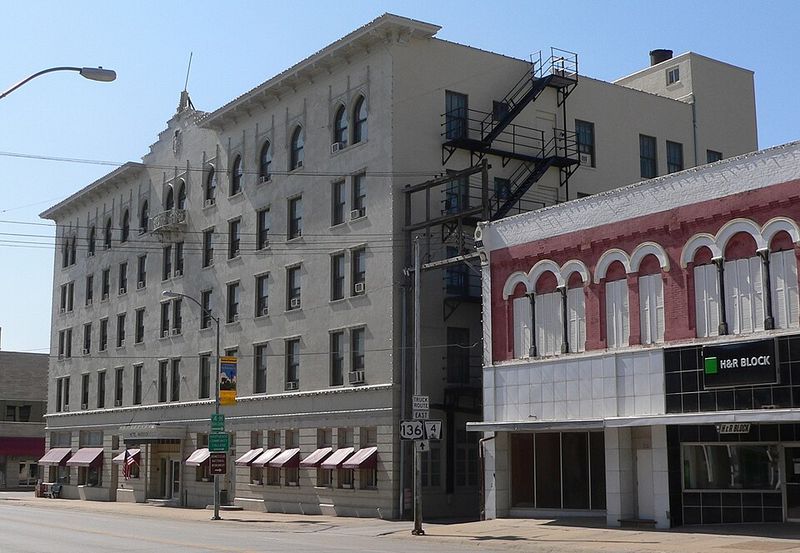
Across southeastern Nebraska’s rolling farmland, Beatrice carries a grounded confidence shaped by deep roots and history worth knowing.
The town’s name is pronounced locally as bee-AT-ris, a quirk that serves as an immediate indicator of whether someone is from around there.
That kind of local specificity is part of what gives Beatrice its distinct, unhurried identity.
Homestead National Historical Park marks the site of one of the first homestead claims filed under the Homestead Act of 1862, making it one of the more historically significant sites in the Midwest.
The park includes a heritage center with exhibits on westward migration, Indigenous displacement, and the realities of frontier farming.
The landscape around the site, with its restored tallgrass prairie, adds a physical dimension to the history that photographs cannot fully capture.
Downtown Beatrice has a mix of historic architecture and active storefronts that make it pleasant to explore on foot.
The Gage County Courthouse is a visual anchor for the town center, and local events throughout the year keep the public spaces lively.
10. Red Cloud, Nebraska
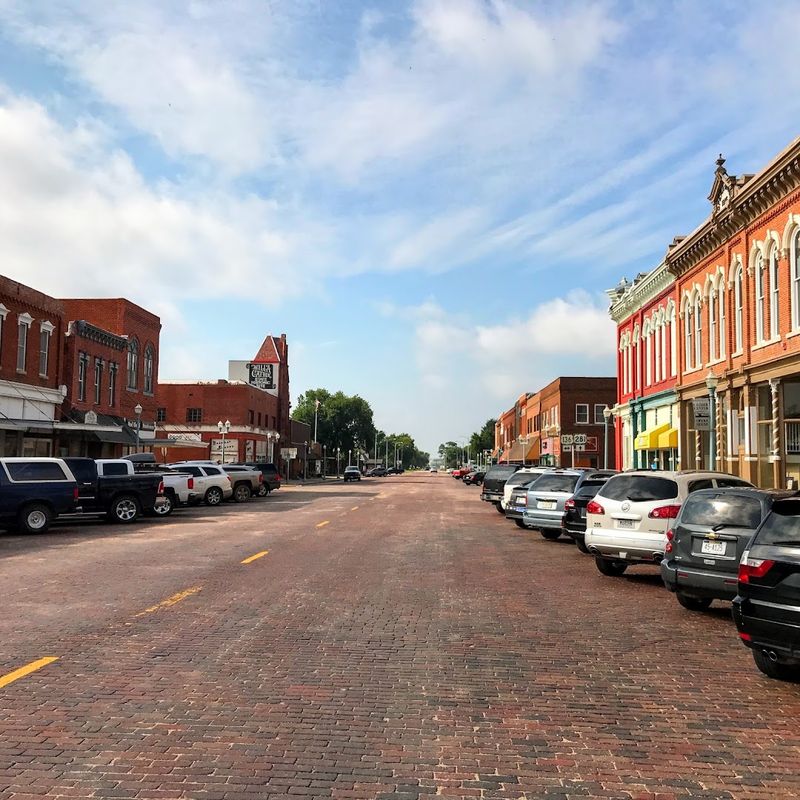
Literary history runs deep in Red Cloud, a small town on the Republican River that served as the inspiration for much of Willa Cather’s writing.
The landscape around it, flat and enormous and full of sky, matches the tone of her novels in a way that feels almost eerie to anyone who has read them.
Walking through town with that context in mind turns ordinary streets into something much more layered.
The Willa Cather Foundation operates several historic sites throughout the area, including the Willa Cather Childhood Home at 326 N Webster St, Red Cloud, NE 68970, which is open for guided tours.
The home is modest and carefully preserved, and standing inside it gives a sense of how closely Cather drew from real life in her fiction.
The surrounding prairie, visible from nearly every street in town, adds a sweeping backdrop that no set designer could improve upon.
Red Cloud Opera House, also restored and active, hosts community events and performances that keep the cultural energy of the town alive.
The town feels genuinely proud of its heritage without being precious about it, which makes visiting feel comfortable rather than performative.
11. Plattsmouth, Nebraska
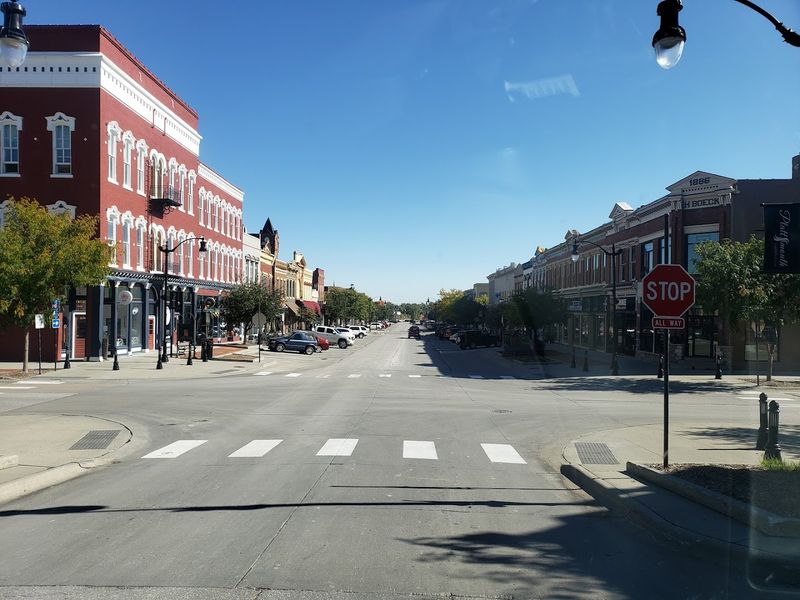
Plattsmouth occupies a dramatic position on the bluffs above the confluence of the Platte and Missouri Rivers, giving it a geographic setting that feels almost theatrical.
The town was once a major railroad hub, and traces of that history are visible in the architecture and the scale of some of its older buildings.
Walking through the historic downtown gives the impression of a place that once moved very fast and has since settled into a comfortable, reflective pace.
The Cass County Historical Society Museum holds a collection of local artifacts and records that document the town’s railroad era and early settlement history in satisfying detail.
The museum is modest in size but generous in context, offering enough material to make a visit genuinely informative rather than superficial.
The building itself sits comfortably within the historic streetscape of Main Street.
The riverfront area below the bluffs offers views across the Missouri that are especially striking in the early morning or at dusk.
Plattsmouth’s proximity to Omaha makes it an easy day trip, but the town has enough character to justify a longer stay.
The blend of river geography, railroad history, and small-town architecture gives Plattsmouth a layered quality that rewards curiosity.
12. Falls City, Nebraska
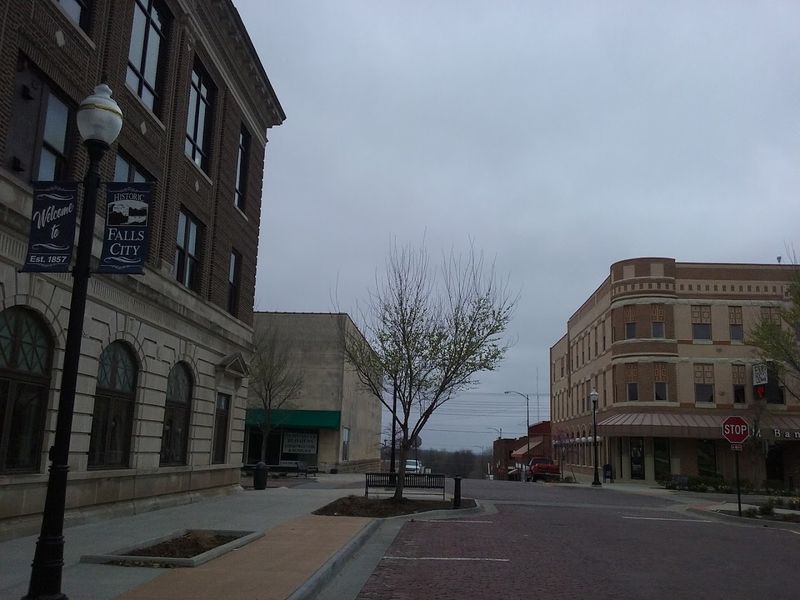
In Nebraska’s southeastern corner, Falls City carries a quiet authority as Richardson County’s longtime county seat.
The Richardson County Courthouse is an architectural centerpiece for the town, sitting at the heart of a downtown that has retained much of its original brick-and-mortar character.
The streets around it feel like a genuine working town rather than a preserved snapshot, which gives Falls City a lived-in warmth.
The Arbor State Lanes and local diners along Stone Street give the town a functional, community-centered energy that is easy to settle into.
Falls City has a pace that slows visitors down in a good way, encouraging longer conversations and unhurried afternoons.
The surrounding countryside in southeast Nebraska has a lush, rolling quality that differs noticeably from the drier regions further west.
The town’s history includes some difficult chapters that have been examined honestly in documentaries and journalism, giving Falls City a complex identity that goes beyond its surface charm.
That complexity makes it a more interesting destination than a simple postcard version of small-town life.
13. Ogallala, Nebraska
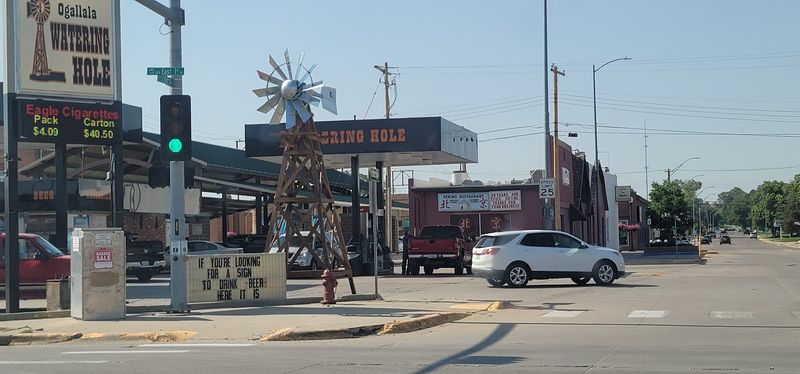
During the late-1800s cattle drive era, Ogallala became known as the “Cowboy Capital of Nebraska” as a major Western Trail endpoint for Texas longhorn drives.
That history is not just a marketing angle here; it is visible in the town’s Boot Hill cemetery and in the Front Street recreation area that evokes the rough-and-tumble atmosphere of its past.
The town leans into its Western identity with a comfort that suggests genuine pride rather than performance.
Lake McConaughy, located just north of town, is Nebraska’s largest reservoir and draws boaters, swimmers, and campers throughout the summer months.
The sandy shoreline and clear blue water create a visual that surprises many visitors who did not expect a beach-like setting in the middle of the Great Plains.
The lake and the town together create a combination of history and outdoor recreation that is hard to find in one place.
Ogallala’s downtown has a handful of shops and eateries that serve both locals and the steady flow of travelers passing through on Interstate 80.
The town sits at a natural crossroads between east and west Nebraska, making it a logical and rewarding stopping point.
14. Sidney, Nebraska
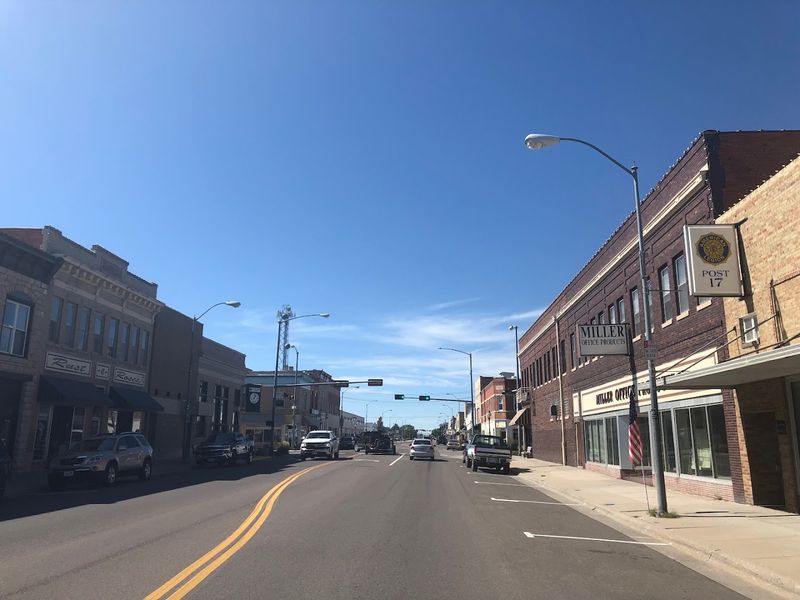
Out on the high plains of the Nebraska Panhandle, Sidney carries a frontier directness that feels refreshingly unpolished.
The town grew up around Fort Sidney, established in 1867 to protect railroad workers and settlers moving through the region, and several original fort structures still stand and are open to visitors.
That preserved military history gives Sidney a depth that its modest size might not suggest at first glance.
The Fort Sidney Complex includes the Post Commander’s Home at 544 Jackson St, Sidney, NE 69162, which is maintained as a historic site and offers a tangible connection to the town’s 19th-century origins.
The building is well-preserved and the surrounding grounds provide context for understanding how the fort functioned within the broader landscape.
Cabela’s, the outdoor retail giant, was founded in Sidney and operated its original flagship store there for decades, making the town a destination for outdoor enthusiasts from across the country.
The retail landscape has shifted since then, but Sidney’s identity as a gateway to the Panhandle’s wide-open spaces remains intact.
15. Hebron, Nebraska
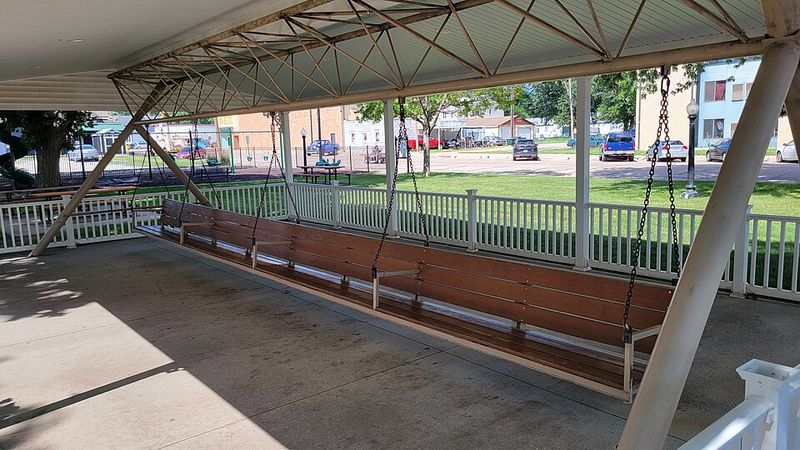
Hebron holds a distinction that is hard to top for sheer Midwestern charm: it is home to the world’s largest porch swing, a structure that seats over a dozen people and sits in a park near the center of town.
The swing is a genuine Guinness World Record holder and draws curious visitors who want to experience something they genuinely cannot find anywhere else on earth.
Sitting on it feels both absurd and wonderful, which is exactly the right combination for a roadside attraction.
Beyond the swing, Hebron serves as the Thayer County seat and has a handsome courthouse that anchors a compact, walkable downtown.
The town has a tidy, well-maintained quality that reflects a community that takes care of its public spaces without making a fuss about it.
Local businesses along the main streets have a practical, no-nonsense character that feels authentic to the region.
The surrounding farmland in south-central Nebraska has a peaceful, expansive quality that makes the drive into Hebron pleasant in any direction.
The town is close enough to the Kansas border to feel like a true edge-of-the-plains experience.