10 Dreamy Small Towns In North Carolina That Feel Like They Belong On TV
North Carolina has the energy of a TV character. Maybe not the main character, but definitely the fan favorite. A simple drive can suddenly reveal a main street that looks almost staged for a film set.
The state is filled with small towns where history, scenery, and community seem to fit together naturally.
Many of these places still revolve around a traditional downtown. Brick storefronts, old theaters, and family-owned cafés shape the rhythm of daily life. Walking through them often feels slower and more personal than larger cities.
The appeal comes from the balance between past and present. Historic buildings remain in use, while local shops and restaurants keep the streets active. Visitors often find themselves wandering longer than planned.
Geography adds variety. Some towns sit high in the Blue Ridge Mountains, others rest near rivers, lakes, or coastal waterways.
These are the kinds of places that make you slow down, take a second look at the main street, and wonder how many people arrived for a quick stop and ended up staying far longer than they ever planned.
1. Blowing Rock
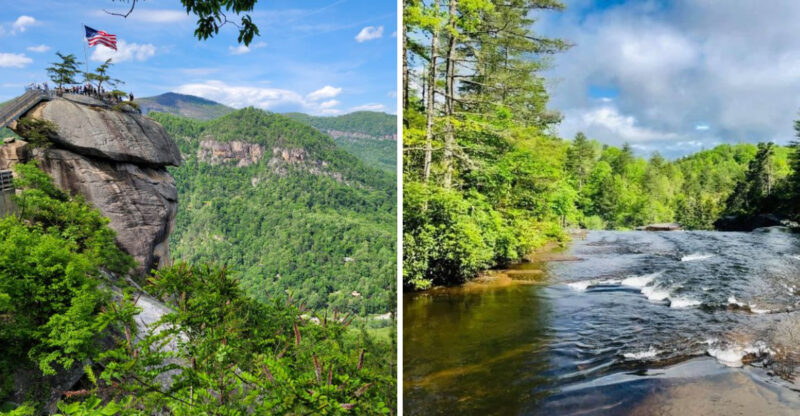
High in the Blue Ridge Mountains, Blowing Rock feels like the kind of town built for lingering rather than rushing. Sitting at more than 3,500 feet in Watauga County, the air stays cooler here than in much of North Carolina, even during the warmest months.
The natural rock formation that gave the town its name remains one of its most curious attractions. Strong wind currents rise through the gorge below the cliff.
Because of that updraft, lightweight objects tossed over the edge sometimes drift back upward instead of falling straight down.
Downtown Blowing Rock centers around a walkable Main Street. Independent galleries, small cafés, and boutique shops fill many of the historic storefronts.
The streets have welcomed visitors for more than a century, and the atmosphere still feels relaxed rather than hurried.
Scenic drives surround the town on all sides. The nearby Blue Ridge Parkway provides overlooks, forest views, and winding mountain roads that attract travelers throughout the year. Trails, parks, and quiet overlooks are never far away.
Blowing Rock blends mountain scenery with a welcoming village feel. Many visitors arrive planning a short trip and end up wishing they had scheduled a few more days.
2. Banner Elk
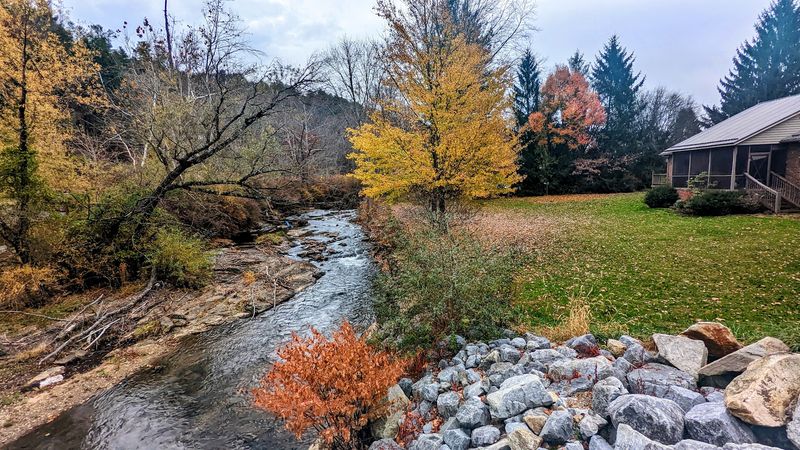
Banner Elk sits high in Avery County at roughly 3,700 feet above sea level. The town rests between Beech Mountain and Sugar Mountain, giving it a classic High Country setting. Cool air, open ridgelines, and nearby forests shape the landscape throughout the year.
Seasonal changes are especially noticeable here. Winter brings steady snow to the surrounding slopes, and Ski Beech and Sugar Mountain become popular destinations for skiers and snowboarders.
When autumn arrives, the mountains surrounding Banner Elk turn brilliant shades of red, orange, and gold.
The town itself remains compact and easy to explore on foot. Even during busy seasons, the atmosphere often feels calm rather than rushed.
Lees-McRae College adds a quiet academic presence to the community. The campus is just above town and contributes to the relaxed, small-town character. Students and visitors often share the same walking paths and coffee shops.
The Elk River flows nearby and attracts anglers interested in fly fishing. Clear mountain water and steady trout populations make it a reliable destination for those who enjoy quiet hours along the riverbank.
Banner Elk combines mountain scenery with an easygoing pace. The setting feels peaceful in every season, which helps explain why so many visitors return year after year.
3. Beaufort
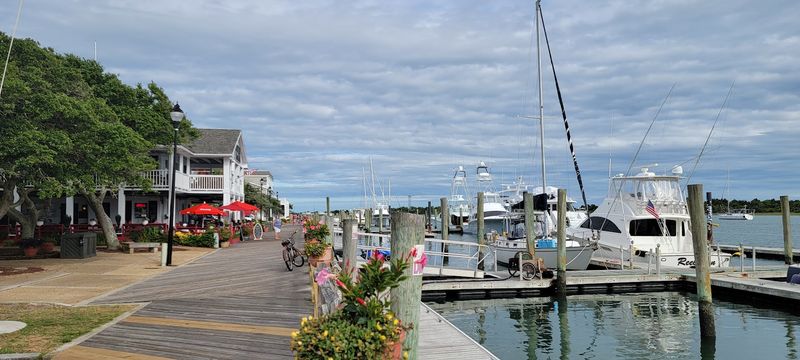
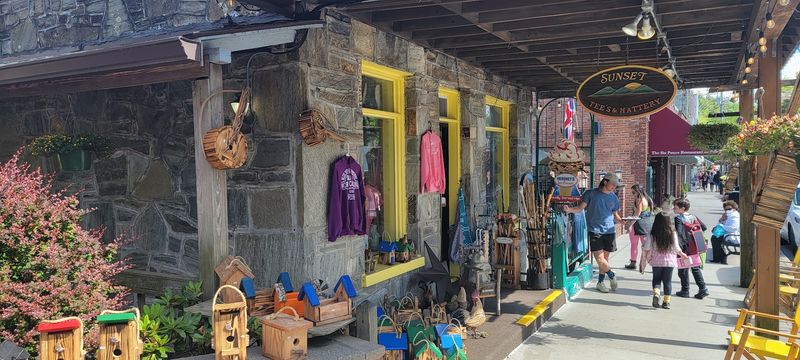
Along North Carolina’s Crystal Coast, Beaufort stands out for its long history and relaxed waterfront setting. The town was founded in 1709 and ranks as the third-oldest community in the state. That history remains visible throughout the waterfront district.
Taylor Creek forms the center of daily life in Beaufort. A boardwalk follows the water’s edge, giving visitors clear views of boats moving through the harbor. Just across the creek sits Carrot Island, where wild horses are often seen grazing near the shoreline.
Historic homes line many of the streets near the waterfront. Some date back to the eighteenth century and reflect Beaufort’s long connection to maritime trade. Large oak trees and coastal palms provide shade along the quiet residential blocks.
The North Carolina Maritime Museum adds another dimension to the town’s story. Exhibits explore shipbuilding, piracy, and the region’s long seafaring tradition.
Many visitors stop here to learn more about Blackbeard and the waters surrounding the Outer Banks.
Beaufort’s pace remains slow compared with larger beach destinations. Shrimp boats still pass through the harbor, and waterfront benches offer easy places to pause and watch the water.
The combination of coastal scenery and deep history gives the town a character that feels both authentic and enduring.
4. Edenton
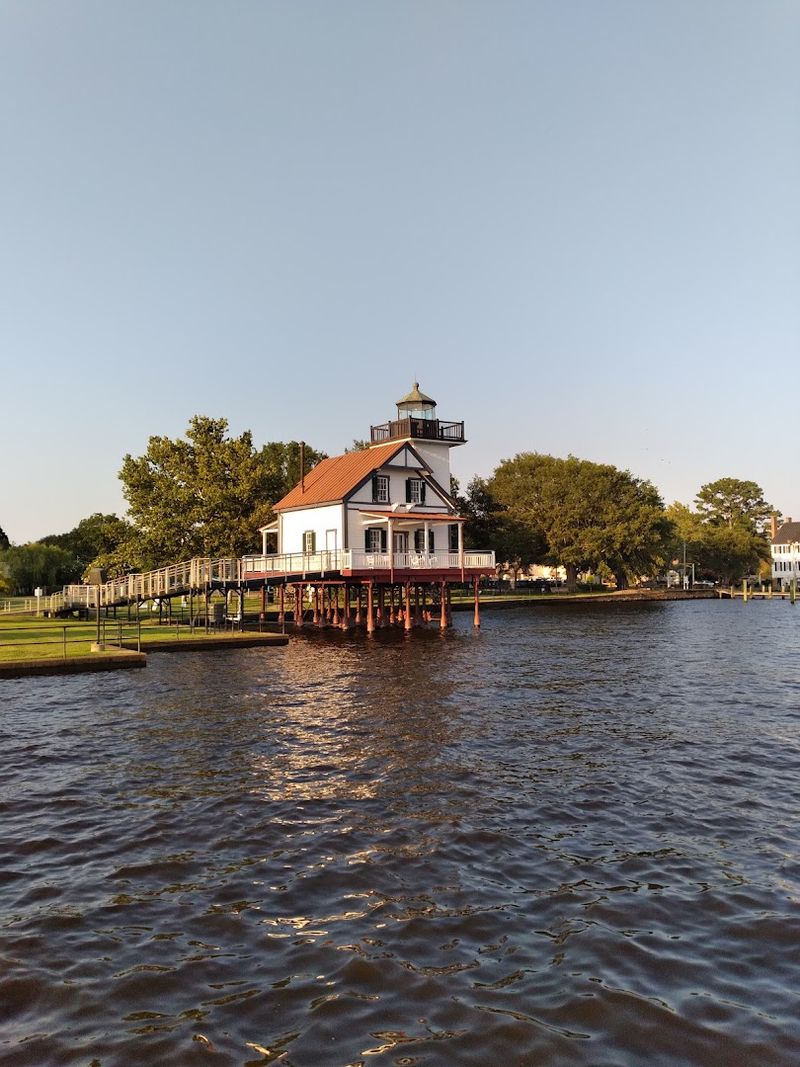
Edenton spreads along the Albemarle Sound in northeastern North Carolina and carries a long colonial legacy. Founded in the early 1700s, the town once served as one of the most important political centers in the colony.
Much of that history remains visible today. The historic district preserves streets lined with colonial and antebellum homes, many carefully maintained over the centuries. Walking through the area often feels like stepping into an earlier period of American life.
One of the most notable landmarks is the Chowan County Courthouse. Built in 1767, the structure is widely considered one of the finest examples of Georgian architecture in the American South.
Its red brick exterior and symmetrical design reflect the style and craftsmanship of the colonial era.
The waterfront provides another highlight of the town. A park along the Albemarle Sound offers wide views across the water and quiet spaces to sit. The setting reinforces the slower pace that defines daily life in Edenton.
The town also played a role in the American Revolution. Events such as the Edenton Tea Party connected the community to the larger struggle for independence.
Edenton blends historical importance with a calm coastal setting. Its preserved buildings and waterfront views give the town a timeless atmosphere that feels rooted in centuries of history.
5. Bryson City
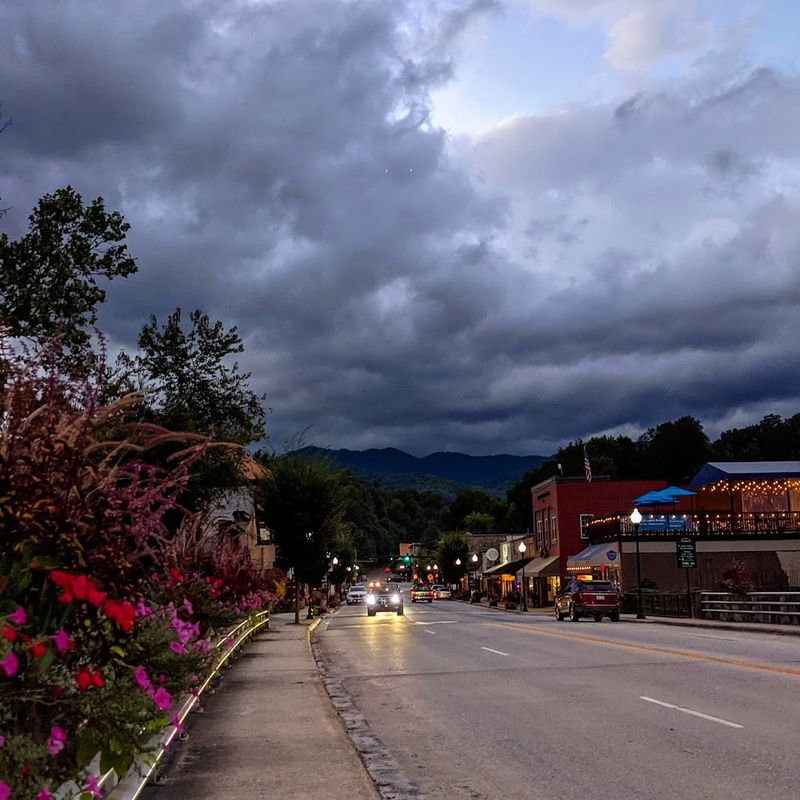
Mountain scenery defines life around Bryson City, a small town tucked into the valleys of western North Carolina.
Located in Swain County near the entrance to Great Smoky Mountains National Park, the area is surrounded by forested ridges and winding rivers that shape the local landscape.
The Tuckasegee River flows directly through the valley and plays a central role in outdoor recreation. Whitewater rafting trips are common during warmer months, while calmer sections of the river attract people looking for tubing or relaxed paddling.
One of the town’s most memorable experiences begins at the local train depot. The Great Smoky Mountains Railroad departs from Bryson City and travels through mountain gorges and into remote sections of the region.
Downtown Bryson City is compact and easy to explore on foot. Independent outfitters, small shops, and casual restaurants line the streets near the railroad station. Many businesses serve hikers, paddlers, and travelers heading into the national park.
Cultural landmarks nearby add another dimension to a visit. The Museum of the Cherokee Indian and the Oconaluftee Indian Village share the history and traditions of the Cherokee people.
Bryson City blends mountain adventure with a relaxed small-town atmosphere, making it a natural base for exploring the Smoky Mountains.
6. Brevard
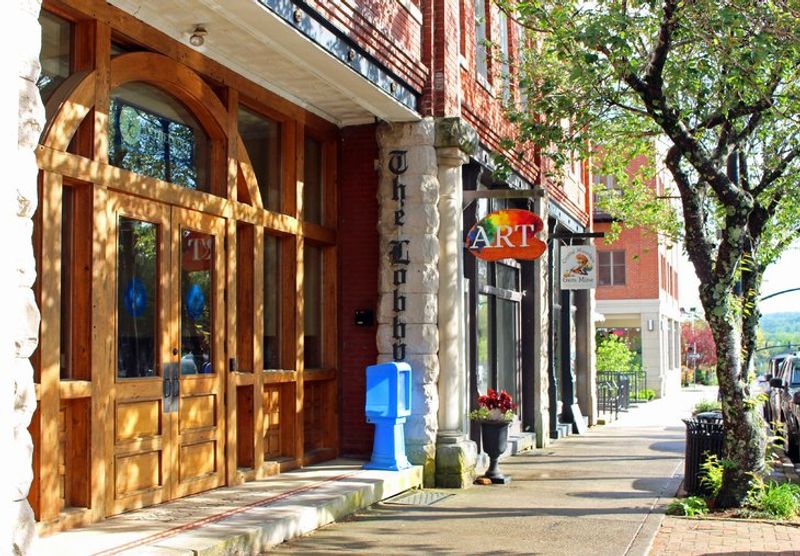
Brevard has a quirky claim to fame that few other towns can match. The community is known for its population of white squirrels, unusual animals that have become a beloved local symbol.
Their popularity is celebrated each year during the White Squirrel Festival, which brings music, food, and visitors from across the region.
The town lies in Transylvania County near the entrance to Pisgah National Forest. More than 250 waterfalls scatter the surrounding landscape, giving the region one of the highest concentrations in the eastern United States.
DuPont State Recreational Forest is only a short drive away and features several well-known hiking trails.
Bridal Veil Falls, one of the park’s most recognizable waterfalls, appeared in the 2012 film The Hunger Games. The forest also includes wide rock faces, wooded trails, and scenic overlooks.
Downtown Brevard reflects a lively creative spirit. Art galleries, cafés, and small music venues line the streets near the center of town. The Brevard Music Center adds to that reputation by hosting performances and training programs each summer.
Brevard balances natural beauty with an active arts community. Waterfalls, forests, and local culture come together in a way that gives the town its distinct personality.
7. Hillsborough
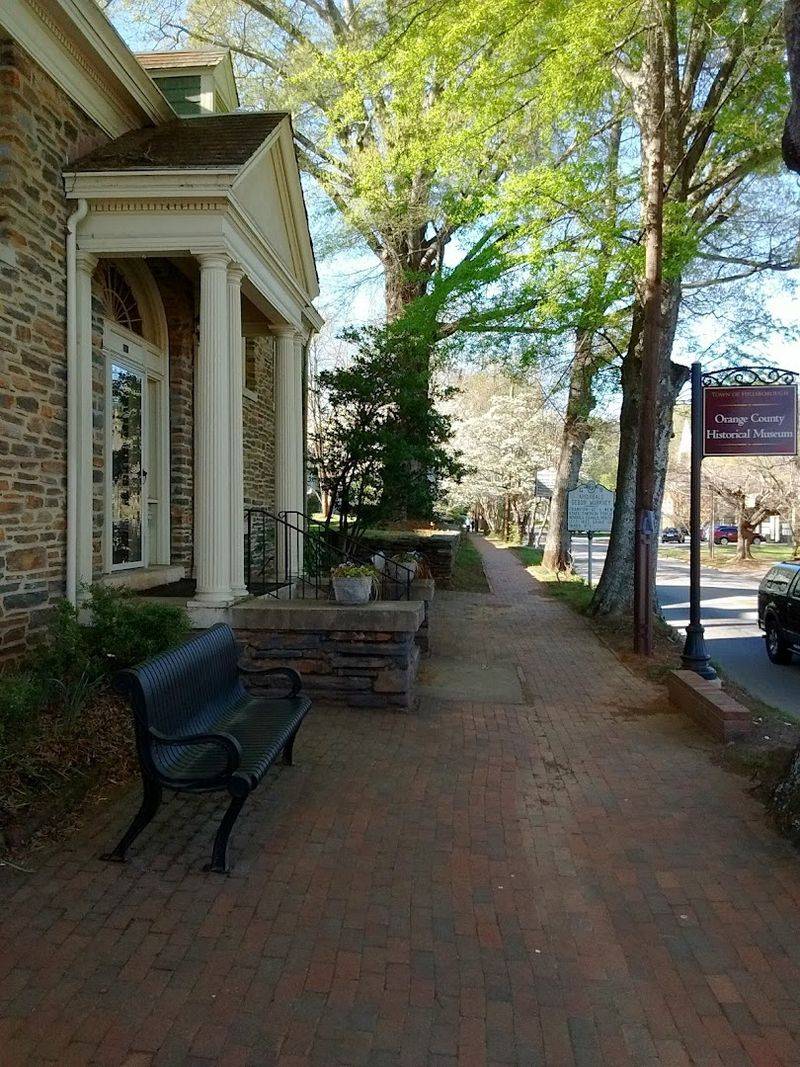
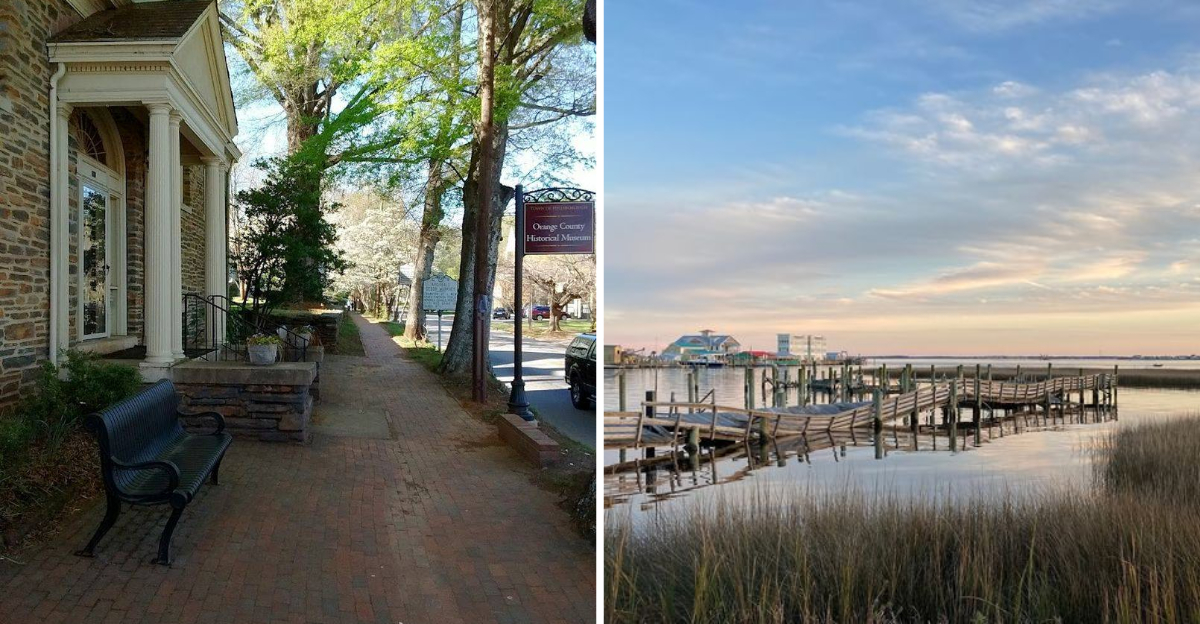
History shapes nearly every corner of Hillsborough. Located in Orange County between Raleigh and Chapel Hill, the town has played an important role in North Carolina since the colonial era.
It served as a center of political activity before the American Revolution and remains the county seat today.
Much of that history still defines the downtown area. Streets lined with well-preserved colonial and early
American buildings create a setting that feels authentic rather than staged. Inside those storefronts are independent bookstores, art studios, and restaurants that focus on locally sourced food.
The town has also attracted several well-known North Carolina writers over the years, giving Hillsborough a reputation as a small literary hub.
Nature lies only minutes from the historic streets. Eno River State Park borders the area and offers hiking trails that follow rocky bluffs and quiet riverbanks.
Visitors also find places to paddle or cool off in swimming holes during warmer months. The setting feels surprisingly remote considering the proximity to the Research Triangle.
Community events add another layer to the town’s character. Annual gatherings such as the Hog Day festival and the Handmade Parade bring music, art, and local traditions into the streets.
Hillsborough blends history, creativity, and outdoor access in a way that rewards anyone willing to explore it slowly.
8. Southport
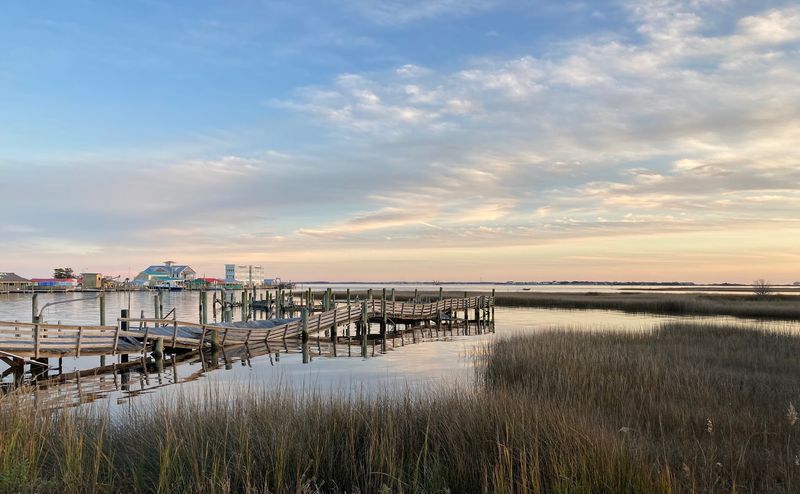
Some coastal towns look like they were built for postcards, and Southport is one of them. Where the Cape Fear River meets the Atlantic Ocean, this Brunswick County town carries a calm maritime charm that has drawn visitors for generations.
Film crews noticed that charm long ago. Southport has appeared in several productions, including the television series Dawson’s Creek and the movie Safe Haven.
Quiet streets, classic waterfront views, and historic homes made the town an easy choice for location scouts.
The historic district adds another layer of character. Massive live oaks stretch their branches over the streets, many draped in Spanish moss. Beneath that canopy stand homes and cottages dating back to the nineteenth century.
Life in Southport still centers on the waterfront. The riverwalk provides clear views across the water toward Oak Island and Bald Head Island. A local ferry carries visitors to those barrier islands throughout the day.
Southport blends coastal scenery with a slower pace that encourages people to linger. The harbor, historic homes, and shaded streets give the town a charm that feels both timeless and unmistakably local.
9. Little Switzerland
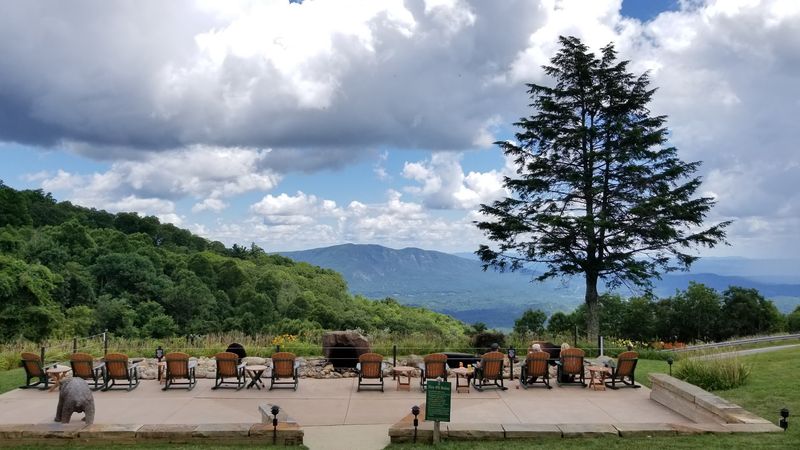
The name alone makes people pause for a second. Little Switzerland sounds almost imaginary, yet the mountain views quickly prove otherwise.
Perched along the Blue Ridge Parkway in Mitchell County, the community sits around 3,500 feet above sea level.
From this elevation, the surrounding ridges unfold in long blue layers that stretch toward the horizon. Clear mornings often stop conversations mid-sentence as visitors take in the view.
Little Switzerland is tiny by most standards, but the atmosphere feels larger than the map suggests. The Switzerland Inn has welcomed travelers since 1910 and still serves as the heart of the community.
Its wooden lodge style and sweeping porches create a mountain retreat that feels timeless rather than staged.
The region also attracts people searching for something hidden beneath the surface. Mitchell County rests on mineral-rich ground known for gemstones. Local gem mines allow visitors to sift through gravel for rubies, sapphires, and even emeralds.
Between the winding parkway, quiet mountain air, and mist that often drifts through the valleys, Little Switzerland carries a certain mystery.
The scenery alone makes it easy to imagine stories unfolding here, with the mountains providing a dramatic backdrop for every moment.
10. Black Mountain
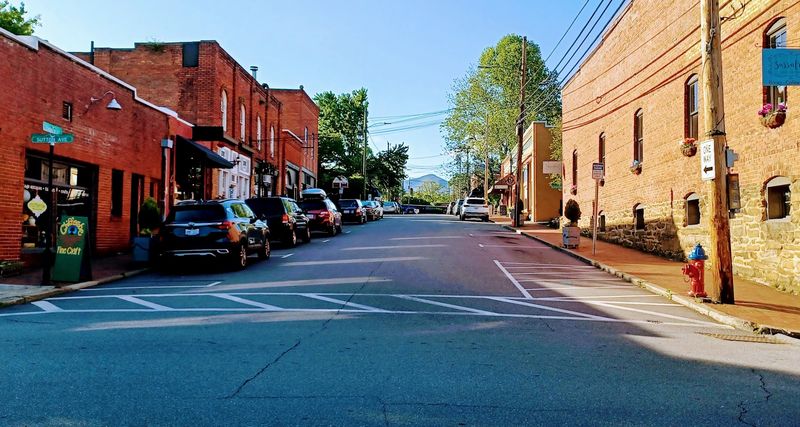
Some towns chase attention. Black Mountain seems perfectly content letting people discover it on their own.
Just east of Asheville in Buncombe County, this mountain town has developed a personality that feels quietly distinctive.
Its reputation traces back to Black Mountain College, an experimental arts school that operated from 1933 to 1957. During those years, influential artists, writers, and musicians gathered here, shaping ideas that echoed far beyond the mountains.
That creative legacy still shapes the town today. Downtown streets feature working studios, small galleries, pottery shops, and intimate music venues.
The atmosphere feels authentic rather than designed for visitors, with artists and locals sharing the same spaces.
Several cultural landmarks anchor the scene. Seven Sisters Gallery highlights regional artists, while the Black Mountain Center for the Arts hosts exhibitions and performances throughout the year. Together, they help maintain the town’s strong creative identity.
Nature surrounds the town as well. The Swannanoa River winds through the valley, and nearby trails lead into the Blue Ridge Mountains. Those outdoor spaces offer a calm contrast to the energy of the arts community.
Black Mountain blends creativity with mountain scenery in a way that feels balanced and genuine. Many visitors arrive expecting a quick stop and leave wishing they had more time to explore.