12 Dreamy Towns In California That’ll Make You Want To Leave Everything Behind
Some places have a way of stopping you in your tracks and making you wonder why you ever left. Then the pace shifts.
The noise fades. Streets feel quieter. Time stretches in a way that makes everything feel just a little more intentional. What begins as a quick visit starts to feel harder to leave behind.
California holds small towns that feel like they exist in their own world. Each one carries a slower rhythm that stands in sharp contrast to the pace of larger cities.
Details start to stand out more, from the way light hits the buildings to the calm that settles in without effort.
Moments here tend to linger longer than expected. A walk turns into wandering. A short stop becomes staying through sunset.
California reveals a softer, more grounded side through these towns, where the setting, atmosphere, and pace come together in a way that feels quietly unforgettable.
1. Carmel-By-The-Sea
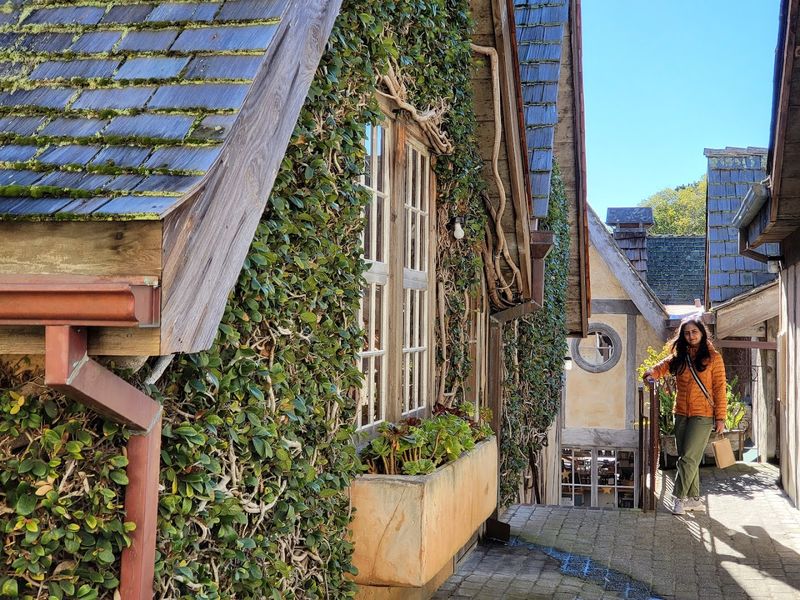
Houses here have names instead of numbers, which tells a visitor almost everything they need to know about the spirit of Carmel-by-the-Sea.
Tucked along the Monterey Peninsula, this small coastal town moves at a pace that feels almost deliberate, like it was designed to slow a person down.
The streets are lined with low-hanging trees that filter the afternoon light into something golden and soft.
Art galleries sit alongside boutique shops and bakeries, giving the downtown area a curated but unpretentious feel.
The beach is wide and white, and dogs are welcome to run freely along the shore, which adds a lively but relaxed energy to the waterfront.
Cottages with storybook rooflines and climbing roses peek out from behind garden walls throughout the neighborhood streets.
Parking can be limited during summer weekends, so arriving in the morning or on a weekday tends to make the experience smoother.
The town has no traffic lights, which sounds like a small detail but actually shapes how the whole place feels to walk through.
Carmel-by-the-Sea rewards slow exploration more than any kind of rushed itinerary.
2. Ojai
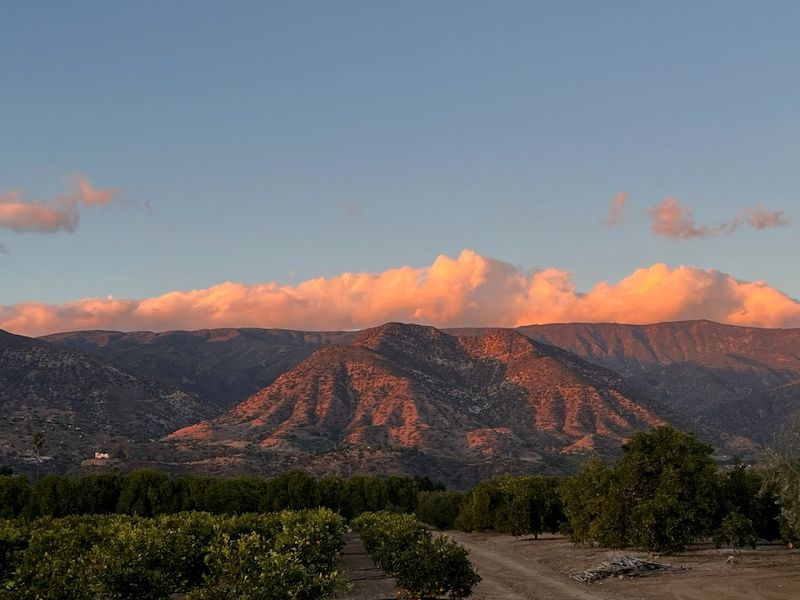
Every evening in Ojai, the surrounding mountains turn a shade of pink that locals have simply called the pink moment for generations.
The Topa Topa Mountains catch the last light of the day in a way that feels almost theatrical, and visitors tend to stop mid-sentence just to stare.
It is the kind of natural spectacle that no filter on a phone camera can fully capture.
Beyond the sunsets, Ojai carries a strong arts and wellness identity that shows up in its bookshops, yoga studios, and farm-to-table restaurants scattered along Ojai Avenue.
The downtown arcade, built in the Spanish Colonial Revival style, gives the town a cohesive architectural character that feels both historic and lived-in.
Local farms sell citrus and avocados at roadside stands, adding a sensory layer to any drive through the surrounding valley.
The town sits about 35 miles east of Santa Barbara, making it an accessible day trip or a comfortable overnight destination.
Weekends bring more visitors, so a mid-week visit tends to offer a quieter version of the Ojai experience.
The surrounding hills also have hiking trails that range from gentle walks to more challenging climbs with sweeping valley views.
3. Sausalito
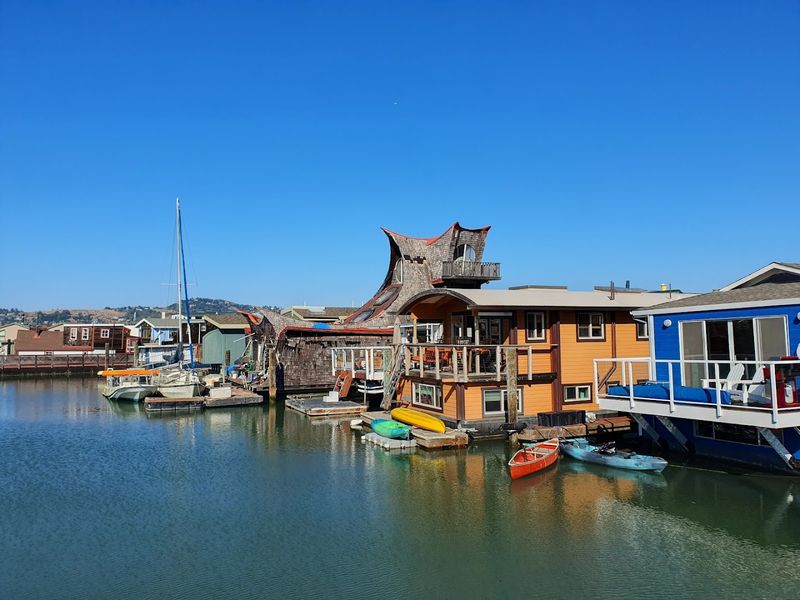
Sitting just across the bay from San Francisco, Sausalito has the kind of waterfront energy that makes an ordinary afternoon feel like a mini-vacation.
The hillside homes are painted in cheerful colors and seem to tumble down toward the harbor in a way that looks almost too picturesque to be real.
From the waterfront promenade, the views of the bay and the city skyline behind it are genuinely hard to walk away from.
The main street along Bridgeway offers a mix of art galleries, seafood spots, and small shops that are easy to browse without feeling rushed.
Houseboats line parts of the marina, creating a quirky and creative neighborhood that has attracted artists and free spirits for decades.
The atmosphere is relaxed but lively, with a Mediterranean warmth that comes partly from the sheltered geography of the town itself.
Getting to Sausalito by ferry from San Francisco is one of the most enjoyable ways to arrive, and the ride across the bay adds to the sense of occasion.
Cycling across the Golden Gate Bridge and coasting down into town is another popular option for those who enjoy an active approach to travel.
Either way, arriving feels like stepping into a different, slower world.
4. Ferndale
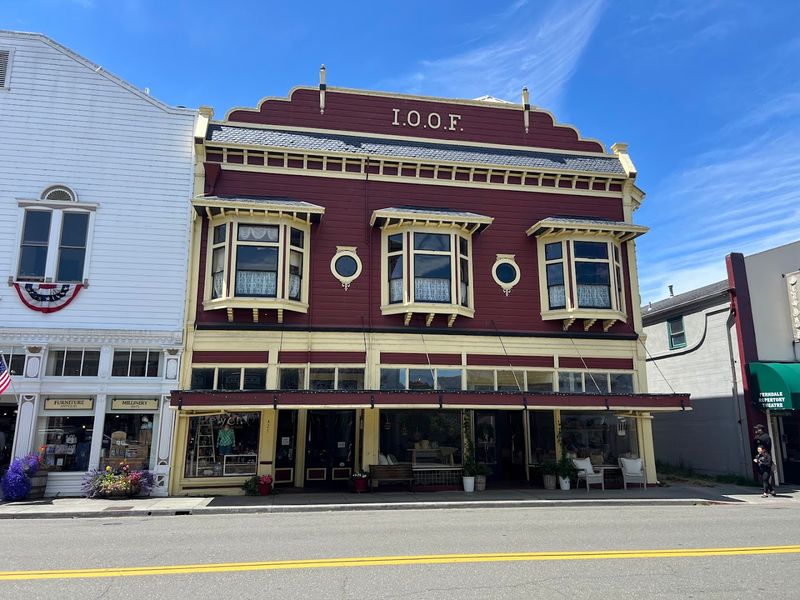
Few towns in California preserve their Victorian-era character as completely as Ferndale does, and walking down Main Street there genuinely feels like stepping into another century.
Located in Humboldt County near the northern coast, the town developed during the late 1800s as a prosperous dairy farming community, and the ornate architecture built during that period has been carefully maintained ever since.
The buildings are so well-preserved that Ferndale has been designated a California Historical Landmark.
The surrounding landscape adds to the sense of remove from modern life, with redwood forests and pastoral farmland stretching out in every direction.
The town is small enough to explore entirely on foot in an afternoon, though the quality of the shops and galleries makes it easy to linger longer than planned.
A local creamery and several family-owned restaurants reflect the agricultural roots that still shape the community.
Ferndale hosts a number of annual events including a kinetic sculpture race that brings a burst of color and creativity to the otherwise quiet streets.
The coastal location means fog is a regular visitor, which gives the town a moody and atmospheric quality that photographers tend to appreciate.
Getting there requires a deliberate drive, which only adds to the feeling that it exists slightly outside of ordinary time.
5. Mendocino
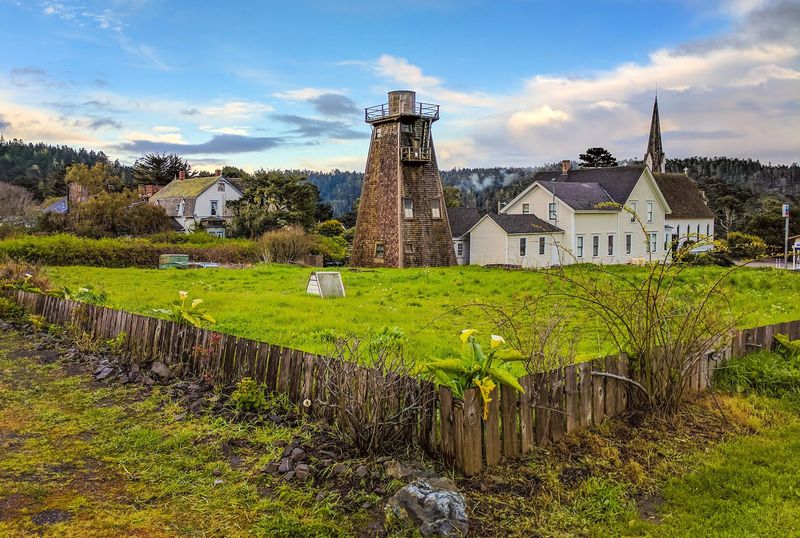
Perched on a headland above the Pacific, Mendocino looks out over the ocean with the kind of dramatic confidence that only comes from sitting at the edge of something vast.
The town was established in the 1850s and its New England-style architecture reflects the origins of the loggers and merchants who built it, giving it a visual personality that feels genuinely distinct from the rest of California.
Fog rolls in regularly from the ocean and wraps the headlands in a soft grey light that is moody in the best possible way.
The main village is compact and walkable, with art galleries, bookshops, and cafes occupying historic buildings along the bluff.
Mendocino Headlands State Park surrounds the town on three sides, offering trails along the cliffs with views of sea caves and crashing waves below.
Whale watching is possible from these trails during migration season, typically from December through April.
The town has a long history as an arts community, and that creative energy still shows up in the quality of what is exhibited in local galleries.
Accommodations range from historic inns to small bed and breakfasts that tend to book up quickly on weekends.
Planning a visit for a weekday in the shoulder season gives a more spacious and authentic experience of what Mendocino actually feels like day to day.
6. Sonoma
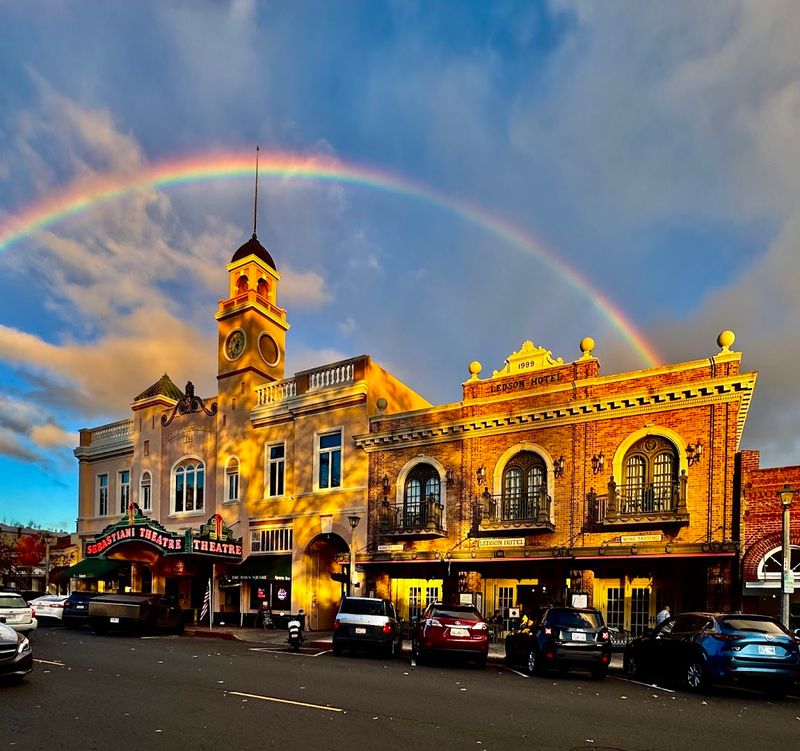
At the center of Sonoma sits a large historic plaza that has been the heart of the town since the Spanish colonial era, and it still functions as a genuine gathering place today.
The surrounding buildings include a mix of adobe structures, Victorian storefronts, and restaurants with outdoor seating that spills onto the sidewalk on warm afternoons.
There is a relaxed confidence to the town that feels earned rather than performed.
Sonoma is surrounded by vineyards and farms that give the landscape a patchwork quality, especially in the early morning when mist sits low over the fields.
The farmers market held at the plaza on Friday mornings is a good way to get a feel for the local food culture without committing to a full itinerary.
Local olive oil producers, cheese makers, and small bakeries contribute to an agricultural identity that goes well beyond the vineyards.
The town is part of the larger Sonoma Valley, which offers enough outdoor activities to fill several days if the pace allows.
Historic sites including the Sonoma State Historic Park add context to the area’s layered past.
Visiting during the week generally means smaller crowds and a more genuine sense of what everyday life in Sonoma actually looks like.
7. Nevada City
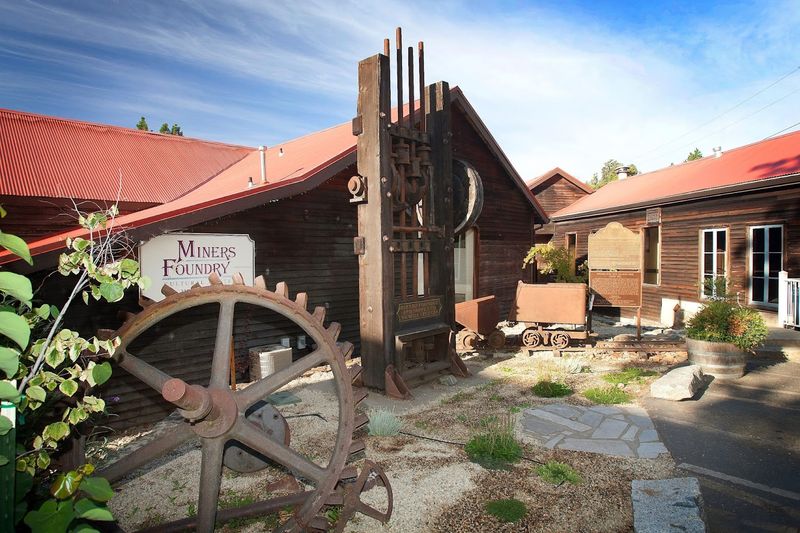
Nestled in the Sierra Nevada foothills, Nevada City carries the energy of a Gold Rush town that never fully let go of its sense of possibility.
The downtown district is remarkably intact, with Victorian-era buildings housing independent bookstores, live music venues, and farm-to-table restaurants that give the historic architecture a current and lived-in feel.
Gas lamps still line the streets, which creates a warm and slightly theatrical glow after dark.
The surrounding landscape shifts with the seasons in ways that keep the town visually interesting year-round, from wildflower-covered hillsides in spring to snow-dusted rooftops in winter.
Nearby South Yuba River State Park offers swimming holes and hiking trails that are popular with locals and visitors alike during the warmer months.
The town has a strong arts and music scene that punches well above its size, with regular festivals and performances drawing people from the broader region.
Nevada City has a population of just a few thousand, which means the pace of daily life is genuinely unhurried and the sense of community is visible in small ways throughout the day.
Local coffee shops and breakfast spots tend to be gathering places where conversations happen naturally between strangers.
The combination of history, nature, and creative culture makes it one of the more underrated stops in Northern California.
8. Cambria
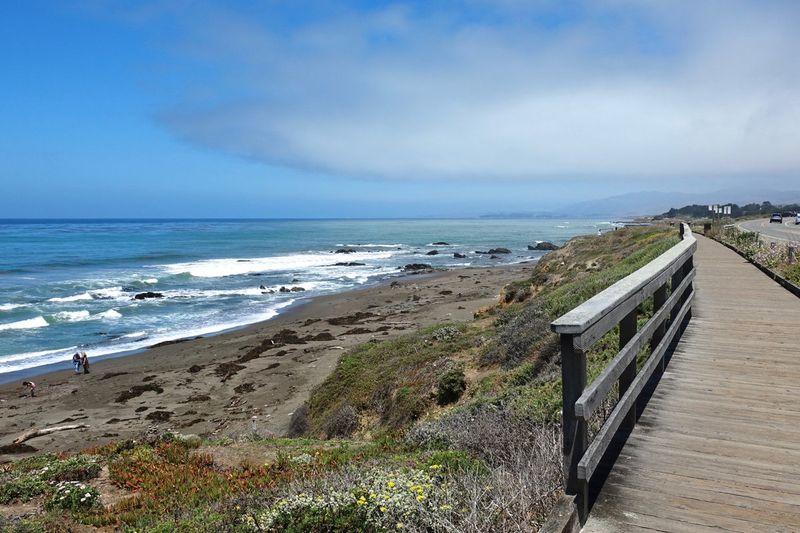
Cambria sits along the Central Coast between Big Sur and San Luis Obispo, occupying a stretch of shoreline that feels quieter and less trafficked than many of its neighbors.
The town is divided into two distinct sections, the East Village and the West Village, each with its own character but connected by a short drive through pine-covered hills.
Moonstone Beach runs along the western edge of town and is named for the smooth, translucent stones that wash up along its shore.
Walking the Moonstone Beach Boardwalk at low tide is one of the most pleasant ways to spend a slow morning in Cambria, with the sound of waves and the sight of tidepools providing a grounding kind of sensory experience.
The East Village has a denser collection of art galleries, antique shops, and small restaurants tucked into a compact downtown that rewards wandering.
The overall scale of the town is small enough that it never feels overwhelming even during busier periods.
Elephant seals can be observed at the Piedras Blancas rookery just north of town, particularly between November and March when the colony is at its most active.
The surrounding landscape includes coastal scrub, cypress groves, and rolling hills that give Cambria a layered and textured visual quality.
It tends to attract visitors who are looking for something genuinely low-key rather than a polished resort experience.
9. Solvang
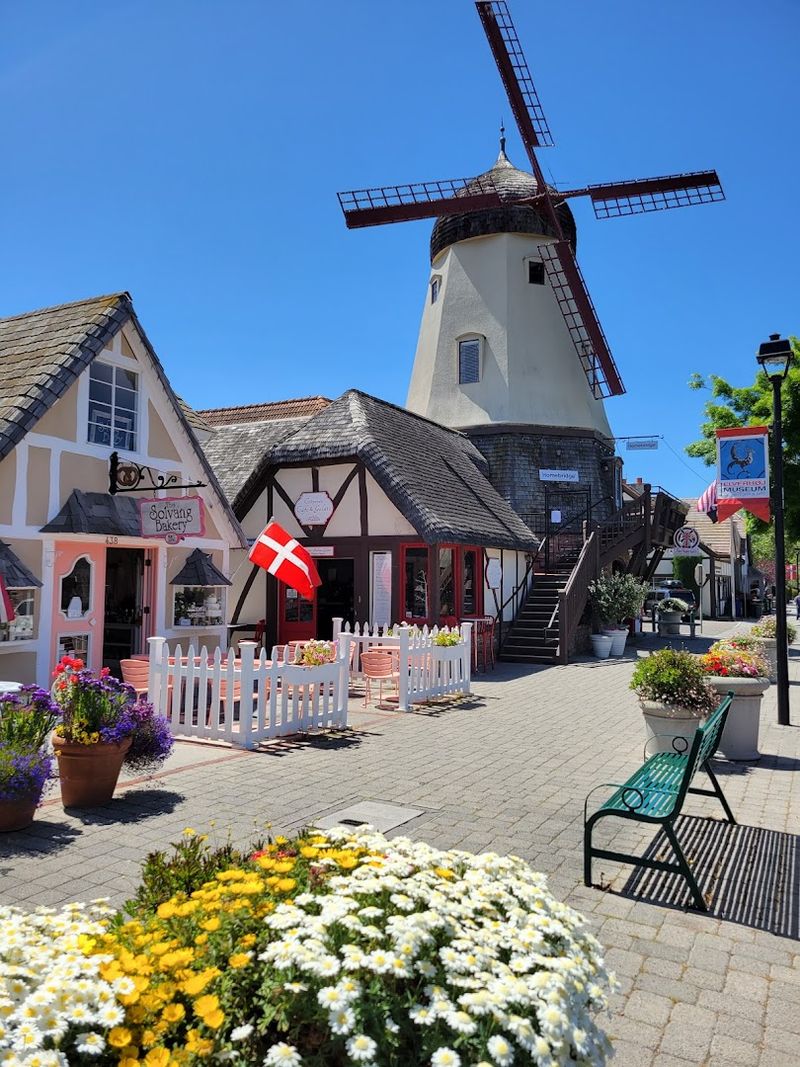
A Danish settlement founded in 1911, Solvang has maintained its Scandinavian architectural identity so thoroughly that walking through its streets genuinely feels like landing somewhere in northern Europe.
Half-timbered buildings, working windmills, and flower boxes full of blooms line the main commercial streets of the Santa Ynez Valley town.
The bakeries here are a significant draw on their own, with Danish pastries and aebleskiver served fresh throughout the morning hours.
The town sits in a valley surrounded by oak-studded hills and farmland that shifts in color depending on the season, from golden in summer to green and vivid after winter rains.
Mission Santa Inés, founded in 1804, sits at the edge of town and offers a quiet counterpoint to the busier commercial center.
The Hans Christian Andersen Museum, located above a bookshop in the village, adds a literary dimension to the cultural offerings.
Solvang is compact and very walkable, with most of the main attractions within easy reach of the central plaza.
Weekend crowds can be significant given the town’s popularity as a day trip destination from Los Angeles and Santa Barbara.
Arriving early in the morning or visiting during a weekday allows for a calmer and more comfortable experience of the town’s genuine charm.
10. Julian
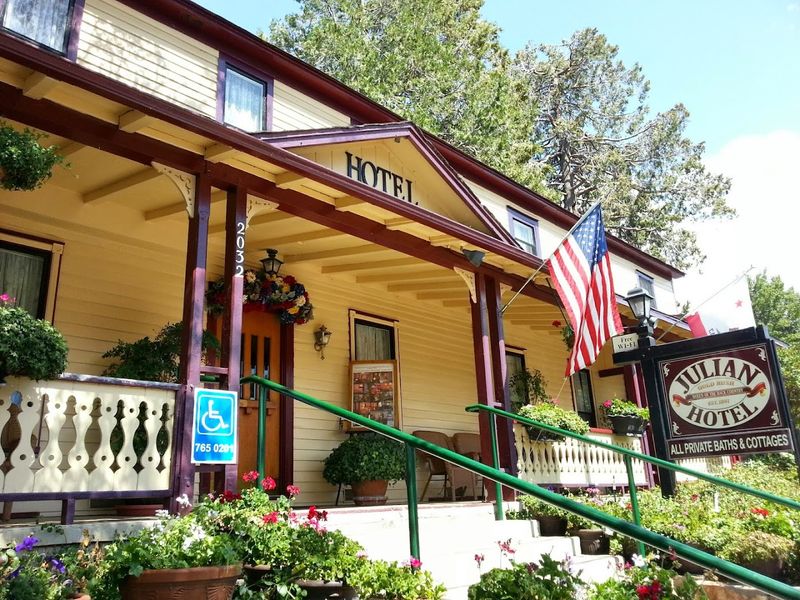
Up in the mountains of San Diego County, Julian is the kind of small town that surprises people who expect Southern California to be all beaches and desert.
Sitting at about 4,200 feet in elevation, the town experiences actual seasons, including genuine snowfall in winter and a spectacular apple harvest in autumn that draws visitors from across the region.
The apple pie served at local bakeries has developed a reputation that extends well beyond the immediate area.
The historic downtown is centered around Main Street, where wooden storefronts and old-fashioned signage give the town a frontier character that feels authentic rather than staged.
Julian was established as a Gold Rush town in the 1870s, and the Eagle and High Peak Mine offers underground tours that provide a tangible connection to that era.
The surrounding Cleveland National Forest offers hiking trails with views that stretch toward the desert and the Salton Sea on clear days.
Autumn is the most popular time to visit, when apple picking and cider tasting draw the largest crowds, but spring wildflower season and winter snow days have their own distinct appeal.
The town is about an hour and a half from downtown San Diego, making it an accessible but genuinely different kind of escape.
Accommodations include historic bed and breakfasts that add to the overall sense of stepping back in time.
11. Avalon, Catalina Island
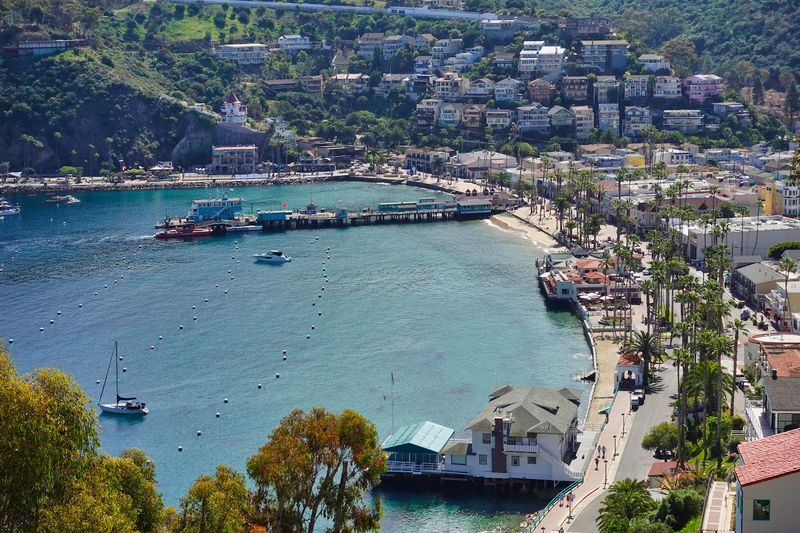
Reaching Avalon requires a ferry ride across the San Pedro Channel, and that short journey across the water does something important, it shifts the mental gear from mainland pace to island time almost immediately.
The only incorporated city on Catalina Island, Avalon is a small and walkable waterfront town with a Mediterranean character that feels genuinely different from anywhere else in California.
Golf carts serve as the primary mode of local transportation, which gives the streets a quieter and more leisurely atmosphere than any car-dependent town could manage.
The Avalon Casino, a circular Art Deco landmark built in 1929, anchors the north end of the bay and houses a ballroom and a movie theater that still operates today.
The Casino Ballroom at One Casino Way, Avalon, CA 90704, is a distinctive piece of architectural history that remains one of the most photographed buildings on the island.
Clear water in the harbor makes snorkeling and paddleboarding rewarding activities for those who want to explore beyond the town itself.
The interior of the island is managed largely as a nature conservancy, with bison roaming the hills and hiking and zip-line tours available for those who want to venture beyond the waterfront.
Ferries depart from Long Beach, San Pedro, and Dana Point, with the crossing taking between one and two hours depending on the departure point.
Booking accommodations in advance is strongly recommended during summer and holiday weekends.
12. Idyllwild
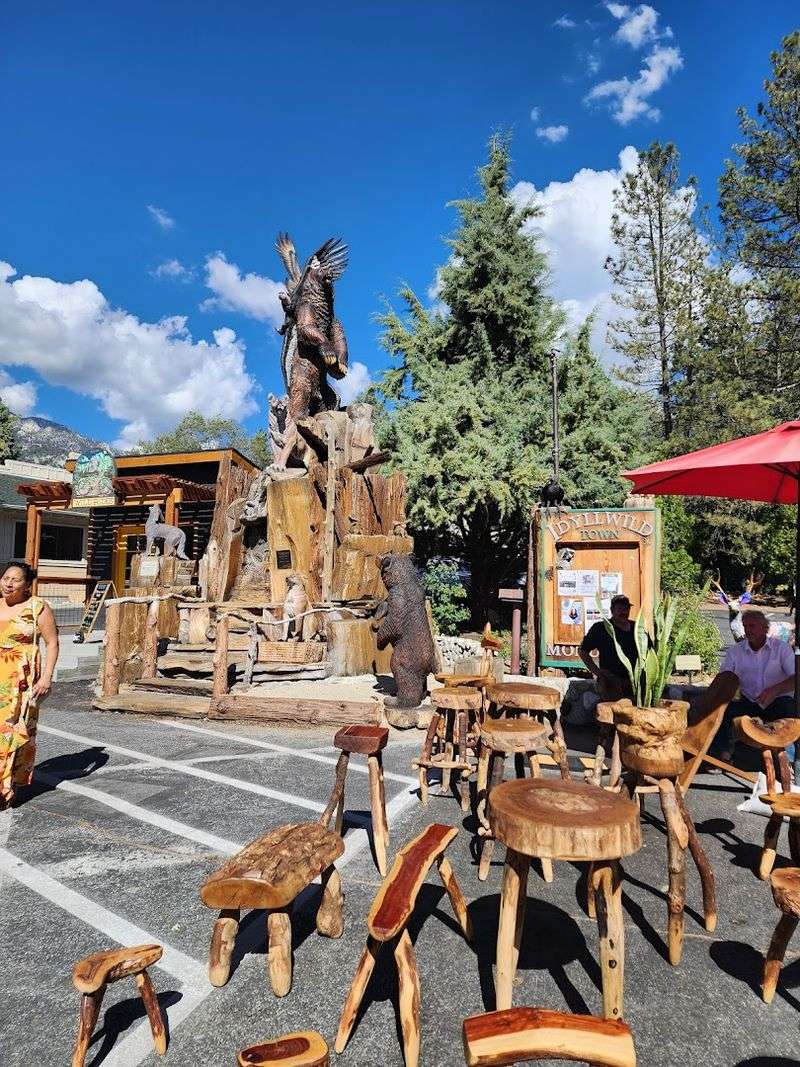
Perched at nearly 5,400 feet in the San Jacinto Mountains, Idyllwild has a year-round mountain town character that feels refreshingly unpretentious.
The air is noticeably cooler and cleaner than the desert communities just below, and the surrounding pines and granite boulders give the landscape a dramatic but welcoming quality.
The town draws hikers, artists, and people who simply need a break from the heat and noise of the Coachella Valley and greater Los Angeles area.
The village center is small and walkable, with art galleries, independent coffee shops, and craft studios occupying low wooden buildings that blend into the forested surroundings.
Idyllwild Arts Academy, a well-regarded arts boarding school, contributes to the creative culture that runs through the town and shows up in the quality and variety of what local galleries exhibit.
Summer music festivals and outdoor performance events bring additional energy to the already lively arts scene.
Mount San Jacinto State Park and Wilderness surrounds the town and offers some of the most dramatic hiking in Southern California, including the summit trail that tops out above 10,000 feet.
The Palm Springs Aerial Tramway, located nearby, provides an alternative way to access the mountain environment for those who prefer not to drive the winding mountain road.
Idyllwild tends to feel most magical in late autumn when the crowds thin out and the forest takes on a quieter, more contemplative mood.