10 Easy Delaware Day Trips Worth Getting Up Early For
Delaware gets teased about its size constantly, and honestly that is the whole appeal. You can leave after breakfast and be somewhere completely different before your coffee cools.
Nothing here needs a hotel or a serious tank of gas. There is a wildlife refuge you drive through slowly with the windows down, spotting foxes and eagles from the driver’s seat.
Two mansions built by the same famously wealthy family sit within a few miles of each other, and both let you wander right through the front door. A museum full of enormous aircraft charges absolutely nothing.
One state park sits on the ocean and stays open around the clock, so the sunrise people among you are well served. Give the opening hours a quick glance before you go, since a few of these keep their own schedule.
Then bring bug spray, because August in Delaware is generous with mosquitoes.
1. Winterthur Museum, Garden & Library
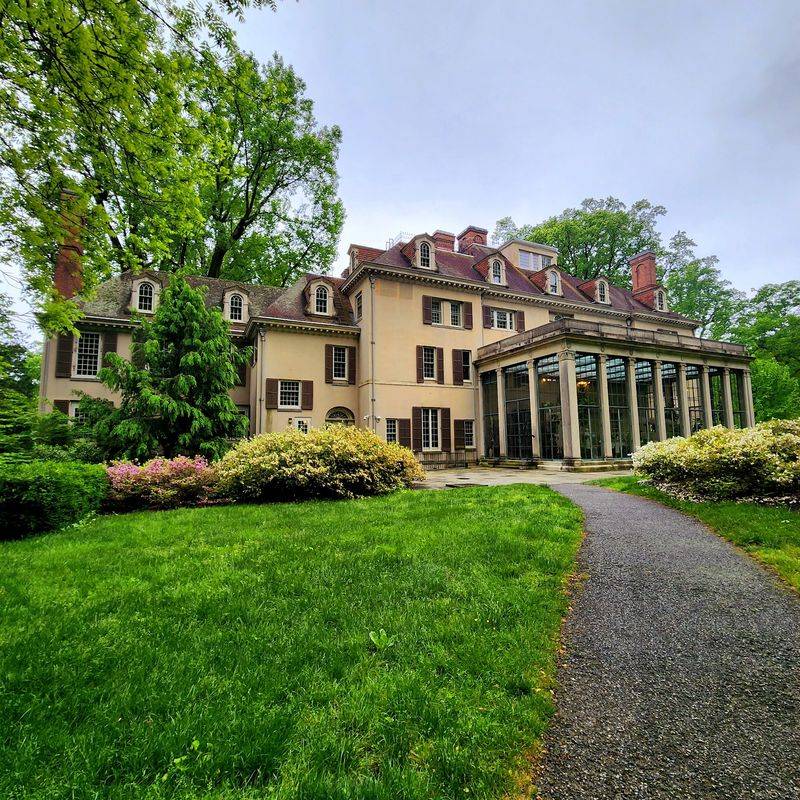
Nobody tells you that Winterthur will quietly wreck your sense of what a museum can be. This is not a place where you shuffle past glass cases trying to look interested.
It is 1,000 acres of rolling Delaware countryside, and the house alone has 175 rooms packed with American decorative arts.
Henry Francis du Pont collected furniture, ceramics, and textiles like it was his full-time job. Spoiler: it was.
The collection spans three centuries of American craftsmanship, and every room feels like a real home rather than a storage unit for old stuff.
The gardens are the real showstopper, especially in spring. The Enchanted Woods section is genuinely magical, even for adults who think they are too cool for fairy gardens.
Kids love it. You will too, even if you pretend otherwise.
Plan at least half a day here. The tram tour covers the grounds when your legs give out.
Located at 5105 Kennett Pike in Winterthur, it opens Tuesday through Sunday. Admission includes garden and museum access.
Bring comfortable shoes and a camera with a full battery.
2. Nemours Estate

Pulling up to Nemours Estate feels like accidentally driving into a French chateau. Alfred I. du Pont built this Louis XVI-style mansion in 1910, and he did not hold back.
The house has 77 rooms, and the formal gardens stretch nearly a third of a mile. That is not a typo.
The gardens are modeled after Versailles, which sounds like bragging until you actually see them. Perfectly clipped hedges, marble statues, and a reflecting pool that goes on forever.
It is the kind of place that makes you reconsider your own backyard choices.
Tours inside the mansion are genuinely fascinating. Original furnishings, Tiffany windows, and a bowling alley that du Pont had built in the basement.
Yes, a bowling alley. The man knew how to live.
Nemours is located at 1600 Rockland Road in Wilmington. The estate reopened after a major restoration, and it looks spectacular.
Tickets should be booked in advance online since timed entry is required. Go on a weekday if you can.
The grounds feel more peaceful with fewer crowds, and you can actually hear the fountains.
3. Hagley Museum
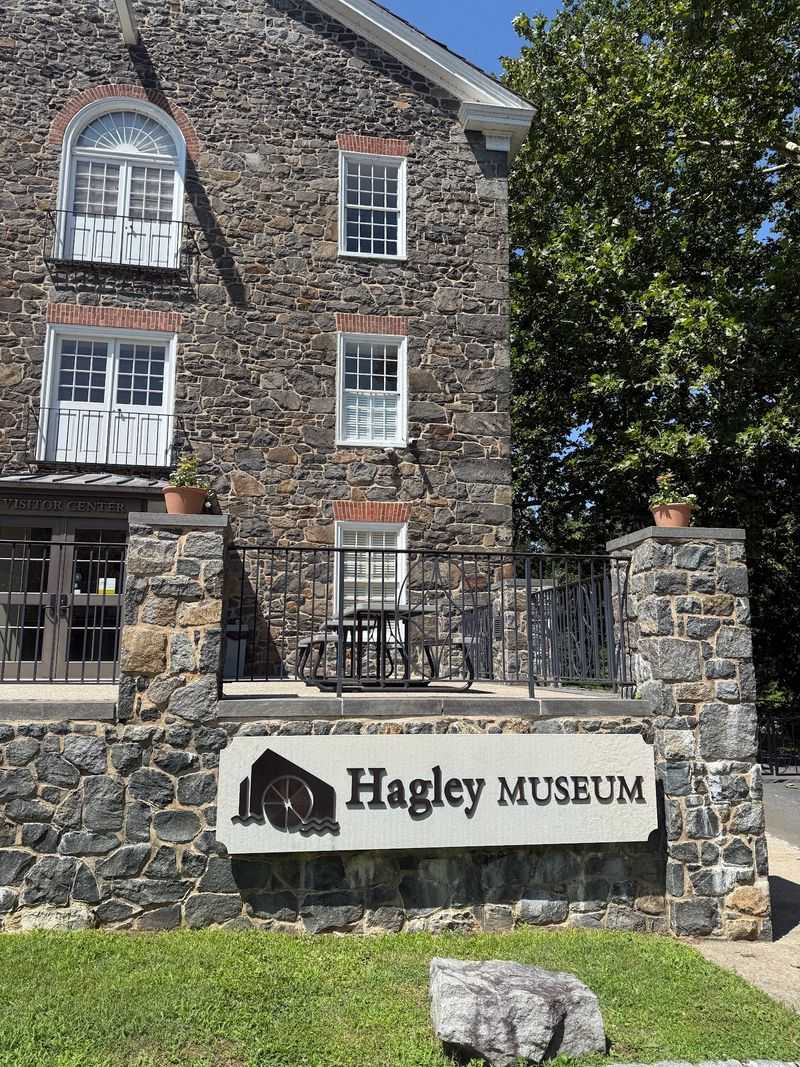
Most people have no idea that the du Pont fortune started with gunpowder. Hagley Museum tells that story in the most interesting way possible, using the actual mills where it all happened.
The site sits along Brandywine Creek, and it is genuinely beautiful in a rugged, industrial kind of way.
Eleutherian Mills, the original du Pont family home, sits right on the property. You can walk through it and see how the family lived while running one of the most important manufacturing operations in early American history.
It feels surprisingly intimate for a place this significant.
The working machinery demonstrations are worth timing your visit around. Watching a 19th-century powder mill come to life is oddly thrilling.
The natural setting along the creek makes the whole experience feel less like a history lesson and more like an adventure.
Hagley is located at 200 Hagley Creek Road in Wilmington. It opens daily, and the grounds are expansive enough that you could spend three or four hours without running out of things to see.
The bus that runs between buildings is a nice touch when your feet need a break.
4. Mt. Cuba Center
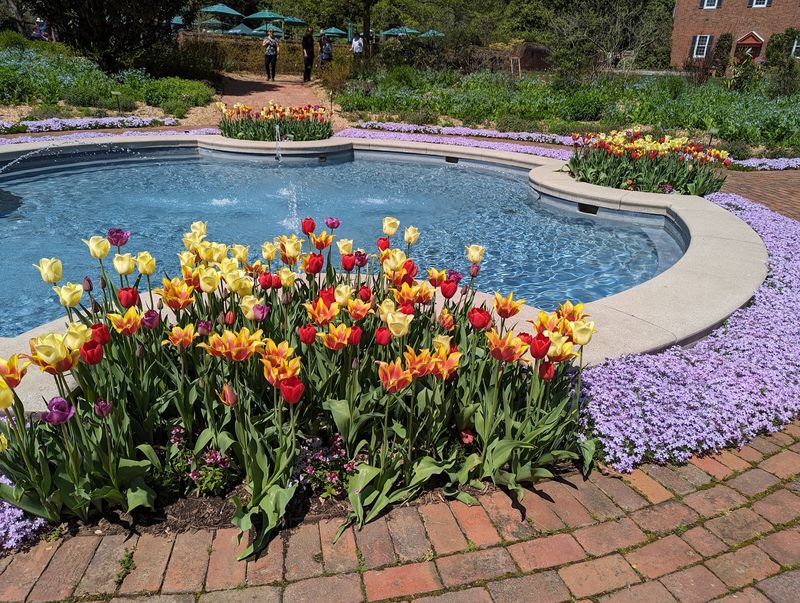
If you have ever looked at a field of native wildflowers and felt genuinely happy, Mt. Cuba Center was made for you.
This is a garden focused entirely on native plants of the Piedmont region, and it does its job with extraordinary style. Spring here is almost aggressively beautiful.
The estate was the home of Pamela and Lammot du Pont Copeland, who gave it to conservation after their passing.
The house is elegant, the grounds are thoughtfully designed, and the plant research happening here actually matters for regional ecosystems. It is beauty with a purpose.
Trails wind through woodland gardens, meadows, and ponds. Each turn reveals something new, whether it is a patch of trillium or a hillside covered in phlox.
Photographers show up here in serious numbers during bloom season, and for good reason.
Mt. Cuba Center is at 3120 Barley Mill Road in Hockessin.
Timed tickets are required, and they sell out fast, especially in April and May. Book early.
The visit is self-guided, so you move at your own pace. Bring binoculars for the birds that follow the wildflower corridors throughout the property.
5. Bombay Hook National Wildlife Refuge
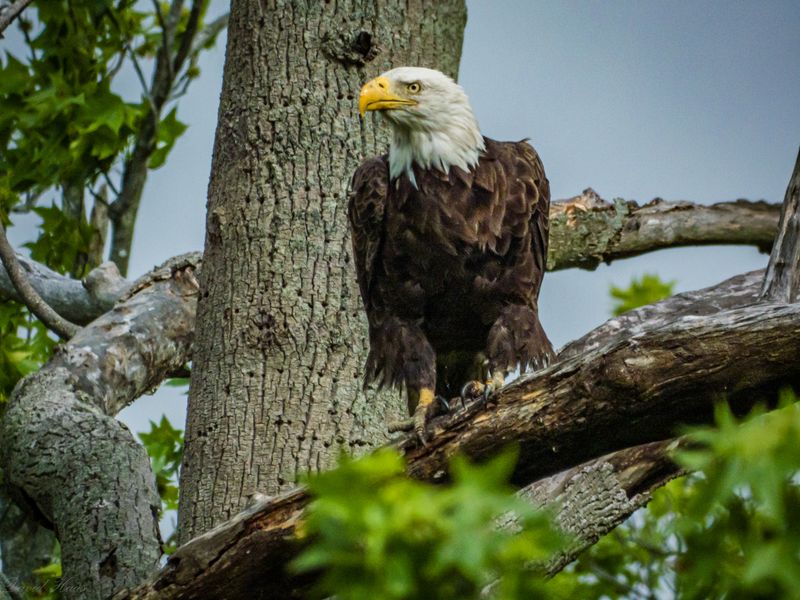
There is a moment at Bombay Hook when you realize the noise you are hearing is thousands of birds, all at once. It is one of those sounds that stops you mid-sentence.
This refuge covers over 16,000 acres of tidal wetlands along the Delaware Bay, and it is one of the top birding spots on the East Coast.
The auto tour route lets you drive through the marsh without disturbing the wildlife. You can also climb observation towers for a panoramic view of the flats.
During migration season, the sheer number of snow geese or shorebirds filling the sky is genuinely hard to describe.
Even on a slow day, great blue herons, bald eagles, and various wading birds are almost guaranteed. The refuge is also home to deer, river otters, and painted turtles if you slow down and pay attention.
Patience pays off here in big ways.
Bombay Hook is located at 2591 Whitehall Neck Road in Smyrna. The refuge is open year-round during daylight hours.
There is a small entrance fee. Dawn visits during spring and fall migration are the most rewarding.
Bring a zoom lens or a good pair of binoculars.
6. Air Mobility Command Museum

Walking up to a C-5 Galaxy for the first time is a humbling experience. That thing is enormous.
The Air Mobility Command Museum at Dover Air Force Base has one, along with nearly 30 other historic aircraft displayed inside and outside a massive hangar. Best part?
Admission is completely free.
The collection covers decades of military aviation history, from World War II transports to Cold War-era jets. The indoor exhibits are well-organized and genuinely interesting, even for people who would not normally call themselves aviation fans.
Kids go absolutely wide-eyed in here.
Some aircraft are open for walk-through, which takes the experience from cool to unforgettable. Standing inside the cargo bay of a Cold War-era transport plane puts history in your body, not just your head.
That is the kind of thing you remember years later.
The museum is located at 1301 Heritage Road at Dover AFB. It is open Tuesday through Sunday, and access requires a valid ID for base entry.
Non-military visitors can still get in with proper identification. Plan to spend at least two hours here.
The gift shop has some genuinely good finds for aviation enthusiasts of any age.
7. Cape Henlopen State Park
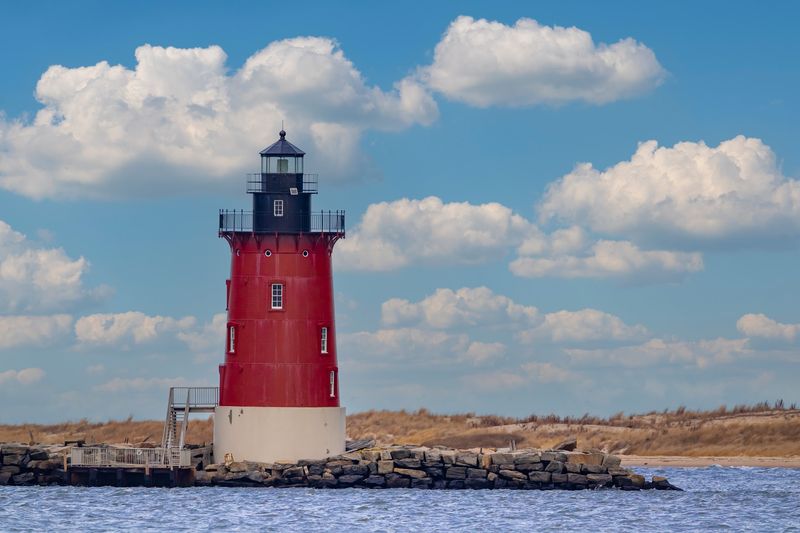
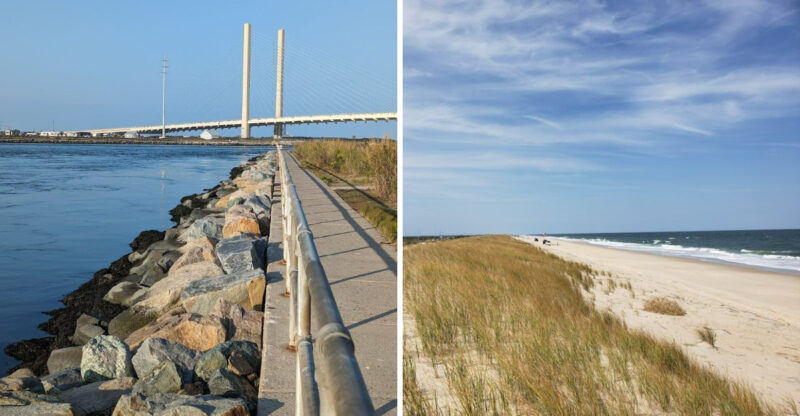
Cape Henlopen is the kind of place that makes you wonder why you ever pay for a beach resort. Delaware’s largest state park sits where the Delaware Bay meets the Atlantic Ocean, and the geography alone is worth the drive.
The meeting of two bodies of water creates something visually striking and ecologically wild.
The park has miles of trails, a fishing pier, swimming beaches, and World War II observation towers you can actually climb. The view from the top of those towers is spectacular and a little eerie.
History and scenery rarely combine this well.
The dunes here are some of the tallest on the East Coast. Hiking through them feels like being on a different planet, especially in the early morning before the crowds arrive.
The birding is also excellent, particularly during spring and fall migration along the coast.
Cape Henlopen is located at 15099 Cape Henlopen Drive in Lewes. A daily entrance fee applies per vehicle.
The park opens at 8 a.m. and fills up fast on summer weekends, so arriving early is the move. Pack a picnic.
The shelter areas near the beach are perfect for a long, unhurried afternoon outside.
8. Trap Pond State Park
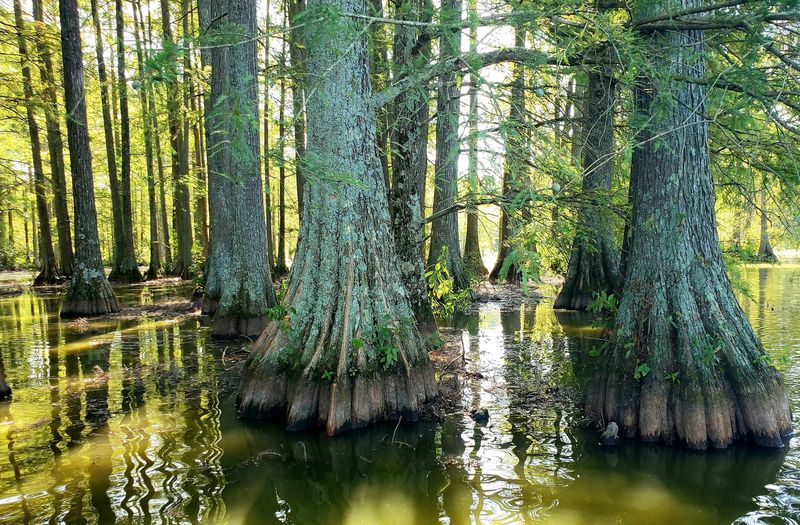
Trap Pond looks like it belongs in the Louisiana bayou, not southern Delaware. The bald cypress trees rising from the water are ancient, moss-draped, and completely surreal.
This is the northernmost natural stand of bald cypress in the United States, and it is genuinely unlike anything else in the Mid-Atlantic.
Kayaking or canoeing through the cypress knees is the best way to experience the pond. Rentals are available on-site, which makes it easy to get on the water without hauling gear.
The reflections on calm mornings are the kind of thing that ends up as your phone wallpaper for months.
The park also has hiking trails, a swimming area, and camping. Birders come here for prothonotary warblers and wood ducks, both of which nest in the cypress cavities.
Even a slow paddle around the pond turns up something worth stopping for.
Trap Pond State Park is at 33587 Bald Cypress Lane in Laurel. It is open year-round, and the daily entrance fee is very reasonable.
Spring and early summer are peak season for the warblers and the lush green foliage. Fall turns the cypress a burnt orange that rivals any New England leaf-peeping destination.
9. Delaware Botanic Gardens At Pepper Creek
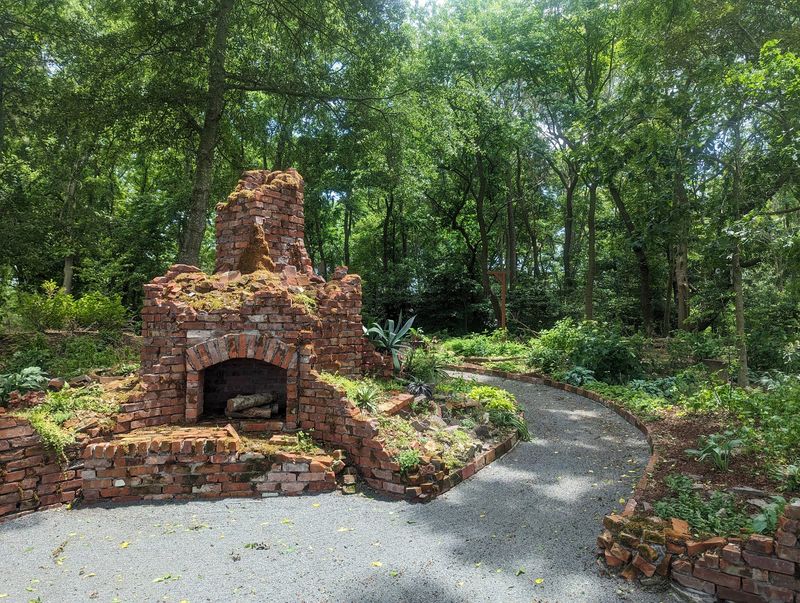
Delaware Botanic Gardens opened in 2019 and already feels like it has been there forever.
The garden sits on 37 acres near Pepper Creek in Dagsboro, and the design is inspired by the New Perennial Movement, which is a fancy way of saying it looks like a wildflower dream that someone carefully planned.
The meadow plantings here are jaw-dropping in late summer and fall. Grasses, coneflowers, and native perennials create a sweeping, textured landscape that shifts color by the week.
It photographs beautifully at any angle, which is why you will see people with serious camera gear wandering every path.
The woodland garden section offers a quieter contrast to the open meadows. Shade-loving plants and winding paths make it feel like a completely different space within the same property.
The variety keeps the visit interesting from start to finish.
The gardens are located at 30220 Piney Neck Road in Dagsboro. They are open seasonally, so check the website before you go.
Timed entry tickets are recommended during peak bloom. The season runs roughly from spring through late fall.
Combine this visit with a stop at Cape Henlopen or the Zwaanendael Museum for a full day in southern Delaware.
10. Zwaanendael Museum
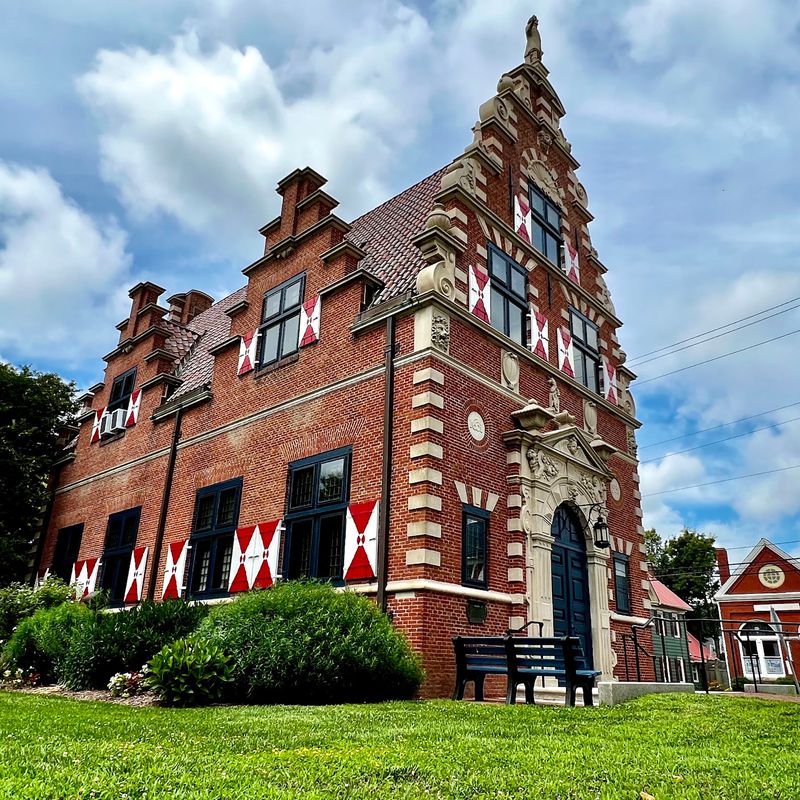
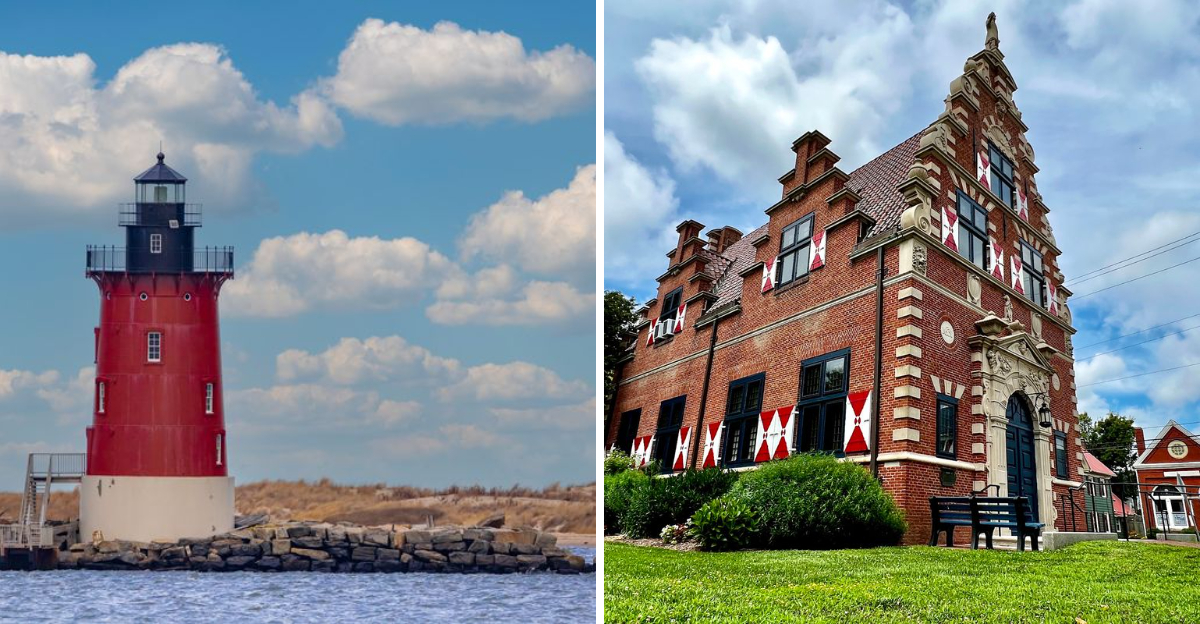
The Zwaanendael Museum looks like it was airlifted straight from the Netherlands and dropped on a quiet street in Lewes. The building is modeled after the Town Hall of Hoorn in Holland, and it is one of the most visually distinctive structures in the entire state.
It absolutely stops you in your tracks.
Inside, the museum tells the story of Delaware’s first European settlement, a Dutch colony established in 1631. That colony lasted less than a year before it was destroyed, making it one of American history’s more dramatic footnotes.
The exhibits bring that short, eventful chapter to life with real artifacts and clear storytelling.
Maritime history is another strong focus here. Shipwrecks, pirates, and coastal trade routes are covered in enough detail to satisfy serious history fans without overwhelming casual visitors.
The scale of the museum is manageable, which is actually a strength. You can see everything in 90 minutes and leave feeling genuinely informed.
The Zwaanendael Museum is located at 102 Kings Highway in Lewes. Admission is free, which makes it an easy add-on to any trip to Cape Henlopen or the Delaware Botanic Gardens.
It is closed on Mondays and Tuesdays. Lewes itself is a charming town worth exploring before or after your visit.