12 Easy Nebraska Day Trips Retirees Can Enjoy Without Breaking The Budget
A good day trip should not require recovering from the day trip.
That rules out frantic schedules, long hikes, and spending half the afternoon wondering how lunch became so expensive.
What works better is a comfortable drive, somewhere interesting to wander at your own pace, and enough left in the budget for coffee on the way home.
Nebraska is especially well suited to this kind of low-pressure escape.
Think scenic stops, small museums, historic downtowns, quiet lakes, gardens, and places where sitting for a while is just as worthwhile as moving on to the next thing.
These 12 trips keep things simple without making them dull.
No packed itinerary. No financial regret. Just an easy reason to get out of the house and see somewhere different for a few hours.
1. Sunken Gardens, Lincoln
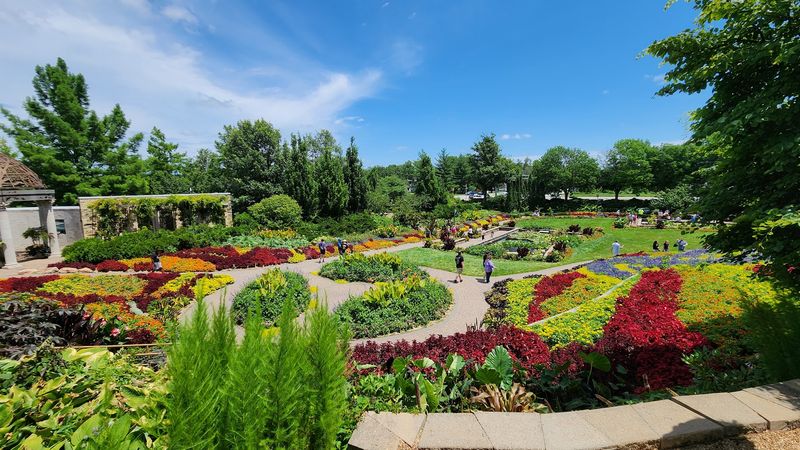
In a former neighborhood dump site back in 1930, this terraced garden turned out to be one of Lincoln’s prettiest surprises.
Workers filled the old hollow with soil and stone, and today roughly 30,000 annual plants go into the beds every year.
The layout is the real gift for older visitors. Everything sits in one compact bowl, so you can see most of the color from the upper walkway without ever descending the steps.
Paths loop gently past a reflecting pool, a waterfall, and themed beds that change designs each season.
Benches sit at regular intervals, which means you can pause whenever your knees suggest it rather than pushing through.
Mornings tend to be quiet and cool, and the light makes photographs look far better than they should. Bring a camera or just a phone, because the color combinations shift from June through September.
Admission costs nothing, and parking along the street is generally easy outside of wedding season. Nebraska Tourism regularly names the site among the state’s best free outdoor attractions, and it earns that spot honestly.
Pair the visit with a picnic across the road at Antelope Park, or add a stop at the nearby children’s zoo if grandkids come along. An hour is plenty, though many folks linger longer once they settle onto a bench.
You will find the gardens at 2600 D Street, Lincoln, NE 68502.
2. Pony Express Station, Gothenburg
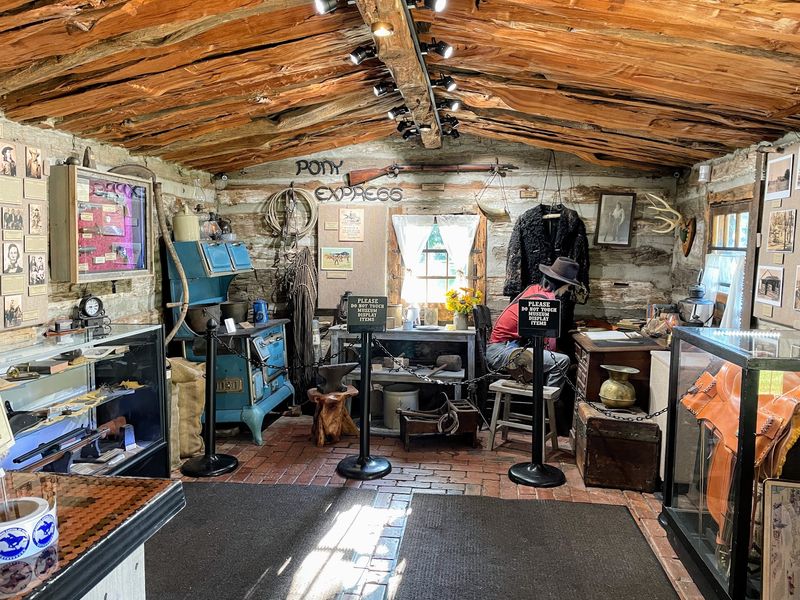
The Pony Express only operated for about 18 months, yet it left a legend far bigger than its lifespan. One of the original stations from that brief mail run now sits in Ehmen Park at 510 15th Street, Gothenburg, NE 69138.
Moved from its original spot along the Oregon Trail, the log building holds artifacts, saddles, and displays about the young riders who carried mail across the plains.
What makes it especially workable for retirees is the scale. You park nearly at the door, step inside a single room, and take in the whole story without covering any distance.
The surrounding park has shade trees, picnic tables, and restrooms, so a packed lunch turns the stop into a proper outing. A small gift shop sells inexpensive souvenirs if you want something to bring home.
Gothenburg sits right off Interstate 80, making it an easy add-on to any drive across central Nebraska. Many travelers stop for twenty minutes and end up staying an hour.
Seasonal hours apply, generally spring through early fall, so a quick phone call before driving out saves disappointment. A second historic station, the Sod House Museum area, sits nearby for anyone wanting a little more.
3. Sheldon Museum of Art, Lincoln
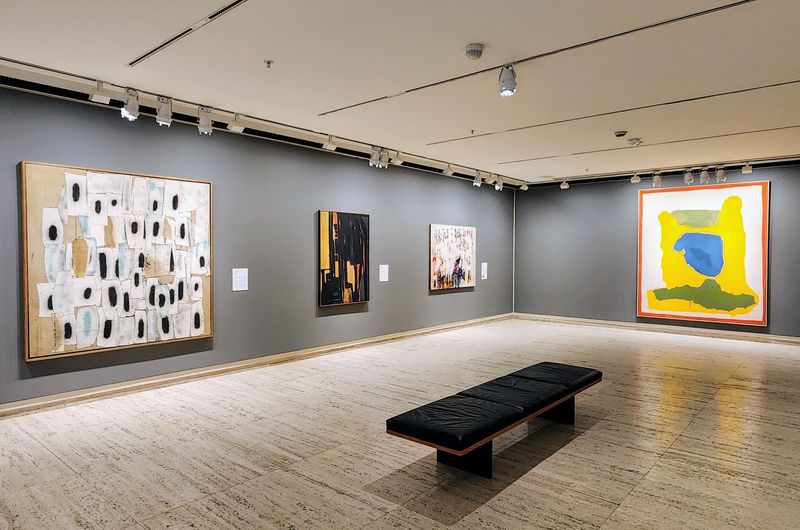
Rain in the forecast? Here is where a Nebraska day trip stops depending on the weather entirely.
The Sheldon sits on the University of Nebraska campus at 451 North 12th Street, Lincoln, NE 68508, and admission has never cost a penny.
Philip Johnson designed the travertine marble building, and architecture buffs sometimes come just to see the golden staircase in the main hall.
The collection inside holds more than 12,000 works, with strong holdings in American painting and sculpture from the nineteenth century forward.
Galleries are climate controlled, flat, and quiet, which makes them friendly to anyone using a cane or walker.
Seating appears throughout, and staff at the front desk are happy to point out shorter routes through the exhibits.
Outside, the sculpture garden spreads across the surrounding lawn with large works you can circle at your own pace. Wandering there costs nothing either, and it works nicely on mild afternoons.
Rotating exhibitions mean repeat visits rarely feel repetitive, so a return trip six months later shows you something new. Docent talks and gallery programs pop up on the calendar, often free as well.
Parking on campus takes a little planning, so check the metered lots along 12th Street before you arrive. Combine the museum with lunch downtown and you have filled an entire day for the price of a sandwich.
4. Homestead National Historical Park, Beatrice
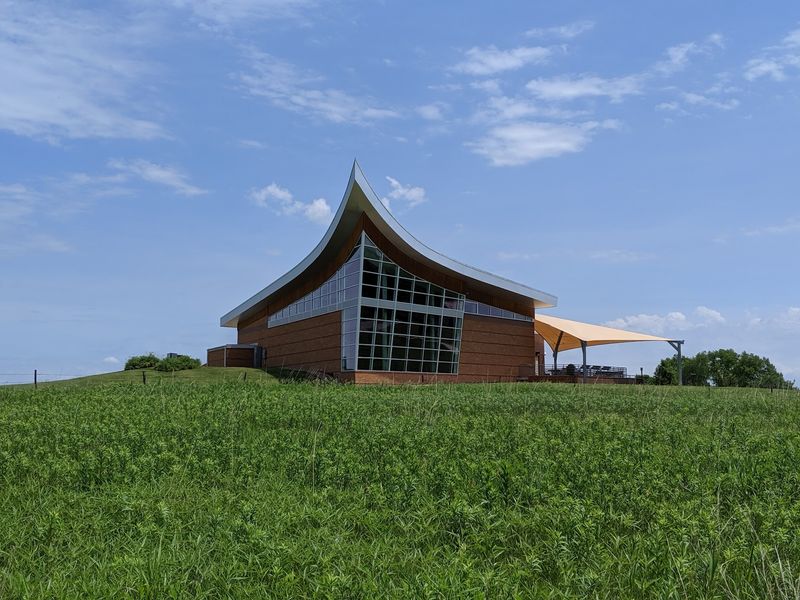
Daniel Freeman filed one of the very first claims under the Homestead Act of 1862, and the land he settled near Beatrice became this park.
Standing on that ground gives the whole westward migration story a real address instead of a textbook paragraph.
The Heritage Center sits at 8523 West State Highway 4, Beatrice, NE 68310, and admission stays free through 2026.
Inside, exhibits trace how ordinary families claimed 160 acres, what it cost them, and who was pushed aside in the process.
A short film runs regularly in the theater, giving tired legs a comfortable twenty minute break. Rangers answer questions patiently and often share details you will not read on the wall panels.
Outside, 100 acres of restored tallgrass prairie surround the buildings, one of the oldest prairie restorations in the country.
Mowed trails cross it, though you can absolutely enjoy the view from the windows or the paved overlook instead.
The Palmer-Epard Cabin, built in 1867, sits near the education center and shows just how small a homestead home really was. Grandchildren tend to be amazed by that.
Plan on two to four hours depending on how much you walk. Restrooms, water, and shaded picnic tables are all on site, which removes most of the usual road trip worries.
5. Petrified Wood & Art Gallery, Ogallala
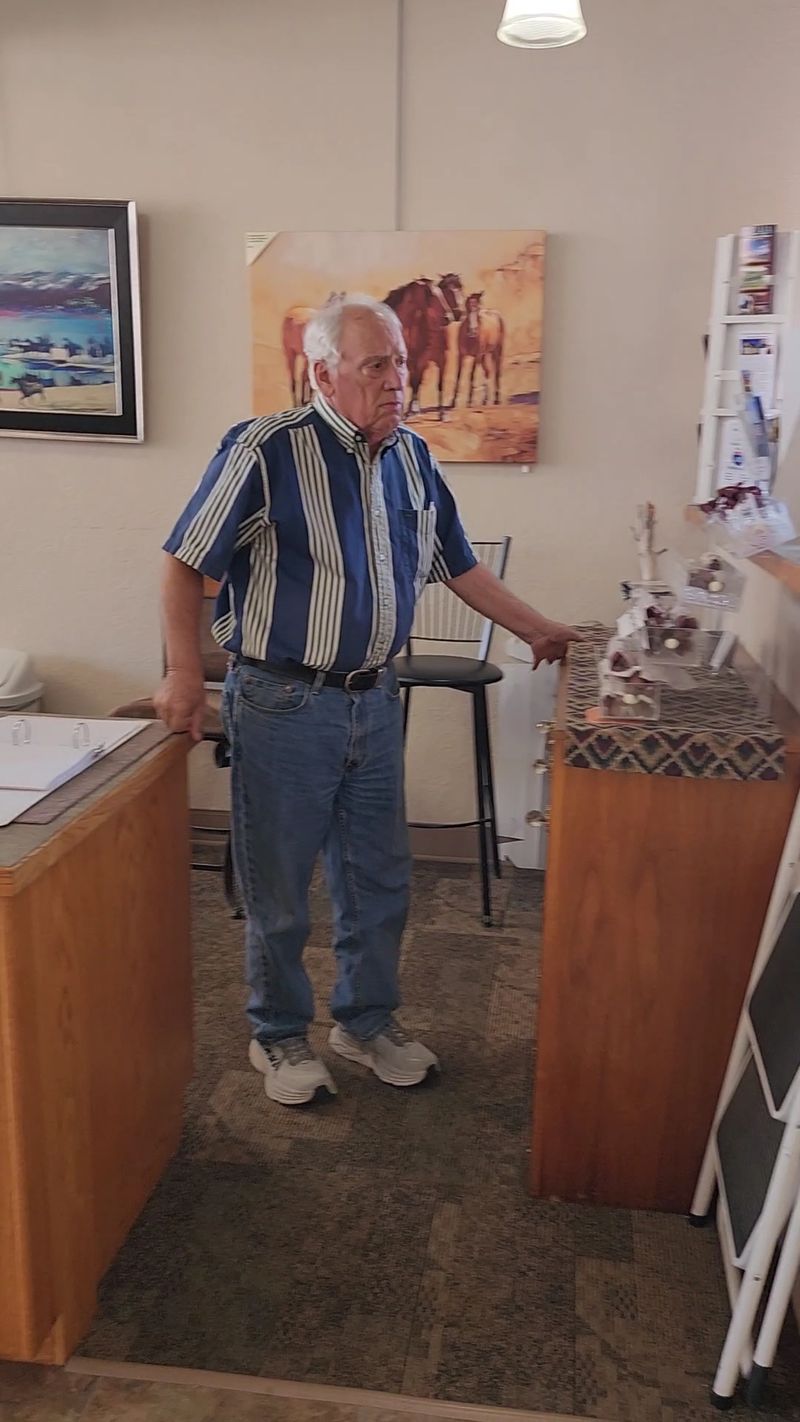
Two brothers, Harvey and Howard Kenfield, spent decades collecting petrified wood and Native American artifacts, and their lifelong hobby became one of western Nebraska’s most unexpected museums.
What sits inside is far more impressive than the modest storefront suggests.
Cases hold polished petrified wood from all over the world, some pieces glowing with reds, purples, and ambers you would swear were painted.
Arrowheads, fossils, and delicate wire-and-stone artwork fill the rest of the space.
Admission is free, though a donation box near the entrance helps keep the lights on and most visitors gladly drop something in. The whole building is on one level with smooth floors and plenty of room to move.
You will find it at 418 East 1st Street, Ogallala, NE 69153, right in the middle of town with parking nearby. Volunteers staffing the front desk often share stories about how particular pieces were found.
Because everything is indoors, hot afternoons and windy days pose no problem at all. An hour covers the collection comfortably, and rushing would be a shame.
Ogallala’s Front Street area and Lake McConaughy sit close by if you want to build a longer loop. Seasonal hours run mainly from spring into fall, so check ahead during the colder months.
6. Arbor Lodge State Historical Park, Nebraska City
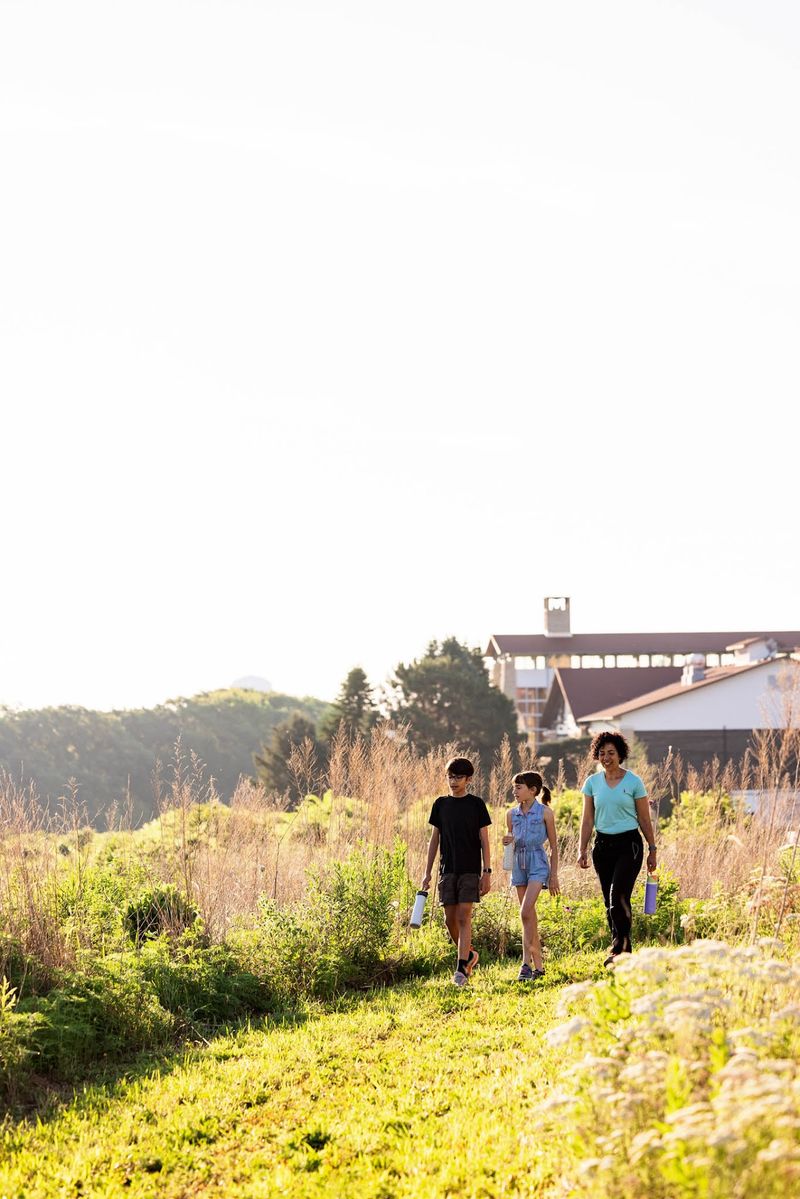
J. Sterling Morton, the man behind Arbor Day, planted his ideas right here, and the trees he championed still shade the grounds.
Seventy-two acres of arboretum, formal gardens, and quiet lanes make up the park at 2600 Arbor Avenue, Nebraska City, NE 68410.
Here is the money-saving trick worth knowing. Walking the grounds, the arboretum, and the pine grove requires no park admission at all, while the mansion charges separately.
Skip the house tour and you have a beautiful, essentially free afternoon. Take the tour once, though, if you enjoy period furnishings, because the 52-room home is genuinely impressive.
Paved and gravel paths wind past more than 260 tree varieties, many labeled so you can learn as you stroll. Distances are short, and benches turn up often enough that pacing yourself is simple.
Autumn is the standout season, when the maples and oaks turn the whole property gold and red. Spring brings the lilacs and flowering crabapples, so there is no bad month really.
The Italian terraced garden near the mansion makes a lovely spot for photographs without any climbing involved.
A carriage house on the property displays old buggies and an early automobile, usually included with mansion admission.
Nebraska City itself offers apple orchards and small shops if you want to stretch the outing a little longer.
7. Gene Leahy Mall And The RiverFront, Omaha
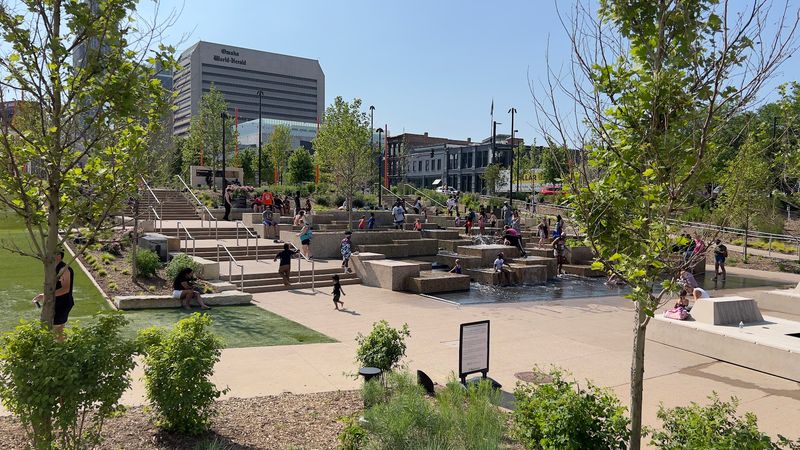
Omaha spent years and considerable money rebuilding its downtown green space, and the result opened to the public with no admission gate anywhere in sight.
Gene Leahy Mall stretches from Douglas to Farnam between 13th and 8th streets, forming the heart of a larger RiverFront park system.
Wide, smooth walkways connect lawns, sculpture installations, a sculpture garden, and shaded seating clusters.
The old sunken pathways were replaced with a more open design, which improved sightlines and made the whole space feel safer and easier to navigate. Restrooms and a small cafe area sit within the park.
Benches and swings face the skyline, and people-watching alone can fill a pleasant hour. Free concerts, farmers markets, and seasonal events fill the calendar from spring through fall.
Street parking and nearby garages serve the area, and rates downtown are modest compared with bigger cities. Weekday mornings tend to be calm if crowds are not your thing.
Kids climbing the play structures add cheerful background noise without overwhelming the space. Grandparents often report this is the rare outing that suits three generations at once.
Pack a lunch, claim a shaded table, and let the afternoon go slowly. The Old Market district sits a few blocks away for dessert or window shopping afterward.
8. Bob Kerrey Pedestrian Bridge, Omaha
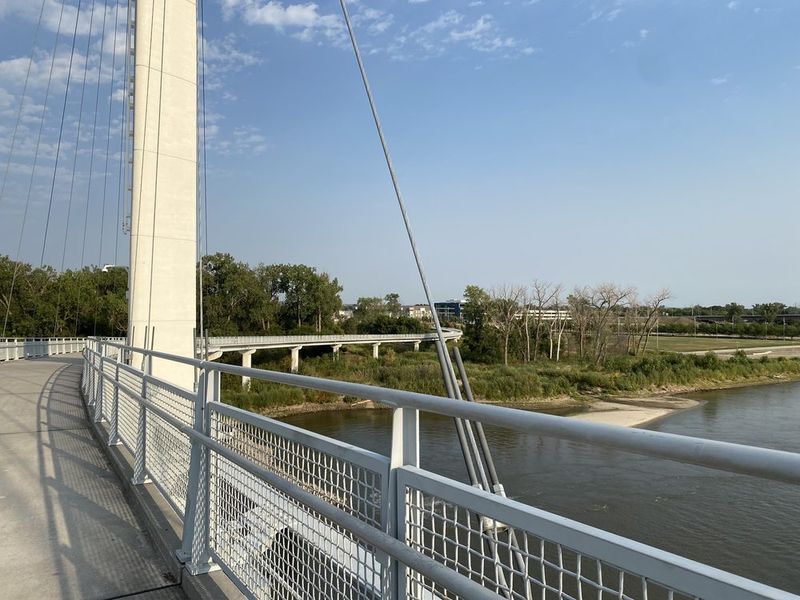
Locals just call it The Bob, and it holds a fun distinction: it is one of the few pedestrian bridges in the country that links two states.
Stand on the state line marker mid-span and you can put one foot in Nebraska and the other in Iowa.
Access is easiest from 705 Riverfront Drive, Omaha, NE 68102, where parking sits close to the ramp.
Gentle switchback ramps replace stairs, which matters a great deal for walkers, wheelchairs, and anyone with cranky hips.
The deck curves 3,000 feet across the Missouri River, though nobody says you must cross the whole thing. Walk out a few hundred feet, enjoy the water and skyline views, then turn back whenever you feel like it.
Breezes off the river keep summer evenings comfortable, and sunsets from the middle of the span are worth timing your trip around.
Colored lights illuminate the cables after dark, giving the structure a completely different personality.
Photographers gather here constantly, and folks are generally happy to snap a picture of you at the state line sign. Benches appear at both approaches for resting before or after.
Because it connects directly to The RiverFront parks, you can combine both into one nearly free outing. Bring water in summer, since shade on the bridge itself is nonexistent.
9. Carhenge, Alliance
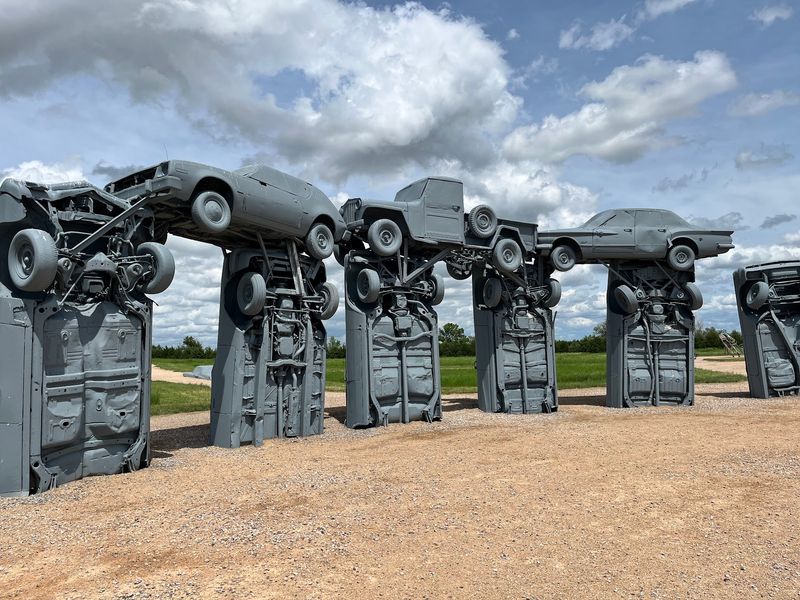
Thirty-nine vintage automobiles, spray-painted gray and planted upright in a Nebraska field, arranged in the exact proportions of Stonehenge.
Jim Reinders built it in 1987 as a memorial to his father, and the whole strange thing has been drawing travelers ever since.
Admission costs nothing and the gates stay open year-round during daylight. A gravel lot puts you within a short, flat walk of the circle.
Honestly, the drive across the Sandhills to get there is half the pleasure, with rolling grass-covered dunes stretching for miles. Bring music and take your time.
Once you arrive, you can see the entire monument from the parking area if walking is not appealing that day.
Those who wander in among the cars find additional sculptures made from old farm equipment scattered nearby.
A small visitor center called the Pit Stop sells drinks, snacks, and souvenirs during warmer months. Restrooms are available there too.
Sunset turns the gray hulks into striking silhouettes, and photographers show up specifically for that window. The summer solstice draws a small crowd for obvious reasons.
Nobody arrives at Carhenge expecting high art, which is exactly why it delights people. It is odd, free, and absolutely unforgettable, the kind of stop you describe to friends for years.
10. Scotts Bluff National Monument, Gering
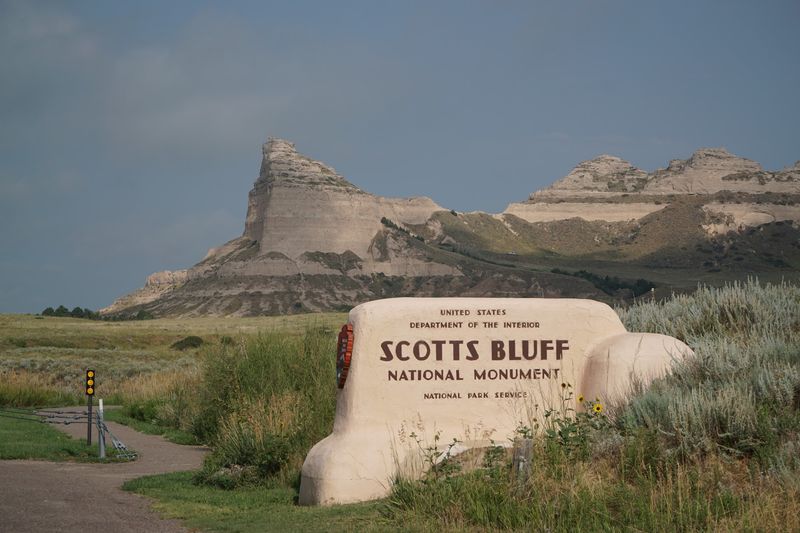
Pioneers on the Oregon Trail used this 800-foot sandstone landmark as a signpost, knowing they had reached a turning point in their journey.
The bluff still dominates the North Platte valley, and reaching the top no longer requires oxen or determination.
Summit Road climbs paved switchbacks to parking near the crest, so drivers get the panoramic payoff without a single strenuous step.
Short paved overlook paths at the top lead to views stretching into Wyoming on clear days.
Admission is completely free, which surprises visitors used to paying at national park sites.
Rangers keep an eye on road conditions, and the summit route closes during ice, snow, or high winds, so calling ahead in shoulder seasons is wise. Hours for the road can differ from the visitor center.
Down below, a short paved segment of the Oregon Trail pathway shows preserved wagon ruts, flat and easy underfoot. Original swales are visible where thousands of wheels wore into the ground.
Picnic tables sit near the visitor center for a packed lunch with a remarkable backdrop. Nearby Gering and Scottsbluff offer plenty of affordable places to eat afterward if you would rather not carry a cooler.
11. Agate Fossil Beds National Monument, Near Harrison
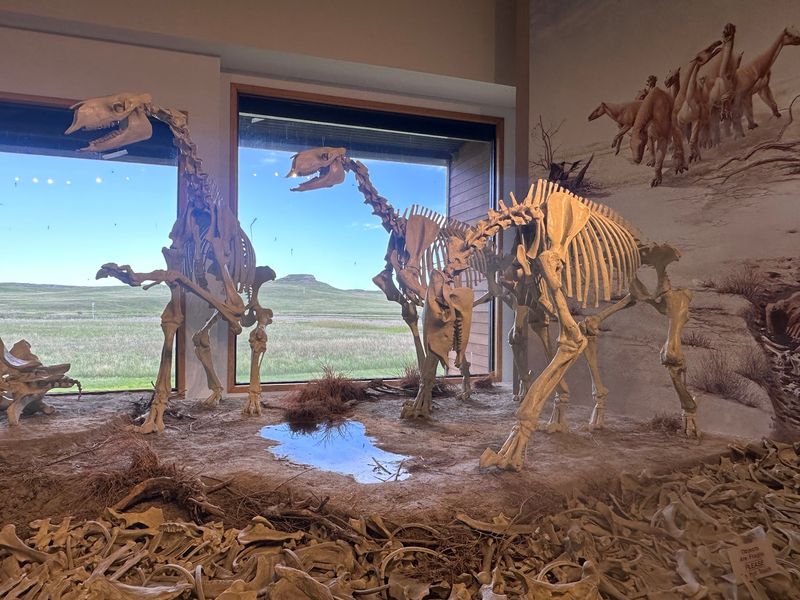
Twenty million years ago, herds of strange mammals gathered around a shrinking waterhole in what is now northwest Nebraska, and their bones piled up in astonishing numbers.
Scientists have been excavating that bone bed since the early 1900s.
The monument sits at 301 River Road, Harrison, NE 69346, and there is no entrance fee whatsoever. Everything essential happens indoors at the visitor center, which suits days when the prairie wind is howling.
Displays include full skeletons of ancient rhino-like beardogs and other creatures, plus reconstructed scenes explaining how the fossil bed formed. The building is fully accessible with level floors and seating.
Upstairs, the James H. Cook collection holds Lakota artifacts gifted to rancher James Cook by Chief Red Cloud, a genuinely rare assembly of beadwork, clothing, and pipes.
That exhibit alone justifies the drive for many visitors.
Two trails leave from the building, one to the fossil hills and another along the river, but both are strictly optional. Skip them entirely and you will still leave satisfied.
Remoteness is part of the appeal here, since crowds are almost nonexistent and rangers have time to chat. Fill your gas tank before heading out, because services in this corner of the state are sparse.
12. Crane Trust Nature & Visitor Center, Near Grand Island
Every spring, roughly half a million sandhill cranes pause along the Platte River, one of the great wildlife spectacles on the continent.
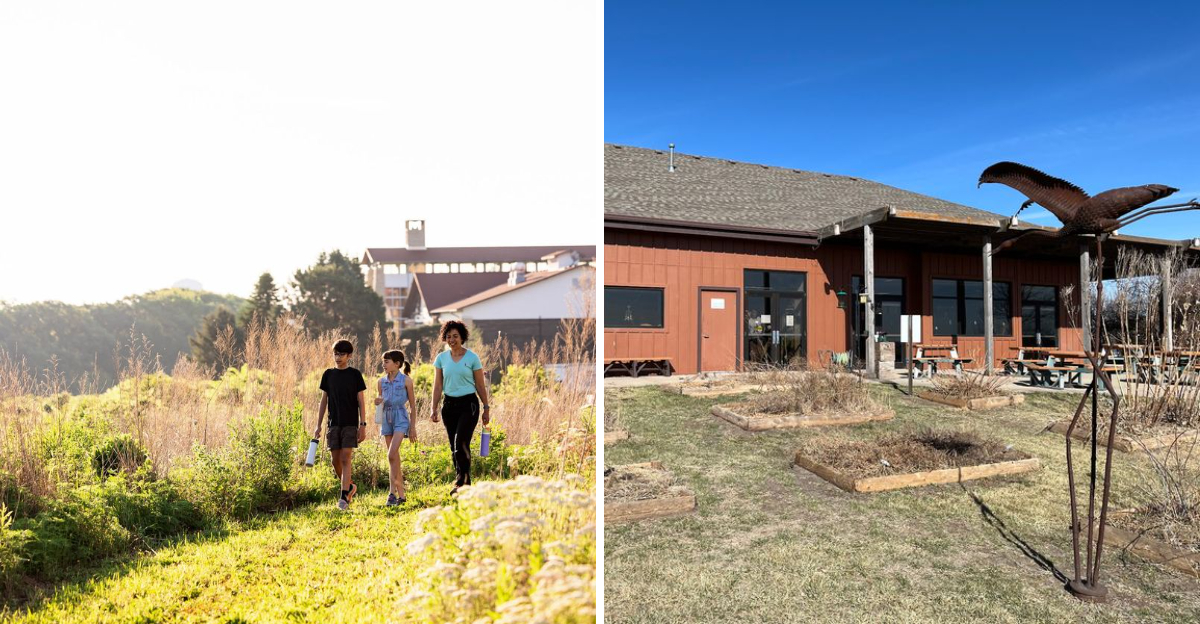
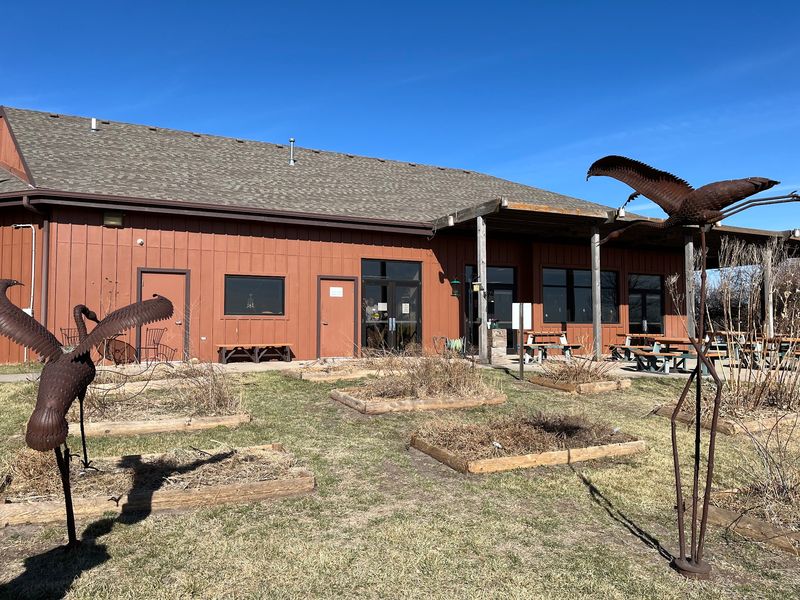
The Crane Trust protects a stretch of that habitat and welcomes visitors year-round at 9325 South Alda Road, Wood River, NE 68883, just off Interstate 80 near Grand Island.
Walking into the visitor center costs nothing. Exhibits explain the river, the cranes, and the tallgrass prairie, and large windows let you scan for wildlife from a comfortable chair.
Guided crane tours in the blinds during March and April carry a fee and sell out early, so book well ahead if that is your goal. Everything else on the property remains free.
Short nature trails leave from the center, and a resident bison herd grazes nearby prairie where you can sometimes spot them from the drive. Binoculars are worth bringing.
Staff know the daily wildlife activity and will happily point you toward whatever is showing up that week. Deer, turkeys, and dozens of bird species use the area outside crane season.
Restrooms, a gift shop, and shaded seating make the stop easy to manage. Fall and early summer offer wildflowers and far fewer visitors than the March rush.