10 Enchanting Nebraska Towns Worth Packing Your Bags And Exploring
Think this state is just something to cross on the drive west? These towns might change that quickly.
Nebraska packs surprising adventures into small communities filled with unusual landmarks, outdoor escapes, and stories worth pulling over for.
One trip can lead toward river history, while another brings fossil country, dramatic bluffs, wildlife, or wonderfully strange roadside attractions.
Families can find plenty to explore without every stop feeling designed around the same formula. That variety makes slowing down much more rewarding.
Skip racing across the map simply to reach somewhere else.
These communities offer enough personality to become destinations themselves, and the detours could easily become the stories everyone remembers afterward.
1. Brownville, Nemaha County
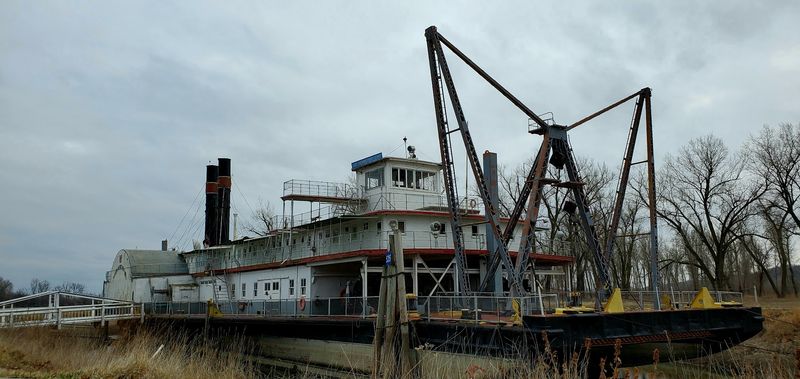
Let me be real for a second, some towns wear their history like a favorite jacket. Steamboats once crowded this stretch of the Missouri River, and you can still sense it.
Brownville, in Nemaha County, started life in 1854 as a busy river port. Pioneers heading west loaded supplies here before rolling into the unknown. Today the whole town works like a living museum.
Five museums sit within easy walking distance of each other. The Meriwether Lewis Museum of Missouri River History explains how boats moved goods and people upstream.
Old mansions and storefronts line the streets, most of them beautifully preserved.
Warm months bring cruises aboard the Spirit of Brownville, a riverboat that drifts along the Mighty Mo. Sunset trips give you the best light for photos. Art galleries and small shops fill the gaps between museum stops.
A scenic cave on the grounds of Whiskey Run Creek Winery and Distillery draws curious explorers too. Cultural events and concerts pop up throughout the year, giving weekends extra sparkle.
Plan on a full day if you want to see everything without rushing. Comfortable shoes help, since the sidewalks are historic and a little uneven.
You will find Brownville tucked just off Highway 136 in southeast Nebraska. Few towns pack this much story into so few blocks.
2. Nebraska City, Otoe County
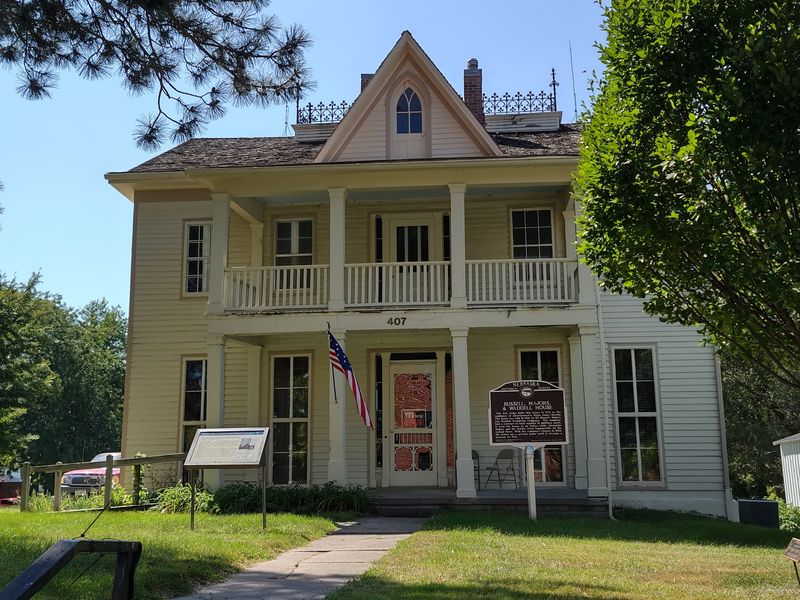
Here is a fun bit of trivia: one American holiday was born in this town. Every tree planted on Arbor Day traces back to this corner of the state.
Nebraska City, in Otoe County, holds the title of Nebraska’s oldest incorporated town. Its story starts in pioneer days, when wagons and riverboats met here.
Arbor Day began in 1872, thanks to a local push for planting trees. Arbor Day Farm keeps that spirit alive with orchards, woodland trails and hands-on activities. Apple season turns the whole area fragrant and busy.
Historic orchards stretch across rolling ground, and you can pick fruit in late summer and fall. Tree houses and interactive exhibits keep younger travelers entertained for hours.
Riverfront parks give you easy access to the Missouri River for slow strolls. Benches face the water, which is perfect for a packed lunch. Boat ramps and fishing access sit close by.
Museums and preserved homes around town explain steamboat trade, Underground Railroad history and frontier life. Signs make the details easy to follow, even for kids.
Spring blossoms and October color are the two best windows for a trip. Weekends fill quickly, so book lodging early.
Nebraska City sits roughly an hour south of Omaha along Highway 2. History and orchards rarely share a zip code so gracefully.
3. Valentine, Cherry County
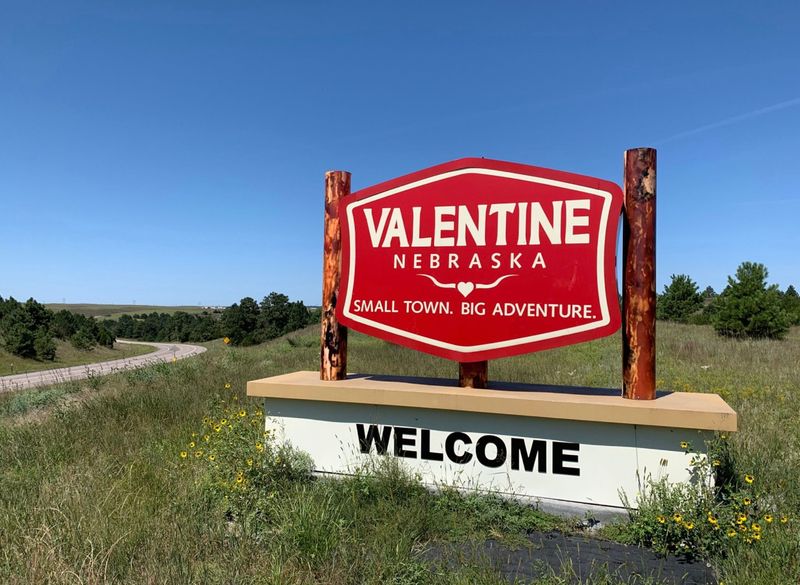
Just imagine for a second standing under a 63-foot waterfall in Nebraska. Yes, the Sandhills hide one, and getting there is half the fun.
Valentine, in Cherry County, works as the launchpad for the Niobrara National Scenic River. Cottonwoods, spring water and canyon walls define the landscape here.
Smith Falls ranks as the tallest waterfall in the state. A short hike and a walk across a historic truss bridge deliver you to the base. Mist cools the air even in July.
Scientists call the area a biological crossroads, where six ecosystems overlap. Pines, hardwoods and prairie grasses grow side by side, which is unusual anywhere.
Tubing, kayaking and canoeing on the Niobrara River fill summer days. Outfitters in town handle rentals and shuttles, so planning stays simple. Bring water shoes and sunscreen.
Night owls should head to Merritt Reservoir, home to Nebraska’s only International Dark Sky Park. The Milky Way shows up bright enough to cast a faint glow.
Cyclists and hikers can also pick up the Cowboy Trail, a 317-mile rail-to-trail route passing through town. Smith Falls State Park sits at 90159 Smith Falls Rd, Valentine. Few weekends leave you this pleasantly worn out.
4. Ashland, Saunders County
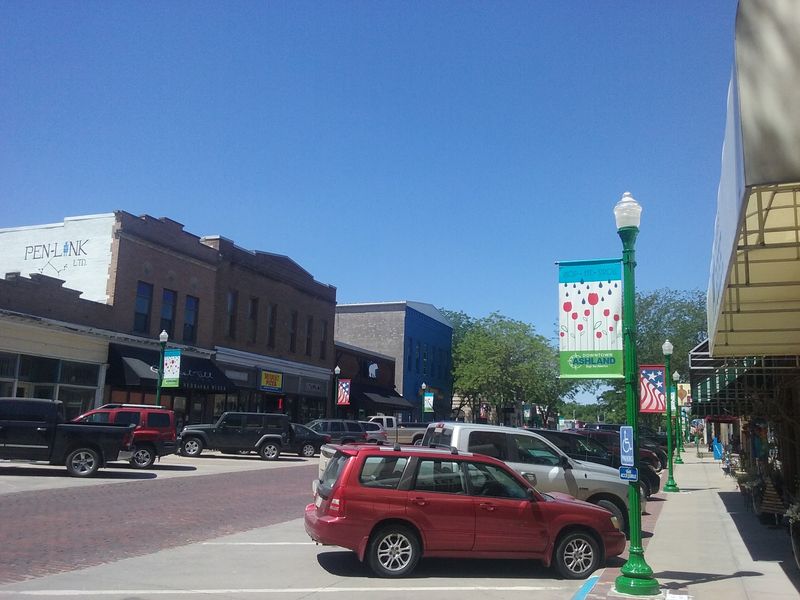
One small town claims the nickname Tourism Capital of Nebraska. Bold branding, sure, but the attractions here back it up nicely.
Ashland, in Saunders County, sits conveniently between Omaha and Lincoln. That makes it an easy detour on any interstate road trip.
The Strategic Air Command and Aerospace Museum anchors the area with towering aircraft and missiles. Cold War history feels close when you stand beneath a bomber’s wing. Kids gravitate toward the flight simulators and cockpit displays.
Animal fans should steer toward the Lee G. Simmons Wildlife Safari Park. You drive slowly through wide habitats while bison, elk and pronghorn graze nearby. Two miles of hiking trails let you watch wolves and cranes on foot.
Back in town, Silver Street lines up boutiques, antique shops and small eateries. Browsing here takes an easy hour or two. Storefronts keep their historic brick charm.
Mornings work best for the safari park, since animals stay active before the heat builds. Weekday trips mean shorter lines at the museum.
Nearby lakes and state recreation areas add swimming and camping to the mix. Pack a cooler and stretch the day out.
The Wildlife Safari Park sits at 16406 292nd St, Ashland. Two very different worlds share one small map dot.
5. Blair, Washington County
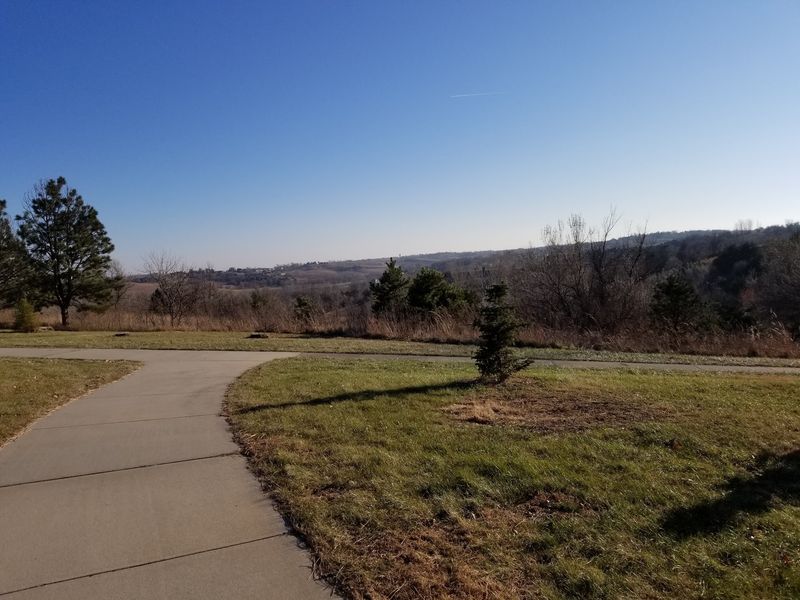
Are you seeing what I’m seeing on that bluff top? The Missouri River looks enormous when you view it from above.
Blair, in Washington County, sits on rolling hills that overlook the water. Old brick downtown buildings mix with leafy neighborhoods and river views.
Bird lovers come for DeSoto National Wildlife Refuge, just outside town. Thousands of snow geese pass through during migration, filling the sky with noise and motion. Bald eagles show up in winter.
The refuge protects wetlands, woods and prairie along an old river bend. Trails, overlooks and an auto tour route make wildlife watching simple. Binoculars earn their spot in your bag here.
Fall migration usually brings the biggest crowds of birds, especially November. Early mornings deliver soft light and quiet water.
River recreation rounds out the trip nicely. Cottonwood Cove Marina, at Mile Marker 651, gives boaters and anglers an easy launch point. Catfish and walleye keep fishing rods busy.
Downtown Blair keeps things low key with coffee shops, bakeries and small stores. It’s an easy stroll after a morning outdoors.
Drive time from Omaha runs under an hour, which makes day trips painless. Blair proves that a hilltop and a big river make a fine combination.
6. Chadron, Dawes County
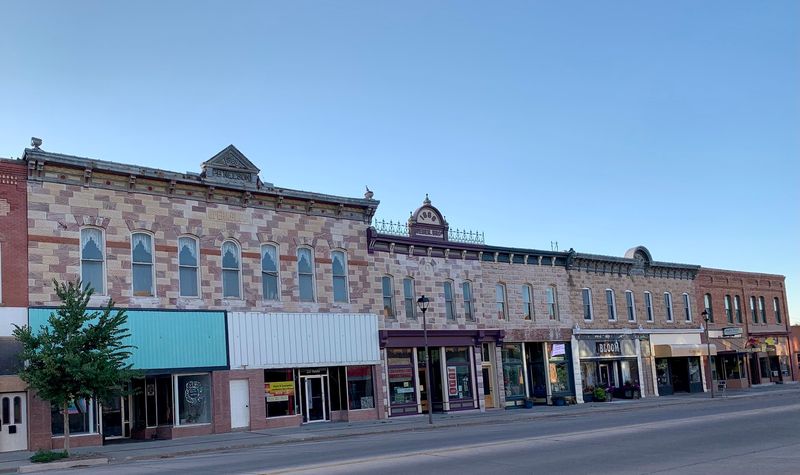
Call me crazy, but parts of northwest Nebraska look like another planet. Pale spires, layered clay and pine ridges replace the flat farmland stereotype.
Chadron, in Dawes County, perches at the edge of the Pine Ridge. Ponderosa pines climb the slopes, and canyons cut through the grassland below.
Toadstool Geological Park nearby shows off eroded formations balanced on skinny stems. Wind and water carved them over millions of years. A short loop trail winds right through the badlands.
Fossil beds in the region hold traces of ancient rhinos and other prehistoric animals. Interpretive signs explain what the rock layers reveal. Photographers love the light near sunset.
Chadron State Park, the state’s first, sits just south of town. Hiking trails, picnic shelters and horseback rides fill an easy afternoon. Entry costs very little.
The Museum of the Fur Trade digs into trapping, trading and Native history in the region. It stands on the site of a reconstructed 19th century trading post.
Summer stays mild at this elevation, and September brings golden grass and fewer crowds. Carry plenty of water, since shade runs thin in the badlands.
Chadron sits along Highway 20 in the state’s far northwest corner. Geology fans will not want to leave.
7. Crawford, Dawes County
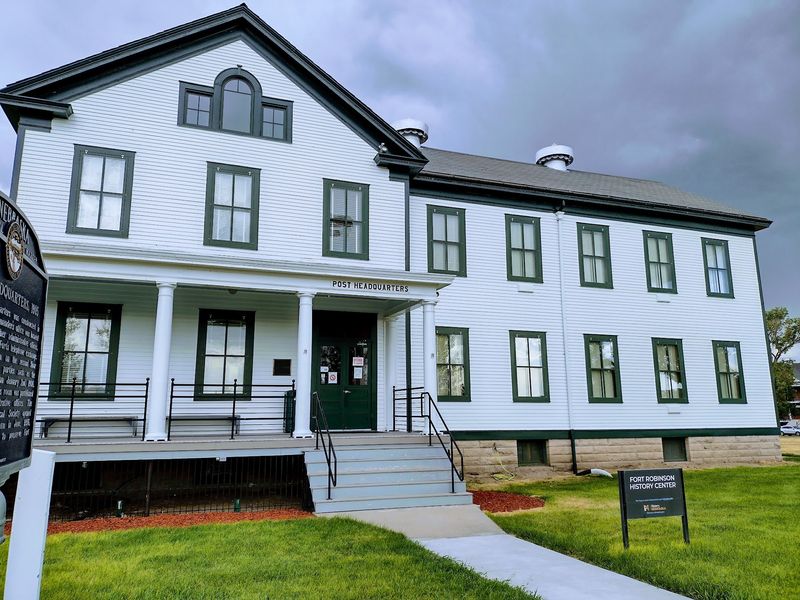
I had to do a double-take reading about an actual abandoned town nearby. Curiosity took over, and the surrounding scenery sealed the deal.
Crawford, in Dawes County, sits among buttes, pine slopes and open range. Small in size, big on access to wide country.
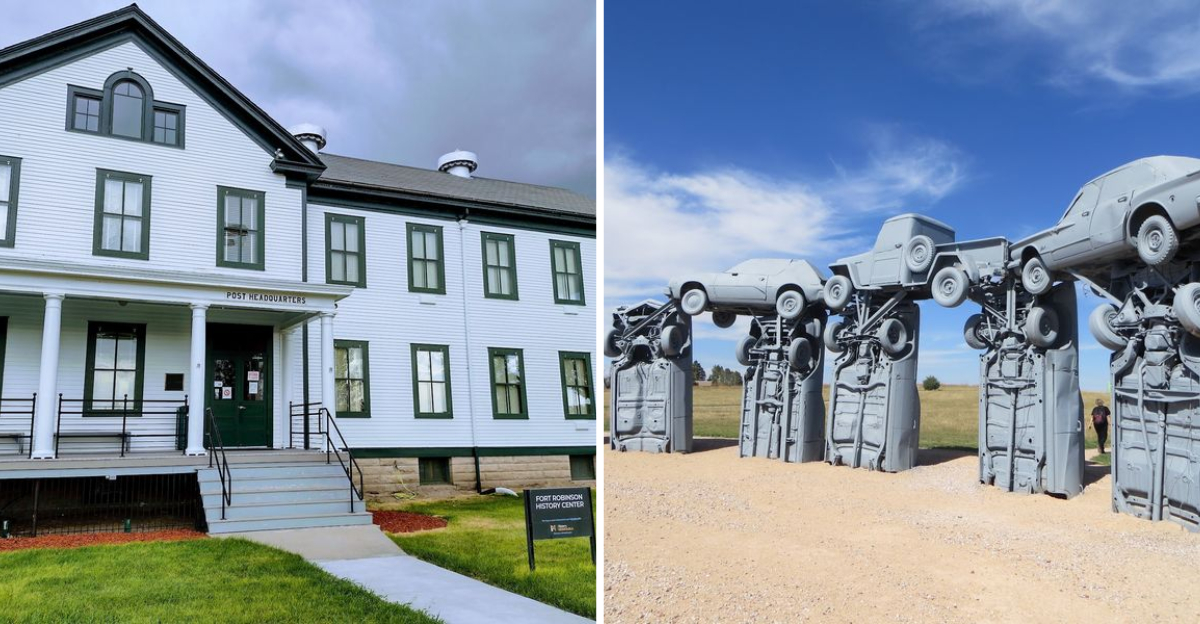
Fort Robinson State Park serves as the main draw. Once a working U.S. Army post, it played a major role in frontier history. Rows of white buildings still line the old parade ground.
Today the park mixes museums with recreation. Horseback rides, jeep tours, hiking trails and stagecoach rides keep days full. Lodging inside the park includes historic officers’ quarters.
Wildlife watching pays off here, with bighorn sheep and bison roaming nearby ridges. Early evening drives usually bring sightings.
Then there is Belmont, a genuine ghost town within driving distance. Empty structures and quiet streets tell a story of a settlement that faded away. Bring a camera and respect what remains.
Summer offers the widest range of activities, though spring wildflowers make May special. Fill your gas tank before heading out, since services are spread thin.
Fort Robinson State Park lies just west of Crawford, along Highway 20. History sits out in the open here, waiting for anyone willing to look.
8. Gering, Scotts Bluff County
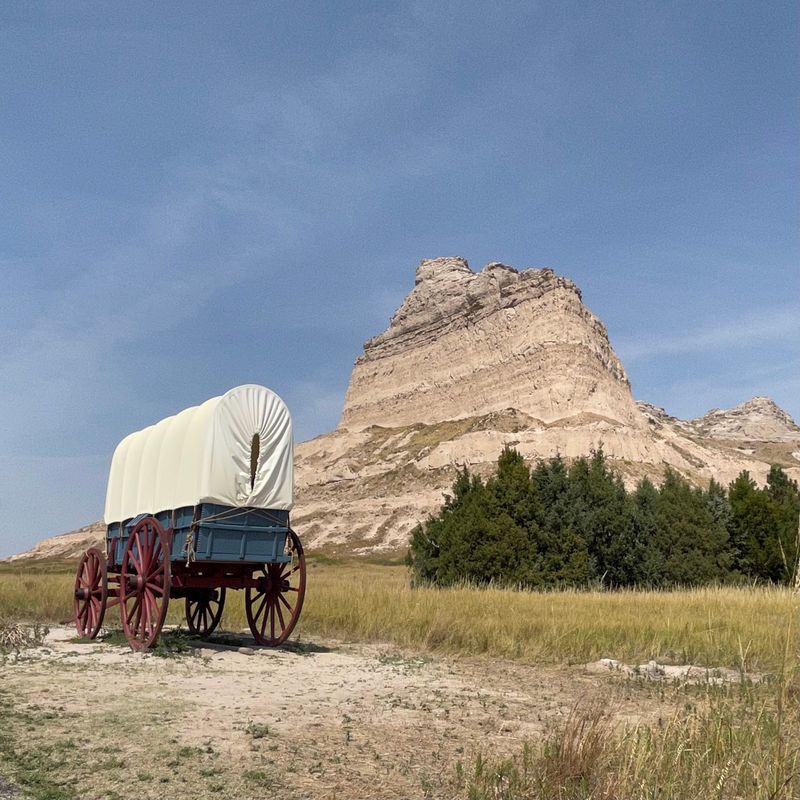
My jaw dropped the first time those bluffs appeared on the horizon. Eight hundred feet of sandstone will do that to a person.
Gering, in Scotts Bluff County, rests directly beneath those famous formations. The North Platte River valley spreads out below in every direction.
Scotts Bluff National Monument towers above the valley floor. Wagon trains on the Oregon Trail used it as a landmark, and Pony Express riders did too. Ruts from those crossings still mark the ground.
A paved road climbs to the summit, complete with tunnels carved through rock. Overlooks up top stretch for miles on clear days. Sunrise turns the cliffs orange.
Hikers can take the Saddle Rock Trail instead, gaining elevation on foot. It runs about 1.6 miles one way. Water and a hat are smart choices.
The monument’s visitor center holds an interpretive museum covering Native American, fur trade and pioneer history. Artwork by a frontier painter hangs inside.
Nearby Wildcat Hills add more trails and buffalo herds for wildlife fans. Summer evenings sometimes bring outdoor performances in the area.
Scotts Bluff National Monument stands at 190276 Old Oregon Trail, Gering. Visitors leave with sore legs and a full camera roll.
9. Alliance, Box Butte County
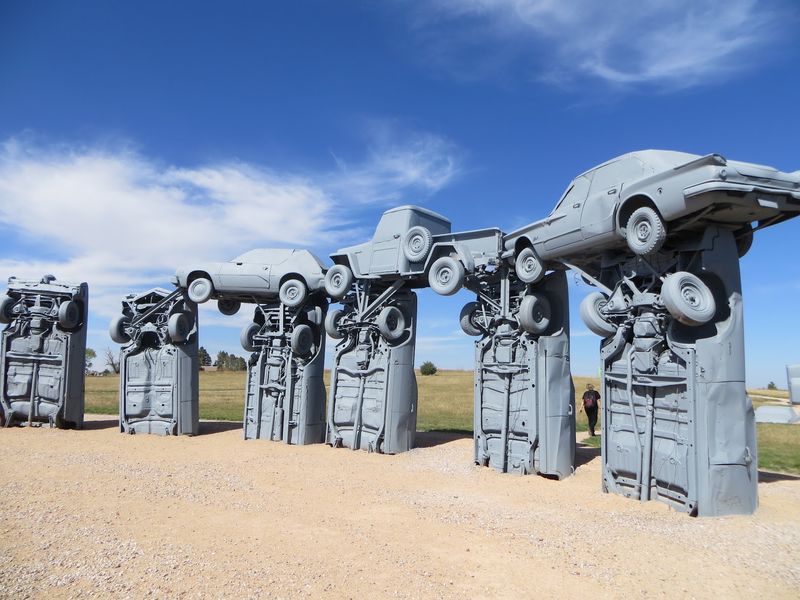
Here’s a thought: build an ancient stone circle out of old cars. Somebody actually did it, and the result stops traffic.
Alliance, in Box Butte County, sits deep in the western panhandle surrounded by prairie. Its most famous attraction is impossible to mistake for anything else.
Carhenge copies the layout of England’s Stonehenge using classic American automobiles. Sedans stand upright, buried nose down, with others balanced across the top. Everything wears a coat of gray paint.
Pickup trucks and even an ambulance join the arrangement. Built in 1987 as a memorial to Reinders’ father, who had died five years earlier, it has grown into a beloved roadside landmark.
Additional car sculptures fill the surrounding field, forming what locals call a reserve. Wandering the grounds takes maybe half an hour, longer if you love photos.
Sunset and sunrise give the best shots, when shadows stretch long across the grass. Summer solstice gatherings draw a cheerful crowd.
Admission is free and the site stays open year round, though winter wind bites hard out here. A small gift shop operates in warmer months.
Downtown Alliance adds a railroad museum and quiet streets for a quick stop. Carhenge stands at 21544 NE-87, Alliance. Road trip photo albums are incomplete without it.
10. Aurora, Hamilton County
Parents, listen up, because this one solves the rainy day problem. Science experiments and prairie trails share the same small town.
Aurora, in Hamilton County, sits along the Central Flyway in the state’s midsection. Millions of birds pass overhead during spring and fall migration.
Sandhill cranes are the headliners, arriving by the thousands in March. Their calls carry a long way across open fields. Bring binoculars and patience.
Prairie trails around town give walkers quiet paths through native grasses and wildflowers. Mornings stay peaceful, and benches invite a rest. Trails suit strollers and short legs.
Indoors, the Edgerton Explorit Center steals the show for families. Hands-on exhibits cover motion, light, electricity and engineering. Kids push buttons, build things and rarely stand still.
Programming leans on STEAM subjects, so learning happens through play. Staff run demonstrations that keep even teenagers curious.
The center honors Harold Doc Edgerton, a local inventor known for pioneering electronic flash photography. His high-speed images froze motion nobody had seen before.
A courthouse square and small cafes make lunch easy between stops. Interstate 80 runs close by, so the detour costs little time.
The Edgerton Explorit Center sits at 208 16th Street, Aurora. Curiosity gets a workout here, no matter your age.