Enter This Little Virginia Museum For A Remarkable Prehistoric Adventure
A mammoth skull has a funny way of making a small museum feel enormous.
Inside this Virginia collection, the story stretches across prehistoric seas, Ice Age animals, Indigenous history, salt production, warfare, and the industries that later shaped the surrounding town.
The exhibits move through time without making the experience feel like homework.
Fossils and geological displays lead into human history, while short films and nearby outdoor sites help connect what happened underground with what visitors can still see today.
That is quite a timeline! Give yourself longer than a quick walk-through.
By the end, the landscape outside starts looking different because you finally know just how much history sits underneath it.
An Ancient Sea Beneath Town
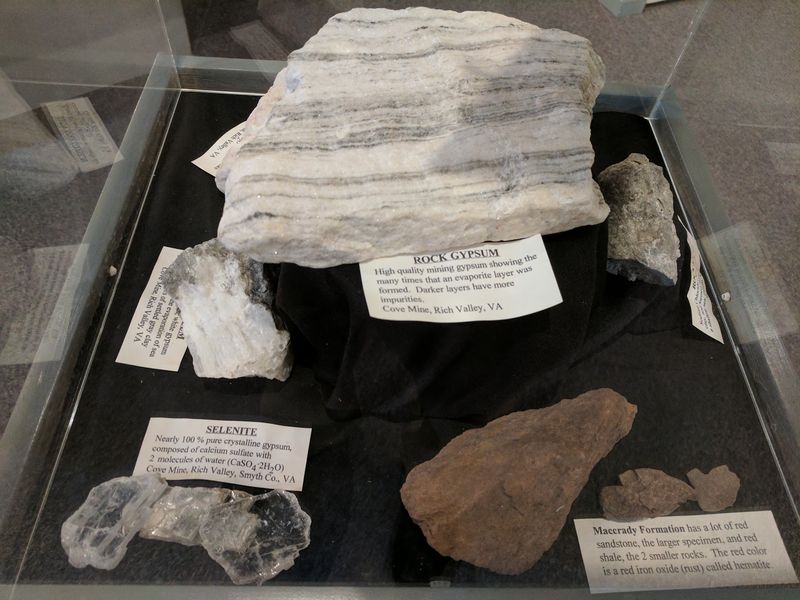
Millions of years before anyone thought to build a town here, an inland sea sat quietly evaporating. What it left behind was salt, buried deep and thick, and that mineral wrote every chapter that followed.
The exhibits explain how compression, uplift, and erosion shaped ridges that rank among the oldest in North America. Rock samples and diagrams make the geology surprisingly easy to follow.
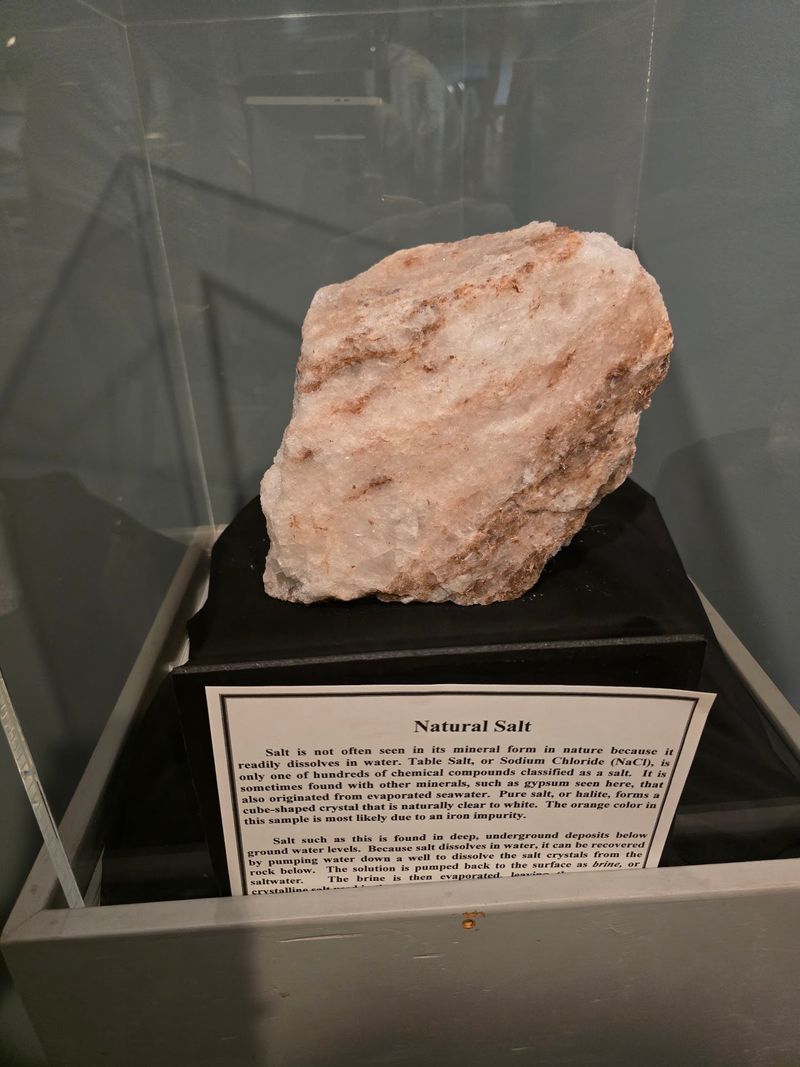
Commercial salt production in the valley began in the 1780s and continued into the early 20th century, while the same underground brine later became a major raw material for Saltville’s chemical industry.
The buried salt deposits help connect nearly every era interpreted inside, attracting wildlife, people, salt producers, and eventually major industry to the valley.
Displays trace how abundance of one mineral decided where roads, homes, and factories eventually landed. Geology as destiny sounds dramatic, yet it fits Saltville perfectly.
Staff members gladly point out details you might rush past. Ask about the well fields and you will get a proper mini lecture.
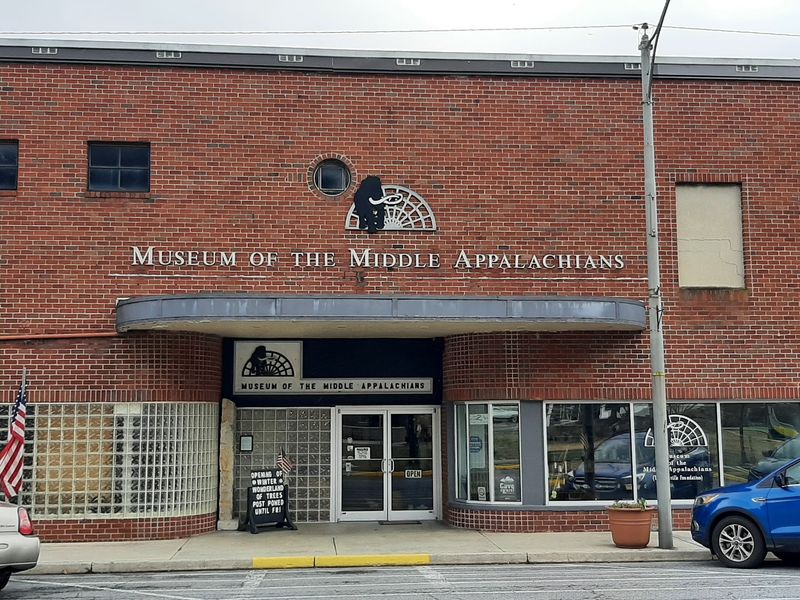
You will find The Museum of the Middle Appalachians at 123 Palmer Ave in Saltville, right in the heart of downtown Virginia charm.
Mammoths, Mastodons And Marshes
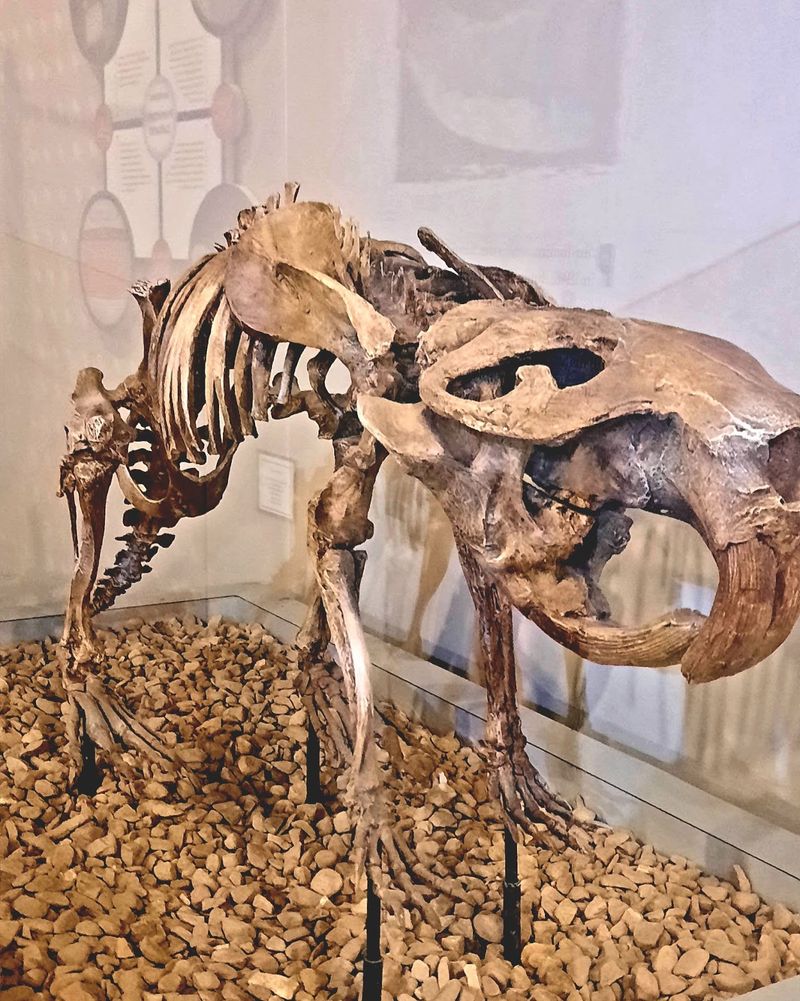
A full-size mastodon cast immediately establishes the scale of the Ice Age exhibit, which also includes a woolly mammoth skull cast and a giant beaver.
Saltville Valley ranks among the earliest places in North America where Pleistocene fossils were found. The first written record dates all the way back to 1782.
For over 220 years, ancient bones have been recovered from lake beds under the marshes. Collecting still continues today.
The Ice Age exhibit pairs the full-size mastodon cast with a woolly mammoth skull cast, a giant beaver, and actual fossil remains from several Ice Age species.
Salt and water helped attract animals to the valley, while the ancient lake and marsh deposits later preserved evidence of the Ice Age species that lived here.
Fossil bones on display feel startlingly real up close. Their size does the talking without any need for hype.
Paleontological digs are among Saltville’s recurring events, so visitors interested in one should check the current local event schedule before planning a trip around it.
Standing beside those replicas, I understood why this corner of Virginia keeps scientists coming back.
Woodland Artifacts And Early Settlers
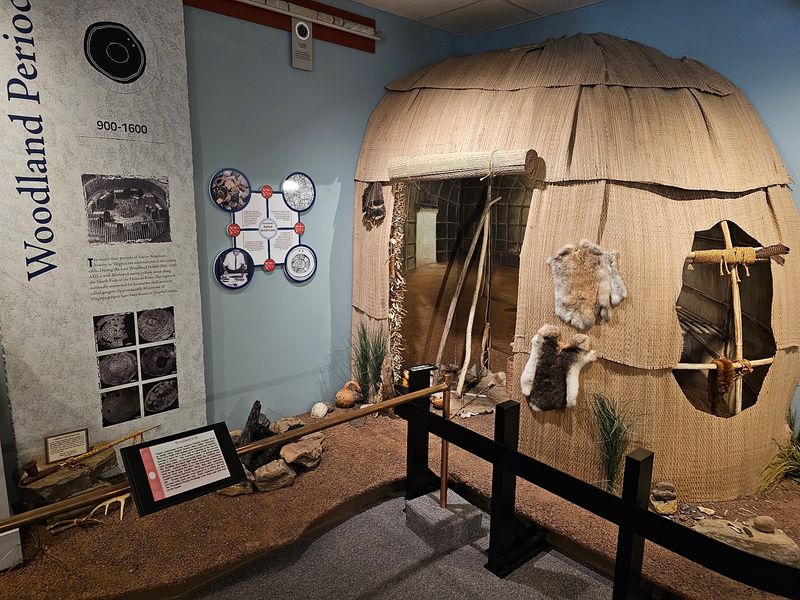
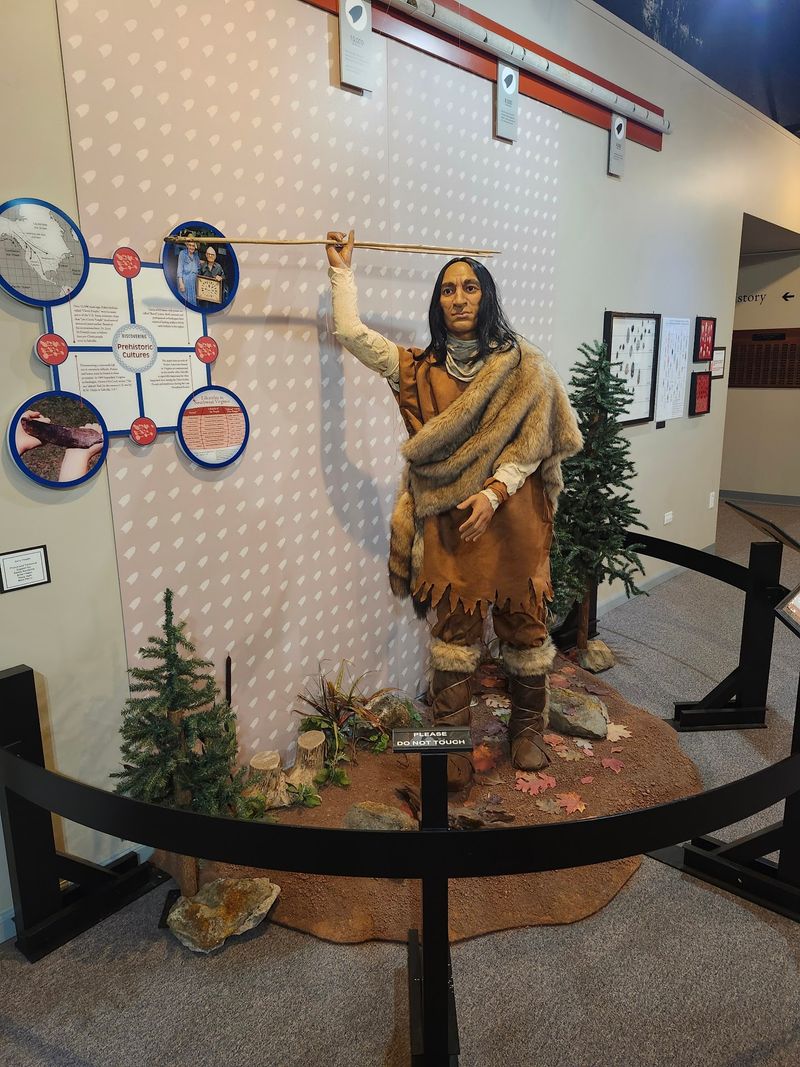
Long before wagons rolled through, people here already knew salt was worth traveling for. The Early People and Woodland Period exhibits make that clear in the calmest, most convincing way.
Cases hold beadwork, stone tools, and pottery pieces gathered from the valley. Each object hints at daily routines and long trade routes.
Salt preserved food, seasoned it, and made trade possible across great distances. That triple usefulness turned this valley into a destination.
Archaeologists have proposed that a Late Woodland chiefdom in the Holston River region developed around Saltville’s valuable salt resources.
Some researchers connect the area with the Chisca or Yuchi and the historic town of Maniatique, though that identification is not completely settled.
The variety of stone tools, beadwork, pottery, and other artifacts makes the Woodland Period displays worth examining closely.
Later European colonists arrived and chased the same resource. Different newcomers, identical motivation.
Interpretive signs keep the language friendly rather than academic. Younger visitors can follow along without help.
What sticks with me is the continuity of it all. Thousands of years, many cultures, one stubbornly valuable mineral holding the story together.
Salt Capital Of The Confederacy
Wars run on supplies, and few supplies mattered more than salt. That reality turned this quiet valley into one of the South’s most guarded places.
With Union blockades squeezing coastal ports, Saltville became the Confederacy’s most important salt source. States east of the Mississippi depended on it heavily.
Production tells the story plainly. Around 250,000 bushels per year before the conflict, then over four million bushels annually by 1864.
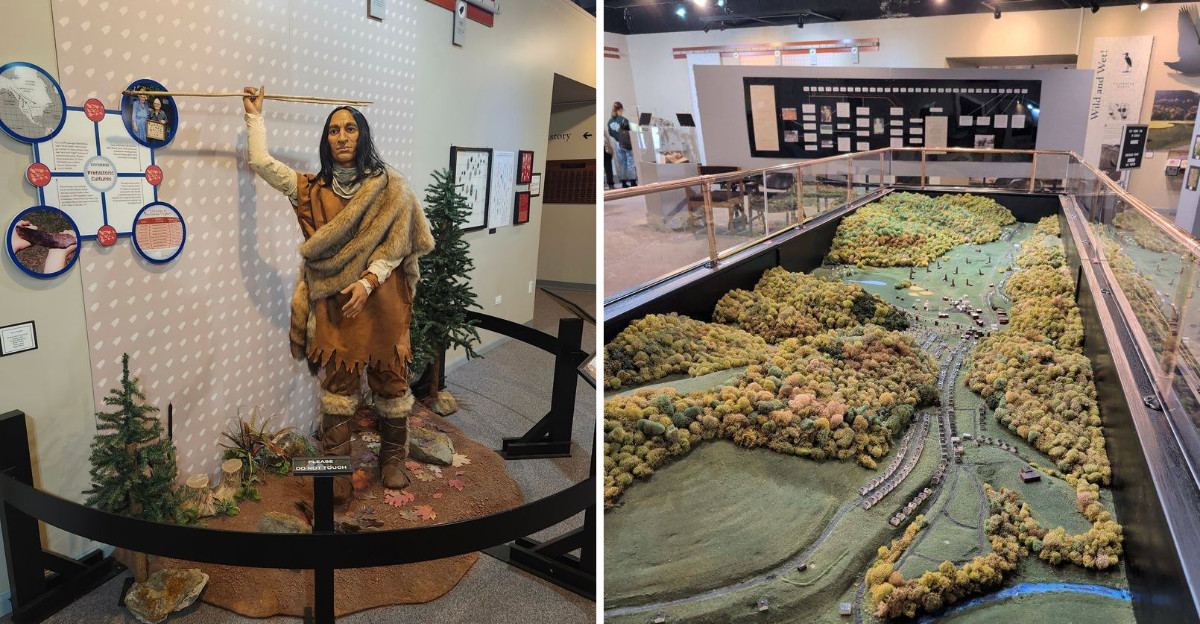
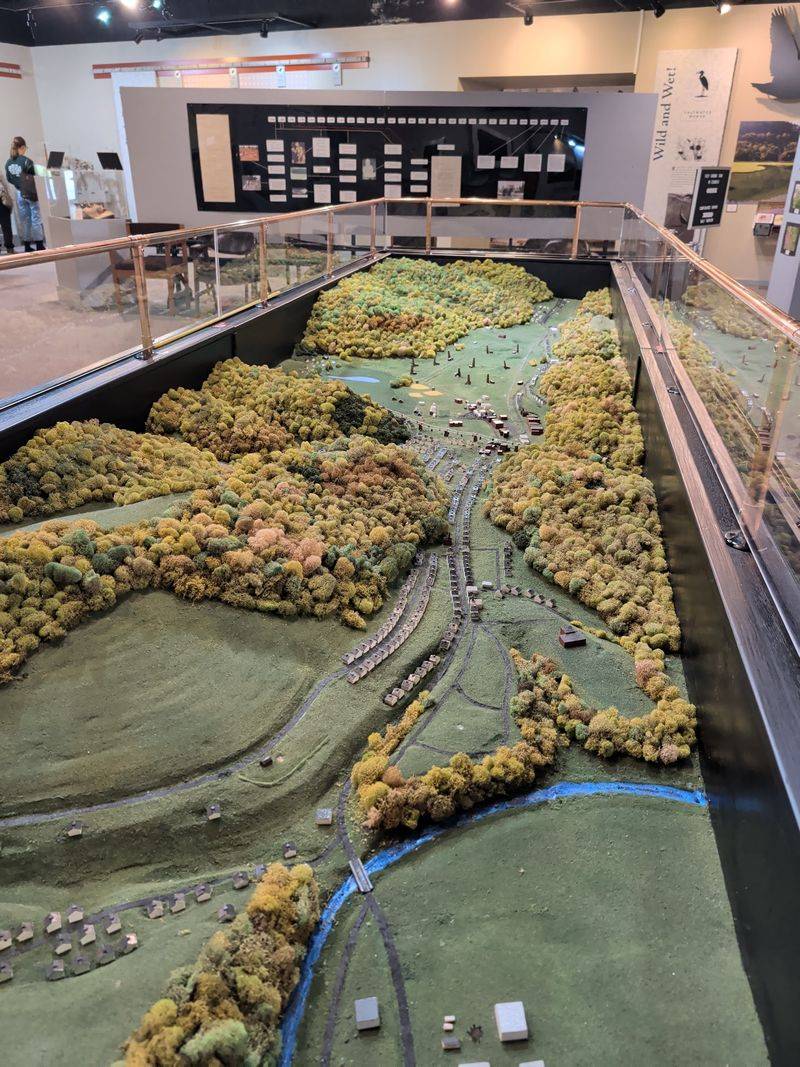
The Civil War gallery holds artifacts, soldier records, and an interactive video display about attacks on the community. A large diorama shows the valley, its high ground, and the fortifications built to defend it.
Two dates anchor the narrative. Confederate forces repelled the Union attack at the First Battle of Saltville on October 2, 1864. Union forces returned during the Second Battle on December 20–21 and then devastated the saltworks.
The diorama helps connect the surrounding ridgelines and fortifications with the military importance of Saltville’s terrain.
Ask the staff where to view battlefield sites from town. They know the best vantage points and share them freely.
Where American Chemistry Began
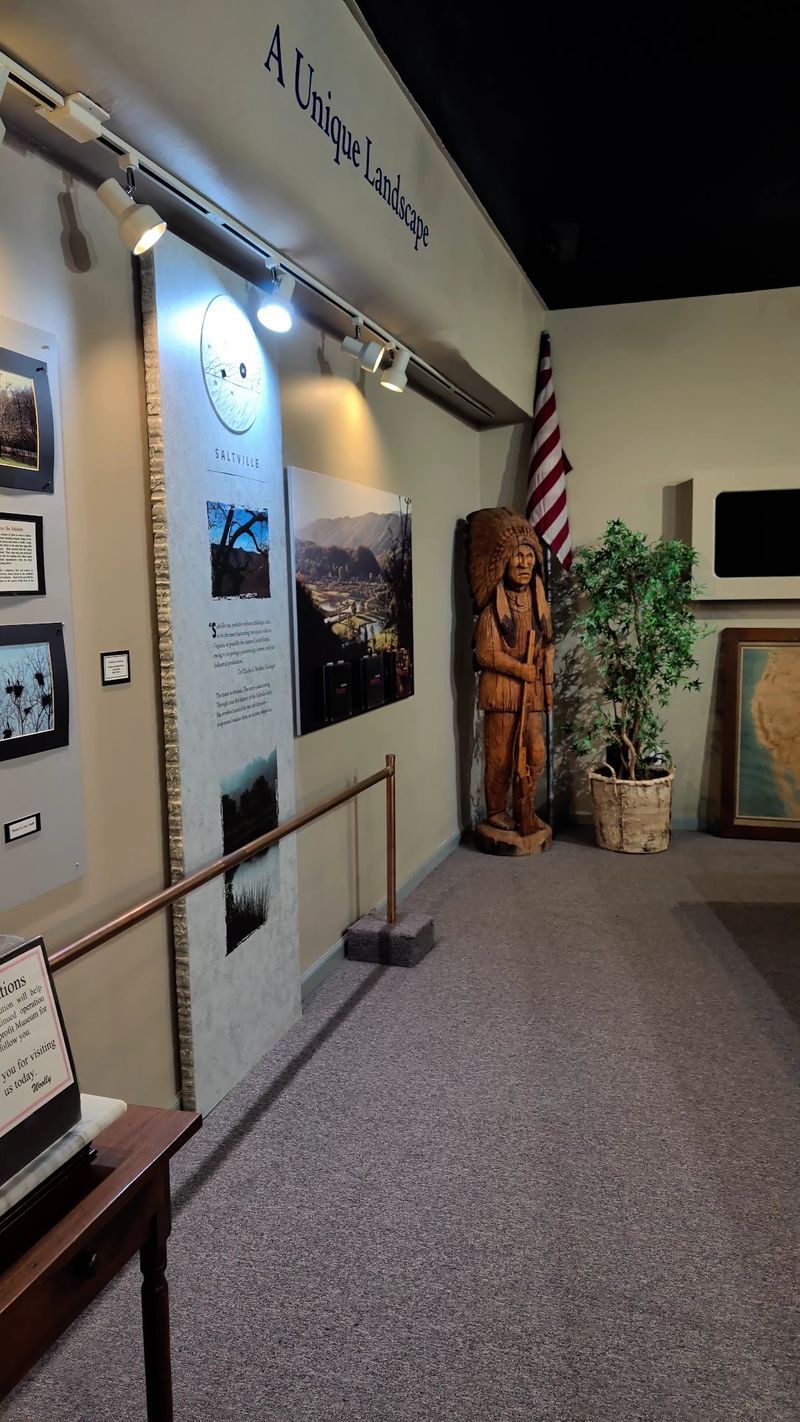
Saltville played an important early role in the development of the American chemical industry, with its brine and limestone supporting the rise of Mathieson Alkali Works.
Mathieson Alkali Works was established in 1892 to use Saltville’s deposits of salt and limestone.
Commercial production began in 1895 with soda ash, followed by commercially available bleaching powder in 1896 and an expanding range of chemical products.
The Early Industry and 20th Century Industry exhibits lay out the machinery and processes involved. Photographs show the workforce that kept it running.
Saltville developed into a classic company town, with Mathieson owning much of the land and housing and providing services that included utilities, company stores, a hospital, recreation, and support for local schools.
That level of company involvement meant one employer influenced an unusually large share of everyday life in Saltville.
Railroad fans get a bonus. The museum curates and maintains historic steam locomotives and a caboose, including an 1892 Norfolk and Western G Class Consolidation type engine and a Mathieson Alkali Works locomotive.
Seeing heavy iron alongside delicate lab-era artifacts gives you the full arc. Ancient salt became modern manufacturing. Industrial history rarely feels this personal, yet these rooms manage it.
A Salt Marsh Far Inland
Roughly 400 miles from any ocean sits a salt-water marsh. Nature clearly did not read the rulebook.
Salt leaching from old wells created unusually saline conditions in some of the ponds around Saltville’s historic well fields, producing a rare inland wetland habitat.
A few salt-tolerant plant species grow around these unusually saline ponds, creating a botanical community that is highly unusual so far from an ocean coast.
The Wild and Wet exhibit explains how the well fields developed into an unusual saltwater environment and why the wetlands remain important for plants, wildlife, fossils, and historic resources.
The marsh exhibit adds natural science to a museum otherwise rich in industrial, archaeological, and military history.
The connection between deep rock and living things becomes obvious once explained. An ancient sea still influences today’s plant life.
Trails near town let you see marsh country for yourself after browsing the displays. Bring shoes you do not mind getting damp.
Birders will want binoculars, since wetland edges attract plenty of activity. Morning light works best for photographs. Among Virginia’s natural oddities, this one deserves far more attention than it gets.
Salt Theater And Friendly Guides
The Salt Theater adds five short video programs to the museum experience, giving visitors more context for Saltville’s Civil War history.
The museum’s current Salt Theater features five short programs focused on the Civil War at Saltville, covering the Salt Works, fortifications, the First Battle of Saltville, its aftermath, and the Second Battle of Saltville.
Touring is self-guided, so you set your own pace. No rushing, no crowds pressing behind you.
Knowledgeable staff hover nearby, ready to answer questions. Local tourism information notes that museum staff can offer additional context on Saltville architecture and point visitors toward nearby Civil War sites and battlefield views.
Interactive displays keep younger visitors engaged between films. Buttons, screens, and hands-on elements break up the reading.
The museum store adds a dose of silliness with its Where In The World Is Woolly Mammoth campaign. Travelers buy a plush mammoth, photograph it abroad, and send pictures back.
I love that a serious history museum makes room for that kind of fun. It turns visitors into long-distance friends.
Getting There And Timing Right
Small footprint, big content. That combination catches many travelers off guard, so give yourself room to breathe.
Seventeen natural and cultural exhibits fill the museum, and local tourism officials recommend allowing about two hours to explore them properly.
One documented route from Interstate 81 uses Exit 35 at Chilhowie, followed by VA-107 north toward Saltville.
Doors open at 10 AM Monday through Saturday and close at 4 PM, with Sunday hours running 1 PM to 4 PM.
Once you finish inside, keep exploring. Salt Park, the historic well fields, and walking and birding trails sit close by.
Annual events add extra reasons to plan carefully. Paleontological digs invite the public to join ongoing research in the valley.
Then there is Woolly Day Weather Prediction, where an animatronic woolly mammoth forecasts the weather. Groundhogs have competition in Virginia now.
Downtown offers spots to grab coffee or lunch afterward, which makes a full afternoon easy. Parking is straightforward and stress free.