11 Epic California Road Trips That Belong On Your Summer Bucket List This Year
Summer has a funny way of making the car keys look more ambitious.
A random Tuesday starts whispering about coastlines. A long weekend begins browsing mountain passes.
Even a gas station coffee somehow tastes more optimistic when there is a road trip attached to it.
Across California, entire landscapes seem to spend June, July, and August showing off on purpose.
Desert horizons stretch forever. Redwoods turn ordinary drives into something that feels almost cinematic.
The best road trips are about the overlook that steals twenty minutes and the tiny town that somehow becomes the highlight.
Some routes simply connect places. Others turn the drive itself into the reason for leaving home.
Those are the ones that earn a spot on a summer bucket list.
1. Pacific Coast Highway, San Francisco To Los Angeles
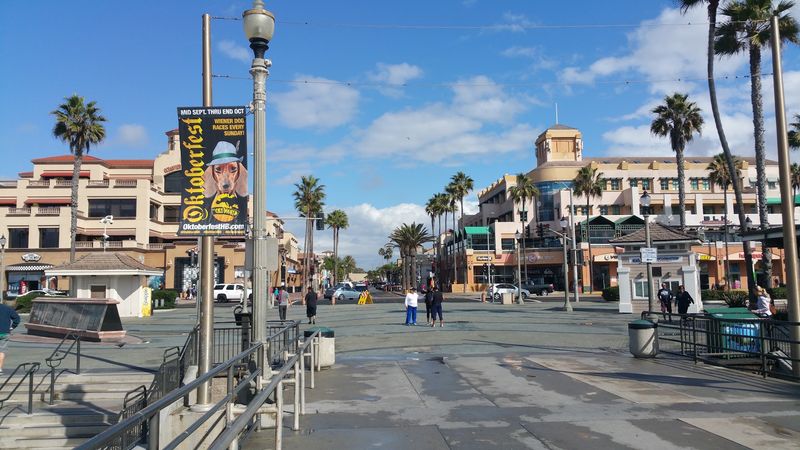
Running along some of the most dramatic coastline in North America, the Pacific Coast Highway between San Francisco and Los Angeles is the kind of drive that stays with you long after it ends.
Highway 1 hugs the California coast for hundreds of miles, offering sweeping ocean views from nearly every turn.
The route passes through Carmel-by-the-Sea, Big Sur, and San Luis Obispo, each offering its own flavor of coastal charm.
Stopping at Bixby Creek Bridge for photos is practically a tradition on this drive, and the view from there on a clear morning is genuinely hard to beat.
McWay Falls near Julia Pfeiffer Burns State Park sends a waterfall directly onto a sandy cove below, which is one of the more unusual natural sights along the entire route.
Pfeiffer Beach is another worthwhile stop, known for its purple-tinted sand caused by manganese garnet in the surrounding cliffs.
Summer fog is common along the Big Sur stretch, but it tends to lift by midday and can actually make the landscape feel more atmospheric.
Booking accommodations well in advance is strongly recommended since lodging fills up fast during peak season.
2. Big Sur Coast Drive, Monterey To San Simeon
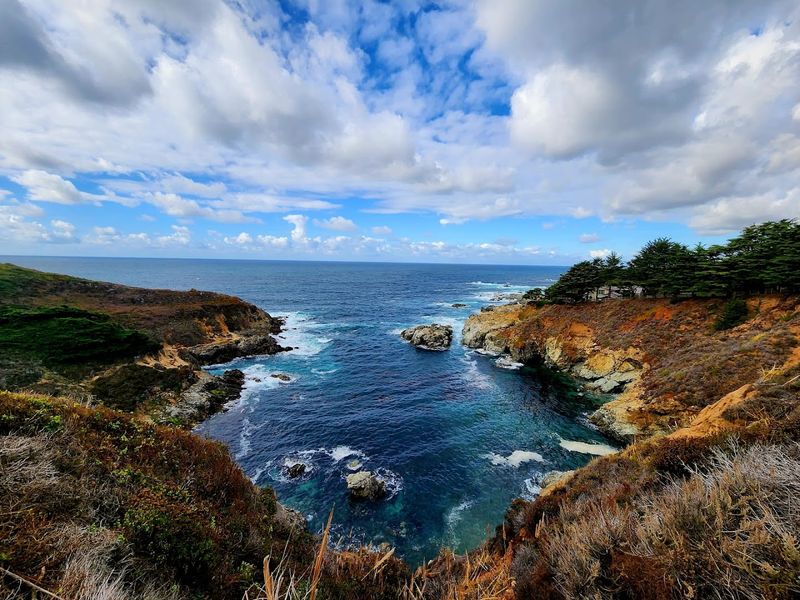
Stretching roughly 90 miles between Monterey and San Simeon, the Big Sur Coast Drive is one of the most photographed road trips in the entire country.
The route follows California State Route 1 through a landscape where the Santa Lucia Mountains drop sharply into the Pacific Ocean, creating cliffs that feel almost theatrical in scale.
Every pullout along this road offers a view worth stopping for.
Hearst Castle sits near the southern end of the route in San Simeon and is a genuinely fascinating stop for history and architecture enthusiasts.
The estate features lavish rooms, pools, and gardens built over several decades in the early 20th century.
Guided tours run regularly and cover different parts of the property depending on which option visitors choose.
On the northern end, Monterey offers the world-renowned Monterey Bay Aquarium, where giant kelp forests and sea otters are among the highlights.
Point Lobos State Natural Reserve just south of Carmel is a quieter gem that rewards hikers with tide pools, harbor seals, and coastal trails.
Starting the drive in Monterey and heading south allows visitors to build anticipation as the scenery grows more dramatic with each mile.
3. Yosemite Valley And Tioga Road
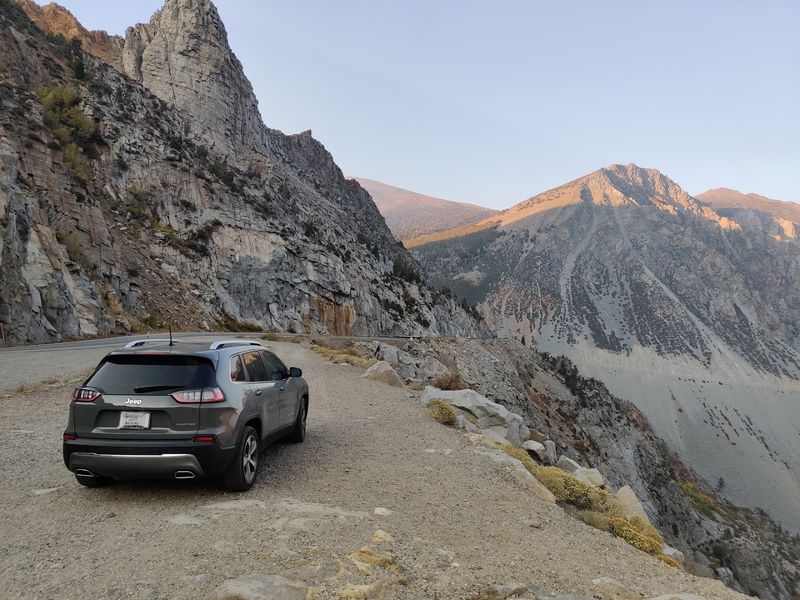
There are few places in the world where granite walls rise nearly 4,000 feet straight up from a valley floor, and Yosemite is one of them.
The valley itself is compact enough to explore in a day but rich enough in scenery and trails to justify a much longer stay.
Tunnel View, one of the most iconic overlooks in the national park system, greets drivers as they enter the valley and frames El Capitan, Half Dome, and Bridalveil Fall in a single sweeping panorama.
Tioga Road, also known as Highway 120, crosses the Sierra Nevada at nearly 10,000 feet and opens only after the snow melts, typically in late spring or early summer.
The road passes through Tuolumne Meadows, a high-elevation meadow surrounded by domes and peaks that feels completely different from the forested valley below.
Olmsted Point and Tenaya Lake are two other stops along Tioga Road that reward visitors with stunning alpine views.
Summer is the busiest season in Yosemite, so reservations for both lodging and the park entry itself are required well ahead of the visit.
The Mist Trail leading to Vernal Fall and Nevada Fall is one of the most rewarding hikes in the park, offering close-up views of powerful waterfalls fed by snowmelt.
4. Lake Tahoe Scenic Loop
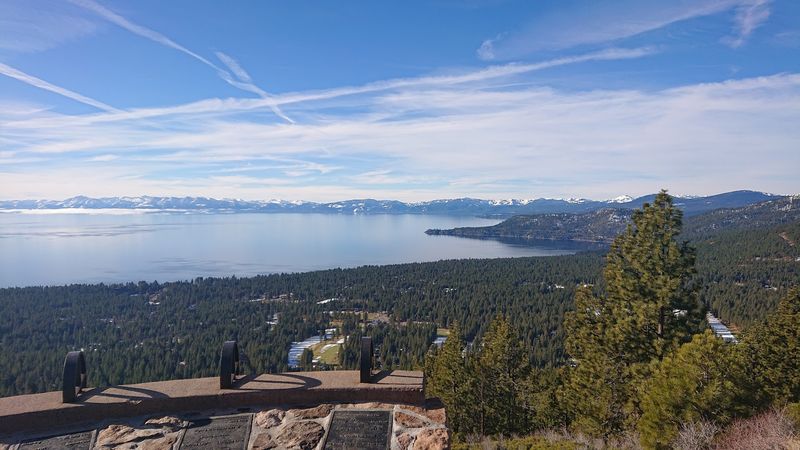
The water at Lake Tahoe has a clarity that almost defies belief, turning shades of turquoise and deep blue depending on the depth and angle of the sunlight.
The 72-mile loop around the lake passes through both California and Nevada, offering a variety of beaches, overlooks, and trailheads along the way.
Summer transforms the lake into a hub for swimming, paddleboarding, and kayaking, with beaches filling up quickly on weekends.
Emerald Bay State Park is arguably the most scenic stop on the loop, featuring a small island and a historic Scandinavian-style mansion called Vikingsholm that visitors can tour during summer months.
The Rubicon Trail runs along the western shore and offers some of the best lake views accessible on foot, passing through forest and granite outcroppings above the waterline.
Sugar Pine Point State Park is another popular stop that balances beach access with shaded picnic areas and easy walking trails.
Cave Rock on the Nevada side offers a dramatic lakeside overlook and a short hike that rewards with sweeping sunset views over the water.
Clear-bottom kayak tours operate out of several rental locations around the lake and give paddlers an unusual window into the underwater landscape.
Arriving at popular beaches early in the morning on summer weekdays is the most reliable way to find parking without a long wait.
5. Highway 395, Lone Pine To Lake Tahoe
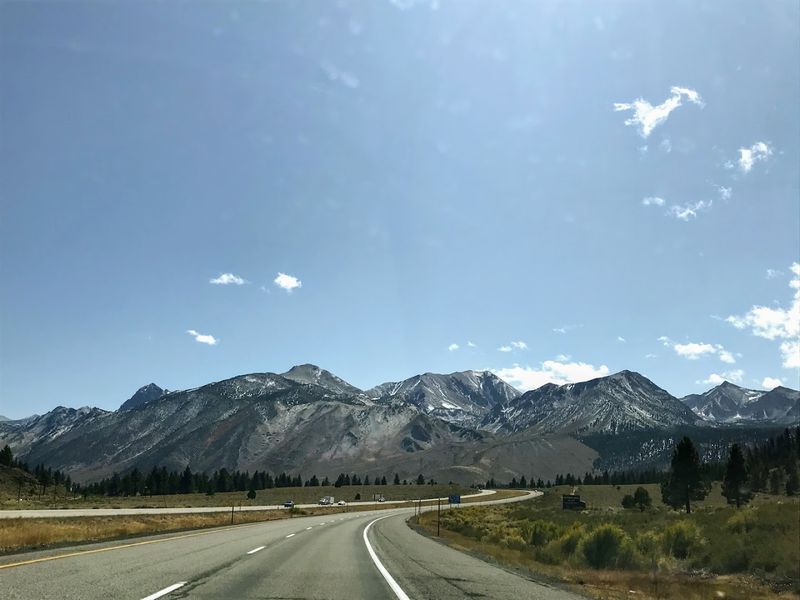
Running along the eastern edge of the Sierra Nevada, Highway 395 is one of California’s most underappreciated drives.
The road cuts through the Owens Valley, a wide basin flanked by the towering Sierra to the west and the White Mountains to the east, creating a sense of scale that feels almost cinematic.
The drive from Lone Pine north to Lake Tahoe covers roughly 300 miles and passes through terrain that shifts from desert scrub to alpine forest.
Alabama Hills near Lone Pine is a landscape of rounded orange boulders that has served as a backdrop for countless Western films and television shows over the decades.
Mount Whitney, the tallest peak in the contiguous United States at 14,505 feet, looms directly above Lone Pine and is visible from several points along the route.
Mono Lake, a hauntingly beautiful alkaline lake dotted with tufa towers, sits just north of Lee Vining and is one of the most distinctive natural landmarks in the state.
Mammoth Lakes offers hot springs, mountain biking trails, and access to Devils Postpile National Monument, a striking formation of columnar basalt that formed from cooling lava.
The town of Bishop sits in the middle of the route and makes a convenient overnight stop with easy access to trailheads and local diners.
6. Joshua Tree And Palm Springs Desert Loop
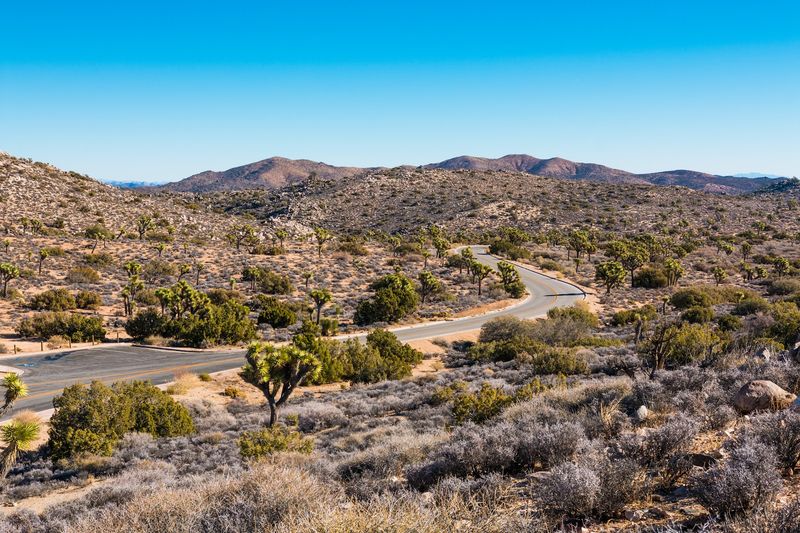
The desert has a quiet intensity that rewards those willing to slow down and pay attention.
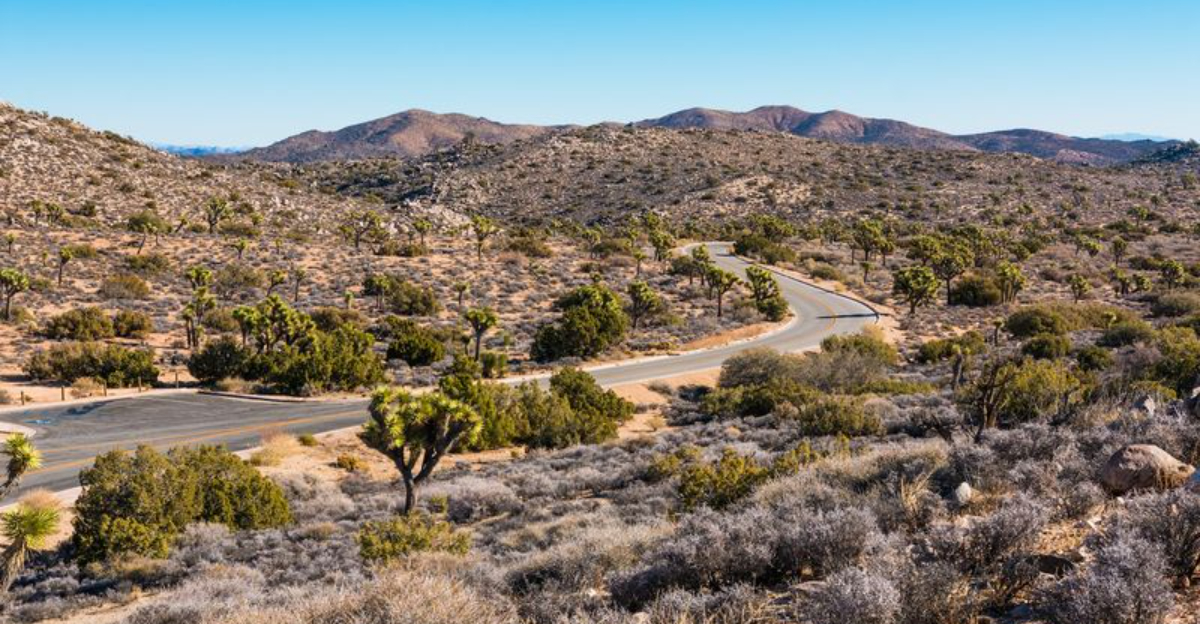
Joshua Tree National Park sits at the convergence of the Mojave and Sonoran deserts, creating a landscape where spiky Joshua trees rise from fields of enormous boulders in a scene that looks almost otherworldly.
The park is best explored in early morning or late afternoon during summer, when temperatures in the lower elevations can exceed 100 degrees Fahrenheit.
Skull Rock is one of the most popular short walks in the park, a 1.7-mile nature trail that winds past boulder formations and desert vegetation to a rock formation that resembles a human skull.
Keys View sits at 5,185 feet and offers a panoramic look across the Coachella Valley toward the Salton Sea on clear days.
Cholla Cactus Garden is a short roadside stop where a dense field of teddy bear chollas creates a surprisingly soft-looking but painfully spiny landscape.
Palm Springs sits just outside the park’s western entrance and provides a completely different desert experience with mid-century modern architecture, boutique hotels, and a thriving arts scene.
The Palm Springs Aerial Tramway carries visitors from the desert floor to an alpine station at over 8,500 feet, where temperatures are dramatically cooler than the valley below.
7. San Diego To Anza-Borrego Desert State Park

Leaving the coastal energy of San Diego behind and heading east into the desert is one of those road trip transitions that feels almost theatrical.
Within about two hours, palm-lined freeways give way to open chaparral and then to the stark, sun-bleached landscape of Anza-Borrego Desert State Park, the largest state park in California.
The park covers over 600,000 acres of badlands, canyons, and palm oases that feel genuinely remote despite being accessible by car.
Borrego Springs, the small town at the heart of the park, is a certified International Dark Sky Community, meaning light pollution is actively controlled to preserve the nighttime sky.
Slot canyons like Slot Canyon in Borrego Palm Canyon offer short but memorable hikes through narrow passages carved by water into colorful rock.
The metal sculptures scattered around the area near Borrego Springs, created by artist Ricardo Breceda, are a completely unexpected roadside attraction that draws curious visitors year-round.
Font’s Point overlooks a vast expanse of eroded badlands called the Borrego Badlands, and reaching it requires a short drive on an unpaved road that most vehicles can handle in dry conditions.
Summer temperatures in the desert can be extreme, often exceeding 110 degrees, so early morning starts and carrying plenty of water are essential rather than optional.
The drive back toward the coast in the evening offers a beautiful contrast as the landscape softens back into green hills and ocean air.
8. Santa Barbara To Paso Robles Wine Country Drive
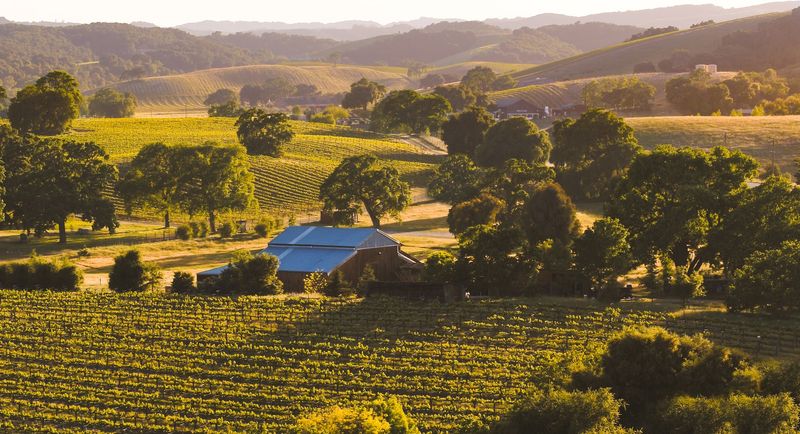
Santa Barbara has a particular kind of ease to it, with whitewashed Spanish Colonial architecture lining streets that slope gently toward a palm-fringed beach.
Heading north from there along Highway 101 and the parallel back roads of the Santa Ynez Valley opens up a wine country landscape of rolling hills and small towns that feels far removed from the coastal bustle.
The drive to Paso Robles covers roughly 100 miles and can comfortably fill a full day with stops along the way.
Solvang is a Danish-inspired village in the Santa Ynez Valley that makes for a fun and slightly surreal stop, with windmills, bakeries, and half-timbered buildings that look transplanted from Scandinavia.
Los Olivos is a quieter hamlet with art galleries and tasting rooms clustered around a small town green that invites slow, unhurried exploration.
The Santa Ynez Valley as a whole is known for producing cool-climate grape varieties due to marine air flowing in through gaps in the coastal mountains.
Paso Robles sits at the northern end of the route and has grown into a genuine destination for food and agriculture enthusiasts, with olive farms and artisan producers alongside its well-known vineyards.
The town’s historic downtown plaza is pleasant for an evening walk, with restaurants and shops set around a shaded park.
Weekday travel along this corridor tends to be noticeably quieter than weekends, making it easier to stop spontaneously without long waits.
9. Napa Valley And Sonoma County Loop
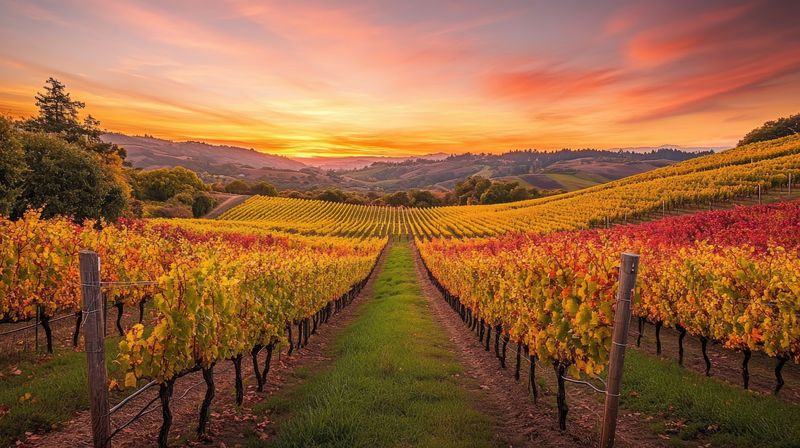
Just an hour north of San Francisco, the landscape shifts from urban density to rows of grapevines stretching across valley floors and hillsides in a scene that has become one of the most recognizable in California.
Napa Valley and Sonoma County sit side by side but feel distinctly different from each other, with Napa leaning toward polished estate experiences and Sonoma offering a more casual and varied agricultural character.
A loop connecting the two makes for a satisfying two-day road trip from the Bay Area.
The Silverado Trail runs parallel to Highway 29 on the eastern side of Napa Valley and offers a quieter alternative route with mountain views and less traffic through the vineyards.
Calistoga at the northern end of Napa Valley is known for its geothermal hot springs and mud baths, which provide a relaxing stop after a day of driving.
Old Faithful Geyser of California, located near Calistoga, erupts roughly every 30 minutes and is one of only three regularly erupting geysers in the world.
Crossing into Sonoma County via the Oakville Grade or Trinity Road rewards drivers with winding mountain roads and sudden views over both valleys on clear days.
The town of Sonoma itself centers on a historic plaza that dates back to the Mexican period of California history and is surrounded by restaurants, cafes, and small museums.
Summer weekends bring heavy traffic to both valleys, so planning to travel on a Thursday or Friday makes a noticeable difference in the overall experience.
10. Lassen Volcanic National Park Scenic Drive
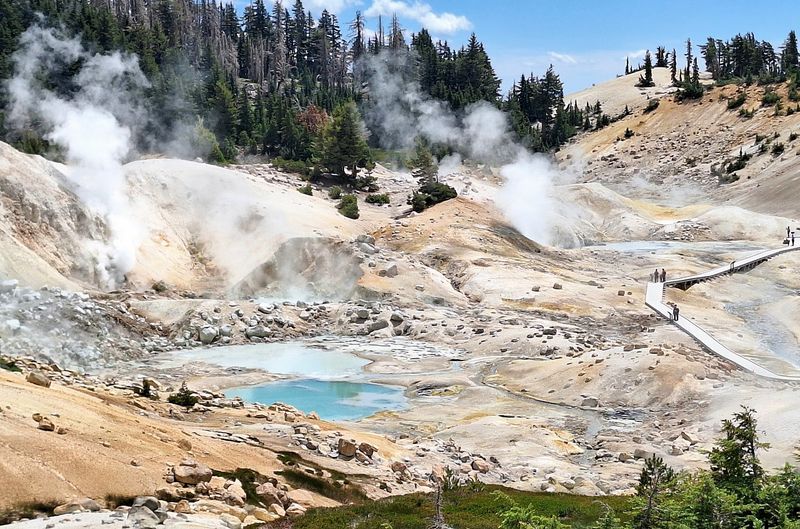
Not many road trips in the United States pass through a landscape where the ground literally bubbles and hisses with geothermal energy, but Lassen Volcanic National Park delivers exactly that.
Located in northeastern California, the park sits atop one of the most geologically active regions on the continent, with boiling mud pots, steaming vents, and sulfur-scented fumaroles scattered across its terrain.
Summer is the prime season here because much of the park road remains buried under snow for a significant portion of the year.
Bumpass Hell is the largest hydrothermal area in the park and is accessible via a 3-mile round-trip trail that passes through a landscape of vivid blue pools, hissing steam vents, and churning mud caldrons.
Lassen Peak itself is a dormant volcano that last erupted in 1915, and the summit hike is a strenuous but achievable climb that rewards with panoramic views of the surrounding Cascade Range.
The park road, Highway 89, crosses the park from southwest to northwest and passes through alpine meadows and past volcanic peaks that look unlike anything in the Sierra Nevada.
Manzanita Lake near the northwestern entrance is a calm and scenic spot for kayaking or a lakeside walk, with Lassen Peak reflecting in the water on still mornings.
Nighttime temperatures at the park’s higher elevations can drop into the 30s even in July, so packing layers is genuinely necessary rather than just precautionary.
The relative lack of crowds compared to Yosemite makes Lassen one of the best-kept secrets for summer hiking in California.
11. Mendocino Coast Road Trip
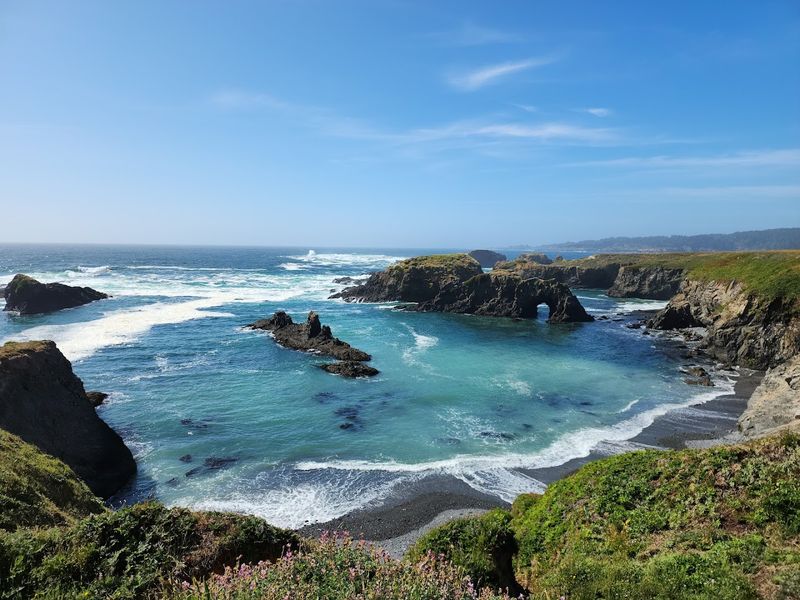
The town of Mendocino itself sits on a headland jutting into the Pacific, surrounded on three sides by ocean and filled with Victorian-era buildings and small inns that have barely changed in character over the decades.
Driving Highway 1 north from Bodega Bay to Fort Bragg reveals a coastline of sea stacks, hidden coves, and windswept bluffs that rewards slow, unhurried travel.
Van Damme State Park just south of Mendocino features a pygmy forest, an unusual ecosystem where poor soil conditions have stunted centuries-old trees to knee height, creating a forest that feels like something from a fairy tale.
The Mendocino Headlands State Park wraps around the town and offers easy coastal walks with dramatic views of wave-carved arches and blowholes below the cliffs.
Jug Handle State Natural Reserve north of Mendocino contains a staircase of five marine terraces that record millions of years of geological uplift in a single hike.
Fort Bragg sits about ten miles north of Mendocino and offers a more working-class coastal town character alongside the famous Glass Beach.
The Skunk Train, a historic narrow-gauge railroad that runs from Fort Bragg inland through the redwoods, is a fun detour for those wanting to experience the forest without hiking.