12 Epic Day Trips To Explore In North Carolina
North Carolina stretches from misty mountain peaks to sun-warmed beaches, creating a playground for adventurers who crave variety without the hassle of overnight packing.
Whether you’re chasing waterfalls through ancient forests or strolling cobblestone streets lined with historic charm, this state delivers unforgettable experiences within a few hours’ drive.
Every corner reveals something new…dramatic cliffs, world-class museums, or coastal waves that beckon surfers and sunbathers alike. Pack your day bag and get ready to explore twelve destinations that prove the best adventures don’t require a hotel reservation.
1. Biltmore Estate

Stepping into America’s largest privately-owned home feels like traveling back to the Gilded Age when opulence knew no bounds. The Biltmore Estate at 1 Lodge Street, Asheville, sprawls across 8,000 acres of meticulously designed landscapes that George Washington Vanderbilt II commissioned in the late 1800s.
Walking through the 250-room mansion, you’ll notice hand-carved ceilings, priceless tapestries, and a library that holds 10,000 volumes behind leather-bound spines.
Outside, Frederick Law Olmsted’s garden designs bloom with seasonal flowers that frame mountain vistas in every direction. The winery on the property produces award-winning vintages you can sample while overlooking grapevines that climb hillsides in neat rows.
Kids love the farm animals and interactive exhibits that make history tangible rather than textbook-dry.
Plan at least four hours to truly appreciate the mansion tour, gardens, and wine tastings without feeling rushed. Arrive early on weekdays to dodge the weekend crowds that pack the parking areas.
The estate transforms with each season, spring azaleas give way to summer roses, then autumn foliage and winter holiday decorations that rival any Hollywood set.
2. Great Smoky Mountains Railroad
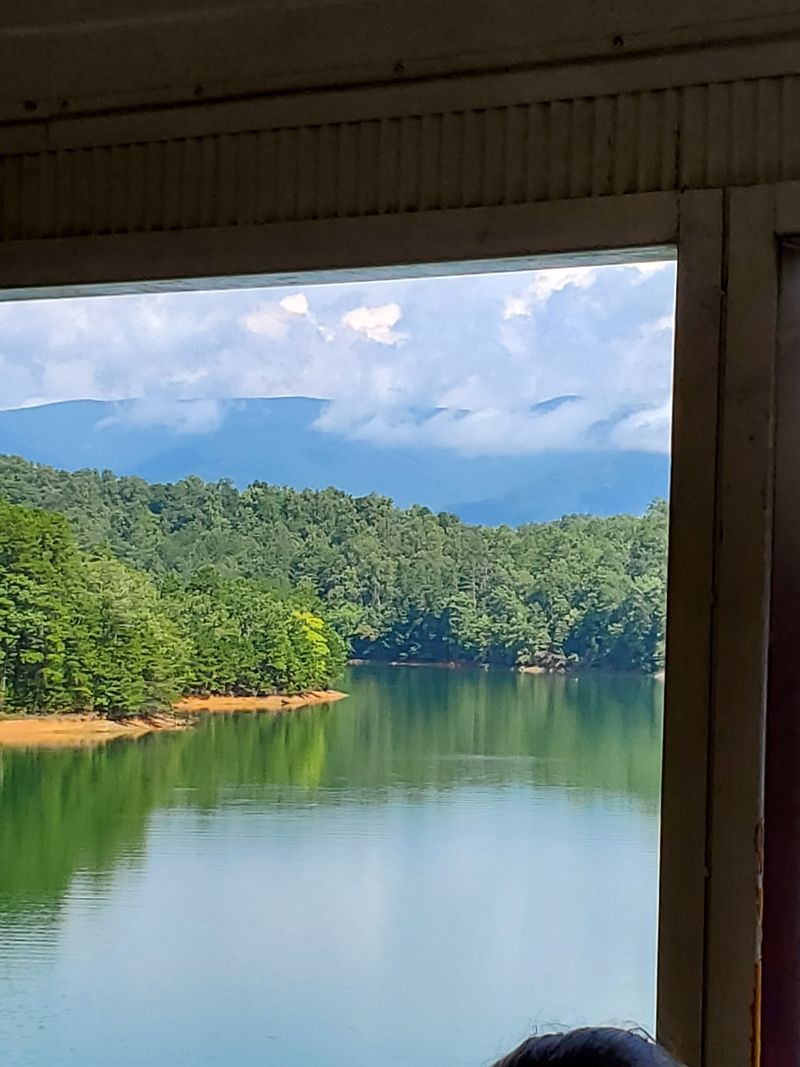
Train whistles echo through valleys as vintage locomotives chug along tracks that hug the Tuckasegee River’s edge. Great Smoky Mountains Railroad departs from 45 Mitchell Street, Bryson City, offering journeys that showcase scenery most drivers miss entirely.
Passengers settle into comfortable seats while conductors share tales of the railroad’s history, when these tracks carried timber and tourists through untamed wilderness.
The Nantahala Gorge excursion winds through tunnels carved into solid rock, emerging to reveal waterfalls cascading down moss-covered cliffs. Windows frame views that change with every curve, dense forests, rushing rapids, and mountain peaks that pierce low-hanging clouds.
Some trips include meal service, transforming the ride into a rolling dining experience where biscuits and barbecue taste better at 30 miles per hour.
Seasonal themed rides add extra magic, from fall foliage tours to holiday express adventures, complete with carolers and hot cocoa. Book tickets weeks in advance for popular departure times, especially during October when leaf-peepers flood the region.
The depot area features shops and a small museum worth exploring before your scheduled departure time arrives.
3. Wrightsville Beach
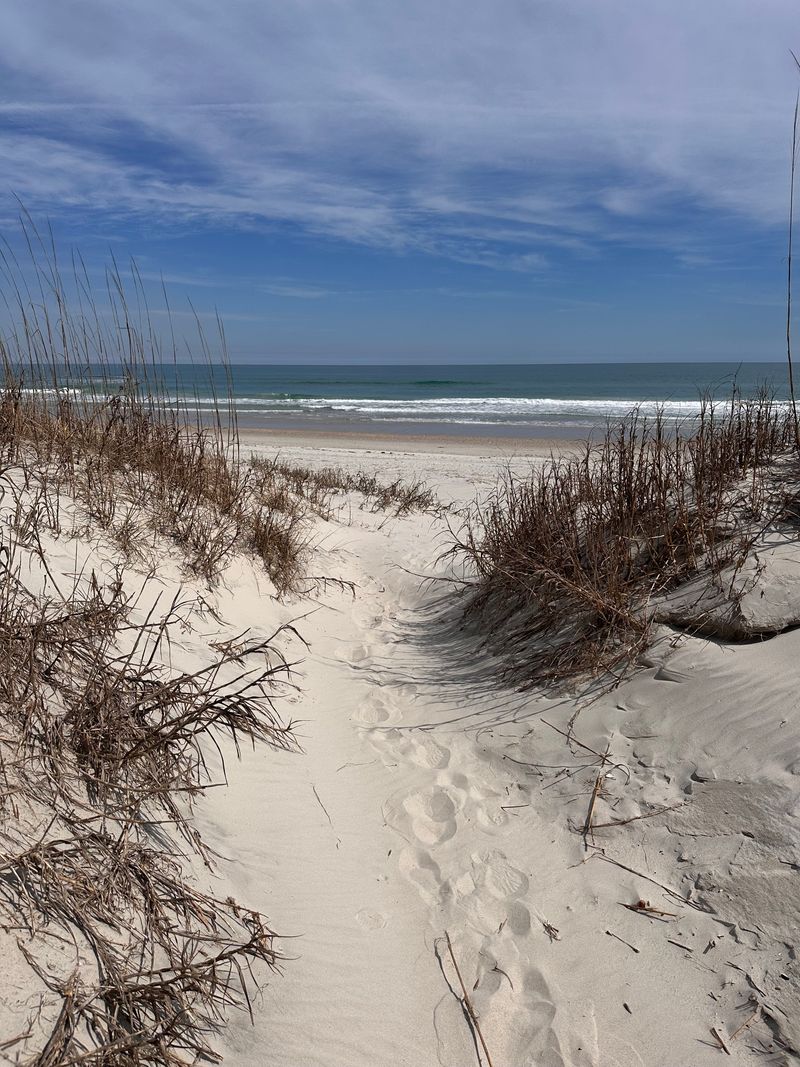
Salt air and seabird calls greet visitors before their toes even touch the sand at this coastal paradise. Wrightsville Beach near Wilmington spans four miles of shoreline where turquoise waves roll onto powdery beaches that seem to glow under the Carolina sun.
Surfers paddle out beyond the break while families build sandcastles in the shallows, creating a scene that embodies coastal living at its finest.
The Loop walking trail circles the island, offering three miles of paved path perfect for morning jogs or sunset strolls with views of both ocean and Intracoastal Waterway. Rent paddleboards or kayaks to explore quieter marshlands where herons fish and dolphins occasionally surface for air.
Local shops along Lumina Avenue sell everything from beach gear to fresh seafood you can take home or enjoy at waterfront restaurants.
Arrive before 10 a.m. to claim prime parking spots near the access points, which fill quickly during summer weekends. Public restrooms and outdoor showers make beach days comfortable, while lifeguards patrol popular swimming areas from Memorial Day through Labor Day.
The Crystal Pier extends into the Atlantic, providing excellent fishing opportunities and Instagram-worthy sunrise backdrops that photographers dream about.
4. Hanging Rock State Park
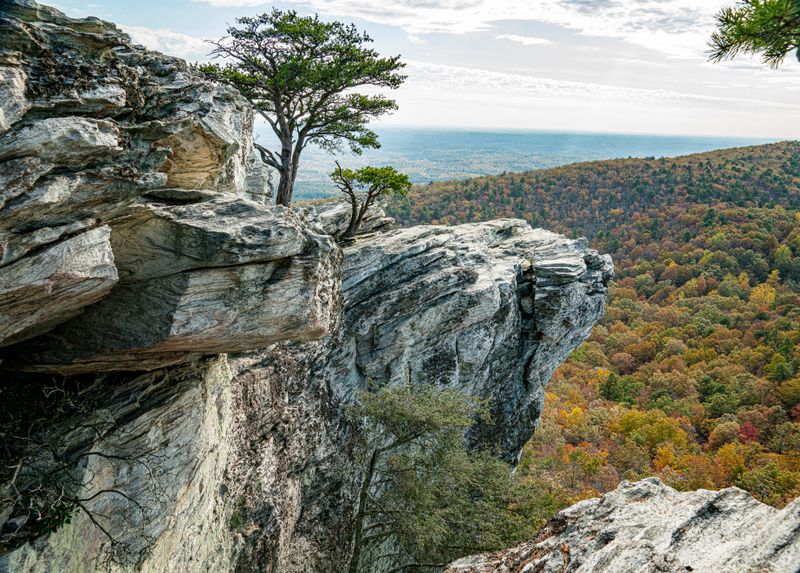
Dramatic quartzite cliffs rise 1,700 feet above the surrounding piedmont, creating a landmark visible for miles around. Hanging Rock State Park at 1790 Hanging Rock Park Road, Danbury, offers over 20 miles of trails that wind through forests, past waterfalls, and up to overlooks that make the climb worthwhile.
The namesake rock formation juts out like a natural balcony, rewarding hikers with panoramic views that stretch across three counties on clear days.
Window Falls and Hidden Falls provide cooling mist breaks during warmer months, their pools tempting swimmers brave enough for mountain-cold water. Rock climbers tackle challenging routes on exposed cliff faces while bouldering enthusiasts test their skills on smaller formations scattered throughout the park.
The 12-acre lake offers swimming, fishing, and paddleboat rentals for visitors seeking less strenuous activities.
Pack plenty of water and snacks since the main trail gains significant elevation over its 2.4-mile length. Wear sturdy hiking boots with good tread.
The final scramble to the summit involves navigating exposed rock that gets slippery after rain. Visit during the spring wildflower season or October when fall colors paint the forest in amber and crimson hues that photographers chase across the state.
5. North Carolina Zoo
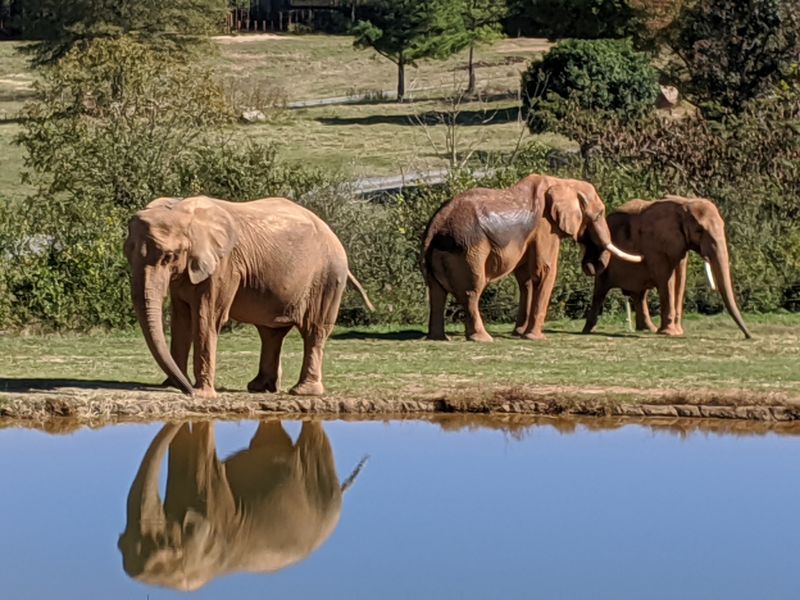
Five hundred acres of natural habitats make this one of the world’s largest walk-through zoos, where animals roam in spacious environments. The North Carolina Zoo at 4401 Zoo Parkway, Asheboro, houses over 1,600 animals representing species from Africa, North America, and beyond.
Elephants splash in watering holes while giraffes stretch their necks to nibble leaves from specially designed feeding stations that mimic acacia trees.
The Africa section transports visitors to the savanna where zebras graze alongside antelope, separated from lions and cheetahs by invisible-to-visitors barriers that maintain safety without obstructing views. North America showcases grizzly bears, alligators, and polar bears in climate-controlled habitats that replicate their native environments.
Interactive exhibits let kids compare their jumping ability to frogs or test their speed against cheetahs using motion-sensor technology.
Wear comfortable walking shoes since the full zoo loop covers five miles of paved pathways connecting different regions. Arrive when gates open to see animals at their most active before the afternoon heat sends them seeking shade.
The seasonal butterfly house and daily keeper talks provide deeper insights into conservation efforts and animal behaviors that surprise even frequent visitors who think they’ve seen everything.
6. U.S. National Whitewater Center
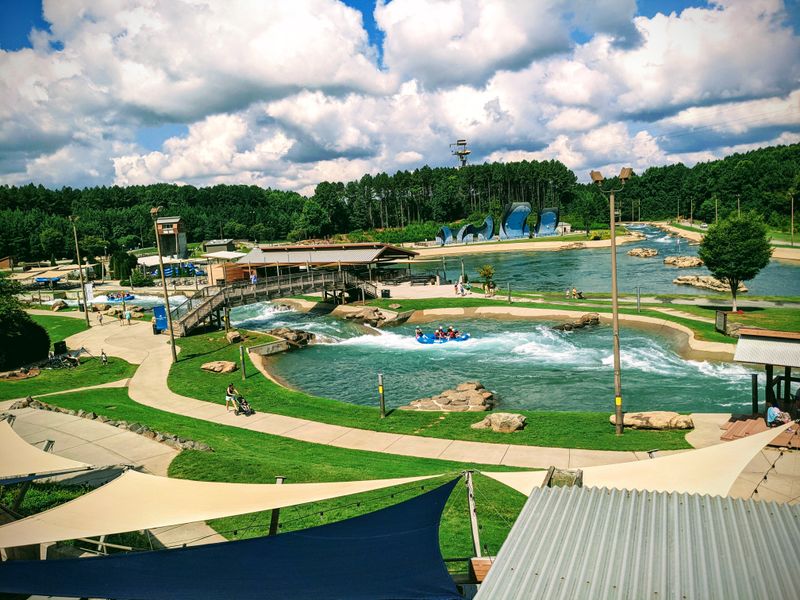
Adrenaline junkies find their paradise at a facility that brings Olympic-level rapids to landlocked Charlotte. U.S.
National Whitewater Center at 5000 Whitewater Center Parkway, Charlotte, pumps millions of gallons through engineered channels that create Class II-IV rapids suitable for everyone from beginners to experts. Rafts bounce through waves while kayakers practice rolls in swirling eddies that test their technical skills.
Beyond the water, 1,300 acres of forested land offer mountain biking trails, zip-line courses, and climbing walls that challenge different muscle groups. The canopy tour swings participants through treetops on cables suspended high above the Catawba River, providing bird’s-eye views of the surrounding forest.
Rock climbing walls range from beginner-friendly to overhanging routes that require advanced technique and serious grip strength.
Day passes grant access to multiple activities, letting you mix whitewater thrills with trail adventures throughout your visit. Rental gear includes everything from helmets to wetsuits, though bringing water shoes prevents blisters on wet feet.
The on-site restaurants and beer garden (for adults) create a festival atmosphere where adventurers swap stories about their conquests while live music plays on weekend evenings under string lights.
7. Chimney Rock State Park
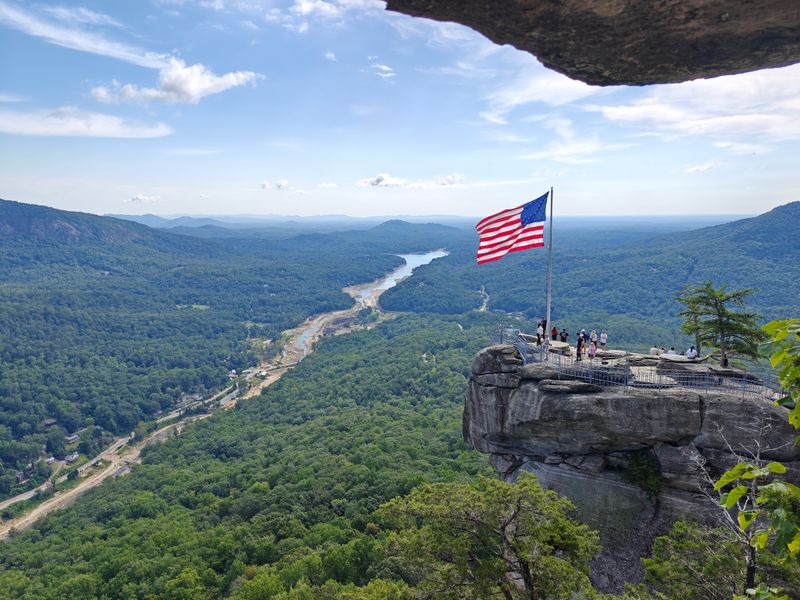
A 315-foot granite monolith rises from the forest floor like nature’s skyscraper, offering views that inspired movies and marriage proposals. Chimney Rock State Park at 431 Main Street, Chimney Rock, features the iconic spire accessible by elevator for those who prefer mechanical assistance over the 500-step climb.
Standing atop the rock, Lake Lure sparkles below while the Blue Ridge Mountains roll toward distant horizons in layers of blue-gray peaks.
Hickory Nut Falls plunges 404 feet down a sheer cliff face, making it one of the tallest waterfalls east of the Mississippi River. The trail to its base winds through rhododendron tunnels and past rock formations that geologists study for clues about ancient volcanic activity.
Adventurous souls tackle the Outcroppings Trail, which requires scrambling over boulders and ducking through crevices to reach hidden overlooks.
Tickets include all-day access, so take your time exploring the 14-mile trail network that ranges from easy strolls to challenging climbs. The park stays open year-round, though winter ice can close certain trails for safety.
Spring brings wildflowers and increased waterfall flow from snowmelt, while fall foliage transforms the landscape into a patchwork quilt of red, orange, and gold.
8. Looking Glass Falls
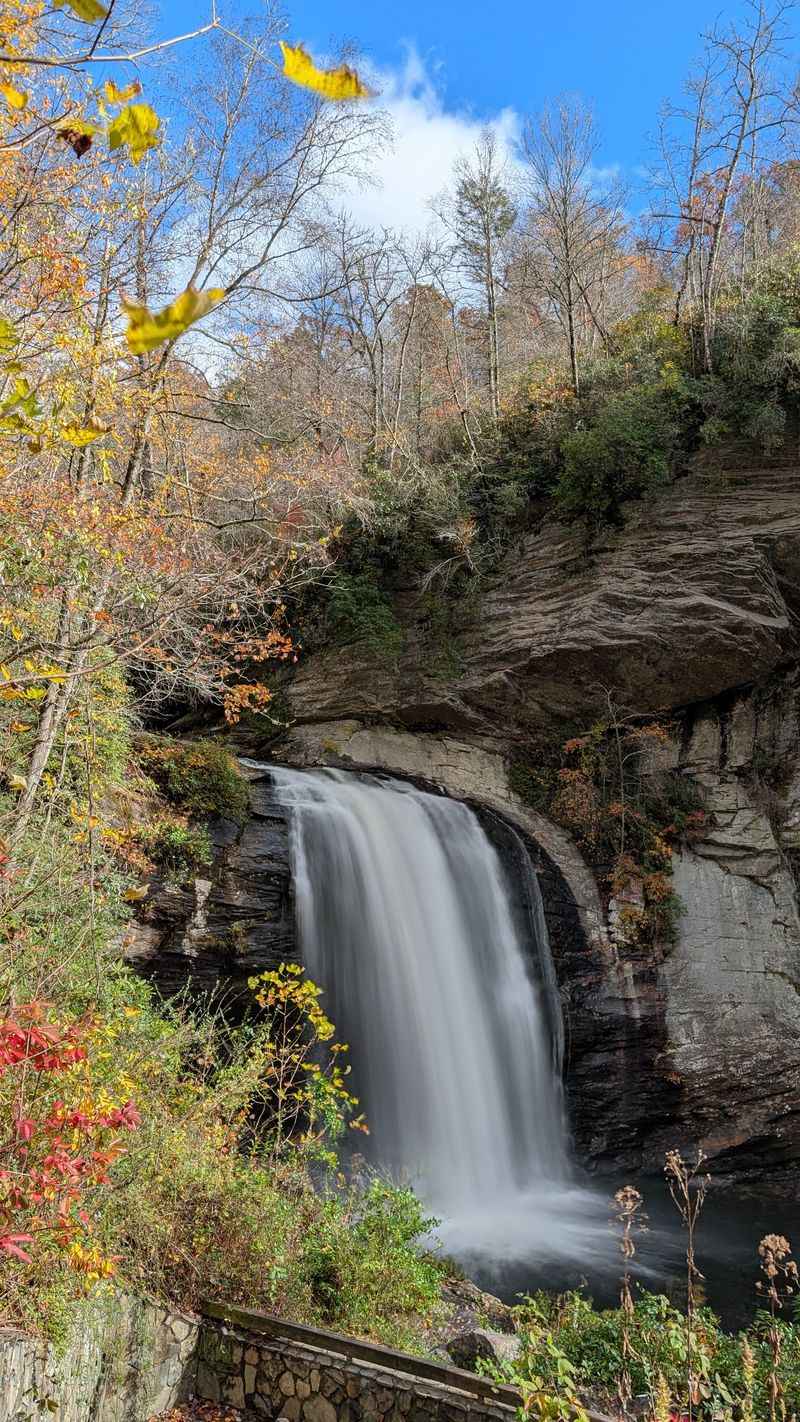
Right off US-276 near Brevard, water crashes 60 feet into a crystal pool that invites brave swimmers to test its mountain-cold temperature. Looking Glass Falls earned its name from a nearby rock formation that freezes smooth and reflective during winter, though the waterfall itself steals the show year-round.
Park along the roadside and descend concrete stairs to reach the base where mist creates natural air conditioning even on sweltering summer afternoons.
The accessibility makes this spot popular with photographers who capture the falls from multiple angles without bushwhacking through dense undergrowth. Families wade in the shallow areas while more adventurous visitors scramble over rocks to stand directly in the spray zone.
The surrounding Pisgah National Forest provides a lush green backdrop that deepens in color after spring rains swell the cascade into a thundering curtain.
Weekday mornings before 11 a.m. offer the best chance for uncrowded photos and peaceful contemplation of the natural beauty. The stairs require moderate fitness to climb back up, though the short distance makes it manageable for most ages.
Bring a towel if you plan to wade or swim, and wear shoes with good grip since wet rocks become slippery hazards that have tripped many distracted sightseers.
9. Pilot Mountain State Park
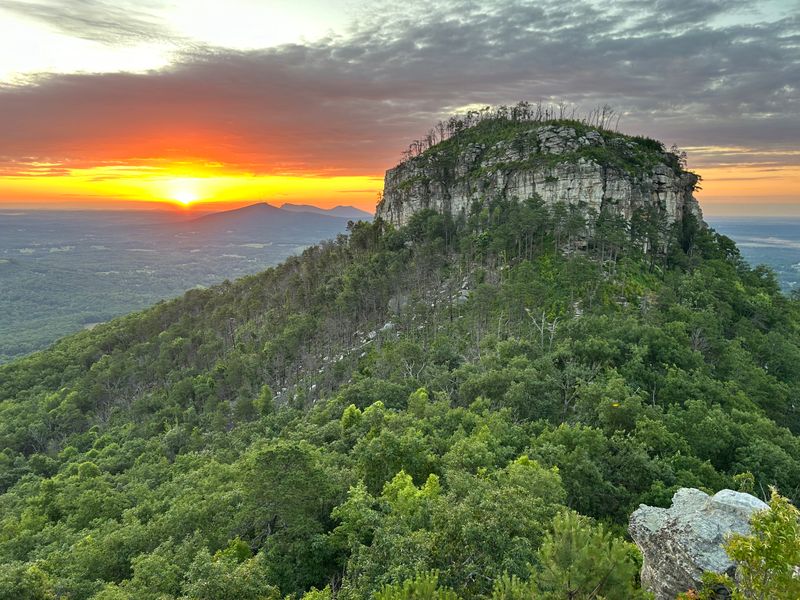
Rising 2,421 feet above sea level, this geological oddity dominates the landscape like a sentinel watching over the piedmont. Pilot Mountain State Park at 1721 Pilot Knob Park Rd, Pinnacle, features a distinctive quartzite monadnock that served as a landmark for Native Americans and early settlers navigating the region.
The Big Pinnacle stands isolated from surrounding peaks, its rocky dome visible from miles away on clear days.
Trails circle the base and climb to overlooks where hang gliders launch into updrafts that carry them over forests and farmland below. The Jomeokee Trail loops around the summit in an easy one-mile walk that delivers maximum views for minimum effort.
More challenging paths descend into the Yadkin River corridor, where rock climbers tackle technical routes on exposed cliff faces.
Pack binoculars to spot hawks and vultures riding thermals around the peak, their wings spread wide without a single flap for minutes at a time. The park offers camping for those wanting to catch sunrise from the summit, though day-trippers find plenty to explore in a few hours.
Fall weekends draw crowds seeking foliage views, so arrive early or visit on weekdays for more solitude among the ancient rocks.
10. North Carolina Museum of Natural Sciences

Four floors of interactive exhibits bring the natural world indoors at the Southeast’s largest museum dedicated to science and nature. The North Carolina Museum of Natural Sciences at 11 West Jones Street, Raleigh, houses everything from dinosaur skeletons to living reptiles that demonstrate the state’s incredible biodiversity.
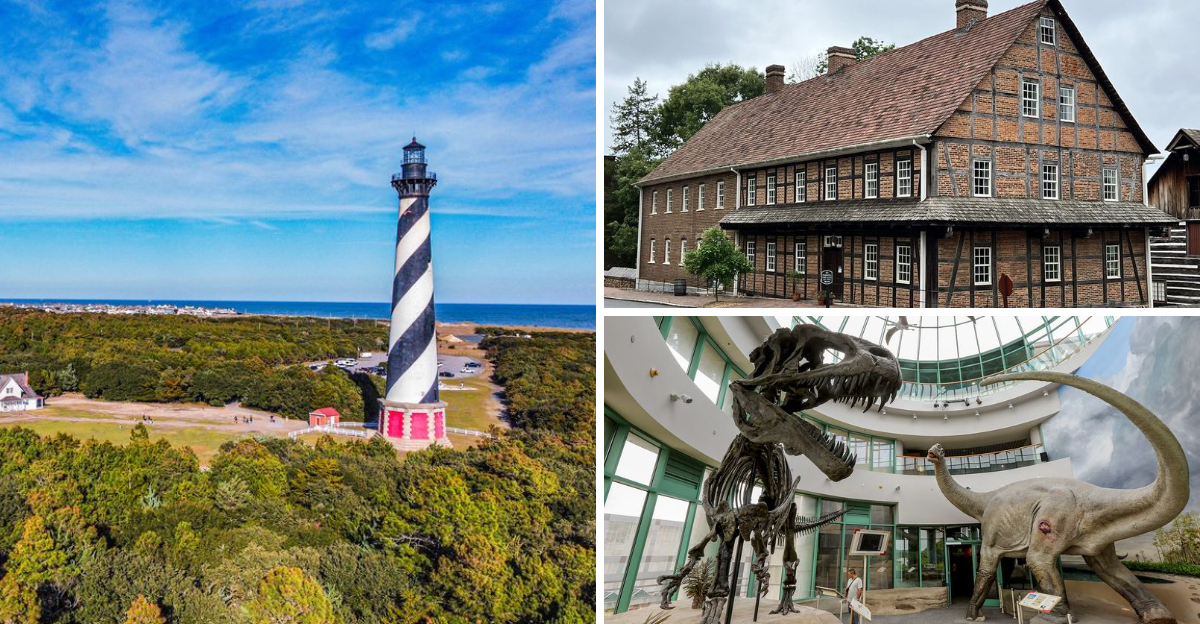
The Terror of the South exhibit showcases Acrocanthosaurus, a massive predator that once roamed prehistoric North Carolina swamps.
The Living Conservatory buzzes with butterflies, hummingbirds, and tropical plants that create a rainforest microclimate in the heart of downtown Raleigh. Touch tanks let kids feel sea stars and horseshoe crabs while learning about coastal ecosystems that protect beaches from erosion.
The Daily Planet theater presents live animal encounters and science demonstrations that make complex concepts accessible to young minds.
Admission stays free year-round, making this a budget-friendly option for families seeking educational entertainment. Special exhibits rotate regularly, so frequent visitors always discover something new alongside permanent favorites like the whale skeleton suspended from the ceiling.
Plan two to three hours to thoroughly explore all floors without rushing past displays that deserve closer examination and thoughtful reading of the informative placards.
11. Cape Hatteras National Seashore
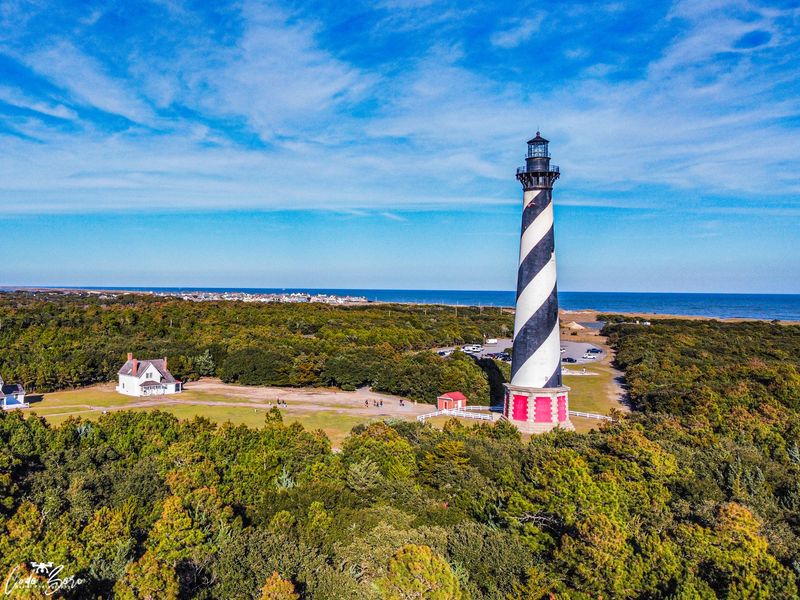
Seventy miles of undeveloped beaches stretch along barrier islands where wild horses roam and lighthouses stand guard against Atlantic storms. Cape Hatteras National Seashore protects the Outer Banks’ fragile ecosystems while providing access to some of the East Coast’s most pristine coastline.
The iconic black-and-white striped lighthouse at 46379 Lighthouse Road, Buxton, climbs 257 feet into the sky, offering visitors who brave the 248 steps panoramic views of where ocean meets sound.
Beaches here attract surfers chasing swells generated by offshore weather systems that create consistent waves year-round. Shell collectors walk miles of shoreline discovering treasures washed up by tides that reshape the landscape daily.
The Graveyard of the Atlantic Museum tells stories of shipwrecks that dot the seafloor, victims of treacherous shoals that earned this coast its ominous nickname.
Bring insect repellent during warmer months when mosquitoes emerge from marsh grasses at dawn and dusk. Four-wheel-drive vehicles with permits can access remote beach sections where solitude and excellent fishing await those willing to air down their tires.
Summer weekends see crowds, but vast stretches of sand mean you can always find space to spread your blanket away from neighbors.
12. Old Salem Museums & Gardens
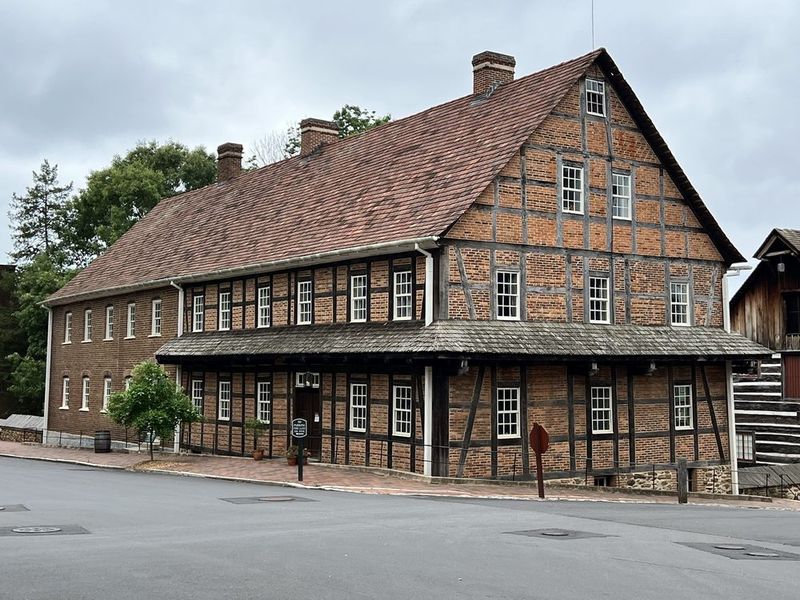
Step back to the 1700s, where Moravian settlers built a thriving community based on craftsmanship and religious devotion. Old Salem Museums & Gardens at 900 Old Salem Road, Winston-Salem, preserves over 100 historic buildings where costumed interpreters demonstrate traditional trades like pottery, blacksmithing, and baking.
The smell of fresh gingerbread wafts from Winkler Bakery, where recipes unchanged since 1800 produce cookies that visitors can purchase warm from brick ovens.
Cobblestone streets wind past restored homes and shops where guides explain daily life in a Moravian settlement that valued education, music, and communal living. The Single Brothers’ House showcases where unmarried men lived and worked, learning trades that would support them throughout their lives.
Gardens grow heirloom vegetables and herbs using period-appropriate techniques that modern gardeners find surprisingly effective.
Combination tickets grant access to multiple buildings and museums, though you could easily spend a full day exploring everything without feeling rushed. Special events throughout the year include candle-lit Christmas celebrations and traditional music performances that bring history alive through sound and atmosphere.
The adjacent Museum of Early Southern Decorative Arts displays furniture and artwork that reveal the region’s aesthetic evolution across two centuries of craftsmanship.