Escape To A Certified Dark Sky Park In Georgia To See The Milky Way Like You’ve Never Seen
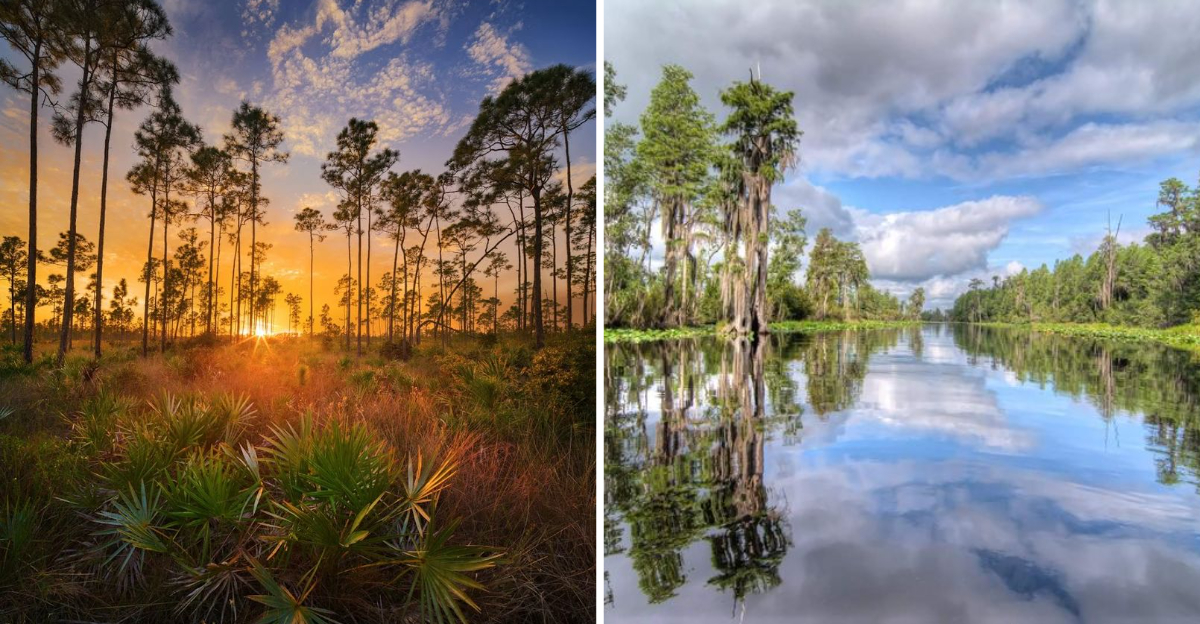
Far from the glow of city lights in southern Georgia, one remarkable park offers a view of the night sky that few places in the state can match. Stephen C. Foster State Park sits on the edge of the vast Okefenokee Swamp, where quiet waterways, dense forests, and wide open skies create an unforgettable natural setting.
In 2016, the park received Georgia’s first Gold tier International Dark Sky Park designation from the International Dark Sky Association, recognizing its exceptionally clear and protected night skies. On cloudless nights, visitors can see thousands of stars and even the Milky Way stretching brightly overhead. During the day, the park invites exploration through paddling trails, wildlife viewing, and peaceful boardwalks across the swamp.
For travelers seeking solitude, nature, and incredible stargazing, this remote corner of Georgia offers an experience that feels both rare and deeply memorable.
1. Exceptional Stargazing Opportunities
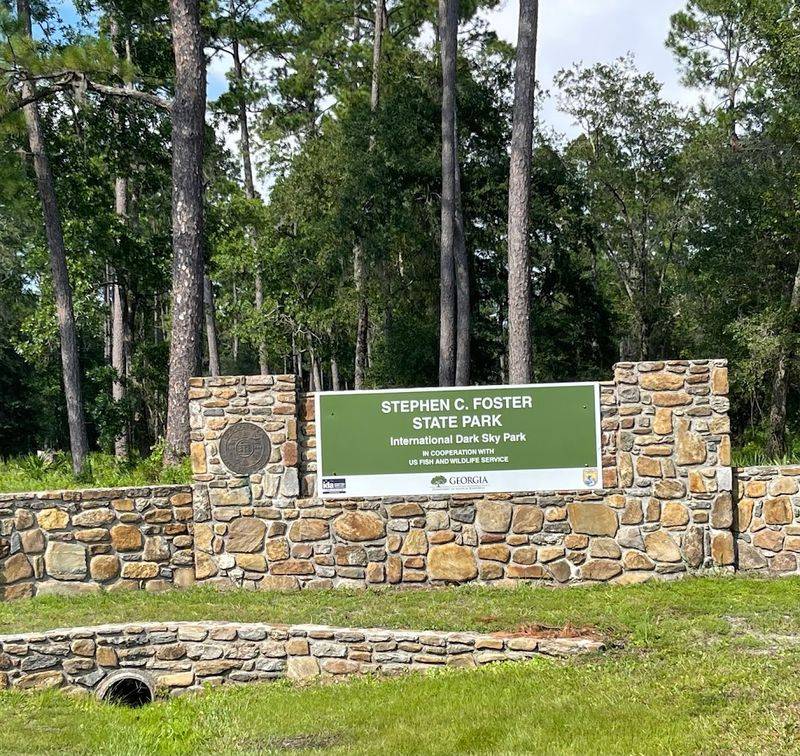
Some skies have to be earned, and the drive to Stephen C. Foster State Park in Fargo, Georgia, is absolutely worth every mile. Located at 17515 GA-177, Fargo, GA 31631, this park sits so far from city lights that the night sky transforms into something that feels almost unreal.
The Milky Way appears as a dense, glowing band stretching from horizon to horizon, visible to the naked eye on clear, moonless nights.
Georgia designated this park as its first certified International Dark Sky Park at the Gold tier in 2016, a recognition that speaks to just how pristine the darkness here really is. Visitors often describe their first look up as a genuinely emotional moment. Bring a blanket, lie flat on the ground, and give your eyes about 20 minutes to adjust.
The reward is a sky full of stars that most people only ever see in photographs.
2. Astronomy Programs and Guided Night Events
Not everyone arrives knowing how to read the night sky, and that is exactly where the park’s astronomy programs shine. Rangers and volunteer astronomers regularly host guided stargazing sessions, nocturnal hikes, and meteor-shower spotting events that make the cosmos feel surprisingly approachable. Telescopes are set up for visitors to peer at planets, star clusters, and deep-sky objects that would otherwise be invisible to the naked eye.
These events are especially popular during major celestial moments like the Perseid or Leonid meteor showers, when the already-spectacular sky becomes even more dramatic. It is worth checking the Georgia State Parks event calendar before booking a visit, since programs fill up quickly during peak astronomy seasons. Families with kids tend to find these sessions particularly memorable.
Hearing a ranger explain what a nebula actually looks like up close, then seeing it through a telescope, is the kind of hands-on learning that sticks with you for years.
3. Rich Wildlife of the Okefenokee Swamp
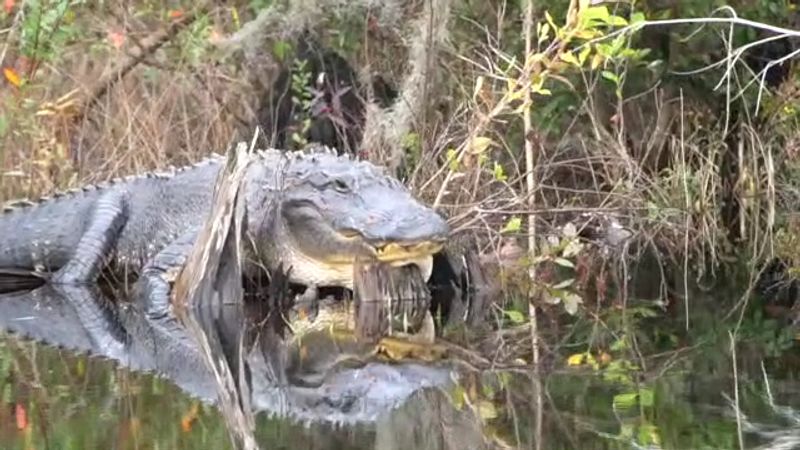
Few ecosystems in North America pack as much wildlife variety into one space as the Okefenokee Swamp. American alligators are practically guaranteed sightings here, often spotted sunning on logs or gliding silently through the dark water just feet from the boardwalk. Black bears, white-tailed deer, river otters, and raccoons also roam the park, making every walk feel like a real wildlife encounter rather than a staged one.
Over 200 bird species have been recorded within the swamp, ranging from sandhill cranes and great blue herons to the elusive red-cockaded woodpecker. Reptile fans will spot turtles stacked on every available log, and the swamp is home to multiple snake species, most of which are harmless but fascinating to observe from a respectful distance.
Morning hours tend to offer the most active wildlife viewing, especially in the cooler months between October and April when animals are more visible and comfortable in the open.
4. Guided Boat Tours Through the Swamp
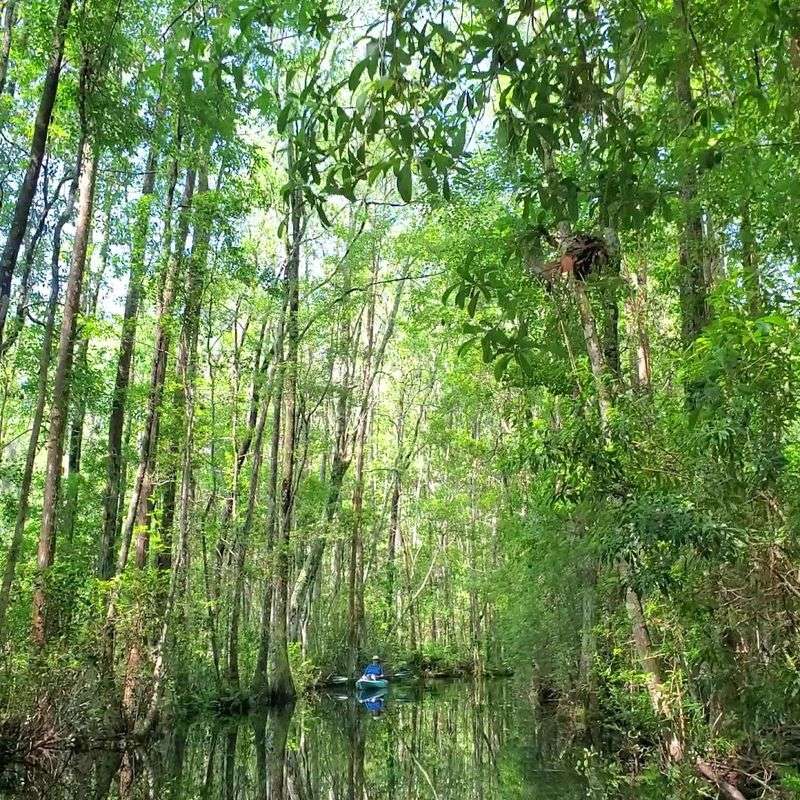
There is no better introduction to the Okefenokee than climbing aboard one of the park’s guided boat tours and letting someone else do the navigating. The swamp’s blackwater channels are stained a deep amber-brown by tannins from decaying vegetation, giving the whole experience a moody, almost prehistoric atmosphere. A knowledgeable guide narrates the journey, pointing out alligators, wading birds, and the strange floating peat islands that gave the swamp its name.
Tours typically last around an hour and cover sections of the swamp that would be difficult to reach independently. The pace is relaxed, and guides are generally happy to answer questions about the ecology, history, and folklore of the Okefenokee. Seating is limited, so reservations are strongly recommended, especially on weekends and during holiday periods.
Comfortable, closed-toe shoes and insect repellent are practical musts. Mornings tend to offer calmer water and better wildlife activity than afternoon tours.
5. Canoe and Kayak Rentals for Self-Guided Exploration
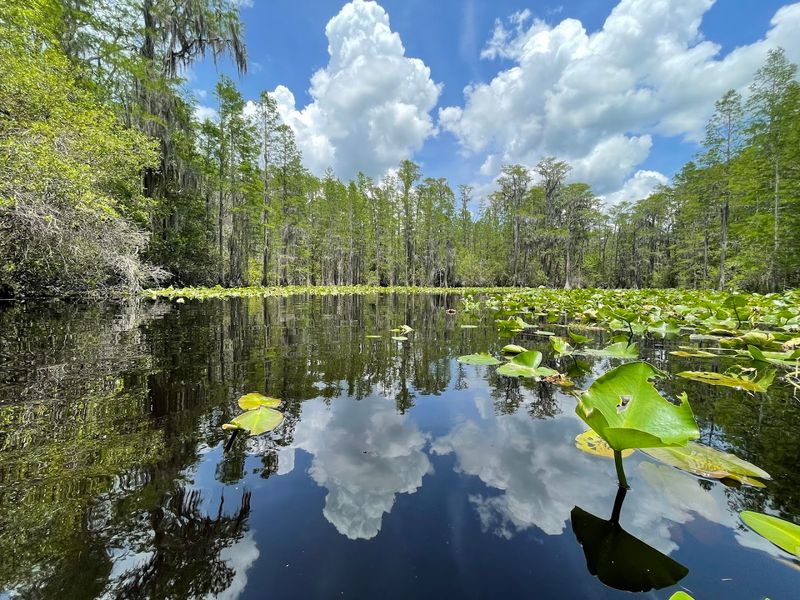
For visitors who prefer setting their own pace, renting a canoe or kayak from the park is one of the most rewarding ways to experience the swamp’s quieter, more intimate side. Paddling through the tea-colored channels at dawn, when mist still hangs over the water and herons stand motionless in the shallows, feels genuinely otherworldly. The park offers rentals by the hour, making it accessible even for those with limited time.
Multi-day canoe trips are also possible for more adventurous paddlers, with designated overnight platforms set up deep within the swamp. These platforms require advance reservations through the Georgia State Parks system and are popular with serious paddlers looking for a true wilderness experience. Beginners should stick to the marked day-use water trails, which are well-signed and relatively straightforward to navigate.
Bring plenty of water, sunscreen, and a dry bag for electronics, since the swamp sun can be deceptively intense even on overcast days.
6. Freshwater Fishing in the Swamp
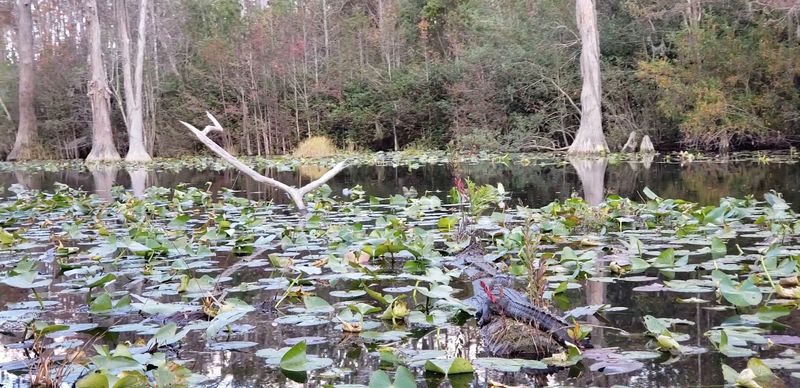
Fishing in the Okefenokee has a character all its own. The swamp’s blackwater is home to warmouth, bluegill, chain pickerel, bowfin, and catfish, species that thrive in the tannic, oxygen-rich waters created by the surrounding peat and vegetation. Anglers often describe the experience as peaceful and surprisingly productive, especially in the early morning hours before the heat of the day sets in.
A valid Georgia fishing license is required for anyone 16 and older, and regulations regarding catch limits and gear types apply within the swamp. Bank fishing is available near the park entrance and along accessible shorelines, while boat fishing opens up a much larger range of productive spots. The park staff can often point visitors toward the most active areas depending on the season.
Fall and spring tend to be the most productive fishing periods, though patient anglers find success year-round in this remarkably well-preserved ecosystem.
7. The Trembling Earth Nature Trail
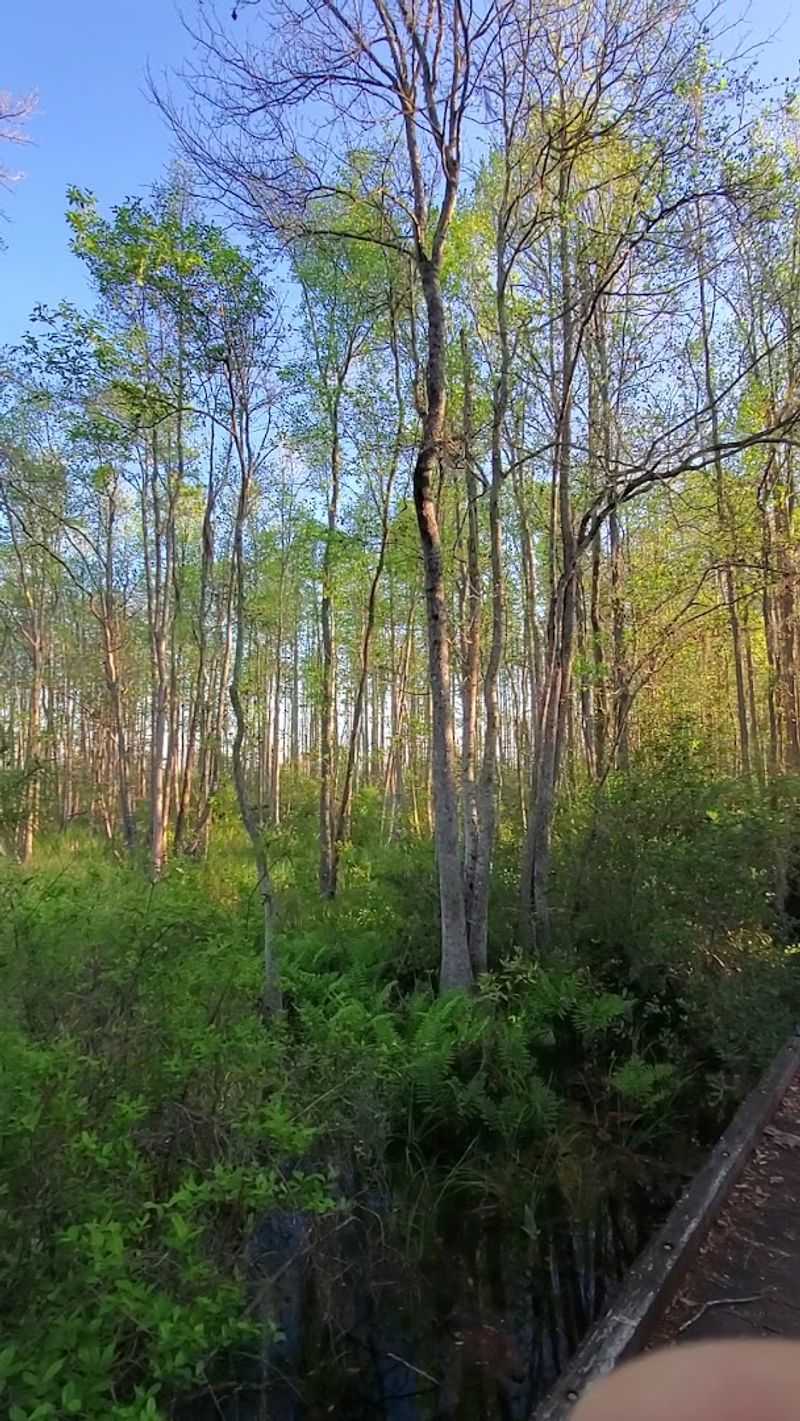
The name alone is enough to spark curiosity. The Trembling Earth Nature Trail earned its name from the floating peat islands scattered throughout the Okefenokee, which shake and quiver underfoot because they are not actually anchored to solid ground. Walking this 1.5-mile trail is one of the most unique hiking experiences in the entire state of Georgia, offering a close-up look at the swamp’s bizarre and beautiful ecosystem.
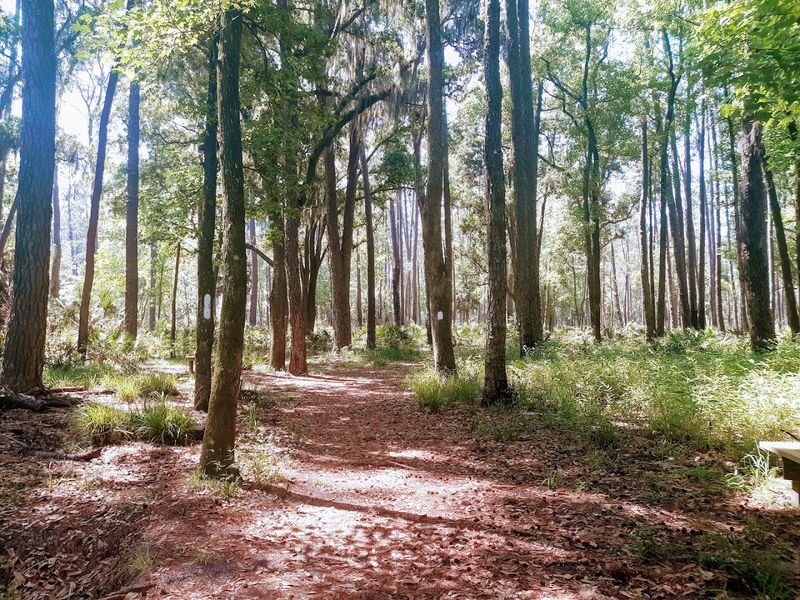
The trail winds through pine flatwoods and along the swamp’s edge, passing through habitats that support carnivorous plants like sundews and pitcher plants alongside towering cypress trees draped in Spanish moss. Interpretive signs along the route explain the ecology in plain language, making it educational without feeling like homework. Trail conditions are generally well-maintained, though sturdy footwear is recommended since some sections can be muddy after rain.
Morning walks tend to reward hikers with cooler temperatures and more active bird and wildlife sightings along the route.
8. Boardwalk Access with Panoramic Swamp Views
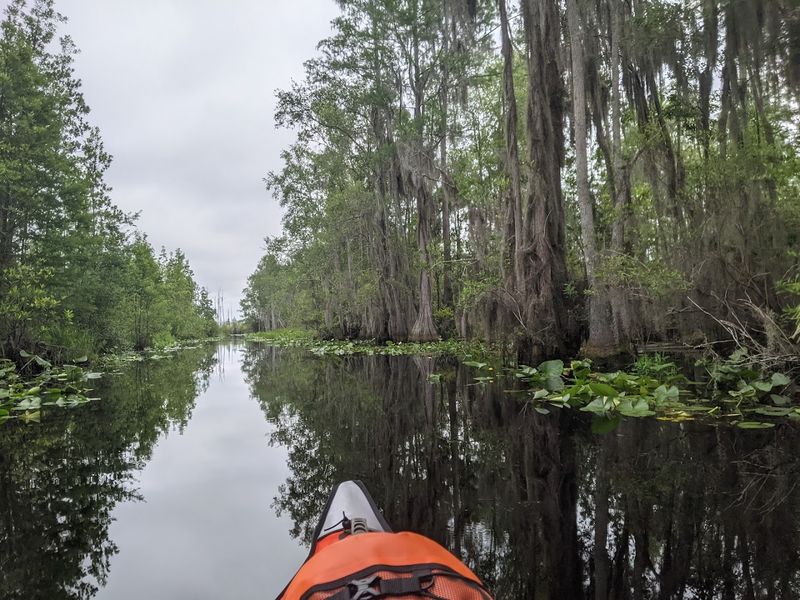
Not every great nature experience requires a strenuous hike, and the park’s boardwalk proves that point effortlessly. Stretching out over the swamp’s surface, the boardwalk puts visitors directly above the water, offering eye-level views of alligators, turtles, wading birds, and the dense aquatic vegetation that makes the Okefenokee so visually striking. It is accessible for most visitors and requires minimal physical effort, making it one of the park’s most inclusive features.
Sunset visits to the boardwalk are particularly memorable, as the fading light turns the tannin-stained water shades of copper and gold and birds begin their evening routines. Photography enthusiasts will find the boardwalk a reliable spot for capturing dramatic wildlife shots with clean, unobstructed backgrounds. Binoculars are a worthwhile addition to any boardwalk visit.
Early mornings and late afternoons consistently offer the best wildlife activity, while midday visits are quieter but still scenic and pleasant in the cooler months of the year.
9. Comfortable Cottage Accommodations
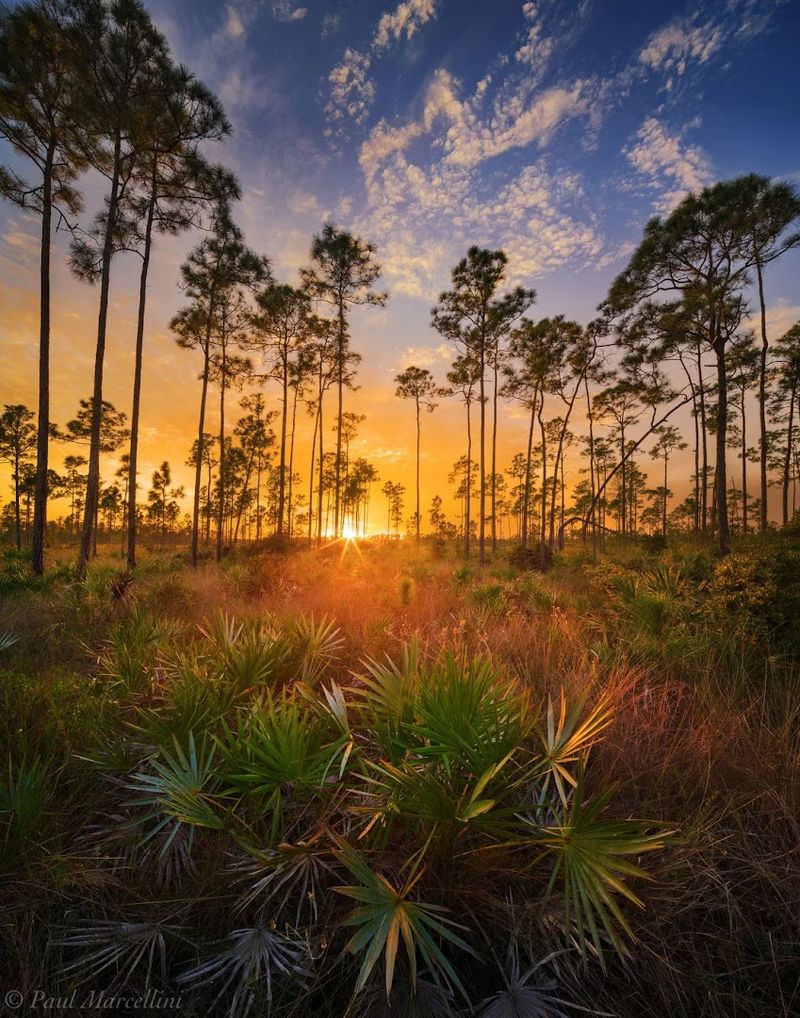
Spending the night inside a state park always adds a dimension that a day trip simply cannot match, and the nine cottages at Stephen C. Foster State Park make that overnight experience genuinely comfortable. Each cottage comes equipped with modern amenities including heating and air conditioning, fully furnished kitchens, and private bathrooms, so guests can enjoy the wilderness without sacrificing basic comforts.
Waking up to swamp sounds just outside the window is an experience that feels a world away from everyday life. The cottages are especially popular with families and couples looking for a quiet retreat that does not require setting up a tent.
Availability can be limited during peak seasons and astronomy event weekends, so booking well in advance through the Georgia State Parks reservation system is strongly recommended. Staying overnight also provides the best access to dark sky viewing, since guests can simply step outside their cottage door long after day visitors have departed and the park has settled into its deepest, most satisfying quiet.
10. Camping Facilities for Every Style
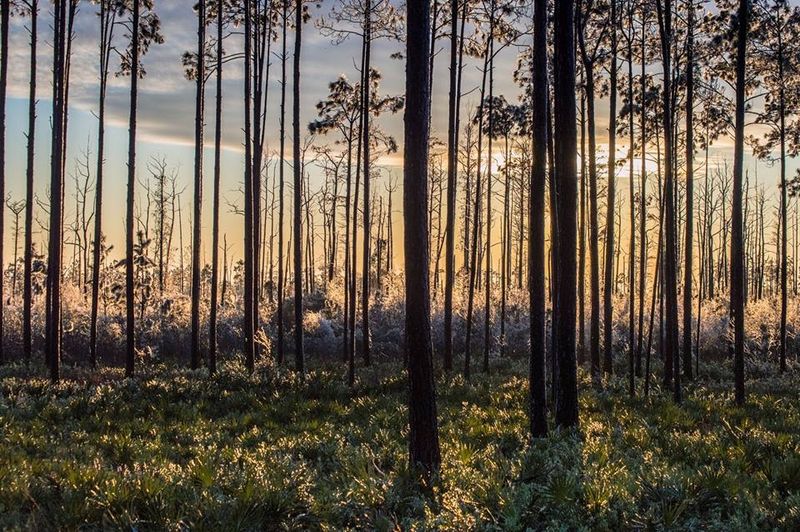
Camping at a certified dark sky park is a completely different experience from camping at an ordinary campground, and the facilities at Stephen C. Foster make it easy for campers of all experience levels to settle in comfortably. The park offers standard tent sites, trailer hookups, and full RV hookups, giving visitors the flexibility to camp in whatever style suits them best.
A pioneer campground is also available for those who want a more stripped-back, rustic experience closer to the swamp itself.
Each campsite benefits from the park’s exceptional darkness after sundown, meaning that even a casual glance upward from your campfire reveals a sky dramatically more impressive than anything visible from a suburban backyard. Hot showers and restroom facilities are available within the campground area. Reservations are recommended year-round, particularly during fall and winter when cooler temperatures make camping far more comfortable in this part of southern Georgia.
Bug spray is genuinely non-negotiable during the warmer months.
11. Picnic Shelters Surrounded by Nature
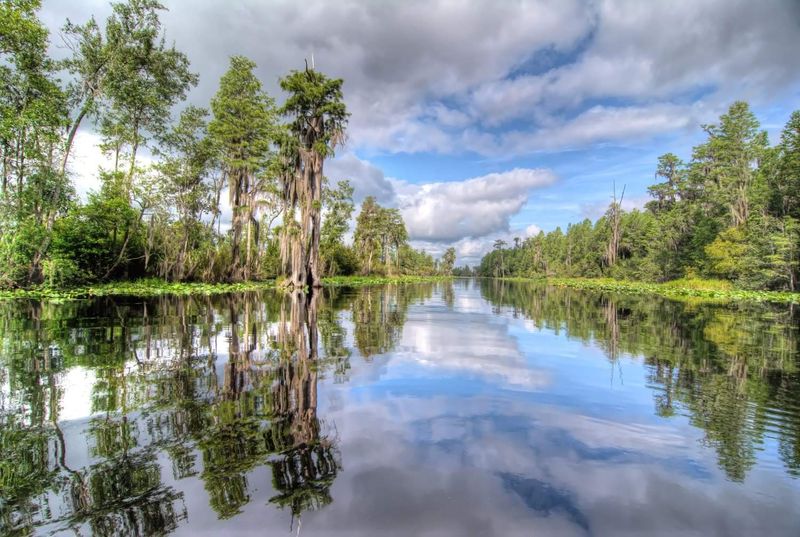
Sometimes the best part of a park visit is simply sitting still and soaking in the surroundings, and the picnic shelters at Stephen C. Foster make that easy to do in comfort. Shaded and well-positioned within the park’s natural landscape, these shelters offer a relaxed base for families, groups, and solo visitors who want to eat a packed lunch without battling direct sun or unexpected afternoon rain.
The sounds of the surrounding swamp and forest provide a natural soundtrack that no restaurant could replicate. Shelters can be reserved in advance for larger group gatherings, making the park a genuinely viable option for group outings, family reunions, or school field trips that want a nature-focused setting.
Even without a reservation, open shelters are typically available on weekday visits outside of peak holiday periods. Bringing your own food and drinks is the practical choice here, since dining options within the park itself are limited.A cooler packed with cold drinks is especially welcome during the warmer months in southern Georgia.
12. Educational Programs and School Field Trips
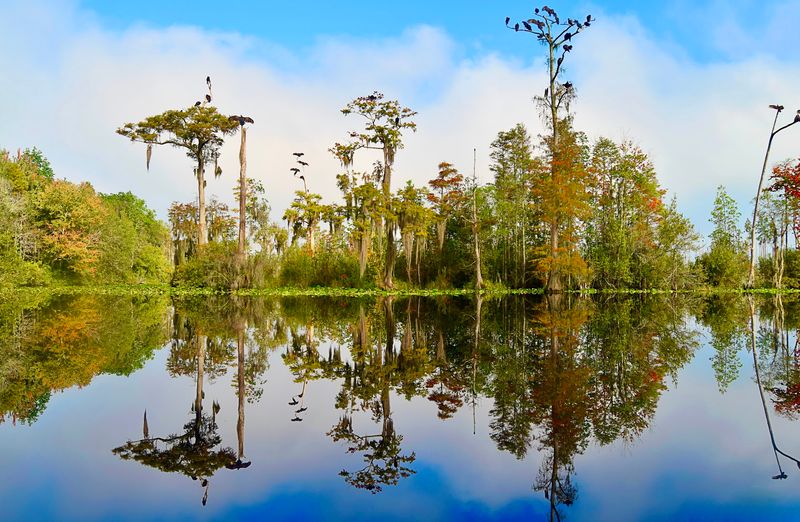
The Okefenokee Swamp is essentially a living classroom, and the educational programs offered at Stephen C. Foster State Park take full advantage of that. Rangers lead structured field trips that cover topics ranging from swamp ecology and carnivorous plant biology to the cultural history of the Okefenokee and the science behind dark sky preservation.
These programs are designed to connect students with real environments rather than textbook descriptions, and teachers consistently report high levels of engagement during visits.
Programs can often be customized to align with specific grade-level curriculum standards, which makes planning a school trip more straightforward than it might initially seem. Adults and families visiting independently can also benefit from interpretive programming offered on weekends and during special event periods. The combination of hands-on swamp access and knowledgeable ranger guidance makes these sessions far more memorable than a standard nature walk.
Checking the park’s event schedule ahead of time helps ensure the right program is available during a planned visit.
13. World-Class Birdwatching in the Okefenokee
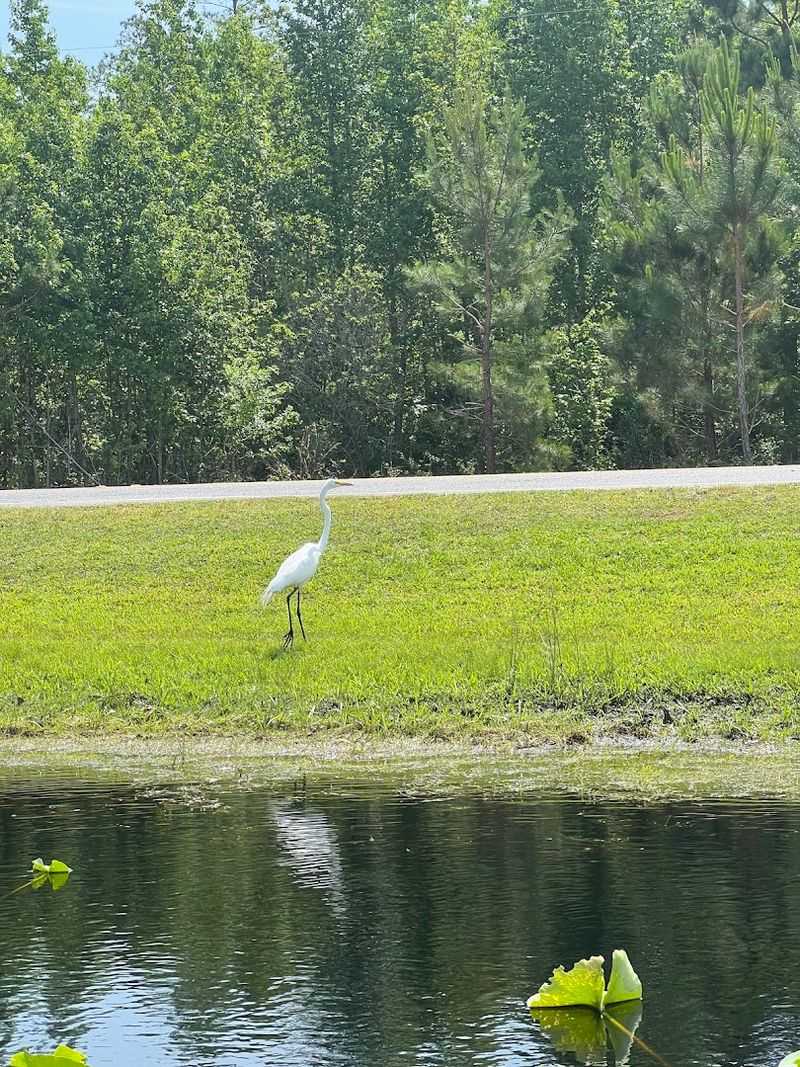
With over 200 recorded bird species, the Okefenokee Swamp is considered one of the premier birdwatching destinations in the entire southeastern United States. Sandhill cranes are among the most iconic residents, their bugling calls carrying across the open marshes at dawn and dusk in a way that immediately signals you are somewhere genuinely special. Wood storks, anhingas, great blue herons, little blue herons, and egrets are regular sights along the water’s edge and from the boardwalk.
The park also provides habitat for several species that are harder to find elsewhere in Georgia, including the endangered red-cockaded woodpecker and the Florida sandhill crane. Fall and winter months bring migratory waterfowl through the swamp, significantly expanding the species count available to visiting birders during those seasons.
Binoculars with at least 8x magnification are recommended, and a regional field guide to southeastern birds adds considerably to the experience. Early morning visits consistently offer the highest activity levels and the best lighting for both observation and photography.
14. Photography Opportunities Day and Night
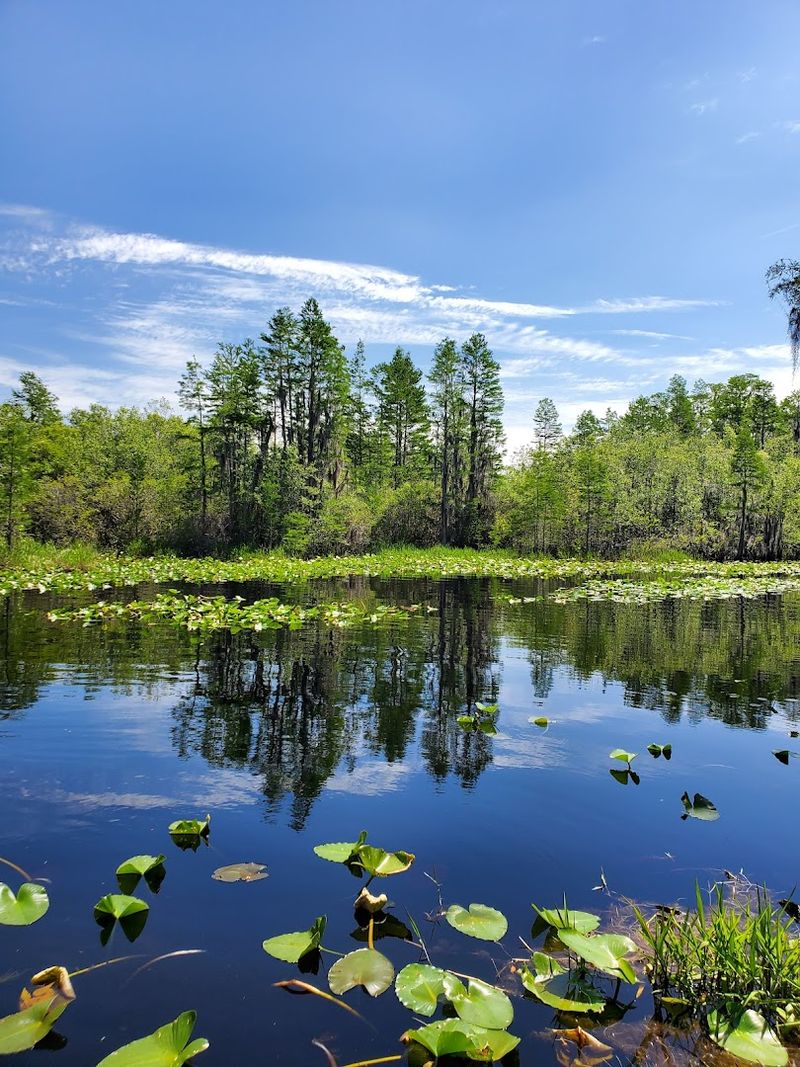
Few locations in Georgia offer the photographic range that Stephen C. Foster State Park delivers across a single visit. During daylight hours, the swamp provides endlessly compelling subjects: alligators breaking the water’s surface, carnivorous plants catching insects, herons frozen in perfect stillness, and the graphic silhouettes of cypress trees rising from mirror-flat water.
The quality of light in the late afternoon, when the sun sits low and warm over the marsh, is particularly striking.
After dark, the park’s Gold-tier dark sky status opens up a completely different genre of photography. Long-exposure shots of the Milky Way reflected in the swamp’s still water have become some of the most shared images in Georgia nature photography circles. A wide-angle lens, a sturdy tripod, and a remote shutter release are the practical essentials for serious night photography here.
New moon weekends offer the darkest conditions, and checking a lunar calendar before planning a photography trip makes a significant difference in the results achievable.
15. Minimal Light Pollution and True Darkness
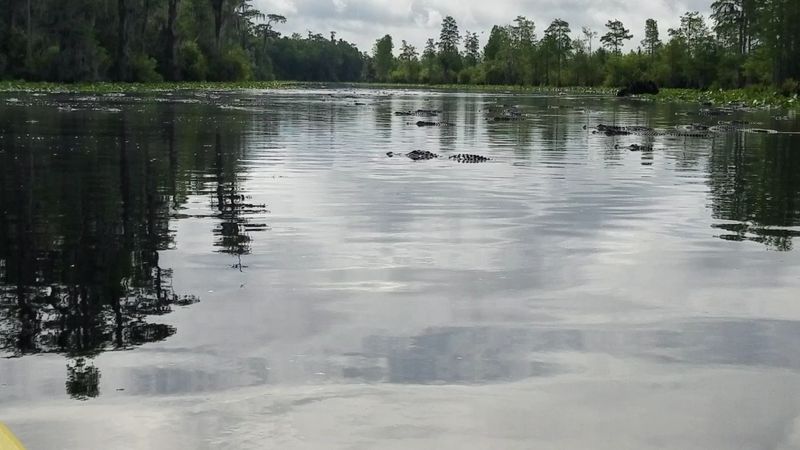
True darkness is rarer than most people realize. Light pollution now affects more than 80 percent of the world’s population, meaning that a genuinely dark sky has become something many people have never actually experienced. Stephen C.
Foster State Park’s remote location in Charlton County, Georgia, places it far enough from any significant urban center that artificial light on the horizon is essentially absent on clear nights. The difference compared to a suburban sky is not subtle; it is staggering.
The park’s Gold-tier International Dark Sky Park designation means it has met rigorous standards for darkness measurement, lighting management within the park itself, and community education around light pollution issues.
Visitors who have only ever seen a handful of stars from their backyard are often genuinely unprepared for the visual impact of a sky containing thousands of visible stars and a clearly defined galactic core. Arriving on or near a new moon date and allowing adequate time for eye adjustment maximizes the full impact of this extraordinary natural asset.
16. The Unique Ecosystem of the Okefenokee Swamp
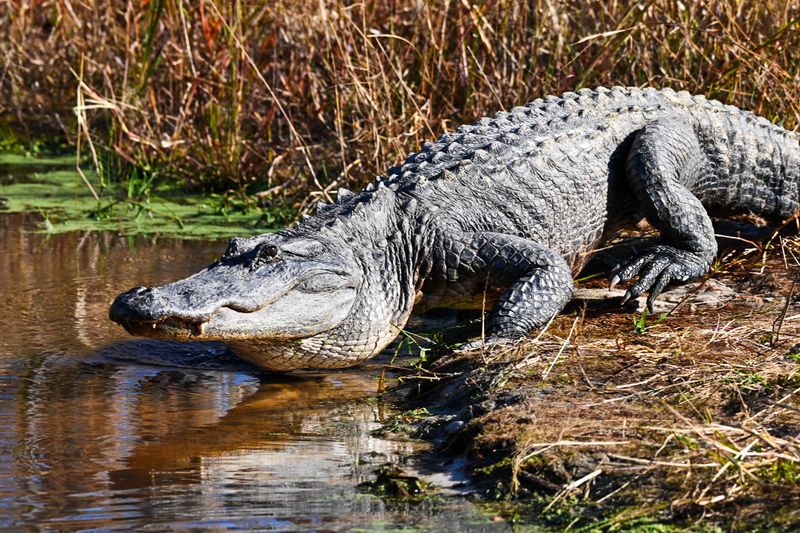
North America’s largest blackwater swamp covers roughly 438,000 acres, and Stephen C. Foster State Park sits at its western entrance, offering one of the most direct and accessible gateways into this extraordinary landscape. The Okefenokee is not a single habitat but a mosaic of environments, including open water prairies, dense cypress forests, pine uplands, and the famous floating peat islands that give the swamp its Creek name meaning land of the trembling earth.
Each zone supports its own distinct community of plants and animals.
The swamp’s blackwater color comes from dissolved tannins leached from decaying plant matter, not from pollution or sediment. This creates a naturally acidic, nutrient-poor environment that carnivorous plants like sundews, bladderworts, and pitcher plants have evolved specifically to exploit. The Okefenokee is also a designated National Wildlife Refuge, adding a layer of federal protection to its already remarkable biodiversity.
Visiting through Stephen C. Foster provides an intimate, well-managed entry point into one of the most ecologically significant wild places remaining in the American Southeast.