Escape To This Charming Georgia Town Where Rent Stays Under $580 And Stress Melts Away
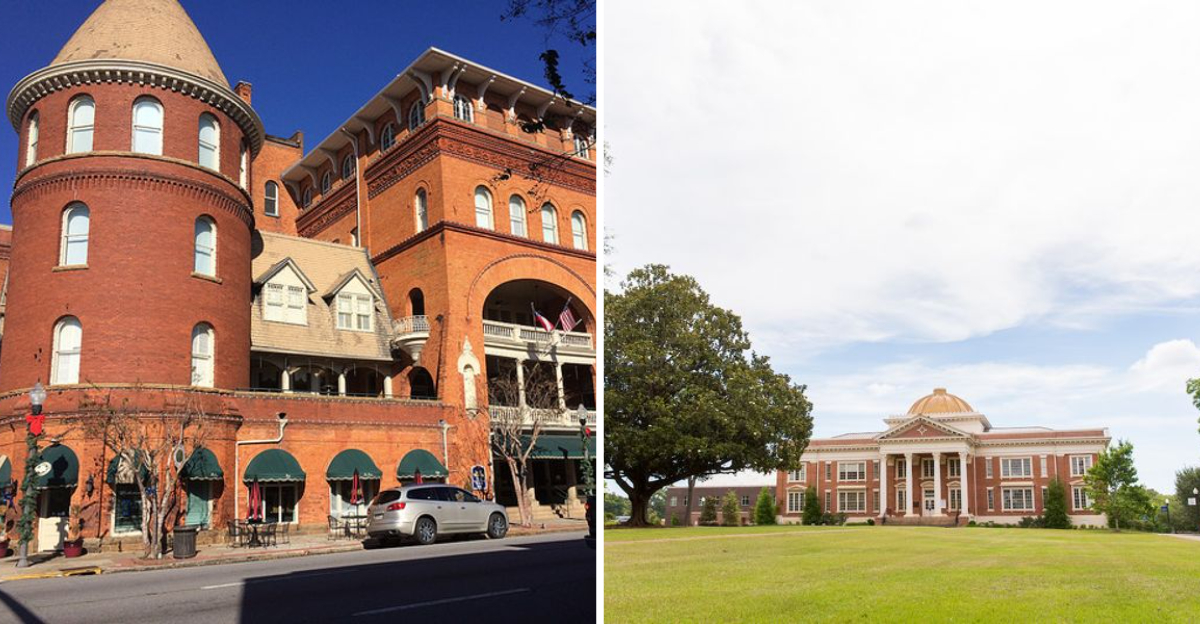
Your stress just exhaled discovering affordability paradise destroying expensive-city mediocrity completely absolutely. Small-city magic materializes suggesting something supernatural about consciousness slowing transformation authenticity.
Have you felt time suspend discovering places where genuine affordability meets authentic charm? Southwest location pulses energy suggesting something revolutionary about preserving regional character fiercely.
Population 16,000 suggests something authentic about community connection transcending metropolitan alienation. Rent under $580 destroys expectations about affordable living possibilities within authentic spaces.
Historic architecture celebrates generational heritage suggesting something sacred about preservation protecting soul. Friendly neighbors materialize organically suggesting something revolutionary about community-first values authenticity.
Slower pace reflects consciousness-shifting philosophy rejecting digital chaos supporting genuine presence absolutely.
1. Rent That Actually Makes Sense For Your Budget
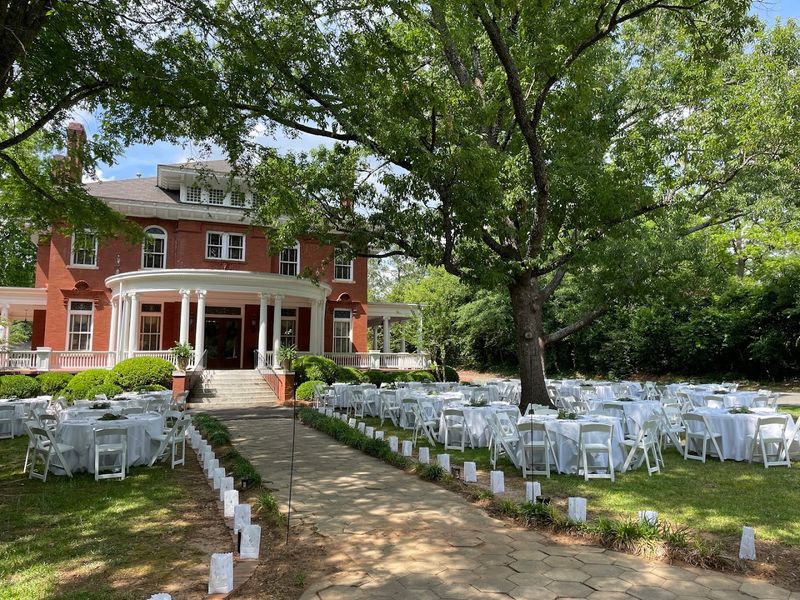
Paying rent should not feel like a part-time job, and in Americus, it genuinely does not. The average monthly rent in this southwest Georgia city hovers well below $580, which is a figure that sounds almost unbelievable compared to most American cities right now.
For that price, renters can often find a full house with a yard, not just a studio apartment.
The affordability here is not a fluke or a temporary dip. The local housing market has consistently remained accessible, which is one of the biggest reasons people choose to plant roots here.
Families, retirees, and young professionals alike benefit from the financial breathing room that lower rent provides.
When housing costs stay manageable, everyday life feels less pressured. Money that might otherwise vanish into rent can go toward savings, hobbies, or simply enjoying a meal out without guilt.
That kind of financial ease is quietly transformative.
2. Windsor Hotel: A Living Piece Of History
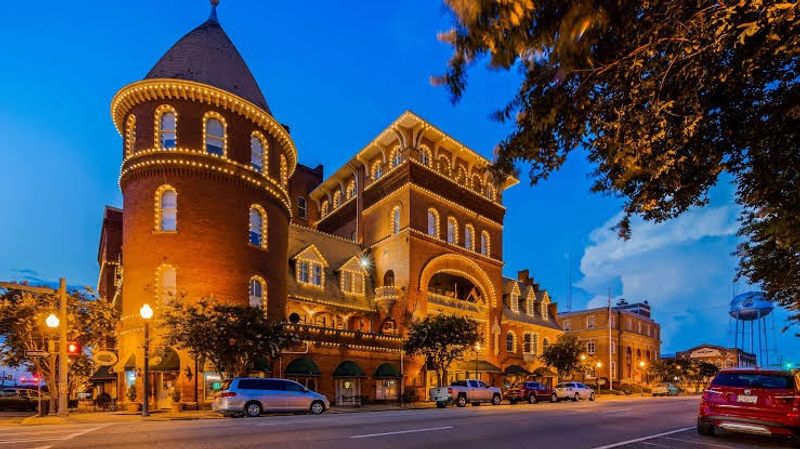
Few small towns in Georgia can claim a hotel as grand as the Windsor. Located at 125 West Lamar Street, Americus, GA 31709, this Victorian-era landmark was built in 1892 and remains one of the most beautifully preserved historic hotels in the entire Southeast.
Its red brick facade, turrets, and wraparound details make it look like something out of a storybook.
The Windsor has hosted presidents and dignitaries over its long history, and stepping inside still carries a sense of occasion. The lobby features soaring ceilings, period furnishings, and a warmth that modern hotels rarely replicate.
Even if staying overnight is not on the agenda, stopping in for a look around or a meal at the on-site restaurant is absolutely worth the detour.
Weekday visits tend to be quieter, which allows more time to appreciate the architecture without crowds. The hotel is open to the public and welcomes curious visitors warmly.
3. Jimmy Carter National Historical Park
Just a short drive from downtown Americus sits one of the most quietly fascinating presidential sites in the country.
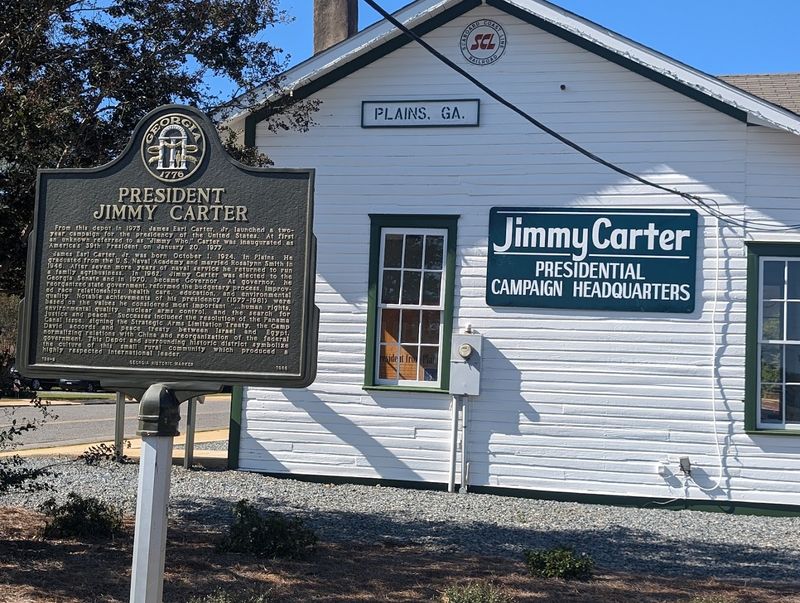
The Jimmy Carter National Historical Park, located at 300 North Bond Street, Plains, GA 31780, preserves the world of the 39th President of the United States, including his boyhood farm, the Plains High School visitor center, and the railroad depot that served as his 1976 campaign headquarters.
Plains is only about ten miles from Americus, making this an easy half-day outing. The park offers free admission, which fits perfectly with the budget-friendly spirit of the whole region.
Rangers are knowledgeable and genuinely enthusiastic about sharing the history connected to this small Georgia community.
Visiting on a weekday means smaller crowds and more time to linger at each stop. The boyhood farm in particular offers a grounded, honest look at rural Georgia life in the mid-20th century that feels both educational and unexpectedly moving.
4. Andersonville National Historic Site
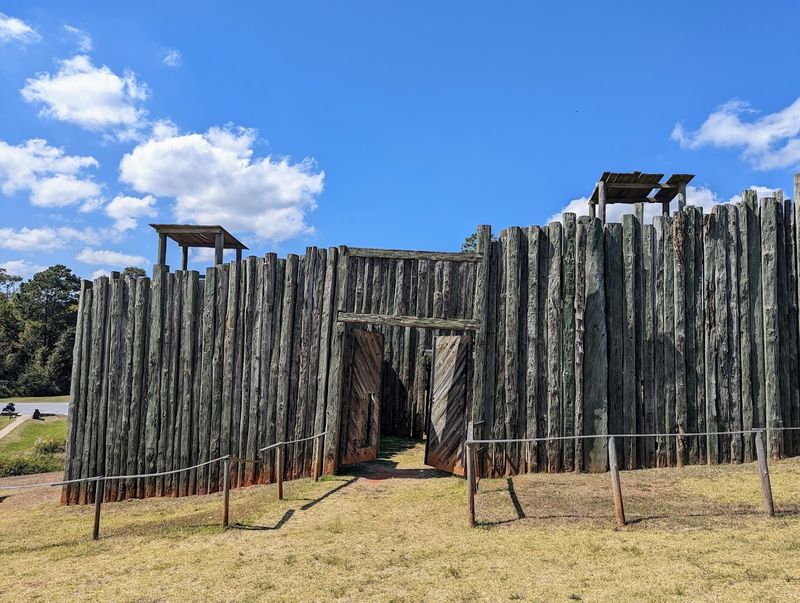
History in this part of Georgia runs deep and sometimes sobering.
The Andersonville National Historic Site, located at 496 Cemetery Road, Andersonville, GA 31711, is one of the most significant Civil War sites in the country, preserving the grounds of the former Confederate prison camp where nearly 13,000 Union soldiers died during the war.
The National Prisoner of War Museum on site extends the story far beyond the Civil War, honoring American prisoners of war from every conflict. The exhibits are thoughtfully designed and deeply respectful in tone.
It is the kind of place that stays with visitors long after they leave.
Admission to the site is free, and the grounds are well maintained and accessible. The cemetery, with its rows of white markers, is a powerful and peaceful space.
Plan for at least two to three hours to give the museum and grounds the attention they deserve. Morning visits tend to feel especially reflective.
5. A Downtown Worth Strolling Through
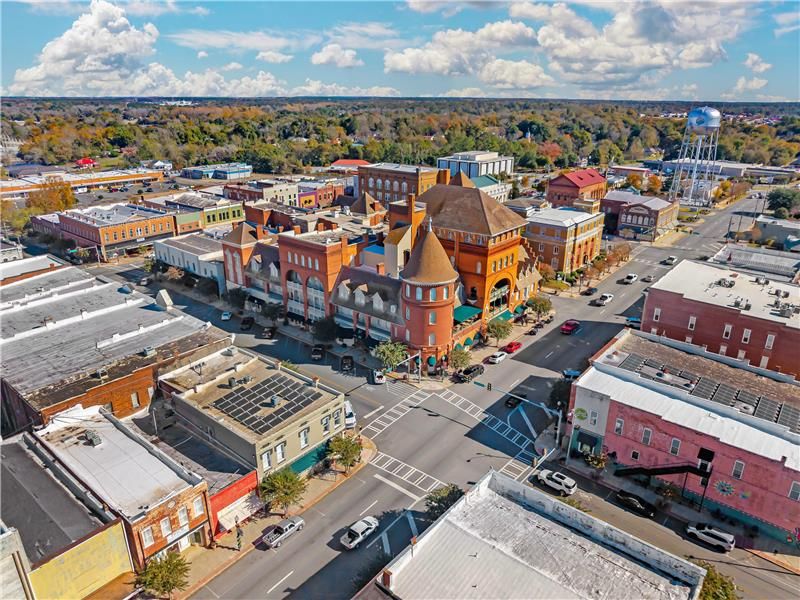
Downtown Americus has the kind of streetscape that makes people slow down naturally. The historic core along Lamar Street and the surrounding blocks features well-preserved brick buildings, locally owned shops, and a relaxed energy that feels genuinely unhurried.
There are no massive chain stores competing for attention here.
Small businesses anchor the downtown experience, from boutiques and antique dealers to local eateries and service shops. The scale of everything feels human and approachable, which is part of what makes wandering around so enjoyable.
Parking is easy and usually free, which removes one of the most common frustrations of visiting any downtown area.
Weekend mornings tend to bring a gentle buzz to the streets without ever tipping into crowded territory. The architecture alone is worth the walk, with many facades dating back to the late 1800s and early 1900s.
Street-level details like decorative cornices and original storefronts reward anyone paying close attention.
6. Rylander Theatre: Culture In A Small Town Package
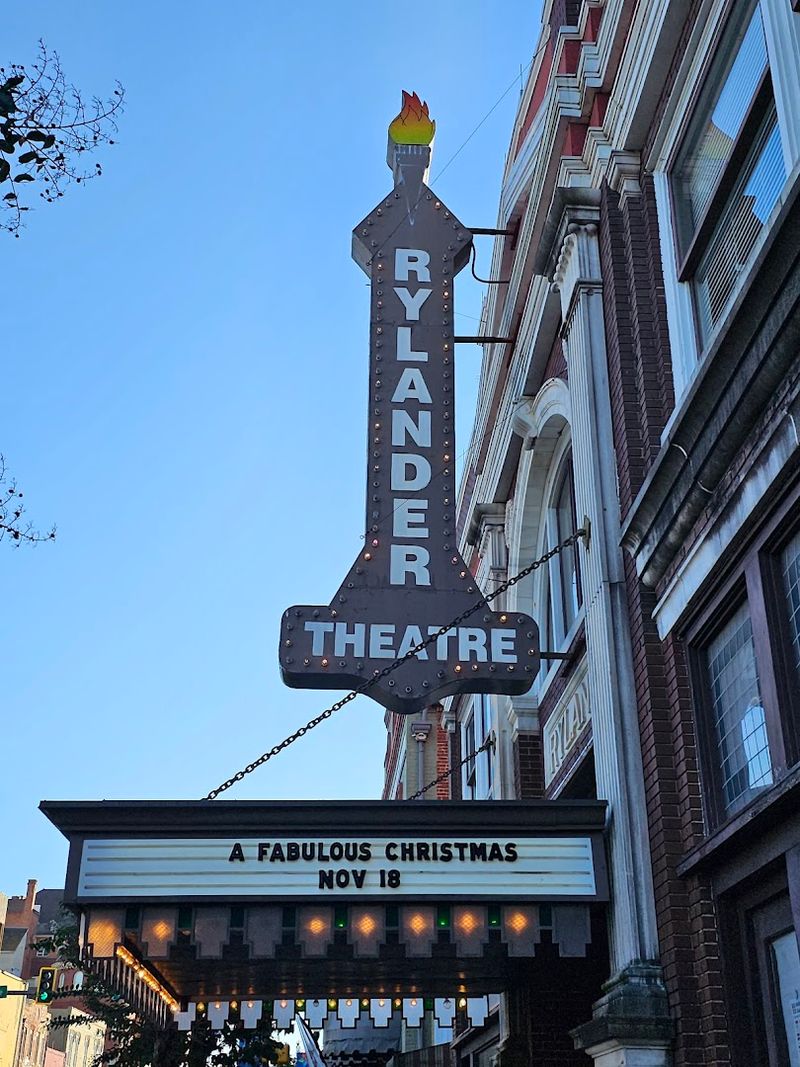
Not every small town has a fully restored historic theater still drawing audiences, but Americus does.
The Rylander Theatre, located at 310 West Lamar Street, Americus, GA 31709, opened in 1921 and has been lovingly restored to host live performances, films, and community events throughout the year.
The interior is genuinely gorgeous, with ornate detailing that transports audiences back to a golden era of entertainment.
The programming at the Rylander tends to be varied and community-focused, ranging from local school productions to traveling performances and special screenings. Ticket prices are typically very reasonable, staying consistent with the overall affordability that defines life in Americus.
Checking the theater’s schedule before a visit is a smart move since events sell out occasionally.
The building itself is worth seeing even outside of a performance. The restored facade is a standout feature of downtown Americus and has become something of a symbol for the city’s commitment to preserving its cultural heritage with real care.
7. Georgia Southwestern State University Energy
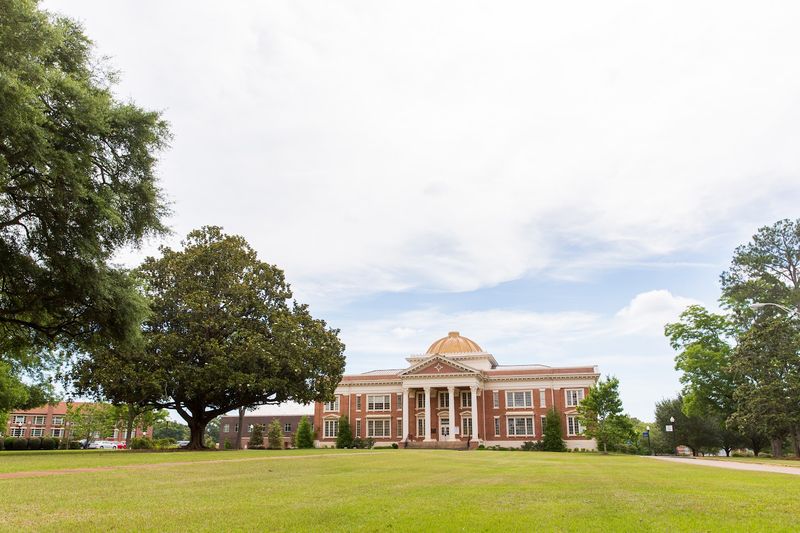
A university in a small town changes the atmosphere in subtle but meaningful ways.
Georgia Southwestern State University, located at 800 Georgia Southwestern State University Drive, Americus, GA 31709, brings a consistent stream of students, faculty, and campus events that add intellectual and cultural energy to the city.
The campus itself is attractive and well-maintained, with green spaces that invite casual visits.
Public events at GSW, including lectures, performances, and athletic games, are often open to the broader community and tend to be affordable or free. The presence of the university also supports local businesses and contributes to a younger demographic mix that keeps the town feeling dynamic rather than stagnant.
For prospective residents, proximity to a university can mean access to continuing education opportunities, community programs, and a library system that serves both students and locals. The university adds a layer of vibrancy to Americus that many similarly sized towns simply do not have.
8. Habitat For Humanity’s Global Village And Discovery Center
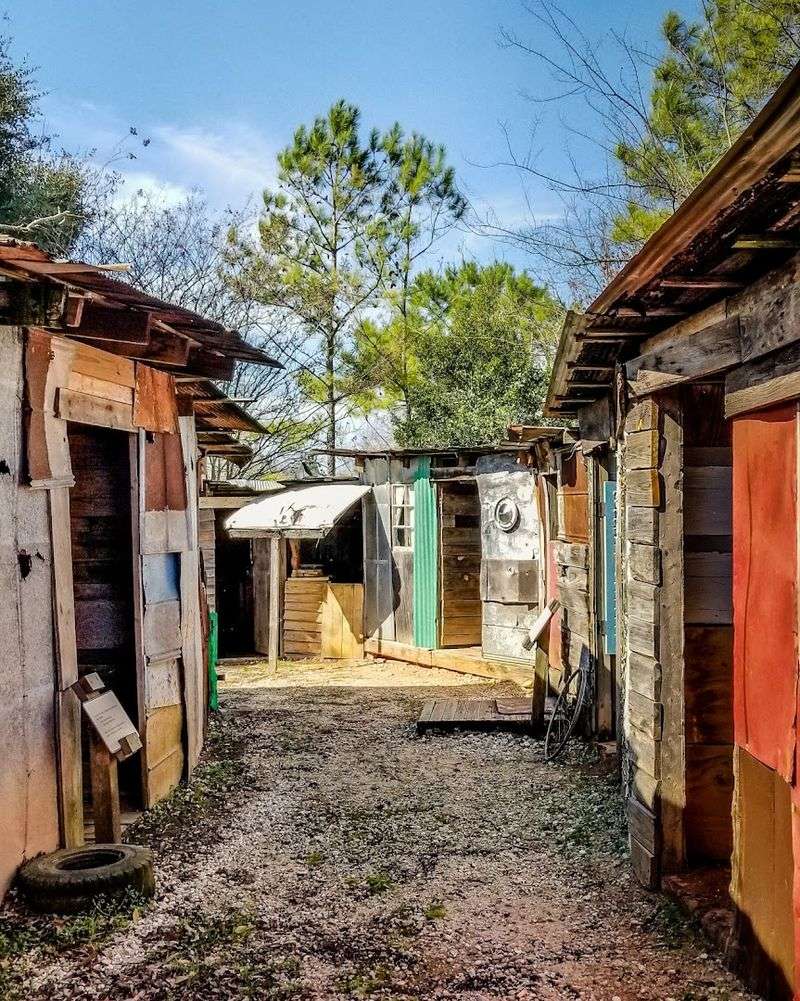
Americus holds a special place in the story of one of the world’s most recognized humanitarian organizations.
Habitat for Humanity was founded in Americus in 1976, and the Global Village and Discovery Center, located at 721 West Church Street, Americus, GA 31709, tells that origin story in an engaging and hands-on way.
The outdoor exhibit recreates housing conditions from around the world, offering visitors a visceral understanding of global housing challenges.
The center is open to the public and makes for a genuinely thought-provoking visit that is also appropriate for families with children. The experience combines education with empathy in a way that feels authentic rather than preachy.
It is one of those stops that tends to spark real conversation among the people who experience it together.
Admission is modest, and the staff are welcoming and knowledgeable. The connection between this small Georgia city and a global movement for affordable housing adds a meaningful layer to the Americus story that visitors often find unexpectedly inspiring.
9. Warm Weather That Stretches The Outdoor Season

Southwest Georgia’s climate is one of those practical advantages that does not always make the top of the list but quietly improves daily life in meaningful ways.
Americus enjoys a humid subtropical climate with long, warm summers and mild winters, meaning outdoor activities remain accessible for a much longer portion of the year than in most parts of the country.
Spring arrives early and tends to bring comfortable temperatures ideal for walking, cycling, or simply sitting outside. Summers are hot and humid, so early mornings are generally the most pleasant time for outdoor activity during those months.
Winters are brief and relatively gentle, with hard freezes being infrequent rather than routine.
This extended outdoor season matters when calculating quality of life. Parks, walking paths, and community spaces get real use throughout the year rather than sitting empty for months at a time.
For people who value time outside, the climate in Americus is a genuine lifestyle benefit worth factoring in.
10. Lake Blackshear: Water Recreation Within Easy Reach
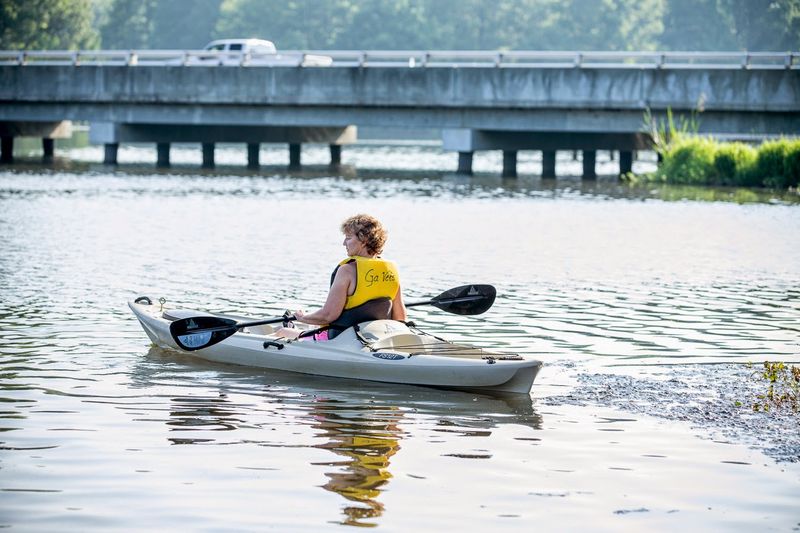
Having a large recreational lake within a reasonable drive of home is a luxury that Americus residents enjoy without much fanfare.
Lake Blackshear, located near Cordele at 2459 U.S. 280 West, Cordele, GA 31015, sits roughly 35 miles northeast of Americus and offers boating, fishing, swimming, and camping in a scenic setting along the Flint River reservoir.
Georgia Veterans State Park, which borders the lake, provides well-maintained facilities including boat ramps, picnic areas, and rental options for those who do not own their own watercraft.
Day-use fees are reasonable, and the park tends to be less crowded on weekdays, making spontaneous trips entirely practical for Americus residents.
Fishing is a particularly popular draw, with the lake known for producing bass, crappie, and catfish. Whether the goal is an active day on the water or a relaxed afternoon at the shore, Lake Blackshear delivers a proper outdoor escape without requiring significant travel time or expense.
11. A Community With Deep Roots And Genuine Pride
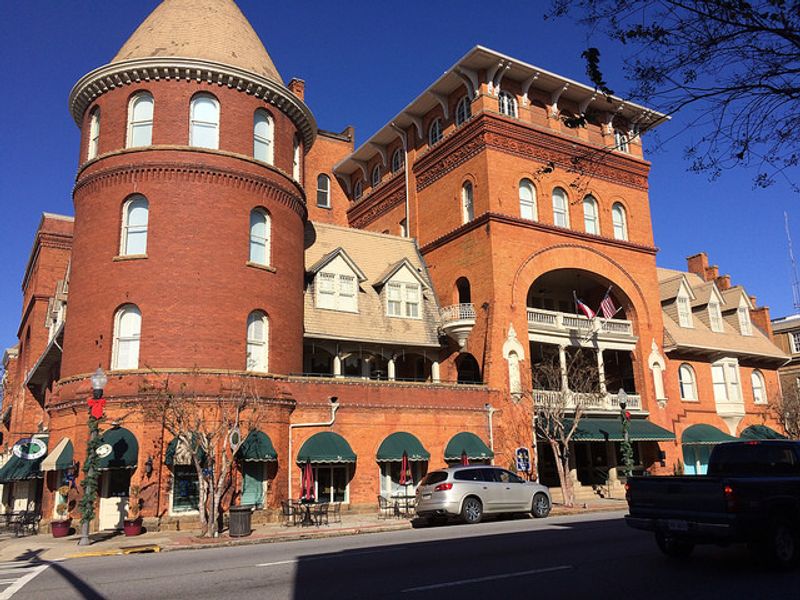
Some towns feel like places people pass through, and others feel like places people belong to. Americus leans firmly toward the latter.
The community here has a long and layered history, shaped by agriculture, civil rights struggles, presidential legacy, and a humanitarian movement that changed housing policy worldwide. That depth gives the city a sense of identity that residents tend to carry with genuine pride.
Local events, church communities, neighborhood associations, and civic organizations keep the social fabric of Americus active and connected. New residents often note that the community is approachable and that building a social network happens more organically here than in larger, more anonymous cities.
The city’s connection to the civil rights movement is particularly significant, with Americus having played a real role in the broader struggle for equality in Georgia during the 1960s. That history is acknowledged and honored locally, adding a layer of meaning to life in this community that goes well beyond surface-level small-town charm.
12. Sumter County Farmers Market Fresh And Local

Fresh, locally grown food has a way of making ordinary meals feel like something special.
The Sumter County area supports local agriculture in a meaningful way, and farmers markets in and around Americus give residents direct access to seasonal produce, homemade goods, and locally raised products at prices that reflect the region’s overall affordability.
Shopping this way also keeps money circulating within the local economy.
The agricultural heritage of southwest Georgia means that the variety of available produce tends to be genuinely impressive during peak growing seasons. Peaches, pecans, sweet corn, tomatoes, and greens are among the regional staples that appear regularly.
Vendors at these markets are often the growers themselves, which makes for a more personal and trustworthy shopping experience.
Visiting early in the morning typically means the best selection and the most relaxed atmosphere. Bringing a reusable bag and small bills makes the experience smoother.
For new residents, the farmers market is also one of the friendliest ways to start meeting the people who make up the Americus community.
13. Koinonia Farm: A Remarkable Piece Of American History
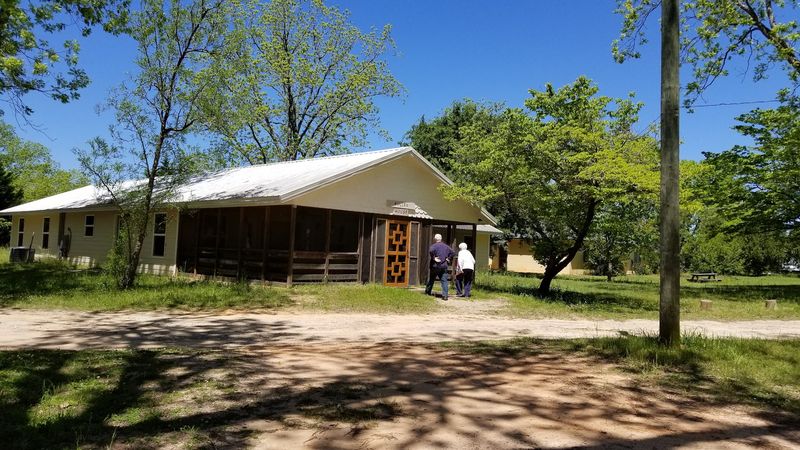
Few places in Georgia carry as much quiet historical weight as Koinonia Farm.
Located at 1324 Georgia Highway 49 West, Americus, GA 31709, this intentional Christian community was founded in 1942 by Clarence Jordan and became a radical experiment in racial integration during the height of the Jim Crow era in the Deep South.
The farm faced intense opposition and violence for its beliefs, yet it endured.
Koinonia is also directly connected to the founding of both Habitat for Humanity and Fuller Center for Housing, making it one of the most consequential small communities in 20th-century American social history.
Today, the farm remains an active community that welcomes visitors for tours, volunteer work, and reflection.
The pecan products grown and sold on the farm are a beloved local item.
Visiting Koinonia offers a grounded, honest encounter with a piece of history that most people have never heard of but find deeply compelling once they do. It is a place that rewards slow, attentive exploration.
14. The Slower Pace That Actually Lets You Breathe
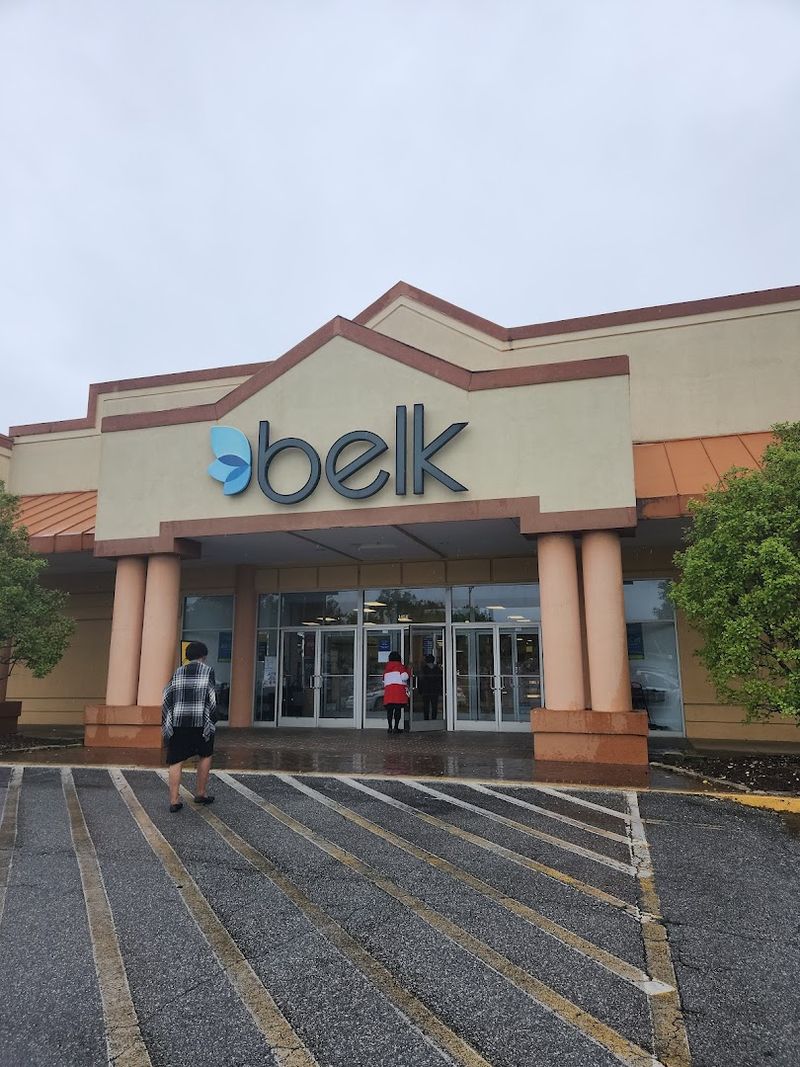
There is a particular kind of stress that accumulates in fast-moving cities, one that builds so gradually that many people stop noticing it until they leave. Americus operates at a noticeably different rhythm.
Traffic is light, lines are short, neighbors wave, and the general tempo of daily life allows for the kind of mental space that has become genuinely rare in modern American living.
That slower pace is not the same as nothing happening. Americus has restaurants, events, a university, historic sites, and an active civic life.
The difference is that none of it comes with the friction and urgency that larger cities impose. Errands take less time, commutes are shorter, and the physical environment itself is less overstimulating.
For people who have spent years grinding through high-cost, high-pressure urban environments, the contrast that Americus offers can feel almost disorienting at first. But most who give it a genuine chance find that the slower pace is not something to adjust to.
It is something to exhale into.