Every Person Of Faith Should Know About This Peaceful Shrine Hidden In Louisiana
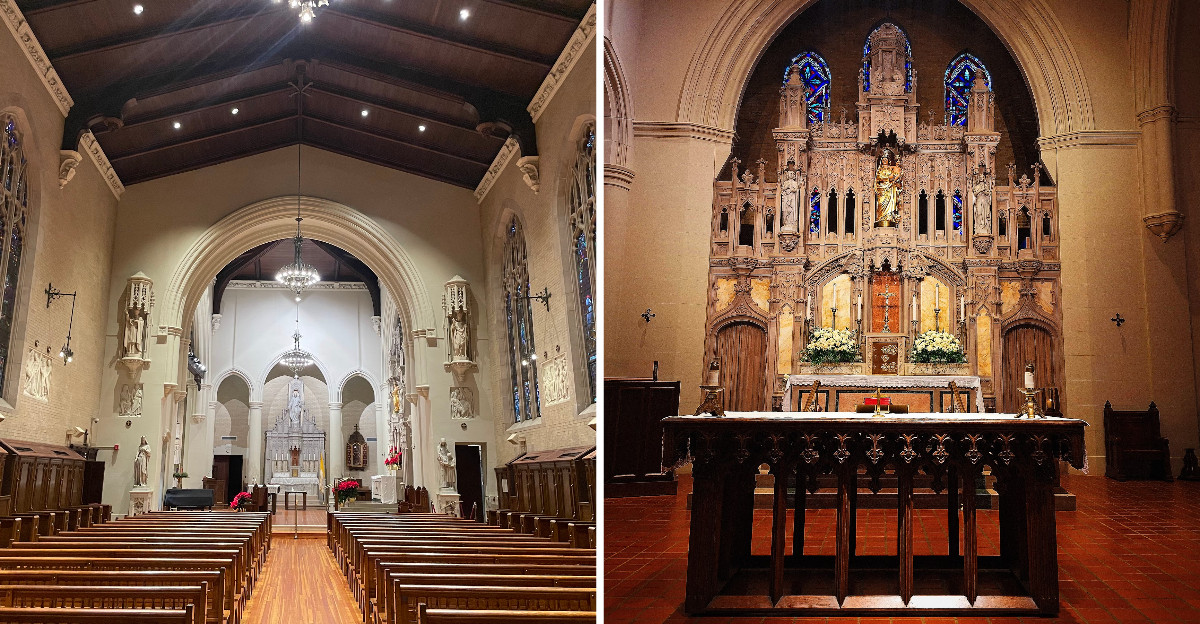
The city keeps moving outside. Behind the doors, everything slows down. That contrast gives this Louisiana shrine much of its power.
Stained glass glows above wooden pews, a golden statue anchors the quiet interior, and generations of prayers have gathered around a name associated with quick help in difficult moments.
Its history reaches through fire, war, storms, and stories of deep faith. Yet the space itself never feels dramatic. It feels still.
Some visitors come with a specific prayer. Others come for history or simple silence.
Either way, a few minutes here can make the noise outside seem very far away.
A Nun’s Bold Promise
The story begins in France during the early nineteenth century, when Mother St. Michel Gensoul hoped to join the Ursuline community in New Orleans.
Permission was difficult to obtain, and the decision ultimately depended on Pope Pius VII.
Before sending her request, she prayed before an image of Mary and promised to honor her under the title Our Lady of Prompt Succor if a favorable answer came quickly.
The reply arrived a little more than a month later.
Mother St. Michel reached New Orleans in December 1810 with companions and a newly commissioned statue connected to the devotion.
The phrase prompt succor means quick help, which explains why the title became closely associated with prayers offered in urgent moments.
The devotion soon spread beyond the Ursuline community and became deeply rooted in Catholic life across Louisiana.
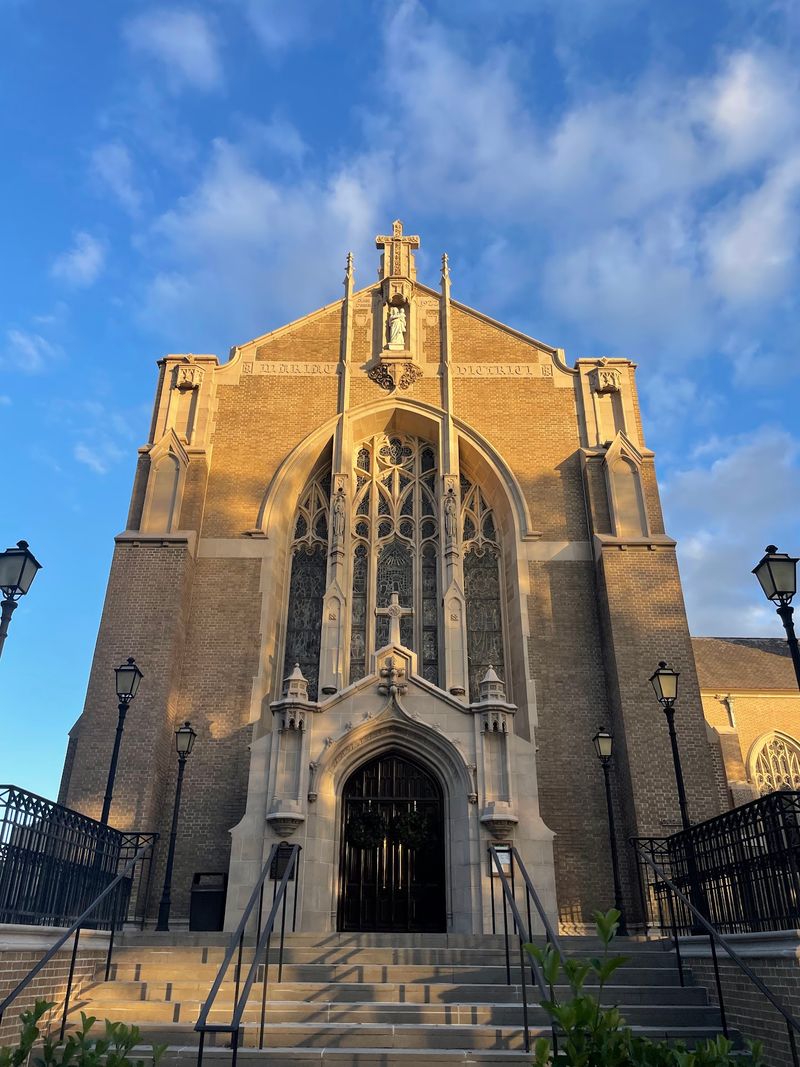
Today, the National Shrine of Our Lady of Prompt Succor continues that tradition at 2701 State Street in New Orleans.
Its role is still centered on pilgrimage, worship, and prayer rather than sightseeing alone.
A Tradition That Took Root In 1788
One of the oldest stories connected with the devotion actually predates Mother St. Michel’s arrival.
In 1788, a major city emergency affected hundreds of buildings in New Orleans and came close to the Ursuline convent.
According to the Ursuline account, one sister carried a small Marian statue to an upstairs window while the community prayed.
Conditions soon shifted, and the convent remained standing.
That small figure was not the large gilded statue later associated with Mother St. Michel.
It is the separate statue known affectionately as Sweetheart, a figure that had already been part of Ursuline life before the 1810 devotion took shape.
This distinction matters because the shrine preserves two different strands of history that are often blended together.
The earlier statue became connected with the 1788 tradition, while the larger image commissioned through Mother St. Michel’s promise became the central image of Our Lady of Prompt Succor.
Both remain important to the shrine’s story.
Prayers Around A Turning Point In 1815
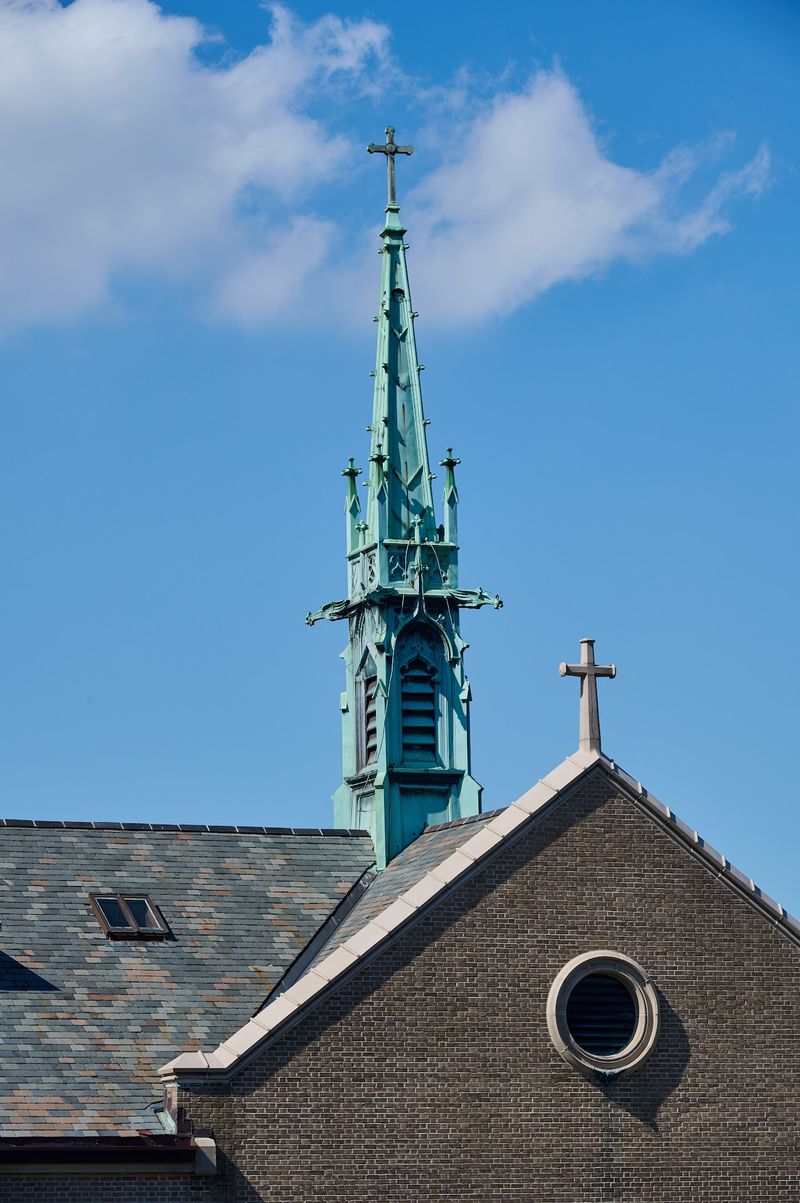
Another major chapter came in January 1815, when New Orleans faced an uncertain moment and the Ursuline community gathered for extended prayer.
Residents joined the sisters in their chapel, and the statue of Our Lady of Prompt Succor became a focus of that vigil.
The community promised an annual Mass of Thanksgiving if the city came safely through the events of January 8.
News later reached the chapel that the immediate threat had passed.
Andrew Jackson subsequently expressed gratitude to the Ursuline community, and the annual observance became one of the shrine’s longest-running traditions.
In 1928, the Holy See formally confirmed Our Lady of Prompt Succor as principal patroness of New Orleans and the state of Louisiana.
That recognition helps explain why the devotion reaches far beyond one convent or one neighborhood.
The January story remains part of the spiritual identity of the shrine, but the emphasis today is less on spectacle than on continuity.
More than two centuries later, the same date still brings worshippers back to State Street.
Gothic Beauty On State Street
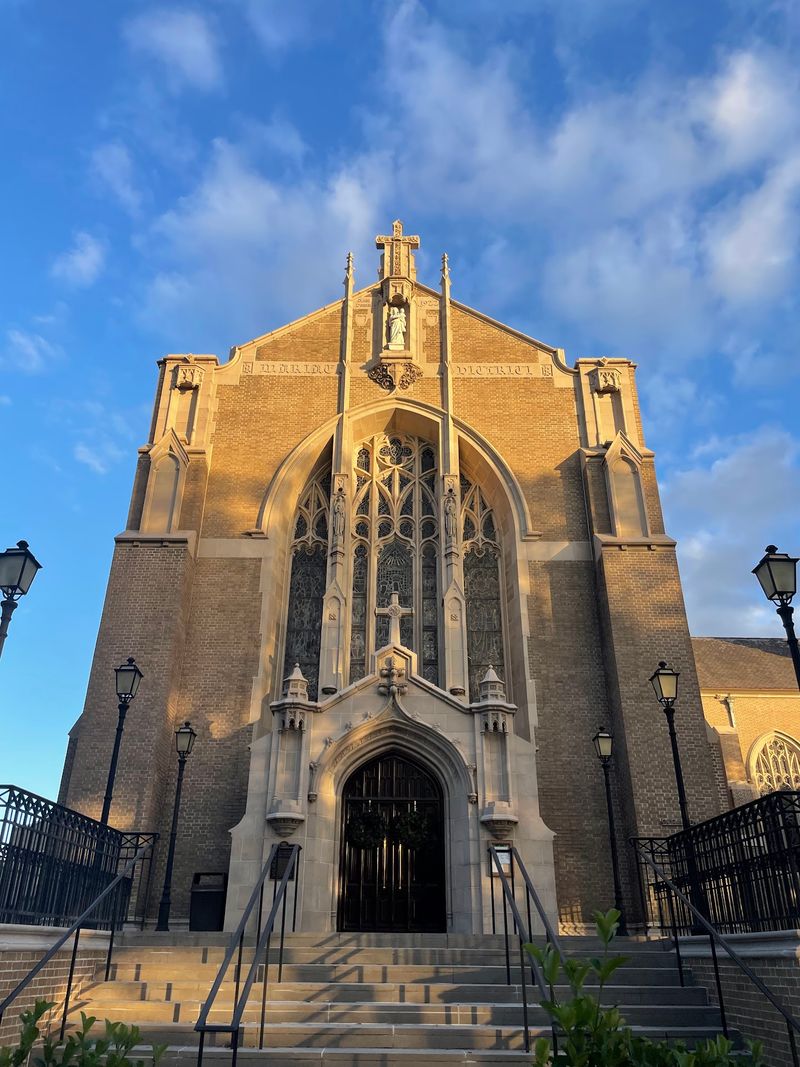
The present shrine on the Ursuline Academy campus was built in the 1920s in a Gothic Revival style.
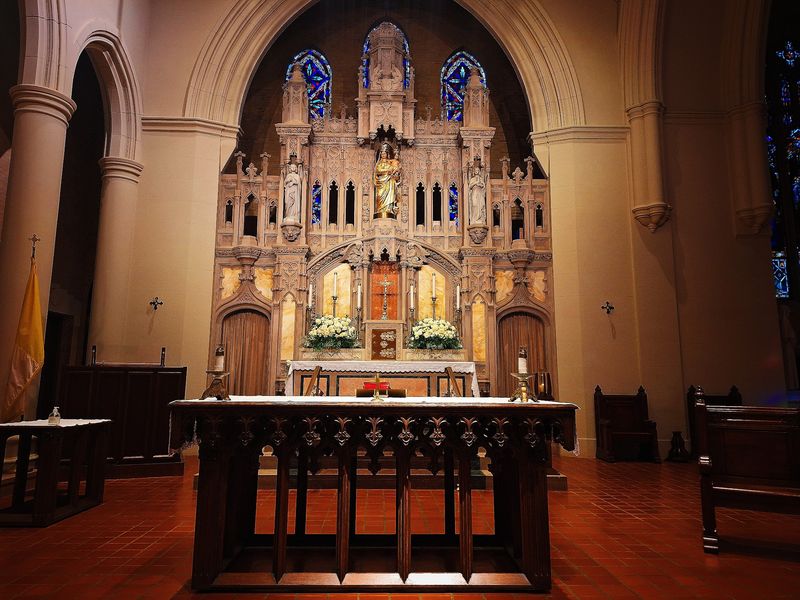
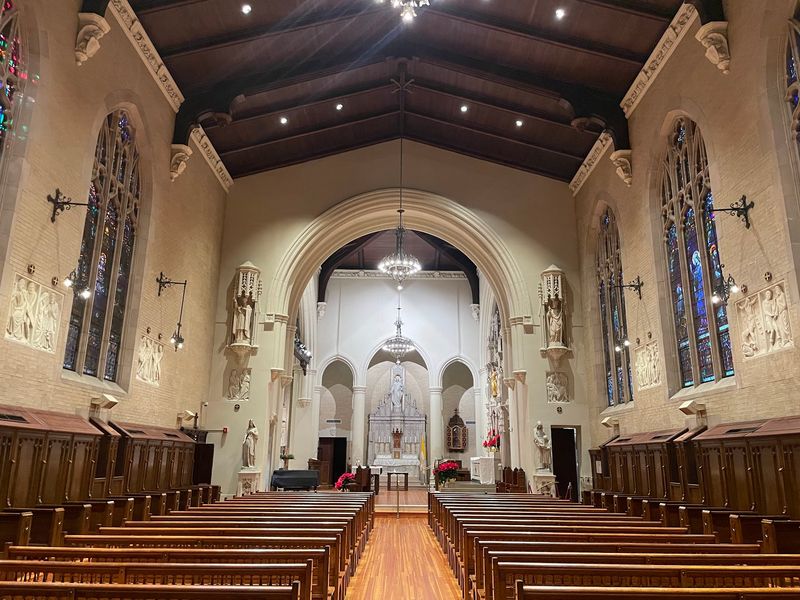
Pointed arches, brick and limestone details, carved wood, stained glass, and a high altar give the interior a strong vertical rhythm.
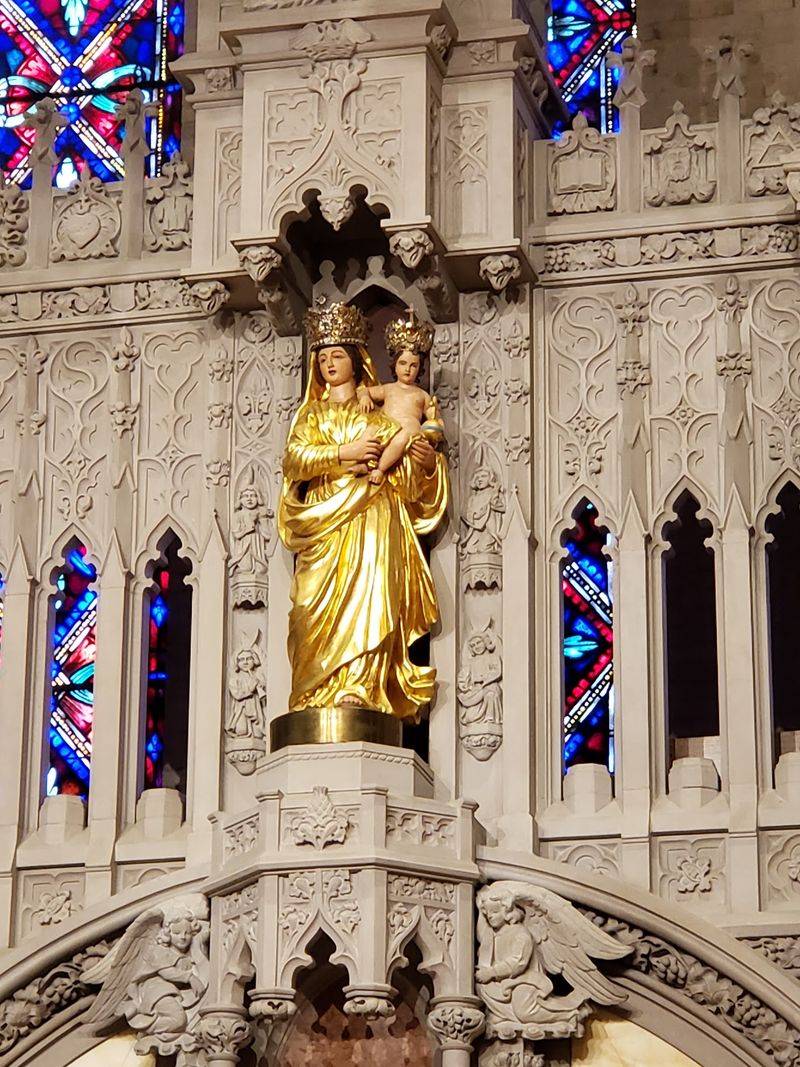
The most commanding feature is the large gilded wooden statue of Our Lady of Prompt Succor with the infant Jesus above the altar.
It stands roughly six feet tall and is the statue connected with Mother St. Michel’s 1810 devotion.
The stained-glass program adds another layer of detail.
Windows in the public chapel follow scenes connected with Christ, while the adjoining academy chapel includes scenes from Mary’s life.
Strong reds, greens, and blues make the glass especially noticeable when daylight reaches the nave.
The two chapel spaces meet at right angles and share the same sanctuary, creating an unusual layout that reflects the shrine’s connection with both the public and Ursuline Academy.
I found the contrast between the intimate scale and the richly worked details especially memorable.
This is a shrine rather than a cathedral, but its craftsmanship gives the interior a much larger presence.
Meet The Little Sweetheart
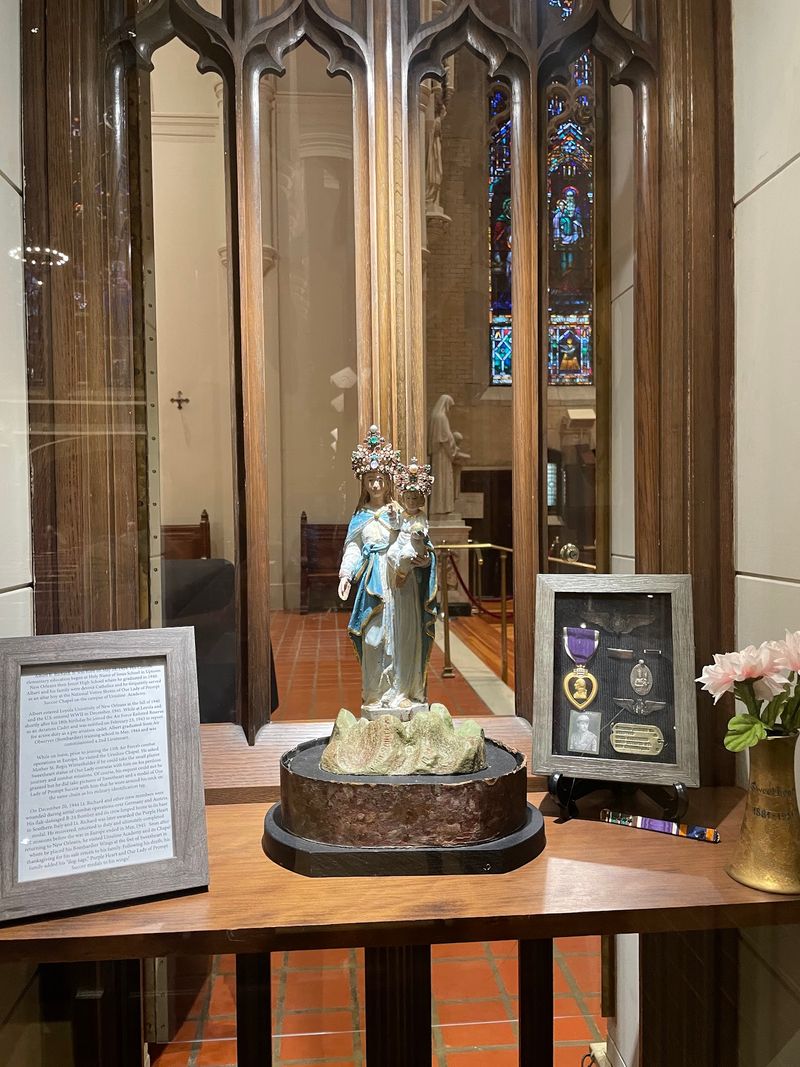
The tiny statue called Sweetheart is easy to confuse with the much larger image above the altar, but the two have separate histories. Sweetheart stands only about twelve inches high.
The figure was brought to New Orleans by an Ursuline sister in the eighteenth century and had already become part of convent devotion before Mother St. Michel arrived.
Its affectionate nickname came later, when an Ursuline sister repeatedly referred to the little figure as a sweetheart after hearing stories of answered prayers.
The statue connected with the title Our Lady of Prompt Succor, by contrast, was commissioned through Mother St. Michel’s promise and arrived in 1810.
Seeing both helps make the chronology much clearer.
One belongs to the earlier Ursuline story, while the other became the principal image of a devotion that spread far beyond New Orleans.
The contrast in size is striking, but both figures remain closely tied to the spiritual life of the shrine.
Visitors interested in the history can also use the shrine’s virtual tour, which includes dedicated material on the Sweetheart statue and the larger image.
The January 8 Thanksgiving Mass
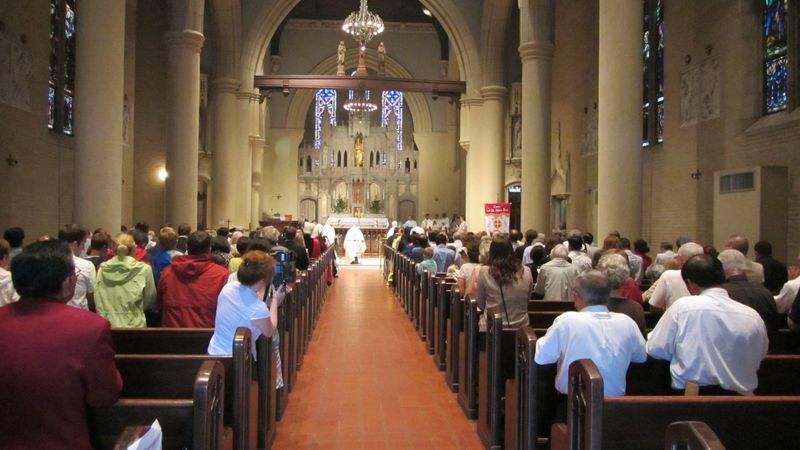
January 8 remains the most important annual date on the shrine calendar.
The Ursuline community has maintained a Mass of Thanksgiving connected with the events of 1815 for more than two centuries.
The tradition grew from a promise made during the prayer vigil held the previous evening.
In 2026, the annual Mass was celebrated at the National Shrine on January 8 at 4 p.m.
The observance also carries a broader meaning because Our Lady of Prompt Succor is patroness of both New Orleans and Louisiana.
The gilded statue above the altar has an additional ceremonial history.
It received a formal crowning in 1895, and the crowns are associated with special celebrations at the shrine.
The annual service is an active religious observance rather than a historical reenactment, so visitors should approach it with the same quiet respect expected at any liturgy.
For anyone interested in the shrine’s history, January 8 connects the present community directly with a promise that has been kept for generations.
A Living Devotion On Campus
The shrine sits on the 11.5-acre campus of Ursuline Academy of New Orleans, the oldest continuously operating school for girls in the United States.
That setting keeps the site from feeling isolated from everyday life.
Students, worshippers, sisters, and visitors all share a campus whose history reaches back to the Ursuline arrival in New Orleans in 1727.
Written prayer intentions remain part of shrine practice.
The Ursuline Sisters gather those petitions in the sanctuary, where they are remembered during daily Mass.
Eucharistic Adoration is also offered on the first Thursday of each month from September through May, generally from 10 a.m. to 4 p.m.
The shrine’s stained glass, carved altar work, statues, and historic devotional objects reward slow looking, but quiet prayer remains the central purpose of the space.
A visit can therefore feel very different depending on the day.
One person may come for architecture, another for family history, and another simply for stillness.
That mix has helped the shrine remain relevant long after the events that first made the devotion known.
Smart Tips For Your Visit
Current visitor hours are more limited on weekends than the older schedule in the original draft suggested.
On weekdays, the shrine is open from 10 a.m. until after the 5 p.m. Mass.
Saturday access begins about 30 minutes before the 11:30 a.m. Mass, while Sunday access begins about 30 minutes before the 9:30 a.m. Mass.
Holy days and holidays can follow different schedules.
The shrine also has an access ramp and an accessible restroom.
Visitors who want a formal pilgrimage or tour can arrange one separately through the shrine.
Because the building remains an active place of worship, quiet voices and respectful photography are appropriate whenever services or private prayer are underway.
The State Street address places the shrine on the Ursuline Academy campus rather than in the French Quarter location associated with the earliest stories.
Allow enough time to sit quietly, study the stained glass, and take in the two statues without rushing.
For a small sacred space, the National Shrine of Our Lady of Prompt Succor carries an unusually layered history, and this Louisiana landmark remains closely connected to the community that has cared for it for generations.